DIY Vertical Garden Ideas
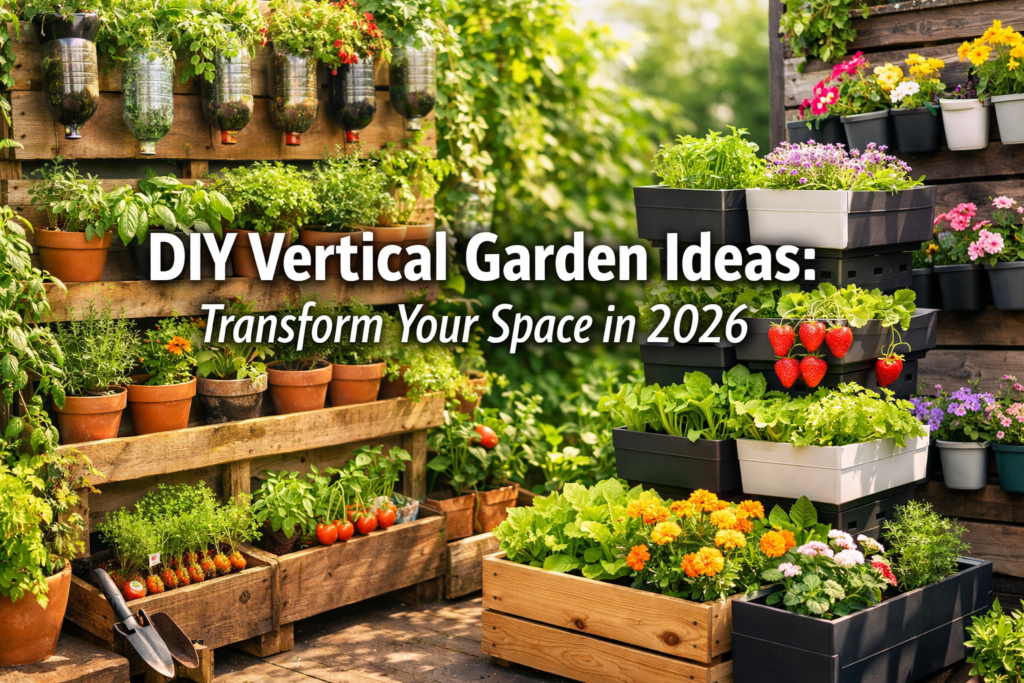
Quick Answer: DIY vertical garden ideas allow you to cultivate plants in limited spaces by growing them upwards, utilizing walls, fences, or other vertical structures to maximize greenery and food production in areas like balconies, patios, or even indoors. These projects typically involve repurposing materials such as pallets, plastic bottles, or fabric pockets, offering a cost-effective and sustainable way to enhance your environment and grow your own produce.
Key Takeaways:
- Vertical gardens maximize growing space, especially useful for urban dwellers and those with small outdoor areas.
- Repurposing materials like pallets, plastic bottles, and fabric offers budget-friendly and eco-conscious options.
- Proper planning for sunlight, water, and plant choice is crucial for a successful vertical garden.
- DIY vertical gardens can enhance aesthetics, improve air quality, and provide fresh herbs or vegetables.
- Consider weight, drainage, and structural integrity when designing and installing your vertical garden.
- Maintenance, including watering and feeding, will differ slightly from traditional horizontal gardens.
- Vertical gardening reduces pest issues and can make gardening more accessible for individuals with mobility challenges.
Why Should You Consider DIY Vertical Garden Ideas for Your Home in 2026?
You should consider DIY vertical garden ideas in 2026 because they offer an efficient and aesthetic solution for maximizing plant growth in minimal space, making gardening accessible even in urban environments or small apartments. Vertical gardening transforms unused vertical areas into lush green landscapes, allowing you to grow herbs, vegetables, and flowers without needing a large yard.
- Space Optimization: In densely populated areas, ground space is a luxury. Vertical gardens enable you to utilize walls, fences, and even balcony railings, effectively turning otherwise blank canvases into productive gardens. This is particularly beneficial for those living in apartments or homes with small yards. For more on maximizing small spaces, explore our Vertical Gardening Guide for Small Spaces: Grow More in 2026.
- Aesthetic Enhancement: Beyond practicality, vertical gardens are visually stunning. They can act as living art installations, adding natural beauty, texture, and color to drab walls or fences. This can significantly boost curb appeal or create a serene indoor ambiance.
- Improved Air Quality & Temperature Regulation: Plants naturally filter air pollutants and release oxygen. A substantial vertical garden can contribute to cleaner air around your home. Furthermore, a green wall can act as an insulating layer, potentially reducing indoor temperatures in warmer climates during summer months.
- Increased Food Production: Imagine fresh herbs or crisp lettuce just steps away from your kitchen. Many DIY vertical garden ideas are perfect for growing edible plants, providing a continuous supply of homegrown produce and reducing your grocery bill.
- Accessibility: Vertical gardens can be designed at various heights, making them more accessible for individuals with mobility challenges who might struggle with traditional ground-level gardening.
- Sustainability: By repurposing materials, you contribute to waste reduction and promote a more sustainable lifestyle. Building your own vertical garden often uses less new material than purchasing a pre-made system.
Common Mistake: A common mistake is not assessing the structural capacity of the wall or fence before installing a heavy vertical garden. Ensure your chosen structure can support the combined weight of your planter system, soil, plants, and water. A fully watered garden can be significantly heavier than anticipated. If you have concerns, opt for lighter materials like felt pockets or plastic bottles.
What Are Some Popular DIY Vertical Garden Ideas Using Repurposed Materials?
Several popular DIY vertical garden ideas utilize repurposed materials, offering sustainable and budget-friendly ways to create a green space. These methods often involve everyday items like wooden pallets, plastic bottles, and old fabric, transforming them into functional and attractive planters.
- Pallet Gardens: Wooden shipping pallets are a classic choice for DIY vertical gardens due to their readily available and sturdy construction.
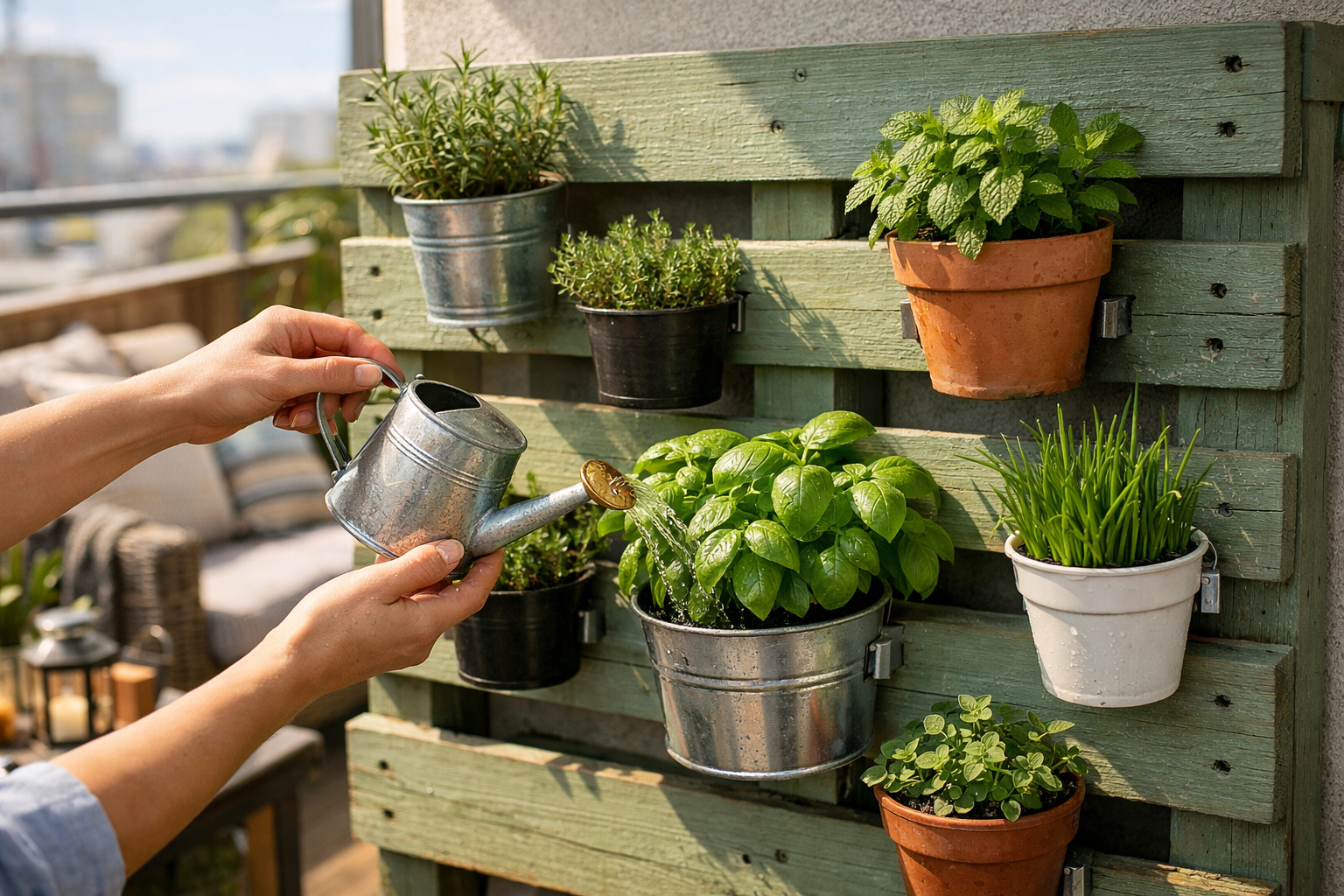
- How to create: Find a heat-treated (HT stamped) pallet to avoid chemical treatments. Sand it, paint or seal it if desired, then staple or nail landscape fabric to the bottom and sides of each “pocket” or slat opening to create containers. Fill with soil and plant your chosen herbs, flowers, or shallow-rooted vegetables.
- Decision Rule: Choose a pallet garden if you have a sturdy wall or fence to lean it against, or if you can secure it firmly. They are excellent for a rustic look and can hold a good amount of soil.
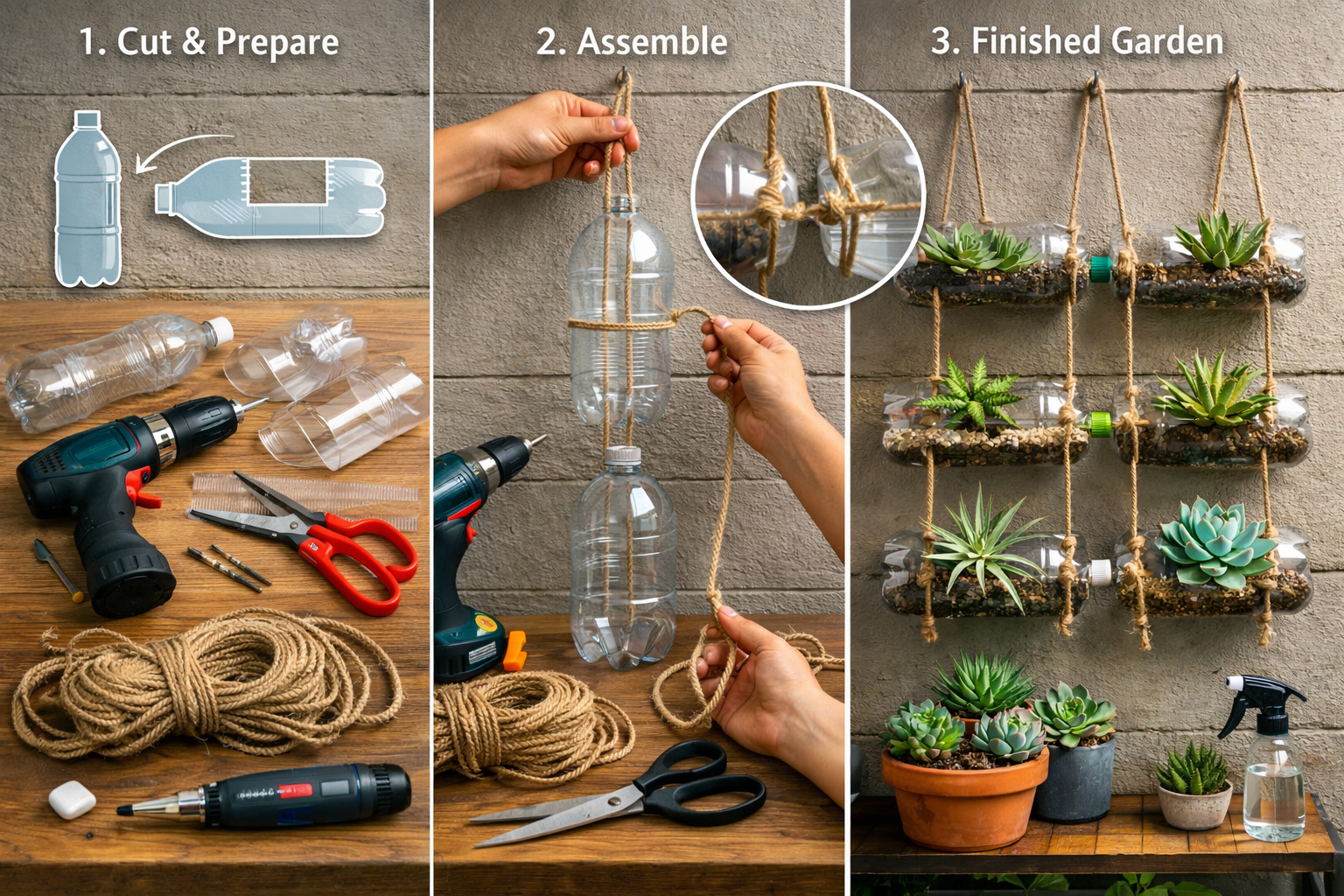
- Plastic Bottle Gardens: This method is highly sustainable and uses discarded plastic bottles to create individual planting cells.
- How to create: Cut plastic bottles horizontally or vertically to create pockets. Punch drainage holes in the bottom. You can then string them together with rope or wire, creating a cascade effect, or attach them individually to a grid or wall.
- Best for: Small herbs, succulents, or plants that don’t require deep roots. This is an ideal solution for a Budget Balcony Gardening Ideas 2026: Grow More for Less.
- Fabric Pocket Planters (Shoe Organizers): Old shoe organizers or purpose-made felt pocket planters offer a soft, flexible, and often pre-divided solution.
- How to create: Simply hang an old fabric shoe organizer on a wall or fence. Fill each pocket with soil and plant. The fabric allows for good drainage and aeration.
- Tip: These are lightweight and great for delicate plants or herbs, and can be easily moved. Look for durable, weather-resistant fabric if using outdoors.
- PVC Pipe Planters: PVC pipes can be cut and adapted into unique vertical planting systems.
- How to create: Cut sections of large diameter PVC pipe, then cut openings along one side for planting. Cap the ends and mount them horizontally, slightly angled, to a wall or fence. Alternatively, cut smaller pipes into rings and stack them vertically.
- Ideal for: Strawberries, lettuce, or other compact plants. They offer a very modern, clean aesthetic.
Edge Case: If you live in an apartment and cannot drill into walls, consider freestanding vertical garden structures made from pallets or PVC pipes that can be placed against a wall, or hanging systems that utilize existing hooks on a balcony railing. This avoids any damage to rental property.
How Do You Plan and Install Your Own DIY Vertical Garden in 2026?
Planning and installing your DIY vertical garden in 2026 involves assessing your space, selecting appropriate materials and plants, and ensuring proper setup for drainage and sunlight. A methodical approach ensures your garden thrives and integrates seamlessly with your home environment.
Step-by-Step Installation Checklist:
- Assess Your Space and Sunlight:
- Location: Determine the wall, fence, or indoor area for your vertical garden. Consider its accessibility for watering and harvesting.
- Sunlight: Observe the sun exposure throughout the day. Most vegetables and flowering plants need at least 6 hours of direct sun. If you have partial shade, choose shade-tolerant plants. For specific guidance, see our article on Balcony Gardening Without Sunlight: Shade Plants & Tips 2026.
- Choose Your DIY Vertical Garden Idea:
- Based on your space, budget, and desired aesthetic, select one of the ideas (pallet, plastic bottle, fabric pocket, etc.).
- Consider the weight when fully loaded with wet soil and plants, and ensure your chosen structure can support it.
- Gather Materials and Tools:
- Structure: Pallets, PVC pipes, plastic bottles, fabric organizers, lumber, trellises.
- Containers: Small pots, plastic bottles cut into pockets, felt pockets.
- Mounting Hardware: Screws, nails, strong wire, zip ties, S-hooks, wall anchors.
- Tools: Drill, saw, stapler, utility knife, measuring tape, level.
- Gardening Supplies: Potting soil (specific to containers), compost, chosen plants or seeds, watering can. Refer to our Soil Basics for Container Gardening: 2026 Expert Guide for optimal soil choices.
- Prepare Your Materials:
- Clean: Thoroughly clean any repurposed materials.
- Modify: Cut pallets, bottles, or pipes as needed to create planting pockets or sections. Drill drainage holes if not already present.
- Reinforce: If building a wooden frame, ensure all joints are secure.
- Install the Structure:
- Mount securely: Attach your chosen vertical structure (pallet, frame, grid) to the wall or fence using appropriate hardware. Use a level to ensure it’s straight. For freestanding units, ensure stability.
- Consider height: Place lower pockets within easy reach for maintenance and harvesting.
- Add Soil and Plants:
- Fill containers: Use a high-quality potting mix formulated for containers, as it offers better drainage and aeration than garden soil.
- Plant strategically: Place plants according to their light and water needs, as well as their mature size. Taller plants should generally go on top, while trailing plants can cascade from lower sections.
- Water thoroughly: After planting, water your garden to settle the soil around the roots.
Troubleshooting: If your plants are struggling despite adequate light and water, check the drainage. Poor drainage can lead to root rot. Ensure all containers have sufficient drainage holes and that water isn’t pooling. Also, consider supplemental feeding, as nutrients leach out of containers faster than in garden beds. Our guide on Best Fertilizers for Small Gardens 2026: Grow Thriving Plan can provide more insight.
Conclusion
Embracing DIY vertical garden ideas in 2026 offers a powerful way to bring greenery and fresh produce into any space, regardless of size. From repurposing everyday items like pallets and plastic bottles to creating structured planting systems, the possibilities are vast and cater to various budgets and skill levels. By carefully planning for sunlight, proper drainage, and suitable plant choices, you can transform a blank wall into a thriving, beautiful, and productive garden. These vertical havens not only enhance aesthetics and air quality but also provide the satisfaction of growing your own food, fostering a deeper connection to nature right at home.
Actionable Next Steps:
- Assess Your Space: Identify a wall, fence, or indoor area that receives adequate sunlight (at least 6 hours for most edibles) for your new vertical garden.
- Choose Your Project: Select a DIY vertical garden idea that matches your skill level, budget, and the materials you can easily source.
- Gather Materials: Collect all necessary items, including repurposed components, soil, plants, and tools.
- Build & Plant: Follow the installation steps to construct your garden and plant your chosen herbs, vegetables, or flowers.
- Maintain Regularly: Establish a watering and feeding schedule, and monitor your plants for growth and any signs of pests.
FAQ
Q: Can I grow vegetables in a DIY vertical garden?
A: Yes, you can grow many vegetables, especially shallow-rooted varieties like lettuce, spinach, strawberries, herbs, and some smaller peppers or cherry tomatoes, provided they receive enough sunlight and water.
Q: What kind of plants are best for DIY vertical garden ideas?
A: Herbs (basil, mint, rosemary), leafy greens (lettuce, spinach), strawberries, succulents, petunias, pansies, and small vining plants like nasturtiums are excellent choices.
Q: How often do vertical gardens need watering?
A: Vertical gardens often require more frequent watering than traditional gardens because their containers can dry out faster. Check the soil moisture daily, especially during warm weather, and water as needed.
Q: Do I need special soil for a vertical garden?
A: Yes, use a high-quality, lightweight potting mix designed for containers, as it provides better drainage and aeration, which is crucial for the confined root systems in vertical setups.
Q: Are DIY vertical gardens suitable for indoors?
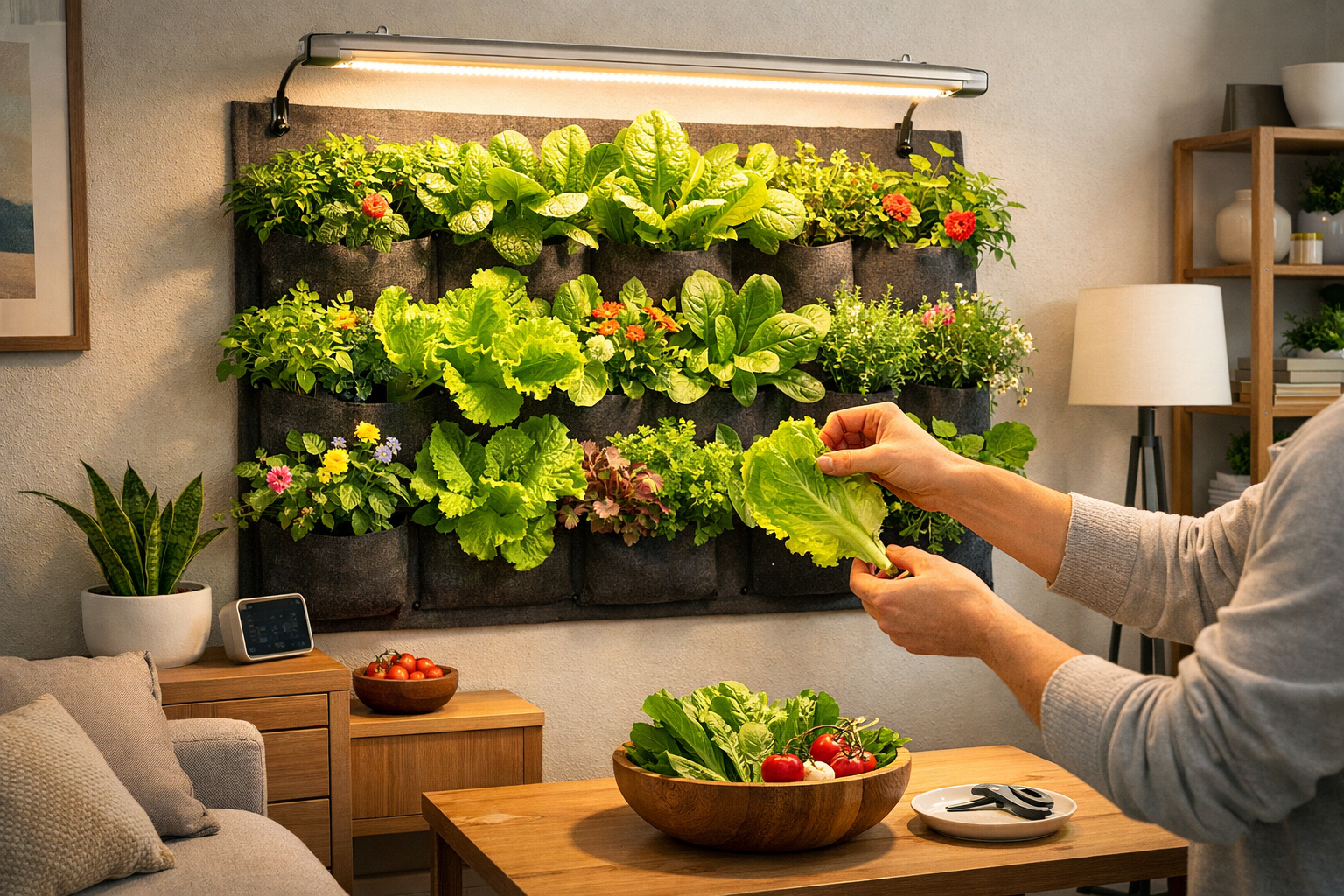
A: Absolutely, many DIY vertical garden ideas can be adapted for indoor use, particularly for herbs or ornamental plants, especially if supplemented with grow lights.
Q: How do I ensure proper drainage in a DIY vertical garden?
A: Ensure every planting pocket or container has drainage holes to prevent waterlogging. Gravity will aid drainage, but designing the system to allow excess water to flow out freely is key.
Q: What are the benefits of using repurposed materials for a vertical garden?
A: Using repurposed materials reduces waste, is cost-effective, and adds a unique, often rustic, aesthetic to your garden, making it a sustainable choice.
Q: Can vertical gardens help with privacy on a balcony?
A: Yes, a dense vertical garden with bushy or vining plants can create an effective green screen, enhancing privacy on a balcony or patio.
Q: How much sun do plants in a vertical garden need?
A: Most fruiting vegetables and flowering plants require at least 6 hours of direct sunlight daily, while leafy greens and herbs can often tolerate 4-5 hours or partial shade.
Q: What should I do about pests in my vertical garden?
A: Regularly inspect your plants for signs of pests. Address issues early with organic pest control methods like neem oil or insecticidal soap, or by manually removing pests.