
Office Desk Plants
Quick Answer: Integrating office desk plants into your workspace in 2026 offers significant benefits, enhancing air quality, reducing stress, and boosting productivity. Choosing the right low-maintenance varieties that thrive in typical office conditions is key to a successful green workspace.
Key Takeaways
- Improved Well-being: Office desk plants are proven to reduce stress and improve mood.
- Enhanced Air Quality: Many plants filter common indoor air toxins, creating a healthier environment.
- Increased Focus: Studies suggest that a natural element like plants can boost concentration and cognitive function.
- Low-Maintenance Options: Many suitable plants require minimal care, ideal for busy professionals.
- Space-Saving Solutions: Compact varieties fit perfectly on desks, shelves, or small corners.
- Aesthetic Appeal: Plants add a touch of nature and vibrancy, making any office more inviting.
- Consider Light and Water: Select plants based on your office’s specific lighting conditions and your watering frequency.
- Pest Prevention: Regular inspection helps keep common office plant pests at bay.
Why Should You Have Office Desk Plants in Your Workspace?
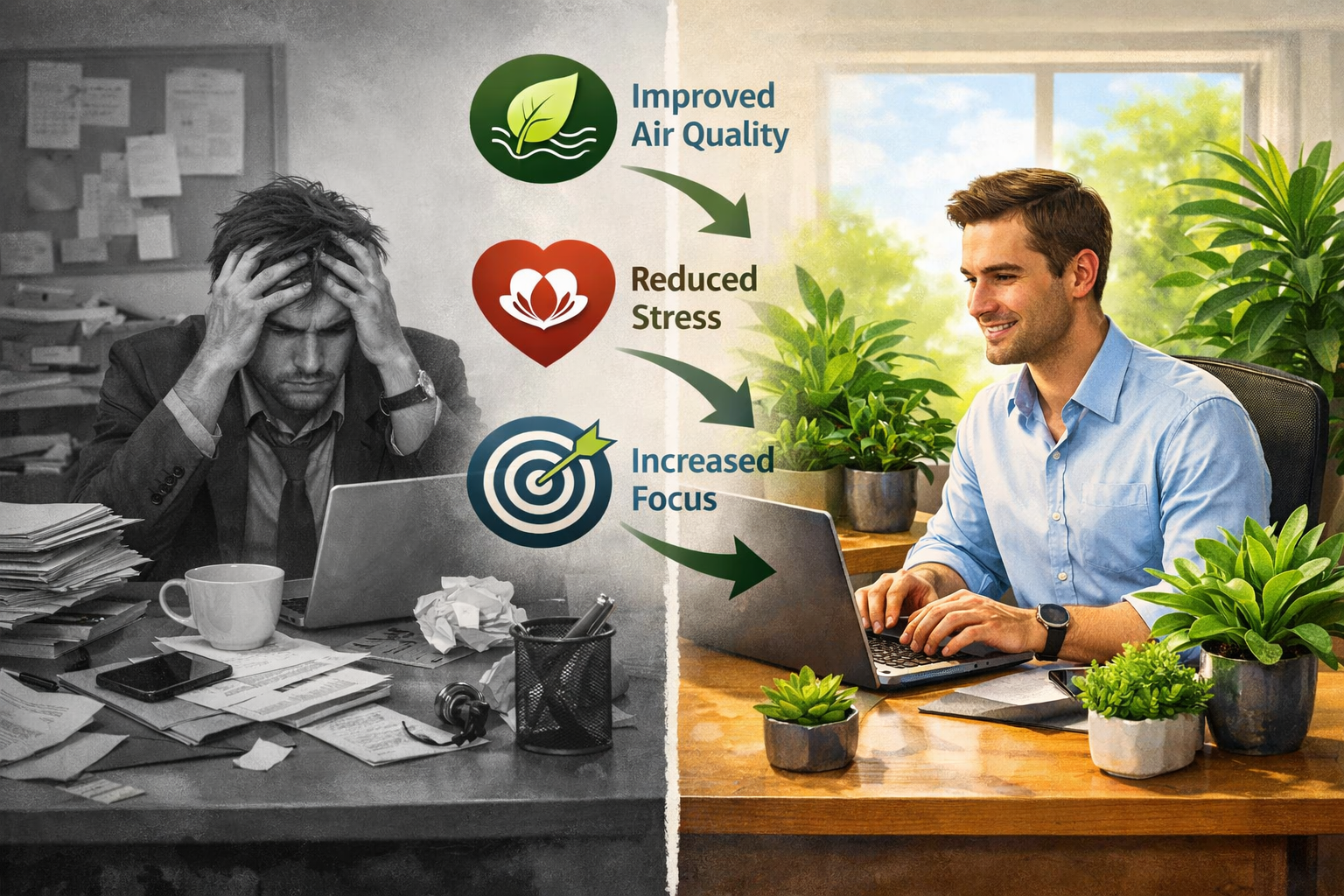
Having office desk plants in your workspace can significantly enhance your environment by improving air quality, reducing stress, and boosting overall well-being. These green companions act as natural air purifiers, filtering out common indoor pollutants, and their presence has been linked to increased productivity and a more positive mood.
Beyond their aesthetic appeal, plants contribute to a healthier and more stimulating work environment. Research indicates that even a single plant can make a difference in how you perceive your workspace, leading to greater job satisfaction. For individuals working in small spaces or home offices, plants offer an easy way to connect with nature, even if a full garden isn’t possible. 🌱
- Stress Reduction: The presence of greenery can lower stress levels, as demonstrated by physiological responses like decreased blood pressure and heart rate (Journal of Environmental Psychology, 2011).
- Air Purification: Certain plants are highly effective at absorbing volatile organic compounds (VOCs) like formaldehyde and benzene, common in office furniture and cleaning products, thereby improving indoor air quality.
- Productivity Boost: A visual connection to nature can improve focus and cognitive function, making tasks feel less draining and potentially increasing efficiency.
- Humidity Regulation: Plants release moisture vapor, which can help to increase humidity levels in dry indoor environments, potentially reducing dry skin and respiratory issues.
- Noise Reduction: While not a primary benefit for small desk plants, larger plants can absorb sound, contributing to a quieter workspace.
Choosing an office desk plant is about more than just decoration; it’s an investment in your personal and professional well-being. For those new to plant care, I recommend checking out our Beginner’s Guide to Plant Care 2026: Grow Thriving Plants.
What are the Best Office Desk Plants for Low Light?
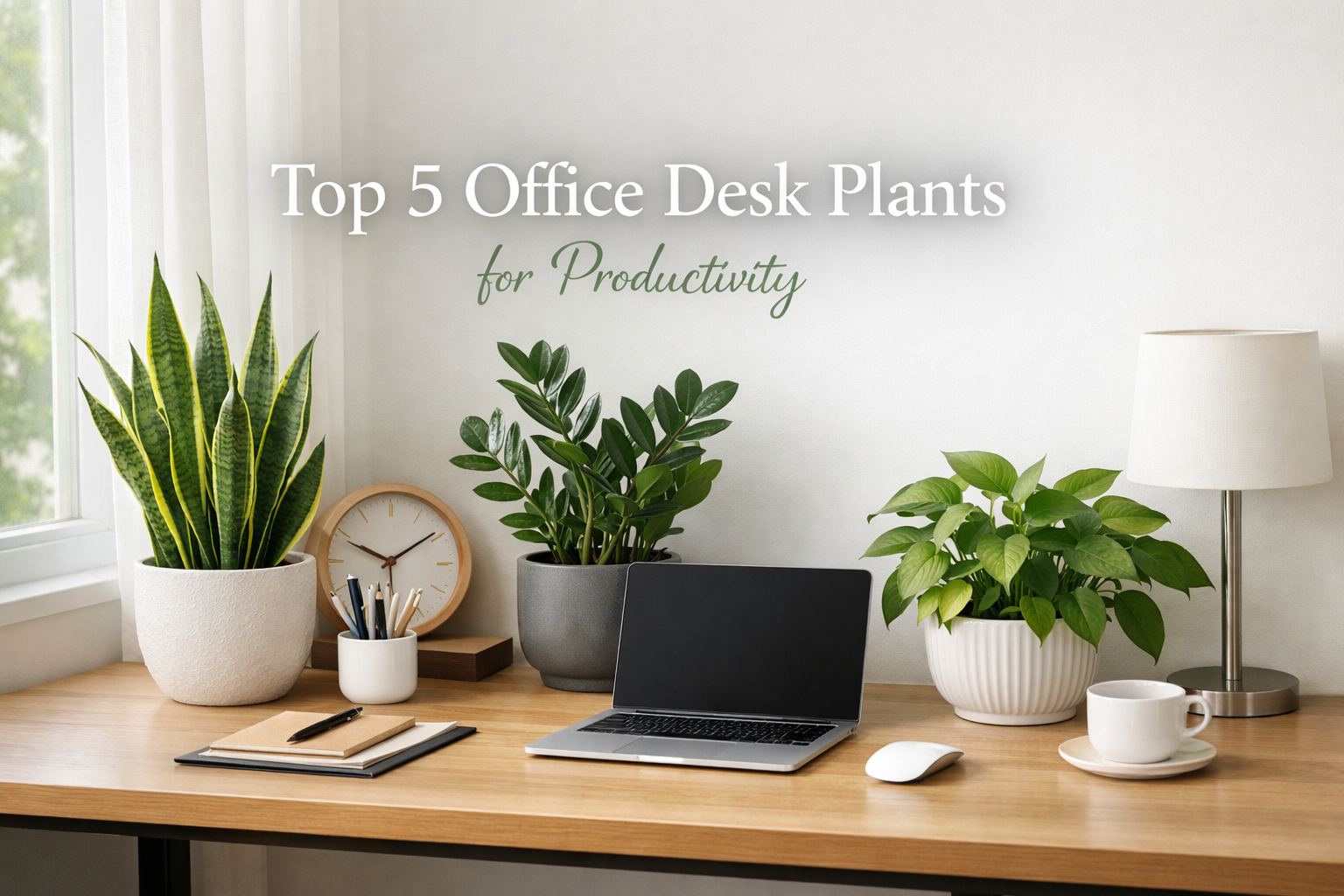
The best office desk plants for low light conditions are typically robust varieties that can photosynthesize efficiently with minimal natural or artificial light, making them ideal for cubicles or offices with limited window exposure. These plants often feature dark green foliage and have adapted to thrive without direct sunlight.
Snake Plants and ZZ Plants are excellent choices due to their exceptional tolerance for low light and infrequent watering, requiring very little attention to flourish. Pothos and Peace Lilies also perform well in dimmer settings, though Peace Lilies will bloom less frequently without brighter light. When selecting low-light plants, it’s crucial to understand that “low light” doesn’t mean “no light” – some ambient light is always necessary.
- Snake Plant (Sansevieria trifasciata): Known for its upright, sword-like leaves, the Snake Plant is incredibly resilient. It tolerates low light, drought, and neglect, making it one of the easiest low maintenance plants for beginners and a top choice for busy office workers. It also excels at purifying air.
- ZZ Plant (Zamioculcas zamiifolia): With its glossy, dark green leaves, the ZZ Plant is a stylish and nearly indestructible option. It can go weeks without water and thrives in low-light environments, preferring to be ignored rather than over-cared for.
- Pothos (Epipremnum aureum): This vining plant is versatile and forgiving. Pothos can tolerate various light conditions, including low light, and its trailing vines can add a lush feel to a desk or shelf. There are many varieties with different leaf patterns, such as ‘Marble Queen’ or ‘Neon’.
- Peace Lily (Spathiphyllum): Famous for its elegant white ‘flowers’ (which are actually modified leaves called spathes), the Peace Lily brightens up a low-light space. It’s a good indicator plant; its leaves will droop dramatically when it needs water, making it hard to over- or under-water significantly.
- Cast Iron Plant (Aspidistra elatior): True to its name, this plant is incredibly tough. It thrives on neglect and can withstand very low light, fluctuating temperatures, and irregular watering. Its deep green, broad leaves offer a classic, understated beauty.
Decision Rule: Choose a ZZ Plant or Snake Plant if your office receives minimal natural light and you frequently forget to water plants. Opt for a Pothos or Peace Lily if you appreciate a bit more visual dynamism or occasional blooms, and don’t mind watering slightly more often.

How Do You Care for Office Desk Plants in 2026?
Caring for office desk plants in 2026 involves understanding their basic needs for light, water, and humidity, while adapting to the unique conditions of an indoor environment. Regular, but not excessive, attention will ensure your plants remain healthy and vibrant.
Consistent care routines, such as checking soil moisture weekly and providing appropriate light, are crucial. Given that offices often have dry air and consistent temperatures, misting may be beneficial for some tropical varieties, and you’ll want to ensure proper drainage to prevent root rot.
Here’s a simple guide to effective care:
Assess Light Conditions:
- Identify Your Zone: Determine if your desk is in bright, indirect light (near a window but out of direct sun), medium light (a few feet from a window), or low light (interior office space).
- Match Plants to Light: Select plants that are known to thrive in your specific light conditions. For instance, succulents need more light than a ZZ plant.
Watering Wisely:
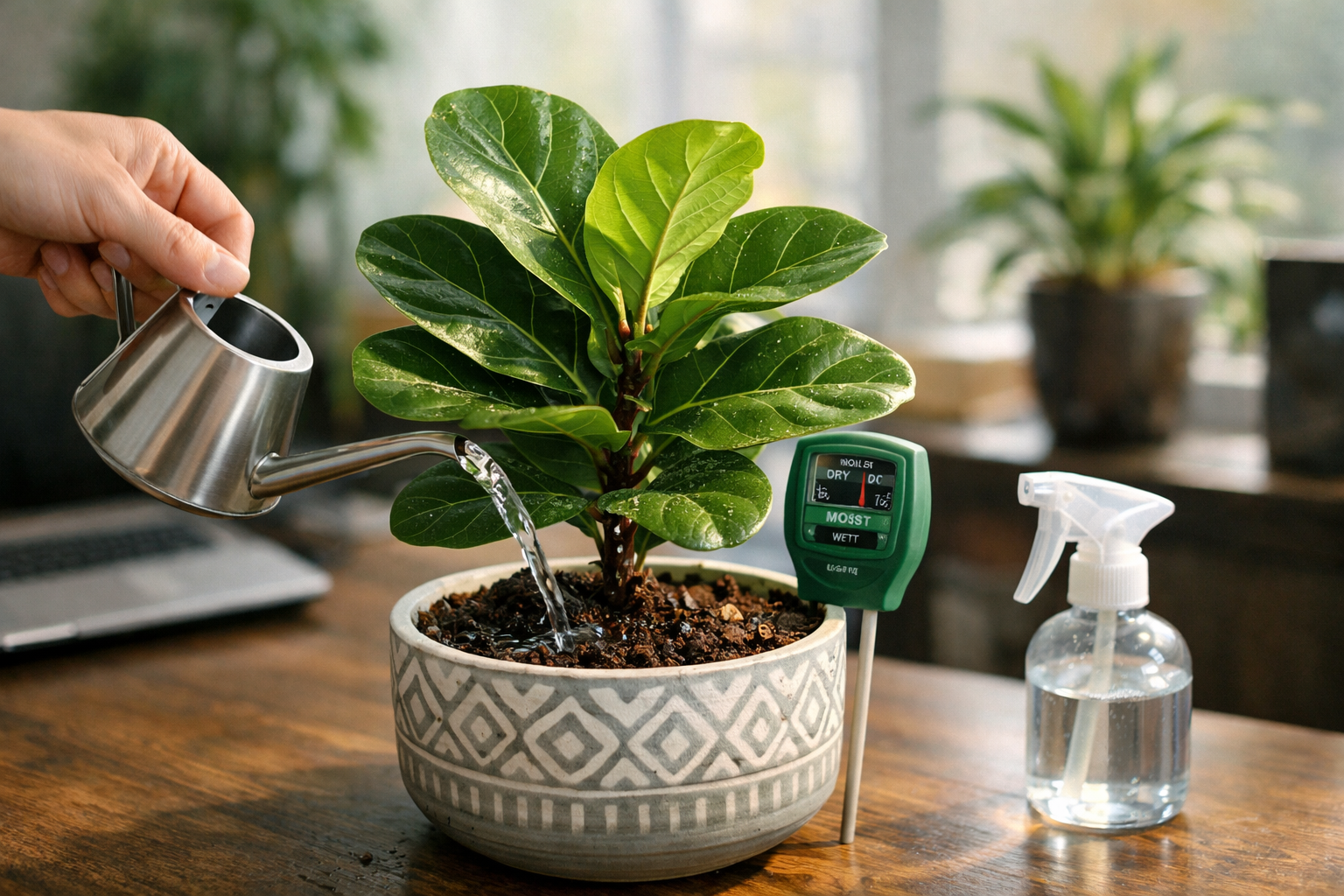
- Check Soil First: Don’t water on a schedule. Instead, stick your finger about an inch or two into the soil. If it feels dry, it’s time to water. If it’s still damp, wait a few more days. Our How Often Should You Water Plants? Ultimate Guide 2026 provides more detail.
- Water Thoroughly: When you do water, soak the soil until water drains out of the bottom of the pot. Ensure the pot has drainage holes to prevent waterlogging.
- Empty Saucers: Don’t let your plant sit in standing water; empty the saucer after watering to prevent root rot.
Humidity and Misting:
- Office Air is Dry: Most offices have low humidity due to air conditioning and heating.
- Misting (Optional): For tropical plants like ferns or some types of Pothos, occasional misting with a spray bottle can help increase humidity around the leaves. Alternatively, place the pot on a pebble tray with water.
Fertilization (Minimal):
- Less is More: Office plants generally require less fertilizer than outdoor plants.
- Spring/Summer Only: Fertilize sparingly, perhaps once every 2-3 months during the growing season (spring and summer) with a diluted liquid houseplant fertilizer. Avoid fertilizing in fall and winter.
Pest Management:
- Inspect Regularly: Check the undersides of leaves and stems for common pests like spider mites, mealybugs, or scale.
- Early Intervention: If you spot pests, isolate the plant and treat it with insecticidal soap or neem oil. A quick wipe-down with a damp cloth can also deter some pests.
Pruning and Cleaning:
- Remove Dead Leaves: Prune any yellowing or dead leaves to encourage new growth and maintain plant health.
- Dust Leaves: Dust can block light absorption. Gently wipe down leaves with a damp cloth every few weeks.
Common Mistake: The most frequent mistake in office plant care is overwatering. It’s better to underwater slightly than to overwater, which leads to root rot and often kills the plant. Always check the soil moisture before adding water.

Comparison Table: Popular Office Desk Plants
This table compares some of the most popular office desk plants based on their care requirements, benefits, and suitability for various office environments in 2026.
| Plant Name | Light Requirement | Watering Frequency | Benefits & Features | Ideal For |
|---|---|---|---|---|
| Snake Plant | Low to Bright | Infrequent | Air purifier, extremely resilient, upright growth | Beginners, busy offices, low-light corners, modern decor |
| ZZ Plant | Low to Medium | Very Infrequent | Air purifier, drought-tolerant, glossy foliage | Forgetful waterers, dimly lit spaces, sleek aesthetics |
| Pothos | Low to Medium | Moderate | Air purifier, easy to propagate, trailing vines | Shelves, hanging baskets, adding lushness, various styles |
| Peace Lily | Low to Medium | Moderate | Air purifier, shows when thirsty, white blooms | Adding elegance, humid environments, visual cues for care |
| Spider Plant | Medium to Bright | Moderate | Air purifier, produces ‘plantlets,’ easy to propagate | Bright offices, adding texture, those who enjoy propagating |
| Philodendron | Low to Medium | Moderate | Air purifier, heart-shaped leaves, vining or upright | Versatile, adds warmth, good for small spaces |
| Aloe Vera | Bright, Indirect | Infrequent | Medicinal gel, architectural form, succulent | Sunny desks, practical benefits, unique aesthetics |
FAQ about Office Desk Plants
Q1: What are the best office desk plants for air purification?
A1: Snake Plants, ZZ Plants, Pothos, and Peace Lilies are excellent choices for air purification, effectively filtering common indoor toxins like formaldehyde and benzene.
Q2: How often should I water my office desk plants?
A2: Most office desk plants prefer their soil to dry out slightly between waterings. Check the top inch of soil; if it’s dry, water thoroughly until it drains from the bottom. This is typically once every 1-2 weeks for most varieties, but varies by plant and environment.
Q3: Can office desk plants really improve my productivity?
A3: Yes, studies suggest that the presence of plants in a workspace can reduce stress, improve mood, and enhance concentration and cognitive performance, leading to increased productivity.
Q4: Are there any office desk plants that are pet-safe?
A4: While many common office plants can be toxic if ingested by pets, some pet-friendly options include the Spider Plant, Parlor Palm, and African Violet. Always verify a plant’s toxicity if you have pets.
Q5: What if my office has very little natural light?
A5: For very low natural light, opt for highly tolerant plants like the ZZ Plant, Snake Plant, or Cast Iron Plant. Consider supplementing with a small LED grow light if you want more plant variety or to encourage blooming.
Q6: How do I choose the right pot size for my office desk plant?
A6: Choose a pot that is only slightly larger than the plant’s current root ball, typically 1-2 inches wider in diameter. Too large a pot can hold excess moisture, leading to root rot. Ensure it has drainage holes. For more, see our Pot Size Guide for Vegetables 2026: Optimal Growth & Harvest.
Q7: My office plant leaves are turning yellow. What’s wrong?
A7: Yellowing leaves often indicate overwatering, which leads to root rot. It can also be caused by underwatering, nutrient deficiencies, or insufficient light. Check the soil moisture first, then review your watering habits and light conditions.
Q8: Should I fertilize my office desk plants?
A8: Office desk plants generally need minimal fertilizer. Fertilize sparingly, typically once every 2-3 months during spring and summer with a diluted liquid houseplant fertilizer. Avoid fertilizing in fall and winter when growth slows.
Q9: Can I use tap water for my office plants?
A9: Most office plants tolerate tap water. However, if your tap water is heavily chlorinated or has high mineral content, letting it sit out overnight before use can allow chlorine to dissipate, or consider filtered water for more sensitive plants.
Q10: How do I keep pests off my office desk plants?
A10: Regularly inspect your plants for signs of pests. Wipe leaves with a damp cloth to remove dust and deter insects. If pests appear, treat with insecticidal soap or neem oil, and isolate the affected plant from others.
Conclusion
Incorporating office desk plants into your workspace in 2026 is a simple yet powerful way to transform your environment, promoting well-being, enhancing air quality, and boosting productivity. By choosing resilient, low-maintenance varieties like Snake Plants or ZZ Plants, even the busiest professional can enjoy the myriad benefits that green companions offer. Remember to match your plant choice to your office’s specific light conditions and adopt a consistent, mindful watering routine. A little greenery goes a long way in creating a more inviting, healthier, and more focused work setting. Start small, observe your plants, and watch your workspace – and perhaps your outlook – flourish.