Indoor Herb Garden Setup
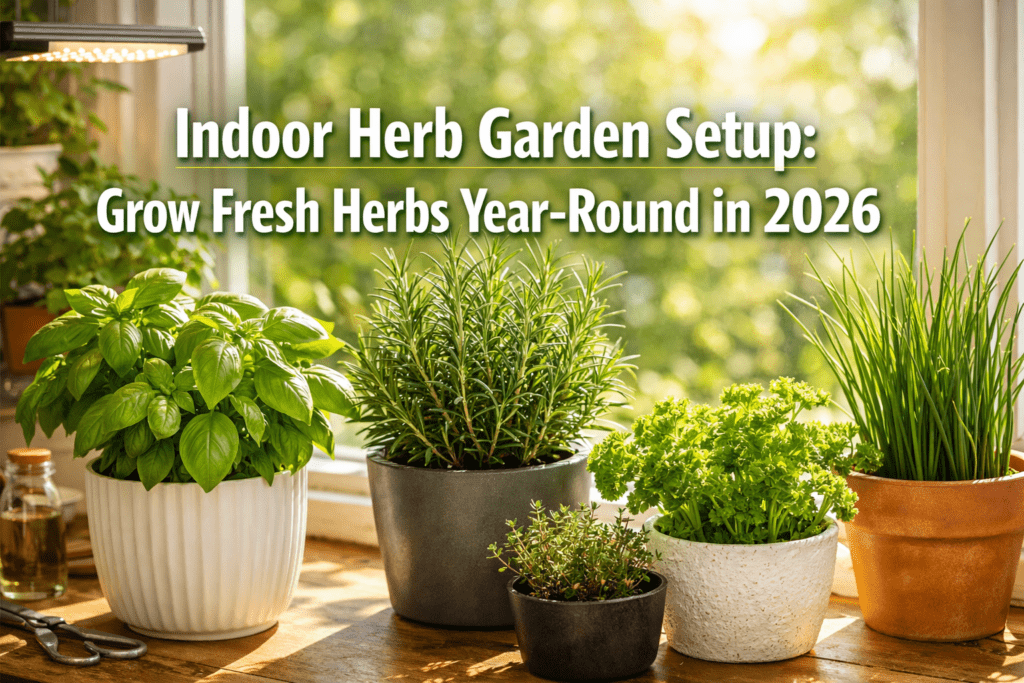
Bringing the freshness of an herb garden indoors is entirely achievable, allowing you to enjoy homegrown flavors no matter the season. Setting up an indoor herb garden involves selecting the right herbs, providing adequate light, choosing appropriate containers and soil, and establishing a consistent care routine to ensure successful growth.
Key Takeaways
- An indoor herb garden setup provides fresh herbs year-round, regardless of climate or outdoor space.
- Success hinges on choosing herbs suitable for indoor conditions, such as basil, mint, chives, and parsley.
- Adequate light, ideally 6-8 hours daily, is crucial; south-facing windows are best, but grow lights are often necessary.
- Proper drainage and high-quality potting mix are essential for healthy root development and preventing waterlogging.
- Consistent watering, feeding, and occasional pruning are vital for maintaining plant health and encouraging new growth.
- Choosing the right containers with drainage holes is critical to prevent root rot.
- Consider self-watering systems for convenience, especially if you travel frequently.
- Monitor for pests and diseases regularly to address issues quickly and protect your entire garden.
- Starting from seeds offers more variety, while young plants provide faster gratification.
Quick Answer
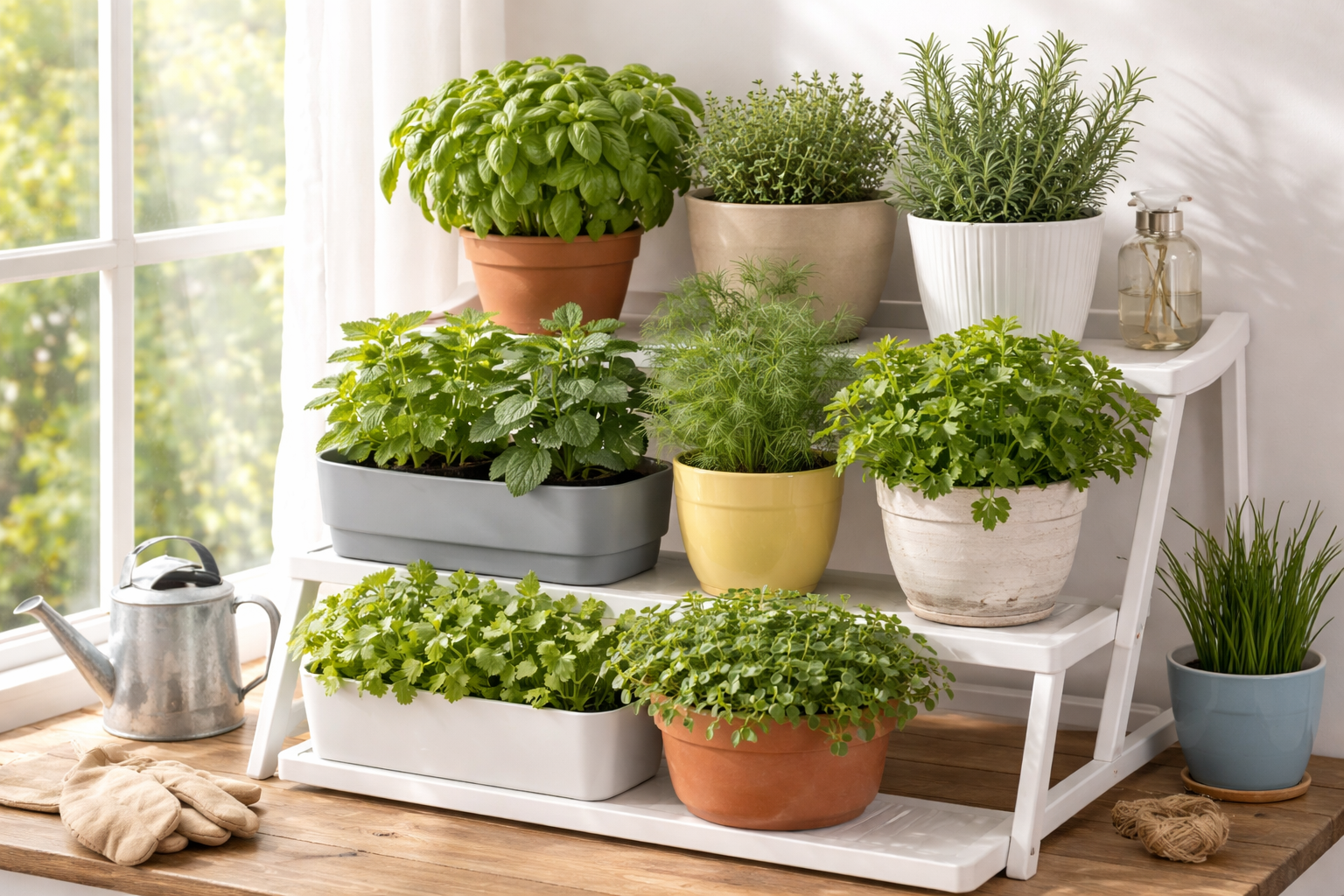
An indoor herb garden setup involves strategically choosing herbs, ensuring ample light (natural or artificial), using well-draining pots and soil, and maintaining a consistent watering and feeding schedule to cultivate fresh herbs within your home. This allows for convenient access to culinary ingredients and a touch of greenery in any living space throughout 2026.
What Herbs Are Best for an Indoor Herb Garden Setup?
Choosing the right herbs is the first step to a successful indoor herb garden setup, as some varieties adapt to indoor conditions much better than others. Generally, herbs that prefer less intense sunlight and tolerate slightly drier indoor air perform well.
For an effective indoor herb garden setup, focus on herbs that thrive in pots and don’t require extensive space or direct, intense outdoor sun.
Popular choices include:
- Basil: A warm-weather annual that loves consistent moisture and bright, indirect light. It’s a fast grower, making it very rewarding.
- Mint: Known for its vigorous growth, mint is best kept in its own pot to prevent it from overtaking other plants. It tolerates partial shade.
- Chives: These onion-flavored herbs are easy to grow from seed or bulb and prefer bright light. They’re resilient and produce edible flowers.
- Parsley: Both flat-leaf and curly varieties do well indoors with consistent moisture and good light. Parsley can be a bit slower to germinate.
- Rosemary: A perennial that prefers plenty of sunlight (6-8 hours) and well-draining soil. Be careful not to overwater.
- Thyme: This hardy herb needs good light and is drought-tolerant, so it doesn’t mind if the soil dries out a bit between waterings.
- Oregano: Similar to thyme, oregano prefers bright light and well-drained soil, making it a good companion.
- Cilantro/Coriander: While it can be a bit trickier, preferring cooler temperatures, cilantro can be grown indoors with careful attention to heat and light.
Decision Rule: Choose herbs based on your cooking needs and the amount of light you can provide. If you have a south-facing window, sun-loving herbs like rosemary and thyme will flourish. For less light, mint and parsley are more forgiving.
How Much Light Does an Indoor Herb Garden Setup Need?
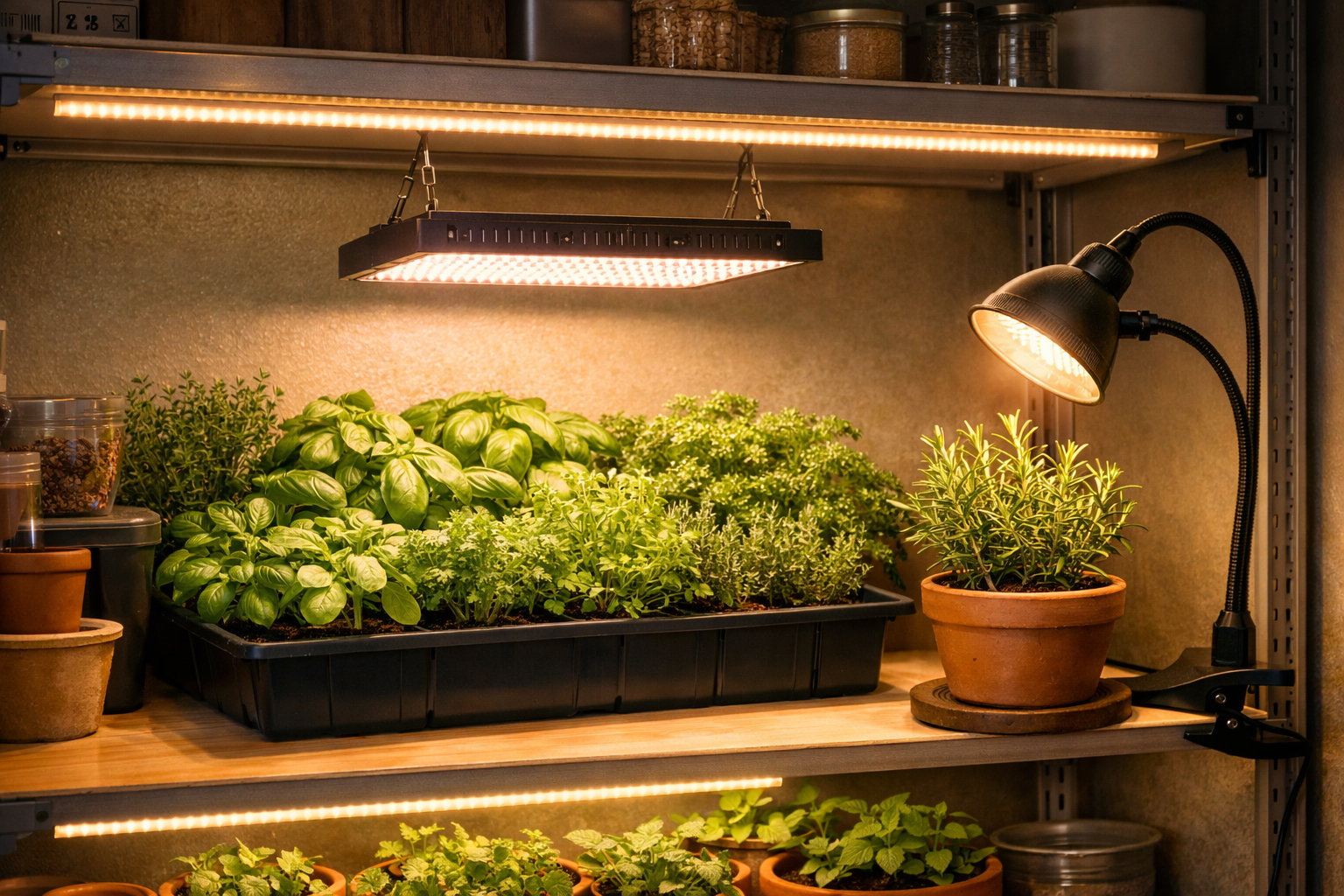
Adequate light is arguably the most critical factor for a thriving indoor herb garden setup, as insufficient light leads to leggy, weak plants with poor flavor. Most herbs require at least 6-8 hours of bright light daily to grow successfully.
To ensure your indoor herb garden setup receives sufficient light, consider both natural and artificial sources.
- Natural Light:
- South-facing windows are ideal in the Northern Hemisphere, providing the most intense and prolonged light exposure.
- East or west-facing windows can work, but may require supplementary lighting, especially in winter.
- North-facing windows generally provide insufficient light for most herbs.
- Artificial Light (Grow Lights):
- Since natural light can be inconsistent, especially during shorter winter days or in homes without ideal window exposure, grow lights are often a necessity for a productive indoor herb garden.
- LED grow lights are energy-efficient and emit a full spectrum of light beneficial for plant growth. They come in various forms, from strip lights to panel lights.
- Fluorescent lights (T5 or T8) are also a good, economical option for herbs, providing adequate light intensity.
- Position grow lights 6-12 inches above the plant canopy, adjusting as plants grow, to ensure optimal light absorption without burning the foliage.
- Use a timer to provide a consistent 12-16 hours of light daily, mimicking natural daylight cycles.
Common Mistake: Relying solely on a north-facing window or a dim spot can doom your indoor herb garden setup to failure. If you don’t have a bright, south-facing window, invest in a quality grow light system.
What Are the Essential Components for an Indoor Herb Garden Setup?
Setting up a functional indoor herb garden requires more than just plants; it involves specific containers, a suitable growing medium, and a reliable watering system to support healthy growth. These components work together to mimic an outdoor environment in miniature.
For a robust indoor herb garden setup, ensure you have the following essentials:
- Containers:
- Choose pots with drainage holes to prevent waterlogging, which can lead to root rot.
- Materials like terra cotta (porous, good for herbs that like drier soil), ceramic (holds moisture longer), or plastic (lightweight, inexpensive) all work.
- Size matters: A 6-8 inch diameter pot is generally suitable for a single herb plant.
- Consider self-watering pots for convenience, especially for busy individuals, as they help maintain consistent moisture.
- Growing Medium (Soil):
- Use a high-quality potting mix specifically formulated for containers, not garden soil, which is too dense for pots.
- Look for mixes that are well-draining, aerated, and contain organic matter. You can also amend with perlite or vermiculite for better drainage and aeration.
- Avoid cheap potting mixes that can compact easily or contain few nutrients.
- Watering System:
- A small watering can with a narrow spout allows for precise watering at the base of the plant without disturbing the soil or splashing leaves.
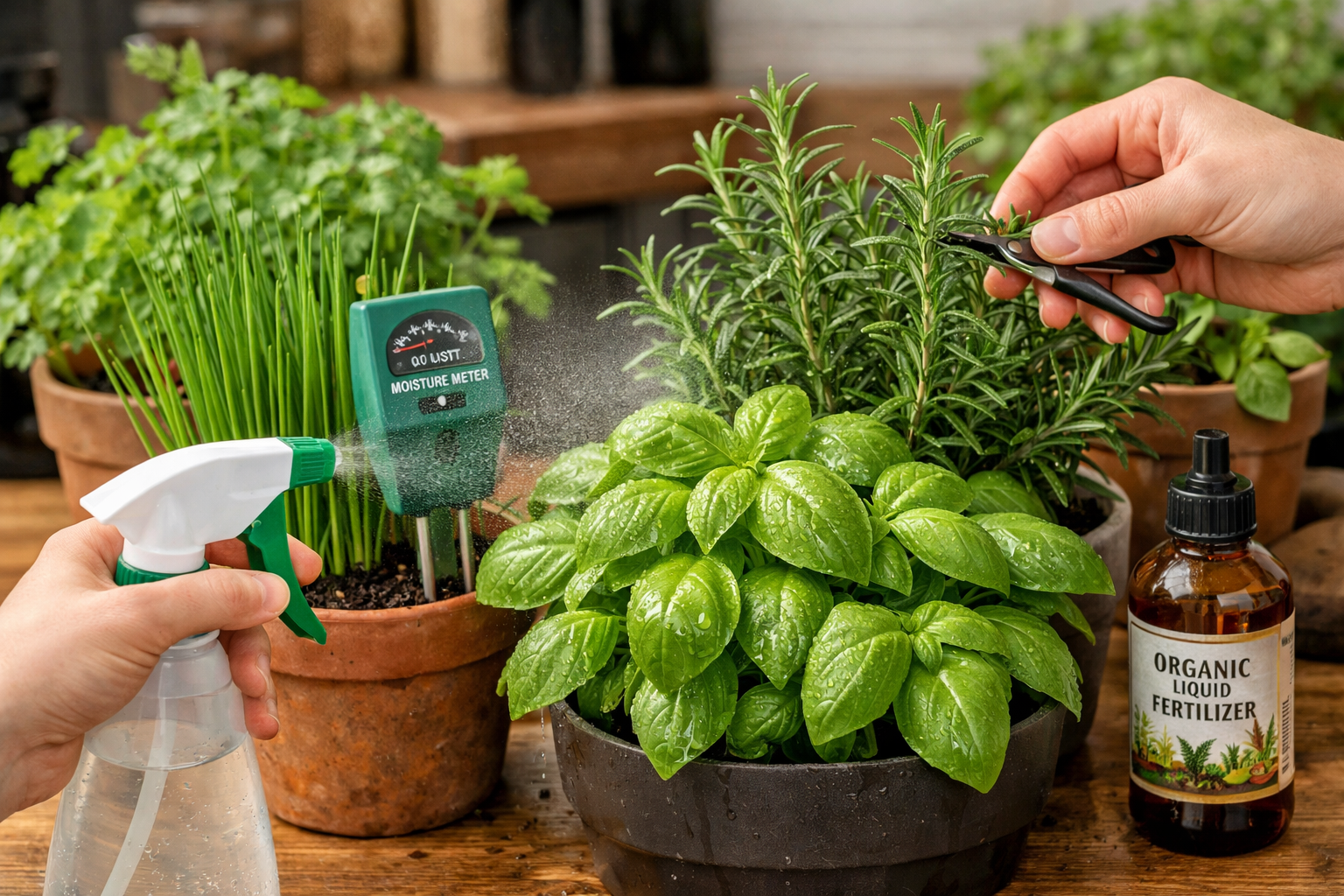
- Consider a moisture meter to accurately assess soil moisture levels, preventing both under and overwatering.
- For those prone to forgetting, a self-watering system or a scheduled reminder can be beneficial.
- Fertilizer:
- While potting mix provides initial nutrients, herbs will eventually need feeding.
- Use a balanced, all-purpose liquid fertilizer at half strength every 2-4 weeks during the growing season (spring and summer).
- Organic options are available for those who prefer them.
- Pruning Shears/Scissors:
- Essential for harvesting herbs and encouraging bushier growth. Clean, sharp snips prevent damage to the plant.
Example: If you choose basil, you’ll need a 6-inch pot with drainage, organic potting mix, a small watering can, and a pair of clean scissors for harvesting. Position it near a south-facing window or under a grow light.
How Do I Care for My Indoor Herb Garden Setup to Ensure Success?
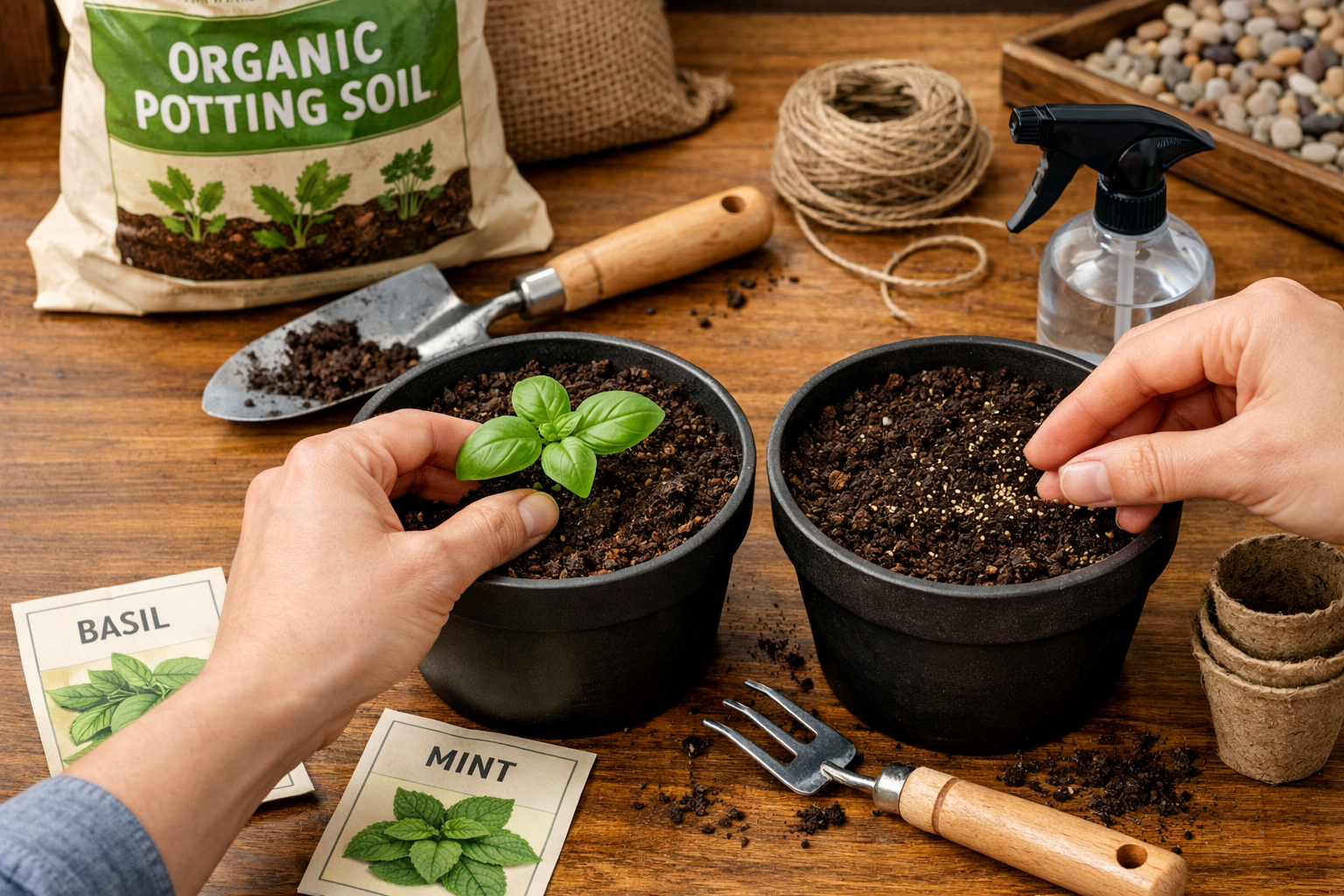
Consistent and proper care is fundamental to the longevity and productivity of your indoor herb garden setup. Neglecting key aspects like watering, feeding, and pruning can quickly lead to struggling or dying plants.
To maintain a thriving indoor herb garden setup, adhere to a regular care routine:
- Watering:
- The most common mistake is overwatering. Allow the top inch of soil to dry out before watering again.
- Water thoroughly until water drains from the bottom of the pot, then empty any excess water from the saucer. This prevents roots from sitting in stagnant water.
- The frequency of watering depends on the herb, pot size, and environmental conditions (e.g., warmer homes dry out faster).
- Feeding:
- Indoor herbs deplete soil nutrients faster than outdoor plants.
- Fertilize with a diluted liquid plant food every 2-4 weeks during the active growing season (spring through fall). Reduce feeding in winter when growth slows.
- Always follow fertilizer instructions to avoid over-fertilizing, which can burn roots.
- Pruning and Harvesting:
- Regular harvesting encourages bushier growth and prevents plants from “bolting” (going to seed), which can diminish flavor.
- Pinch off the top set of leaves on herbs like basil and mint to promote side branching.
- For herbs like chives or parsley, cut the outer leaves near the base.
- Never remove more than one-third of the plant at a time to avoid stressing it.
- Pest and Disease Management:
- Indoor herbs can still attract pests like aphids, spider mites, or fungus gnats.
- Inspect plants regularly for any signs of trouble.
- Treat pests with insecticidal soap or neem oil if necessary. Good air circulation can also deter some pests and fungal diseases.
- If a plant is severely infested, it’s often best to isolate or remove it to protect the others.
- Repotting:
- As plants grow, they may become root-bound. If roots are circling the pot or growing out of the drainage holes, it’s time to repot into a slightly larger container with fresh potting mix.
Edge Case: If you notice yellowing leaves, it’s often a sign of either overwatering or nutrient deficiency. Check soil moisture first; if dry, water. If wet, let it dry out more. If consistently moist, consider a light feeding.
FAQ
Can I grow an indoor herb garden without direct sunlight?
Yes, you can grow an indoor herb garden without direct sunlight by using artificial grow lights, specifically LED or fluorescent lights, to provide the necessary 12-16 hours of light daily.
How often should I water my indoor herbs?
Water your indoor herbs when the top inch of soil feels dry to the touch, typically every 2-4 days, but this can vary depending on the herb, pot size, and indoor conditions.
What kind of soil is best for an indoor herb garden setup?
A high-quality, well-draining potting mix formulated for containers is best for an indoor herb garden setup; avoid heavy garden soil.
Do indoor herbs need fertilizer?
Yes, indoor herbs benefit from a balanced liquid fertilizer diluted to half strength every 2-4 weeks during their active growing season to replenish nutrients.
How do I prevent pests in my indoor herb garden?
Prevent pests by regularly inspecting plants, ensuring good air circulation, and treating any infestations promptly with insecticidal soap or neem oil.
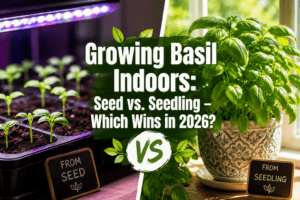
Can I start an indoor herb garden from seeds or should I buy plants?
You can start an indoor herb garden from both seeds (more variety, longer wait) or small plants (faster gratification, less initial effort).
Why are my indoor herbs getting leggy?
Leggy indoor herbs are typically a sign of insufficient light, causing them to stretch towards a light source; increase light exposure or use a grow light.
How do I harvest herbs from my indoor garden?
Harvest herbs by pinching or cutting off the top set of leaves or outer stems, ensuring you don’t remove more than one-third of the plant at a time to encourage regrowth.
What are common mistakes when setting up an indoor herb garden?
Common mistakes include inadequate light, overwatering, using pots without drainage holes, and not fertilizing regularly.
Can I use regular kitchen herbs from the grocery store to start an indoor garden?
While possible, grocery store herbs are often grown for immediate consumption and may struggle to adapt to new environments. It’s usually more successful to buy starter plants or seeds specifically for gardening.
Conclusion
Establishing a flourishing indoor herb garden setup is a rewarding endeavor that brings fresh flavors and greenery into your home year-round. By carefully selecting herbs, optimizing light conditions with natural or artificial sources, choosing appropriate containers and potting mix, and committing to a consistent care regimen, you can enjoy a continuous supply of aromatic herbs. Remember that patience and observation are key; adjusting your approach based on your plants’ needs will lead to a thriving indoor oasis in 2026 and beyond.