8News learns about container gardening with Lewis Ginter
Last updated: October 7, 2026
8News Learns About Container Gardening with Lewis Ginter: Your Guide to Thriving Potted Plants
Container gardening offers a flexible and rewarding way to cultivate plants, whether you have a sprawling yard or a small urban balcony. During an October 5, 2026, segment, 8News anchor Madison Moore connected with experts from Lewis Ginter Botanical Garden to share essential tips for starting and maintaining successful container gardens at home, emphasizing critical elements like proper drainage and plant selection [1]. This guide expands on their insights, providing comprehensive information for gardeners of all experience levels.
Key Takeaways
- Drainage is Non-Negotiable: All containers must have drainage holes to prevent root rot and waterlogging, a core principle highlighted by Lewis Ginter experts [1, 2].
- Choose Frost-Proof Containers: For year-round use, select containers made from materials that can withstand freezing temperatures [1].
- Optimal Potting Mix: Use a high-quality, well-draining potting mix, often a blend of peat moss, vermiculite, perlite, and pine bark, rather than garden soil [2].
- Watering Needs Vary: Container plants generally require more frequent watering than in-ground plants due to faster moisture evaporation.
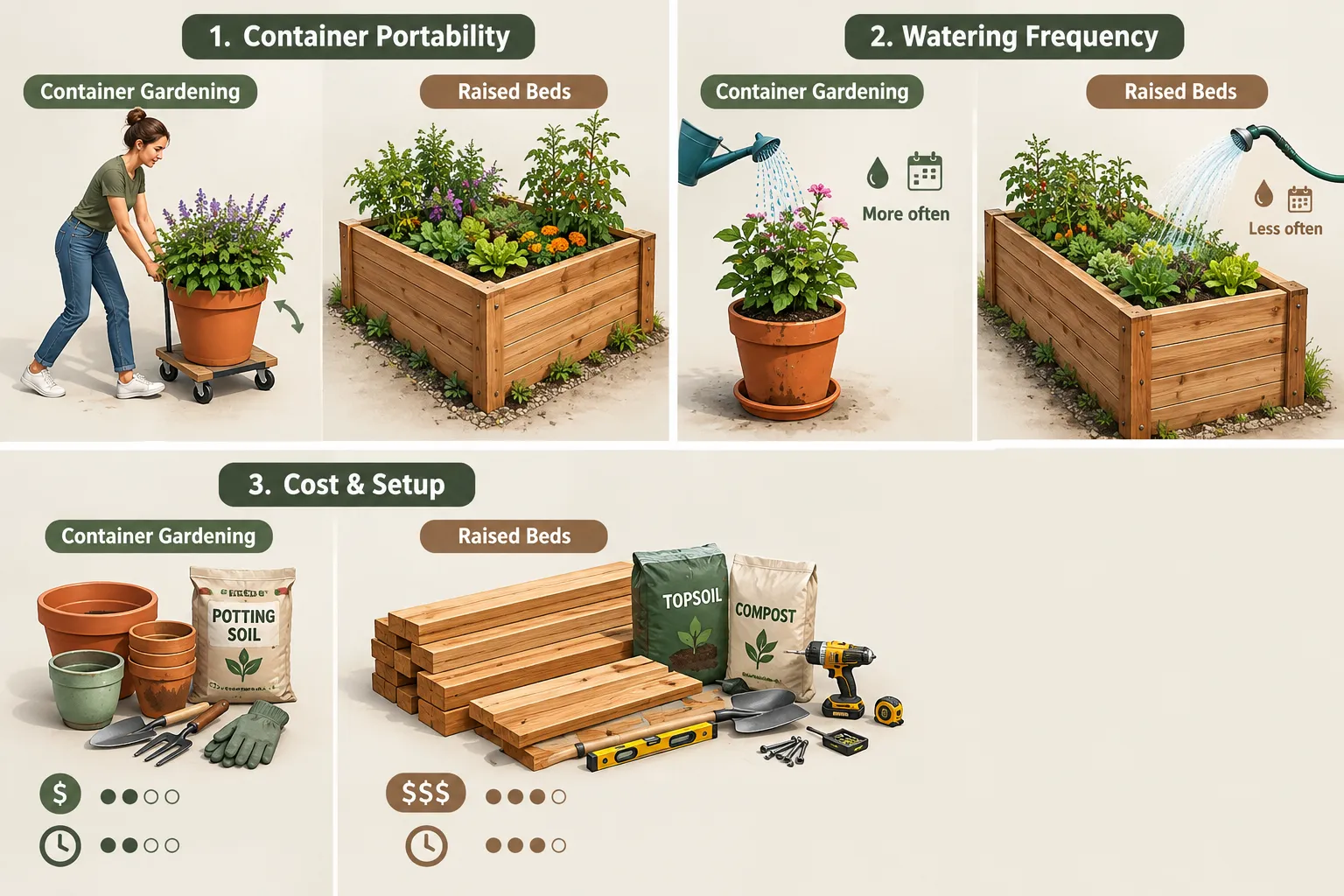
- “Thrillers, Fillers, Spillers”: Lewis Ginter recommends this design approach for visually appealing container arrangements, combining a focal plant, surrounding plants, and trailing elements [2].
- Small Space Solutions: Container gardening is ideal for apartments, balconies, and patios, allowing cultivation of vegetables, herbs, and ornamentals in limited areas.
- Pest and Disease Prevention: Regular inspection, proper spacing, and good cultural practices are key to keeping container plants healthy.
- Lewis Ginter Expertise: The botanical garden offers numerous classes and resources, including hands-on workshops on container gardening, promoting practical home gardening skills [4, 8].
What is Container Gardening and How Does It Work?
Container gardening involves growing plants exclusively in pots, tubs, or other containers rather than directly in the ground. This method works by providing a confined growing environment with controlled soil, nutrients, and moisture, making it highly adaptable for various spaces and climates [1, 2].
The fundamental principle is creating an optimal microclimate and root zone for the plant within the container. This typically means using a specialized potting mix that offers good drainage and aeration, as garden soil can become compacted in pots [2]. Successful container gardening relies on careful container selection, appropriate potting medium, consistent watering, and adequate fertilization to support plant growth in its limited root space. For more on the basics, explore “What Is Container Gardening” [https://minispacegarden.com/what-is-container-gardening/].
Container Gardening for Beginners: What Do I Need to Start?
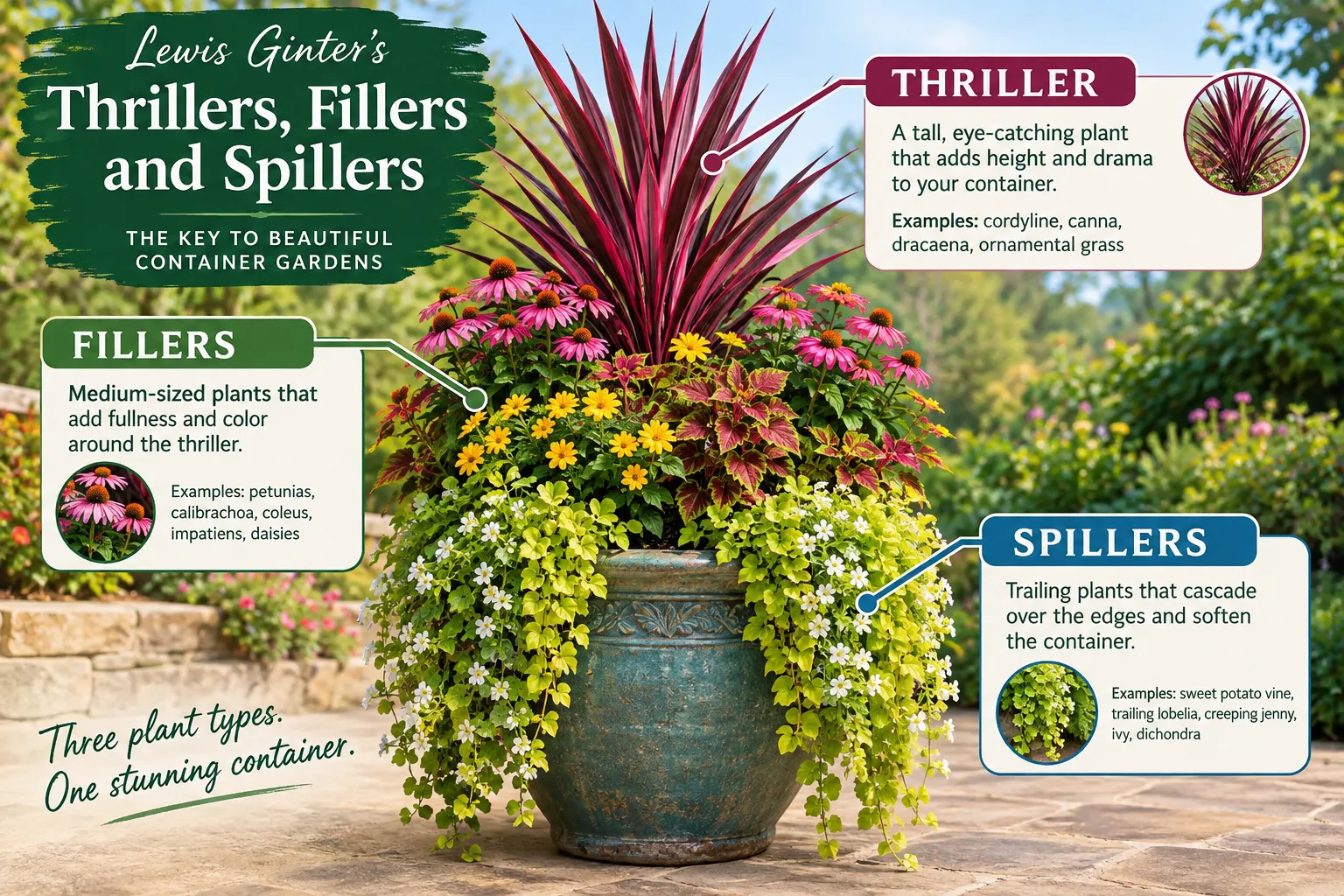
Starting container gardening as a beginner requires just a few essential items and a basic understanding of plant needs. You’ll need containers, a suitable potting mix, the plants or seeds you wish to grow, and a watering can [1, 2].
Here’s a breakdown of the initial setup:
- Containers: As emphasized by Lewis Ginter, ensure containers are frost-proof if they’ll be outdoors year-round and always have drainage holes at the bottom to prevent waterlogging [1, 2]. Options range from traditional terracotta and plastic pots to grow bags and repurposed items.
- Potting Mix: Do not use garden soil. Instead, opt for a high-quality, lightweight potting mix designed for containers. Many mixes include ingredients like peat moss, vermiculite, perlite, and pine bark to enhance drainage and aeration [2]. For the best options, see “Best Soil Mix For Container Gardening” [https://minispacegarden.com/best-soil-mix-for-container-gardening/].
- Plants/Seeds: Choose plants that are well-suited for container life. Many vegetables, herbs, and annual flowers thrive in pots. Consider dwarf varieties for smaller spaces.
- Basic Tools: A small trowel for planting, a watering can, and potentially gardening gloves are helpful.
- Fertilizer: Container plants deplete nutrients faster, so a slow-release granular fertilizer or regular liquid feeding is usually necessary [2].
Lewis Ginter’s “Fun with Pots” feature also highlights containers as an excellent way to experiment with annuals and tropical plants without long-term commitment, making it very beginner-friendly [5].
Best Containers for Growing Vegetables and Herbs
The best containers for vegetables and herbs are those that provide adequate root space, excellent drainage, and are made from durable, food-safe materials. Lewis Ginter’s living collections manager, Lauren Hwang-Finkelmann, stressed the importance of containers being frost-proof and having drainage holes for successful container gardening, whether plastic or other materials [1].
Consider these options:
- Terracotta Pots: Offer good breathability, which helps prevent root rot, but they dry out quickly. Glazed ceramic pots retain moisture better but are heavier.
- Plastic Pots: Lightweight, inexpensive, and retain moisture well. They are versatile, but dark colors can heat up soil in full sun. Ensure they are sturdy and frost-proof if left outside [1].
- Fabric Grow Bags: Excellent for aeration and drainage, preventing root circling. They are lightweight, flexible, and often made from recycled materials. Review “11 Best Grow Bags For Container Gardening In 2026: Expert Reviews & Buying Guide” [https://minispacegarden.com/grow-bags-for-container-gardening/] for top picks.
- Whiskey Barrels or Large Tubs: Ideal for larger vegetables like tomatoes, peppers, or small fruit trees, providing ample root volume.
- Self-Watering Planters: These have a reservoir that holds water, wicking it up to the soil as needed, reducing watering frequency.
For vegetables, depth is key. A container at least 12-18 inches deep is generally recommended for most fruiting vegetables to allow root development.
How Often Should I Water Container Plants?
Container plants typically require more frequent watering than those planted in the ground because their soil volume is limited and exposed to drying elements like sun and wind. The exact frequency depends on factors such as plant type, container material, pot size, weather conditions, and the potting mix used.
As a general rule, check the soil moisture daily by sticking your finger about an inch or two into the soil. If it feels dry, it’s time to water thoroughly until water drains from the bottom of the pot. Lewis Ginter advises ensuring proper drainage to prevent waterlogging, which is just as detrimental as under-watering [1, 2]. During hot, windy weather, some plants may need watering once or even twice a day, while in cooler or rainy periods, they may go several days without needing water.
What Soil Should I Use for Container Gardening?
For container gardening, always use a high-quality, well-draining potting mix, not garden soil, as garden soil compacts easily in pots, restricting root growth and drainage [2]. Lewis Ginter suggests a custom potting mix often containing peat moss, vermiculite, perlite, and pine bark for optimal results [2].
A good container potting mix provides several key benefits:
- Drainage: It allows excess water to escape quickly, preventing root rot.
- Aeration: It provides air pockets essential for healthy root respiration.
- Nutrient Retention: It holds onto vital nutrients without becoming waterlogged.
- Lightweight: It makes containers easier to move and prevents compaction.
Look for potting mixes labeled “container mix” or “potting soil.” You can also make your own by blending ingredients like compost, coco coir, perlite, and vermiculite to customize for specific plant needs. “Potting Soil For Containers: A Guide To Optimal Drainage” [https://minispacegarden.com/potting-soil-for-containers-drainage-guide/] offers more details.
Can You Grow Tomatoes in Containers on a Patio?
Yes, tomatoes can absolutely be grown successfully in containers on a patio, making fresh, homegrown produce accessible even without a traditional garden bed. The key is to select appropriate varieties and provide adequate container size and care.
For patio tomatoes, choose:
- Determinate or Bush Varieties: These varieties grow to a specific height and ripen their fruit over a shorter period, making them more manageable in containers than indeterminate (vining) types. Cherry tomatoes, specifically, are great for smaller containers; see “Best Container Size For Cherry Tomatoes In Small Spaces” [https://minispacegarden.com/whats-the-best-container-size-for-cherry-tomatoes-in-small-spaces/].
- Large Containers: A minimum of a 5-gallon container (around 12-15 inches in diameter and depth) is recommended per plant, with larger being better. This provides sufficient root space and moisture retention.
- Staking or Caging: Even bush varieties benefit from support to prevent branches from breaking under the weight of fruit.
- Full Sun: Tomatoes need at least 6-8 hours of direct sunlight daily for optimal fruit production.
- Consistent Watering & Feeding: Container tomatoes are heavy feeders and drinkers. Water regularly to prevent blossom end rot, and fertilize with a balanced fertilizer throughout the growing season.
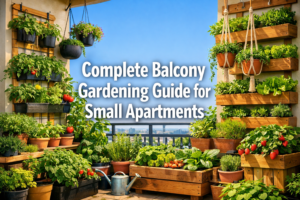
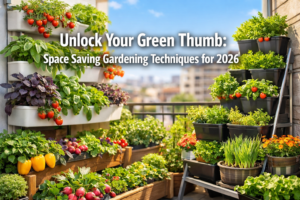
Container Gardening in Small Spaces: Apartments and Balconies
Container gardening is an ideal solution for residents of apartments, balconies, and other small urban spaces, transforming limited areas into productive and beautiful green oases. This approach allows for movable, manageable gardens that adapt to space constraints and sunlight availability.
Key strategies for small space container gardening include:
- Vertical Gardening: Utilize vertical space with hanging baskets, tiered planters, or wall-mounted systems to maximize plant count without taking up floor space.
- Dwarf and Compact Varieties: Choose plant varieties specifically bred for smaller sizes, such as bush tomatoes, compact peppers, mini eggplants, and trailing strawberries.
- Strategic Placement: Arrange containers to optimize sunlight exposure throughout the day, moving them as needed.
- Multipurpose Furniture: Use benches or shelves that can also hold plants, or choose planters with built-in seating.
- Hydroponics: For ultra-small spaces and indoor growing, consider hydroponic systems that grow plants without soil. Learn more in “Hydroponic Garden Small Space Gardening” [https://minispacegarden.com/category/small-space-gardening/hydroponic-garden-small-space-gardening/].
Lewis Ginter’s “Fun with Pots” feature highlights containers’ value for small spaces, noting their adaptability for urban gardeners [5]. For budget-friendly options, explore “Budget Balcony Gardening Ideas” [https://minispacegarden.com/budget-balcony-gardening-ideas/].
Lewis Ginter Botanical Garden Container Gardening Tips
Lewis Ginter Botanical Garden, a renowned authority in horticulture, offers practical and inspiring advice for container gardening, including design principles and hands-on workshops. Their expertise, as showcased in the 8News segment, emphasizes thoughtful planning and proper execution [1, 2].
Key tips from Lewis Ginter include:
- “Thrillers, Fillers, and Spillers” Design: This popular method creates visually appealing containers by combining:
- Thrills: A tall, focal plant that adds dramatic height.
- Fillers: Medium-height plants that fill out the middle of the container, adding volume and texture.
- Spillers: Trailing plants that cascade over the edges, softening the container’s lines [2].
- Proper Drainage and Frost-Proof Pots: Lewis Ginter consistently stresses that containers must have drainage holes and be suitable for local climate conditions, particularly frost if left outdoors [1, 2]. Lining drainage holes with coffee filters or fine mesh can prevent soil loss [2].
- Custom Potting Mixes: They recommend a specific blend of peat moss, vermiculite, perlite, and pine bark, along with slow-release fertilizer, for optimal plant health [2].
- Seasonal Container Design: Lewis Ginter offers workshops on seasonal container gardening, such as the “Fall Container Garden Workshop” (Oct. 10, 2026) and “Container Gardening with Bulbs” (Oct. 24, 2026), teaching how to create dynamic displays year-round [4]. The bulb class, taught by Lauren Hwang-Finkelmann, focuses on layered spring-blooming bulbs [4].
- Continuous Learning: Lewis Ginter provides a wide range of adult learning programs, positioning itself as a key resource for home gardeners [4, 8].
Common Mistakes People Make with Container Gardens
Even experienced gardeners can make mistakes with container gardens, often leading to plant stress or failure. Recognizing these common pitfalls can significantly improve success rates.
- Lack of Drainage Holes: This is perhaps the most critical error. Without drainage, water accumulates, suffocating roots and causing root rot [1, 2].
- Using Garden Soil: Garden soil compacts in containers, hindering aeration and drainage. Always use a proper potting mix [2].
- Under- or Over-Watering: Both extremes are harmful. Under-watering causes wilting; over-watering leads to root rot. Consistent moisture monitoring is essential.
- Too Small Containers: Inadequate space restricts root growth, limits nutrient uptake, and causes plants to dry out too quickly.
- Neglecting Fertilization: Container plants quickly deplete nutrients from the limited soil volume and require regular feeding [2].
- Incorrect Plant Choices: Pairing sun-loving plants with shade-loving ones, or plants with vastly different water needs, can lead to uneven growth and decline.
- Ignoring Pests and Diseases: Container plants are still susceptible. Regular inspection and prompt action are crucial to prevent widespread issues. For prevention, refer to “Prevent Pests In Overcrowded Container Gardens (2026)” [https://minispacegarden.com/how-do-i-prevent-pests-in-an-overcrowded-container-garden/].
- Skipping Winter Protection: Leaving non-frost-proof containers or tender plants exposed to freezing temperatures can cause irreparable damage [1].
Container Gardening vs. Raised Beds: Which Is Better?
Choosing between container gardening and raised beds depends largely on your space, budget, desired scale, and flexibility needs. Both offer advantages over traditional in-ground gardening, but they serve different purposes.
| Feature | Container Gardening | Raised Beds |
|---|---|---|
| Space Suitability | Excellent for small spaces, balconies, patios [5] | Suitable for larger yards, provides more growing area |
| Portability | Highly portable, can be moved with seasons or layout | Fixed once installed, generally not movable |
| Soil Control | Complete control over potting mix and nutrients [2] | Good control, but larger volume of soil needed |
| Watering Needs | Dries out faster, requires more frequent watering | Retains moisture better, less frequent watering |
| Cost | Potentially lower initial cost for a few plants | Higher initial cost for construction materials/soil |
| Plant Versatility | Best for annuals, herbs, specific vegetables | Accommodates a wider range of vegetables, small shrubs |
| Weed Control | Minimal weeds | Fewer weeds than in-ground, but still present |
For very small or rented spaces, container gardening offers unparalleled flexibility. If you have a dedicated yard and desire a more permanent, larger-scale garden, raised beds might be a better long-term investment.
How Much Does It Cost to Start Container Gardening?
The cost to start container gardening can vary significantly, ranging from very inexpensive (under $50) to several hundred dollars, depending on the scale, types of containers, plants selected, and whether you choose to DIY or buy pre-made setups.
- Budget-Friendly Start (Under $50):
- A few plastic pots or repurposed containers with drilled drainage holes.
- A bag of all-purpose potting mix.
- A packet of seeds or a few small starter plants (e.g., herbs).
- A basic watering can.
- Moderate Investment ($50 – $200):
- Several larger, decorative ceramic or terracotta pots.
- Specialized potting mix for specific plants (e.g., organic vegetable mix).
- A variety of starter plants or small shrubs.
- Fertilizer, perhaps a small hand trowel.
- Consider grow bags as a cost-effective alternative for many plants.
- Higher-End Setups ($200+):
- Premium, self-watering, or large designer containers.
- Advanced potting mixes, soil amendments.
- More expensive, mature plants or exotic varieties.
- Vertical gardening systems or smart garden devices [https://minispacegarden.com/smart-garden-devices-for-apartment-gardeners/].
Overall, container gardening can be very accessible financially, especially if you start small and gradually expand using cost-saving methods like repurposing containers or growing from seed.
What Plants Grow Best in Containers Year-Round?
Growing plants year-round in containers requires selecting varieties suited to your climate zone and providing appropriate care, especially for cold tolerance. Lewis Ginter promotes seasonal workshops, including “Container Gardening with Bulbs,” to inspire continuous container displays [4].
For year-round interest, consider combining:
- Hardy Evergreens: Dwarf conifers, boxwood, or certain junipers can provide structural interest through all seasons, as long as their containers are large enough and frost-proof [1].
- Perennials (Dwarf Varieties): Hostas, sedum, heuchera, and some ornamental grasses can return year after year. Ensure they are hardy to your USDA zone and have adequate container space.
- Seasonal Annuals: Rotate these for color and texture. For fall, Lewis Ginter’s “Fall Container Garden Workshop” focuses on curated fall plants [4]. For spring, bulbs like daffodils, tulips, and hyacinths, as taught in Lewis Ginter’s class, provide early color [4].
- Herbs: Many herbs like thyme, rosemary, sage, and mint are perennial in warmer zones or can be brought indoors during winter. Remember to manage aggressive growers like mint to prevent them from taking over [https://minispacegarden.com/how-to-grow-mint-without-it-taking-over-your-other-containers/].
- Cool-Season Vegetables: Spinach, lettuce, kale, and pansies can often thrive in containers through cooler months, especially with some protection.
Success with year-round container gardening also depends on protecting tender plant roots from extreme cold by insulating pots or moving them indoors.
Container Gardening in Full Sun vs. Shade
Understanding your container garden’s light exposure, whether it’s full sun or shade, is crucial for selecting plants that will thrive. Lewis Ginter’s guidance on plant selection emphasizes matching plants to their environmental needs.
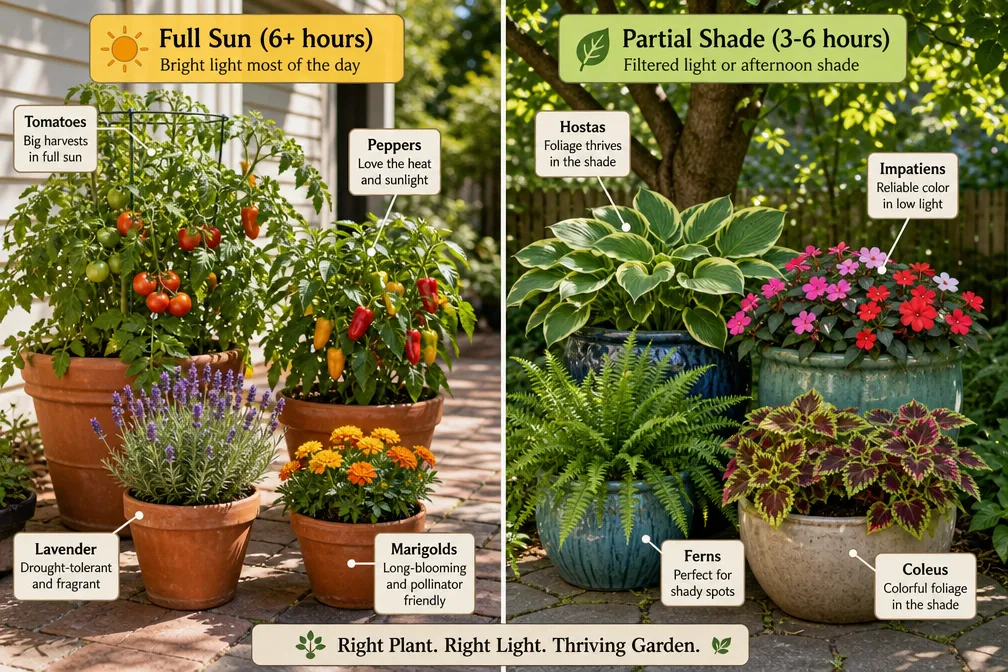
- Full Sun (6+ hours of direct sunlight per day):
- Plants: Most vegetables (tomatoes, peppers, eggplant, cucumbers), many herbs (basil, rosemary, thyme), sun-loving annuals (petunias, marigolds, geraniums), and some heat-tolerant perennials.
- Considerations: Containers will dry out much faster, requiring more frequent watering. Dark-colored pots can heat up soil significantly, potentially stressing roots. Choose plants that can handle intense light and heat.
- Partial Sun/Partial Shade (3-6 hours of direct sun, usually morning sun):
- Plants: Leafy greens (lettuce, spinach, kale), many herbs (cilantro, parsley), cool-season vegetables (broccoli, peas), and flowering plants like impatiens, fuchsias, and coleus.
- Considerations: This is a versatile light condition suitable for a wide range of plants that appreciate some afternoon relief from intense sun.
- Full Shade (less than 3 hours of direct sun, or dappled light):
- Plants: Hostas, ferns, impatiens, begonia, coleus, and some leafy greens like spinach or Swiss chard.
- Considerations: Focus on plants grown for their foliage or shade-tolerant flowers. Growth may be slower, and fewer fruiting vegetables will thrive here. Water less frequently, as evaporation is slower in shade.
Always observe your specific location throughout the day to accurately assess light patterns, as sunlight can shift with seasons or surrounding structures.
How to Prevent Pests and Diseases in Container Plants
Preventing pests and diseases in container plants is essential for maintaining a healthy and productive garden, often simpler than managing issues in large in-ground beds. Good cultural practices and regular observation are your best defense.
Here are key strategies:
- Start with Healthy Plants and Soil: Use disease-free seeds or healthy nursery starts. Always use fresh, sterile potting mix to avoid introducing soil-borne pathogens [2].
- Proper Spacing: While container gardens can be dense, avoid overcrowding, which restricts air circulation and creates humid conditions favorable for fungal diseases and pests.
- Adequate Drainage: Ensure all containers have drainage holes to prevent waterlogged soil, which stresses plants and makes them susceptible to root rot and other issues [1, 2].
- Consistent Watering: Water at the base of plants, avoiding wetting foliage, especially in the evening, to reduce fungal growth.
- Nutrient Balance: Provide appropriate fertilization. Over-fertilizing can lead to lush, tender growth that attracts pests, while under-fertilizing weakens plants.
- Regular Inspection: Routinely check the tops and undersides of leaves, stems, and soil for any signs of pests (e.g., aphids, spider mites) or diseases (e.g., leaf spots, powdery mildew). Early detection is key.
- Pruning: Remove any yellowing, diseased, or insect-infested leaves promptly to prevent spread.
- Sanitation: Keep the area around your containers clean, removing fallen leaves and debris that can harbor pests and pathogens.
- Isolate New Plants: Before introducing new plants to your existing containers, keep them separate for a week or two to ensure they are pest and disease-free.
Conclusion
As 8News learned from Lewis Ginter Botanical Garden, container gardening is an accessible and versatile way to cultivate a thriving garden in any space, regardless of size [1]. By focusing on fundamentals such as frost-proof containers, proper drainage, and suitable potting mixes, even beginners can achieve success [1, 2]. Lewis Ginter’s emphasis on creative design principles like “thrillers, fillers, and spillers” and their hands-on workshops further empower home gardeners to create beautiful, productive displays year-round [2, 4]. Embrace the flexibility of container gardening, adapt to your space and sunlight, and enjoy the rewards of growing your own plants.
FAQ
Q: What is the most important factor for successful container gardening? A: The most important factor is proper drainage; all containers must have drainage holes to prevent waterlogging and root rot [1, 2].
Q: Can I use regular garden soil in my containers? A: No, you should not use regular garden soil in containers as it compacts easily and lacks the proper aeration and drainage needed for potted plants [2]. Always use a specialized potting mix.
Q: How often should I fertilize container plants? A: Container plants deplete nutrients faster than in-ground plants, so regular feeding is usually necessary. Use a slow-release granular fertilizer at planting or liquid feed every 2-4 weeks during the growing season [2].
Q: What are “thrillers, fillers, and spillers” in container design? A: This is a design principle where “thrillers” are tall focal plants, “fillers” are medium-height plants that add volume, and “spillers” are trailing plants that cascade over the edges of the container [2].
Q: Are Lewis Ginter’s container gardening classes suitable for beginners? A: Yes, Lewis Ginter offers various adult learning classes, including beginner-friendly workshops on container gardening that cover fundamental techniques and design [4].
Q: How do I protect container plants during winter? A: For tender plants, move them indoors or to a sheltered location. For hardy plants, ensure containers are frost-proof and consider insulating them or grouping them together for added warmth [1].
Q: What size container do tomatoes need? A: Tomatoes typically require a container of at least 5 gallons (12-15 inches in diameter and depth) per plant, with larger containers preferred for better root development and moisture retention.
Q: Can I grow vegetables on a small apartment balcony? A: Absolutely, container gardening is excellent for small spaces like apartment balconies, especially with dwarf varieties, vertical planters, and careful plant selection [5].
References
[1] 8news Learns About Container Gardening With Lewis Ginter – https://www.wric.com/in-studio-interviews/8news-learns-about-container-gardening-with-lewis-ginter/ [2] Container Plantings – https://www.lewisginter.org/container-plantings/ [4] Gardening Garden Design Classes – https://www.lewisginter.org/learn/adult-classes/current-class-schedule/gardening-garden-design-classes/ [5] Fun With Pots – https://www.lewisginter.org/fun-with-pots/ [8] lewisginter – https://www.lewisginter.org/
SEO Meta Title: 8News Learns Container Gardening with Lewis Ginter: Your 2026 Guide SEO Meta Description: Discover expert container gardening tips from Lewis Ginter Botanical Garden, as featured on 8News. Learn how to start, choose plants, and maintain thriving pots in 2026.
{“@type”:”Article”,”author”:{“name”:”WordRocket”,”@type”:”Organization”},”@context”:”https://schema.org”,”headline”:”8News learns about container gardening with Lewis Ginter”,”publisher”:{“name”:”WordRocket”,”@type”:”Organization”},”description”:”Discover expert container gardening tips from Lewis Ginter Botanical Garden, as featured on 8News. Learn how to start, choose plants, and maintain thriving pot”,”dateModified”:”2026-10-07T04:04:21.225Z”,”datePublished”:”2026-10-07T04:04:21.225Z”,”image”:”https://zsxkvszxbhpwnvzxdydv.supabase.co/storage/v1/object/public/generated-images/kie/8e94f8f4-810b-4266-a943-39ae3ce83a5e/slot-0-1791346220568.webp”}