How to protect balcony plants from bird damage without netting
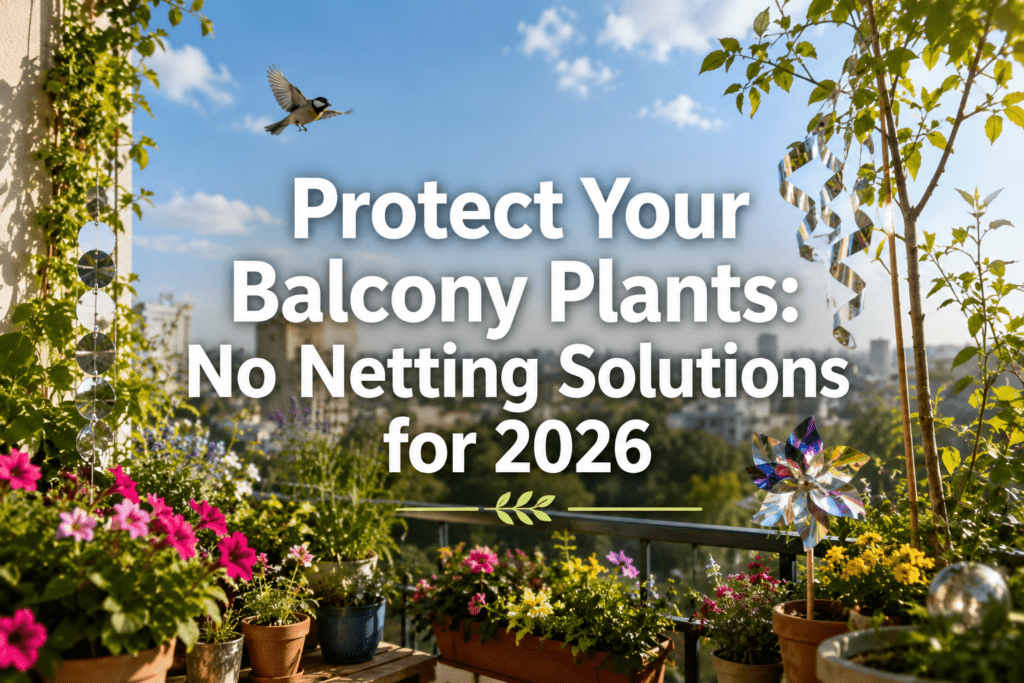
Balcony gardeners can effectively protect their plants from bird damage without resorting to netting by employing a combination of visual, auditory, textural, and olfactory deterrents. Strategies range from reflective objects and sound devices to specific repellent plants and physical barriers that make landing or foraging uncomfortable for birds. The key is to create an environment that discourages birds without causing them harm or obstructing the aesthetic appeal of your green space.
Key Takeaways
- Birds primarily cause damage by eating fruits, vegetables, seeds, and young shoots, or by digging in soil for insects.
- Reflective objects like Mylar strips, old CDs, or reflective tape create flashing lights that birds perceive as a threat.
- Auditory deterrents such as wind chimes or motion-activated sound devices can be effective, especially when varied to prevent habituation.
- Planting strong-smelling herbs like mint, rosemary, or garlic can deter birds, as they dislike certain pungent aromas.
- Physical barriers like lightweight wire cages or thorny plant cuttings can prevent birds from landing or accessing vulnerable plants.
- Birds are often deterred by movement, shiny objects, and unfamiliar textures, making these elements valuable for protection.
- Mistakes often include using static deterrents that birds quickly grow accustomed to or not addressing food and water sources that attract them.
- Organic methods focus on non-toxic, environmentally friendly solutions that fit well within a sustainable gardening practice.
How do birds damage potted plants on balconies?
Birds damage potted plants on balconies primarily by consuming fruits, vegetables, and seeds, pecking at young shoots and flower buds, and digging in the soil in search of insects, grubs, or nesting materials. This activity can lead to defoliation, stunted growth, root disturbance, and even the uprooting of smaller plants. Specific damage includes holes in ripening tomatoes, missing berries, torn leaves, and exposed plant roots from soil excavation.
Different bird species exhibit varying destructive behaviors. For instance, sparrows and finches are notorious for eating seeds and tender sprouts, while pigeons might peck at larger fruits or dislodge plants while attempting to land. Understanding these patterns helps in selecting the most appropriate deterrents. Addressing why birds are attracted—usually food, water, or shelter—is the first step in effective protection.
What are the most effective natural bird deterrents for plants?
The most effective natural bird deterrents for plants involve a multi-pronged approach utilizing visual, auditory, and olfactory stimuli that birds find disorienting or unpleasant. Combining several methods often yields better results than relying on a single deterrent, as birds can quickly habituate to static solutions.
Visual Deterrents
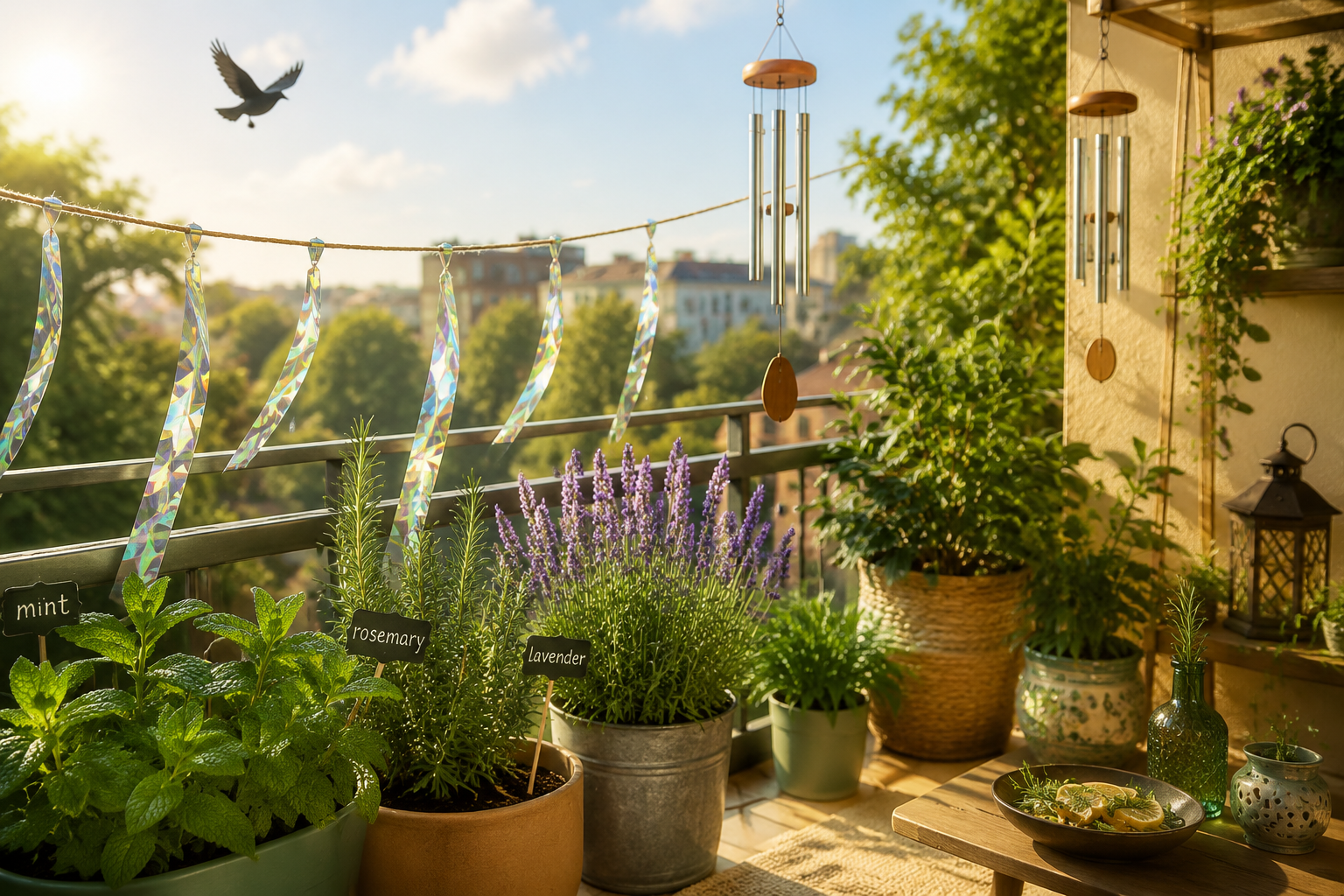
- Reflective Objects: Shiny, reflective surfaces that move in the wind create unpredictable flashes of light, scaring birds away. Examples include old CDs, holographic bird repellent tape (often called Mylar tape), aluminum foil strips, or mirrored ornaments. Place these strategically so they catch the light and move with air currents.
- Decoys: Fake predatory birds (owls, hawks) or snakes can deter birds, but their effectiveness diminishes if they remain in the same spot. Move decoys frequently to maintain their perceived threat.
- Bright Colors: Birds are often wary of bright, contrasting colors, especially red and yellow. Incorporating elements in these hues near vulnerable plants can sometimes help.
Auditory Deterrents
- Wind Chimes: The random sounds produced by wind chimes can startle birds, particularly in areas with consistent breezes.
- Motion-Activated Sound Devices: Devices that emit predatory bird calls or loud noises when motion is detected can be highly effective, but choose models with varying sounds to prevent habituation.
Olfactory Deterrents
- Strong-Smelling Herbs: Certain aromatic plants act as natural repellents.
- Spices: A light dusting of cayenne pepper or cinnamon around the base of plants can deter birds, though this needs reapplication after rain. Use caution to avoid harm to pets or children.
Physical Deterrents (Non-Netting)
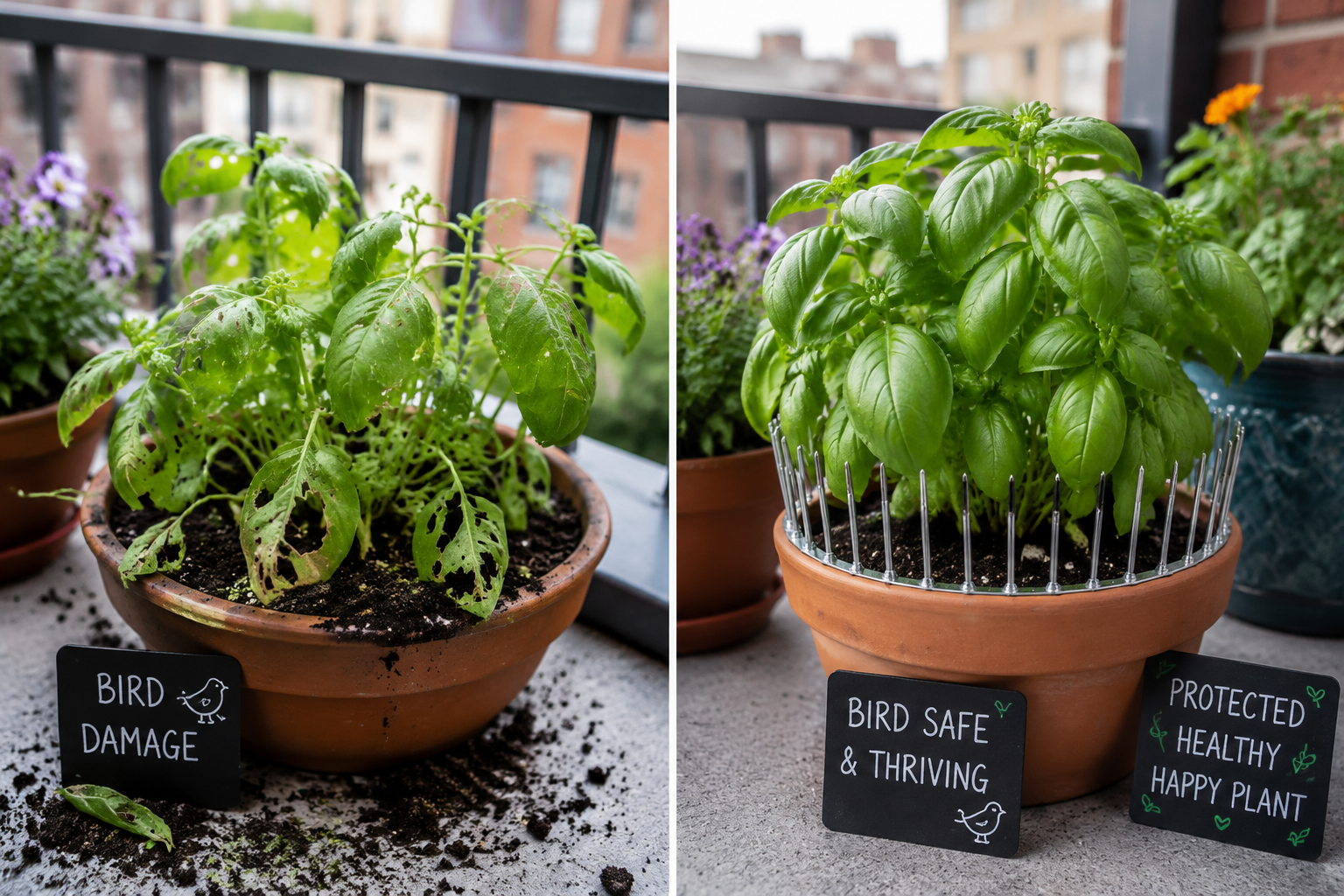
- Wire Cages or Cloches: For particularly vulnerable plants or fruiting vegetables, small, lightweight wire cages can be placed over individual pots. These allow light and air but block birds.
- Thorny Branches or Sticks: Placing thorny rose cuttings or small, prickly branches around the base of plants makes landing and foraging uncomfortable for birds.
- Plastic Forks/Sticks: Inserting plastic forks, chopsticks, or small stakes into the soil around plants with tines pointing upwards discourages birds from landing or digging. Ensure they are placed safely to avoid injury to yourself or pets.
For those interested in maintaining a thriving balcony garden, considering wind-resistant balcony plants can further enhance plant resilience, complementing bird deterrence efforts.
Can I use reflective objects to scare birds away from my plants?
Yes, reflective objects are a highly effective and widely recommended non-netting method for scaring birds away from balcony plants. The unpredictable flashes of light created by reflective surfaces moving in the breeze disorient and alarm birds, making them perceive the area as unsafe or threatening.
How Reflective Objects Work
Birds have excellent eyesight and are sensitive to sudden movements and bright, erratic light patterns. Reflective items mimic the quick, unpredictable movements of predators or simply create a visually confusing environment that birds prefer to avoid.
Best Reflective Options
- Holographic Bird Repellent Tape: This tape (often Mylar) is specifically designed to create multicolored flashes and a subtle rustling sound as it moves. Cut into strips and hang from plant supports, railings, or directly among branches.
- Old CDs/DVDs: Hang several old CDs or DVDs by string at varying heights around your plants. Their reflective surfaces and spinning motion are very effective.
- Aluminum Foil Strips: While less durable than Mylar or CDs, strips of aluminum foil can be effective for short-term deterrence.
- Small Mirrors or Mirrored Ornaments: These can be hung to reflect sunlight and create dazzling effects.
- Shiny Pinwheels: Children’s pinwheels, especially those with reflective surfaces, add both visual movement and flashing light.
When deploying reflective objects, it’s crucial to ensure they can move freely in the wind to maximize their effect. Periodically changing their placement or adding new ones can prevent birds from becoming accustomed to them.
What smells do birds hate that won’t harm my plants?
Birds dislike several strong, pungent smells that can be safely used around plants without causing harm. These olfactory deterrents are most effective in enclosed or semi-enclosed balcony settings where the scent can concentrate, making the area less appealing for birds to linger.
Effective Scents
- Capsaicin (Chili Pepper): A diluted spray of water mixed with cayenne pepper or chili powder can be applied to leaves (after testing a small area first to ensure it doesn’t harm the specific plant). Birds have a strong aversion to capsaicin, while most plants are unaffected. This needs reapplication after rain.
- Cinnamon: A light dusting of cinnamon powder around the base of plants or on vulnerable surfaces can deter birds. It has a strong scent and is generally harmless to plants.
- Garlic: Crushed garlic cloves or a garlic spray (made by steeping crushed garlic in water) can be placed near or sprayed lightly on plants. The strong odor is a known bird deterrent.
- Mint (Peppermint Oil): Birds dislike the strong scent of mint. You can grow mint plants near your vulnerable edibles, or spray a diluted peppermint oil solution on non-edible plant foliage or surrounding surfaces. Be cautious with direct application to edible plants.
- Apple Cider Vinegar: A diluted solution of apple cider vinegar and water can be sprayed around the perimeter of your balcony or on non-plant surfaces. The acidic smell is unpleasant for birds.
When using sprays, ensure they are applied in a fine mist and away from strong winds to prevent them from affecting neighboring balconies. Always test a small, inconspicuous area of your plant first to confirm there are no adverse reactions before widespread application.
Are there specific plants that naturally repel birds?
Yes, certain plants possess characteristics that naturally repel birds, primarily through their strong aromatic oils or undesirable textures. Incorporating these plants into your balcony garden can create a living deterrent system without the need for physical barriers.
Bird-Repellent Plants
- Mint: Plants like peppermint or spearmint have strong, pungent leaves that many birds find unpleasant. Their dense growth can also make it harder for birds to access nearby plants.
- Rosemary: This aromatic herb is known for its strong scent and somewhat woody, prickly texture, which can deter birds from landing or nesting nearby.
- Lavender: While beautiful, the strong floral scent of lavender is often disliked by birds.
- Garlic and Onions: Planting garlic or onion chives among other plants can deter birds due to their potent sulfur compounds.
- Marigolds: Some varieties of marigolds (e.g., French marigolds) release compounds that can deter various pests, including some birds and insects, though their primary effect is often on insects.
- Coneflowers (Echinacea): While birds do enjoy the seeds of coneflowers once mature, the plant itself during its growing phase can sometimes deter them due to its texture or the presence of other deterrent qualities.
When using these plants, consider their growth habits and ensure they are suitable for container gardening. Many of these are excellent best plants for small spaces or can be integrated into a vertical balcony garden for maximum space efficiency.
Cheap ways to protect balcony plants from pigeons and sparrows
Protecting balcony plants from pigeons and sparrows on a budget involves utilizing common household items and simple, cost-effective strategies that exploit their natural aversion to sudden movements, shiny objects, and uncomfortable perching spots.
Cost-Effective Deterrents
- Old CDs/DVDs: As mentioned, hanging old discs is virtually free and highly effective.
- Aluminum Foil: Strips or crinkled balls of aluminum foil scattered among plants can provide intermittent flashes.
- Plastic Bags: Cut plastic grocery bags into strips and tie them to stakes or railings. The rustling sound and erratic movement can be unsettling for birds.
- Plastic Forks/Chopsticks: Stick these into the soil around vulnerable plants, tines up, to create an uncomfortable landing zone.
- DIY Wind Chimes: Use old keys, bottle caps, or small metal scraps strung together to create a jangling noise.
- Spices: A small amount of cayenne pepper, chili powder, or cinnamon is inexpensive and can be lightly sprinkled.
- Faux Snakes/Predator Eyes: Simple rubber snakes or drawn-on “eyes” on a balloon can temporarily scare birds. Remember to move them frequently.
- Dense Planting: Overcrowding plants slightly (within healthy limits) can make it harder for birds to land and forage easily. This strategy is also useful for small balcony vegetable gardening.
These methods are particularly useful in urban environments where pigeons and sparrows are common and can quickly become accustomed to predictable deterrents. Mixing and matching these cheap options increases their overall effectiveness.
Which bird prevention methods work best for small urban spaces?
For small urban balcony spaces, the most effective bird prevention methods are those that are compact, aesthetically pleasing, and highly adaptable to limited areas, focusing on a combination of visual, physical, and olfactory deterrents. Space constraints necessitate smart, multi-functional solutions.
Top Methods for Small Urban Balconies
- Holographic Repellent Tape/CDs: These are lightweight, take up minimal space, and provide continuous visual deterrence with wind movement. They can be attached to railings, plant stakes, or hanging baskets.
- Prickle Strips/Spikes: Discreet, non-harmful plastic or metal spikes can be glued or screwed onto railings, ledges, and wide pot rims where birds like to perch. They make landing uncomfortable without injuring the birds.
- Aromatic Plant Barriers: Strategically placing pots of mint, rosemary, or lavender along the perimeter of your garden can create a scent barrier. These also double as attractive plants for your balcony garden.
- Lightweight Wire Cloches/Cages: For specific plants, small, custom-made wire cloches offer targeted protection without enveloping the entire balcony in netting. They are easy to remove for plant care.
- Water Source Removal: Birds are often attracted to available water. If you have bird baths or standing water on your balcony, removing these can significantly reduce visits.
- Food Source Control: Ensure that bird feeders are not near your balcony if you’re trying to deter them, or that spilled seeds are promptly cleaned. This is especially important for balcony composting without annoying neighbors, where exposed food scraps could be an attractant.
The best strategy for urban spaces often involves a layered approach. For instance, combine reflective tape on railings with a few aromatic plants and possibly some strategically placed spikes on preferred perching spots.
What mistakes do people make when trying to keep birds off plants?
Many common mistakes reduce the effectiveness of bird deterrents, leading to continued plant damage despite efforts. The most frequent errors involve predictability, inconsistent application, and not addressing the core reasons birds are attracted.
Common Mistakes
- Using Only One Static Deterrent: Birds are intelligent and quickly learn that a stationary scarecrow or a single reflective object poses no real threat. They habituate to unchanging stimuli.
- Lack of Variety and Movement: Deterrents that don’t move or change over time become part of the background. Effective deterrence requires dynamic, unpredictable elements.
- Not Addressing Food or Water Sources: If your balcony offers readily available food (spilled birdseed, ripe berries) or water, birds will tolerate deterrents to access these resources.
- Inconsistent Application: If deterrents are only used intermittently or poorly maintained, birds will find windows of opportunity to feed.
- Harmful Methods: Using sticky bird repellents (like bird gels) on plants or railings can harm birds by damaging their feathers, and should be avoided.
- Ignoring Species-Specific Behavior: Different birds have different habits. What deters a pigeon might not bother a sparrow. Tailoring methods to the prevalent bird species can improve results.
- Late Intervention: Waiting until significant damage has occurred often means birds have already established your balcony as a reliable food source. Early prevention is key.
To avoid these mistakes, implement a diverse range of deterrents, change their placement periodically, and ensure no accessible food or water sources are inadvertently attracting birds.
Will wind chimes or sound devices actually stop birds from landing?
Wind chimes and sound devices can indeed deter birds from landing on balconies, particularly if the sounds are unpredictable, loud, or mimic natural threats. Their effectiveness, however, relies heavily on novelty and variation to prevent birds from habituating to the noise.
How Sound Deterrents Work
- Wind Chimes: The random, metallic, or melodic sounds created by wind chimes can startle birds, making them perceive the area as active or potentially dangerous. They are most effective in breezy conditions.
- Motion-Activated Sound Devices: These devices emit sounds (e.g., predatory bird calls, general alarm sounds, high-frequency noises) only when a bird or motion is detected. This unpredictability is crucial, as birds are less likely to get used to an intermittent threat. Some advanced models even cycle through different sounds.
- Ultrasonic Devices: While marketed as bird repellents, ultrasonic devices generally have limited effectiveness for birds. Birds primarily hear in the same range as humans, and while some high-frequency sounds might bother them, these waves don’t travel well, are easily obstructed, and birds often ignore them after a short period.
For best results, pair sound deterrents with visual ones. For example, a wind chime alongside reflective tape offers a dual-sensory deterrent. If using electronic sound devices, choose those with variable sounds and motion activation for maximum impact.
Are there organic methods to protect container gardens from bird damage?
Yes, organic methods to protect container gardens from bird damage focus on natural, non-toxic, and environmentally friendly solutions that align with sustainable gardening practices. These methods prioritize deterrence without using harsh chemicals or harmful physical barriers.
Key Organic Strategies
- Aromatic Plant Companions: Planting strong-smelling herbs like mint, rosemary, lavender, or chives among your edibles is a natural repellent.
- Spice Dusting: A light sprinkle of organic cayenne pepper, chili powder, or cinnamon (ensure it’s food-grade if near edibles) can deter birds without synthetic chemicals. Reapply after watering or rain.
- Reflective and Moving Objects: Using natural materials or repurposed items like old CDs, aluminum foil, or shiny rocks that catch the light are organic visual deterrents.
- Physical Obstacles: Placing thorny cuttings (e.g., rose stems, blackberry brambles) or stiff sticks (like bamboo skewers) around the base of plants makes landing difficult. This method is effective and non-harmful.
- Water Management: Ensuring there are no open water sources (like unattended saucers after watering) will reduce a primary attraction for birds. For proper watering techniques, consult guides like Best Practices For Watering Houseplants 2026.
- Companion Planting: While not strictly bird-repelling, companion planting can attract beneficial insects or create a more robust plant ecosystem, making individual plants less vulnerable.
- Habitat Management: If possible, minimize nearby nesting sites or excessive shelter that makes your balcony too comfortable for birds.
These organic methods are suitable for those cultivating organic vegetable gardening 2026 practices or simply seeking chemical-free solutions for their home gardens.
How do professional gardeners prevent bird destruction without nets?
Professional gardeners, especially in urban or residential settings where nets are impractical or undesirable, employ a sophisticated, integrated pest management approach to prevent bird destruction without netting. Their strategies focus on a layered system that discourages birds through multiple sensory inputs.
Professional Techniques
- Strategic Placement of Diversionary Feeders: Sometimes, providing a designated bird feeder with preferred seeds (away from valuable plants) can divert birds’ attention from the garden. This is a calculated risk and requires careful management to ensure it doesn’t attract more birds than it deters.
- High-Frequency Visual Deterrents: Utilizing specialized holographic or reflective streamers and ribbons that are more durable and visually effective than homemade options. These are often designed for professional agricultural use.
- Tactical Use of Sonic/Ultrasonic Devices (with rotation): While ultrasonic devices have limited general effectiveness, professionals may use high-end, programmable sonic devices that emit varied distress calls or predatory bird sounds. Crucially, these are rotated or programmed with random intervals to prevent birds from habituating.
- Physical Exclusion with Aesthetic Barriers: Instead of nets, professionals might use elegant, nearly invisible wire fencing or mesh screens for specific high-value plants or small sections, blending them seamlessly with the garden design. Small, decorative wire cloches are also common.
- Environmental Modification: Removing perching spots, ensuring no accessible standing water, and diligently cleaning up fallen fruits or seeds are fundamental. This also includes selecting best plants for balcony gardens that are less attractive to local bird species.
- Repellent Coatings/Sprays: For certain ornamental plants or mature fruit, professionals may apply natural, non-toxic repellent sprays (often capsaicin-based) that make plants unpalatable to birds without harming the plant or the birds. These are selected carefully based on plant type and bird species.
The key for professionals is continuous monitoring and adaptation. They understand that bird behavior can change, and therefore, their deterrence strategies must evolve.
What bird prevention techniques work for different types of plants?
Effective bird prevention techniques should be tailored to the specific type of plant being protected, considering its vulnerability, growth habit, and the type of damage birds typically inflict. A “one-size-fits-all” approach is rarely optimal.
Plant-Specific Strategies
- Fruiting Plants (Tomatoes, Berries, Peppers): These are prime targets for birds.
- Best Techniques: Small wire cloches or cages over individual plants/pots; holographic tape hung directly on fruiting branches; strong-smelling herbs planted as companions. For instance, growing basil near tomatoes can deter birds and improve flavor.
- Avoid: Sprays on ripe fruit unless specifically formulated for food crops and washed thoroughly before consumption.
- Seedlings and Young Sprouts: Extremely vulnerable to birds digging for seeds or pecking at tender leaves.
- Best Techniques: Plastic forks/skewers inserted into the soil around seedlings; temporary, lightweight transparent covers (e.g., plastic bottles with tops cut off); fine mesh cloches that allow sunlight but block access.
- Ornamental Plants: Less about edible damage, more about digging or perching damage.
- Best Techniques: Reflective objects, wind chimes, or decorative predator decoys; prickle strips on pot rims or ledges.
- Leafy Greens (Lettuce, Spinach): Birds might peck holes in leaves.
- Best Techniques: Horizontal deterrents like stretched fishing line or clear thread over the top of the bed; interplanting with strong-smelling herbs.
- Large, Established Plants/Shrubs: Birds may use these for perching or nesting.
- Best Techniques: Prickle strips on larger branches or stable perching points; reflective streamers.
Understanding bird preferences for specific plants and the nature of the damage they cause allows for targeted and more efficient application of deterrents. This approach is more sustainable than broad, indiscriminate methods.
Do ultrasonic bird repellents really work on balconies?
While ultrasonic bird repellents are marketed as effective, their efficacy on balconies is generally limited and often falls short of expectations. Birds, like humans, can hear a wide range of frequencies, but ultrasonic sounds (those above the range of human hearing) are not universally disruptive to them, and their effectiveness is hampered by several factors.
Why Ultrasonic Repellents Are Often Ineffective
- Limited Range and Obstruction: Ultrasonic waves are high-frequency and tend to be directional. They are easily absorbed or blocked by physical objects like walls, plants, and even air itself, especially over distances. This means their “reach” on an open balcony is often minimal and inconsistent.
- Habituation: Birds that are initially startled by ultrasonic sounds often become accustomed to them quickly, especially if the sounds are constant and do not represent a genuine threat. Their survival instinct often overrides mild discomfort.
- Species Specificity: The hearing ranges and sensitivities of different bird species vary. A frequency that might bother one type of bird might be completely ignored by another.
- Lack of Scientific Consensus: Most independent scientific studies and ornithological research indicate that ultrasonic devices are not consistently effective for bird deterrence in outdoor environments. Many claims are anecdotal or from manufacturers.
For reliable bird deterrence on balconies, methods that involve visual (reflective objects, movement), auditory (unpredictable sounds, wind chimes), and physical (prickle strips, dense planting) cues tend to be far more consistently effective than ultrasonic devices. If you are considering solutions for growing plants in challenging conditions, understanding indoor plants that tolerate dry winter air from heating radiators might offer parallel insights into environmental adaptation.
Conclusion
Protecting balcony plants from bird damage without netting in 2026 is achievable through a thoughtful, multi-faceted approach that leverages birds’ natural instincts and aversions. By integrating visual deterrents like reflective objects, auditory elements such as wind chimes, strong-smelling plant companions, and physical barriers that make perching or foraging uncomfortable, you can create an unwelcoming environment for birds without causing them harm or compromising the aesthetics of your green space.
The most successful strategies involve variety, unpredictability, and consistency. Avoid relying on a single, static solution, and actively manage potential attractants like open water or spilled food. With careful observation and a combination of these non-netting techniques, your balcony garden can flourish undisturbed, allowing you to enjoy your plants and produce year-round.
Related Reading
- Balcony Gardening Mistakes: Avoid These 2026 Pitfalls
- Small Balcony Vegetable Gardening: Your 2026 Urban Guide
- DIY Container Gardening Ideas For Small Spaces: 2026 Guide