Indoor Plants That Tolerate Dry Winter Air From Heating Radiators

Quick Answer: Many popular houseplants struggle with the low humidity created by heating radiators in winter, but several species are remarkably resilient. Succulents like Snake Plants and ZZ Plants, along with other tough varieties such as Pothos and Spider Plants, are excellent choices because they naturally store water or have evolved to withstand drier conditions, making them ideal for homes heated by radiators.
Key Takeaways
- Heating radiators drastically reduce indoor humidity, creating a challenging environment for most houseplants.
- Indoor plants that tolerate dry winter air from heating radiators often have succulent-like properties, waxy leaves, or efficient water storage.
- Snake Plants (Sansevieria), ZZ Plants (Zamioculcas zamiifolia), Pothos (Epipremnum aureum), and Spider Plants (Chlorophytum comosum) are top performers.
- Aloe Vera, Cast Iron Plant (Aspidistra elatior), and Rubber Plant (Ficus elastica) also show strong tolerance.
- Grouping plants, using pebble trays, and occasional misting can help increase localized humidity.
- Avoid placing sensitive plants directly above or beside active radiators.
- Proper watering during winter is crucial, adapting to slower growth and drier soil.
- Low humidity can lead to crispy leaves, slow growth, and pest susceptibility for non-tolerant plants.
Why Do Heating Radiators Cause Problems for Most Indoor Plants?
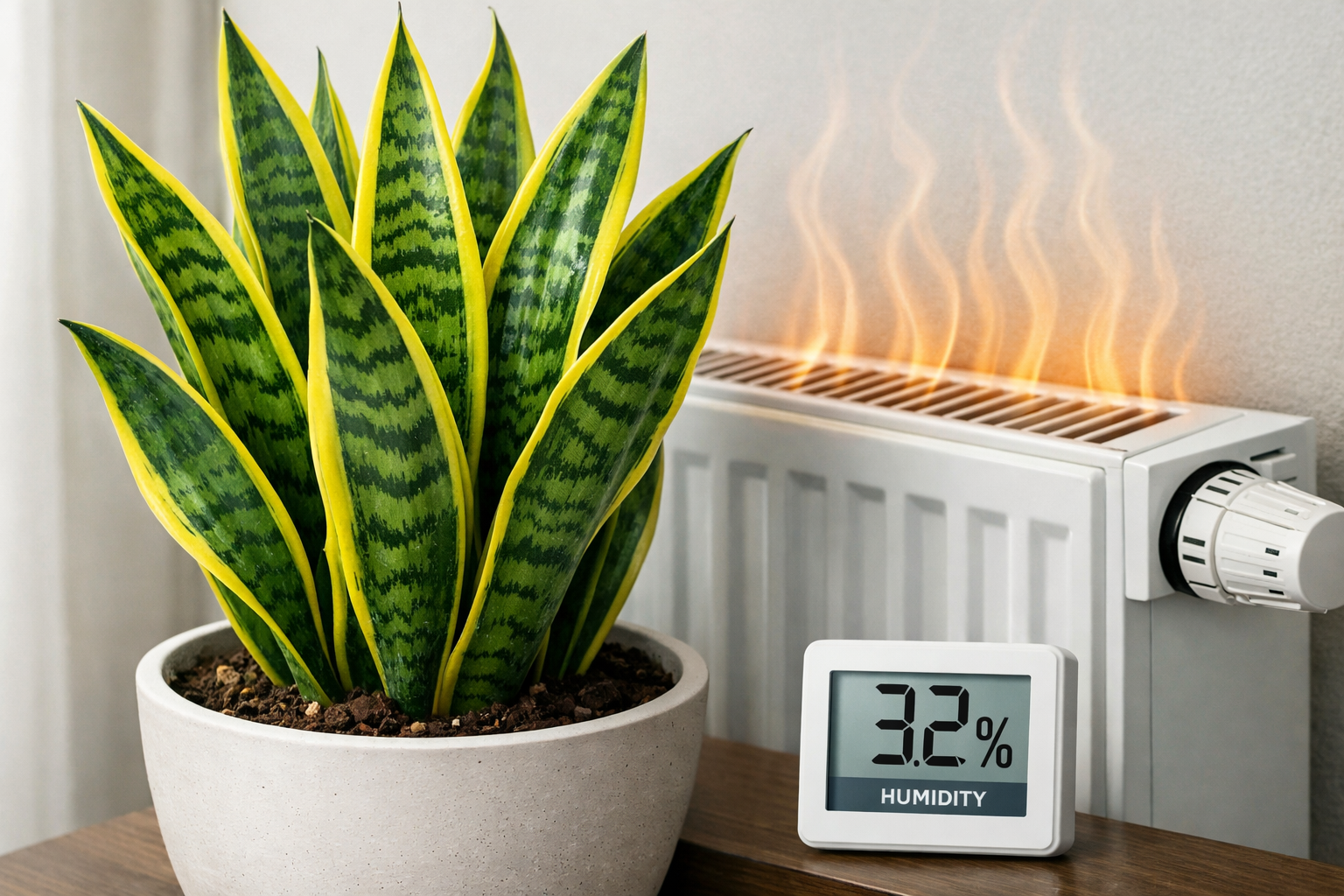
Heating radiators, common in many homes during cooler months, significantly dry out indoor air by constantly circulating warm, low-humidity air. This creates an environment drastically different from the typically humid, tropical conditions many houseplants prefer, stressing their ability to transpire moisture effectively.
When radiators are active, they lower the relative humidity within a room, often to below 30% or even 20%, which can lead to several problems for plants. Most tropical houseplants thrive in humidity levels between 50-70%. In a dry environment, plants lose water through their leaves (transpiration) much faster than their roots can absorb it, leading to dehydration. This rapid water loss manifests as crispy leaf edges, browning tips, wilting, and overall stunted growth. Furthermore, very dry air can make plants more susceptible to common indoor pests like spider mites, which thrive in low-humidity conditions. Therefore, selecting indoor plants that tolerate dry winter air from heating radiators is crucial for successful winter indoor gardening.
Which Indoor Plants Best Tolerate Dry Winter Air From Heating Radiators?
Several resilient indoor plant species are naturally equipped to handle the low humidity conditions created by heating radiators. These plants often have adaptations such as thick, waxy leaves, the ability to store water in their foliage or stems, or a naturally slow transpiration rate, making them excellent choices for dry winter environments.
Here are some of the best indoor plants that tolerate dry winter air from heating radiators:
- Snake Plant (Sansevieria trifasciata): Known for its striking, sword-like leaves, the Snake Plant is incredibly hardy. It stores water in its thick leaves, allowing it to go for long periods without water and withstand low humidity with ease. They are also fantastic air purifiers.
- Why it tolerates dry air: Succulent-like leaves, low water requirements.
- Care tip: Water sparingly, allowing soil to dry out completely between waterings. Avoid direct radiator heat if possible, but it will survive nearby.
- ZZ Plant (Zamioculcas zamiifolia): The ZZ Plant is another incredibly tough contender, featuring glossy, dark green leaves. It stores water in its thick rhizomes (underground stems), making it exceptionally drought-tolerant and unfazed by dry air.
- Why it tolerates dry air: Stores water in rhizomes, thick waxy leaves reduce moisture loss.
- Care tip: Prefers indirect light and infrequent watering. Can tolerate a wide range of light conditions, even low light, making it versatile. For more options, explore our guide on low light indoor plants.
- Pothos (Epipremnum aureum): Often called Devil’s Ivy, Pothos is a popular vining plant known for its adaptability. While it appreciates humidity, it can tolerate dry air much better than many other tropical plants and is quite forgiving of neglect.
- Why it tolerates dry air: Robust nature, can adapt to varied conditions.
- Care tip: Water when the top inch of soil is dry. Yellowing leaves can indicate overwatering, while wilting suggests underwatering.
- Spider Plant (Chlorophytum comosum): These classic houseplants are known for their arching leaves and “spiderettes” (baby plants) that dangle from the mother plant. Spider Plants are resilient and can adapt to lower humidity levels, though extremely dry conditions might cause some browning of leaf tips.
- Why it tolerates dry air: Generally hardy and adaptable.
- Care tip: Keep soil consistently moist but not waterlogged. Brown tips are often a sign of fluoride in tap water or very low humidity; using filtered water can help.
- Aloe Vera: This popular succulent is not just for medicinal purposes; it’s a fantastic houseplant for dry environments. Its fleshy leaves are designed to store a significant amount of water.
- Why it tolerates dry air: Succulent leaves store water.
- Care tip: Bright, indirect light and infrequent watering, allowing soil to dry out completely.
- Cast Iron Plant (Aspidistra elatior): As its name suggests, this plant is incredibly tough and tolerant of a wide range of conditions, including low light, neglect, and dry air. Its dark green, sturdy leaves are very resilient.
- Why it tolerates dry air: Extremely hardy, low water demand.
- Care tip: Thrives on neglect; water sparingly when the soil is dry.
- Rubber Plant (Ficus elastica): These plants feature large, glossy, dark green leaves that are quite thick and waxy, helping them retain moisture in dry air. They are relatively low-maintenance once established.
- Why it tolerates dry air: Thick, waxy leaves reduce transpiration.
- Care tip: Water when the top few inches of soil are dry. Bright, indirect light is best.

How to Care for Your Plants Near Heating Radiators in 2026
Even with indoor plants that tolerate dry winter air from heating radiators, some strategic care can further ensure their health and vitality. Proximity to a heat source still presents unique challenges, and a little extra attention can prevent stress.
Caring for plants near heating radiators involves understanding how the ambient conditions affect their specific needs. While the chosen plants are hardy, consistently high dry heat can still be taxing. Here’s how to support your resilient indoor plants:
- Monitor Soil Moisture: Dry air evaporates moisture from soil faster. Check the soil more frequently than in other seasons, but don’t automatically increase watering frequency. Instead, water thoroughly when the top 1-2 inches of soil are dry (for most plants). For succulents like Snake Plants and ZZ Plants, allow the soil to dry out completely. Overwatering in winter, when plants are often in a dormant or slower growth phase, can lead to root rot. Refer to our Indoor Watering Guide 2026 for expert tips.
- Group Plants Together: Plants naturally release moisture into the air through transpiration. By grouping several plants together, you create a mini-microclimate with slightly higher humidity levels around them. This communal benefit can help all plants, even the more tolerant ones, cope better with dry air.
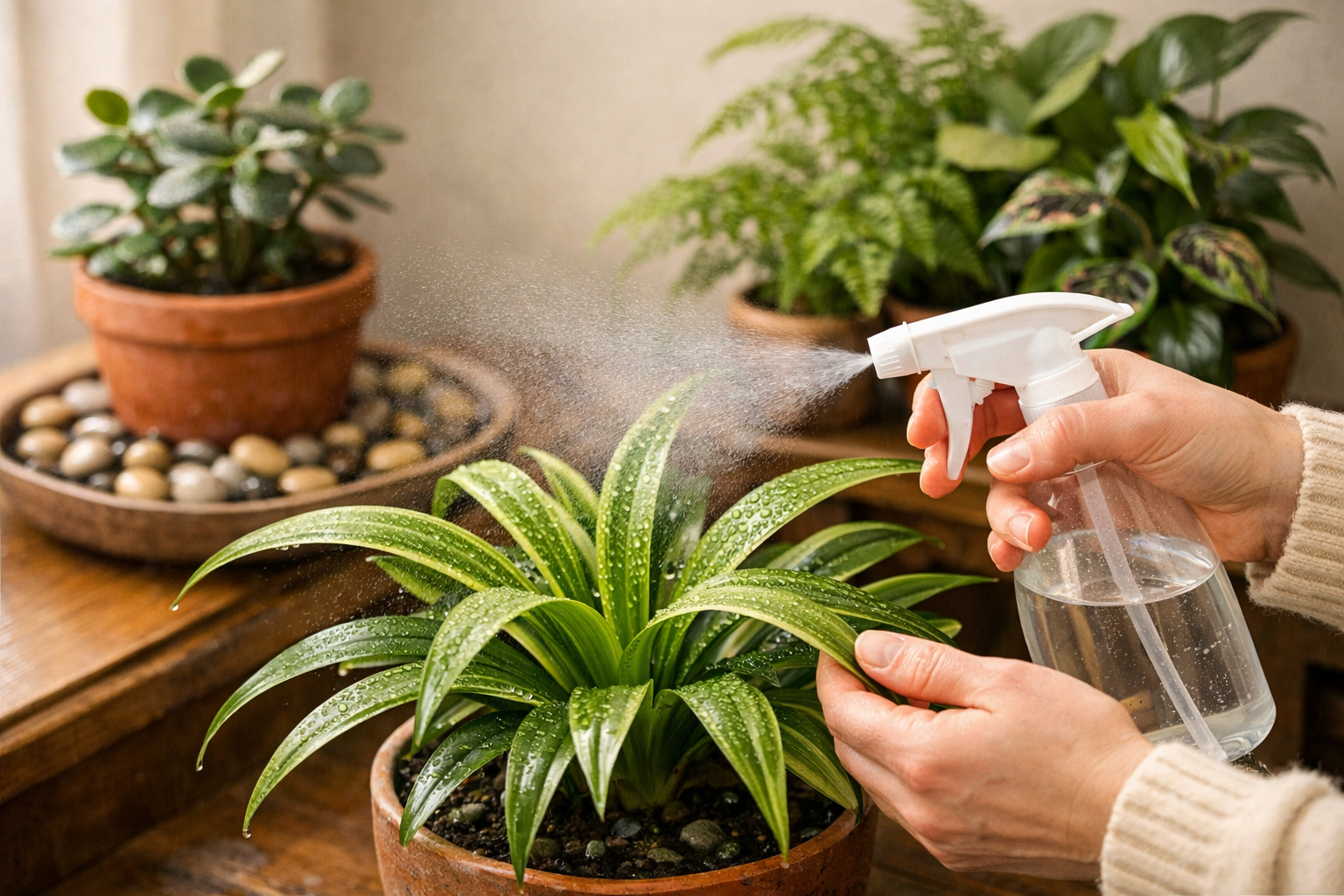
- Use Pebble Trays: Placing plants on a tray filled with pebbles and water (ensure the pot sits on the pebbles, not directly in the water) increases humidity as the water evaporates. This is a simple, effective method to raise local humidity.
- Avoid Direct Heat: If possible, position your plants slightly away from the direct blast of hot air from the radiator. A few feet can make a difference. If placing a plant on a windowsill directly above a radiator is unavoidable, ensure it’s one of the highly tolerant varieties and implement humidity-boosting strategies.
- Occasional Misting: While misting offers a temporary boost in humidity, it can be beneficial for some plants, particularly those with smooth leaves. However, it’s not a long-term solution for systemic dry air. Misting a few times a week can help clean leaves and provide a brief respite. Be careful not to mist plants with fuzzy leaves, as this can encourage fungal growth.
- Consider a Humidifier: For serious plant enthusiasts or if you have a mix of plants, a small room humidifier is the most effective way to combat dry air. It raises ambient humidity for both your plants and you.
- Clean Leaves Regularly: Dry air can lead to dust accumulating faster on plant leaves. Regularly wipe down leaves with a damp cloth to help them breathe and photosynthesize efficiently.
Comparing Tolerant Plants vs. Humidity Lovers
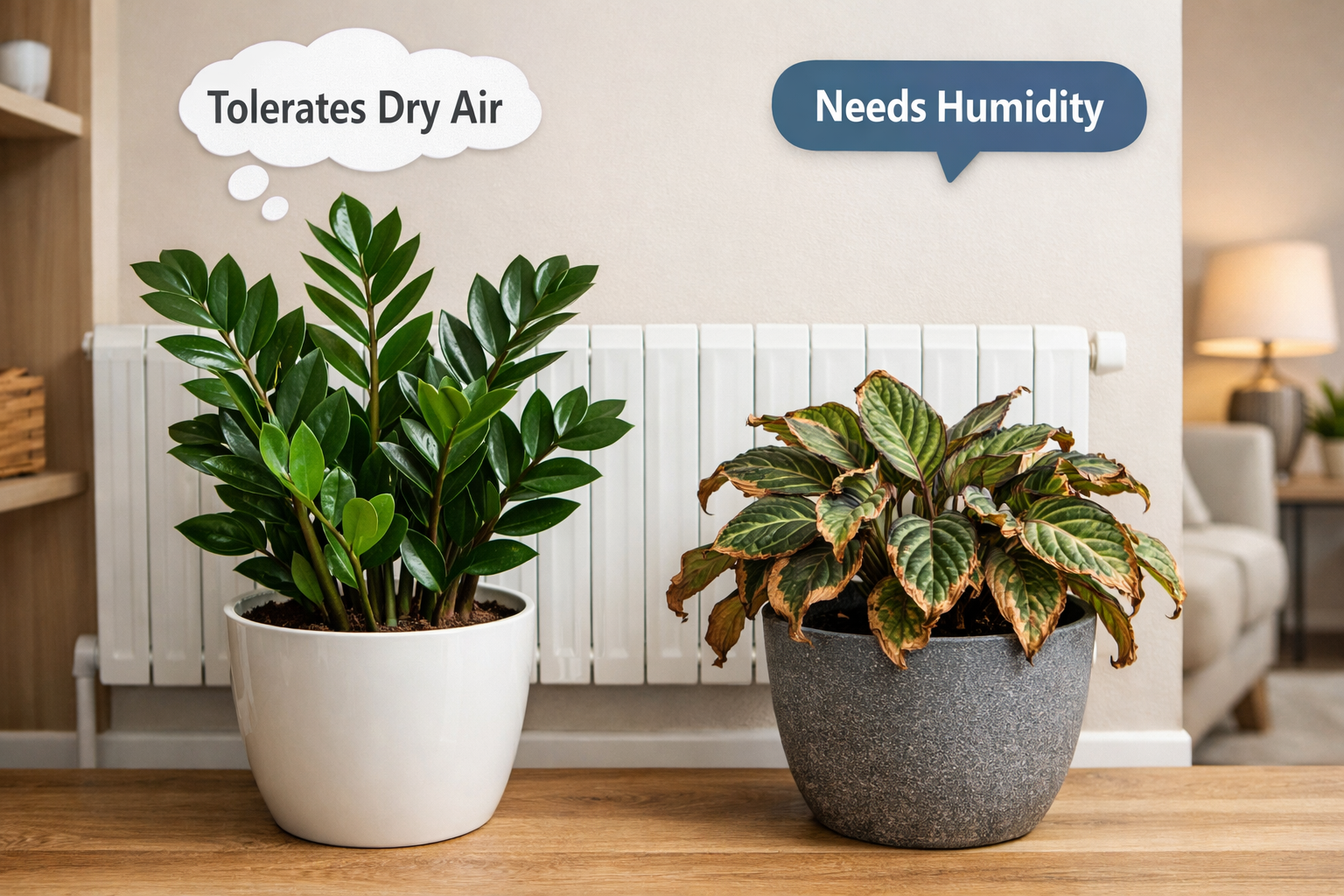
Understanding the difference between indoor plants that tolerate dry winter air from heating radiators and those that demand high humidity is crucial for choosing the right greenery for your home. Mismatched humidity requirements are a primary cause of plant distress in winter.
| Feature | Dry Air Tolerant Plants | Humidity-Loving Plants |
|---|---|---|
| Examples | Snake Plant, ZZ Plant, Pothos, Spider Plant, Aloe Vera, Cast Iron Plant, Rubber Plant | Calatheas, Ferns (e.g., Maidenhair, Boston), Fittonia, Orchids, Prayer Plant |
| Leaf Characteristics | Thick, waxy, succulent, leathery; designed to retain water and minimize surface area for evaporation. | Thin, delicate, often broad leaves; designed for efficient transpiration in naturally humid environments. |
| Water Storage | Often store water in leaves (succulents), stems (cacti), or rhizomes (ZZ Plant). | Minimal internal water storage; rely on constant moisture from roots and ambient humidity. |
| Optimal Humidity | Can thrive in 30-50% relative humidity, tolerate drops to 20-25% without significant stress. | Require 60-80% relative humidity; show distress (crispy leaves, browning) below 50%. |
| Signs of Distress | Primarily overwatering issues if not allowed to dry out; very rarely show direct signs of dry air (e.g., slight tip browning). | Crispy leaf edges, browning tips, wilting despite adequate soil moisture, slow growth, susceptibility to spider mites. |
| Radiator Placement | Can be placed relatively close, with monitoring. | Should be kept far away from radiators; requires humidifiers or terrariums for survival near heat. |

Common Mistakes to Avoid When Growing Indoor Plants Near Radiators
Even with the hardiest indoor plants that tolerate dry winter air from heating radiators, certain missteps can jeopardize their health. Understanding and avoiding these common errors is key to keeping your plants thriving through the colder months of 2026.
Here are the most frequent mistakes and how to avoid them:
- Overwatering due to dry soil surface: The top layer of soil dries out quickly due to radiator heat, but the deeper soil might still be wet. Mistake: Watering simply because the top looks dry. Solution: Always check soil moisture deeply (2-3 inches down with your finger or a moisture meter) before watering. Remember that plants generally need less water in winter due to slower growth.
- Ignoring localized dry spots: Placing a plant directly in the path of hot, dry air from a radiator without any mitigation. Mistake: Assuming a tolerant plant needs no extra consideration. Solution: Even tolerant plants benefit from a pebble tray or grouping with other plants to create a micro-humidity zone. If possible, keep plants a few feet away from direct heat sources.
- Lack of pest vigilance: Dry, warm conditions are ideal for pests like spider mites, which can quickly infest plants. Mistake: Forgetting to regularly inspect plants during winter. Solution: Inspect your plants weekly for signs of pests. Wipe down leaves regularly to remove dust and deter mites. If you find pests, act quickly with insecticidal soap.
- Neglecting proper ventilation: While you want to conserve heat, entirely sealed rooms can lead to stale air, which isn’t good for plants (or people). Mistake: No air circulation. Solution: Briefly open windows for fresh air on milder days, or use a fan on a low setting to circulate air without creating drafts.
- Fertilizing in winter: Most houseplants enter a period of slower growth or dormancy in winter and do not require fertilizer. Mistake: Continuing a regular fertilization schedule. Solution: Reduce or halt fertilization during winter (typically October to February/March in the Northern Hemisphere). Resume in spring when new growth appears.
- Using cold water for watering: Shocking plant roots with very cold water can cause stress. Mistake: Watering directly from the tap without letting water warm up. Solution: Use room-temperature water for all houseplants. Letting tap water sit out for 24 hours also allows chlorine to dissipate, which some plants prefer.
- Ignoring plant signals: Your plants will tell you if they are unhappy. Browning tips, yellowing leaves, or wilting are all signs. Mistake: Dismissing early signs of stress. Solution: Pay attention to changes in your plant’s appearance. Brown tips on a Spider Plant might indicate a need for filtered water or higher local humidity, even if the plant is generally tolerant.
Practical Tips to Boost Humidity for Indoor Plants in 2026
While choosing indoor plants that tolerate dry winter air from heating radiators is the first step, providing supplementary humidity can enhance their environment and even benefit you. Low indoor humidity can affect human health too, making these tips a win-win.
Here are practical ways to increase humidity for your indoor plants:
- Utilize Pebble Trays:
- Method: Place a layer of pebbles in a shallow tray. Add water to the tray, ensuring the water level is below the top of the pebbles so the plant pot isn’t sitting in standing water.
- Benefit: As the water evaporates, it creates a localized pocket of humidity around the plant.
- Recommendation: Ideal for individual plants or small groupings.
- Group Plants Together:
- Method: Arrange your plants in clusters rather than scattering them throughout the room.
- Benefit: Plants release moisture through transpiration. Grouping them creates a micro-climate where this moisture is shared, slightly elevating humidity for all.
- Recommendation: Works well for any plant collection, especially beneficial for those with moderate humidity needs.
- Invest in a Humidifier:
- Method: Place a small room humidifier near your plant collection.
- Benefit: This is the most effective way to significantly and consistently raise ambient humidity levels in a room.
- Recommendation: Best for larger collections or if you want to support a wider variety of plants, including some less tolerant ones. Consider a cool-mist humidifier for safety around plants.
- Occasional Misting:
- Method: Use a fine-mist spray bottle to lightly spray the leaves of your plants.
- Benefit: Provides a temporary, immediate boost of humidity and helps keep leaves clean.
- Caution: Not a long-term solution. Over-misting can lead to fungal issues, especially on plants with fuzzy leaves. Only effective for smooth-leaved plants.
- Place Plants in Naturally Humid Rooms:
- Method: Consider relocating certain plants to bathrooms or kitchens, which tend to have higher humidity from showers, sinks, and cooking.
- Benefit: These rooms offer a naturally more humid environment without artificial intervention.
- Recommendation: Excellent for plants that need higher humidity but might struggle near radiators in other rooms.

Conclusion
Navigating the dry, heated air of winter interiors can be a challenge for indoor plant enthusiasts, but it doesn’t have to mean sacrificing your green companions. By strategically selecting indoor plants that tolerate dry winter air from heating radiators—such as Snake Plants, ZZ Plants, Pothos, and Spider Plants—you can ensure your home remains vibrant and green even when the heating is on full blast. These resilient species possess natural adaptations that allow them to thrive where others would falter.
Remember, even the toughest plants benefit from thoughtful care: mindful watering, boosting localized humidity through pebble trays or grouping, and avoiding direct, intense heat from radiators. By understanding these plants’ needs and implementing simple care strategies in 2026, you can maintain a lush indoor garden throughout the coldest months, enhancing both your home’s aesthetics and your well-being.
Actionable Next Steps:
- Assess Your Space: Identify areas near radiators and gauge their distance from the heat source.
- Choose Wisely: Select plants from the tolerant list that fit your aesthetic and available light conditions.
- Implement Humidity Boosters: Start with pebble trays or grouping plants, and consider a humidifier for larger collections.
- Adjust Watering Habits: Always check soil moisture before watering, adjusting for slower winter growth.
- Monitor & Adapt: Observe your plants for any signs of stress and adjust care routines as needed throughout the winter.
FAQ
What are the best indoor plants for low humidity from heating?
The best indoor plants for low humidity from heating include Snake Plants, ZZ Plants, Pothos, Spider Plants, Aloe Vera, Cast Iron Plants, and Rubber Plants. These species have adaptations like thick leaves or water-storing capabilities.
Can I put plants directly on a radiator?
No, you should avoid placing plants directly on a heating radiator. The intense, consistent dry heat can quickly dehydrate and damage even the most tolerant plants, leading to scorched leaves and severe stress.
How do I know if my plant is suffering from dry air?
Signs that your plant is suffering from dry air include crispy or browning leaf edges and tips, wilting despite adequately moist soil, slower growth, and increased susceptibility to pests like spider mites.
What is the ideal humidity level for most houseplants?
Most tropical houseplants thrive in a relative humidity range of 50-70%. However, indoor plants that tolerate dry winter air from heating radiators can often cope well with levels between 30-50% and even lower temporarily.
Is misting plants an effective way to increase humidity?
Misting provides only a temporary, very localized boost in humidity and is not a long-term solution for dry air. It can help clean leaves, but for sustained humidity, pebble trays, grouping plants, or a humidifier are more effective.
What is a “pebble tray” and how does it work?
A pebble tray is a shallow tray filled with pebbles and a small amount of water. As the water evaporates, it increases the humidity directly around the plant sitting on the pebbles (above the water level).
Should I fertilize my indoor plants in winter?
Generally, you should reduce or halt fertilizing indoor plants during winter because most enter a period of slower growth or dormancy. Resume fertilization in spring when active growth returns.
What pests thrive in dry indoor air?
Spider mites are particularly notorious for thriving in dry, warm indoor environments. Regularly inspecting and wiping down plant leaves can help prevent infestations.
Are succulents good for dry indoor air?
Yes, succulents are excellent choices for dry indoor air. Their fleshy leaves are specifically designed to store water, making them highly tolerant of low humidity and infrequent watering.
Sources
- National Gardening Association. (2018). Houseplant Care: Winter Indoor Gardening.
- University of Florida IFAS Extension. (2019). Houseplant Care for Beginners.
- Missouri Botanical Garden. (2020). Gardening FAQs: Houseplant Humidity.