How to Choose the Right Pot Size for Container Plants
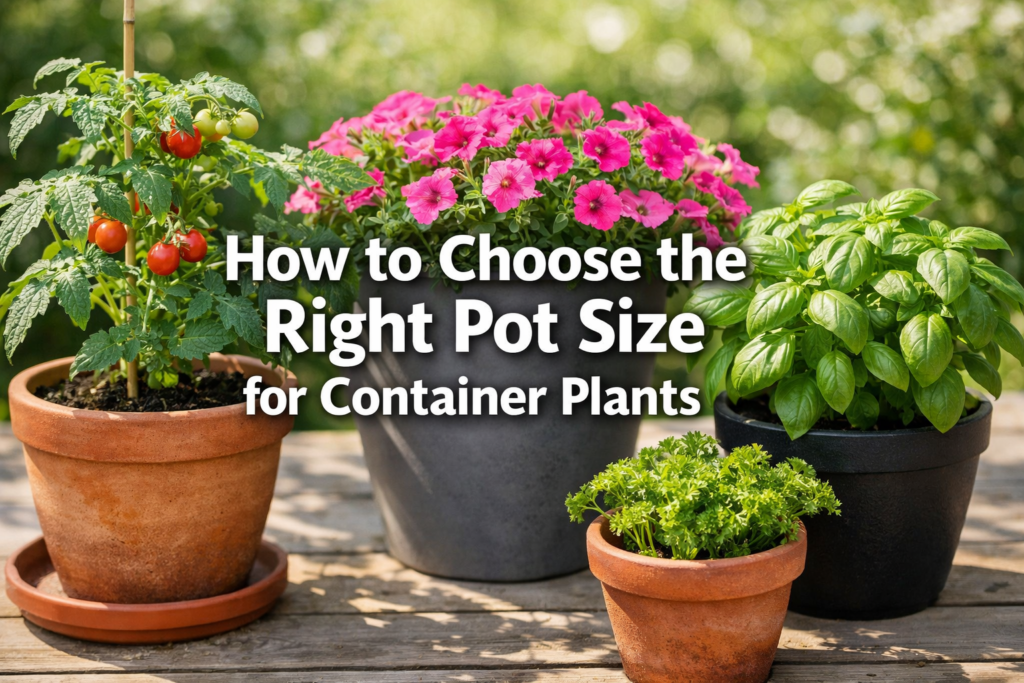
Choosing the correct pot size is fundamental for the health and vitality of your container plants, directly impacting their growth, water retention, and overall productivity. A pot that is too small can stunt growth and lead to root-bound plants, while an oversized pot can cause waterlogging and nutrient deficiencies. Understanding the specific needs of each plant is key to successful container gardening.
Key Takeaways
- Root System Dictates Size: Always consider the mature size and root type (fibrous, taproot, tuberous) of your plant.
- Drainage is Crucial: Ensure all pots have adequate drainage holes, regardless of size, to prevent root rot.
- Too Small = Stunted Growth: Undersized pots restrict root development, leading to smaller plants, less fruit/flowers, and increased watering frequency.
- Too Large = Waterlogging Risk: Oversized pots retain too much moisture, potentially suffocating roots and causing nutrient leaching.
- Material Matters: Pot materials like terracotta breathe more, while plastic retains moisture, influencing watering needs.
- Growth Rate Consideration: Fast-growing plants often require larger pots or more frequent repotting than slow growers.
- Specific Plant Needs: Research the recommended pot size for each plant species, especially for vegetables and fruit.
- Repotting is an Option: If a plant outgrows its current container, repotting into a slightly larger one is a healthy solution.
Why Does Pot Size Matter So Much for Container Plants?
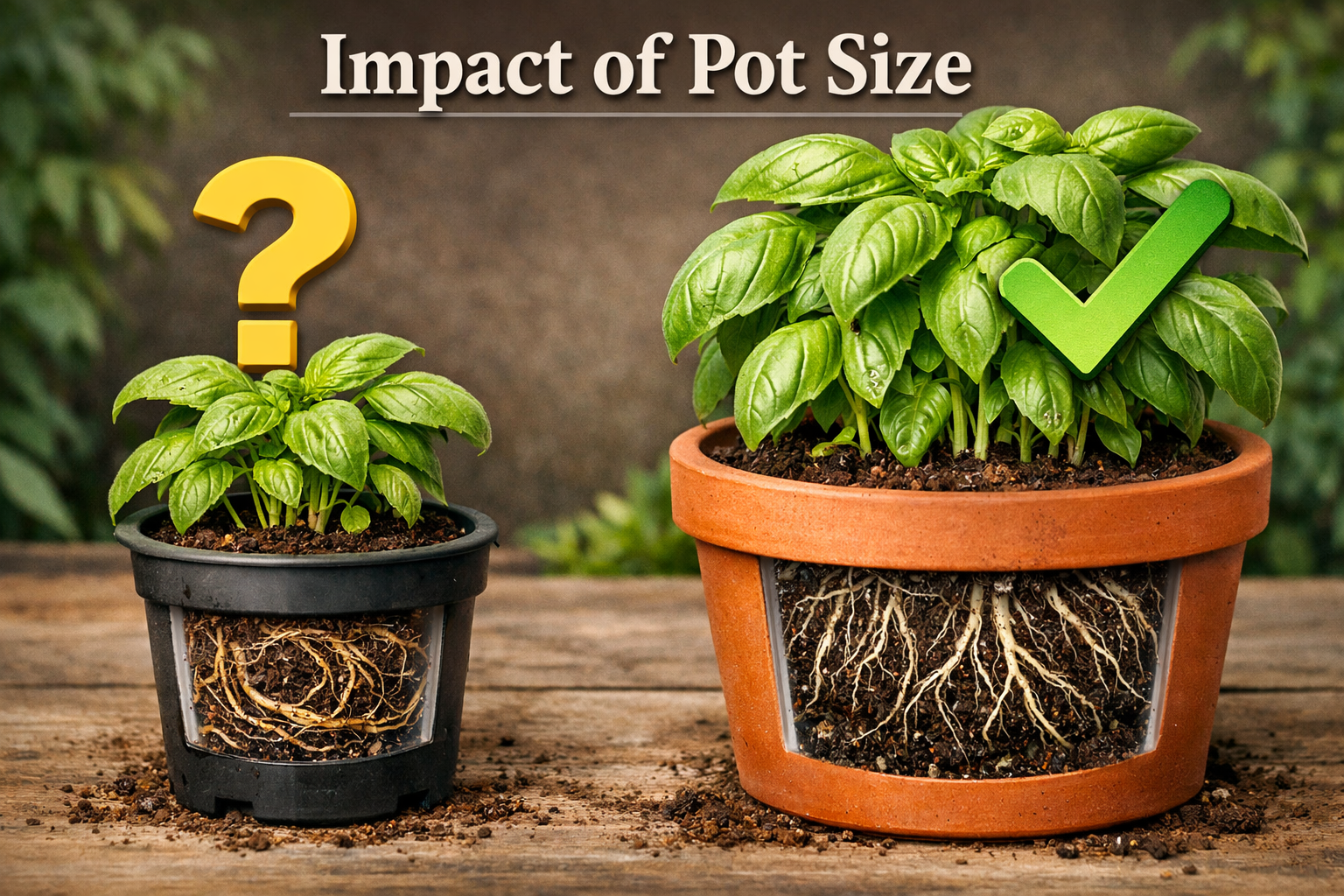
The size of a pot directly influences a container plant’s access to soil, water, and nutrients, which are all vital for healthy growth. A pot that is too small restricts root development, leading to a stunted plant that struggles to absorb enough water and nutrients. Conversely, a pot that is too large can hold excessive moisture, creating anaerobic conditions that encourage root rot and hinder nutrient uptake.
Proper pot size ensures a balanced environment for your plant. Roots need space to grow, anchor the plant, and absorb water and nutrients. When roots become cramped, known as being “root-bound,” the plant’s ability to take in essentials is severely compromised, resulting in poor growth, yellowing leaves, and reduced flowering or fruiting. Moreover, the soil volume in a correctly sized pot helps maintain consistent moisture levels and temperature, providing stability that outdoor plants in the ground naturally benefit from. For more insights into optimal plant care, consider exploring our Beginner’s Guide to Plant Care 2026.
How to Choose the Right Pot Size for Container Plants: Factors to Consider
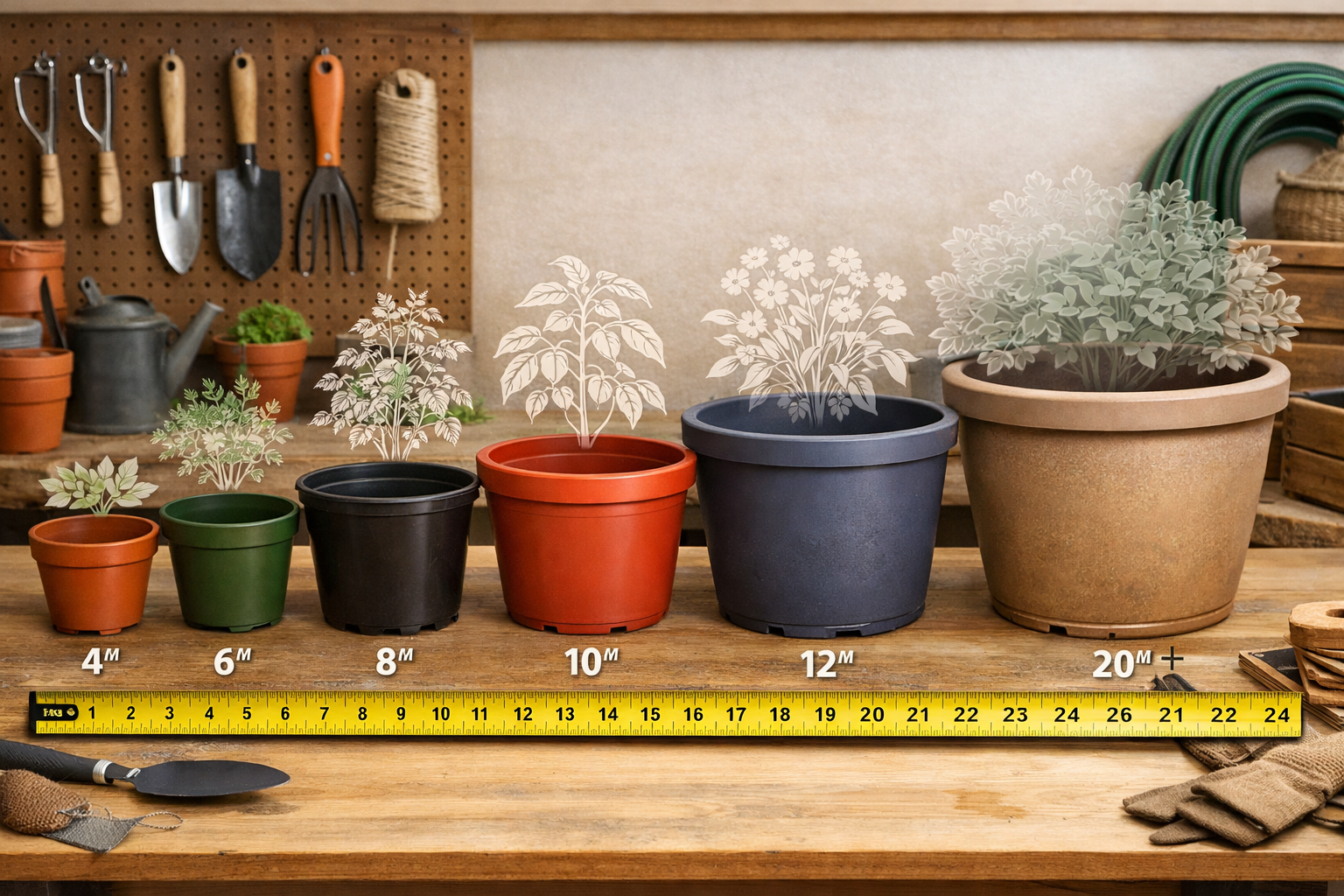
When learning how to choose the right pot size for container plants, several critical factors must be considered to ensure optimal plant health and development. These factors primarily revolve around the plant’s inherent characteristics and environmental needs.
1. Plant’s Mature Size and Root System
The most significant factor is the plant’s projected mature size and the nature of its root system.
- Small, Fibrous Root Systems: Plants like most herbs (basil, thyme, mint), lettuce, or shallow-rooted annual flowers can thrive in smaller pots, typically 6-8 inches in diameter. Their roots spread horizontally close to the surface.
- Medium-Sized Plants with Moderate Roots: Many vegetables such as bush beans, peppers, and determinate tomatoes, along with medium-sized flowering plants, require pots ranging from 10-15 inches in diameter. These plants need more space for both root development and to support their above-ground growth.
- Large Plants with Extensive Root Systems: Indeterminate tomatoes, larger shrubs, small trees, and root vegetables (carrots, potatoes) demand substantial space. Pots 18-24 inches or larger are often necessary to accommodate their deep or widespread root systems. For specific guidance on vegetables, refer to our Pot Size Guide for Vegetables 2026.
2. Plant Growth Rate
Consider how quickly the plant grows. Fast-growing plants will outgrow smaller pots more quickly, necessitating frequent repotting or a larger initial pot.
- Fast Growers: Many annuals and quick-maturing vegetables.
- Slow Growers: Succulents, some perennials, and small shrubs.
3. Water Requirements
The pot size also affects how often you need to water.
- Smaller pots dry out faster, especially in warm, sunny conditions, requiring more frequent watering. This can be beneficial for plants that prefer drier soil between waterings.
- Larger pots retain moisture longer due to a greater soil volume. This is ideal for plants that prefer consistently moist soil or if you want to reduce watering frequency. Overwatering in large pots can be a common mistake. Learn more about watering container vegetables in summer with our guide: How Often to Water Container Vegetables in Summer 2026.
4. Pot Material
The material of your pot impacts moisture retention and temperature.
- Terracotta/Clay: Porous material allows for air circulation and evaporation, which helps prevent overwatering. Best for plants that like drier conditions or if you tend to overwater.
- Plastic/Glazed Ceramic: Non-porous materials retain moisture longer. Good for plants that need consistent moisture or if you’re prone to underwatering.
- Fabric Pots: Offer excellent aeration (“air pruning” roots) and drainage, preventing root circling. They dry out faster than plastic but provide a healthier root environment.
5. Number of Plants Per Pot
If you plan to plant multiple specimens in one container, increase the pot size accordingly. Overcrowding can lead to competition for resources. For instance, if a single basil plant needs a 6-inch pot, planting three together would require a 10-12 inch pot.
Decision Rule: When in doubt for a new plant, choose a pot that is at least 2 inches wider than the root ball or nursery pot it came in. For plants known to grow large, start with a pot that accommodates their mature size to avoid excessive repotting.
Practical Steps to Determine Optimal Pot Size
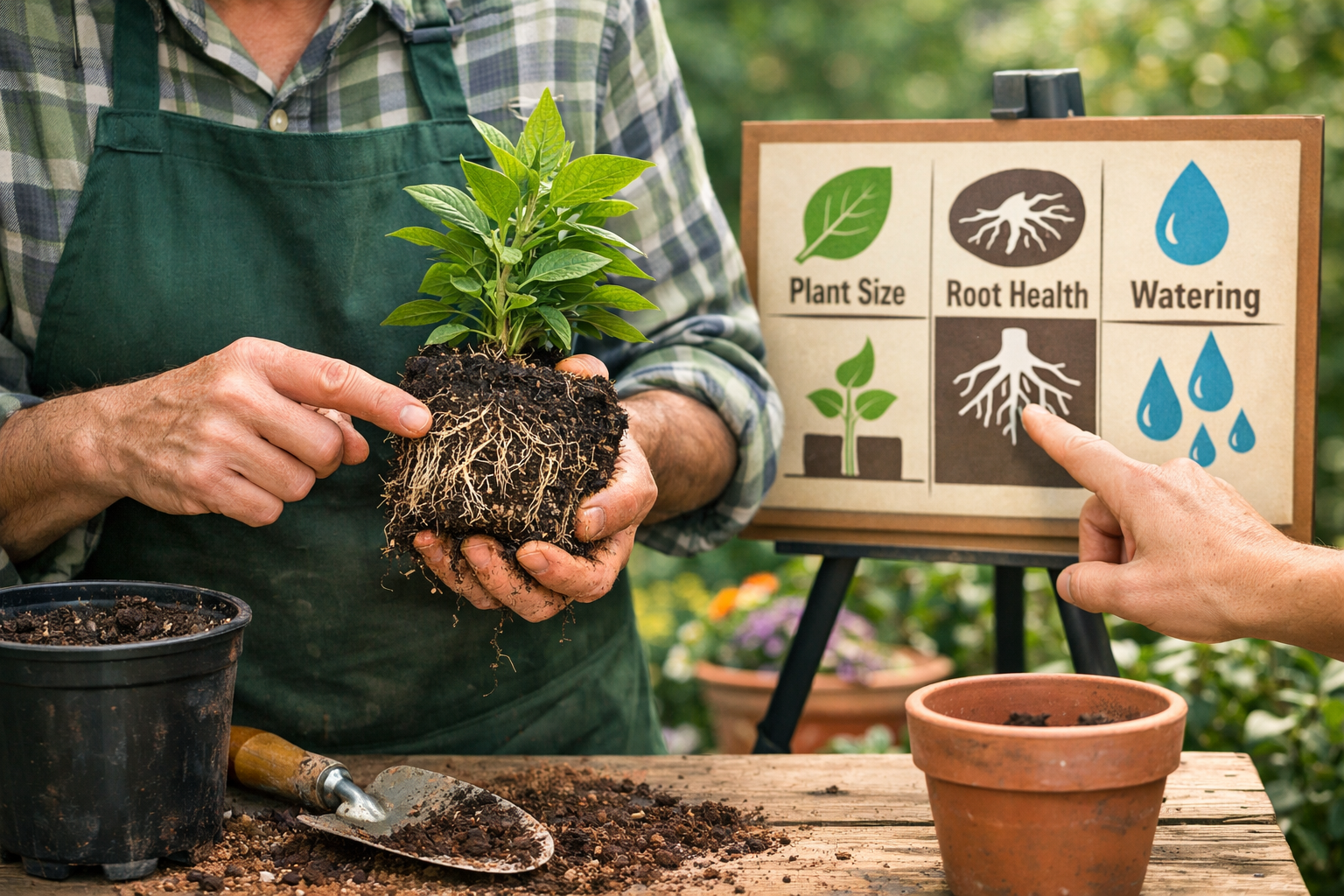
Determining the optimal pot size involves a few practical steps that allow you to assess the plant’s current state and anticipate its future growth. I always start by observing the existing root system and considering the mature characteristics of the plant species.
1. Assess the Current Root Ball
If you are repotting a plant, gently remove it from its current container to inspect the roots.
- Healthy, but not root-bound: If roots are visible but not circling tightly around the bottom or sides, a pot 1-2 inches larger in diameter and depth is usually sufficient.
- Moderately root-bound: If roots are beginning to circle, but the soil mass is still intact, move up 2-4 inches in diameter and depth.
- Severely root-bound: If roots are a dense, matted ball, disentangle them gently and move to a pot 4-6 inches larger. This provides immediate relief and ample room for new growth.
2. Research the Plant’s Mature Dimensions
Look up the typical mature height and spread of your specific plant variety.
- Height and Spread: As a general rule, the pot’s diameter should be roughly one-third to one-half of the plant’s mature height. For bushy plants, the pot’s diameter should ideally match the plant’s spread.
- Root Depth: Consider the plant’s natural root depth. Deep-rooted vegetables like carrots or indeterminate tomatoes require deeper pots, even if their surface spread isn’t vast.
3. Consider Your Watering Habits and Climate
Your environment and how often you’re able or willing to water play a role.
- Hot, Dry Climates: Plants in smaller pots will dry out rapidly. Opting for slightly larger pots can reduce daily watering needs.
- Cool, Humid Climates: Overwatering is a higher risk. Slightly smaller pots or porous materials like terracotta can help prevent root rot.
- Busy Schedule: If you can’t water daily, larger pots are more forgiving as they retain moisture longer.
4. Future Growth and Repotting Plans
Decide if you prefer to start small and repot, or go large and minimize transfers.
- Starting Small: Good for seedlings or if space is limited. Plan to repot when roots fill the container.
- Starting Large: Suitable for plants that dislike root disturbance or those you want to reach their full potential quickly. Be mindful of overwatering in initial stages. For advice on when to transplant seedlings, see How Long Can Vegetable Seedlings Stay in Seed Trays? 2026 G.
Example Scenario:
You’re planting a bush tomato variety. Research indicates it will grow to about 2-3 feet tall and wide.
- Root inspection: Let’s say it’s currently in a 4-inch nursery pot.
- Mature size: Target pot diameter should be around 12-15 inches.
- Watering: If you’re busy, leaning towards the 15-inch pot might be safer.
- Conclusion: A 12-15 inch diameter pot (around 5-gallon capacity) would be appropriate for optimal growth and ease of care.
Common Mistakes to Avoid When Selecting Pot Size
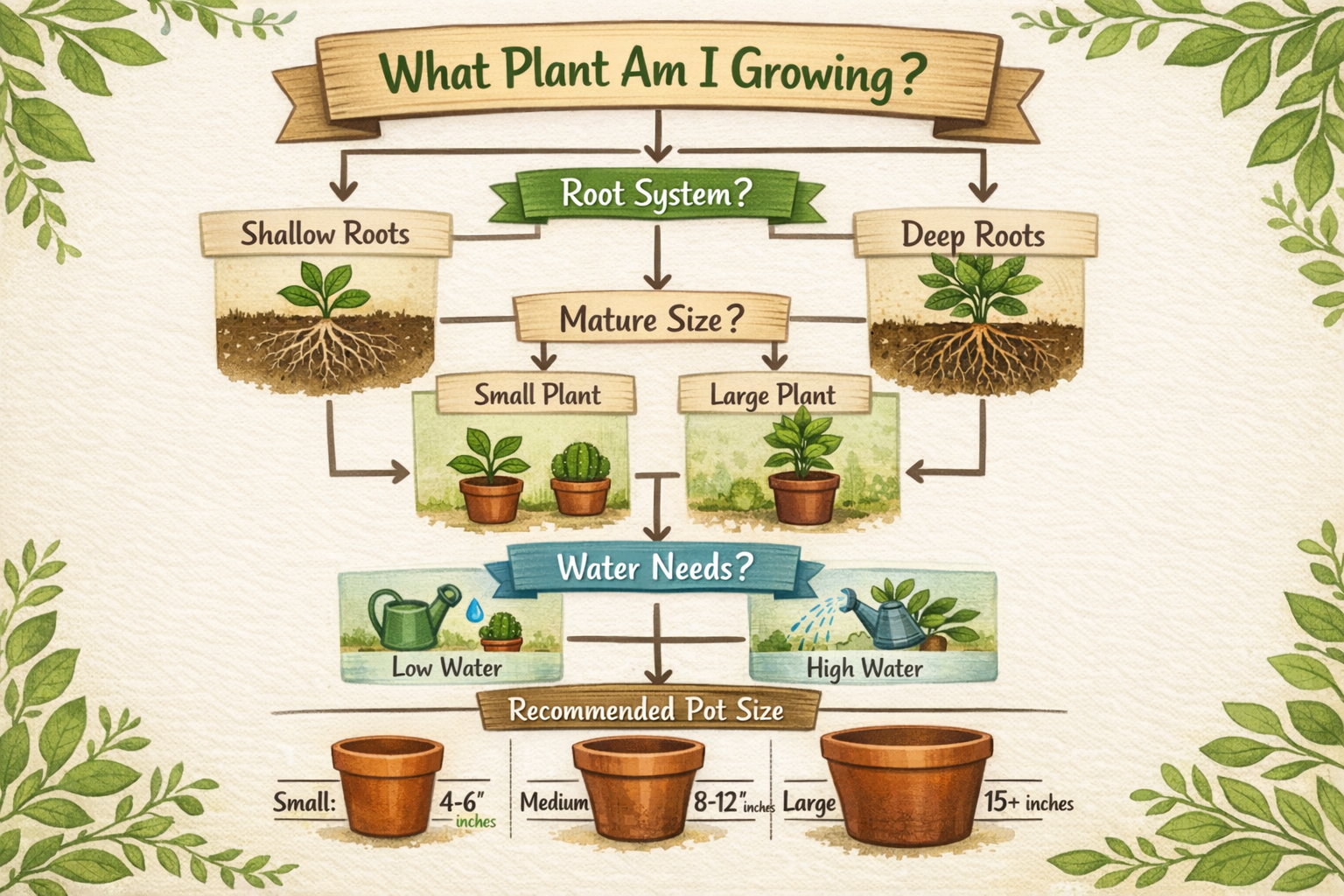
When learning how to choose the right pot size for container plants, it’s easy to make common mistakes that can hinder your plant’s success. Avoiding these pitfalls will significantly improve your container gardening outcomes.
1. Choosing a Pot That is Too Small
This is perhaps the most frequent mistake.
- Symptoms: Stunted growth, rapid wilting even after watering, yellowing leaves, pot-bound roots visibly circling at the bottom or emerging from drainage holes.
- Impact: Insufficient soil volume limits nutrient and water availability, leading to a stressed, underperforming plant that produces fewer flowers or fruits.
- Prevention: Always err on the side of slightly larger rather than too small, especially for plants known to grow quickly or have extensive root systems. For details on common vegetable growing mistakes, check our Common Vegetable Growing Mistakes: Avoid Them in 2026.
2. Choosing a Pot That is Too Large
While less common than choosing too small, an oversized pot also presents challenges.
- Symptoms: Slow growth, signs of overwatering (soggy soil, droopy yellow leaves), and sometimes nutrient deficiencies because roots are not efficiently exploring the vast soil volume.
- Impact: A large volume of unused soil can stay wet for too long, depriving roots of oxygen and encouraging fungal diseases like root rot. Nutrients can also leach out before roots can access them.
- Prevention: Select a pot that is a gradual step up (e.g., 2-4 inches wider) from the current size. Only use very large pots for plants that are truly meant to become substantial.
3. Ignoring Drainage Holes
Regardless of pot size, inadequate drainage is a recipe for disaster.
- Impact: Water accumulates at the bottom, creating an anaerobic environment that suffocates roots and causes them to rot.
- Prevention: Always ensure your chosen container has at least one good-sized drainage hole. If a decorative pot lacks drainage, use it as a cachepot (a larger, decorative outer pot) and place your plant in a functional inner pot with drainage.
4. Forgetting to Account for Mature Plant Size
It’s easy to focus on the plant’s current size rather than its potential.
- Impact: You’ll find yourself frequently repotting, or the plant will quickly become root-bound and stressed.
- Prevention: Research the mature dimensions of your specific plant variety. If you’re growing a compact variety of tomato, it will need a smaller pot than an indeterminate heirloom variety. When planning for small spaces, our guide on How to Choose Plants for Small Spaces: 2026 Expert Guide can be very helpful.
5. Not Considering Pot Material for Water Management
Different materials have different porosity.
- Impact: Using a plastic pot for a plant that prefers dry soil, combined with infrequent checking, can lead to overwatering. Conversely, a terracotta pot for a moisture-loving plant might mean constant watering.
- Prevention: Match the pot material to your plant’s water needs and your watering habits. Porous materials like terracotta are forgiving for overwaterers, while plastic or glazed pots are better for plants needing consistent moisture.
Conclusion
Choosing the right pot size for container plants is a critical decision that profoundly influences plant health, growth, and your success as a gardener in 2026. It’s a balance between providing enough space for root development and managing moisture levels effectively. By considering the plant’s mature size, root system, growth rate, and your watering habits, you can select containers that foster thriving, productive plants. Remember, a well-chosen pot provides the ideal foundation for a flourishing container garden, preventing common issues like stunted growth or root rot.
Actionable Next Steps:
- Identify Your Plants: List all the plants you intend to grow in containers.
- Research Mature Sizes: For each plant, determine its typical mature height, spread, and root system type (e.g., shallow, deep, spreading).
- Consult a Pot Size Chart: Use a general guideline or specific recommendations (like those in our Pot Size Guide for Vegetables 2026) to estimate appropriate pot diameters and depths.
- Consider Pot Material: Choose materials based on your climate, plant’s water needs, and your watering frequency.
- Ensure Drainage: Double-check that all selected pots have adequate drainage holes.
- Purchase Appropriately: Acquire pots that are slightly larger than your initial estimate if in doubt, allowing for growth.
By following these steps, you’ll set your container plants up for success from the very beginning, leading to a healthier, more vibrant garden.
Related Reading:
- Beginner’s Guide to Plant Care 2026: Grow Thriving Plants
- Best Pots for Small Space Gardening in 2026 – Maximize Your
- Soil Basics for Container Gardening: 2026 Expert Guide