Grow Vegetables Faster in Pots USA: 2026 Quick Harvest Guide
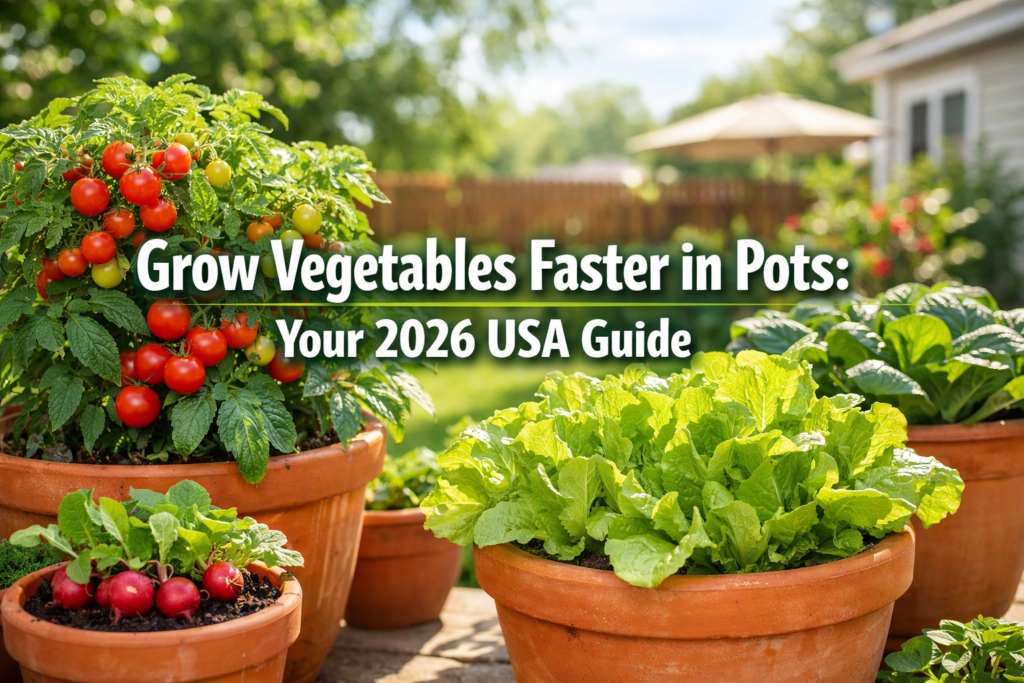
Want to enjoy fresh, homegrown vegetables without waiting months for a harvest? Growing vegetables in pots faster in the USA is entirely achievable by focusing on quick-maturing varieties, optimizing growing conditions like sunlight and soil, and implementing consistent care routines. This approach allows even urban gardeners or those with limited space to enjoy a bountiful yield in 2026.
Key Takeaways
- Choose Fast-Growing Varieties: Select vegetables with short “days to maturity” for quicker harvests.
- Optimal Sunlight is Crucial: Most vegetables need 6-8 hours of direct sun daily for rapid growth.
- Use Quality Potting Mix: A premium, well-draining potting mix is essential; avoid dense garden soil.
- Select Appropriate Pot Sizes: Ensure pots are deep enough for the vegetable’s root system to prevent stunted growth.
- Consistent Watering: Container plants dry out faster; daily watering, especially in hot weather, is often necessary.
- Regular Fertilization: Feed container vegetables weekly during the growing season as nutrients deplete quickly.
- Start with Seedlings: Transplanting seedlings instead of seeds can shave weeks off your growing time.
- Succession Planting: Replant quick-harvest crops every few weeks for a continuous supply.
- Monitor and Protect: Watch for pests and diseases, addressing issues promptly to maintain plant health and growth speed.
What are the Best Practices for Fast Container Vegetable Growth in 2026?
To accelerate vegetable growth in pots, the best practices involve strategic plant selection, superior growing medium, and meticulous care. These elements combined create an ideal environment for rapid development, ensuring you get fresh produce sooner [2].
Here’s how to maximize speed:
- Choose Rapid-Maturing Varieties: Select vegetables known for their short growth cycles. Look for varieties with “days to maturity” under 60 days. Examples include radishes (20-30 days), spinach (28-45 days), lettuce (30-45 days), bush beans (45-60 days), and cherry tomatoes (50-65 days). Utilizing these quick-harvest varieties is fundamental to growing vegetables in pots faster in the USA. For more specific recommendations, explore our guide on Fast Growing Vegetables: 2026 Guide To Quick Harvests.
- Optimal Sun Exposure: Most vegetables require 6-8 hours of direct sunlight per day to thrive and grow quickly [6]. Position your pots in the sunniest spot available, such as a south-facing balcony or patio. Lack of adequate sunlight will slow down growth significantly, even for “fast-growing” varieties.
- Superior Potting Mix: Do not use garden soil in pots. Garden soil is too dense, compacts easily, and can harbor weed seeds and pests [2]. Instead, invest in a high-quality, lightweight potting mix specifically formulated for containers. These mixes offer excellent drainage and aeration, crucial for healthy root development and rapid growth.
- Appropriate Container Size: The size of your pot directly impacts root development and overall plant growth. Shallow-rooted plants like lettuce and spinach need at least 6-9 inches of depth, while moderate-depth plants such as peppers and broccoli require 12-18 inches. Deep-rooted vegetables like tomatoes and cucumbers need 18-24 inches [6]. Using pots that are too small will stunt growth, regardless of other factors. Refer to our Pot Size Guide For Vegetables 2026: Optimal Growth & Harves for detailed insights.
Choosing the right pot size is critical; if a plant outgrows its container, its growth will halt until transplanted, delaying your harvest. Always size up if unsure, especially for indeterminate varieties.
How Can I Optimize Environmental Conditions to Grow Vegetables in Pots Faster USA?
Optimizing environmental conditions for potted vegetables primarily involves providing consistent sunlight, ideal temperatures, and protection from extreme weather. These factors collectively create a stable and productive microclimate within your container garden, accelerating plant metabolism and growth.
- Maximize Sunlight: As mentioned, direct sunlight for 6-8 hours daily is non-negotiable for most vegetables [6]. If natural light is limited, consider supplementing with grow lights, especially for indoor setups or during cloudy periods. Reflective surfaces near your pots can also bounce light back to the plants, increasing light exposure.
- Temperature Control: Vegetables have optimal temperature ranges for growth. Cool-season crops (like lettuce, spinach) thrive in 50-70°F (10-21°C), while warm-season crops (tomatoes, peppers) prefer 65-85°F (18-29°C). In very hot climates, consider moving pots to partial shade during the hottest part of the day or using light-colored pots to prevent root overheating. Conversely, protect warm-season plants from unexpected cold snaps by bringing them indoors or covering them.
- Wind Protection: Strong winds can damage delicate plants, dry out soil quickly, and even knock over pots. Place containers in a sheltered location or use windbreaks. If growing on a balcony, secure pots or choose heavier materials.
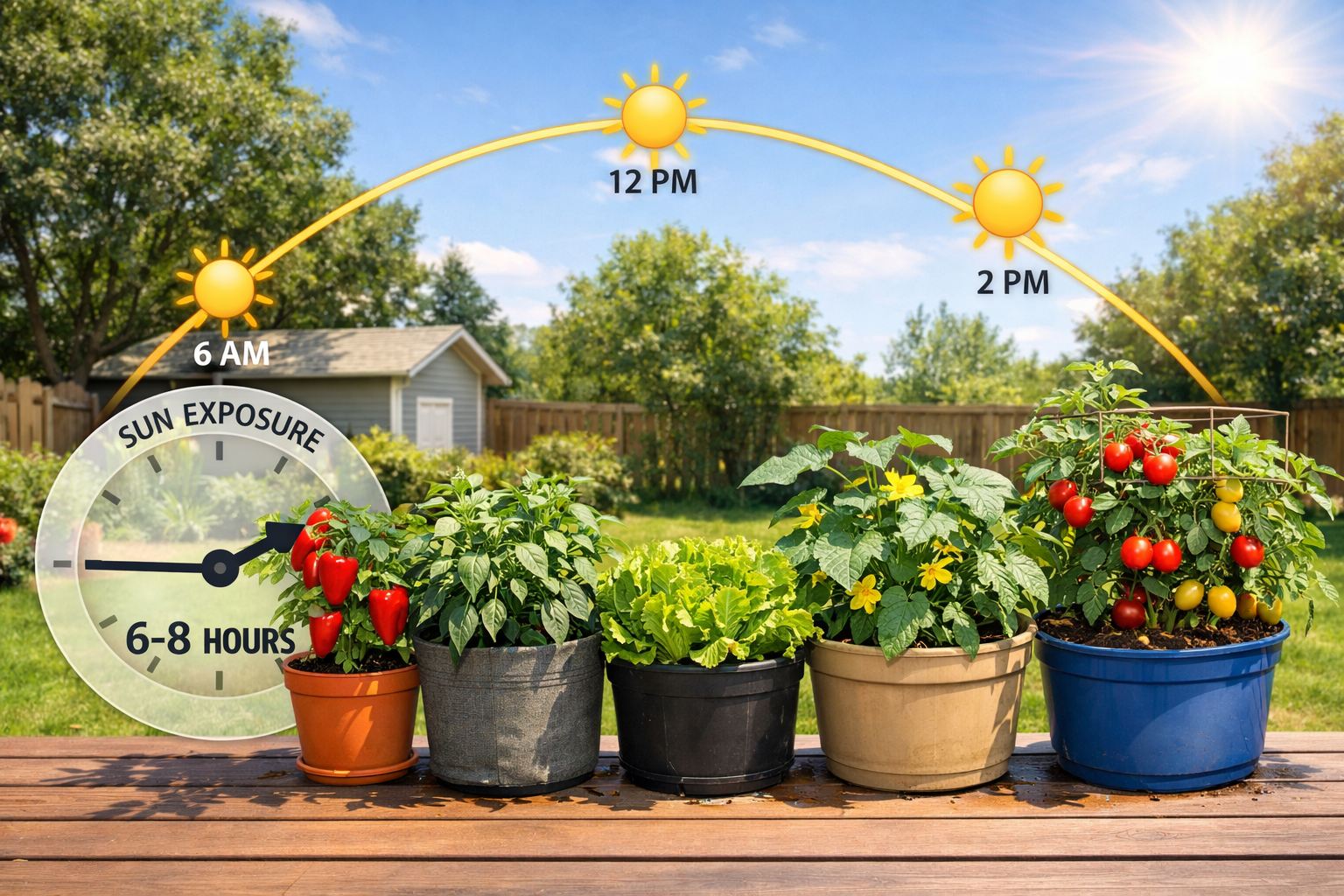
A common mistake is assuming “full sun” means merely being outdoors. Evaluate your specific location’s sunlight patterns throughout the day and the season. What might be full sun in spring could be partial shade in late summer due to shifting sun angles or new foliage on nearby trees.
What Advanced Techniques and Nutrition Strategies Accelerate Pot-Grown Vegetables?
Advanced techniques and targeted nutrition strategies are vital for significantly accelerating the growth of vegetables in pots. These methods go beyond basic care, providing plants with precisely what they need, when they need it, to push their development speed.
- Consistent Watering Practices: Container plants dry out much faster than garden beds, sometimes requiring daily watering, especially in hot weather or for large, thirsty plants [5]. Irregular watering stresses plants, hindering growth. Consider self-watering containers, which feature a reservoir that wicks water up to the soil, providing a consistent moisture level and reducing your daily chore [5]. Our guide on Watering Vegetables Correctly: Your 2026 Expert Guide offers more insights.
- Regular Fertilization: As plants grow rapidly in containers, they quickly deplete soil nutrients. Container crops need weekly fertilizing during the growing season [5]. Use a balanced liquid fertilizer (e.g., 5-1-1 or 5-10-5 NPK) at half strength or a slow-release granular fertilizer mixed into the potting medium at planting.
- Seedling Stage: Fertilize seedlings lightly once they develop their first true leaves. Our guide When To Fertilize Vegetable Seedlings? Expert 2026 Guide provides specific timing.
- Growth Stage: Increase frequency to weekly for most vegetables once they are actively growing and producing foliage.
- Fruiting Stage: Switch to a fertilizer higher in phosphorus and potassium (e.g., 5-10-10) once plants start flowering and setting fruit to support fruit development.
- Starting with Seedlings: Instead of direct sowing seeds, start seeds indoors 4-6 weeks before the last frost date or purchase healthy young seedlings from a nursery. This gives plants a head start, cutting weeks off the time to harvest. For guidance on transplanting, see How Long Can Vegetable Seedlings Stay In Seed Trays? 2026 G.
- Succession Planting: For quick-growing leafy greens, radishes, and bush beans, plant a new batch every 2-3 weeks. This ensures a continuous harvest rather than one large flush, keeping your kitchen supplied with fresh produce.
- Pest and Disease Management: Healthy plants grow faster. Regularly inspect your plants for signs of pests or diseases. Address issues promptly with organic solutions like neem oil or insecticidal soap to prevent infestations from slowing down or destroying your crop. Check our tips on Common Vegetable Growing Mistakes: Avoid Them In 2026 for preventative measures.
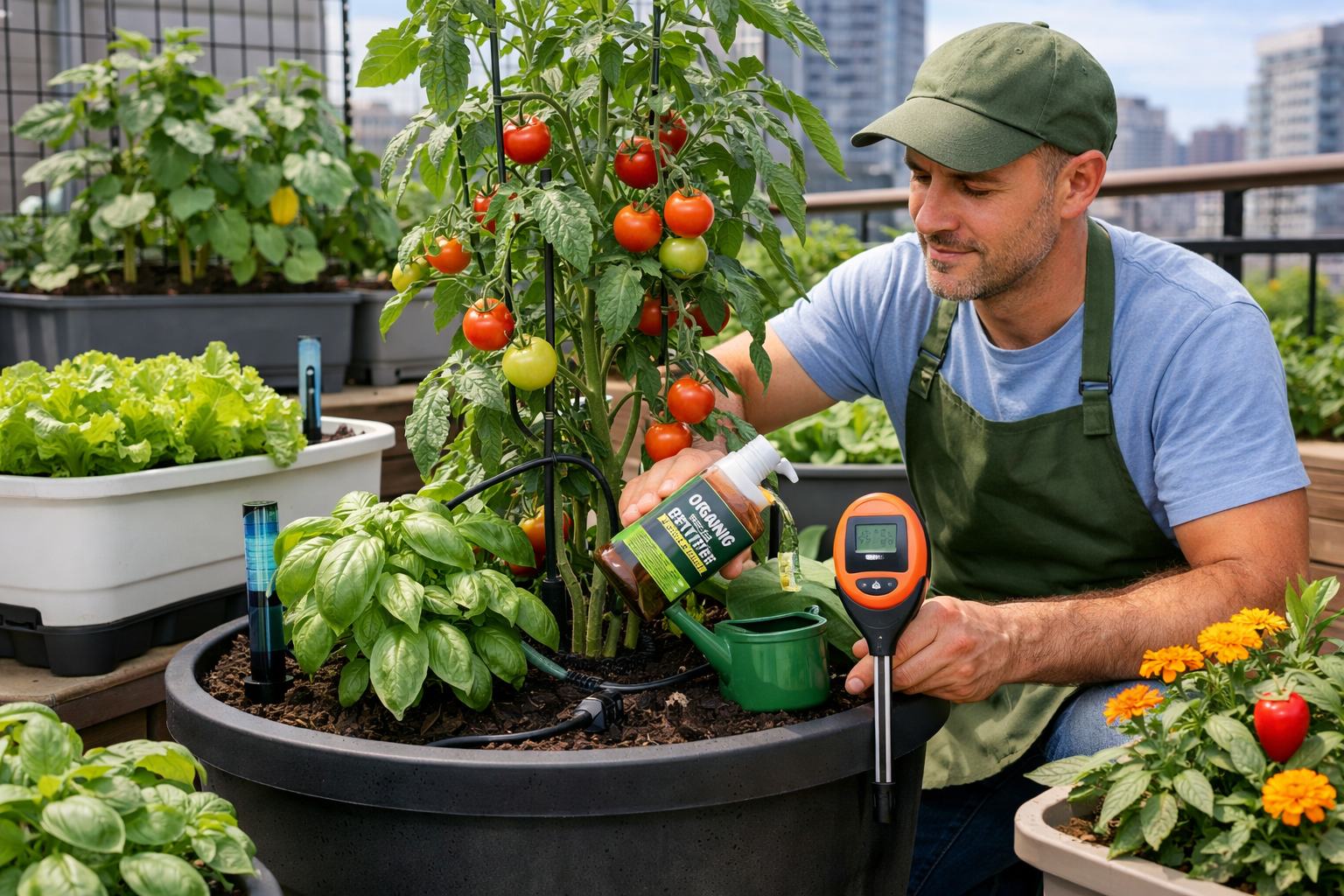
A nuanced approach to fertilization is key: over-fertilizing can burn roots and stunt growth, while under-fertilizing leads to nutrient deficiencies. Always follow product instructions and observe your plants for signs of nutrient excess or deficiency.
Which Vegetables Grow Fastest in Pots in the USA?
The fastest-growing vegetables for pots in the USA are typically those with shorter maturity periods and compact growth habits. These include various leafy greens, root vegetables, and some bush varieties of common garden staples.
Here’s a list of high-yielding, quick options [6]:
| Vegetable Type | Days to Maturity (Average) | Minimum Pot Depth (Inches) | Notes |
|---|---|---|---|
| Radishes | 20-30 | 6 | Very fast, easy for beginners. |
| Lettuce (Looseleaf) | 30-45 | 6 | Cut-and-come-again harvesting. |
| Spinach | 28-45 | 6 | Tolerates some shade. |
| Arugula | 20-40 | 6 | Peppery flavor, quick to bolt in heat. |
| Bush Beans | 45-60 | 10-12 | High yield for their space. |
| Cherry Tomatoes | 50-65 | 18-24 | Requires staking; determinate varieties best. |
| Peas (Bush/Snap) | 55-70 | 10-12 | Needs support, cool season crop. |
| Kale | 55-75 | 8-10 | Hardy, can be harvested as baby greens earlier. |
| Zucchini (Bush) | 45-60 | 18-24 | Very productive; choose compact “bush” types. |
| Eggplant (Dwarf) | 60-70 | 12-18 | Needs warmth and consistent moisture. |
For a diverse harvest, consider combining several of these, perhaps trying different varieties of lettuce or radishes. Choosing compact or “bush” varieties over vining types is essential for how to grow vegetables in pots faster in the USA, as they require less space and energy for overall plant structure, focusing resources on fruit production.
How to Set Up a High-Yield Container Garden for Quick Growth
Setting up a high-yield container garden for quick growth involves thoughtful planning of your space, choosing the right equipment, and preparing your growing environment effectively. This foundational setup dictates much of your success.
- Site Selection: Identify the sunniest spot in your yard, balcony, or patio that receives 6-8 hours of direct sunlight. This is non-negotiable for most vegetables.
- Choose the Right Containers:
- Material: Terracotta pots dry out faster but offer good air circulation. Plastic pots retain moisture longer. Fabric grow bags (like Smart Pots) provide excellent aeration and drainage, preventing root circling, which can speed up growth.
- Size: As per the table above, match pot size to the vegetable’s root depth. Larger pots (15-20 gallons) are excellent for tomatoes, peppers, and zucchini, offering more stable moisture and nutrient levels.
- Drainage: Ensure all pots have drainage holes to prevent waterlogging, which can suffocate roots and promote disease.
- Prepare Quality Potting Mix: Use a high-quality, sterile potting mix. You can enhance it with a few handfuls of compost for added nutrients and beneficial microbes. Some gardeners also add perlite or vermiculite for improved drainage and moisture retention. Our guide on Best Soil Mix For Vegetables: 2026 Guide To Thriving Garden provides excellent recommendations.
- Consider Vertical Gardening: For maximizing yield in small spaces, explore vertical gardening systems. These setups allow you to grow more plants per square foot, which can dramatically increase your overall harvest. See our guide on Balcony Vertical Gardening: Maximize Green Space In 2026.
- Install Irrigation (Optional but Recommended): For faster growth and reduced maintenance, consider a simple drip irrigation system or self-watering planters. Consistent moisture is crucial for rapid growth, and automated systems can ensure plants never get stressed.
When selecting pots, consider the color: dark-colored pots absorb more heat, which can be beneficial in cooler climates but detrimental in hot, sunny regions where roots can overheat. Light-colored pots reflect heat.
Troubleshooting Common Issues Affecting Container Vegetable Growth Speed
Even with the best intentions, issues can arise that slow down container vegetable growth. Promptly identifying and addressing these common problems is crucial for maintaining your rapid growth timeline.
- Slow Growth/Yellowing Leaves:
- Lack of Nutrients: This is common in containers due to frequent watering leaching nutrients. Implement a regular feeding schedule with a balanced liquid fertilizer [5].
- Insufficient Light: Plants stretching and looking leggy indicate they are reaching for light. Move pots to a sunnier location or supplement with grow lights.
- Overwatering/Underwatering: Check soil moisture regularly. Overwatering can lead to root rot, while underwatering causes wilting. Ensure proper drainage.
- Pests and Diseases:
- Identify Early: Inspect plants daily for signs of pests (aphids, spider mites) or diseases (powdery mildew). Early detection allows for easier, less invasive treatment.
- Organic Solutions: Use insecticidal soap, neem oil, or homemade garlic spray for pest control. Ensure good air circulation to prevent fungal diseases.
- Isolate Affected Plants: If one plant shows signs of severe disease, isolate it to prevent spread to other healthy containers.
- Flowering But No Fruit:
- Pollination Issues: For fruiting vegetables like tomatoes and peppers, lack of pollinators can be an issue, especially indoors. Gently shake plants or use a small brush to transfer pollen between flowers.
- Temperature Extremes: Very high or very low temperatures can cause “blossom drop,” where flowers fall off before setting fruit.
- Nutrient Imbalance: Too much nitrogen can promote lush leafy growth at the expense of fruit production. Adjust fertilizer to a higher phosphorus/potassium ratio during flowering.
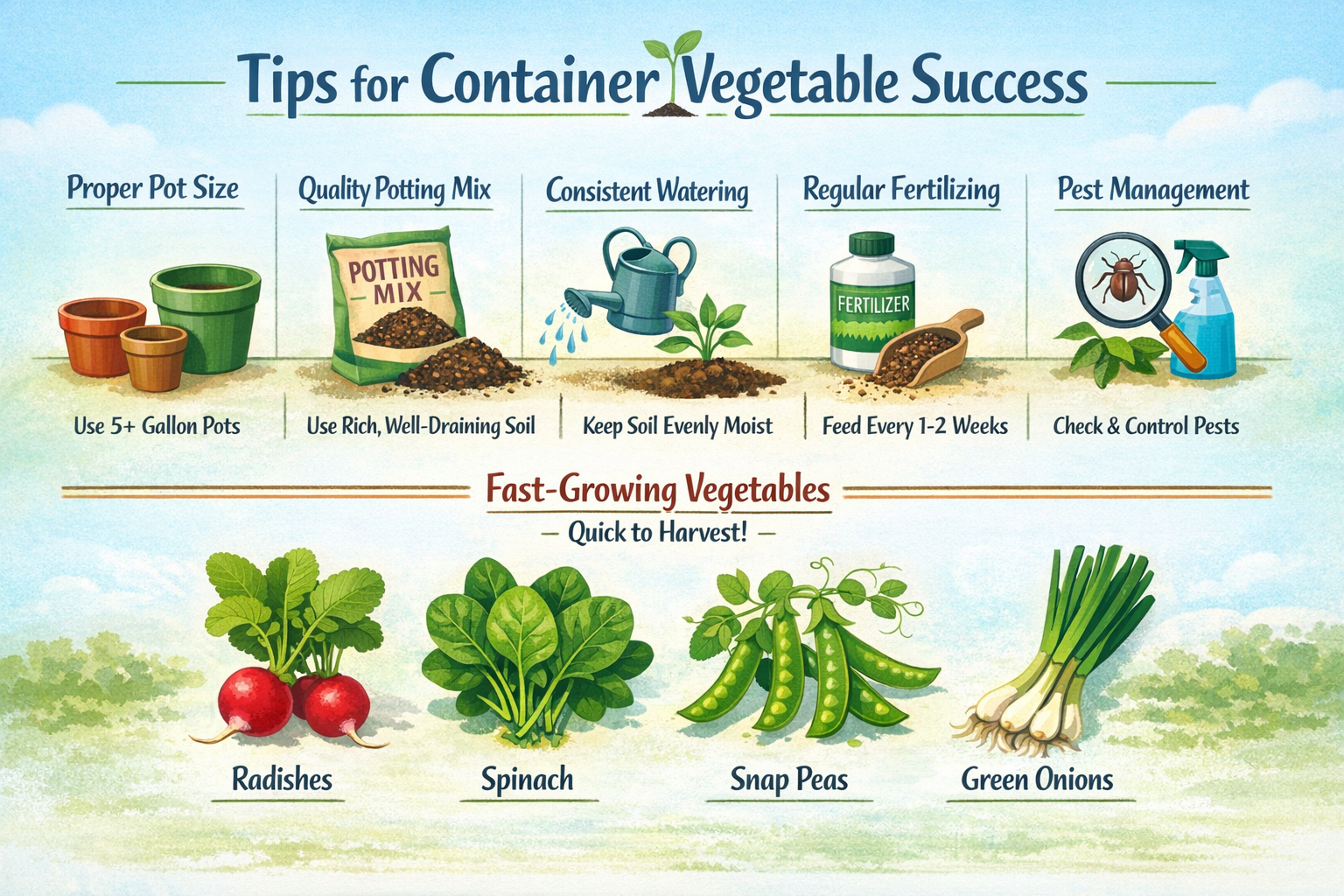
Understanding the specific needs of each vegetable is key. For example, tomatoes are heavy feeders and require consistent moisture and nutrients to produce abundant fruit quickly, whereas radishes are less demanding but will “bolt” (go to seed) quickly in hot weather or inconsistent moisture, affecting root development. Our guide “Why Are My Vegetables Growing Slowly But Not Dying? 2026 Gu” – https://minispacegarden.com/why-are-my-vegetables-growing-slowly-but-not-dying/ offers further detailed troubleshooting.
Conclusion
Achieving rapid vegetable growth in pots across the USA in 2026 is a rewarding endeavor that relies on a combination of smart choices and consistent care. By selecting fast-maturing varieties, providing optimal sunlight and nutrient-rich potting mix, and maintaining diligent watering and feeding schedules, you can significantly accelerate your harvests. Don’t forget to leverage techniques like starting with seedlings and succession planting to ensure a continuous supply of fresh produce.
Actionable Next Steps:
- Inventory Your Space: Assess your sunniest spots and measure for container placement.
- Select Your Veggies: Choose 2-3 fast-growing vegetables from our list that appeal to you.
- Gather Supplies: Purchase appropriate pots, high-quality potting mix, and a balanced liquid fertilizer.
- Start Planting: Begin with seedlings if possible, and set up your containers for optimal light exposure.
- Commit to Routine Care: Establish a daily check-in for watering and plan your weekly fertilization schedule.
By following these guidelines, you’ll be well on your way to enjoying a thriving, productive container vegetable garden that yields fresh, delicious produce faster than you ever thought possible.
FAQ
Q: Can I really grow vegetables faster in pots than in the ground?
A: Yes, in many cases, you can. Containers offer more control over soil quality, nutrients, and moisture, allowing for optimized conditions that can promote faster growth, especially for quick-maturing varieties.
Q: What are the absolute fastest vegetables to grow in pots?
A: Radishes, loose-leaf lettuce, spinach, and arugula are among the fastest, often ready for harvest in 20-45 days.
Q: How often should I water container vegetables for fast growth?
A: Container vegetables often need daily watering, especially in hot weather or during their peak growth phase, as pots dry out quickly [5]. Check soil moisture by feeling the top inch – if it’s dry, it’s time to water.
Q: Do I need special fertilizer for container vegetables?
A: Yes, consistent fertilization is key. A balanced liquid fertilizer applied weekly at half strength is often recommended, as nutrients leach out quickly from potted plants [5].
Q: Can I use garden soil in my vegetable pots?
A: No, avoid using garden soil. It’s too dense, drains poorly, and can introduce pests and diseases. Always use a high-quality potting mix [2].
Q: What is succession planting, and how does it speed up harvests?
A: Succession planting involves planting small batches of seeds or seedlings every 2-3 weeks. This ensures a continuous harvest over time, rather than a single large crop, maximizing your overall yield duration.
Q: How much sun do container vegetables need to grow quickly?
A: Most fruiting vegetables and leafy greens require a minimum of 6-8 hours of direct sunlight daily for optimal and rapid growth [6].
References
[2] Welcome To The Year Of Container Gardening – https://marylandgrows.umd.edu/2026/02/04/welcome-to-the-year-of-container-gardening/
[5] Container Vegetable Gardening – https://lovelygreens.com/container-vegetable-gardening/
[6] Container Gardening Basics – https://ucanr.edu/site/uc-master-gardeners-santa-clara-county/container-gardening-basics