Start typing to search...
Start typing to search...
Smart gardening ideas for apartments, balconies, and compact homes. Learn how to grow plants efficiently in limited space using creative layouts, containers, and vertical solutions.
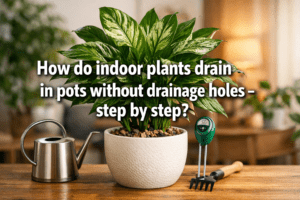
Quick Answer: Indoor plants in pots without drainage holes primarily manage water through careful watering practices and the implementation of internal drainage layers or double-potting methods. These techniques prevent root rot by creating a reservoir for excess water or by allowing the plant to be removed for proper drainage, ensuring the roots are never constantly […]
Read More →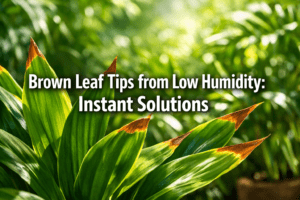
Quick Answer: Brown leaf tips on houseplants are frequently a direct symptom of insufficient ambient humidity, a common issue in many indoor environments. To instantly mitigate this, increase local humidity around the affected plant using methods like misting, placing the plant on a pebble tray, or grouping plants together, while also assessing your watering schedule. […]
Read More →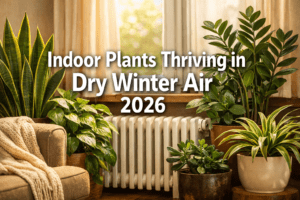
Quick Answer: Many popular houseplants struggle with the low humidity created by heating radiators in winter, but several species are remarkably resilient. Succulents like Snake Plants and ZZ Plants, along with other tough varieties such as Pothos and Spider Plants, are excellent choices because they naturally store water or have evolved to withstand drier conditions, […]
Read More →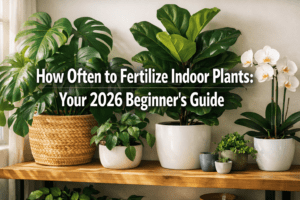
Quick Answer: For most indoor plants, fertilizing every 2-4 weeks during their active growing season (typically spring and summer) is a good starting point for beginners. During fall and winter, when plants enter a period of dormancy, fertilization should be significantly reduced or stopped entirely to prevent over-fertilization and nutrient burn. Key Takeaways: When Do […]
Read More →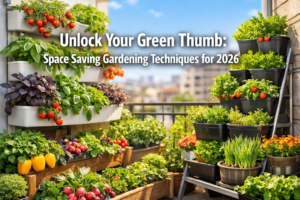
The average American garden plot size has shrunk by approximately 20% over the last decade, reflecting a broader trend of urbanization and smaller living spaces. This contraction, however, doesn’t diminish the desire for fresh produce or a vibrant green oasis. Instead, it necessitates a smart, strategic approach to cultivation. Mastering space saving gardening techniques allows […]
Read More →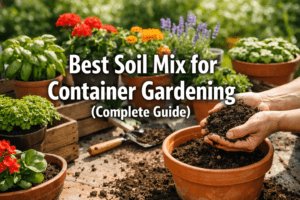
Quick Answer: The best soil mix for container gardening is typically a high-quality potting mix designed specifically for pots, as it provides essential drainage, aeration, and nutrient retention that dense garden soil cannot. This specialized blend usually combines peat moss or coco coir for moisture, perlite or vermiculite for drainage, and compost or other organic […]
Read More →