Balcony Garden Ideas Apartment USA: Create Your Urban Oasis in 2026
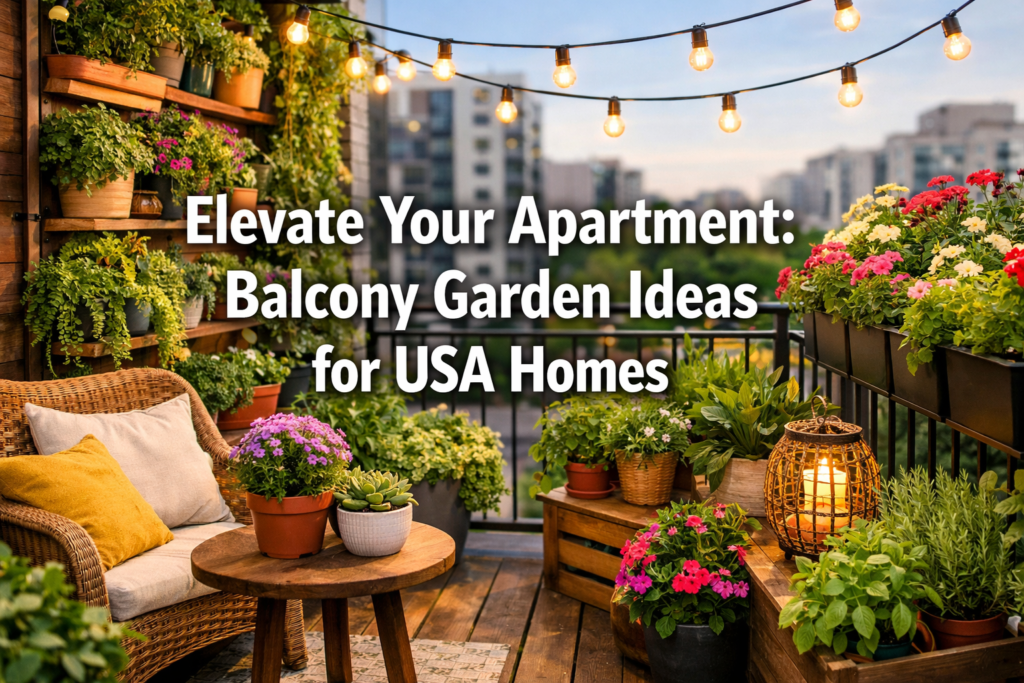
Quick Answer: Creating a thriving balcony garden in a USA apartment involves optimizing small spaces with vertical gardening, selecting appropriate plants for specific sun exposure and climate zones, and adhering to building regulations. With careful planning, even the most compact balconies can become lush, productive green havens, enhancing both aesthetics and well-being.
Key Takeaways:
- Balcony gardens in USA apartments require smart space utilization, often through vertical solutions.
- Plant selection is crucial, matching species to your balcony’s sunlight, climate zone, and size.
- Understanding and complying with apartment building rules and weight restrictions is essential.
- Container gardening offers flexibility and is fundamental to apartment balcony setups.
- Drip irrigation systems or self-watering planters can simplify maintenance for busy urban dwellers.
- Consider both edible plants (herbs, vegetables) and ornamental options to maximize utility and beauty.
- Decor elements like lighting and seating can transform a balcony into an outdoor living extension.
- Proper soil, drainage, and fertilization are vital for the health of container plants.
Living in an apartment in the USA doesn’t mean you have to forgo the joy of gardening. With a bit of creativity and strategic planning, your balcony can become a vibrant green sanctuary. I’ve seen firsthand how transforming a small outdoor space into a garden can bring immense satisfaction, fresh produce, and a touch of nature to urban living. This guide will explore comprehensive balcony garden ideas for apartment living in the USA, helping you cultivate your personal green retreat in 2026.
How Can I Maximize Space for My Balcony Garden in an Apartment?
To maximize space for a balcony garden in an apartment, focus on vertical growth and multi-functional elements. Vertical gardening systems, hanging planters, and railing planters are excellent ways to expand your growing area without encroaching on precious floor space.
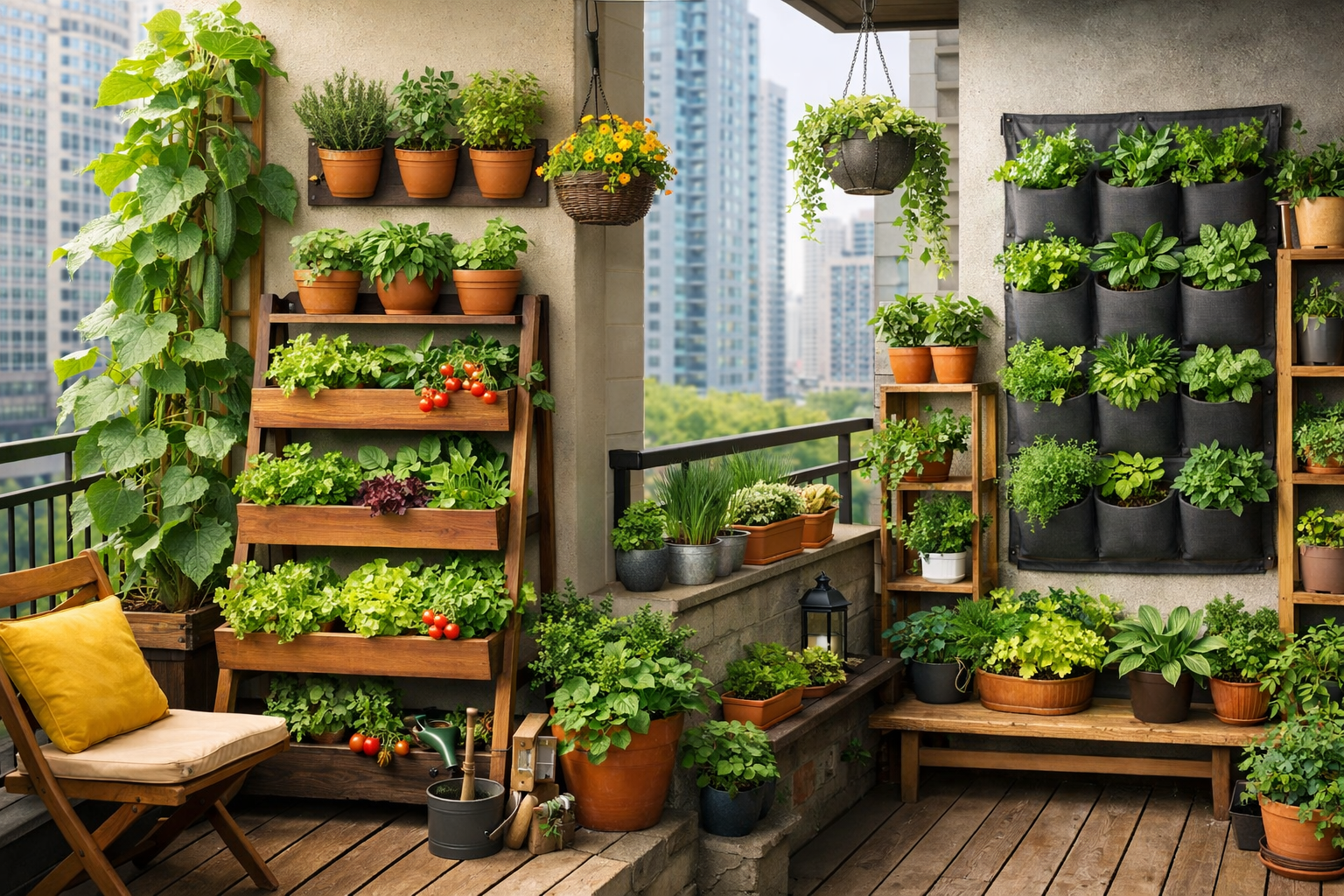
- Vertical Planters: These systems allow you to grow multiple plants in a stacked or wall-mounted fashion. Options range from simple tiered planters to elaborate wall-pocket systems, perfect for herbs, strawberries, or leafy greens. They are particularly effective for creating a “green wall” that also adds privacy. For more inspiration, check out our guide on Vertical Balcony Garden Ideas.
- Hanging Baskets: Utilize overhead space with hanging baskets for trailing plants, flowers, or even small vegetables like cherry tomatoes. Ensure secure installation to comply with apartment safety regulations.
- Railing Planters: These planters clip directly onto your balcony railing, using space that might otherwise go unused. They are ideal for smaller plants and adding immediate curb appeal.
- Shelving Units: A small, weather-resistant shelving unit can hold numerous pots and provide distinct levels for various plants based on their light requirements. Choose open-backed units to allow for air circulation and light penetration.
- Foldable Furniture: If you want seating or a small table on your balcony, opt for foldable or collapsible furniture. This allows you to reclaim floor space for plants when not in use.
- Grow Bags: These fabric containers are lightweight, portable, and come in various sizes, making them excellent for growing vegetables like potatoes, carrots, or even small fruit trees. Their flexibility allows you to move them around to optimize sun exposure.
Decision Rule: Choose vertical planters if you want to maximize plant count in a small footprint and create a visual impact. Opt for railing planters for quick, aesthetic additions and hanging baskets to leverage overhead space without blocking views or walkways.
What Are the Best Plants for a Balcony Garden in the USA?
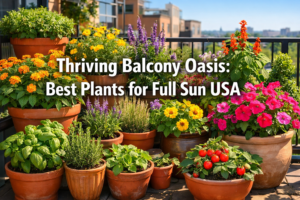
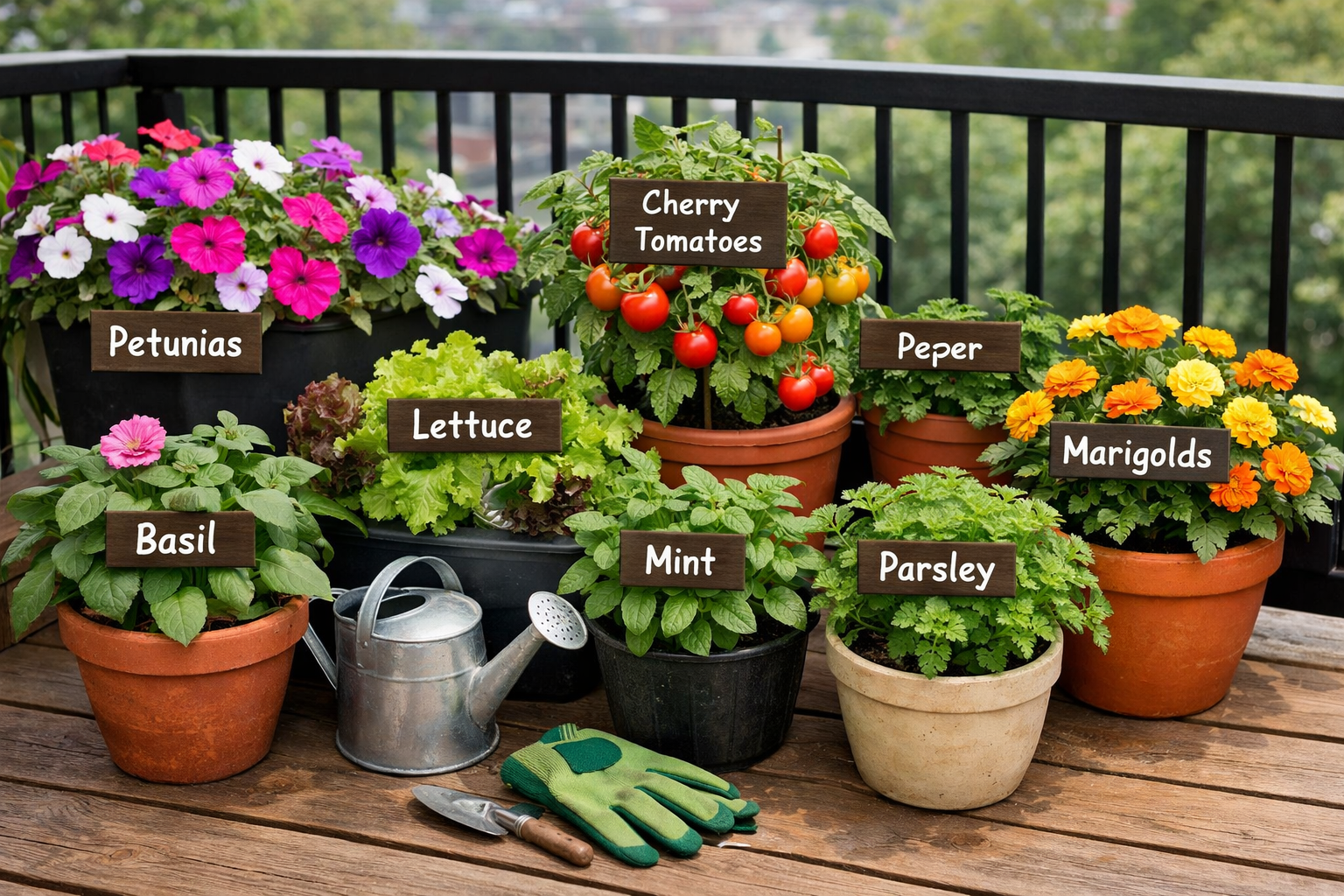
The best plants for a balcony garden in the USA depend on your specific climate zone, the amount of sunlight your balcony receives, and your personal preferences for edibles or ornamentals. Generally, choose compact, disease-resistant varieties suitable for container growth.
Herbs (Full Sun to Partial Shade):
- Basil: Thrives in full sun, requires consistent moisture.
- Mint: Tolerates partial shade, can be invasive so best kept in its own pot.
- Rosemary: Prefers full sun and well-drained soil.
- Thyme, Oregano, Chives: All do well in containers with good drainage and sunlight.
- For a deeper dive into growing fresh herbs, refer to our Balcony Herb Garden Guide 2026.
Vegetables (Full Sun – 6+ hours):
- Cherry Tomatoes: Bush or determinate varieties are best for pots.
- Lettuce and Leafy Greens: Can tolerate partial shade, quick to harvest.
- Radishes: Fast-growing, ideal for shallow containers.
- Bush Beans: Compact varieties produce well in containers.
- Peppers (Bell and Chili): Thrive in heat and full sun.
- Small Eggplants: Select compact varieties for container success.
- Find more options in our Small Balcony Vegetable Gardening: Your 2026 Urban Guide.
Flowers (Varying Sun Needs):
- Petunias: Full sun, vibrant colors, trailing habit for hanging baskets.
- Marigolds: Full sun, known for deterring pests, cheerful colors.
- Impatiens (New Guinea): Shade to partial shade, bright blooms.
- Geraniums: Full sun to partial shade, classic balcony plant.
- Nasturtiums: Edible flowers and leaves, full sun to partial shade, can trail.
Succulents and Cacti (Full Sun, Low Water):
- Extremely low maintenance and drought-tolerant, perfect for busy individuals or arid climates. Ensure excellent drainage.
Common Mistake: Choosing plants without considering your balcony’s specific sunlight exposure. A south-facing balcony will differ significantly from a north-facing one. Always check plant tags for sun requirements. For shaded balconies, consider our guide on Shade Plants For Balcony.
How Can I Decorate and Style My Balcony Garden for Apartment Living?
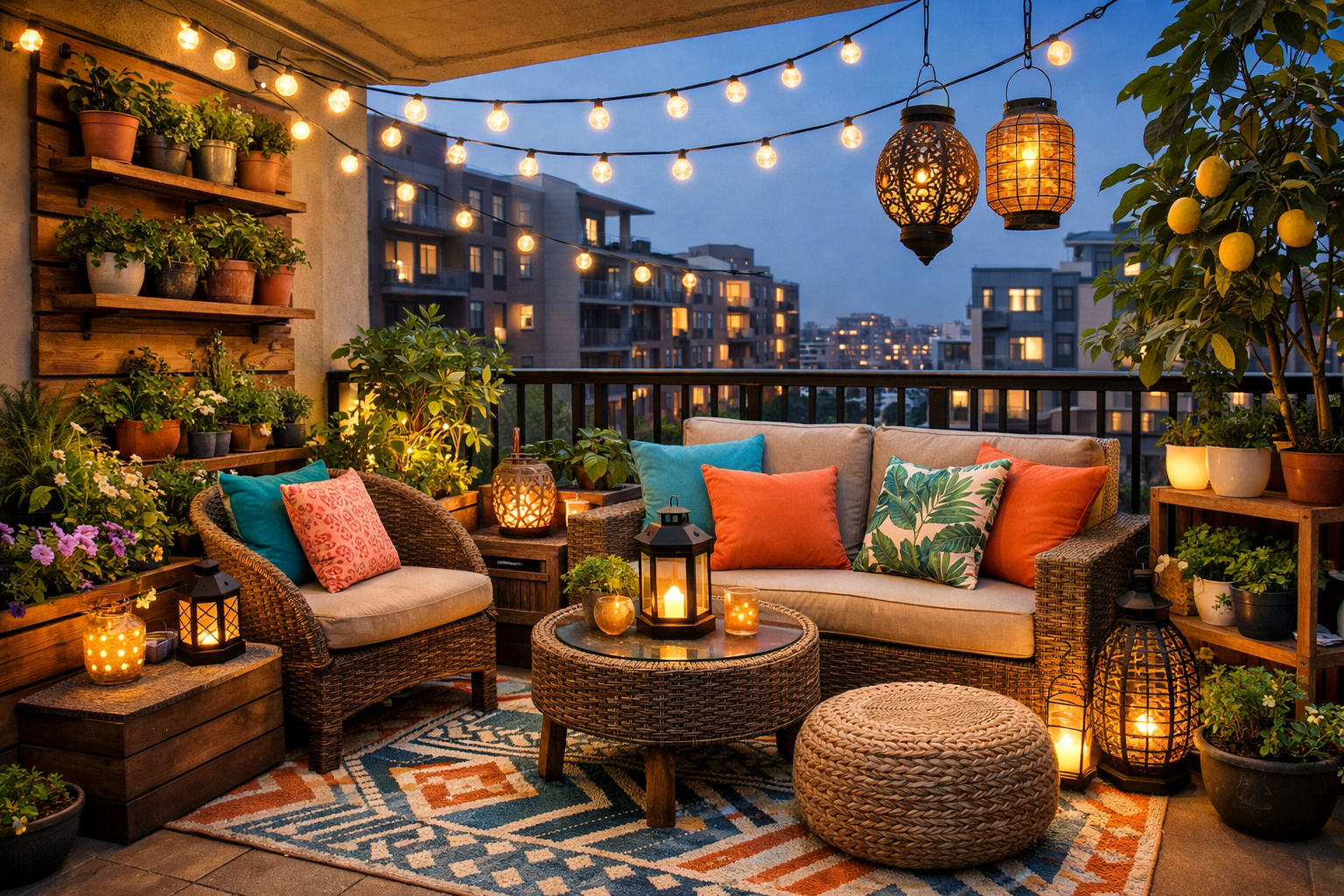
Decorating and styling your balcony garden for apartment living involves blending functional planting with aesthetic elements to create a cohesive and inviting outdoor space. Think of it as an extension of your indoor living area.
- Lighting:
- Solar-powered string lights: Add ambiance without needing an outdoor outlet.
- Lanterns: Place battery-operated or solar lanterns on tables or hang them for soft illumination.
- LED strip lights: Can be affixed under railings or along shelves for a modern look.
- Seating and Furniture:
- Bistro set: A small table and two chairs are perfect for morning coffee.
- Floor cushions or poufs: Create a cozy, relaxed lounging area.
- Built-in bench with storage: Maximizes seating and provides discreet storage for gardening tools or outdoor blankets.
- Privacy Screens:
- Trellises with climbing plants: Jasmine, morning glory, or clematis can create a living screen.
- Bamboo screens or decorative panels: Offer immediate privacy and aesthetic appeal.
- Tall potted plants: Strategically placed large plants can block views and add lushness. Our article on Balcony Privacy with Plants offers more ideas.
- Decorative Elements:
- Outdoor Rugs: Define the space and add warmth and color.
- Weather-resistant cushions and throws: Make seating more comfortable and inviting.
- Art and Mirrors: Hang outdoor-friendly art or mirrors to reflect light and make the space feel larger.
- Wind chimes or water features: Introduce calming sounds.
- Containers:
- Variety in materials: Mix ceramic, terracotta, metal, and fabric pots for visual interest.
- Color coordination: Choose pots in a complementary color palette or one accent color to tie the space together.
- Different sizes and heights: Create dynamic displays by varying pot dimensions. For more on choosing the right pots, see our guide on Best Pots For Balcony Garden 2026.
Quick Example: For a minimalist modern look, use sleek black metal planters with geometric designs, fill them with structural succulents and small grasses, and add a single, low-profile outdoor chair with a concrete side table. Illuminate with subtle LED strip lighting under the railing. For a more bohemian vibe, combine terracotta pots, colorful glazed ceramics, abundant trailing plants, a patterned outdoor rug, and scattered floor cushions with warm string lights.
| Design Style | Key Elements | Plant Suggestions |
|---|---|---|
| Modern Minimalist | Clean lines, monochromatic palette, simple furniture, subtle lighting. | Succulents, Snake Plant, Rosemary, architectural grasses. |
| Bohemian Chic | Layered textures, natural materials, vibrant colors, eclectic decor. | Ferns, Petunias, herbs, trailing plants like Ivy. |
| Urban Farm | Functional planters, repurposed items, efficient layout, focus on edibles. | Tomatoes, Peppers, Lettuce, Strawberries, many herbs. |
| Tropical Retreat | Lush foliage, exotic blooms, water features, comfortable lounging. | Banana Plant (dwarf), Hibiscus, Elephant Ear, Mandevilla. |
What are the Essential Steps for Starting a Balcony Garden in 2026?
Starting a balcony garden in 2026 involves assessing your space, choosing the right containers and soil, selecting suitable plants, and setting up an efficient watering and maintenance plan. These foundational steps ensure a successful and sustainable garden.
Assess Your Balcony:
- Sunlight: Observe how many hours of direct sunlight your balcony receives daily. Is it full sun (6+ hours), partial sun (3-6 hours), or shade (less than 3 hours)? This is the most crucial factor for plant selection.
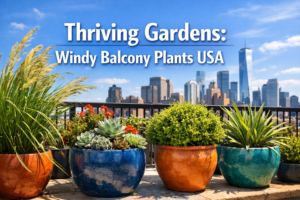
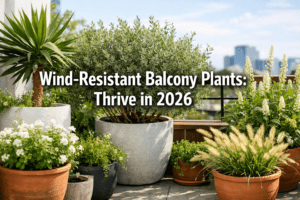
- Wind Exposure: High-rise balconies can be very windy. Consider Wind-Resistant Balcony Plants and secure pots.
- Weight Capacity: Check with your building management about any weight restrictions. Soil, pots, and water can become very heavy.
- Access to Water: Plan how you’ll water your plants. A watering can, a small hose, or a drip system are common options.
Choose the Right Containers:
- Select pots with drainage holes to prevent root rot.
- Consider materials like terracotta (breathable), plastic (lightweight, retains moisture), fabric grow bags (breathable, portable), or metal (durable, can get hot).
- Vary container sizes based on plant needs. For instance, deeper pots for root vegetables. Our guide on DIY Container Gardening Ideas For Small Spaces can help.
Select Quality Soil and Amendments:
- Use a high-quality potting mix, not garden soil, as potting mix is lighter and designed for containers.
- Amend with compost or slow-release fertilizer if needed. Refer to Best Soil Mix For Container Gardening for detailed advice.
Select Your Plants:
- Match plants to your balcony’s sunlight and your local USDA hardiness zone.
- Choose compact or dwarf varieties for edibles.
- Consider your watering habits – drought-tolerant plants are forgiving.
Plant and Arrange:
- Follow planting instructions for depth and spacing.
- Arrange your plants, prioritizing sun-lovers in the brightest spots and shade-tolerant plants in dimmer areas.
- Utilize vertical space and hanging planters for an efficient layout.
Develop a Watering and Feeding Schedule:
- Container plants dry out faster than in-ground gardens. Check soil moisture daily by sticking your finger an inch or two deep.
- Water thoroughly until it drains from the bottom. Avoid Common Watering Mistakes In Container Gardening.
- Fertilize regularly, as nutrients leach out of pots with watering. A slow-release granular fertilizer or liquid feed every 2-4 weeks is often sufficient.
Edge Case: If your apartment building has strict aesthetic rules or no balcony access, consider indoor gardening solutions near a sunny window or with grow lights. Indoor Gardening On A Budget provides alternative ideas.
What Are the Budget-Friendly Balcony Garden Ideas for Apartment Living?
Budget-friendly balcony garden ideas for apartment living focus on repurposing materials, propagating plants, and smart shopping to create a lush space without breaking the bank. Affordable gardening makes green living accessible to everyone.
Repurpose and DIY Containers:
- Plastic Bottles and Milk Jugs: Cut them, punch drainage holes, and use them as planters.
- Tin Cans: Decorate and use for herbs or small flowers.
- Wooden Pallets: Convert into vertical planters or shelving units for a rustic look.
- Old Tires: Cleaned and painted, they make large, durable planters (check building regulations first).
- For more DIY inspiration, see Budget Balcony Gardening Ideas 2026: Grow More For Less.
Propagate Your Own Plants:
- Cuttings: Many herbs (mint, rosemary, basil) and ornamental plants can be rooted from cuttings in water or soil.
- Seeds: Starting plants from seeds is significantly cheaper than buying mature plants. Look for seed packets at dollar stores or end-of-season sales.
- Regrow Scraps: Many vegetables, like lettuce, celery, and green onions, can be regrown from their bases in a shallow dish of water.
Smart Shopping:
- End-of-Season Sales: Nurseries often discount plants at the end of spring or summer.
- Farmer’s Markets: Sometimes offer cheaper seedlings or plant starts.
- Community Plant Swaps: Exchange plants with other gardeners for free.
- Discount Stores: Check for affordable pots, tools, and sometimes even seeds.
Homemade Soil Mixes and Fertilizers:
- Compost: Start a small vermicompost bin for kitchen scraps to create rich, free compost.
- DIY Potting Mix: Blend basic ingredients like peat moss (or coco coir), perlite, and compost to create your own cost-effective potting mix.
- Compost Tea: Brew your own liquid fertilizer from compost.
Choose X if…:
- Choose DIY containers if you have time for a project and want unique, personalized planters.
- Choose seed starting and propagation if you want to grow a large variety of plants at minimal cost and enjoy the process of nurturing from the beginning.
- Choose smart shopping if you prefer convenience but still want to save money on established plants and supplies.
What Are Common Mistakes to Avoid in Balcony Gardening?
Avoiding common mistakes in balcony gardening is crucial for plant health and garden success. Issues like improper watering, neglecting building regulations, and poor plant choices can quickly lead to frustration.
- Overwatering or Underwatering:
- Mistake: Providing too much or too little water. Overwatering suffocates roots, while underwatering stresses plants.
- Solution: Check soil moisture daily. Stick your finger 1-2 inches into the soil; if it feels dry, it’s time to water. Ensure pots have drainage holes. Learn more about preventing Common Watering Mistakes In Container Gardening.
- Ignoring Building Regulations:
- Mistake: Overloading balconies, attaching fixtures improperly, or planting prohibited species.
- Solution: Always check your lease agreement and consult with building management regarding weight limits, railing attachments, and plant restrictions. This is especially important for renters, as detailed in our Balcony Gardening For Renters: 2026 Ultimate Guide.
- Incorrect Plant Selection:
- Mistake: Choosing plants that don’t match your balcony’s sunlight, climate, or space.
- Solution: Carefully assess your balcony’s sun exposure (full sun, partial shade, full shade) and select plants accordingly. Research plants suitable for container growth and your specific USDA hardiness zone.
- Poor Soil Quality and Drainage:
- Mistake: Using garden soil (too heavy, compacts easily) or pots without drainage holes.
- Solution: Always use a high-quality potting mix specifically designed for containers. Ensure all pots have adequate drainage holes to prevent waterlogged roots.
- Neglecting Wind and Pest Protection:
- Mistake: Placing fragile plants in exposed, windy areas or ignoring early signs of pests.
- Solution: Choose wind-resistant plants or provide windbreaks. Regularly inspect plants for pests and address issues promptly with organic solutions like neem oil or insecticidal soap. For pest control specific to small gardens, check our Pest Control For Small Gardens: 2026 Expert Guide.
Edge Case: If you live in a particularly windy urban area, avoid tall, top-heavy plants in lightweight containers. Opt for shorter, bushier varieties in heavier pots or secure them to railings.
Conclusion
Creating a balcony garden in your apartment in the USA in 2026 is an achievable and rewarding endeavor, transforming a simple outdoor space into a personal sanctuary. By focusing on smart space utilization through vertical gardening, making informed plant choices based on your balcony’s unique conditions, and adhering to apartment regulations, you can cultivate a thriving and beautiful green oasis. Remember to personalize your space with decorative elements that reflect your style and enhance its functionality. With these balcony garden ideas for apartment living, you’re well-equipped to enjoy the many benefits of urban gardening.
Actionable Next Steps:
- Assess Your Balcony: Determine sunlight exposure, wind conditions, and measure available space.
- Consult Your Lease: Confirm any gardening restrictions, especially regarding weight limits and railing attachments.
- Start Small: Begin with a few easy-to-grow herbs or flowers to build confidence.
- Invest in Quality Basics: Good potting mix, containers with drainage, and a reliable watering can make a big difference.
- Explore Vertical Options: Consider a small shelving unit or railing planters to maximize your growing area.