How to prevent root rot in containers without drainage holes
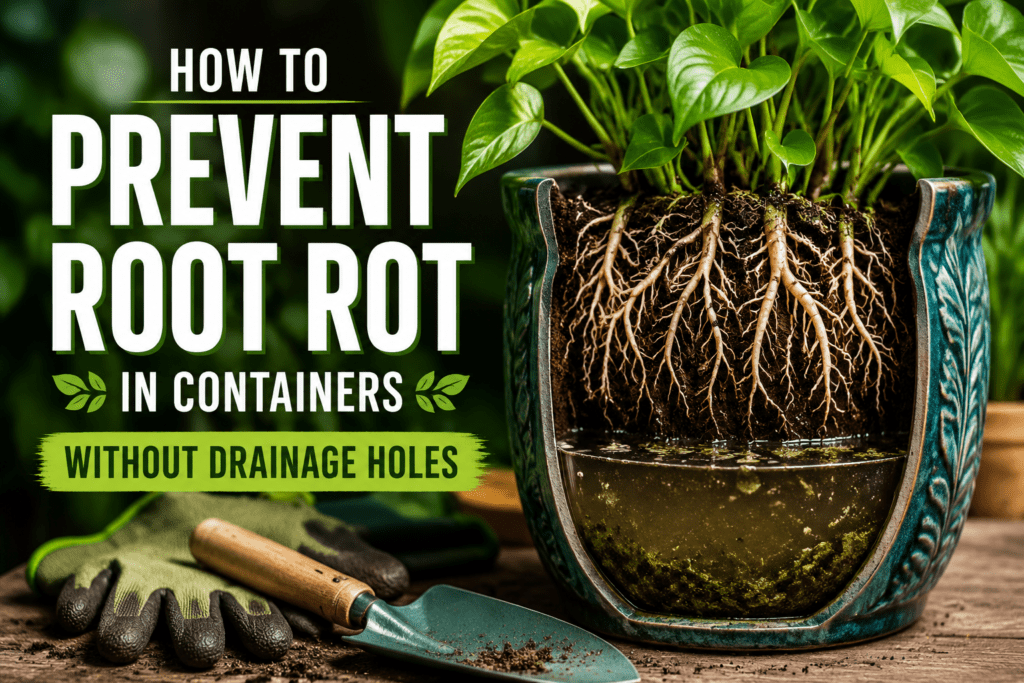
Quick Answer: Preventing root rot in containers without drainage holes primarily involves meticulous watering practices, selecting the right soil mix, and choosing plants tolerant of moist conditions. Success hinges on ensuring roots do not sit in stagnant water, which can be achieved through a false bottom or a highly aerated potting medium.
Key Takeaways
- Root rot is caused by anaerobic conditions (lack of oxygen) in saturated soil, leading to fungal growth and root decay.
- Plants can survive and thrive in pots without drainage holes, but it requires careful management to avoid waterlogging.
- Always err on the side of underwatering rather than overwatering when using non-draining containers.
- A well-aerated, fast-draining potting mix with perlite or coarse sand is crucial for preventing moisture buildup.
- Look for wilting, yellowing leaves, stunted growth, and a foul odor as key signs of root rot.
- Succulents, Snake Plants, and ZZ Plants are particularly tolerant of poor drainage and are good choices for these pots.
- Professional gardeners often use a “cachepot” method or create internal false bottoms to manage moisture.
- Adding a layer of gravel or leca at the bottom can create a reservoir that keeps roots out of standing water.
- Drilling drainage holes is possible for many pot materials but carries risks of cracking, especially with ceramic or glass.
- Self-watering inserts or wick systems can offer alternatives to traditional pots, helping regulate moisture.
What Exactly is Root Rot and How Does It Happen?
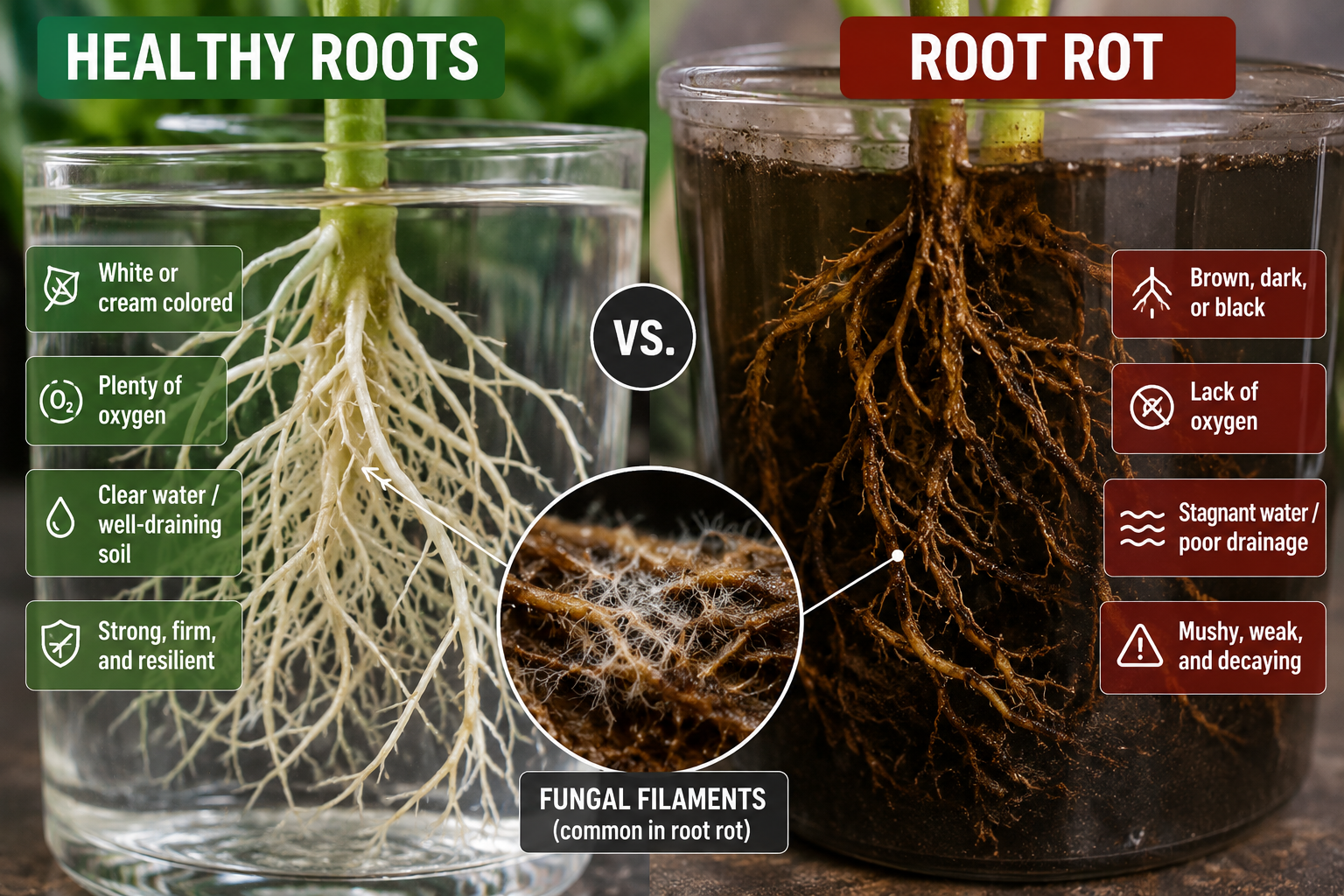
Root rot is a destructive condition where plant roots begin to decay due to a lack of oxygen in oversaturated soil, making it a critical concern for container gardeners. When soil remains waterlogged, air pockets are eliminated, suffocating the roots and creating an anaerobic environment where harmful fungi and bacteria thrive. These microorganisms attack the compromised root system, turning it soft, mushy, and typically dark brown or black.
The process often starts subtly, as the plant’s ability to absorb water and nutrients diminishes, mimicking symptoms of underwatering. Without intervention, root rot can quickly spread throughout the entire root ball, eventually leading to the death of the plant. Containers without drainage holes are particularly susceptible because excess water has no escape route, making it easy for soil to become saturated if not managed properly.

Can Plants Survive in Pots Without Drainage Holes?
Yes, plants can absolutely survive and even flourish in pots without drainage holes, provided that moisture levels are meticulously managed. The primary challenge is preventing water from accumulating at the bottom of the container, which leads to the anaerobic conditions that cause root rot. Gardeners can overcome this by choosing the right plants, using an appropriate potting mix, and employing precise watering techniques. For instance, creating a false bottom with a layer of inert material or utilizing a highly porous soil mix can significantly improve aeration and reduce the risk of waterlogging. Many indoor decorative planters lack drainage, making proper management essential for long-term plant health. Our guide on how indoor plants drain in pots without holes offers further insights.
How Much Water Should I Use in a Pot Without Holes?
For pots without drainage holes, the golden rule is to water sparingly and precisely, providing just enough moisture for the plant without creating a reservoir at the bottom. The exact amount depends on the plant’s size, type, ambient humidity, and the season. A good starting point is to water about one-quarter to one-third of the container’s volume, checking the soil moisture diligently before each watering. Instead of a fixed schedule, feel the top 2-3 inches of soil; if it feels dry, it’s time to water. If it still feels moist, wait. Using a moisture meter can provide a more accurate reading of subsurface moisture levels, helping to prevent both overwatering and underwatering.
Best Soil Mix to Prevent Moisture Buildup
The best soil mix for containers without drainage holes is one that is exceptionally well-draining and aerated, designed to minimize moisture retention while still providing nutrients. A standard potting mix is often too dense and retains too much water, making it unsuitable. Instead, create a custom blend or choose a specialized mix with a high percentage of components that promote drainage and air circulation.
Recommended components for a custom mix:
- Coir or Peat Moss (50%): Provides structure and some moisture retention, but less than traditional garden soil.
- Perlite (20-30%): Lightweight, porous volcanic rock that significantly improves drainage and aeration.
- Coarse Sand or Horticultural Grit (10-20%): Adds weight and improves drainage by creating larger spaces between soil particles.
- Bark Chips or Fine Orchid Bark (10%): Increases air circulation and drainage, particularly useful for plants that prefer a coarser mix.
- Vermiculite (optional, 5%): Improves moisture retention while also aerating, but use sparingly to avoid over-wetting.
This type of mix allows water to pass through more freely, reducing the likelihood of waterlogged conditions at the bottom of a non-draining pot. You can learn more about crafting the ideal medium in our complete guide to the best soil mix for container gardening.
Signs of Root Rot in Houseplants
Recognizing the signs of root rot early is crucial for saving your plant, as symptoms often mimic other plant issues like underwatering or nutrient deficiencies. The most definitive signs manifest both above and below the soil line. Above ground, look for wilting or drooping leaves that do not perk up after watering, yellowing or browning leaves that may feel soft and mushy, and stunted growth. The plant may also exhibit a general decline in vigor. Below ground, the roots themselves will tell the story. Healthy roots are firm, typically white or light tan, and smell fresh. Roots suffering from root rot will be dark brown or black, mushy to the touch, and often emit a foul, decaying odor, similar to rotten eggs. If you suspect root rot, gently remove the plant from its container to inspect the root ball.
Which Plants Are Most Tolerant of Poor Drainage?
Certain plants naturally tolerate less-than-ideal drainage conditions better than others, making them excellent choices for containers without drainage holes. These plants typically have adaptations that allow them to handle fluctuating moisture levels or extended periods of slight dampness without succumbing to root rot.
Plants known for their tolerance to poor drainage (or lower water needs):
- Snake Plant (Sansevieria trifasciata): Extremely drought-tolerant and resilient.
- ZZ Plant (Zamioculcas zamiifolia): Stores water in its rhizomes, requiring infrequent watering.
- Pothos (Epipremnum aureum): While it prefers consistent moisture, it can rebound from slight overwatering better than many.
- Succulents and Cacti: Highly adapted to dry conditions; prone to rot if overwatered, but can tolerate slightly less perfect drainage if watering is extremely controlled.
- Cast Iron Plant (Aspidistra elatior): Lives up to its name, tolerating a wide range of conditions, including lower light and inconsistent watering.
These plants are generally more forgiving, but even they require careful watering and appropriate soil mixes to prevent severe waterlogging.
How Do Professional Gardeners Handle No-Hole Containers?
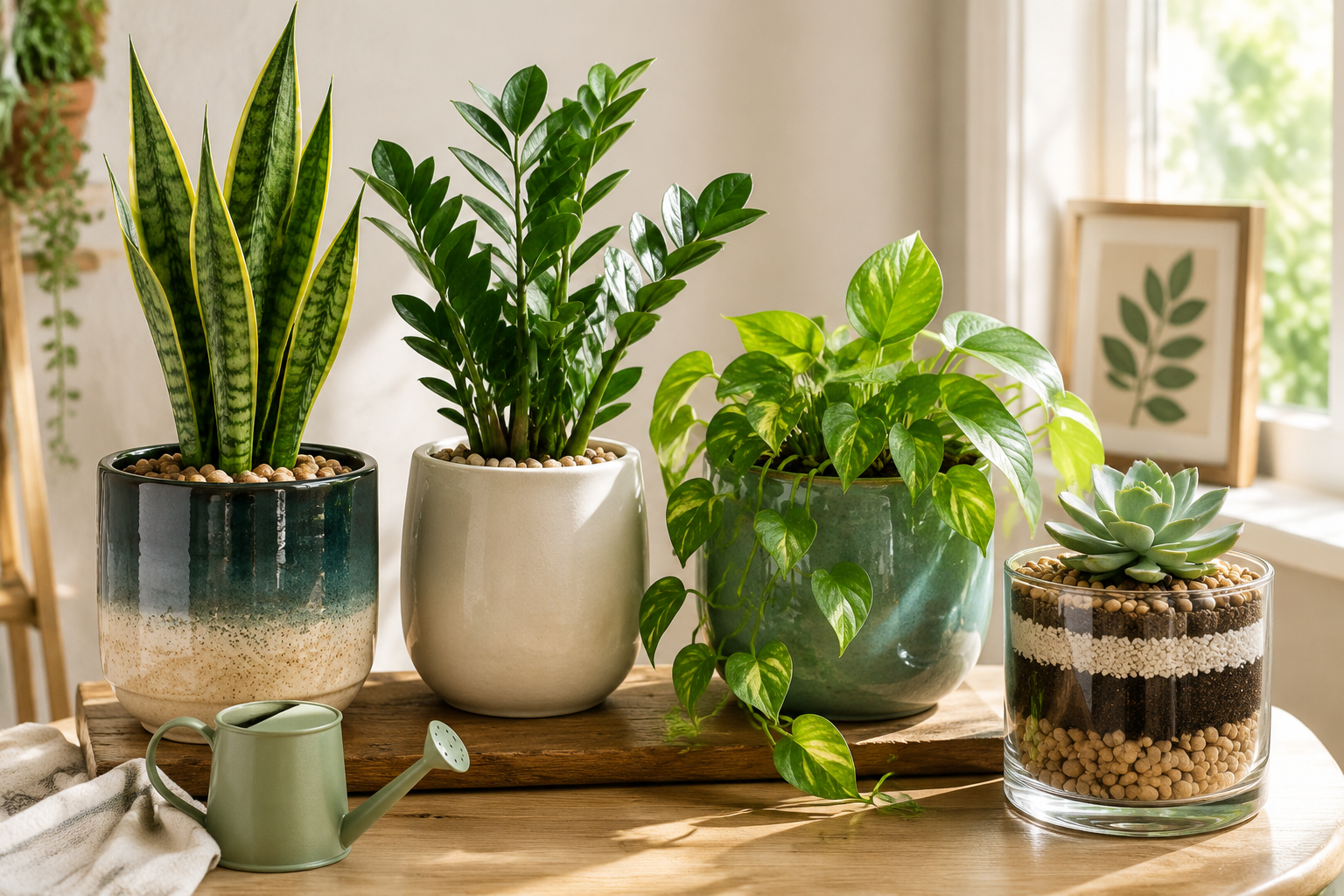
Professional gardeners often employ a variety of strategies to manage plants in containers without drainage holes, balancing aesthetic appeal with plant health. One common method is using the no-hole container as a cachepot (a decorative outer pot) for a plant that is actually growing in a smaller, plain pot with drainage holes. This allows excess water to drain into the cachepot, which can then be emptied.
Another technique involves creating an internal false bottom within the decorative container. This can be achieved by placing a layer of inert material like lava rocks, LECA (lightweight expanded clay aggregate), or coarse gravel at the base, followed by a layer of landscape fabric or screen to prevent the potting mix from washing down. This creates a reservoir for excess water while keeping the plant’s roots out of direct contact with standing water. They also emphasize extremely precise watering and careful plant selection, often opting for moisture-tolerant species or plants that prefer to dry out completely between waterings.

Cheapest Ways to Improve Drainage in My Current Pots
Improving drainage in existing pots without holes, especially on a budget, often involves creative layering and careful watering. You don’t need expensive equipment or specialized pots to make a difference. The goal is to create a buffer zone that keeps plant roots elevated above any standing water.
Budget-friendly drainage improvement techniques:
- Gravel or Pebbles: A 1-2 inch layer of coarse gravel, river pebbles, or even broken terracotta pot pieces at the bottom provides a simple false bottom. This creates space for water to collect below the root ball.
- LECA or Lava Rock: While requiring an initial purchase, LECA (lightweight expanded clay aggregate) or lava rock can be a cost-effective long-term solution. They are highly porous, lightweight, and create excellent aeration.
- Bottle Caps or Plastic Mesh: Placing a layer of plastic bottle caps (upside down) or a piece of repurposed plastic mesh (like from a fruit bag) at the bottom can create a small air gap.
- Charcoal Layer: A thin layer of horticultural charcoal at the very bottom can help absorb some impurities and odors from standing water, though its drainage impact is minimal.
- Upside-Down Pot: For very large decorative pots, a smaller, inverted pot can be placed inside to create a raised platform for the plant’s root ball.
- Watering Strategy: The most effective, free method is simply to water less. Always check the soil moisture with your finger or a chopstick before watering.
Remember, regardless of the method, it’s vital to pair these solutions with an appropriate potting mix (as discussed earlier) and a vigilant watering schedule.
Can I Drill Drainage Holes Myself or Will That Damage the Pot?
Drilling drainage holes into containers can be an effective way to prevent root rot, but it carries a risk of damaging the pot, especially if it’s made of ceramic, glass, or terracotta. The success of drilling depends heavily on the pot’s material, the tools used, and the technique applied.
Considerations for drilling drainage holes:
- Terracotta and Ceramic: These materials are porous but brittle. Use a masonry drill bit (carbide-tipped) and proceed slowly, keeping the drill bit cool with water. Start with a small pilot hole, then gradually increase the size. Place the pot on a soft surface like a towel to absorb vibrations.
- Plastic: Plastic pots are the easiest to drill. Use a regular drill bit for wood or metal.
- Glass: Drilling glass is the most challenging and highest risk. A diamond-tipped drill bit is essential, and constant water lubrication is critical to prevent cracking from heat. This is generally not recommended for beginners.
- Metal: Metal pots can be drilled with a metal drill bit.
- Risk of Cracking: Sudden pressure, excessive heat, or using the wrong drill bit can cause cracks or breaks. It’s often safer to use the cachepot method or create a false bottom if you’re unsure.
If you decide to drill, always wear safety glasses and gloves. For valuable or irreplaceable pots, it might be better to avoid drilling altogether and rely on other preventative measures.
Alternatives to Traditional Pots That Prevent Overwatering
Several innovative planting systems and alternative containers are specifically designed to mitigate the risk of overwatering and root rot, offering solutions beyond conventional pots. These options often incorporate self-regulating mechanisms or superior aeration.
Popular alternatives:
- Self-Watering Pots: These pots have a reservoir at the bottom and a wicking system (or passive hydro system) that draws water up to the plant’s roots as needed. This allows plants to take up only the water they require, preventing waterlogging. Our article on self-watering pots offers a detailed look at their effectiveness.
- Fabric Grow Bags: Made from breathable fabric, these bags naturally air-prune roots and allow excess water to evaporate directly through the sides, significantly reducing the risk of overwatering and root rot. They are excellent for vegetable gardening.
- Terracotta (Unglazed) Pots: While not an “alternative” in the sense of a different type of container, unglazed terracotta is highly porous. It wicks moisture away from the soil, allowing it to evaporate through the pot walls, thus promoting better aeration and drying.
- Wick Systems (DIY): A simple DIY wick system can be created by running a piece of cotton rope or fabric from the bottom of a plant’s soil into a separate water reservoir. This provides continuous, controlled moisture.
- Hydroponic or Semi-Hydroponic Systems: These systems grow plants without soil, using nutrient-rich water. Semi-hydroponics, often using LECA as a substrate, can be adapted for decorative containers, offering excellent aeration and preventing traditional root rot from saturated soil.
Common Mistakes People Make with Non-Draining Containers
Even with the best intentions, several common errors can lead to root rot when gardening in containers without drainage holes. Avoiding these pitfalls is key to keeping your plants healthy.
Frequent mistakes include:
- Overwatering: This is the most prevalent mistake. Without drainage, every drop of excess water sits at the bottom, creating a stagnant pool.
- Using Standard Potting Mix: Many gardeners use generic potting soil, which is designed for pots with drainage. This soil often retains too much moisture and becomes compacted, quickly leading to anaerobic conditions.
- Not Creating a False Bottom: Failing to add a layer of gravel, LECA, or other inert material at the bottom leaves roots directly exposed to standing water.
- Ignoring Plant Type: Choosing plants that require consistently moist soil or are very sensitive to overwatering for non-draining pots is a recipe for disaster.
- Lack of Soil Aeration: Even with a false bottom, dense soil can still suffocate roots. The potting mix must be light and airy.
- Placing Saucers Inside: Some attempt to create internal drainage with saucers, but if the saucer itself traps water, it exacerbates the problem.
- Inadequate Light and Air Circulation: Plants in low light or stagnant air environments use less water, making them more susceptible to overwatering and rot.
- Failing to Empty Cachepots: If using the cachepot method, neglecting to regularly empty the accumulated water can still lead to root issues.
- Not Inspecting Roots: Ignoring early signs of plant distress and not checking the roots when problems arise delays critical intervention. You can learn how to mitigate stress during repotting in our guide on repotting indoor plants without killing them.
How Long Does It Take for Root Rot to Kill a Plant?
The timeline for root rot to kill a plant varies significantly depending on the plant species, the severity of the initial overwatering, and environmental conditions. Some sensitive plants, like succulents or ferns, can show severe symptoms and decline rapidly within a few days to a week of severe waterlogging. More resilient plants might linger for several weeks or even a month, gradually deteriorating.
Factors influencing the speed of decline include:
- Plant Species: Delicate or moisture-sensitive plants succumb faster.
- Temperature: Warmer temperatures can accelerate fungal growth, speeding up root decay.
- Humidity: High humidity can reduce transpiration, meaning the plant uses less water and the soil stays wet longer.
- Soil Type: Denser, poorly draining soils will promote faster rot than lighter, airier mixes.
- Extent of Rot: If only a small portion of the root system is affected, the plant has a better chance of recovery than if the entire root ball is compromised.
Early detection and immediate action, such as repotting into fresh, dry soil and pruning affected roots, are critical for recovery. If the rot has spread extensively, the plant’s chances of survival diminish significantly.
Conclusion
Successfully growing plants in containers without drainage holes is entirely achievable in 2026, but it demands a proactive and informed approach. The core principle is preventing water stagnation, which suffocates roots and invites disease. By carefully selecting plants tolerant of less drainage, utilizing a highly aerated soil mix, implementing precise watering techniques, and perhaps employing a false bottom or cachepot system, you can ensure your plants thrive in decorative, non-draining vessels. Regularly monitoring your plants for early signs of distress and understanding the unique needs of each species will empower you to create beautiful, healthy container gardens without the fear of root rot.
Related Reading
- What is Container Gardening? A Beginner’s 2026 Guide
- Start Container Gardening At Home (Easy Method) – 2026 Guide
- How Indoor Plants Drain In Pots Without Holes: 2026 Guide
FAQ
Q: Can I use pebbles at the bottom of a pot without drainage holes?
A: Yes, a layer of pebbles or gravel at the bottom can create a false bottom, elevating the plant’s roots above any excess water that collects, which helps prevent root rot.
Q: How often should I water a plant in a non-draining pot?
A: There’s no fixed schedule; water only when the top 2-3 inches of soil feel dry to the touch, and always err on the side of underwatering to avoid saturating the soil.
Q: What kind of plants are best for pots without drainage holes?
A: Plants that are drought-tolerant and prefer to dry out between waterings, such as Snake Plants, ZZ Plants, Pothos, and many succulents, are ideal choices.
Q: Can root rot be reversed?
A: Yes, if caught early. The plant should be removed, diseased roots pruned, and repotted into fresh, dry, well-draining soil in a cleaned pot or one with drainage.
Q: Is it better to put a plant in a plastic nursery pot inside a decorative pot without holes?
A: Yes, this “cachepot” method is highly recommended. The inner pot drains freely, and excess water collects in the outer decorative pot, which you can then empty.
Q: Should I put charcoal in a pot without drainage holes?
A: Horticultural charcoal can absorb some impurities and odors from standing water, but its primary role isn’t drainage; it’s a minor helper in the overall strategy.
Q: What is the main cause of root rot in pots without drainage holes?
A: The main cause is overwatering, which leads to prolonged soil saturation, depriving roots of oxygen and creating an environment where harmful fungi and bacteria thrive.
Q: How do I know if I’m underwatering versus overwatering in a no-drainage pot?
A: Overwatering often results in yellowing, mushy leaves, and a foul smell from the soil, while underwatering causes dry, crispy leaves and soil that pulls away from the pot edges. When in doubt, feel the soil’s moisture deeply.
Q: Can I use a moisture meter in pots without drainage holes?
A: Yes, a moisture meter is a valuable tool for pots without drainage holes, as it can accurately assess moisture levels deep within the soil, preventing both overwatering and underwatering.