The Hydroponic System That Apartment Gardeners Are Quietly Obsessed With Right Now
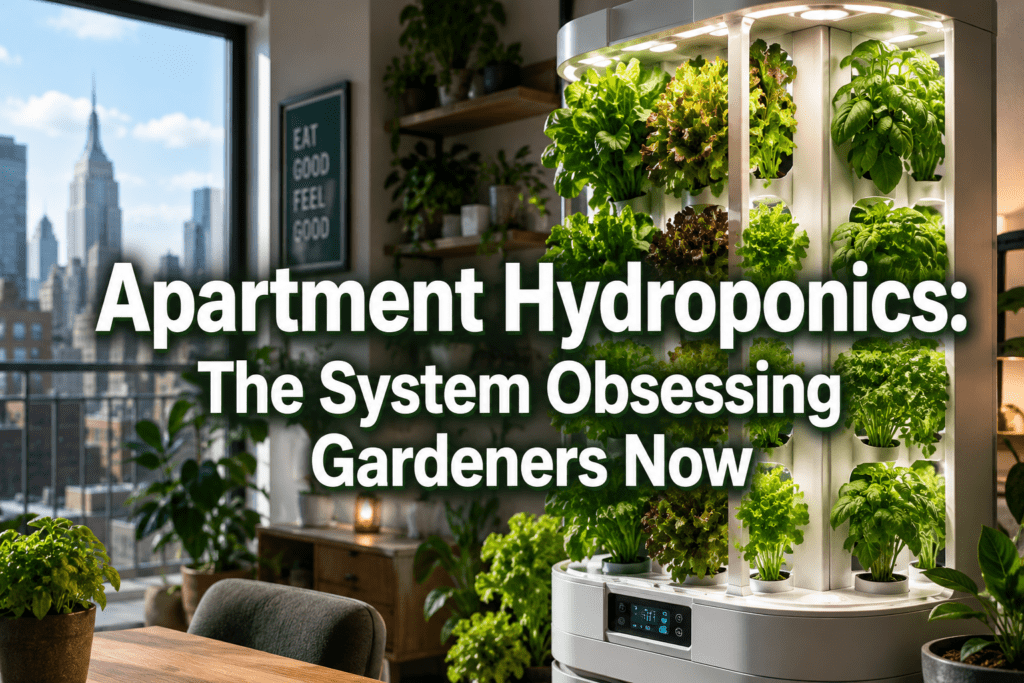
Quick Answer: Apartment gardeners are currently most obsessed with compact, vertical deep water culture (DWC) and nutrient film technique (NFT) hydroponic systems because they maximize yield in minimal space, offer accelerated growth, and simplify the gardening process indoors. These systems allow urban dwellers to cultivate fresh produce year-round without soil, directly addressing the common challenges of limited space and light.
Key Takeaways
- Space Efficiency: Vertical DWC and NFT systems are highly prized for their ability to produce significant harvests in tiny apartment footprints.
- Accelerated Growth: Plants in hydroponic systems often grow 25% to 50% faster than in soil, meaning quicker harvests.
- Reduced Water Usage: Hydroponics can use up to 90% less water than traditional gardening, making it sustainable for urban living.
- Year-Round Cultivation: Controlled indoor environments allow for continuous growing cycles regardless of external weather or seasons.
- Minimal Pest Issues: Soil-less gardening drastically reduces the risk of common soil-borne pests and diseases.
- Customized Nutrition: Precise nutrient delivery ensures plants receive exactly what they need for optimal health and yield.
- Beginner-Friendly Options: Many systems are designed with automation features, making them accessible even for novice gardeners.
- Cost-Effective Over Time: While initial setup can vary, growing your own produce can lead to significant long-term savings on groceries.
What Exactly is a Hydroponic System for Apartments?
A hydroponic system for apartments is a method of growing plants without soil, using mineral nutrient solutions dissolved in water to deliver essential elements directly to the roots. These systems are specifically designed to be compact, efficient, and clean, making them ideal for small indoor spaces where traditional gardening is impractical. Unlike outdoor gardening, apartment hydroponics typically relies on artificial light sources, such as LED grow lights, to simulate sunlight and enable year-round cultivation.
The core principle involves suspending plant roots in a nutrient-rich water solution, often with a sterile growing medium like rockwool or coco coir for support. Common apartment-friendly systems include:
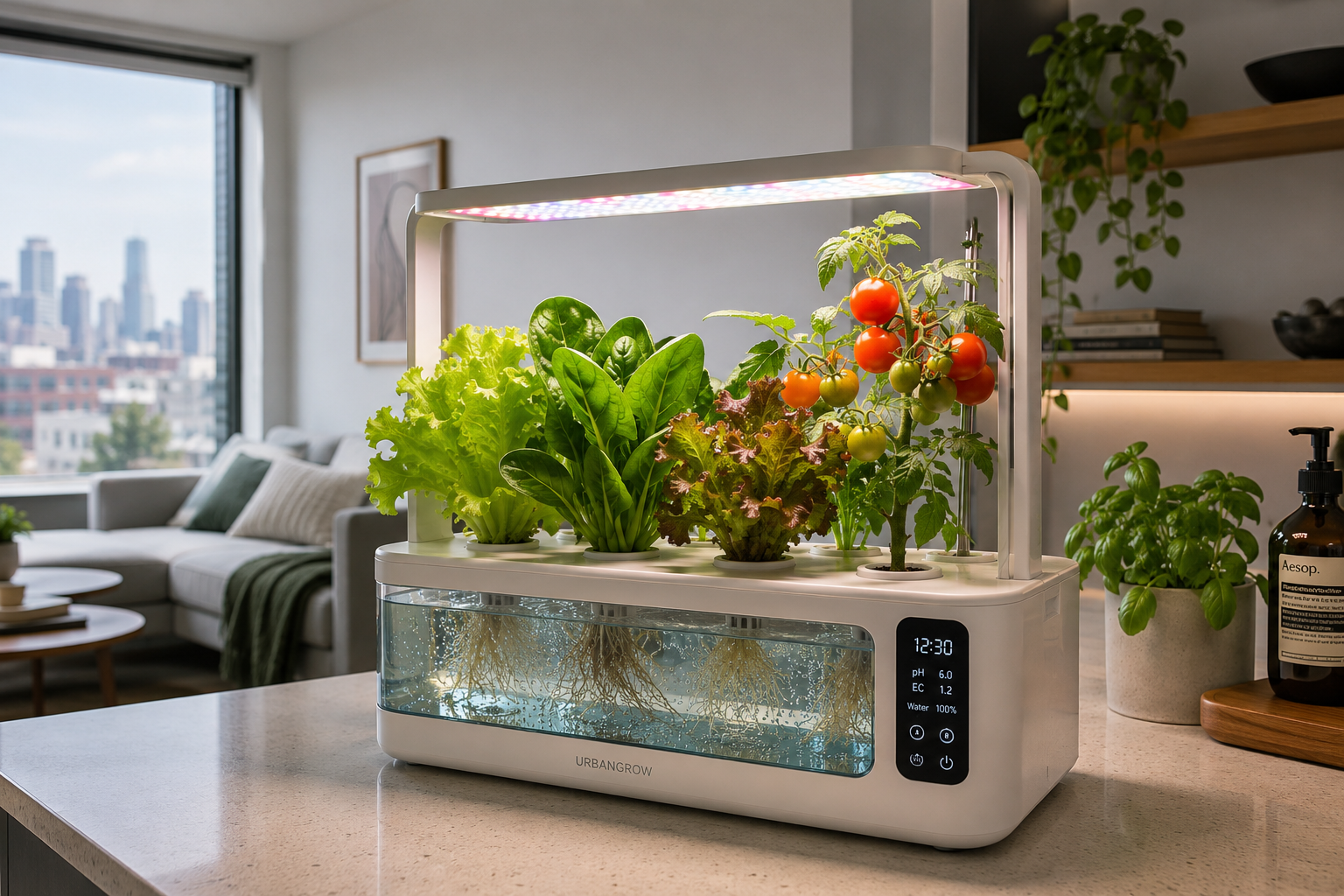
- Deep Water Culture (DWC): Plants are suspended above a reservoir with their roots submerged in oxygenated nutrient solution. This is often recommended for beginners due to its simplicity.
- Nutrient Film Technique (NFT): A thin film of nutrient solution flows continuously over the roots of plants, which are typically held in channels. This system is efficient for leafy greens.
- Wick Systems: A passive method where a wick draws nutrient solution from a reservoir up to the growing medium. Simple and low-maintenance, though sometimes less efficient for larger plants.
- Aeroponics: Plants are suspended in the air and their roots are misted with nutrient solution. This can offer rapid growth but requires more precise equipment.
- Vertical Gardens: Many apartment hydroponic systems are designed vertically to maximize space efficiency, stacking plants in towers or wall-mounted units. These are particularly popular for urban dwellers.
Choosing the right system depends on your available space, the types of plants you want to grow, and your budget. For example, a simple DWC setup might fit on a kitchen counter, while a vertical NFT system could occupy a small corner.
How Much Does a Good Apartment Hydroponics Setup Cost?
The cost of a good apartment hydroponics setup varies significantly, ranging from as little as $50 for a basic DIY system to over $1,000 for advanced, automated vertical units. Most apartment gardeners find a sweet spot between $150 and $500 for a reliable, efficient setup that includes essential components like grow lights, pumps, and a starter nutrient kit.
Cost Breakdown for Typical Apartment Hydroponics
| Component | Budget-Friendly (DIY/Basic) | Mid-Range (Entry-Level Kit) | High-End (Automated/Vertical) |
|---|---|---|---|
| System Kit/Structure | $10 – $30 (e.g., plastic bins) | $100 – $300 (e.g., small DWC, NFT) | $400 – $800+ (e.g., aeroponic tower, smart garden) |
| Grow Lights (LED) | $20 – $50 (e.g., basic strip lights) | $50 – $150 (e.g., full-spectrum panel) | $150 – $300+ (e.g., dimmable, app-controlled) |
| Nutrients (Starter Pack) | $15 – $30 | $20 – $50 | $30 – $70+ |
| Pump/Aerator | $10 – $25 | $20 – $40 | $30 – $60 |
| Growing Medium | $5 – $15 (e.g., coco coir, rockwool) | $10 – $20 | $15 – $30 |
| pH Testing Kit/Meter | $10 – $20 (e.g., test strips) | $20 – $40 (e.g., digital pen) | $40 – $100+ (e.g., auto-calibrating) |
| Timer | $5 – $15 (e.g., mechanical) | $10 – $25 (e.g., digital) | $20 – $50 (e.g., smart plug) |
| Total Estimated Cost | $75 – $195 | $220 – $635 | $685 – $1510+ |
Decision Rule: Choose a budget-friendly option if you’re experimenting or growing a few herbs. Opt for a mid-range kit for consistent small-scale vegetable production. Invest in a high-end system if you prioritize automation, aesthetics, maximum yield, or want to grow a wider variety of plants, potentially aiming to be 80% homegrown from an apartment garden.
Can I Grow Vegetables in a Small Hydroponic Garden?
Yes, you can absolutely grow a wide variety of vegetables in a small hydroponic garden within an apartment, often with greater efficiency and yield compared to traditional soil-based methods in the same limited space. The key is selecting compact plant varieties and an appropriate hydroponic system that maximizes vertical or horizontal growing area.
For example, a vertical tower hydroponic system can grow dozens of plants in just one or two square feet of floor space. These setups are perfectly suited for common apartment vegetables:
- Leafy Greens: Lettuce (all types), spinach, kale, arugula, Swiss chard thrive in hydroponic systems and are often ready for harvest in just a few weeks.
- Herbs: Basil, mint, cilantro, parsley, chives, thyme, and oregano grow exceptionally well and can be continuously harvested. For more on growing herbs, see our indoor herb garden setup guide.
- Fruiting Vegetables (Compact Varieties): Cherry tomatoes, bell peppers (dwarf varieties), strawberries, and even small cucumbers can be successful with adequate light and support.
- Root Vegetables (Selected): While not traditional, some hydroponic systems can accommodate radishes and smaller carrots, especially those using media that support root development.
Common Mistake: Trying to grow large, sprawling plants like pumpkins or zucchini in a small apartment hydroponic system. Stick to compact, bush varieties or those known to perform well in limited spaces. Always research the mature size of a plant before committing it to your system.
Which Hydroponic System Works Best for Beginners?
For beginners, the Deep Water Culture (DWC) and Wick Systems are generally considered the best starting points due to their simplicity, lower initial cost, and minimal moving parts. These systems are forgiving and require less frequent monitoring than more complex setups like NFT or aeroponics.
Deep Water Culture (DWC): This system involves suspending plants in net pots with their roots submerged in a nutrient-rich, oxygenated water solution. It’s straightforward:
- Place seedling in a net pot with a growing medium (e.g., rockwool).
- Suspend the net pot over a reservoir.
- Ensure an air stone and pump oxygenate the solution.
- Top up water and nutrients as needed.
DWC is excellent for leafy greens and herbs, offering fast growth with minimal maintenance once set up.
Wick Systems: This is the most passive hydroponic method, relying on capillary action to draw nutrient solution from a reservoir to the growing medium via a wick.
- Fill a reservoir with nutrient solution.
- Place plants in pots with a growing medium (e.g., perlite, coco coir).
- Insert a nylon wick from the reservoir into the growing medium.
Wick systems are low-tech and don’t require electricity for pumps, making them very appealing for those looking for the simplest entry into hydroponics. However, they might be less efficient for larger, thirstier plants.
Both DWC and wick systems teach fundamental hydroponic principles like nutrient management and pH balancing without overwhelming a new gardener with complex equipment or constant adjustments.
Are Hydroponic Gardens Worth the Investment?
Hydroponic gardens are absolutely worth the investment for many apartment dwellers, particularly those who value fresh produce, year-round gardening, and sustainable living, despite the initial setup cost. The return on investment comes in various forms, including significant savings on groceries, improved food quality, and the satisfaction of growing your own food.
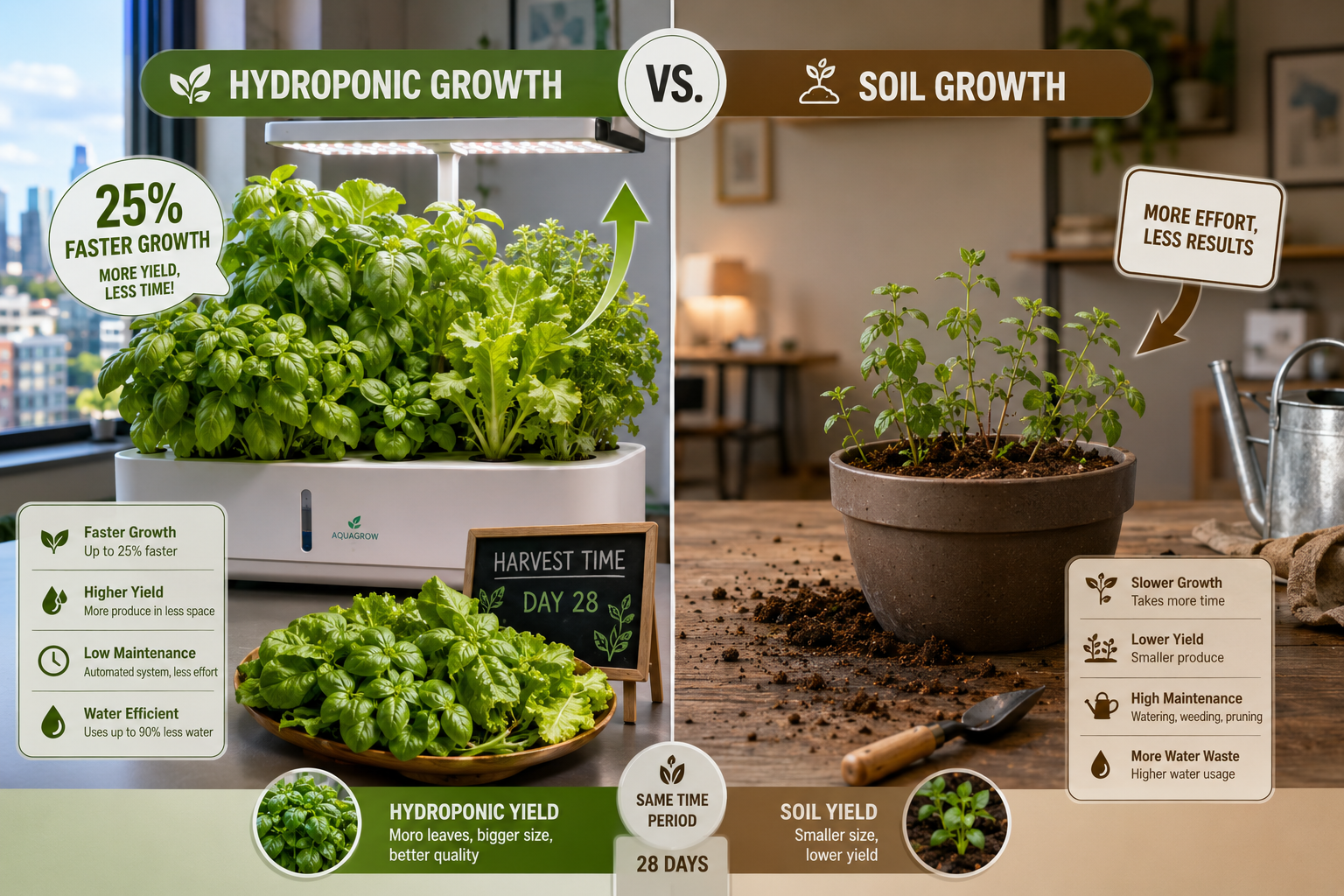
The Value Proposition: Why Hydroponics Pays Off
- Grocery Savings: Growing common items like lettuce, herbs, and cherry tomatoes hydroponically can substantially reduce your grocery bill over time. For example, a single head of hydroponic lettuce can be grown for pennies compared to several dollars at the store.
- Fresher, Healthier Food: Produce harvested minutes before consumption retains maximum nutrients and flavor, surpassing the quality of store-bought alternatives that have traveled long distances.
- Year-Round Availability: Regardless of climate or season, you can enjoy fresh produce. This is especially valuable in areas with harsh winters where fresh, local options are scarce or expensive.
- Reduced Water Usage: Hydroponic systems use up to 90% less water than traditional soil gardening because water is recirculated, minimizing waste.
- Faster Growth Rates: Hydroponic plants often grow 25-50% faster than soil-grown plants due to direct nutrient access, leading to more frequent harvests.
- Educational Value: It’s a fantastic way to learn about plant science, nutrition, and sustainable agriculture.
- Convenience and Control: Grow right in your kitchen, protected from pests, diseases, and unpredictable weather. This controlled environment simplifies troubleshooting, as discussed in our guide to indoor gardening mistakes.
Consideration: While the initial cost can be a barrier, think of it as an investment in a continuous supply of fresh, organic produce. The more you grow and consume from your system, the faster it pays for itself.
What Plants Grow Easiest in Apartment Hydroponics?
The easiest plants to grow in apartment hydroponics are primarily leafy greens and culinary herbs, which thrive in hydroponic environments due to their rapid growth cycles and relatively low nutritional demands. These plants are perfect for beginners and provide quick, satisfying harvests.
Top Easy-Grow Hydroponic Plants for Apartments:
- Lettuce (especially Romaine, Butterhead, and Loose Leaf varieties):
- Why it’s easy: Rapid growth, minimal nutrient requirements, and tolerates a wide pH range.
- Harvest: Ready in 3-4 weeks from seed, can be continuously harvested.
- Spinach:
- Why it’s easy: Quick to mature, high yield, and thrives in cool hydroponic conditions.
- Harvest: 4-6 weeks from seed.
- Kale (Dwarf or Compact varieties):
- Why it’s easy: Robust and forgiving, grows well in vertical systems, and tolerates nutrient fluctuations.
- Harvest: 5-7 weeks, cut-and-come-again harvesting.
- Basil:
- Why it’s easy: Extremely vigorous growth in hydroponics, producing abundant leaves.
- Harvest: Start pinching leaves at 3-4 weeks, continuous harvest.
- Mint:
- Why it’s easy: Very adaptable, grows quickly, and can be pruned frequently for continued production.
- Harvest: 3-4 weeks for initial leaves, ongoing.
- Cilantro:
- Why it’s easy: Grows fast from seed, although it can bolt (go to seed) quickly in warm conditions.
- Harvest: 3-4 weeks for initial leaves.
- Swiss Chard:
- Why it’s easy: Similar to spinach and kale, resilient and productive.
- Harvest: 4-6 weeks, continuous harvesting of outer leaves.
- Strawberries:
- Why it’s easy: Excellent for vertical systems, produces sweet fruit with relatively low maintenance once established.
- Harvest: Varies by variety, typically 2-3 months from transplant.
These plants are less prone to common issues, making them ideal for building confidence in your hydroponic gardening skills.
Common Mistakes People Make with Indoor Hydroponic Gardening
Even with a simple setup like The Hydroponic System That Apartment Gardeners Are Quietly Obsessed With Right Now, common mistakes can hinder success. The most frequent errors include incorrect pH levels, nutrient imbalances, insufficient light, and poor water oxygenation. Avoiding these pitfalls is crucial for a thriving indoor garden.
Top Mistakes to Avoid:
- Ignoring pH Levels: Plants can only absorb nutrients effectively within a specific pH range (typically 5.5-6.5 for most vegetables).
- Mistake: Not testing pH regularly or failing to adjust it.
- Solution: Invest in a reliable pH testing kit or meter and use pH up/down solutions to maintain the ideal range.
- Incorrect Nutrient Solutions: Using too much, too little, or the wrong type of nutrient can damage plants.
- Mistake: Guessing nutrient concentrations or using general fertilizers meant for soil.
- Solution: Follow the nutrient manufacturer’s instructions precisely, ensuring the solution is formulated for hydroponics. Consider specific nutrient blends for vegetative vs. flowering stages.
- Insufficient or Incorrect Lighting: Plants need specific light spectrums and intensities for growth.
- Mistake: Using standard household lights or placing plants too far from grow lights.
- Solution: Use full-spectrum LED grow lights appropriate for the plant’s growth stage and ensure they are positioned at the correct distance to prevent legginess or burning. See our guide on best grow lights for indoor plants.
- Poor Water Oxygenation: Plant roots need oxygen to respire and absorb nutrients.
- Mistake: Neglecting air pumps or air stones, leading to root rot.
- Solution: Always use an air pump and air stone in DWC systems to keep the nutrient solution well-oxygenated.
- Infrequent Reservoir Changes: Nutrient solutions become depleted and unbalanced over time.
- Mistake: Simply topping off the reservoir with fresh water instead of performing full solution changes.
- Solution: Change the entire nutrient reservoir solution every 1-2 weeks, depending on system size and plant needs.
- Overcrowding Plants: Too many plants in a small system compete for light, nutrients, and space.
- Mistake: Planting too many seeds or seedlings too close together.
- Solution: Adhere to recommended plant spacing for your system type and plant varieties. Thin seedlings early if necessary.
By proactively addressing these areas, you can significantly increase your success rate and enjoy a flourishing hydroponic garden.
Is Hydroponic Gardening Hard to Learn for Someone with No Experience?
Hydroponic gardening is not inherently hard to learn, even for someone with no prior gardening experience, especially with the user-friendly apartment systems available today. Many modern hydroponic kits are designed to be plug-and-play, guiding beginners through the initial setup and maintenance steps.
The learning curve is manageable because:
- Simplified Systems: Entry-level systems like DWC or wick setups have few components and straightforward operations.
- Controlled Environment: Indoor hydroponics eliminates variables like soil quality, pests, and unpredictable weather, making it easier to troubleshoot.
- Clear Instructions: Most kits come with detailed manuals, and a wealth of online resources (videos, forums) are available for support.
- Faster Feedback Loop: Plants grow quickly in hydroponics, so you see results (or issues) sooner, allowing for quicker adjustments and learning.
- Automation Options: Many systems include timers for lights and pumps, and some even have automated nutrient dosing and pH monitoring, reducing manual tasks.
While there’s certainly a learning process involved in understanding pH, nutrient concentrations, and plant cycles, it’s often more scientific and precise than traditional gardening, which some beginners find appealing. Think of it less as a “green thumb” requirement and more as following a recipe. Starting with easy-to-grow plants like lettuce or basil helps build confidence.
How Much Space Do I Really Need for a Hydroponic Garden?
You can start a hydroponic garden with surprisingly little space, often just a few square feet, making it perfectly suited for apartments. The amount of space truly needed depends on the system type and the quantity and size of plants you wish to grow.
Space Requirements by System Type:
- Countertop Units (Mini DWC/Wick/Aerogarden-style): These require minimal space, often just 1-2 square feet, fitting comfortably on a kitchen counter or small table. They are ideal for growing 3-12 small plants like herbs or leafy greens.
- Small Horizontal Systems (Compact NFT/DWC): If you have a bit more surface area, a system measuring 2-4 feet long and 1-2 feet wide can house a greater number of plants. These might fit on a bookshelf, a dedicated indoor gardening shelf, or a small utility table.
- Vertical Tower Systems: These are the ultimate space savers, often occupying only 1-2 square feet of floor space while growing dozens of plants. A vertical tower can be placed in a corner, near a window (supplemented with grow lights), or even in a closet with sufficient lighting. This is where The Hydroponic System That Apartment Gardeners Are Quietly Obsessed With Right Now truly shines, maximizing vertical growing area.
- Wall-Mounted Systems: Similar to vertical towers, these utilize wall space, freeing up floor area entirely. They typically require a clear section of wall, roughly 2×3 feet or larger, depending on the system’s capacity. For more ideas, explore our guide to wall garden ideas.
Key Takeaway: The beauty of hydroponics for apartments is its adaptability. You can always start small with a basic setup that fits on a windowsill or small table, and then expand to vertical systems as your interest and available space allow. The crucial element is having access to an electrical outlet for lights and pumps.
Can Hydroponic Systems Work in Apartments with Low Natural Light?
Yes, hydroponic systems can absolutely work and even thrive in apartments with low natural light, provided you supplement or completely replace natural light with dedicated LED grow lights. This is one of the primary advantages of indoor hydroponics, as it liberates gardeners from reliance on sun-drenched windows.
Adapting to Low Light Conditions:
- Full-Spectrum LED Grow Lights: These are essential for apartments with limited natural light. Modern LED grow lights are energy-efficient, emit the necessary light spectrum for plant growth (often tunable for vegetative or flowering stages), and can easily be integrated into any system. They mimic the sun’s full spectrum, ensuring plants get all they need.
- Timer Control: Grow lights should be connected to a timer to provide plants with a consistent light/dark cycle (typically 14-18 hours of light for vegetative growth, 6-8 hours of darkness). This consistency is often better than inconsistent natural light.
- Placement: Position grow lights directly above your plants, adjusting the height as plants grow to maintain optimal light intensity.
- Consider “Plants That Grow Without Sunlight”: While hydroponics can grow almost anything with artificial light, some plants are naturally more tolerant of lower light conditions if you prefer to rely less on intense grow lights. Our guide on plants that grow without sunlight offers more options.
Edge Case: For extremely low-light situations (e.g., a windowless room), grow lights become the sole light source. In such cases, investing in higher-quality, full-spectrum LEDs is critical to ensure your plants receive adequate photosynthetic active radiation (PAR) for vigorous growth.
What Are the Pros and Cons of Hydroponic Gardening?
Hydroponic gardening, particularly with systems like The Hydroponic System That Apartment Gardeners Are Quietly Obsessed With Right Now, offers numerous benefits for urban dwellers but also comes with certain considerations. Understanding both the advantages and disadvantages helps in making an informed decision about integrating it into your apartment.
Pros of Apartment Hydroponic Gardening:
- Faster Growth & Higher Yields: Plants grow significantly faster (25-50%) and produce more due to direct access to nutrients and optimized conditions.
- Less Water Usage: Hydroponic systems recirculate water, using up to 90% less water than traditional soil gardening.
- No Soil, No Weeds, Fewer Pests: Eliminating soil removes soil-borne pests, diseases, and the need for weeding, making it cleaner for indoor environments.
- Year-Round Growing: Independent of weather, you can grow fresh produce 365 days a year.
- Space Efficient: Vertical systems maximize yield in minimal footprints, ideal for small apartments.
- Nutrient Control: Precise control over plant nutrition leads to healthier, often more nutritious produce.
- Cleaner Harvesting: Produce is typically cleaner as it hasn’t been in contact with soil.
Cons of Apartment Hydroponic Gardening:
- Initial Setup Cost: Can be higher than traditional gardening, ranging from $50 to over $1,000 for a comprehensive system.
- Requires Electricity: Relies on pumps and grow lights, incurring electricity costs, especially for larger setups.
- Technical Knowledge: Requires understanding pH, nutrient mixing, and plant biology, though many systems simplify this.
- Vulnerability to Power Outages: A prolonged power outage can quickly harm or kill plants if pumps and lights stop working.
- Potential for Rapid Disease Spread: If a disease (like root rot) enters the system, it can spread quickly through the shared nutrient solution.
- Less Forgiving: Mistakes in nutrient or pH levels can have faster, more severe consequences than in soil.
For many apartment gardeners, the benefits of fresh, homegrown food and maximized space far outweigh the initial investment and learning curve.
Which Hydroponic System is Best for People with Limited Time?
For individuals with limited time, automated and semi-automated hydroponic systems, particularly those using Deep Water Culture (DWC) with timers or purpose-built smart gardens, are the best choices. These systems reduce daily manual tasks, allowing for a more hands-off gardening experience.
Top Choices for Time-Conscious Gardeners:
- Smart Indoor Gardens (e.g., AeroGarden, Lettuce Grow):
- Why it’s best: These all-in-one units come with integrated grow lights, automated watering schedules, and often nutrient reminders. Many have companion apps that monitor conditions and provide alerts. You simply add water and pre-portioned nutrients, and the system handles the rest.
- Ideal for: Absolute beginners and those who want minimal fuss.
- Automated Deep Water Culture (DWC) Systems:
- Why it’s best: A standard DWC setup (a reservoir, air pump, air stone) can be made very low-maintenance by adding a simple mechanical or digital timer for the grow lights. You only need to check pH and nutrient levels once or twice a week and change the reservoir every 1-2 weeks.
- Ideal for: Those who want a balance of control and automation without the higher cost of a fully “smart” system.
- Wick Systems:
- Why it’s best: These are truly passive systems that require no electricity for pumps or aeration (though grow lights will still need power). The wick automatically draws water and nutrients to the plants.
- Ideal for: Extremely busy individuals or those seeking the absolute lowest maintenance, understanding that plant growth might be slightly slower than active systems.
Recommendation: For truly limited time, prioritize systems with built-in timers for lights and pumps, and those that have larger reservoirs to reduce the frequency of refilling. Also, choose plants known for being low maintenance in hydroponics, like lettuce or basil.
How Much Money Can I Save Growing My Own Food Hydroponically?
The money you can save growing your own food hydroponically in an apartment can be significant over time, potentially hundreds of dollars annually, especially if you regularly purchase fresh produce like herbs, leafy greens, and specialty vegetables. The savings compound as you scale your system and become more efficient.
Calculating Potential Savings:
- Identify High-Cost Produce: Focus on items that are expensive at the grocery store but easy to grow hydroponically, such as:
- Organic Leafy Greens: A head of organic lettuce can cost $3-$5. You can grow multiple heads for pennies.
- Fresh Herbs: Small packs of basil, cilantro, or mint cost $2-$4. A single hydroponic plant can yield much more for weeks.
- Cherry Tomatoes: Often $4-$6 per pint. A single hydroponic cherry tomato plant can produce pounds of fruit.
- Cost of Growing vs. Buying:
- Growing Cost: Account for electricity for lights/pumps (usually minimal, $5-$20/month depending on setup size), nutrient solutions ($15-$70 for a starter pack lasting months), and seeds/seedlings ($5-$20 for initial stock).
- Buying Cost: Sum up your weekly or monthly grocery spending on the specific items you plan to grow.
- Example Scenario (Small Hydroponic Setup):
- Grow 4 heads of lettuce/week: $12-$20 saved (vs. $3-5/head store-bought).
- Grow 2 types of herbs: $4-$8 saved (vs. $2-4/pack store-bought).
- Annual savings could easily reach $500-$1,000+ after the initial investment, depending on consumption and setup.
Consideration: The savings are most pronounced when you consistently grow and consume the produce. If you primarily grow rare or exotic plants, the monetary savings might be less, but the benefit shifts to access to unique, fresh ingredients not readily available. The more you produce, the more you save, making The Hydroponic System That Apartment Gardeners Are Quietly Obsessed With Right Now a practical financial choice for many.
Conclusion
The Hydroponic System That Apartment Gardeners Are Quietly Obsessed With Right Now is more than just a passing trend; it’s a transformative approach to urban agriculture. By offering a clean, efficient, and space-saving method to grow fresh produce year-round, these systems address the core challenges faced by apartment dwellers. From the beginner-friendly DWC to the hyper-efficient vertical towers, hydroponics empowers individuals to cultivate a bountiful garden in even the smallest living spaces, irrespective of natural light or prior experience. While an initial investment is required, the long-term benefits—including significant grocery savings, superior food quality, and the profound satisfaction of self-sufficiency—make it a worthwhile endeavor. Embracing hydroponics means embracing a fresher, greener, and more sustainable lifestyle right in the comfort of your home.