
Visual Identification Chart: Toxic Houseplants for Cats vs Dogs
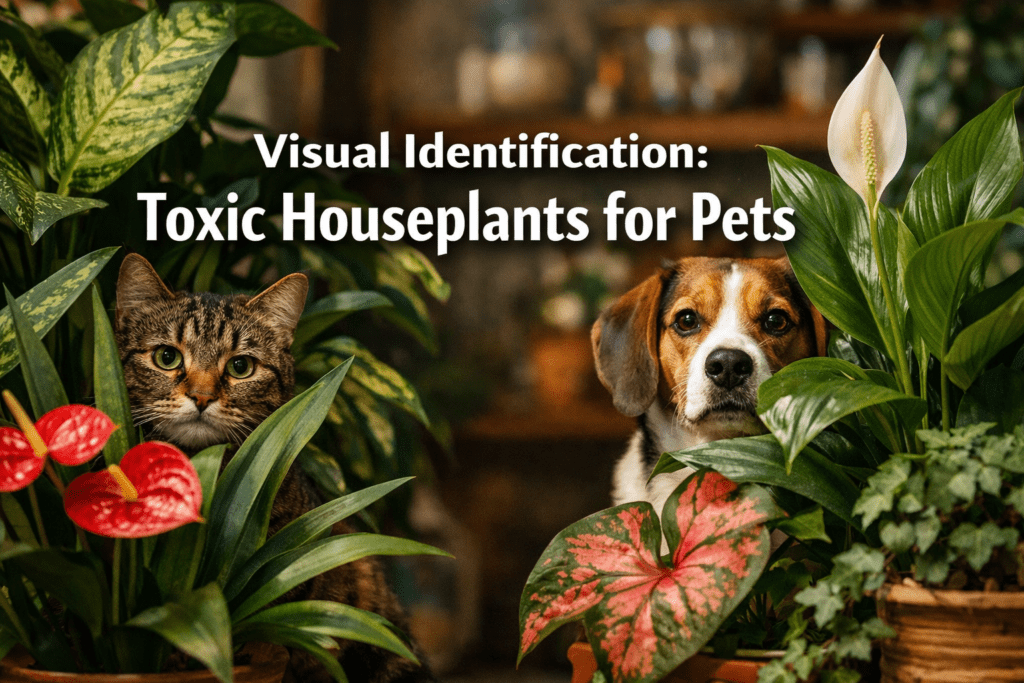
Quick Answer: Identifying toxic houseplants is critical for pet safety in 2026, as many common indoor plants can cause severe reactions in cats and dogs, ranging from mild digestive upset to organ failure. A clear visual identification chart for toxic houseplants for cats vs dogs helps pet owners quickly recognize hazardous plants and choose safer alternatives, considering that a plant toxic to one species might be benign to another.
Key Takeaways
- Many common houseplants are toxic to pets: Species like lilies, sago palms, and azaleas pose significant dangers.
- Toxicity varies by pet: Some plants are harmful to cats, others to dogs, and some to both.
- Visual identification is key: Learning to recognize toxic plants by their leaves, flowers, or berries prevents accidental ingestion.
- Symptoms range from mild to severe: Watch for vomiting, diarrhea, lethargy, drooling, or more serious neurological issues.
- Immediate veterinary care is crucial: If you suspect your pet has ingested a toxic plant, contact your vet or an animal poison control center immediately.
- Proactive prevention is best: Choose pet-safe plants and place any toxic plants out of reach or avoid them entirely.
- Understanding specific plant parts: Often, certain parts of a plant (e.g., bulbs, leaves, flowers) are more toxic than others.
Why is a Visual Identification Chart for Toxic Houseplants Essential in 2026?
A visual identification chart for toxic houseplants is essential in 2026 because many pet owners unknowingly bring dangerous plants into their homes, posing a silent threat to their animals. Pets, especially curious cats and puppies, are prone to investigating and chewing on plants, making quick and accurate identification of toxic species paramount for their safety.
Understanding which plants are harmful can prevent accidental poisonings, which are a common concern for veterinarians. For example, a curious cat might chew on a lily, leading to acute kidney failure, while a dog might ingest parts of a Sago Palm, resulting in severe liver damage. The visual element helps differentiate harmless plants from dangerous ones, making it easier for owners to childproof their homes for their furry companions.
Quick Tip: Always cross-reference any new plant purchase with a reliable toxicity database before bringing it into a pet-friendly home. Even plants sold as “decorative” can be hazardous.
Common Houseplants Toxic to Both Cats and Dogs
Several popular houseplants are universally dangerous for both felines and canines, and recognizing them by sight is a critical first step in pet safety. These plants contain compounds that can cause a range of symptoms, from mild gastrointestinal upset to severe systemic issues.
Here are some of the most common culprits:
- *Lilies ( Lilium spp. and Hemerocallis spp.):* 🌸 Extremely toxic to cats, causing acute kidney failure. While generally less severe for dogs, they can still cause digestive upset. All parts of the plant are dangerous.
- Sago Palm ( Cycas revoluta): 🌴 Highly toxic to both, with seeds/nuts being the most dangerous. Ingestion can lead to vomiting, diarrhea, seizures, and severe liver failure.
- *Azalea/Rhododendron ( Rhododendron spp.):* 🌺 Contains grayanotoxins that disrupt skeletal and cardiac muscle function. Symptoms include vomiting, diarrhea, excessive drooling, tremors, and potentially cardiovascular collapse.
- Oleander ( Nerium oleander): 🌿 All parts are highly toxic, containing cardiac glycosides that can cause severe heart problems, vomiting, diarrhea, and even death.
- *Dumb Cane ( Dieffenbachia spp.):* 🪴 Contains insoluble calcium oxalates. Chewing releases crystals that cause intense mouth pain, drooling, swelling, and difficulty swallowing.
- *Peace Lily ( Spathiphyllum spp.):* While often confused with true lilies, Peace Lilies also contain calcium oxalates, causing oral irritation and digestive upset in both cats and dogs.
- Pothos ( Epipremnum aureum): 🍃 Similar to Dumb Cane, Pothos contains calcium oxalates, leading to oral irritation, drooling, and vomiting.
Visual Cue: When identifying these plants, pay close attention to leaf shape, flower structure, and any unique growth patterns. For instance, the large, glossy leaves of a Sago Palm are distinctly different from the broad, tropical leaves of a Dumb Cane.
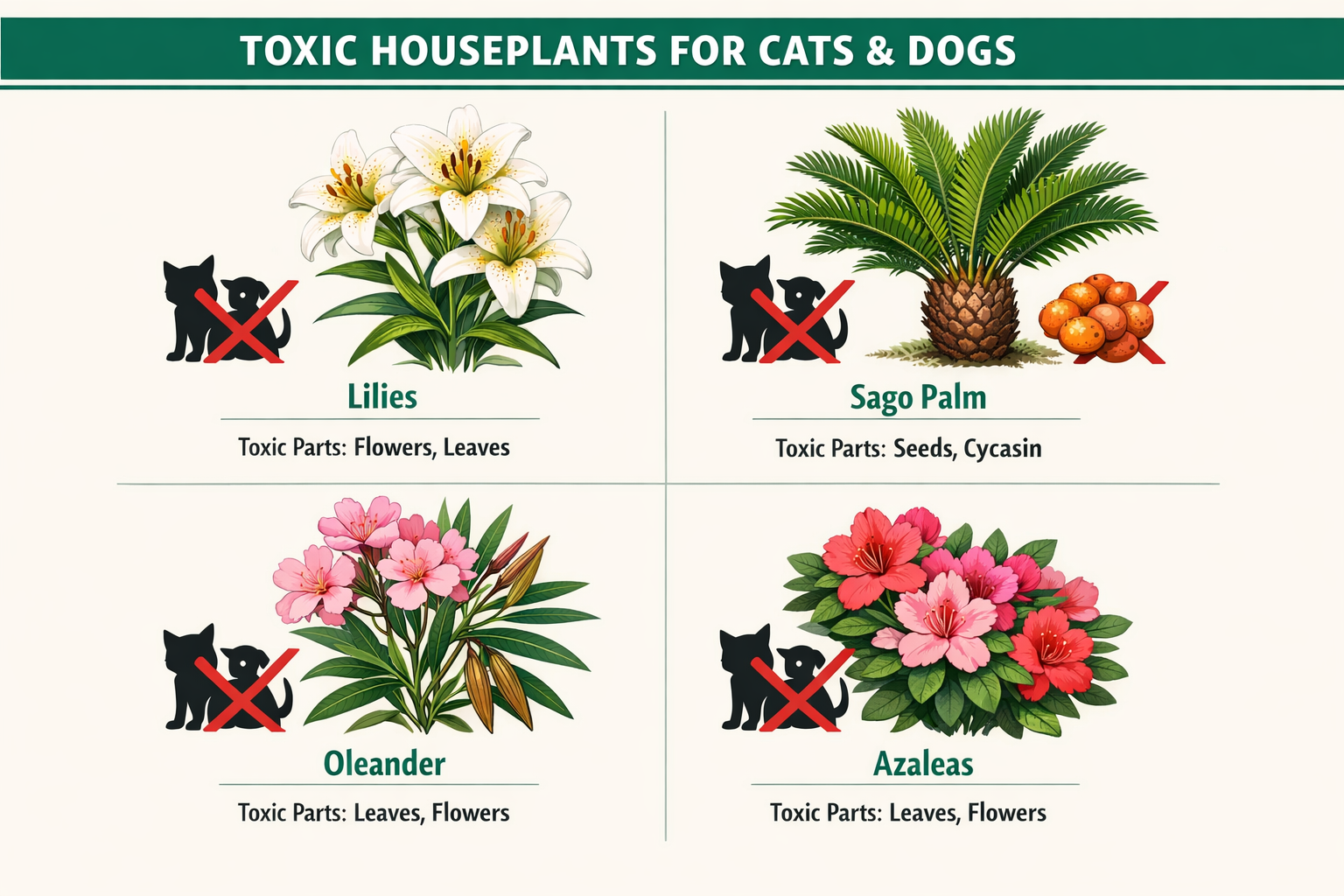
Decision Rule: If you cannot definitively identify a plant as safe, or if it resembles any of these common toxic species, assume it is dangerous and remove it from your pet’s reach.
Houseplants with Specific Toxicity for Cats vs. Dogs
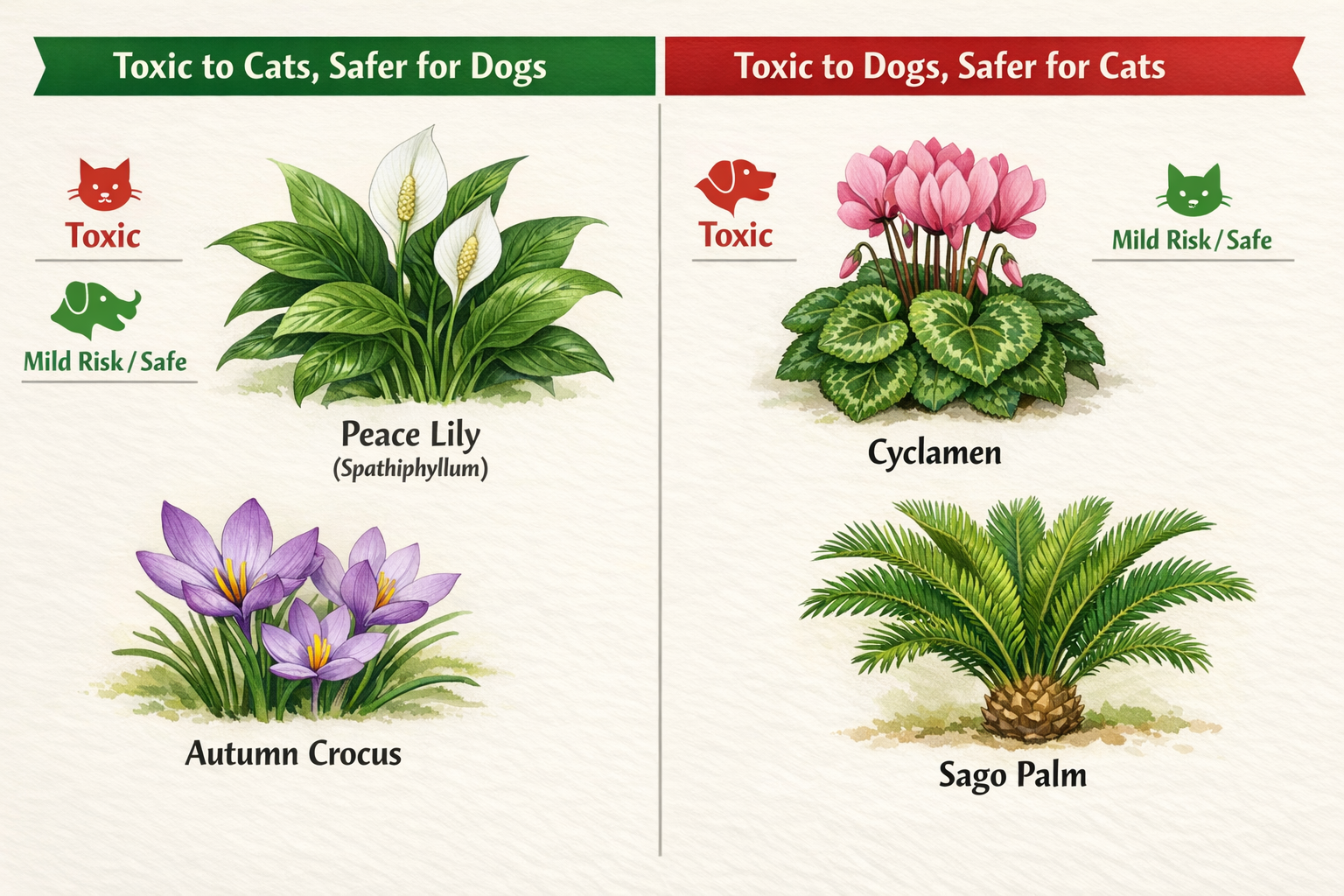
While some plants pose a universal threat, others are more specifically toxic to either cats or dogs due to metabolic differences or plant compound concentrations. Understanding these distinctions is key to a precise visual identification chart for toxic houseplants for cats vs dogs.
Toxic Primarily to Cats 😼
Cats are uniquely susceptible to certain plant compounds.
- Autumn Crocus ( Colchicum autumnale): Extremely toxic, containing colchicine, which can cause severe gastrointestinal issues, liver and kidney damage, and bone marrow suppression.
- Castor Bean ( Ricinus communis): While toxic to both, even small amounts of ricin from castor beans can be lethal to cats. It causes severe abdominal pain, vomiting, diarrhea, thirst, and weakness.
- Marijuana ( Cannabis sativa): THC can cause depression, vomiting, tremors, and disorientation in cats.
Toxic Primarily to Dogs 🐶
Dogs can be more vulnerable to certain plants than cats, often due to their larger size and tendency to ingest larger quantities.
- *Cyclamen ( Cyclamen spp.):* The tubers or roots are the most toxic part, containing triterpenoid saponins. Ingestion causes vomiting, diarrhea, and cardiac arrest in large doses.
- Amaryllis ( Amaryllis belladonna): Contains lycorine and other toxic alkaloids, leading to vomiting, diarrhea, tremors, and abdominal pain. The bulb is particularly potent.
- Tulips and Hyacinths ( Tulipa spp., Hyacinthus orientalis): The bulbs are the most toxic, containing allergenic lactones that cause severe oral irritation, drooling, vomiting, and diarrhea.
Quick Tip: For plants like Amaryllis or Cyclamen, consider growing shade-loving plants or low light indoor plants that are pet-safe instead.
Edge Case: Some plants, like Aloe Vera, are mildly toxic to both. While beneficial for humans, it can cause vomiting and diarrhea in pets due to saponins. It’s always best to err on the side of caution.
Pet-Safe Houseplants for Your Home
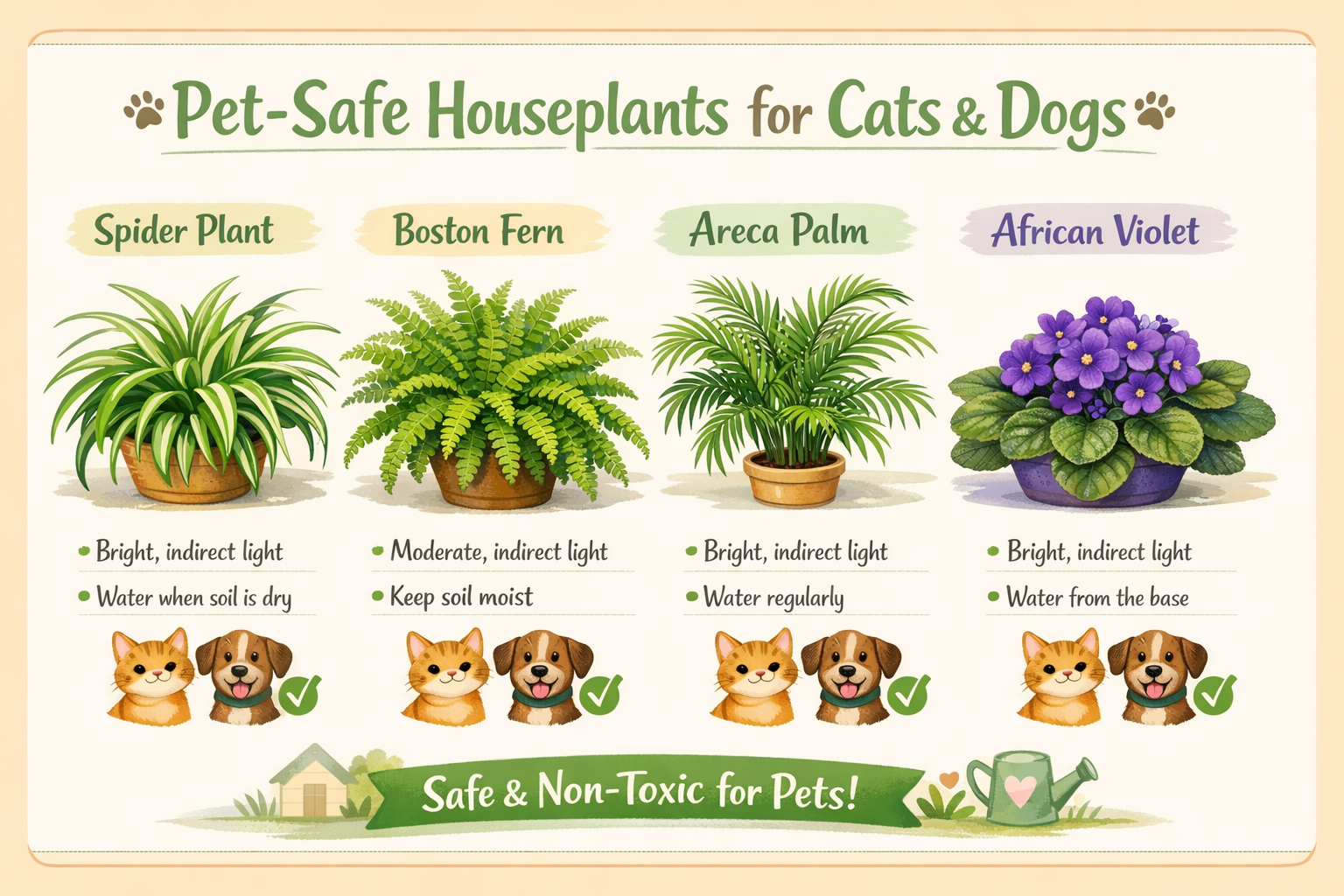
Creating a pet-friendly indoor environment means choosing plants that are non-toxic to both cats and dogs. Many beautiful and easy-to-care-for options exist that allow you to enjoy greenery without worry.
Here’s a list of popular and safe houseplants:
- Spider Plant ( Chlorophytum comosum): 🌱 Easy to grow, produces “spiderettes,” and is completely non-toxic. It’s also an excellent air purifying indoor plant.
- Boston Fern ( Nephrolepis exaltata): 🌿 A classic, lush fern that adds greenery and is safe for pets. It thrives in humidity.
- Areca Palm ( Dypsis lutescens): 🌴 A tall, elegant palm that is safe for both cats and dogs and can improve indoor air quality.
- *African Violet ( Saintpaulia spp.):* 💜 Beautiful flowering plant that is non-toxic and adds a pop of color.
- Prayer Plant ( Maranta leuconeura): 🪴 Known for its striking foliage and unique habit of folding its leaves at night, it’s a safe choice for pet owners.
- *Christmas Cactus ( Schlumbergera spp.):* 🌷 A popular holiday bloomer that is non-toxic.
- *Haworthia ( Haworthia spp.):* 🌵 A succulent resembling aloe but entirely safe for pets. It’s a great beginner-friendly plant.
- Friendship Plant ( Pilea involucrata): 🍃 Features attractive textured leaves and is safe for curious pets.
When looking for new additions to your indoor garden, consider “Best Indoor Plants For Small Homes: 2026 Compact Guide” for ideas that fit your space and are often pet-friendly. You can also explore indoor plant care guide 2026 for general advice.
Tip for New Plants: Even with “safe” plants, some pets might experience mild digestive upset if they consume large quantities of any plant material. Monitor your pet after introducing new plants.
Recognizing Symptoms of Plant Poisoning
Understanding the signs of plant poisoning is as crucial as knowing which plants are toxic. Early recognition can significantly impact the outcome for your pet.
Common symptoms of plant poisoning in cats and dogs include:
- Gastrointestinal Distress: Vomiting, diarrhea, loss of appetite, abdominal pain, excessive drooling.
- Oral Irritation: Swelling of the mouth, tongue, or lips; pawing at the mouth; difficulty swallowing.
- Lethargy and Weakness: Reduced energy, uncoordinated movements, muscle tremors.
- Neurological Signs: Seizures, disorientation, dilated pupils, coma.
- Cardiovascular Issues: Changes in heart rate, weakness, collapse.
- Skin or Eye Irritation: Redness, itching, swelling if contact with sap occurred.
Actionable Advice: If you observe any of these symptoms and suspect plant ingestion, immediately contact your veterinarian or a pet poison control hotline (e.g., ASPCA Animal Poison Control Center or Pet Poison Helpline). Provide as much information as possible: the plant name (if known), the amount ingested, and your pet’s symptoms. Do not try to induce vomiting unless directed by a veterinary professional, as it can sometimes cause more harm.
Preventing Plant Poisoning in 2026: Proactive Strategies
Prevention is the most effective approach to safeguarding your pets from toxic houseplants. In 2026, incorporating proactive strategies into your home and gardening habits ensures a safe environment for your furry friends.
Here are key prevention strategies:
- Educate Yourself: Use a visual identification chart for toxic houseplants for cats vs dogs to learn common dangerous plants. Keep this knowledge updated annually, as new information emerges.
- Choose Safe Plants: Prioritize pet-safe plants when purchasing. Many nurseries and plant stores now label plants as “pet-friendly.”
- Placement Matters: Place any potentially toxic plants entirely out of reach. This might mean hanging plants, placing them on high shelves that pets cannot access, or in rooms that are off-limits to pets.
- Create Barriers: Use physical barriers like plant stands with cages or clear deterrent sprays (always check if sprays are safe for pets) to discourage chewing.
- Train Your Pets: For dogs, “leave it” commands can be useful. For cats, provide safe alternatives like cat grass or catnip to redirect their chewing instincts.
- Regular Monitoring: Regularly inspect your plants for signs of chewing or digging, especially if you have curious young pets.
- Remove Fallen Leaves/Flowers: Promptly clean up any fallen plant material, as pets might be tempted to chew on them.
- Avoid Outdoor Plants Indoors: Be cautious about bringing outdoor plants or cut flowers inside, as many common garden plants (like daffodils or chrysanthemums) are toxic.
Common Mistake: Relying solely on a plant’s common name for identification can be misleading. Always use the botanical (scientific) name for accurate toxicity information, as common names can refer to multiple different species.
Conclusion
Creating a safe home for your beloved pets in 2026 means being vigilant about the plants you bring indoors. A clear visual identification chart for toxic houseplants for cats vs dogs is an indispensable tool for every pet owner. By understanding which plants pose a threat, recognizing the symptoms of poisoning, and implementing proactive prevention strategies, you can ensure your home remains a safe and healthy environment for both your plants and your furry companions. Always consult with a veterinarian immediately if you suspect your pet has ingested a toxic plant.
References
- ASPCA. (n.d.). Toxic and Non-Toxic Plants List. Retrieved from https://www.aspca.org/pet-care/animal-poison-control/toxic-and-non-toxic-plants
- Pet Poison Helpline. (n.d.). Poison List. Retrieved from https://www.petpoisonhelpline.com/poisons/
Related Reading
- Best Low Maintenance Plants 2026: Grow Green With Ease
- Beginner-Friendly Plants: Your Easy Guide To Thriving Greenery In 2026
- Top Air Purifying Indoor Plants: Breathe Easier In 2026
FAQ
Q1: Is a Poinsettia toxic to cats and dogs?
A1: Poinsettias are generally considered mildly toxic, causing irritation to the mouth and stomach, leading to drooling, vomiting, or diarrhea. Severe poisoning is rare.
Q2: How quickly do symptoms of plant poisoning appear in pets?
A2: Symptoms can appear within minutes to hours, depending on the plant, the amount ingested, and the pet’s sensitivity. Some toxins may have delayed effects, appearing days later.
Q3: What should I do if my pet eats a toxic plant?
A3: Immediately contact your veterinarian or an animal poison control center (like ASPCA Animal Poison Control or Pet Poison Helpline). Have the plant name ready, if possible.
Q4: Are outdoor plants also dangerous if brought inside?
A4: Yes, many common outdoor plants and cut flowers (e.g., daffodils, chrysanthemums, tulips) are toxic to pets and should be kept out of reach if brought indoors.
Q5: Can I just put toxic plants on a high shelf?
A5: While a high shelf reduces risk, determined or agile pets (especially cats) may still reach them. The safest option is to remove truly toxic plants or place them in an inaccessible room.
Q6: Are all parts of a toxic plant equally dangerous?
A6: No, toxicity can vary by plant part. For instance, the bulbs of tulips and hyacinths are more toxic than the leaves, and the seeds of a Sago Palm are more dangerous than its fronds.
Q7: What are some signs of severe poisoning in pets?
A7: Signs of severe poisoning include seizures, extreme lethargy, collapse, difficulty breathing, changes in heart rate, and severe gastrointestinal distress that doesn’t subside.
Q8: Should I make my pet vomit if they ate a toxic plant?
A8: No, never induce vomiting unless explicitly directed by a veterinarian or poison control expert. Some toxins can cause further damage if vomited, and aspiration is a risk.
Q9: Does thorough washing make a toxic plant safe for pets?
A9: No, washing a plant does not remove its inherent toxic compounds. The plant itself remains dangerous if ingested.
Q10: Are cat grass and catnip safe for pets?
A10: Yes, cat grass (often wheatgrass, oat grass, rye grass, or barley grass) and catnip are generally safe for cats and can be good alternatives to deter them from other houseplants.
Q11: Can my pet develop an allergy to a non-toxic plant?
A11: While rare, pets can have individual sensitivities or allergic reactions to even non-toxic plants, similar to humans. Monitor for any unusual symptoms after introducing new plants.
Q12: Are succulents generally safe for pets?
A12: Many common succulents like Haworthia, Echeveria, and Christmas Cactus are pet-safe. However, some, like Aloe Vera (mildly toxic) and certain euphorbias (like Pencil Cactus, which has irritating sap), are not. Always verify specific species.