How to Fertilize Plants Correctly USA: Your 2026 Expert Guide
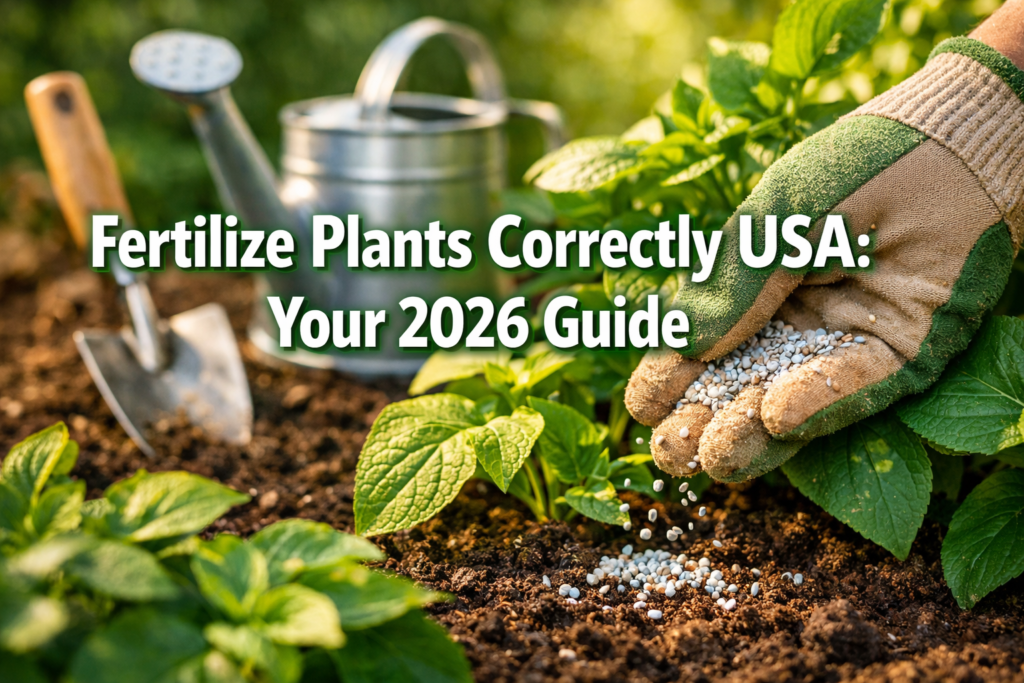
Quick Answer: To fertilize plants correctly in the USA, first, conduct a soil test to understand specific nutrient deficiencies, then select a fertilizer (organic or synthetic) with an appropriate NPK ratio for your plant type and growth stage. Always follow product instructions carefully regarding dosage and application method, applying fertilizer at the right time of year, typically during active growth periods, and never fertilizing dormant or stressed plants.
Key Takeaways
- Soil Testing is Crucial: Always start with a soil test to avoid over-fertilizing or applying unnecessary nutrients.
- Understand NPK Ratios: Learn what Nitrogen (N), Phosphorus (P), and Potassium (K) do for plants.
- Choose the Right Fertilizer: Select between organic and synthetic, considering plant needs, soil health, and environmental impact.
- Timing is Everything: Fertilize during active growth, typically spring and early summer, avoiding dormancy or stress periods.
- Follow Directions Precisely: Over-fertilization is a common mistake and can severely harm plants.
- Application Methods Vary: Know whether to broadcast, side-dress, foliar feed, or use slow-release options.
- Consider Plant Specifics: Different plants (vegetables, flowers, trees, houseplants) have unique nutritional requirements.
- Water Before and After: Always water plants thoroughly before applying fertilizer to prevent root burn, and lightly after to help nutrients penetrate.
- Observe Your Plants: Pay attention to leaf color, growth rate, and overall vigor to fine-tune your fertilization strategy.
- Storage Matters: Store fertilizers properly to maintain efficacy and ensure safety.
Why Understanding Your Soil is Key to How to Fertilize Plants Correctly USA
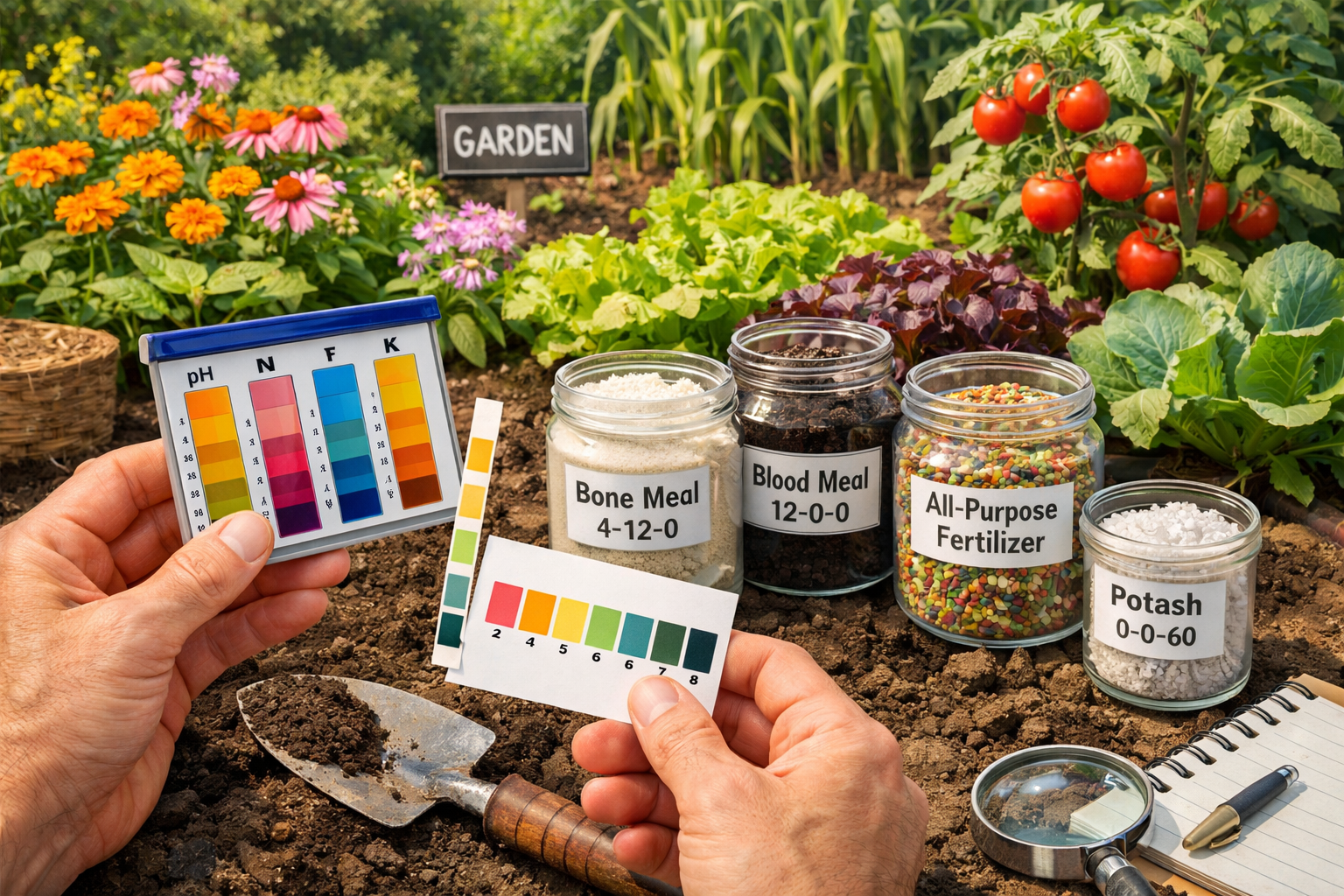
Understanding your soil composition and existing nutrient levels is the foundational step for effective and responsible fertilization in the USA. Without this crucial insight, you risk applying the wrong nutrients, in incorrect amounts, which can harm plants, waste money, and pollute local waterways. A soil test provides a scientific basis for your fertilization strategy, revealing pH, organic matter content, and concentrations of essential macronutrients (Nitrogen, Phosphorus, Potassium) and micronutrients.
The Importance of Soil Testing
A soil test is essentially a diagnostic tool that gives you a detailed report on what your garden soil needs. These tests are widely available through university extension offices, private labs, or home kits across the USA.
- Prevents Over-Fertilization: Applying too much fertilizer, especially nitrogen, can “burn” plants, causing leaf scorch and root damage. A soil test tells you what’s already present.
- Targets Deficiencies: If your plants show signs of yellowing (chlorosis) or stunted growth, a soil test can pinpoint specific nutrient deficiencies, allowing you to choose a targeted fertilizer.
- Optimizes pH: Soil pH affects nutrient availability. A test will recommend amendments (like lime to raise pH or sulfur to lower it) to ensure plants can absorb the fertilizers you apply.
- Saves Money: Why buy and apply a “balanced” fertilizer if your soil already has plenty of phosphorus? A test guides smart purchasing.
- Protects the Environment: Excess nutrients, particularly phosphorus and nitrogen, can run off into rivers and lakes, causing harmful algal blooms. Knowing exactly what to apply minimizes this risk.
When and How to Conduct a Soil Test
- Timing: The best time for a soil test is typically in the fall after the growing season or early spring before planting begins. This gives you time to implement recommendations before plants need nutrients.
- Sampling: Take multiple small samples from different areas of your garden, mixing them thoroughly in a clean bucket to create one composite sample. Avoid areas near compost piles, animal waste, or recently fertilized spots.
- Depth: For most garden plants, collect soil from the top 6-8 inches. For lawns, 3-4 inches is usually sufficient.
- Kits vs. Labs:
- Home Test Kits: Offer quick results for pH and sometimes NPK, but can be less precise. They are good for a general idea.
- University Extension Offices/Private Labs: Provide comprehensive, accurate reports with specific recommendations tailored to your region and plant types. This is generally the preferred method for serious gardeners. Find your local extension office through your state’s university system.
Once you have your soil test results, you’ll have clear guidance on how to fertilize plants correctly USA, setting the stage for healthy plant growth.
Choosing the Right Fertilizer for Your Plants
Selecting the appropriate fertilizer is critical once you understand your soil’s needs, as different fertilizers serve different purposes based on their nutrient composition and release mechanisms. Fertilizers are primarily classified by their NPK ratio and whether they are organic or synthetic, each with distinct benefits and applications for various plants in the USA.
Understanding NPK Ratios
The three numbers on a fertilizer package (e.g., 10-10-10, 5-1-5) represent the percentage by weight of Nitrogen (N), Phosphorus (P), and Potassium (K) – the three macronutrients plants need most.
- Nitrogen (N): Promotes lush, green, leafy growth. Essential for vegetative stages. (e.g., Fertilizers For Vegetables: 2026 Expert Guide For Optimal Gardening)
- Phosphorus (P): Encourages strong root development, flowering, and fruiting. Crucial for seedlings and blooming plants.
- Potassium (K): Supports overall plant health, disease resistance, water regulation, and fruit quality.
Choosing the right NPK:
- Balanced (e.g., 10-10-10): Good for general maintenance where soil deficiencies are unknown or moderate.
- High Nitrogen (e.g., 20-5-5): Ideal for lawns and leafy vegetables like lettuce or spinach.
- High Phosphorus (e.g., 5-10-5): Beneficial for flowering plants, fruit trees, and root vegetables.
- High Potassium (e.g., 5-5-20): Less common as a primary, but can be used to boost overall plant vigor and stress tolerance.
Organic vs. Synthetic Fertilizers
The choice between organic and synthetic fertilizers often depends on your gardening philosophy, desired speed of results, and long-term soil health goals.
| Feature | Organic Fertilizers | Synthetic Fertilizers |
|---|---|---|
| Source | Natural materials (manure, compost, bone meal, fish emulsion) | Chemically processed minerals and inorganic compounds |
| Nutrient Release | Slow and gradual, dependent on microbial activity | Fast and immediately available to plants |
| Soil Health | Improves soil structure, water retention, and microbial life | Provides nutrients but does not contribute to soil structure |
| Environmental Impact | Generally lower risk of runoff pollution, sustainable | Higher risk of runoff pollution, can burn plants if overused |
| Application | Often requires more volume, less precise nutrient delivery | Precise nutrient ratios, easy to measure |
| Cost | Can be more expensive per unit of nutrient, but long-term benefits | Generally more affordable and readily available |
| Examples | Compost, worm castings, blood meal, kelp meal, alfalfa meal | Urea, ammonium nitrate, superphosphate, muriate of potash |
- When to choose Organic: For long-term soil health, sustainable gardening, and a gentler approach. They are excellent for enriching soil structure and feeding beneficial microorganisms.
- When to choose Synthetic: For quick nutrient boosts, precise nutrient delivery, or when rapid growth is desired, such as for fast-growing plants or recovering stressed ones.
Consider your specific plant needs – for instance, how to fertilize vegetable seedlings might lean towards gentler organic options or diluted synthetics to prevent root burn.
When and How to Apply Fertilizer
Applying fertilizer at the right time and in the correct manner is just as important as choosing the right product to fertilize plants correctly USA. Improper timing or application techniques can lead to nutrient leaching, plant damage, or reduced effectiveness, negating all your initial efforts.
The Best Time to Fertilize
The general rule is to fertilize when plants are actively growing and can utilize the nutrients, avoiding periods of dormancy or stress.
- Spring: This is the primary fertilization window for most outdoor plants in the USA, as new growth emerges after winter dormancy. It replenishes nutrients depleted over winter and supports vigorous spring growth.
- Early Summer: Many plants, especially heavy feeders like vegetables and flowering annuals, benefit from a second application to sustain growth through the peak season.
- Fall: For lawns, certain trees, and perennials, a fall application can help build root reserves for winter and promote early spring growth.
- Indoor Plants: Fertilize indoor plants primarily during their active growing season, usually spring and summer, and reduce or stop during fall and winter dormancy.
- Avoid:
- Dormancy: Do not fertilize plants that are dormant (e.g., deciduous trees in winter, many perennials in late fall).
- Stress: Never fertilize sick, insect-infested, or drought-stressed plants. Address the underlying problem first.
- Extreme Heat: Avoid fertilizing during very hot weather, as it can stress plants further and increase the risk of burning.
Proper Application Methods
The method of application depends on the fertilizer type, plant size, and location.
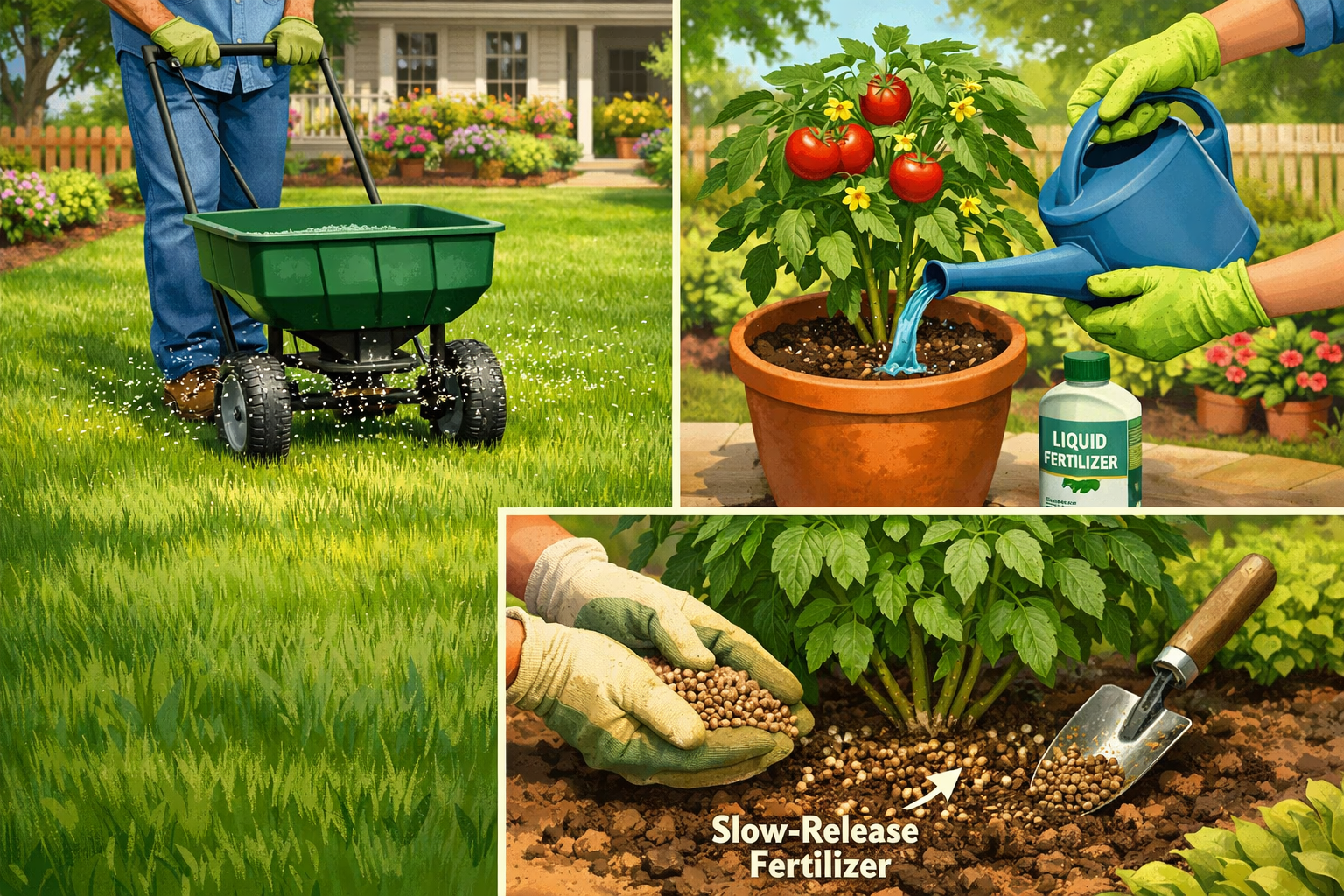
- Granular Fertilizers:
- Broadcast: Spread evenly over a wide area (e.g., lawns, large garden beds) using a spreader for consistency.
- Side-Dressing: Apply in a band along the side of a plant row or in a circle around individual plants, a few inches away from the stem. Lightly scratch it into the soil.
- Incorporation: Mix into the soil before planting, especially for slow-release or organic amendments like compost.
- Liquid Fertilizers:
- Soil Drench: Mix with water according to instructions and apply directly to the soil around the plant’s base, allowing it to soak into the root zone. This is common for container plants.
- Foliar Feeding: Spray a diluted solution directly onto plant leaves, where nutrients can be absorbed quickly. Best for correcting micronutrient deficiencies or giving a rapid boost, but not a primary feeding method.
- Slow-Release Fertilizers: These are often encapsulated granules that release nutrients over several weeks or months. Apply according to package directions, usually by mixing into the soil or surface application. They are ideal for busy gardeners or plants with consistent nutrient needs.
Essential Tips for Application
- Read the Label: This cannot be stressed enough. Always follow the manufacturer’s instructions for dosage and frequency. Over-fertilization is a common mistake.
- Water Before: Always water plants thoroughly a day before fertilizing, especially with synthetic fertilizers. This ensures the roots are hydrated and less susceptible to burn.
- Water After: Lightly water the soil immediately after applying granular fertilizers to help them dissolve and move nutrients into the root zone. For foliar feeds, no additional watering is needed.
- Calibrate Equipment: If using a spreader, calibrate it to ensure even application and correct dosage.
- Wear Protection: Gloves are recommended, especially with synthetic fertilizers, to avoid skin contact.
- Avoid Direct Contact: Try not to let concentrated fertilizer granules or liquid sit on plant leaves or stems, as it can cause burning.
- Monitor Your Plants: After fertilizing, observe your plants for signs of improvement or distress. Adjust your approach if necessary. For instance, yellowing leaves might indicate a nutrient deficiency (or overwatering, so confirm with soil test results).
By adhering to these guidelines, you’ll be well on your way to knowing how to fertilize plants correctly USA, fostering a thriving garden while minimizing potential harm.
Common Fertilization Mistakes to Avoid in the USA
Even with the best intentions, gardeners frequently make mistakes when fertilizing plants, leading to weakened growth, nutrient imbalances, or even plant death. Recognizing and avoiding these common pitfalls is crucial for successfully learning how to fertilize plants correctly USA.
Over-Fertilization
Applying too much fertilizer is perhaps the most common and damaging mistake. It can lead to “fertilizer burn,” where the high salt concentration in the soil draws moisture out of plant roots, effectively dehydrating them.
- Symptoms: Yellowing, browning, or wilting leaves (especially leaf tips and edges), stunted growth, and eventually plant death.
- Why it Happens: Not reading product labels, assuming more is better, or incorrectly calculating dosage.
- Prevention: Always measure precisely. Err on the side of under-fertilizing if unsure. Conduct a soil test to know actual nutrient needs.
- Solution: If you suspect over-fertilization, flush the soil with plenty of plain water to leach out excess salts. For potted plants, repotting with fresh soil can help.
Fertilizing Dormant or Stressed Plants
Fertilizing a plant that isn’t actively growing, or one already struggling, is usually counterproductive and can worsen its condition.
- Dormancy: Plants use fewer nutrients when dormant. Applying fertilizer at this time can lead to nutrient buildup in the soil, potential leaching, and waste. For most outdoor plants in temperate zones, this means avoiding late fall and winter applications (except for specific cool-season grasses or winter-sown crops).
- Stress: If a plant is suffering from drought, pest infestation, disease, or extreme heat, it’s already under immense stress. Adding fertilizer, especially synthetic, can further tax its system, potentially burning roots or exacerbating existing problems.
- Prevention: Understand your plant’s growth cycle. Address underlying issues (watering, pests, diseases) before considering fertilization. Ensure watering vegetables correctly is a priority.
Incorrect Timing and Frequency
Applying fertilizer at the wrong time of year or too often can hinder plant development rather than help it.
- Seasonal Mismatch: Fertilizing heavy nitrogen on a flowering plant when it needs phosphorus for blooms, or applying growth-promoting fertilizers too late in the season, can lead to soft, vulnerable growth susceptible to winter damage.
- Too Frequent: Even if using the correct fertilizer, applying it too often can lead to a gradual buildup of salts and nutrients, mimicking over-fertilization.
- Prevention: Follow product-specific schedules. Generally, plants need fertilization at the beginning of their active growing season and sometimes a mid-season boost. Reduce or stop fertilizing as plants enter dormancy.
Ignoring Soil Test Results
Using a “one-size-fits-all” approach without understanding your soil’s unique composition is a significant mistake.
- Unnecessary Nutrients: You might be adding nutrients already abundant in your soil, leading to nutrient imbalances or pollution. For example, excess phosphorus can lock up other essential micronutrients.
- Missed Deficiencies: You could be missing a crucial micronutrient deficiency that a general NPK fertilizer won’t address.
- Prevention: Always start with a soil test. It’s the most effective way to ensure your fertilization strategy is targeted and efficient.
By actively avoiding these common mistakes, you’ll significantly improve your chances of mastering how to fertilize plants correctly USA, leading to healthier, more productive gardens.
Tailoring Fertilization to Specific Plant Types
Effective fertilization in the USA isn’t a one-size-fits-all approach; different plant categories have distinct nutritional requirements and optimal feeding schedules. Tailoring your fertilization strategy to specific plant types—from vibrant flowers to prolific vegetables and resilient indoor plants—is crucial for their optimal health and productivity.
Vegetables and Fruits
Vegetable and fruit plants are typically heavy feeders due to their rapid growth and the energy required for producing edible parts.
- Initial Feeding: Before planting, amend soil with compost or a balanced organic fertilizer. For instance, preparing soil for container plants at home often involves incorporating granular slow-release fertilizers.
- Growth Stage Needs:
- Leafy Greens (Lettuce, Spinach, Cabbage): High nitrogen fertilizer during their vegetative growth phase to promote lush foliage.
- Fruiting Vegetables (Tomatoes, Peppers, Squash, Berries): Lower nitrogen, higher phosphorus, and potassium fertilizer once flowers appear and fruits begin to set. This shifts energy from leaf production to fruit development. Should you remove flowers from young vegetable plants? This can delay initial fruit set but often leads to stronger plants.
- Frequency: Regular, often bi-weekly or monthly, feeding is typical for many vegetables, especially in containers where nutrients leach out faster. Consider using balanced liquid fertilizers or slow-release granular options.
- Example: For tomatoes, start with a balanced fertilizer, then switch to a “bloom booster” (higher P and K) when flowering starts.
Flowering Plants (Annuals and Perennials)
Flowering plants, whether annuals or perennials, primarily need nutrients that support bloom production and vibrant color.
- Annuals: These heavy bloomers benefit from consistent feeding throughout their growing season. A balanced liquid fertilizer every 2-4 weeks or a slow-release granular fertilizer applied once at the start of the season is usually ideal. Look for formulations higher in phosphorus to encourage more flowers.
- Perennials: Most perennials benefit from a balanced granular fertilizer in early spring as new growth emerges. Avoid excessive nitrogen, which can lead to lush foliage but fewer flowers and weaker stems.
- Bulbs: Fertilize spring-flowering bulbs in the fall with a bone meal or a fertilizer higher in phosphorus to promote root development. Fertilize summer-flowering bulbs in spring.
- Roses: These are famously heavy feeders, requiring consistent feeding with a specialized rose food (often balanced or slightly higher in P and K) during their growing season, typically every 4-6 weeks from spring to late summer.
Trees and Shrubs
Established trees and shrubs generally require less frequent fertilization than annuals or vegetables, as their root systems are extensive and can access a wider range of soil nutrients.
- Young Plants: New trees and shrubs benefit from a balanced, slow-release granular fertilizer applied in early spring for their first few years to help establish strong roots.
- Mature Plants: Healthy, established trees and shrubs may not need regular fertilization if they are growing in good soil. If growth is poor or leaves are discolored, a soil test can determine specific needs. Apply a balanced granular fertilizer every 2-3 years, or as recommended by soil test results.
- Application: Apply granular fertilizers around the drip line (the outer edge of the branches) where feeder roots are most active, not at the base of the trunk.
Indoor Plants
Indoor plants have unique needs due to limited soil volume in pots and controlled environments.
- Active Growth Only: Fertilize indoor plants only during their active growing season (typically spring and summer), and reduce or stop entirely in fall and winter when light levels are lower and growth slows.
- Dilution is Key: Use a balanced liquid fertilizer diluted to half or even quarter strength, applying every 2-4 weeks. Over-fertilization is particularly easy in pots.
- Specific Needs: Some indoor plants, like orchids or cacti, have very specific requirements. Research your particular plant variety. For example, best soil for indoor plants often comes pre-amended, reducing initial fertilizer needs.
- Leaching: Water thoroughly until water drains from the bottom of the pot to help flush out excess salts and prevent buildup.
- Example: For a common houseplant like a Pothos, a general-purpose houseplant fertilizer (e.g., 5-5-5) at half strength every month during spring and summer is usually sufficient. For low light indoor plants, even less frequent fertilization is needed due to slower growth.
By recognizing the diverse needs of your garden’s inhabitants, you can implement a targeted and effective fertilization program, ensuring each plant thrives.
Conclusion
Mastering how to fertilize plants correctly in the USA is a fundamental skill for any gardener aiming for a thriving, productive landscape. It’s a nuanced process that begins with understanding your soil, carefully selecting the right fertilizer based on NPK ratios and organic versus synthetic options, and applying it with precision at optimal times. Avoiding common mistakes like over-fertilization or feeding dormant plants is just as crucial as knowing what to do.
Ultimately, successful fertilization is about observation and responsiveness. Listen to what your plants are telling you through their growth and foliage, cross-reference with your soil test results, and adjust your feeding regimen accordingly. By embracing these principles, you’ll not only enhance the health and vigor of your plants but also contribute to a more sustainable and responsible gardening practice. Start with a soil test this spring 2026, choose wisely, apply cautiously, and watch your garden flourish.
FAQ
Q1: How often should I fertilize my outdoor plants in the USA?
A1: Most outdoor plants benefit from fertilization in early spring when new growth begins, and often a second application in early summer, but this varies by plant type and soil test results.
Q2: What do the NPK numbers on fertilizer mean?
A2: NPK stands for Nitrogen, Phosphorus, and Potassium, indicating the percentage by weight of each macronutrient. Nitrogen promotes leaves, Phosphorus aids roots/flowers, and Potassium supports overall health.
Q3: Can I fertilize plants during a heatwave?
A3: No, avoid fertilizing plants during extreme heat or drought stress, as it can further stress the plants and lead to root burn. Wait for cooler temperatures.
Q4: Is organic fertilizer better than synthetic for plants in the USA?
A4: Organic fertilizers improve soil health over time and release nutrients slowly, while synthetic fertilizers offer quick, precise nutrient delivery. The “better” choice depends on your specific goals and soil conditions.
Q5: What are the signs of over-fertilization?
A5: Symptoms include yellowing, browning, or wilting leaves (especially tips and edges), stunted growth, and white crusts on the soil surface.
Q6: Should I water plants before or after fertilizing?
A6: Always water plants thoroughly before applying fertilizer to hydrate roots and prevent burn, and lightly water afterward to help nutrients penetrate the soil.
Q7: How do I fertilize houseplants correctly?
A7: Fertilize houseplants during their active growing season (spring/summer) with a liquid fertilizer diluted to half or quarter strength, typically every 2-4 weeks, and stop during dormancy.
Q8: Can I use the same fertilizer for all my garden plants?
A8: While a balanced fertilizer might suffice for general needs, different plants (e.g., leafy greens vs. flowering plants) have varying NPK requirements for optimal growth, making specialized fertilizers beneficial.
Q9: Where can I get a soil test done in the USA?
A9: You can obtain a comprehensive soil test through your local university extension office or a private soil testing laboratory; home kits offer a less detailed, quick alternative.
Q10: What should I do if I accidentally over-fertilize a plant?
A10: Flush the soil with a large volume of plain water to leach out excess salts, or repot the plant with fresh soil if it’s in a container.
References
- Cornell University Extension. (2023). Soil Testing.
- University of California Agriculture and Natural Resources. (2022). Fertilizers for Home Gardens.
- Purdue Extension. (2021). Home Gardener’s Guide to Soils and Fertilizers.