Container Gardening for Beginners USA: Your 2026 Step-by-Step Guide
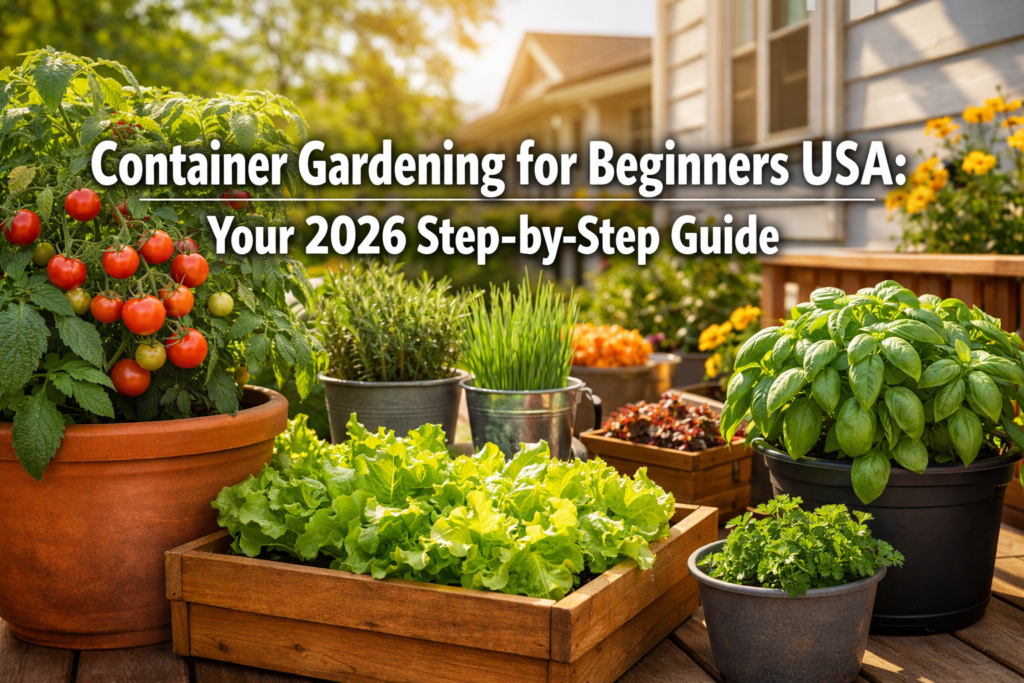
Container gardening offers an accessible and flexible way to grow plants, especially for beginners in the USA, requiring minimal space and allowing gardeners to overcome poor soil conditions found in traditional beds [5]. This step-by-step guide will walk you through everything from choosing the right containers and soil to planting and maintaining a thriving garden, making container gardening for beginners USA step by step a rewarding experience.
Key Takeaways
- Start Simple: Begin with easy-to-grow plants like herbs, lettuce, or compact tomatoes that thrive in containers.
- Choose Wisely: Select containers with good drainage and sufficient size for your chosen plants; larger containers generally offer more stable growing conditions.
- Potting Mix is Key: Always use a high-quality commercial potting mix, never garden soil, to ensure proper drainage and aeration [1].
- Sunlight Matters: Most vegetables need 6–8 hours of direct sunlight daily; understand your location’s light conditions.
- Water Daily: Container plants dry out faster than in-ground plants; check moisture levels daily and water deeply.
- Feed Your Plants: Incorporate slow-release fertilizer at planting time to provide continuous nutrients throughout the growing season [3].
- Avoid Overcrowding: Give plants enough space to grow within the container to prevent stunted growth and disease [3].
- Embrace Flexibility: Enjoy the ability to move your container plants to optimize sunlight, protect from harsh weather, or simply rearrange your space [5].
Why Start Container Gardening in the USA in 2026?
Container gardening is an excellent starting point for new gardeners in the USA because it offers unmatched flexibility, addresses common space constraints, and allows for precise control over growing conditions [5]. The year 2026 has even been declared the “Year of Container Gardening” by Grow It Eat It, highlighting its growing popularity and accessibility for vegetable gardening beginners [1].
This method is particularly beneficial for urban dwellers, renters, or anyone with limited yard space, allowing them to cultivate fresh produce, herbs, and flowers on balconies, patios, or even windowsills. Unlike traditional in-ground gardening, container gardening eliminates concerns about native soil quality, simplifies pest management, and offers the freedom to rearrange plants as needed, adapting to changing light conditions or seasonal preferences [5]. It’s a forgiving approach that makes gardening success achievable for everyone.
What Essential Supplies Do You Need for Container Gardening?
To begin container gardening for beginners USA step by step, you’ll need a few essential supplies: suitable containers, the right potting mix, appropriate plants or seeds, and basic gardening tools. Starting with these foundational items ensures a smooth and successful gardening journey.
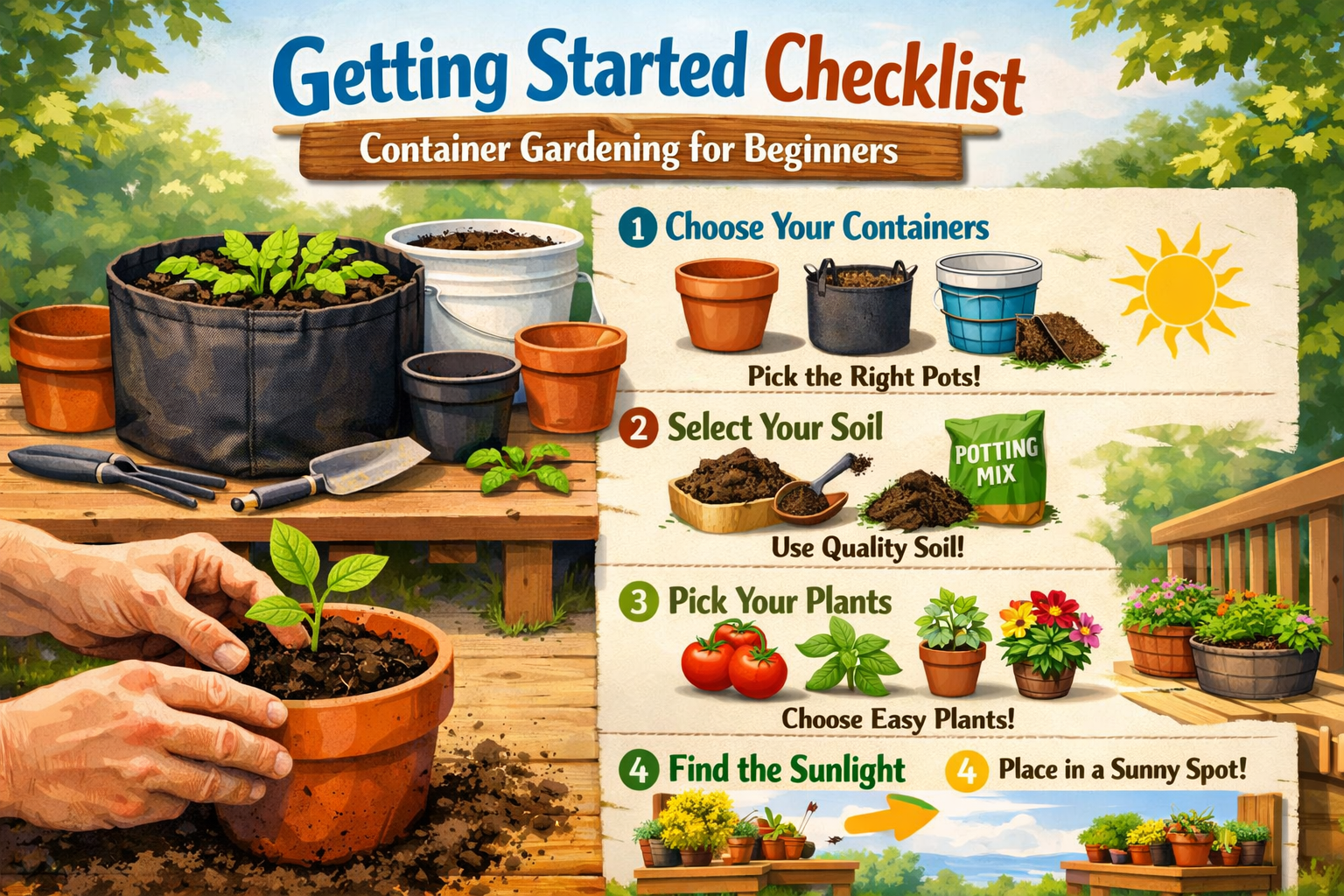
Here’s a breakdown of what to gather:
- Containers:
- Drainage is Crucial: Every container must have drainage holes to prevent waterlogging and root rot [3]. If your chosen container lacks holes, you must drill them yourself.
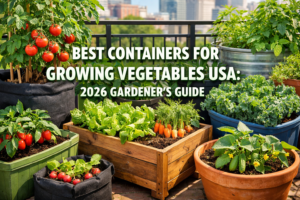
- Size Matters: Select containers appropriate for the mature size of your plants. Small containers (under 2 gallons) are good for herbs like basil and parsley. Medium (2–3 gallons) suit leafy greens like lettuce and spinach. Large containers (5+ gallons) are necessary for fruiting plants such as tomatoes, peppers, cucumbers, and squash [3].
- Material Options: Options range from terracotta, plastic, metal, glazed ceramic, to fabric grow bags. Fabric bags are excellent for aeration and drainage. You can also use repurposed items like food-grade buckets from restaurants (with drainage holes added) or build your own wooden planters [1].
- Potting Mix:
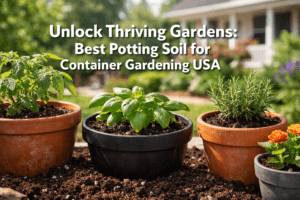
- Never Use Garden Soil: Garden soil is too dense for containers, compacts easily, and often contains weed seeds and pests [1].
- Choose Commercial Mixes: Opt for a high-quality commercial potting mix specifically formulated for containers. These mixes are lightweight, provide good drainage, and retain moisture effectively.
- Custom Blends: You can create your own blend using components like peat moss, coir, compost, perlite, or vermiculite for enhanced aeration and nutrient retention [1]. For more details on soil, check out our guide on the best soil mix for container gardening.
- Plants or Seeds:
- Beginner-Friendly Choices: Tomatoes, herbs (basil, mint, cilantro), leafy greens (lettuce, spinach), and compact vegetables like bush beans or radishes are excellent for beginners [3, 5]. Consider specific varieties labeled “patio” or “bush” for container suitability.
- Sunlight Matching: Ensure your chosen plants match the amount of sunlight your gardening spot receives (most vegetables need 6-8 hours daily) [3].
- Basic Tools: A small hand trowel, a watering can or hose with a gentle nozzle, pruning shears, and gardening gloves are typically sufficient.
A Step-by-Step Guide to Planting Your Container Garden
Successfully planting your container garden involves preparing your containers, filling them with the right potting mix, and properly positioning your chosen plants or seeds. Following these steps will establish a strong foundation for healthy growth.
Prepare Your Containers:
- Cleanliness: Wash any used containers with soap and water, then rinse thoroughly.
- Drainage Check: Double-check that all containers have sufficient drainage holes. If not, drill 1/2-inch holes every few inches at the bottom.
- No Drainage Layers: Avoid putting gravel or broken pot pieces at the bottom; this impedes drainage, contrary to common belief. Good potting mix alone is sufficient [3].
Fill with Potting Mix:
- Fill Almost Full: Fill your containers with potting mix, leaving about 1 to 2 inches of space from the rim. This space, called the “headroom,” prevents water and soil from overflowing when you water your plants.
- Amend if Needed: If your potting mix doesn’t contain slow-release fertilizer or compost, you can mix some in now. For heavy feeders like tomatoes, incorporating a slow-release granular fertilizer and dolomite lime at planting provides continuous nutrients [3]. Learn more about preparing soil with our guide on how to prepare soil for container plants at home.
Planting Seeds or Seedlings:
- For Seeds: Follow the seed packet instructions for planting depth and spacing. Create small indentations, drop in seeds, and cover lightly with soil. Water gently immediately after planting.
- For Seedlings/Transplants:
- Gentle Removal: Carefully remove the plant from its nursery pot, supporting the base of the plant.
- Loosen Roots: Gently loosen any circling roots at the bottom of the root ball.
- Positioning: Dig a hole in your potting mix large enough for the root ball. Place the plant so that the top of its root ball is level with the surrounding soil in the container. Tomatoes can be planted deeper, burying part of the stem to encourage more root growth.
- Firming Up: Gently firm the soil around the base of the plant to remove air pockets.
- Spacing: Ensure adequate spacing between multiple plants in a large container. Overcrowding stunts growth and limits airflow, increasing disease risk [3].
Initial Watering:
- Water Deeply: Immediately after planting, water thoroughly until water drains from the bottom of the container. This settles the soil and provides essential moisture for new plants.
Maintaining Your Container Garden: Watering, Fertilizing, and Pest Control
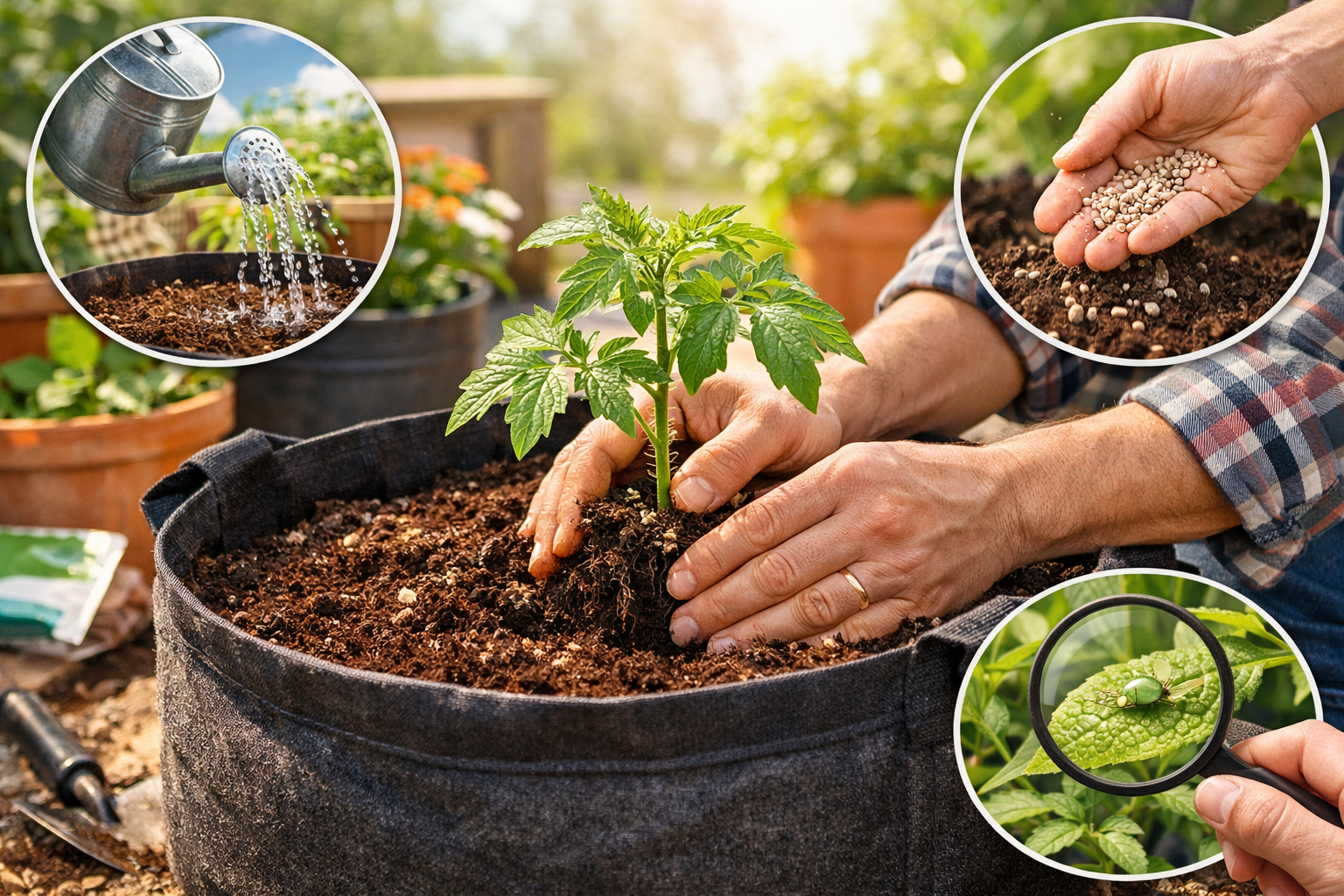
Consistent watering, appropriate fertilization, and diligent pest management are critical for a flourishing container garden. Establishing a routine for these tasks will help your plants thrive throughout the growing season.
Watering Your Container Plants
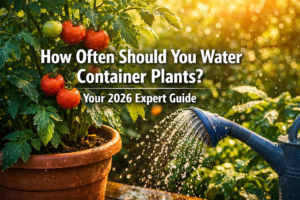
Container plants typically require more frequent watering than garden beds because their soil volume is limited and dries out faster [3].
- Daily Checks: Check your containers daily, especially during hot, dry, or windy weather. Stick your finger about an inch into the soil; if it feels dry, it’s time to water.
- Water Deeply: Water until you see water draining from the bottom holes. This ensures the entire root ball is moistened.
- Avoid Overhead Watering: Whenever possible, water the soil directly to minimize leaf wetness, which can promote fungal diseases.
- Self-Watering Containers: For beginners or busy gardeners, self-watering containers are an excellent option as they reduce the guesswork and frequency of watering [3]. They feature a reservoir at the bottom that provides a consistent water supply to the plant roots. Check out our guide on common watering mistakes in container gardening for more tips.
Fertilizing for Optimal Growth
Potting mixes typically contain some nutrients, but container plants will eventually deplete them, especially heavy feeders like vegetables.
- Initial Fertilization: As mentioned, incorporate a slow-release granular fertilizer into the potting mix at planting time [3]. This provides a steady supply of nutrients over several weeks or months.
- Regular Feeding: Depending on the plant and fertilizer type, you may need to reapply a liquid fertilizer every 2-4 weeks during the active growing season. Follow product instructions carefully to avoid over-fertilizing, which can burn roots.
- Signs of Nutrient Deficiency: Look for yellowing leaves (nitrogen deficiency), stunted growth, or poor fruit set as signs your plants need more nutrients.
Pest and Disease Management
Container gardens are often less prone to pests and diseases than in-ground gardens, but issues can still arise.
- Daily Inspection: Regularly inspect your plants for signs of pests (e.g., aphids, spider mites, slugs) or diseases (e.g., powdery mildew, leaf spots).
- Early Intervention: Addressing problems early is key.
- Pests: For small infestations, try hand-picking pests, spraying with a strong stream of water, or using insecticidal soap. Neem oil is another organic option.
- Diseases: Remove affected leaves immediately. Ensure good air circulation around plants and avoid overhead watering.
- Prevention: Healthy plants are more resistant to pests and diseases. Provide adequate sunlight, water, and nutrients. Consider companion planting to deter certain pests.
What Are the Best Plants for Container Gardening for Beginners USA?
When choosing plants for container gardening for beginners USA, focus on varieties known for their resilience, compact growth, and high yield in confined spaces. Selecting the right plants significantly impacts your success and enjoyment.
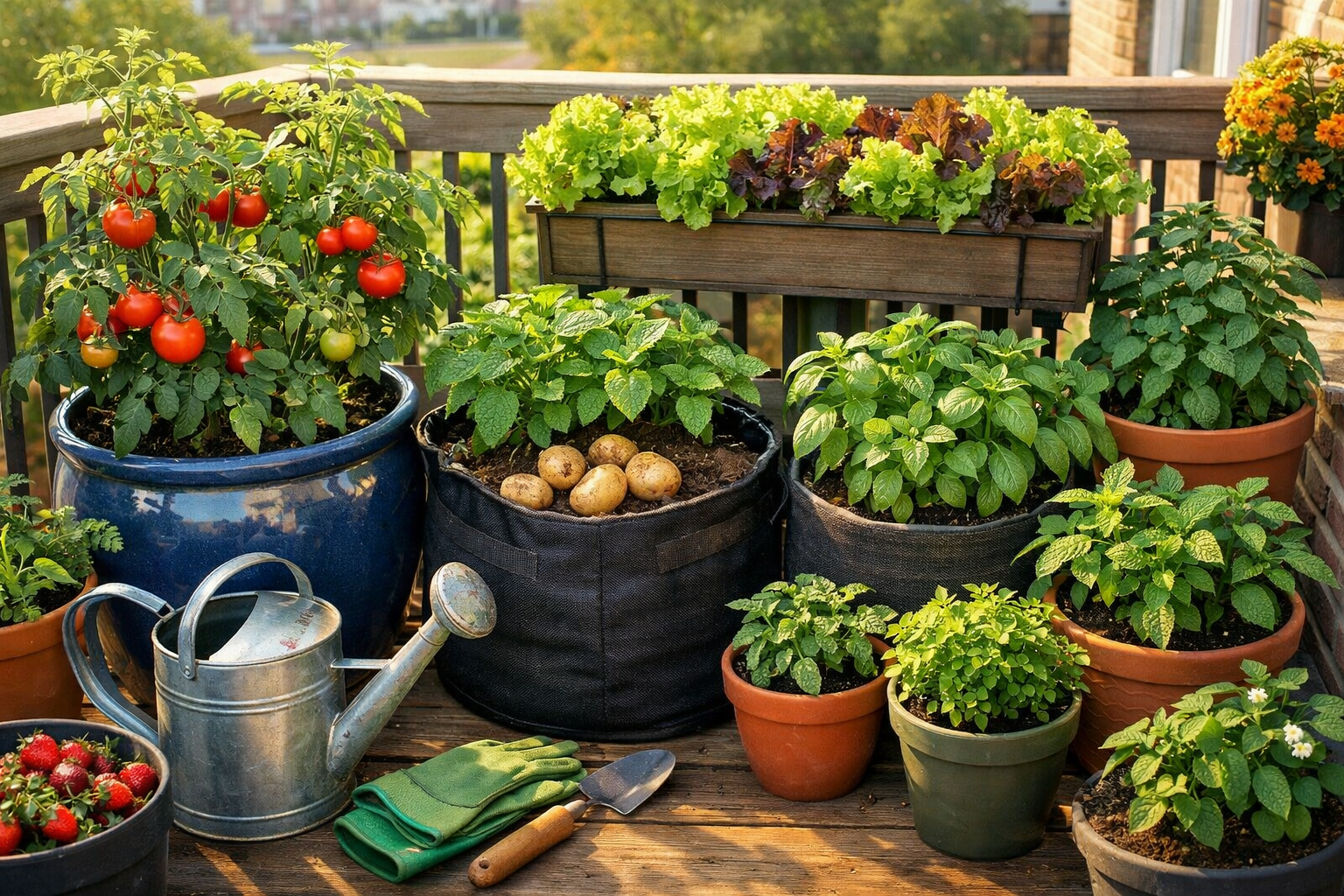
Here’s a selection of excellent choices:
Herbs:
- Basil, Mint, Parsley, Chives, Oregano: These are incredibly forgiving and thrive in small to medium-sized pots (1-2 gallons). Many herbs can be grown indoors near a sunny window if outdoor space is limited [3, 5].
- Benefit: Fresh herbs are always a delight for cooking and are easy to propagate. See our guide on indoor herb garden setup for more ideas.
Leafy Greens:
- Lettuce (loose-leaf varieties), Spinach, Arugula, Kale: These grow quickly and are perfect for shallow, wider containers (2-3 gallons). You can harvest outer leaves continuously for an extended period [3].
- Benefit: High yield for minimal effort, and you get fresh salads right from your patio.
Compact Vegetables:
- Bush Beans: Unlike pole beans, bush beans don’t require extensive trellising and produce prolifically in 3-5 gallon containers.
- Radishes: These speedy growers mature in just a few weeks and don’t need deep soil.
- Carrots (short varieties): Look for “mini” or “Paris Market” varieties that thrive in containers with at least 8-10 inches of depth.
- Bell Peppers: Compact pepper varieties do well in 5-gallon containers and offer a consistent harvest.
- Eggplant: Similar to peppers, many eggplant varieties are suitable for large containers [3].
- Zucchini (bush varieties): While known for sprawling, “bush” varieties are bred for smaller spaces and are surprisingly productive in very large containers (7-10 gallons) [3].
Fruiting Vegetables (require larger containers):
- Tomatoes (determinate/bush varieties): “Patio,” “Celebrity,” or “Roma” are excellent choices for containers (5-gallon minimum). They’ll need staking or caging for support [3, 5].
- Cucumbers (bush or vining): Bush varieties are best for containers, but vining types can also work if provided with a trellis [3]. A 5-gallon container is a good starting point.
Choosing the Right Plant for Your Space:
Consider your available sunlight first. Most vegetables need 6-8 hours of direct sun daily [3]. If you have less sun, focus on leafy greens and some herbs. For more options, explore our guide on the best vegetables for small space gardening in 2026.
Troubleshooting Common Container Gardening Issues
Even with careful planning, container gardeners may encounter a few common issues. Knowing how to diagnose and address these problems ensures your garden stays healthy and productive.
Common Problems and Solutions
| Problem | Potential Cause | Solution |
|---|---|---|
| Yellowing Leaves | Nutrient deficiency (often nitrogen), overwatering, or underwatering. | Check soil moisture. If dry, water deeply. If soggy, improve drainage. Apply balanced liquid fertilizer or slow-release granules. |
| Stunted Growth | Insufficient light, small container size, lack of nutrients, overcrowding. | Ensure 6-8 hours of sunlight. Repot to a larger container. Fertilize. Thin overcrowded seedlings [3]. |
| Wilting Plants | Underwatering (most common), overwatering (roots rotting), heat stress. | Check soil moisture. Water deeply if dry. If soil is soggy, allow to dry out slightly. Provide shade during peak heat. |
| Pests (e.g., Aphids) | Common garden visitors, attracted to new growth. | Spray with a strong stream of water. Use insecticidal soap or neem oil for persistent issues. Hand-pick larger pests [3]. |
| Poor Fruit Set | Lack of pollination, extreme temperatures, nutrient imbalance. | Hand-pollinate if necessary (for indoor plants). Provide afternoon shade in extreme heat. Ensure adequate phosphorus and potassium. |
| Leggy Seedlings | Insufficient light during seedling stage. | Provide more direct light, use grow lights if indoors. Plants stretching for light become weak. |
Tips for Success
- Observe Daily: Spend a few minutes each day observing your plants. This helps you catch issues early.
- Rotate Crops: If you reuse potting mix (which is generally not recommended year after year due to nutrient depletion and potential disease buildup), be mindful of what you planted previously.
- Mulch: A thin layer of mulch (e.g., straw, shredded leaves) on top of your potting mix can help retain moisture and regulate soil temperature.
- Protection: Move containers indoors or into a sheltered spot during extreme weather (e.g., hailstorms, severe frost).
Conclusion
Embarking on container gardening for beginners USA step by step is a gratifying endeavor, offering fresh produce and beautiful blooms even in limited spaces. By carefully selecting your containers, using the right potting mix, choosing suitable plants, and maintaining consistent care, you can enjoy a thriving garden. Remember that gardening is a continuous learning process, and every season brings new opportunities for growth and discovery. Start small, learn from your experiences, and most importantly, enjoy the journey of cultivating your own green oasis.
Actionable Next Steps:
- Assess Your Space: Determine how much sunlight your potential gardening area receives throughout the day.
- Gather Supplies: Purchase containers, a high-quality potting mix, and seeds or seedlings for your chosen beginner-friendly plants.
- Start Planting: Follow the step-by-step instructions to plant your first containers.
- Establish a Routine: Create a daily habit of checking soil moisture and observing your plants for signs of growth or issues.
- Expand Gradually: Once you feel comfortable, consider adding more plants or experimenting with new varieties.
References
[1] Welcome To The Year Of Container Gardening – https://marylandgrows.umd.edu/2026/02/04/welcome-to-the-year-of-container-gardening/
[2] Container Gardening Guide – https://www.yougrowgirl.com/resources/container-gardening-guide/
[3] Container Gardening For Beginners – https://earthbox.com/blog/container-gardening-for-beginners
[4] Container Gardening Guide – https://www.provenwinners.com/container-gardening-guide
[5] Container Gardening Basics – https://ucanr.edu/site/uc-master-gardeners-santa-clara-county/container-gardening-basics
[6] Watch – https://www.youtube.com/watch?v=_Dkz8AGRY0s
[7] Step By Step Container Garden Guide – https://news.amerihealth.com/step-by-step-container-garden-guide/