Best Containers for Growing Vegetables USA: 2026 Expert Guide
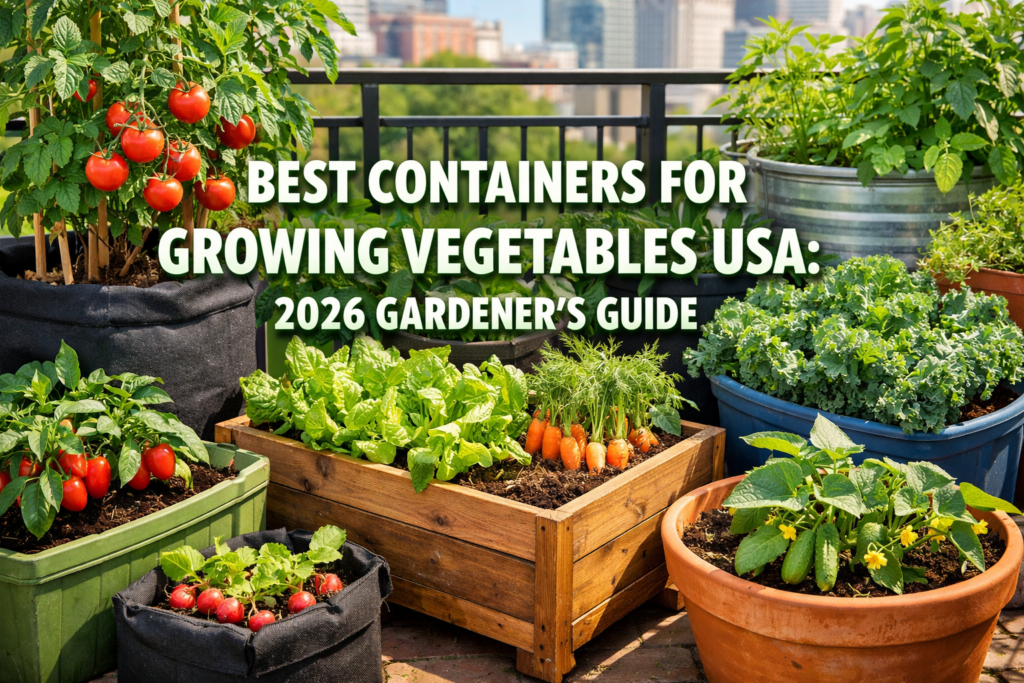
Quick Answer: The best containers for growing vegetables in the USA are typically fabric grow bags, terracotta pots, plastic pots (BPA-free), and self-watering planters, chosen based on your specific vegetable type, climate, budget, and desired maintenance level. Each material offers distinct advantages in terms of drainage, aeration, temperature regulation, and durability.
Key Takeaways
- Fabric Grow Bags are excellent for aeration and preventing root circling, promoting healthier root systems.
- Terracotta Pots provide good insulation and allow soil to breathe, but dry out quickly, requiring more frequent watering.
- Plastic Pots are lightweight, durable, and retain moisture well, making them a cost-effective choice for many gardeners.
- Self-Watering Planters reduce watering frequency, ideal for busy gardeners or hot climates.
- Container Size is crucial; match the pot depth and width to the mature size of your vegetable’s root system.
- Drainage Holes are non-negotiable for all containers to prevent root rot and ensure healthy plant growth.
- Consider Your Climate: Darker materials absorb more heat, which can be beneficial in cooler regions but detrimental in hotter ones.
- Budget and Aesthetics also play a role, with options ranging from repurposed items to decorative, expensive planters.
What Are the Top Container Materials for Growing Vegetables in the USA?
The top container materials for growing vegetables in the USA in 2026 include fabric grow bags, terracotta pots, plastic pots, and glazed ceramic pots, each offering unique benefits for different gardening needs. Understanding the properties of each material helps gardeners select the most suitable options for their plants and local climate.
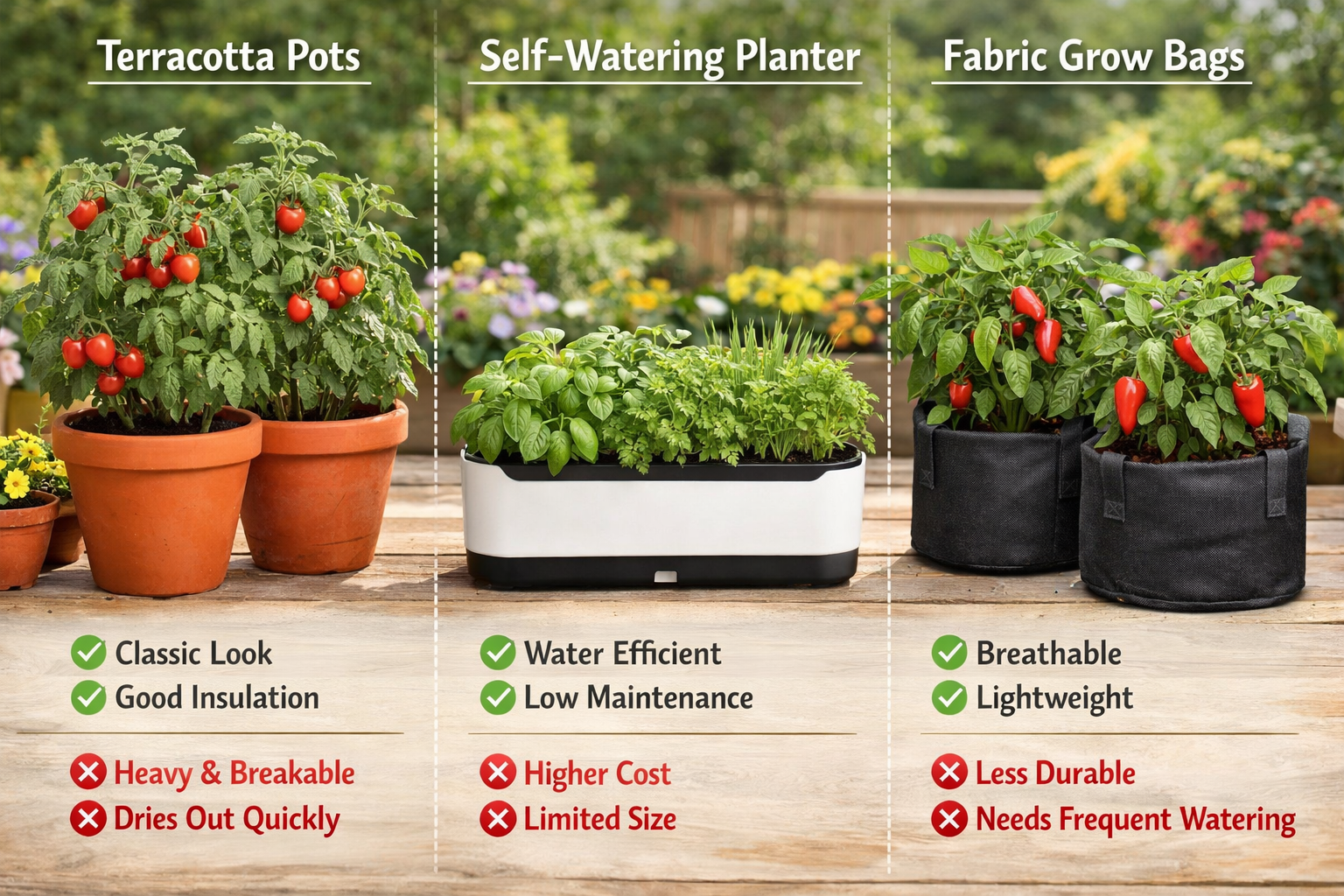
Fabric grow bags are increasingly popular due to their exceptional aeration and ability to “air-prune” roots, preventing them from circling and becoming root-bound. This leads to a healthier, more fibrous root system, which can significantly boost plant vigor and yield. They are lightweight, foldable for storage, and often made from recycled materials. However, they tend to dry out faster than plastic pots, especially in hot, sunny climates, which means you’ll need to monitor watering more frequently. For tips on how often to water, check out our guide on How Often To Water Container Vegetables In Summer 2026.
Terracotta (clay) pots are a classic choice, favored for their natural aesthetic and breathability. Their porous nature allows air and moisture to pass through the pot walls, which helps prevent overwatering and keeps the soil cooler. This can be particularly beneficial for plants that prefer drier conditions or in very humid environments. The downside is that they dry out very quickly, especially small pots, requiring diligent watering. They are also heavy and fragile, making them less ideal for frequent relocation or areas prone to strong winds.
Plastic pots, especially those made from BPA-free materials, are a practical and economical option. They are lightweight, durable, and retain moisture effectively, reducing the frequency of watering compared to terracotta or fabric. This makes them a good choice for water-intensive vegetables or gardeners with less time for daily watering. However, plastic can heat up in direct sun, potentially cooking roots, and it offers less aeration than fabric bags. Ensure any plastic container has ample drainage holes to prevent waterlogging.
Glazed ceramic pots combine aesthetic appeal with good moisture retention, as the glaze makes them less porous than terracotta. They are heavier and more expensive but can add a decorative touch to your garden. Like plastic, they can hold heat, so consider lighter colors in hot climates. [1]
Decision Rule: Choose fabric grow bags if root health and aeration are your priority, and you don’t mind more frequent watering. Opt for terracotta for breathability and classic looks if you live in a moderate climate and can water regularly. Go with plastic for durability, moisture retention, and budget-friendliness.
What Factors Determine the Ideal Container Size for Vegetables?
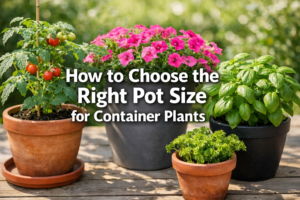
The ideal container size for vegetables is primarily determined by the specific plant’s root system, its mature size, and its water requirements. Selecting the correct pot depth and width is crucial for healthy growth, preventing plants from becoming stunted or stressed.
For most vegetables, bigger is generally better, as it provides more room for root development and a larger reservoir of soil to hold moisture and nutrients. Shallow-rooted crops like lettuce, spinach, and many herbs can thrive in containers 6-8 inches deep. However, deep-rooted vegetables such as carrots, potatoes, and tomatoes require containers at least 12-18 inches deep to allow their roots to properly develop and support robust plant growth. Our guide on Pot Size Guide For Vegetables 2026: Optimal Growth & Harvest offers specific recommendations.
Here’s a general guideline for container depths for popular vegetables:
- Small (6-8 inches deep): Leafy greens (lettuce, spinach, arugula), radishes, most herbs. These vegetables don’t require extensive root systems.
- Medium (10-12 inches deep): Bush beans, peas, Swiss chard, bell peppers, most chili varieties. These need more room than leafy greens but aren’t extremely deep-rooted.
- Large (15-18+ inches deep): Tomatoes, cucumbers, zucchini, eggplants, potatoes, sweet potatoes, carrots. These plants develop extensive root systems and benefit greatly from deeper, wider containers.
Common Mistake: A common mistake is using containers that are too small. While it might seem convenient, undersized pots restrict root growth, leading to stunted plants, lower yields, and increased watering demands. Small pots also heat up and cool down faster, causing more stress to plants. If you notice your vegetables growing slowly but not dying, container size could be a contributing factor. For more insights into slow growth, refer to Why Are My Vegetables Growing Slowly But Not Dying? 2026 Gu.
| Vegetable Type | Minimum Container Depth | Minimum Container Diameter |
|---|---|---|
| Leafy Greens | 6-8 inches | 6-10 inches |
| Radishes/Carrots | 8-12 inches | 6-8 inches |
| Bush Beans/Peas | 10-12 inches | 10-12 inches |
| Peppers/Eggplant | 12-14 inches | 12-16 inches |
| Tomatoes/Cucumbers | 18-24 inches | 16-24 inches |
| Potatoes | 15-20 inches | 15-20 inches |
Always ensure containers have adequate drainage holes at the bottom to prevent water from accumulating and causing root rot. If a pot lacks drainage, you can drill holes yourself, usually 1/2 inch to 1 inch in diameter. [2]
What are the Best Containers for Growing Vegetables USA: Practical and DIY Options?
Beyond traditional pots, many practical and DIY options serve as excellent containers for growing vegetables across the USA, making gardening accessible and sustainable for any budget. Repurposed items like plastic buckets, storage bins, and even old tires can be highly effective with proper preparation.
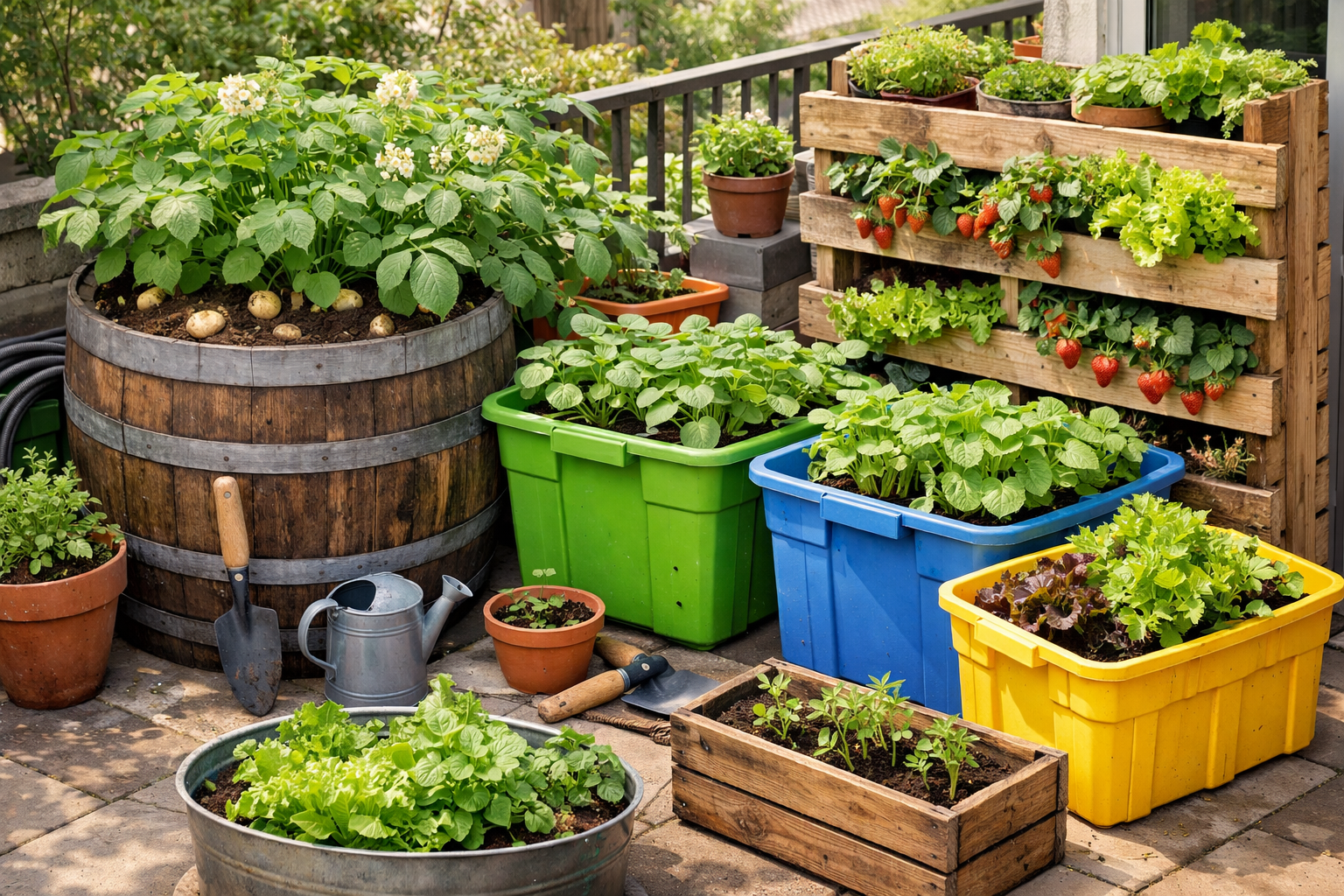
Five-gallon plastic buckets, readily available from hardware stores or often free from restaurants, are a fantastic choice for larger vegetables like tomatoes, peppers, and eggplants. They are durable, deep enough for many root systems, and easy to move. It is critical to drill several drainage holes (at least four to six 1/2-inch holes) in the bottom to prevent waterlogging. Always ensure they are clean and have not contained harmful chemicals if repurposing. [3]
Fabric grow bags are also excellent practical choices. They promote air pruning of roots, preventing plants from becoming root-bound and encouraging a healthier, more vigorous plant. They come in various sizes, from small ones suitable for herbs and leafy greens to large ones perfect for potatoes and sweet potatoes. Their flexibility allows for easy storage when not in use.
For those on a budget or looking for creative solutions, plastic storage bins can be repurposed by drilling drainage holes. These are particularly useful for creating small raised garden beds on patios or balconies. Wooden crates, half whiskey barrels, or even old tires (though be mindful of potential chemical leaching from tires) can also be adapted. When using wooden containers, consider lining them with heavy-duty plastic sheeting (punctured for drainage) to extend their life and prevent rot. You can find more DIY inspiration in our DIY Container Gardening Ideas For Small Spaces: 2026 Guide.
Edge Case: For apartment dwellers or those with very limited space, vertical garden planters or hanging baskets can maximize growing area. These are ideal for cascading plants like strawberries, small tomatoes, or herbs. Ensure hanging baskets are strong enough to support the weight of wet soil and mature plants. For those interested in maximizing small spaces, our guide on Small Balcony Vegetable Gardening: Your 2026 Urban Guide provides further details.
Optimizing Container Vegetable Growth: Beyond the Pot
Choosing the right container is just the first step in successful container vegetable gardening; factors like soil, watering, and plant selection are equally important for maximizing yields in 2026. A great container provides the foundation, but what goes into it and how it’s maintained are crucial for plant health.
For instance, using a high-quality potting mix specifically formulated for containers is non-negotiable. Garden soil from your yard is often too dense and can compact in a pot, suffocating roots and impeding drainage. A good potting mix should be light, airy, and retain moisture while still draining well. Our “Best Soil Mix For Vegetables: 2026 Guide To Thriving Garden” and “Best Soil Mix For Container Gardening (Complete Guide)” offer detailed insights into selecting the ideal medium.
Proper watering techniques are also vital, especially since container plants dry out faster than in-ground gardens. Factors like weather, container material, and plant size all influence how often you’ll need to water. Overwatering can be just as detrimental as underwatering, leading to root rot. Learning to check soil moisture effectively is a key skill for container gardeners. For advice on this, see “Common Watering Mistakes In Container Gardening: Expert Guide 2026.”
Finally, selecting the right vegetables for container growing can make a huge difference. While many vegetables can be grown in pots, some are better suited for it due to their growth habit and root system. Compact or “bush” varieties of tomatoes, cucumbers, and squash, along with most leafy greens, radishes, and herbs, thrive in containers. Avoiding excessively large or sprawling varieties will ensure your plants stay manageable and productive in their confined spaces. Our guide on “Best Vegetables For Small Space Gardening In 2026” provides excellent recommendations for suitable plant choices.
Conclusion
Selecting the best containers for growing vegetables in the USA in 2026 involves a thoughtful balance of material, size, and personal preference, always keeping the specific needs of your plants in mind. Whether you opt for the breathability of fabric grow bags, the classic charm of terracotta, the practicality of plastic, or creative DIY solutions, proper drainage and adequate size are paramount. Beyond the container itself, success hinges on using quality potting mix, establishing a consistent watering routine, and choosing vegetables well-suited for container life. By considering these factors, you can create a thriving container garden that yields fresh produce right at your fingertips, regardless of your space limitations.
Actionable Next Steps:
- Assess Your Space: Determine the amount of sunlight your gardening area receives and the available physical space.
- Choose Your Vegetables: Select vegetables suitable for container growing, keeping their mature size in mind.
- Select Containers: Based on your chosen vegetables, budget, and climate, pick appropriate containers, ensuring they have excellent drainage.
- Gather Supplies: Purchase high-quality potting mix, and any necessary tools like a small trowel or watering can.
- Start Planting: Follow best practices for planting, watering, and fertilizing to ensure a bountiful harvest.
References
[1] Best Food Storage Containers Of The Year A7678521903 – https://www.consumerreports.org/home-garden/food-storage/best-food-storage-containers-of-the-year-a7678521903/
[2] Watch – https://www.youtube.com/watch?v=SeiSd3Dnoi0
[3] Best Food Storage Containers Guide – https://lovegreatfinds.com/blogs/news/best-food-storage-containers-guide