Plants That Grow Without Sunlight
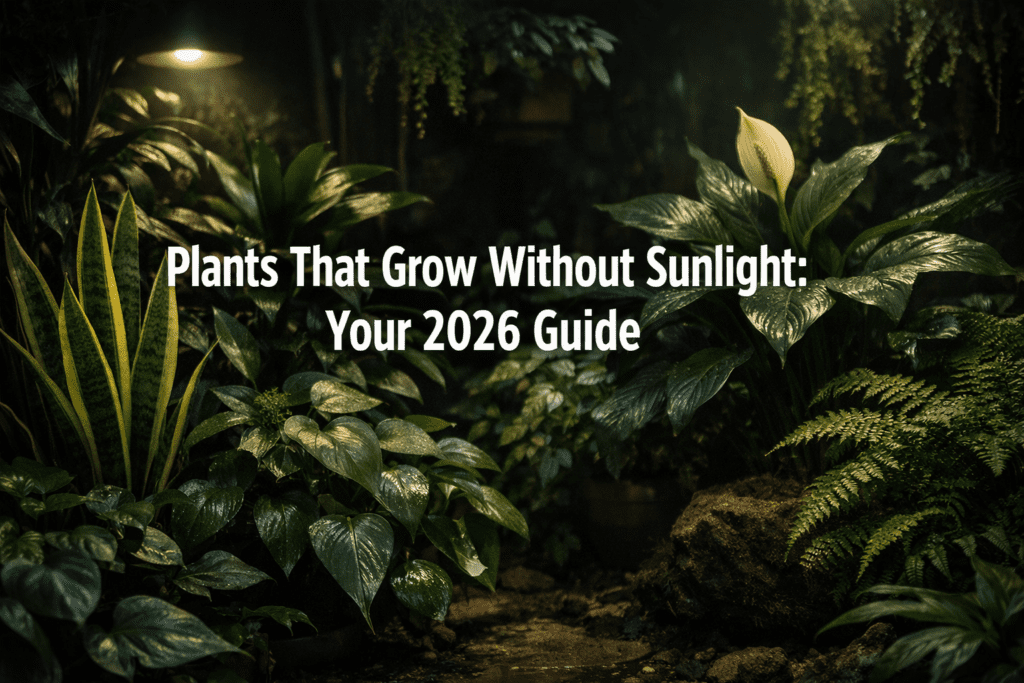
You can absolutely cultivate a vibrant indoor garden even without direct sunlight. Many plants, particularly certain houseplants, fungi, and specific types of vegetation found in deep shade or unique ecosystems, have evolved mechanisms to thrive in low-light conditions or by obtaining nutrients through alternative means, making them perfect plants that grow without sunlight. This guide will explore these fascinating options for your home or garden in 2026.
Key Takeaways
- Low-Light Tolerant Houseplants: Many popular houseplants like Snake Plant, ZZ Plant, and Pothos thrive indoors with minimal natural light.
- Fungi are Not Plants: Mushrooms and other fungi are not plants but are key examples of organisms that grow without sunlight, deriving energy from decaying matter.
- Myco-heterotrophic Plants: Certain rare plants, like Indian Pipe, lack chlorophyll and parasitize fungi to obtain nutrients, thus growing without photosynthesis.
- Deep Shade Vegetables/Herbs: Some culinary plants, such as lettuce, spinach, and mint, can tolerate and even produce in very low light conditions, making them ideal for shaded balconies.
- Artificial Light Solutions: Grow lights provide a viable alternative for indoor cultivation when natural sunlight is completely absent.
- Consider Humidity and Soil: Beyond light, proper watering, humidity, and well-draining soil are crucial for these plants.
- Balcony Gardening: Even north-facing balconies or those with significant obstructions can host a variety of shade-loving species.
What Are Plants That Grow Without Sunlight?
Plants that grow without sunlight typically refer to two main categories: organisms that do not photosynthesize at all (like fungi, which are not true plants, and myco-heterotrophic plants), and true photosynthetic plants that are exceptionally adapted to very low light conditions. These low-light tolerant plants often come from forest understories where sunlight rarely penetrates, developing large leaves to maximize what little light they receive or having lower light compensation points.
For anyone with dim indoor spaces or shaded balconies, understanding these categories is crucial for successful gardening. While fungi inherently don’t require light, certain vascular plants have specialized mechanisms to thrive in minimal or no direct sun.
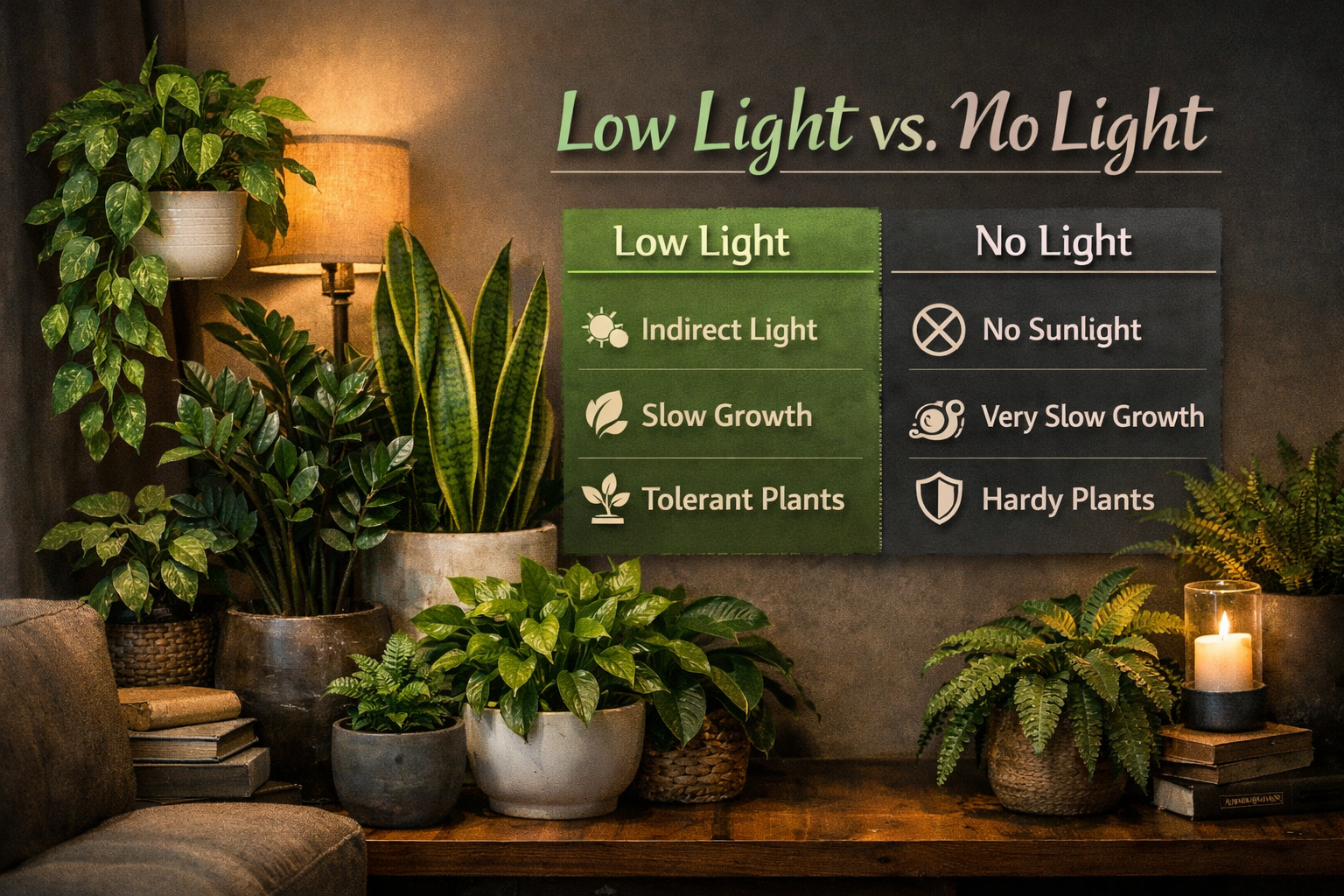
Which Houseplants Thrive in Very Low Light?
Many popular houseplants excel in conditions where natural sunlight is scarce, making them perfect plants that grow without sunlight in the traditional sense of direct exposure. These plants are often resilient, requiring minimal care beyond proper watering and occasional feeding, ideal for busy individuals or novice gardeners.
- Snake Plant (Sansevieria trifasciata): Known for its upright, sword-like leaves, the snake plant is incredibly hardy and tolerates very low light, though it will grow faster in brighter conditions. It’s also excellent for air purification.
- ZZ Plant (Zamioculcas zamiifolia): This plant features glossy, dark green leaves and is exceptionally drought-tolerant and low-light adaptable. It stores water in its thick rhizomes, making it forgiving if you forget to water it.
- Pothos (Epipremnum aureum): A versatile trailing plant, Pothos varieties can thrive in low light, producing fewer variegated leaves but still maintaining their lush green foliage. It’s easy to propagate and can be grown in hanging baskets or on shelves.
- Peace Lily (Spathiphyllum): Famous for its elegant white spathes, the Peace Lily prefers low to medium indirect light and will tell you when it needs water by drooping slightly. It also helps filter indoor air.
- Cast Iron Plant (Aspidistra elatior): As its name suggests, this plant is incredibly tough and can withstand deep shade, temperature fluctuations, and neglect. It’s perfect for truly dark corners.
- Chinese Evergreen (Aglaonema): These plants come in a variety of beautiful patterns and colors and are very forgiving of low light and inconsistent watering.
- Spider Plant (Chlorophytum comosum): Easy to grow and known for producing “spiderettes” (baby plants), spider plants do well in low to medium indirect light and are excellent air purifiers.
For optimal growth, even these low-light plants benefit from occasional rotation to ensure even exposure. Remember that “low light” doesn’t mean “no light” for most of these; they still need some ambient light to perform photosynthesis, albeit at a reduced rate. If you’re looking for easy plants to grow in small spaces, these low-light tolerant options are often a top choice.
Can Any Vegetables or Herbs Grow in Deep Shade?
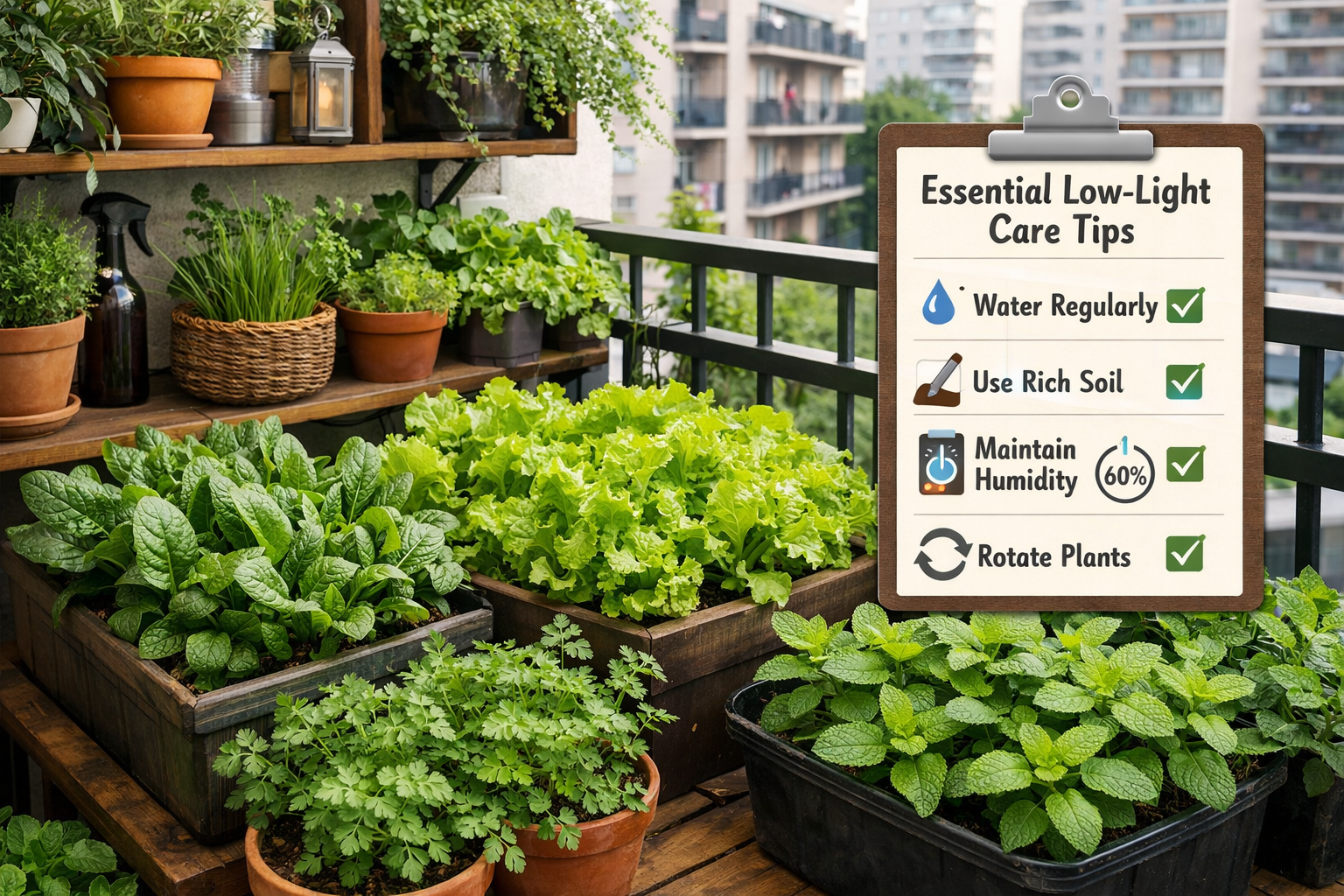
Yes, several vegetables and herbs can tolerate and even produce a respectable harvest in deep shade or areas receiving less than 3-4 hours of direct sunlight, although growth may be slower and yields smaller. These are excellent choices for north-facing balconies, heavily shaded garden beds, or indoor setups with minimal light.
Here are some top picks for plants that grow without sunlight (or with very minimal light) in a culinary context:
Leafy Greens:
- Lettuce: Many varieties, especially loose-leaf types, perform well in partial to deep shade. The cooler temperatures in shade can even prevent bolting.
- Spinach: This cool-season crop thrives in shade, which can extend its harvest period into warmer months. For tips on container growing, see our guide on growing spinach in containers.
- Swiss Chard: Its colorful stems and nutritious leaves make chard a robust choice for shaded spots.
- Kale: While it prefers more light, kale can still produce edible leaves in shade, often developing a milder flavor.
- Arugula: Grows quickly and tolerates shade, preventing it from bolting too early.
Herbs:
- Mint: A notoriously vigorous grower, mint prefers moist, shady conditions and can quickly take over a pot or bed.
- Cilantro: Like lettuce, cilantro prefers cooler temperatures and partial shade helps prevent it from bolting.
- Parsley: Both flat-leaf and curly parsley do well in partial shade, producing abundant foliage.
- Chives: These onion-flavored herbs can manage with less sun, though they’ll flower more profusely in brighter spots.
Root Vegetables (with caveats):
- Radishes: While they need some light to form bulbs, radishes can tolerate partial shade. If you notice radishes growing leaves but no bulbs, light might be a factor.
- Carrots: Shaded carrots will grow slower and produce smaller roots, but they can still be harvested.
Decision Rule: Choose leafy greens and herbs for truly deep shade. For root vegetables, aim for at least 3-4 hours of indirect light if possible.
Common Mistake: Expecting the same yield and growth rate from shade-grown plants as sun-grown ones. Growth will be slower, and yields will be reduced, but still rewarding. For more general advice on vegetables that grow in shade, our comprehensive guide offers additional insights for 2026.
What About Fungi and Myco-heterotrophic Plants?
When we talk about organisms that truly grow without sunlight, fungi are the prime example, as they are not plants and do not perform photosynthesis. Beyond fungi, there are fascinating plants that grow without sunlight through a parasitic relationship with fungi, known as myco-heterotrophs.
Fungi: Nature’s Decomposers
Fungi, including mushrooms, molds, and yeasts, derive their energy from decomposing organic matter rather than sunlight. They possess no chlorophyll and are therefore heterotrophic, meaning they consume food rather than produce it. This allows them to thrive in dark, damp environments like forest floors, caves, and even inside homes. While not typically grown for ornamental purposes like houseplants, understanding fungi highlights a major group of organisms that completely bypass the need for sunlight.
Myco-heterotrophic Plants: The Ultimate Shade Dwellers
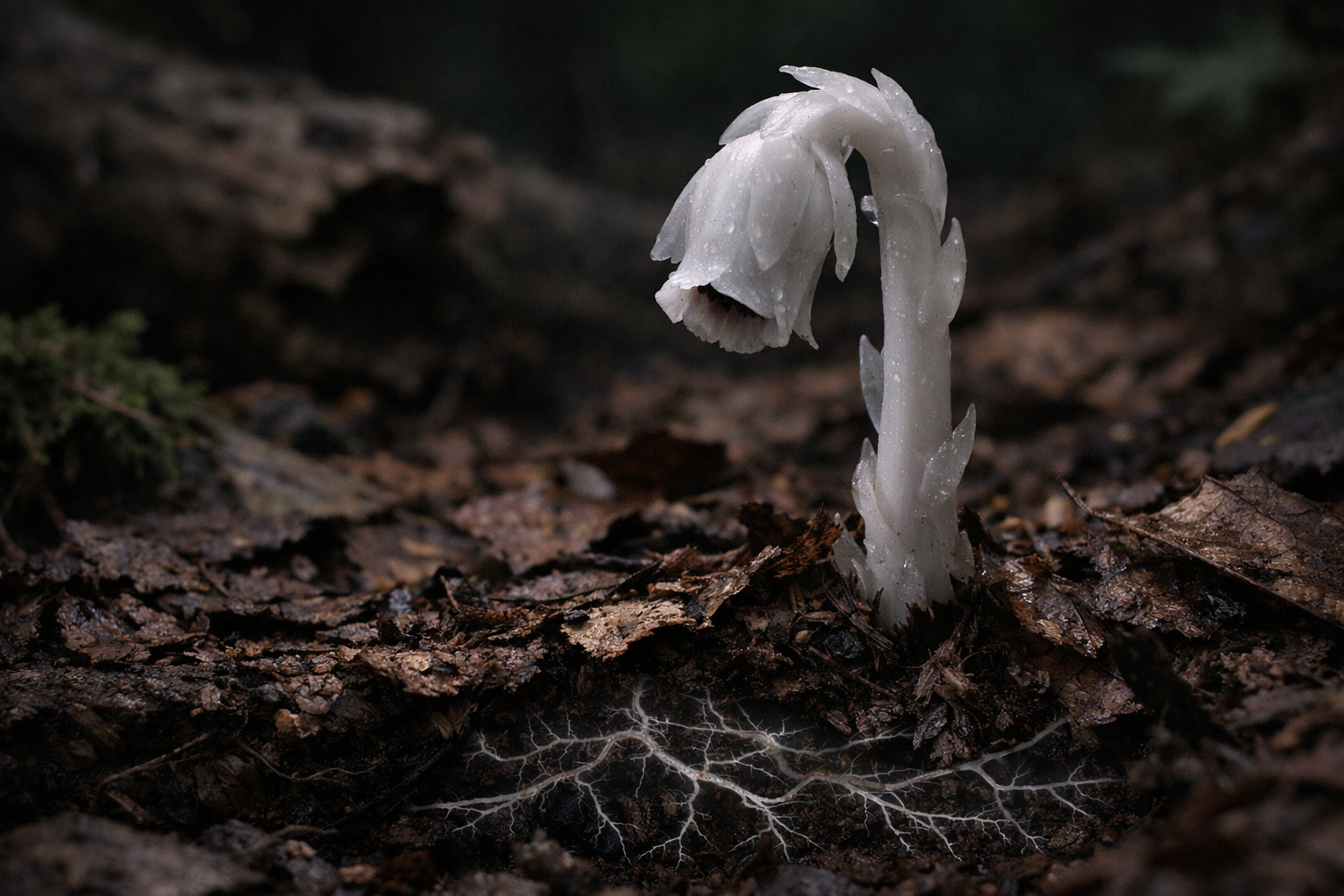
Myco-heterotrophic plants are a unique group of plants that have lost the ability to photosynthesize or have significantly reduced it. Instead, they obtain all or part of their nutrition from fungi that are, in turn, associated with other photosynthetic plants (trees, for example). This makes them indirect parasites, as they indirectly steal nutrients from trees via the fungal network. These plants are true plants that grow without sunlight because they lack chlorophyll and do not perform photosynthesis themselves.
- Indian Pipe (Monotropa uniflora): Also known as Ghost Plant, this striking white, waxy plant lacks chlorophyll entirely. It lives in symbiotic relationship with mycorrhizal fungi that connect to tree roots, effectively drawing nutrients from the trees through the fungi. It typically grows in very dark, rich forest undergrowth.
- Orchids: While many orchids are photosynthetic, a significant number of orchid species, especially during their germination and early growth stages, are myco-heterotrophic. Some fully myco-heterotrophic orchids exist throughout their lifecycle, living entirely underground or in deep shade, such as the Coralroot orchid (Corallorhiza).
These plants are generally not cultivated by home gardeners due to their complex and specific environmental needs, including the presence of particular fungi and host plants. However, they serve as a powerful example of nature’s ingenuity in adapting to environments devoid of light.
How to Cultivate Plants in Sunless Indoor Spaces
Cultivating plants that grow without sunlight in truly sunless indoor spaces requires understanding their specific needs and, for most photosynthetic species, providing an alternative light source. This is particularly relevant for urban dwellers with limited natural light or those aiming to create green spaces in basements or windowless rooms.
1. Choose the Right Plants
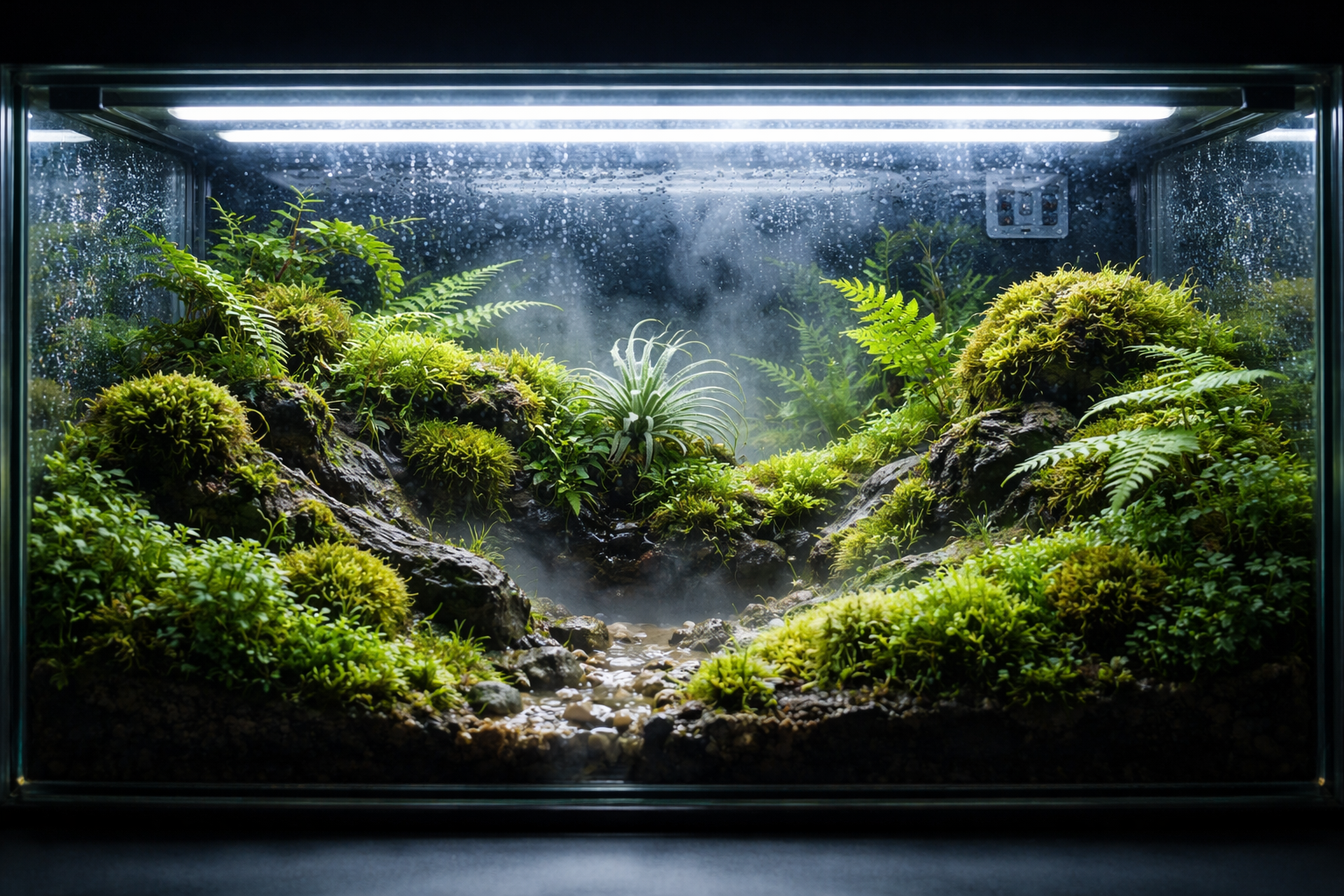
- Focus on the extremely low-light tolerant varieties: As discussed, Snake Plants, ZZ Plants, and Cast Iron Plants are ideal. Even some ferns (like Boston Ferns) and mosses can thrive with very little light.
- Consider humidity requirements: Many low-light plants originate from humid forest environments. Grouping plants, using pebble trays, or a humidifier can help maintain adequate humidity.
2. Provide Supplemental Lighting
For any plant that does photosynthesize, even minimally, if there’s truly no natural light, you’ll need artificial grow lights.
- LED Grow Lights: These are energy-efficient and come in various spectrums. Full-spectrum LEDs are best for most plants, mimicking natural sunlight.
- Placement and Duration: Position lights 6-12 inches above foliage for optimal absorption. Most low-light plants will do well with 10-12 hours of grow light per day.
- Timer Use: A simple timer ensures consistency, which is beneficial for plant health.
3. Master Watering and Fertilizing
- Less Light, Less Water: Plants in low-light conditions transpire and grow slower, meaning they need significantly less water than those in bright light. Overwatering is the most common killer of indoor plants. Always check the soil moisture before watering. Our guide on how often should you water plants can help.
- Reduced Fertilization: Similarly, plants growing slowly in low light require less fertilizer. Fertilize sparingly, perhaps once every 2-4 months during the growing season (spring and summer), using a diluted general-purpose liquid fertilizer. Best fertilizers for small gardens will give you more options.
4. Ensure Good Air Circulation
Stagnant air can lead to fungal issues, especially in humid, low-light environments. A gentle fan can help improve air circulation without drying out the plants too much.
5. Proper Potting Medium
Use a well-draining potting mix. For plants like Snake Plants and ZZ Plants, a mix that drains quickly (perhaps with added perlite or bark) is crucial to prevent root rot.
Example Scenario:
Imagine you have a windowless bathroom you want to green up. You could install a small LED grow light above a shelf and fill it with a combination of a Snake Plant, a ZZ Plant, and a few varieties of Pothos. The humidity from showers would naturally benefit these plants, and the grow light would provide the necessary “sunlight.” Remember that beginner’s guide to plant care 2026 has fundamental tips that apply to all indoor plants, regardless of light.
By carefully selecting your plants and providing supplemental light and appropriate care, you can successfully cultivate a thriving indoor garden, proving that a lack of natural sunlight doesn’t mean a lack of greenery.
Conclusion
The idea of “plants that grow without sunlight” might seem counterintuitive at first glance, but as we’ve explored, the plant kingdom offers a diverse array of species and adaptations that defy this perceived necessity. From the robust resilience of popular houseplants like Snake Plants and ZZ Plants that tolerate extremely low light, to culinary herbs and vegetables that flourish in deep shade, and even the fascinating myco-heterotrophic plants and fungi that forgo photosynthesis entirely, opportunities for greenery abound even in the dimmest environments.
In 2026, creating vibrant indoor spaces or productive shaded gardens is more accessible than ever. By selecting the right species, understanding their unique light and care requirements, and leveraging modern solutions like LED grow lights, you can transform sun-deprived areas into lush, thriving oases. Don’t let a lack of sunshine deter your gardening aspirations; embrace the world of shade-loving and light-independent organisms to cultivate your own unique green sanctuary.
Related Reading
- Balcony Gardening Without Sunlight: Shade Plants & Tips 2026
- Best Low Maintenance Plants 2026: Easy Care Guide
- Growing Herbs Indoors: Your Essential 2026 Home Garden Guide
FAQ
Q1: What are true plants that can grow with no light at all?
A1: No true photosynthetic plant can grow with absolutely no light, as photosynthesis requires light. However, myco-heterotrophic plants, like Indian Pipe, obtain nutrients from fungi rather than light. Fungi themselves, like mushrooms, also grow without sunlight as they are not plants and feed on decaying matter.
Q2: Can I grow any vegetables indoors without a window?
A2: Yes, you can grow leafy greens and some herbs indoors without a window if you provide sufficient artificial grow light. While they won’t get natural sunlight, the grow light serves as a complete substitute.
Q3: What is the easiest houseplant for a dark room?
A3: The ZZ Plant (Zamioculcas zamiifolia) and Snake Plant (Sansevieria trifasciata) are generally considered the easiest houseplants for truly dark rooms due to their extreme tolerance for low light and infrequent watering.
Q4: Do low-light plants need special soil?
A4: Most low-light plants benefit from a well-draining potting mix that prevents root rot, which is more common when plants receive less light and thus require less water.
Q5: How often should I water plants in low-light conditions?
A5: Plants in low light need significantly less water than those in bright light. Water only when the top few inches of soil are dry to the touch, often much less frequently than suggested for plants in brighter conditions.
Q6: Can I use regular LED lights instead of grow lights for plants?
A6: Regular LED lights might provide some ambient light, but they often lack the full spectrum and intensity required for consistent plant growth. Full-spectrum LED grow lights are specifically designed to provide the necessary wavelengths for photosynthesis.
Q7: What are myco-heterotrophic plants?
A7: Myco-heterotrophic plants are non-photosynthetic plants that derive all or part of their carbon from fungi that are, in turn, associated with photosynthetic plants. They are essentially parasites on fungal networks.
Q8: Will plants grow faster with more light, even if they are low-light tolerant?
A8: Generally, yes. Even low-light tolerant plants will often exhibit faster growth, more vibrant colors, and increased production (for edible varieties) when given more indirect light, though direct intense sunlight can still scorch them.
Q9: Are air plants considered plants that grow without sunlight?
A9: Air plants (Tillandsia) require bright, indirect light, not direct sunlight. They do not truly grow without sunlight, but they are often perceived as low-maintenance due to their lack of soil and ability to absorb nutrients from the air.
Q10: How do I tell if my plant isn’t getting enough light?
A10: Signs of insufficient light include stunted growth, leggy stems (stretching towards a light source), pale or yellowing leaves, and a lack of new foliage or flowers.
Sources
- University of Illinois Extension. (n.d.). Houseplant Care: Light.
- The Royal Horticultural Society. (n.d.). Growing Vegetables in Shade.
- National Park Service. (n.d.). Ghost Plant (Indian Pipe).