How often to fertilize indoor plants: beginner’s schedule
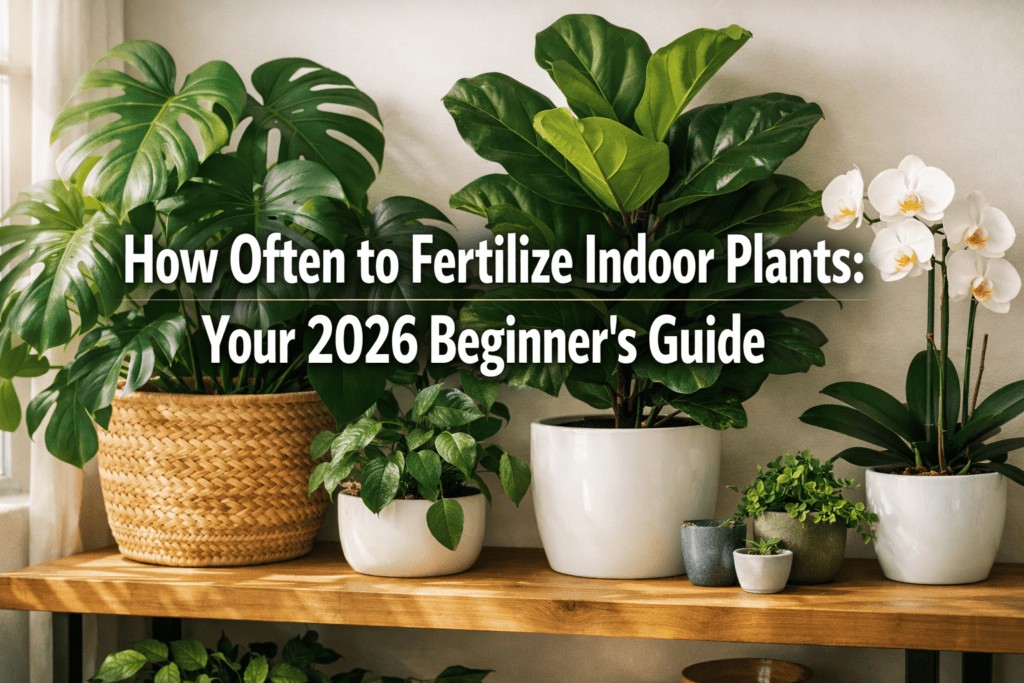
Quick Answer: For most indoor plants, fertilizing every 2-4 weeks during their active growing season (typically spring and summer) is a good starting point for beginners. During fall and winter, when plants enter a period of dormancy, fertilization should be significantly reduced or stopped entirely to prevent over-fertilization and nutrient burn.
Key Takeaways:
- Most indoor plants need fertilizer primarily during their active growth phase (spring and summer).
- A general beginner’s schedule is every 2-4 weeks when actively growing, and rarely or never during dormancy.
- Always dilute liquid fertilizers to half or quarter strength for indoor plants to avoid chemical burn.
- Signs of nutrient deficiency include stunted growth and pale leaves, while burnt leaf tips indicate over-fertilization.
- Newly potted or recently repotted plants generally do not need fertilizer for 2-3 months.
- Adjust your schedule based on the plant’s specific needs, growth rate, and signs it shows.
- Over-fertilization is more common and more damaging than under-fertilization for houseplants.
- Consider using slow-release fertilizers for a more hands-off approach, reapplying every 3-6 months.
When Do Indoor Plants Need Fertilizer Most?
Indoor plants primarily need fertilizer during their active growth period, which typically spans spring and summer. This is when they are actively producing new leaves, stems, and sometimes flowers, requiring a steady supply of nutrients to fuel this development.
During these warmer months, increased light levels and often warmer temperatures signal to plants that it’s time to grow. The potting mix, while initially providing nutrients, quickly depletes as the plant utilizes them. Supplementing with fertilizer replenishes these essential elements, ensuring vigorous and healthy growth. Ignoring this crucial period can lead to stunted development and weak plants. For a comprehensive overview of general houseplant care, explore our Indoor Plant Care Guide 2026.
Understanding the Active Growing Season
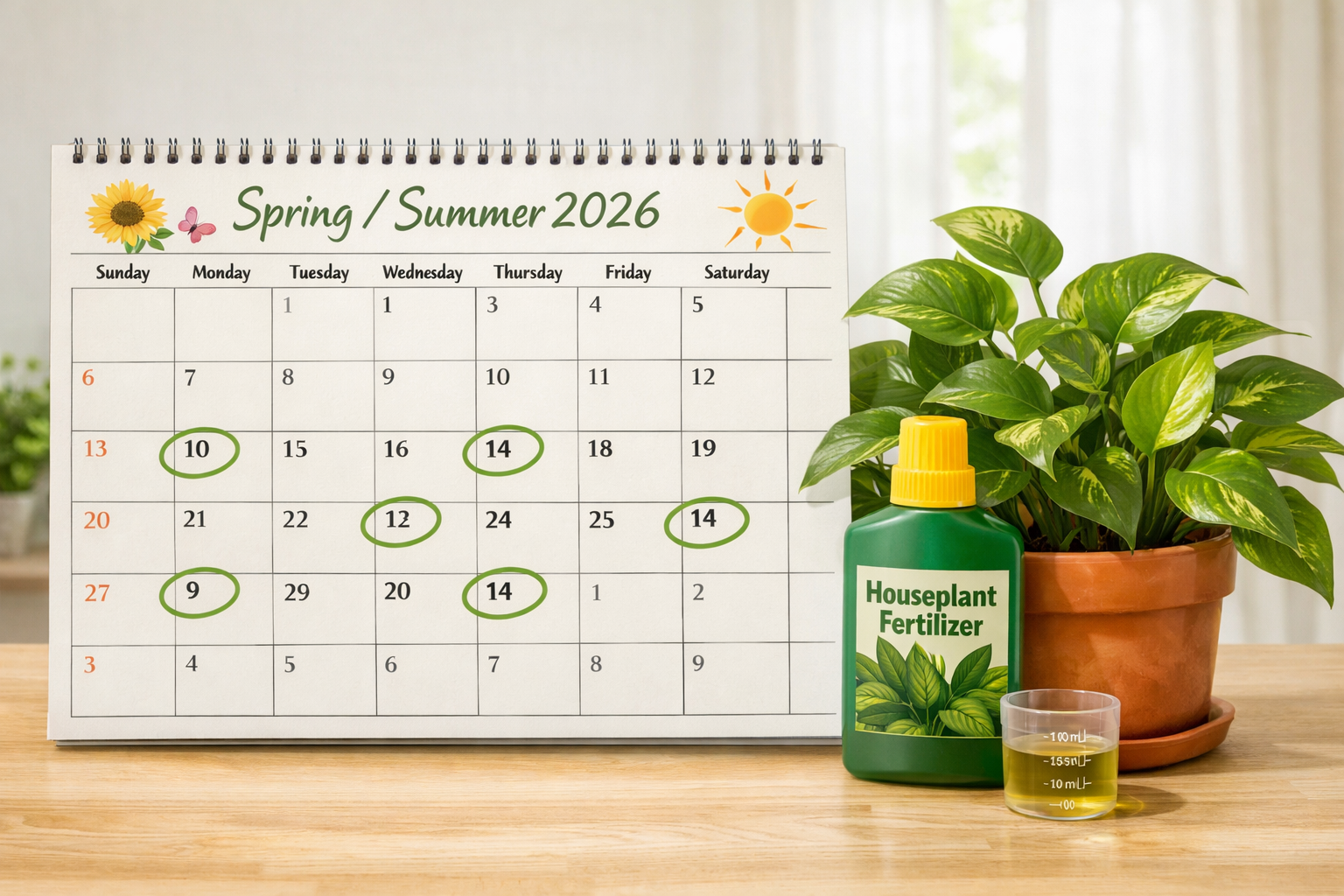
The active growing season for most indoor plants aligns with the natural outdoor growing season:
- Spring (March-May): As days lengthen and light intensity increases, plants “wake up.” This is the ideal time to begin your fertilizing routine.
- Summer (June-August): Peak growth occurs during these months, and plants will benefit most from consistent feeding.
- Fall (September-November): Growth typically slows down. You should gradually reduce the frequency and strength of your fertilizer.
- Winter (December-February): Most plants enter a dormant or semi-dormant phase due to lower light and cooler temperatures. Fertilization should cease or be extremely rare during this period.
Decision Rule: If your plant is actively pushing out new leaves, growing taller, or preparing to flower, it’s likely in its active growing phase and could benefit from fertilizer. If growth has paused or slowed significantly, hold back.
How Often to Fertilize Indoor Plants: Beginner’s Schedule for 2026
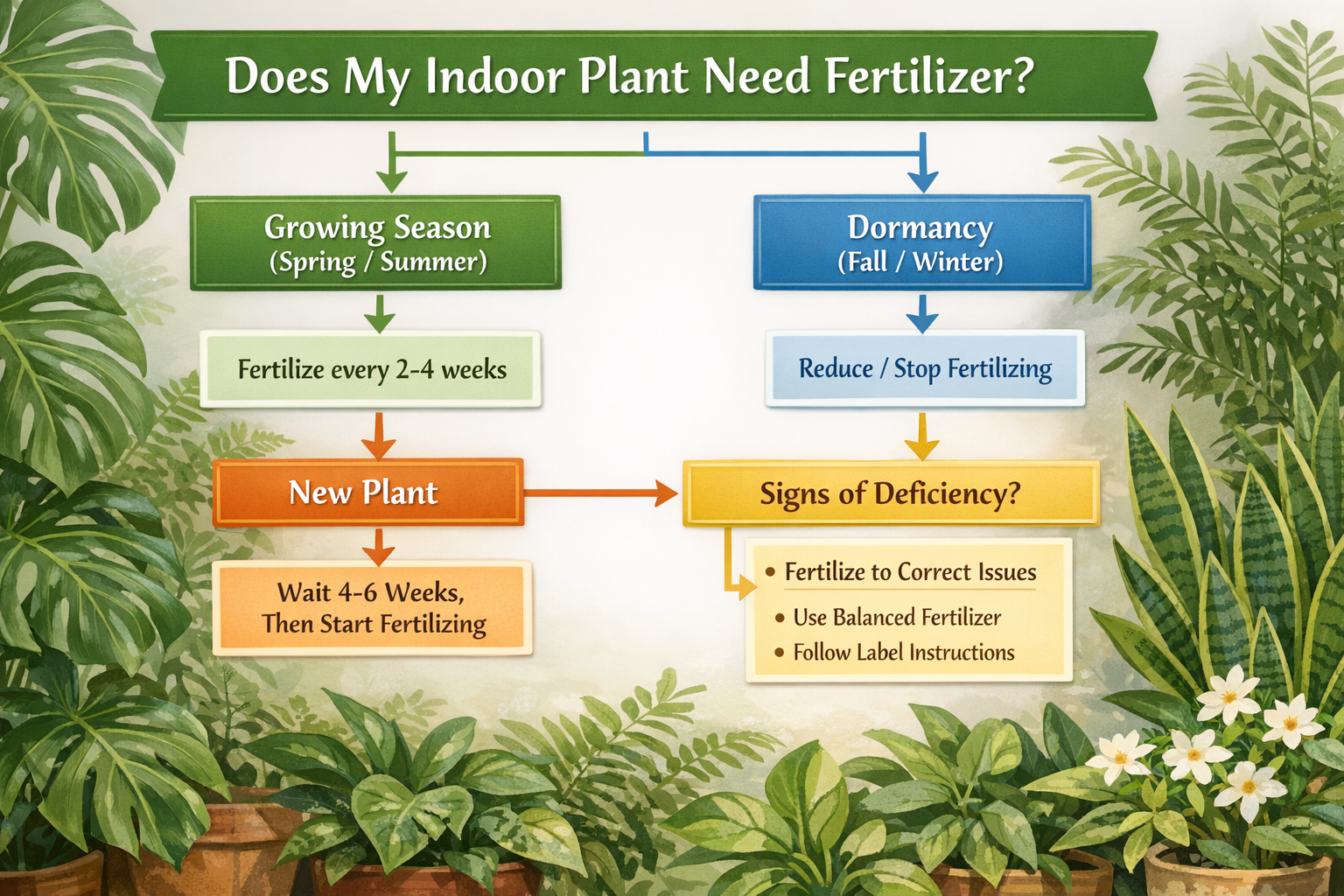
For beginners, a simple schedule of fertilizing indoor plants every 2-4 weeks during their active growing season (spring and summer) is highly effective. This frequency balances providing enough nutrients without overwhelming the plant.
This approach prevents the common beginner mistake of either over-fertilizing, which can cause chemical burn, or under-fertilizing, which leads to nutrient deficiencies. It’s a forgiving schedule that allows plants to thrive with consistent, albeit diluted, nutrient boosts. Different plants might have slightly varied needs, but this general guideline works well for a wide range of common houseplants. For example, beginner-friendly plants often respond well to this standard regimen.
Step-by-Step Beginner’s Fertilization Schedule
- Identify the Growing Season: Start your fertilizing routine in early spring (March/April in the Northern Hemisphere) and continue through late summer (August/September).
- Choose the Right Fertilizer:
- Liquid All-Purpose Houseplant Fertilizer: This is often the easiest for beginners. Look for a balanced N-P-K ratio (e.g., 2-2-2 or 5-5-5) or one slightly higher in nitrogen for foliage plants (e.g., 3-1-2).
- Slow-Release Granules: These are applied less frequently (every 3-6 months) and are great for busy plant parents. Mix them into the top layer of soil.
- Organic Options: Worm castings or compost tea can also be used, typically monthly, offering a gentler nutrient release.
- Dilute Correctly (Crucial for Liquid Fertilizers): Always dilute liquid fertilizers to at least half, or even a quarter, of the strength recommended on the product label for indoor plants. This prevents nutrient burn, which is a common issue.
- Application Frequency:
- Active Growers (Spring & Summer): Fertilize every 2-4 weeks with diluted liquid fertilizer.
- Slow Growers/Dormant Plants (Fall & Winter): Reduce frequency to once every 1-2 months or stop entirely. Some plants, like succulents, may need even less.
- Water Before Fertilizing: Always water your plant thoroughly before applying liquid fertilizer. Applying fertilizer to dry soil can shock the roots and cause burn. This is a critical tip, similar to how one might approach watering vegetables correctly.
- Observe Your Plant: Pay attention to how your plant responds. If leaves start to yellow, brown at the tips, or show stunted growth, adjust your schedule or strength.
Common Mistake: Fertilizing a plant immediately after repotting. Fresh potting soil usually contains enough nutrients for 2-3 months, so hold off on adding more fertilizer during this period.
Recognizing Signs of Nutrient Imbalance
Understanding how to read your plant’s signals is key to successful fertilization. Both too much and too little fertilizer can cause stress and visible symptoms. Learning these signs will help you adjust your “how often to fertilize indoor plants: beginner’s schedule” effectively.
By paying close attention to leaf color, growth patterns, and overall vigor, you can fine-tune your approach and keep your indoor garden thriving. This proactive observation is a core principle in all indoor gardening tips.
Signs of Under-Fertilization (Nutrient Deficiency)
When your plant isn’t getting enough nutrients, it can’t support healthy growth. Look for:
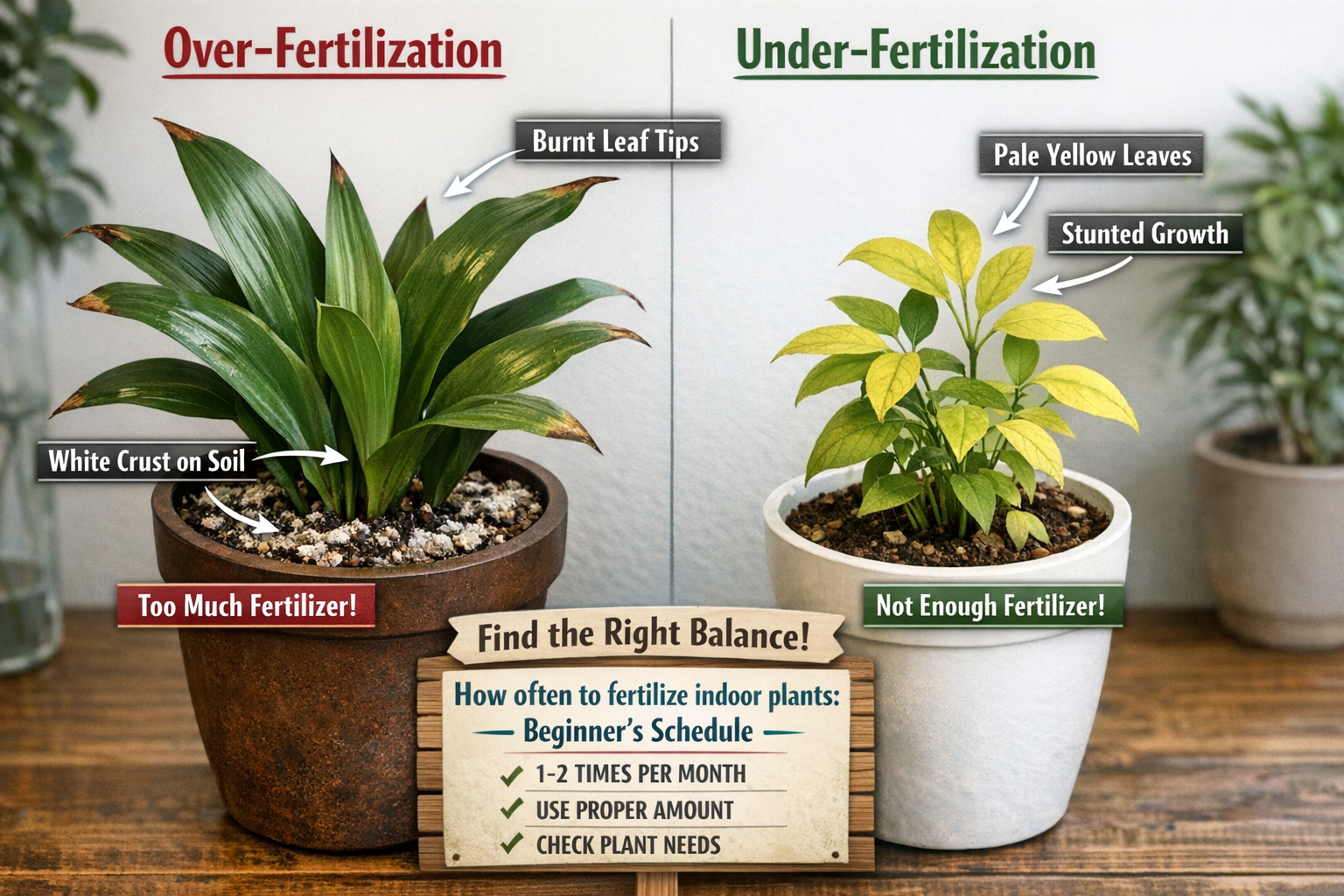
- Stunted Growth: The plant isn’t growing new leaves, or existing leaves are much smaller than usual.
- Pale or Yellowing Leaves (Chlorosis): Especially older leaves may turn pale green or yellow, starting from the edges or between the veins. This is often a sign of nitrogen deficiency.
- Weak Stems: Stems might be thin, leggy, or unable to support the plant’s structure.
- Lack of Flowering: If a flowering plant isn’t producing buds or its flowers are small and short-lived, it could be a sign of phosphorus or potassium deficiency.
- Overall Lack of Vigor: The plant simply looks unwell, lacking its usual vibrant appearance.
Signs of Over-Fertilization (Nutrient Burn)
Over-fertilization is often more damaging than under-fertilization and is a common pitfall for beginners.
- Burnt Leaf Tips or Edges: The most classic sign, where leaf tips or margins turn brown or black and become crispy.
- Yellowing and Dropping Leaves: Similar to under-fertilization, but often more widespread and rapid, particularly on lower leaves.
- Stunted Growth: Paradoxically, too much fertilizer can also hinder growth as the roots struggle to absorb water.
- White Crust on Soil Surface: A visible accumulation of fertilizer salts on the top layer of the potting mix or around the drainage holes.
- Wilting, Even When Watered: The excess salts can draw water out of the plant roots, making it appear thirsty even if the soil is moist.
- Root Damage: In severe cases, roots can burn and rot, leading to irreversible plant decline.
What to Do If You Over-Fertilize
If you suspect over-fertilization:
- Flush the Soil: Take the plant to a sink or shower and thoroughly flush the potting mix with plenty of clean, lukewarm water. Allow water to drain completely from the bottom. Repeat this 2-3 times over several hours to wash out excess salts.
- Hold Off on Fertilizing: Do not fertilize again for at least 2-3 months.
- Monitor: Keep a close eye on your plant for new growth and recovery.
Specific Plant Needs & Variations
While a general “how often to fertilize indoor plants: beginner’s schedule” is helpful, remember that individual plant species have unique requirements. Understanding these nuances can lead to even healthier, happier plants.
For instance, a fast-growing peace lily will have different demands than a slow-growing cactus. Tailoring your approach based on plant type ensures optimal care.
Fast Growers vs. Slow Growers
- Fast-Growing Plants: Species like Pothos, Philodendrons, Tradescantias, and many ferns consume nutrients quickly. These may benefit from being fertilized closer to the 2-week mark during their active season.
- Slow-Growing Plants: Succulents, cacti, Snake Plants, and ZZ Plants have lower nutrient demands. They might only need fertilizing once a month or every 6-8 weeks during their growing period, and some can go without fertilizer for a year or more.
- Flowering Plants: Plants like African Violets, Orchids, and Peace Lilies often benefit from fertilizers with a higher phosphorus content during their blooming cycles to encourage more flowers.
Specialized Plant Fertilizers
While an all-purpose houseplant fertilizer works for most, some plants thrive with specialized formulations:
- Orchid Fertilizer: Often lower in nitrogen and higher in phosphorus and potassium.
- Cactus/Succulent Fertilizer: Very diluted, low-nitrogen formulas.
- Acid-Loving Plant Fertilizer: For plants like Gardenias or Azaleas, if grown indoors, requiring a lower pH.
Table: General Fertilizing Guidelines by Plant Type
| Plant Type | Active Growing Season (Spring/Summer) | Dormancy (Fall/Winter) | Fertilizer Type Recommendation |
|---|---|---|---|
| Foliage Plants | Every 2-4 weeks (diluted) | Rarely or never | Balanced all-purpose (e.g., 2-2-2) or slightly higher Nitrogen (3-1-2) |
| Flowering Plants | Every 2-4 weeks (diluted) | Rarely or never (after bloom) | Higher Phosphorus (e.g., 1-2-1) to encourage blooms |
| Cacti & Succulents | Every 4-8 weeks (very diluted) | Never | Low-nitrogen, specialized cactus/succulent fertilizer |
| Orchids | Every 1-2 weeks (very diluted) | Every 2-4 weeks (very diluted) | Specialized orchid fertilizer |
| Newly Potted/Repotted | Wait 2-3 months | Wait 2-3 months | No immediate fertilization needed |
Best Practices for Fertilizing Indoor Plants
Beyond the schedule, how you fertilize is just as important as how often. Adhering to best practices ensures efficient nutrient uptake and prevents common problems.
These tips will help integrate fertilization smoothly into your overall indoor watering guide and plant care routine.
Watering Before Fertilizing
Always water your plant thoroughly until water drains from the bottom of the pot before applying liquid fertilizer. This saturates the soil, protecting the roots from chemical burn and allowing for more even distribution of the nutrients. Applying fertilizer to dry soil can concentrate salts around the roots, causing damage.
Dilution is Key
As mentioned, always dilute liquid fertilizers, usually to half or quarter strength, especially for indoor plants which are more sensitive than outdoor garden plants. “Weakly, weekly” is a common mantra for indoor plant enthusiasts, meaning using a very diluted solution more frequently can be safer than strong doses less often.
Observe Drainage and Potting Medium
Good drainage is crucial. If your plant is sitting in soggy soil, adding fertilizer can exacerbate issues like root rot. Ensure your pots have drainage holes and that your best soil for indoor plants is well-draining. Fertilizers work best when the root system is healthy and able to absorb nutrients.
Avoiding Over-Fertilization
Over-fertilization is a more frequent and damaging problem than under-fertilization for indoor plants. When in doubt, err on the side of caution. It’s easier to add more fertilizer later than to reverse the effects of too much. Remember, plants can store nutrients, so they don’t always need a constant, heavy supply.
Alternative Feeding Methods
- Slow-Release Fertilizers: Granules or spikes that slowly release nutrients over 3-6 months. Great for a hands-off approach.
- Foliar Feeding: Some plants can absorb nutrients through their leaves. Use a very dilute liquid fertilizer sprayed directly onto the foliage. This is often a supplemental method, not a replacement for root feeding.
- Organic Amendments: Worm castings, compost, or compost tea can provide a gentle, slow-release of nutrients and improve soil health. Mix a thin layer of worm castings into the top inch of soil every few months.
Troubleshooting Common Fertilizing Mistakes
Even with a beginner’s schedule, issues can arise. Knowing how to identify and correct common fertilizing mistakes will save your plants and reduce frustration.
Understanding these pitfalls is essential for anyone starting their indoor gardening journey, much like avoiding general indoor gardening mistakes.
Mistake 1: Fertilizing Dormant Plants
Problem: Applying fertilizer when a plant is dormant (usually fall/winter) forces it to try and grow when conditions aren’t ideal, or it simply can’t use the nutrients. This leads to salt buildup and root burn.
Solution: Always check if your plant is in its active growth phase. If temperatures are lower and light levels are reduced, assume dormancy and significantly cut back or stop fertilizing.
Mistake 2: Not Diluting Liquid Fertilizers
Problem: Using liquid fertilizers at full strength, as recommended for outdoor plants, is a common cause of chemical burn in sensitive indoor plants. The concentrated salts shock the roots.
Solution: For indoor plants, always dilute liquid fertilizers to at least half, or even a quarter, of the recommended strength. A common approach is “weakly, weekly” (a very dilute solution applied more frequently) or “weakly, bi-weekly.”
Mistake 3: Fertilizing Dry Soil
Problem: Applying fertilizer to dry soil concentrates the nutrient salts directly onto the thirsty roots, leading to immediate burn and damage.
Solution: Always water your plant thoroughly until water drains from the bottom of the pot before applying any liquid fertilizer. This ensures the soil is moist and the nutrients are distributed more evenly.
Mistake 4: Ignoring Plant-Specific Needs
Problem: Treating all indoor plants the same, regardless of whether they are fast-growing foliage plants, slow-growing succulents, or heavy-feeding flowering varieties.
Solution: Research the specific needs of each plant in your collection. A succulent, for example, needs far less fertilizer than a Fiddle Leaf Fig. Adjust your general “how often to fertilize indoor plants: beginner’s schedule” based on the plant’s individual requirements.
Mistake 5: Not Flushing the Potting Mix
Problem: Over time, fertilizer salts can accumulate in the potting mix, leading to a visible white crust and toxicity for the plant roots, even if you are diligent about dilution.
Solution: Periodically (e.g., once every 3-4 months, or if you see salt buildup), flush your plant’s soil with plain water. Let lukewarm water run through the pot for several minutes, allowing it to drain completely. This washes away excess salts.
Conclusion
Mastering how often to fertilize indoor plants: beginner’s schedule is a fundamental step toward cultivating a thriving indoor garden. By understanding the active growing season, diluting fertilizers properly, and paying close attention to your plant’s signals, you can provide the essential nutrients they need without causing harm. Start with a simple 2-4 week schedule during spring and summer, always water before fertilizing, and remember that when in doubt, less is often more. Your plants will reward your careful attention with vibrant growth and lush foliage throughout 2026 and beyond.
References
- Cornell University Cooperative Extension. (2018). Fertilizing Houseplants.
- University of Florida IFAS Extension. (2020). Houseplant Care for the Home.
FAQ
Can I use coffee grounds to fertilize indoor plants?
Coffee grounds can add some nitrogen and organic matter to the soil, but they are not a complete fertilizer. Use sparingly as a top dressing, and don’t rely on them as the sole nutrient source.
Is it better to under-fertilize or over-fertilize indoor plants?
It is always better to under-fertilize. Over-fertilization can quickly lead to root burn and plant death, which is much harder to recover from than nutrient deficiency.
How do I know if my plant is actively growing?
Look for new shoots, unfurling leaves, or the plant visibly increasing in size. This typically occurs during spring and summer for most houseplants.
Can I fertilize newly repotted plants?
No, wait at least 2-3 months after repotting. Fresh potting mix usually contains enough nutrients to sustain the plant during this adjustment period.
What kind of fertilizer should a beginner use?
A balanced liquid all-purpose houseplant fertilizer (e.g., 2-2-2 or 5-5-5 N-P-K ratio) is ideal. Always dilute it to half or quarter strength for indoor use.
Do all indoor plants need fertilizer?
Most indoor plants benefit from fertilizer during their active growth, but the frequency and strength vary. Very slow-growing plants like cacti and succulents need very little, if any, supplemental feeding.
How often should I fertilize during winter?
For most indoor plants, you should stop or significantly reduce fertilizing during the fall and winter months when they enter dormancy due to lower light and cooler temperatures.
What does “N-P-K” mean on fertilizer labels?
N-P-K stands for Nitrogen, Phosphorus, and Potassium – the three primary macronutrients plants need. Nitrogen promotes leaf growth, phosphorus aids in root and flower development, and potassium contributes to overall plant health and resilience.
Can I use outdoor plant fertilizer indoors?
Generally, it’s not recommended. Outdoor fertilizers are often too strong and can burn delicate indoor plants. Stick to fertilizers specifically formulated for houseplants or dilute outdoor fertilizers significantly (to at least ¼ strength).