How Indoor Plants Drain in Pots Without Holes: 2026 Guide
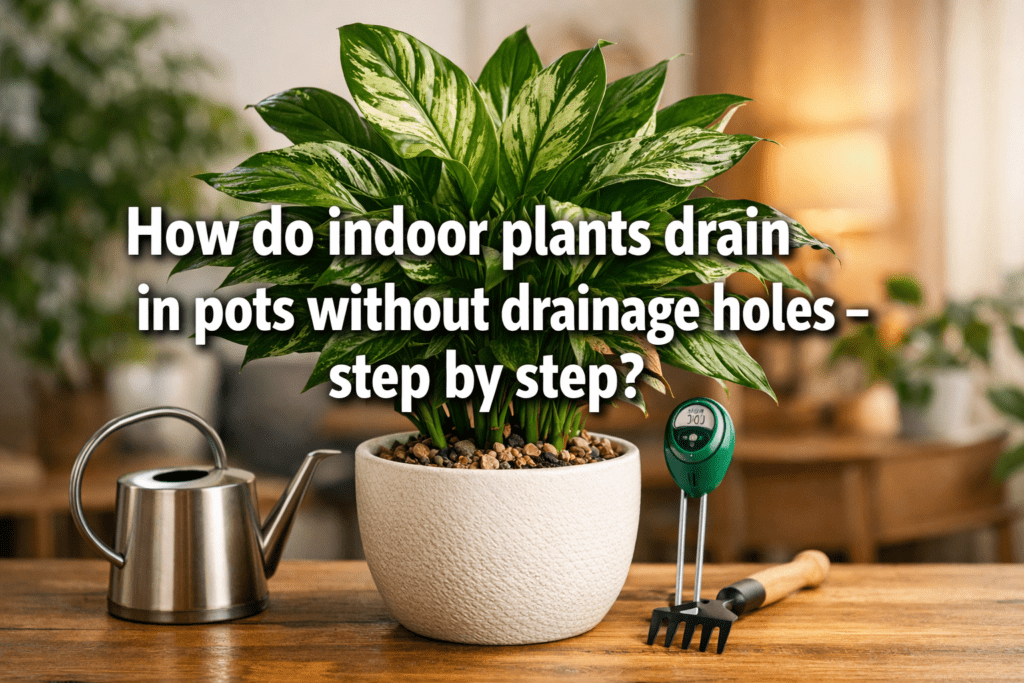
Quick Answer: Indoor plants in pots without drainage holes primarily manage water through careful watering practices and the implementation of internal drainage layers or double-potting methods. These techniques prevent root rot by creating a reservoir for excess water or by allowing the plant to be removed for proper drainage, ensuring the roots are never constantly submerged.
Key Takeaways
- Pots without drainage holes require meticulous watering to prevent waterlogging.
- The “false bottom” method uses a layer of coarse material (pebbles, leca, charcoal) to create a drainage zone.
- A barrier (mesh or landscape fabric) between the drainage layer and soil is crucial to prevent soil from washing down.
- The “pot-in-pot” method involves placing a plant in a standard nursery pot with drainage inside a larger decorative pot.
- Using a moisture meter is essential for accurately assessing soil moisture in non-draining pots.
- Selecting the right soil mix with good aeration and water retention properties is vital.
- Regularly checking for standing water in false bottoms or outer decorative pots prevents issues.
- Not all plants are suitable for pots without drainage; consider water-wise or semi-aquatic species.
Over 40% of indoor plant enthusiasts face issues with overwatering, a problem significantly compounded when using pots without drainage holes. While aesthetically pleasing, these pots present a challenge: how do indoor plants drain in pots without drainage holes – step by step? The secret lies in a combination of smart horticultural techniques and vigilant care. Understanding these methods is crucial for maintaining plant health and preventing common problems like root rot in 2026.
Why Use Pots Without Drainage Holes?
Pots without drainage holes are often chosen for their aesthetic appeal and convenience, offering clean lines and preventing water spills on surfaces. These decorative containers, such as ceramic, glass, or metal vessels, seamlessly integrate with interior design trends, allowing gardeners to display plants in any setting without worrying about saucers or water leakage. However, their primary drawback is the increased risk of water stagnation and root rot if not managed correctly. Many homeowners prefer them for sensitive surfaces or minimalist decor where traditional saucers might detract from the look.
The Appeal and The Challenge
- Aesthetics: They provide a sleek, uninterrupted look, ideal for modern interior designs and tabletop displays.
- Preventing Leaks: No drainage means no water seeping onto furniture, floors, or windowsills, making them perfect for offices or homes with delicate surfaces.
- Convenience: Eliminates the need for saucers, simplifying plant placement and cleaning.
- The Challenge: Without an exit for excess water, soil can become waterlogged, starving roots of oxygen and creating an environment ripe for fungal diseases and root rot. This makes precise watering and alternative drainage strategies essential.
Method 1: Creating a “False Bottom” Drainage Layer
To successfully grow indoor plants in pots without drainage holes, one effective strategy is to create a “false bottom” or internal drainage layer. This method involves placing a layer of coarse, inert material at the bottom of the pot, which acts as a reservoir for excess water, keeping it away from the plant’s root ball. This separation helps prevent the roots from sitting in stagnant water.
Step-by-Step Guide to the False Bottom Method
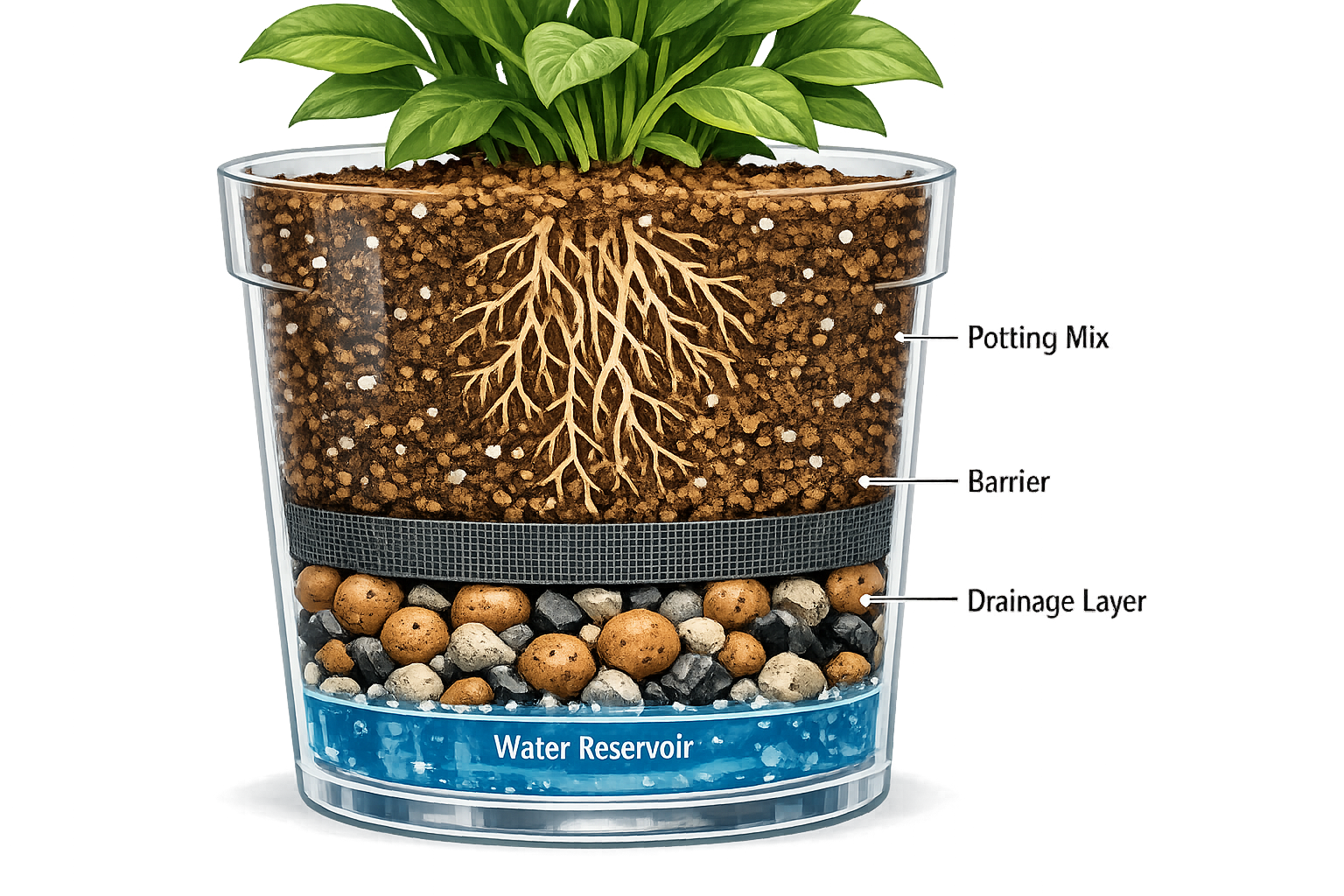
- Select Your Materials: Choose an inert, coarse material that won’t decompose or compact. Popular choices include:
- Pebbles or Gravel: Readily available and inexpensive.
- LECA (Lightweight Expanded Clay Aggregate): Excellent for aeration and wicking properties.
- Activated Charcoal: Can help absorb odors and some impurities, though not strictly for drainage.
- Broken Terracotta/Pottery Shards: A good way to reuse old pots.
- Clean the Pot: Ensure your pot is clean and free of any residue.
- Add the Drainage Layer: Pour 1-3 inches (2.5-7.5 cm) of your chosen drainage material into the bottom of the pot. The exact depth depends on the pot size and plant type; larger pots and plants that are more sensitive to moisture may benefit from a deeper layer.
- Install a Barrier: This is a crucial, often overlooked step. Place a layer of landscape fabric, mesh screen, or even a coffee filter directly over the drainage material. This barrier prevents the potting mix from migrating into the drainage layer, which would negate its purpose and lead to soil compaction and root rot.
- Add Potting Mix: Fill the pot with a high-quality, well-draining indoor potting mix. A good mix will contain perlite or vermiculite for aeration. For more on choosing the right substrate, refer to our guide on “Best Soil For Indoor Plants: Your 2026 Expert Guide”.
- Plant Your Plant: Carefully place your plant, ensuring its root ball is nestled comfortably in the potting mix, and fill in around it.
- Water Carefully: Water thoroughly but sparingly. The goal is to moisten the soil without saturating the drainage layer immediately. Monitor the plant closely for the first few weeks.
Pro Tip: While the false bottom offers a buffer, it does not replace the need for vigilant watering. Always check soil moisture before watering.
Method 2: The Pot-in-Pot (Double Potting) Technique
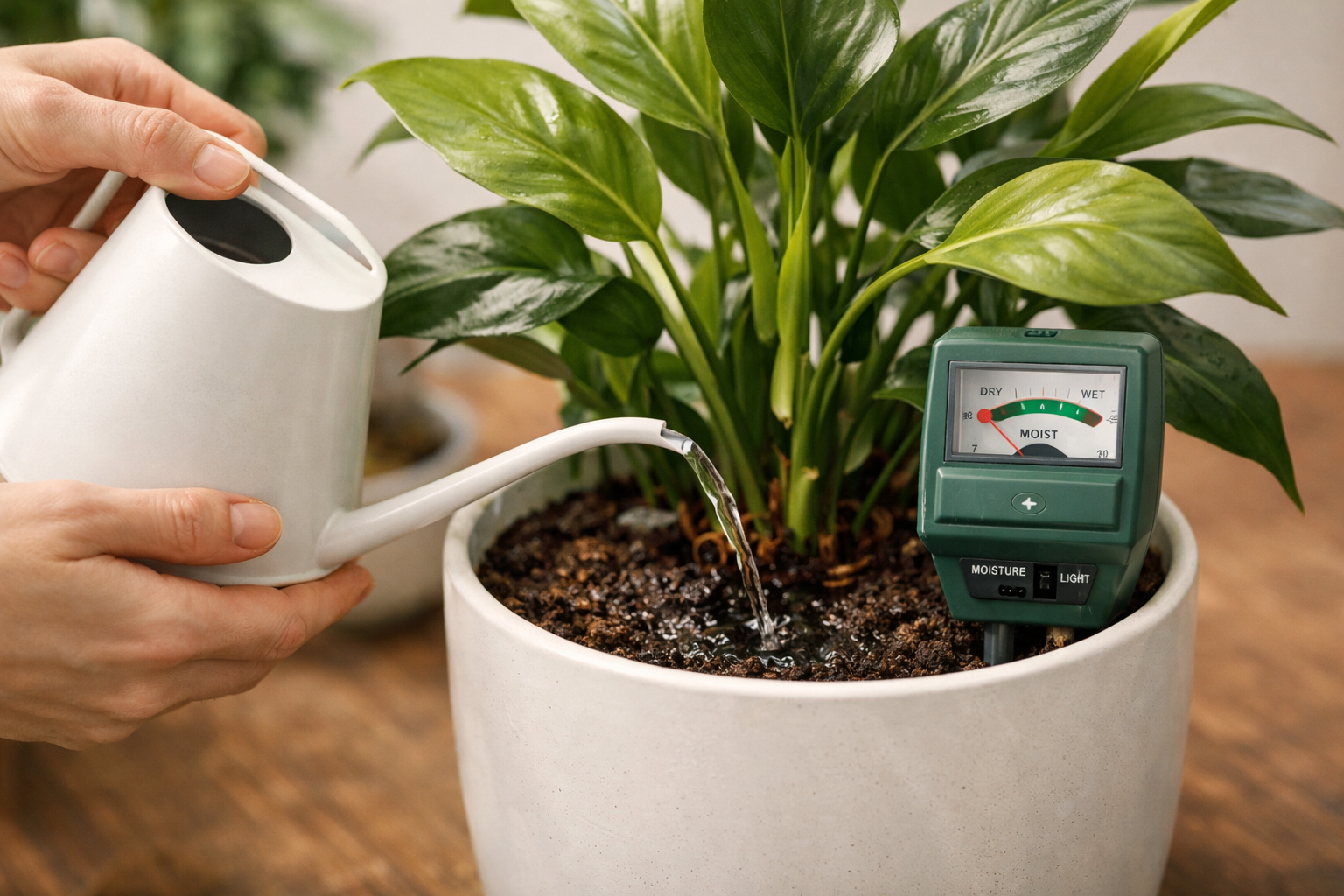
Another highly effective and often preferred method for how indoor plants drain in pots without drainage holes is the pot-in-pot or double potting technique. This strategy combines the aesthetic benefits of a decorative cachepot with the practical drainage provided by a standard nursery pot. It ensures your plant receives adequate drainage while maintaining the desired visual appeal.
Step-by-Step Guide to the Pot-in-Pot Method
- Choose Your Pots:
- Inner Pot: Select a standard nursery pot (plastic or terracotta) that has drainage holes and is appropriately sized for your plant. This is where your plant will actually live. For help with sizing, check our guide on “Choose Pot Size For Container Plants: 2026 Expert Guide”.
- Outer Pot (Cachepot): Choose a decorative pot without drainage holes that is slightly larger than your inner pot. There should be enough space between the inner and outer pot for air circulation and for excess water to collect.
- Plant in the Inner Pot: Pot your plant directly into the nursery pot with a good quality, well-draining potting mix.
- Prepare the Outer Pot: If the inner pot sits too low in the outer pot, you can place a layer of pebbles, LECA, or an inverted saucer at the bottom of the outer pot to elevate the inner pot. This ensures the plant sits at an appropriate height and that the inner pot’s drainage holes are above any collected water.
- Insert the Inner Pot: Place the planted nursery pot inside the decorative cachepot. Ensure there is a gap at the bottom for water collection.
- Watering and Monitoring:
- Water your plant as you normally would, allowing water to drain through the holes of the inner pot into the bottom of the outer pot. For more specific watering advice, consult our “Indoor Watering Guide: Master Houseplant Hydration In 2026”.
- Crucially, check the outer pot regularly for standing water. If water accumulates, simply remove the inner pot and pour out the excess. This prevents the inner pot from sitting in stagnant water, which could still lead to root rot.
- A moisture meter is invaluable here to know precisely when to water, preventing both over and under-watering.
When to Use This Method: The pot-in-pot method is ideal for plants that prefer consistent moisture but are highly susceptible to root rot, or for those who simply want the flexibility to use any decorative pot they choose without permanent modification. It’s especially useful for beginners as it offers a more forgiving approach to watering.
Watering Strategies and Monitoring
Proper watering is the single most critical factor when maintaining indoor plants in pots without drainage holes. Without an exit point for excess water, overwatering can quickly become fatal. Adopting precise watering strategies and diligently monitoring soil moisture are non-negotiable for plant health.
Essential Watering Practices
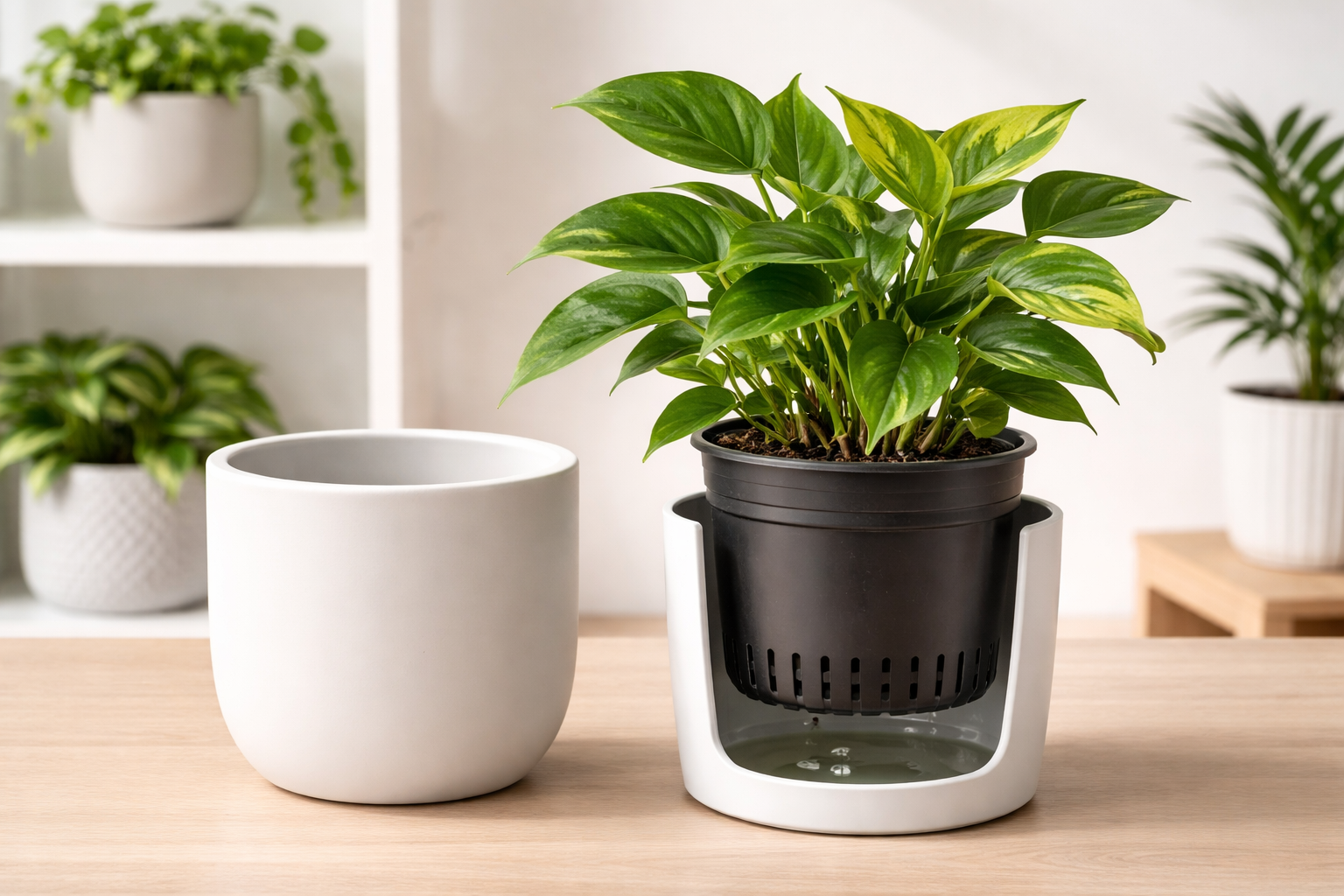
- Feel the Soil: Before watering, always stick your finger about 1-2 inches (2.5-5 cm) into the soil. Water only when the soil feels dry to the touch at that depth. For succulents or plants that prefer drier conditions, allow the soil to dry out even further.
- Use a Moisture Meter: A plant moisture meter is an invaluable tool for accurately assessing soil moisture levels, especially in pots without drainage. Insert the probe into different areas of the pot to get a comprehensive reading. This eliminates guesswork and significantly reduces the risk of overwatering.
- Water Sparingly: When watering, add small amounts of water gradually. Allow the water to soak in before adding more. The goal is to moisten the entire root ball without saturating the bottom drainage layer (if using the false bottom method) or overflowing into the outer pot (if using the pot-in-pot method).
- Bottom Watering (Carefully): While typically done with drainage holes, you can carefully bottom water plants in pots without drainage by adding a small amount of water to the decorative outer pot (if using pot-in-pot) or a tray. Allow the plant to absorb water from the bottom, then remove any remaining standing water after 30-60 minutes. This method encourages root growth downwards.
- Adjust for Season and Plant Type: Plants generally require less water in winter months when light levels are lower and growth slows. Drought-tolerant plants, like many succulents, need infrequent watering, while tropical foliage plants might need more consistent moisture. Consider the specific needs of your “Low Light Indoor Plants: Your 2026 Guide To Easy Greenery” versus sun-loving varieties.
Signs of Overwatering
- Yellowing Leaves: Often starting with lower leaves, a common sign of root issues.
- Drooping/Wilting: Paradoxically, overwatered plants can look thirsty as damaged roots can’t absorb water.
- Mushy Stems or Base: A clear indicator of root or stem rot.
- Foul Odor from Soil: Signifies anaerobic conditions and bacterial growth.
- Fungus Gnats: These small flies thrive in overly moist soil.
By mastering these watering and monitoring techniques, you can confidently grow a wide array of indoor plants, even in aesthetic pots lacking traditional drainage. For a deeper dive into overall plant health, our “Indoor Plant Care Guide 2026: Grow Thriving Houseplants” offers comprehensive insights.
Choosing the Right Plants and Potting Mix
The success of growing plants in pots without drainage holes heavily relies on selecting appropriate plant species and utilizing the correct potting mix. Not all plants are suited for these conditions, and a well-formulated soil can make a significant difference in preventing waterlogging.
Plant Selection for Non-Draining Pots
Certain plants are naturally more tolerant of fluctuating moisture levels or can withstand slightly wetter conditions than others.
- Drought-Tolerant Plants: Succulents and cacti are excellent choices as they prefer drier soil and can tolerate less frequent watering. However, they are still highly susceptible to root rot if left in standing water.
- Water-Wise Foliage Plants: Snake Plants (Sansevieria), ZZ Plants (Zamioculcas zamiifolia), and Pothos are relatively forgiving and can handle brief periods of drier soil, making them good candidates for careful watering in non-draining pots.
- Semi-Aquatic Plants (with caution): While not truly aquatic, some plants like Peace Lilies can tolerate slightly more moisture, but still require a careful balance to avoid root rot.
- Avoid Moisture-Loving Plants: steer clear of plants that require consistently moist soil, as maintaining this balance without drainage is exceedingly difficult and risky.
The Importance of Potting Mix
The potting mix is your plant’s foundation, and in a pot without drainage, its composition is paramount.
- Aeration and Drainage: Look for a mix that is light and airy, containing ingredients like perlite, coarse sand, or bark. These components create air pockets, which are essential for root respiration and help water drain through the soil faster, reducing the risk of compaction and waterlogging.
- Water Retention (Balanced): While drainage is key, the soil also needs to retain enough moisture for the plant. A balanced mix will contain peat moss or coco coir, but in moderation, to avoid becoming overly saturated.
- Avoid Garden Soil: Never use garden soil in indoor pots, especially those without drainage. Garden soil is too dense, compacts easily, and lacks the aeration needed for potted plants, leading to severe drainage issues.
- Custom Mixes: For specific plants, you might consider creating a custom potting mix. For example, a succulent mix will have a much higher proportion of sand and perlite. For general indoor plants, a good commercial indoor potting mix with added perlite is often sufficient. Our guide on “Prepare Soil For Container Plants At Home: 2026 Expert Guide” provides more detailed information on creating ideal mixes.
By thoughtfully pairing your plant with the right pot and providing an optimal growing medium, you significantly increase your chances of success with non-draining containers.
Troubleshooting and Common Mistakes
Even with the best intentions, growing indoor plants in pots without drainage holes can lead to challenges. Understanding common mistakes and how to troubleshoot them is crucial for maintaining healthy plants.
Common Mistakes to Avoid
- Overwatering: The most frequent mistake. Without drainage, every drop of excess water contributes to waterlogging. Always err on the side of underwatering if unsure.
- No Internal Barrier: For the false bottom method, forgetting the mesh barrier allows soil to mix with the drainage layer, rendering it ineffective.
- Ignoring Standing Water: In the pot-in-pot method, failing to regularly empty the cachepot of accumulated water is akin to keeping the plant in a constantly wet environment.
- Using Heavy Soil: Garden soil or dense potting mixes hold too much water and compact easily, suffocating roots.
- Planting Water-Sensitive Species: Placing plants highly prone to root rot (e.g., ferns, some orchids) directly into non-draining pots.
Troubleshooting Plant Health Issues
| Symptom | Possible Cause (No Drainage Pot) | Solution |
|---|---|---|
| Yellowing, drooping leaves | Overwatering, root rot | Immediately unpot the plant. Inspect roots, trim rotten ones, repot into fresh, dry soil. Adjust watering. |
| Mushy stems or foul smell | Severe root rot, anaerobic conditions | Emergency repotting. Remove all diseased parts. Consider discarding if rot is extensive. |
| Stunted growth | Waterlogging, lack of oxygen to roots | Check drainage method. Reassess watering frequency and amount. Ensure appropriate soil mix. |
| Fungus gnats | Excessively moist topsoil | Let soil dry out more between waterings. Use sticky traps. Consider a thin layer of sand on top of soil. |
| Brown, crispy leaf tips | Underwatering (less common but possible) | Check moisture meter. Water thoroughly but carefully, ensuring moisture reaches entire root ball. |
Actionable Step: If your plant shows signs of distress, immediately investigate the root ball. Gently remove the plant from its pot and examine the roots. Healthy roots are typically white or tan and firm. Rotten roots will be dark brown or black and soft/mushy. Trim away any rotten roots with clean, sharp scissors and repot into fresh, drier soil, adjusting your drainage method or watering schedule. For more insights on correcting errors, see our “Indoor Gardening Mistakes: Avoid Pitfalls & Grow Thriving P”.
Maintenance and Long-Term Care in 2026
Effective long-term care for indoor plants in pots without drainage holes extends beyond initial setup and watering. Regular maintenance checks and adjustments are essential to ensure continued plant health and prevent issues from developing over time.
Ongoing Maintenance Tips
- Monitor Moisture Levels Religiously: Continue to use a finger test or a moisture meter before every watering. This is the single most important habit.
- Check for Standing Water: If using the pot-in-pot method, make it a weekly habit to lift the inner pot and empty any accumulated water from the cachepot. For false bottoms, visually inspect or gently tilt the pot to feel for excessive weight indicating water saturation at the bottom.
- Repotting Considerations: When it’s time to repot your plant into a larger container (typically every 1-2 years), ensure you maintain the same drainage strategy. If the plant has outgrown its pot, or the soil has become compacted, it’s time for a refresh.
- Fertilization: Fertilize sparingly, especially in non-draining pots. Excess fertilizer salts can build up in the soil without drainage, potentially burning roots. Use a diluted liquid fertilizer during the growing season (spring/summer) and reduce or stop during dormancy (fall/winter).
- Pruning and Airflow: Regular pruning not only shapes your plant but also improves air circulation around the foliage, reducing humidity and fungal disease risk. Good airflow is especially important in environments where water can linger.
- Observe Your Plant: Pay attention to your plant’s overall appearance. Any changes in leaf color, texture, growth rate, or stem rigidity can be early indicators of a problem. Learning to read these signals is key to proactive care.
| Maintenance Task | Frequency | Why It’s Important |
|---|---|---|
| Soil moisture check | Before every watering | Prevents overwatering, the #1 killer for non-draining pots. |
| Empty cachepot | Weekly (pot-in-pot) | Avoids root rot by removing stagnant water. |
| Inspect drainage layer | Monthly (false bottom) | Ensures barrier is intact and drainage layer isn’t saturated. |
| Leaf/Stem inspection | Weekly | Detects pests, diseases, or signs of stress early. |
| Fertilize | Growing season (diluted) | Provides nutrients, but avoid over-fertilization without proper flush-through. |
| Repotting | 1-2 years | Refreshes soil, provides space for root growth, allows inspection of root health. |
By committing to these consistent maintenance practices, your indoor plants can thrive beautifully in their non-draining pots for years to come in 2026, contributing to a vibrant and healthy living space.
Conclusion
Successfully growing indoor plants in pots without drainage holes is entirely achievable, transforming a potential challenge into an opportunity for creative and mindful gardening. The key lies not in magic, but in understanding and diligently applying specific strategies. By implementing either the “false bottom” drainage layer or the “pot-in-pot” method, coupled with precise watering and regular monitoring, you can provide your plants with the conditions they need to thrive.
Remember that vigilance is your most powerful tool. Consistently checking soil moisture, selecting the right plants and potting mix, and being proactive in troubleshooting any issues will ensure your green companions remain healthy and vibrant. Embrace the aesthetic appeal of non-draining pots while confidently providing your indoor plants with the care they deserve in 2026.
Actionable Next Steps:
- Assess Your Current Setup: Determine if your existing non-draining pots are suitable for either the false bottom or pot-in-pot method.
- Choose a Method: Decide which drainage strategy best fits your plant, pot, and lifestyle.
- Gather Supplies: Acquire necessary materials like pebbles, LECA, mesh, quality potting mix, or appropriate inner pots.
- Implement the Strategy: Follow the step-by-step guides for your chosen method.
- Invest in a Moisture Meter: Make this essential tool a part of your regular plant care routine.
- Schedule Regular Checks: Integrate weekly checks for standing water and monthly plant health assessments into your routine.
FAQ
Q1: Is it really okay to grow plants in pots without drainage holes?
A1: Yes, it is possible, but it requires much more careful attention to watering and specific techniques like creating a false bottom or using the pot-in-pot method to prevent root rot.
Q2: What is a “false bottom” for a pot without drainage?
A2: A false bottom is a layer of coarse, inert material (like pebbles, LECA, or charcoal) placed at the very bottom of a pot, separated from the potting soil by a barrier, to create a reservoir for excess water away from the plant roots.
Q3: How often should I water a plant in a pot without drainage?
A3: Watering frequency depends on the plant, pot size, and environmental conditions. Always check the soil moisture 1-2 inches deep with your finger or a moisture meter; water only when the soil feels dry.
Q4: Can I use regular garden soil in a pot without drainage holes?
A4: No, never use regular garden soil. It’s too dense, compacts easily, and will retain too much moisture, quickly leading to waterlogging and root rot in a pot without drainage. Use a well-draining indoor potting mix.
Q5: What are the best plants for pots without drainage holes?
A5: Drought-tolerant plants like Snake Plants, ZZ Plants, Pothos, and succulents are more forgiving. Avoid moisture-loving plants that require consistently damp soil, as they are highly susceptible to root rot in these conditions.
Q6: What is the “pot-in-pot” method?
A6: The pot-in-pot method involves planting your indoor plant in a standard nursery pot with drainage holes, and then placing that entire nursery pot inside a larger, decorative pot (cachepot) without drainage holes. This allows you to easily remove the inner pot to drain excess water.
Q7: How do I know if I’m overwatering a plant in a non-draining pot?
A7: Signs of overwatering include yellowing or drooping leaves, mushy stems, a foul odor from the soil, and the presence of fungus gnats. These are all indicators of root rot.
Q8: Do I still need a saucer with pots without drainage holes?
A8: No, the primary appeal of pots without drainage holes is to avoid water leakage and the need for a saucer. If using the pot-in-pot method, the outer decorative pot acts as the “saucer” for the inner pot.
Q9: Can I just drill holes in my pot if it doesn’t have drainage?
A9: Yes, if the pot material allows (e.g., terracotta, ceramic, plastic) and you have the right tools, drilling drainage holes is the most straightforward solution and generally the safest for plant health. However, this article focuses on methods for when drilling isn’t an option.
Q10: What kind of potting mix is best for pots without drainage?
A10: A light, airy potting mix with excellent drainage and aeration is best. Look for mixes containing perlite, vermiculite, or bark chips to prevent compaction and allow for better oxygen flow to the roots.