
Heat Resistant Plants
Quick Answer: Heat resistant plants are species naturally equipped to thrive in elevated temperatures and often reduced water availability, making them ideal choices for gardens facing hotter summers and changing climates in 2026. These plants typically possess specific physiological adaptations, such as thick, waxy leaves, deep root systems, or a compact growth habit, allowing them to conserve moisture and endure intense sun. Selecting such varieties ensures a vibrant, resilient garden with less demanding care, even during peak heat.
Key Takeaways
- Adaptation is Key: Heat resistant plants have evolved unique features like waxy coatings, silvery leaves, or deep roots to survive intense sun and drought.
- Diverse Options: A wide range of flowers, herbs, shrubs, and even some vegetables are available for hot climates.
- Smart Selection: Choose plants based on your specific hardiness zone, sun exposure, and soil conditions.
- Water-Wise Gardening: While resilient, proper watering techniques, especially for container plants, are crucial for their establishment and sustained health.
- Soil and Mulch Matter: Well-draining soil and a layer of mulch help regulate soil temperature and retain moisture, benefiting even heat-tolerant species.
- Strategic Placement: Consider microclimates in your garden; some heat-resistant plants may still benefit from afternoon shade in extreme conditions.
- Sustainability Focus: Opting for these plants contributes to water conservation and creates more sustainable landscapes.
- Ongoing Care: Even tough plants require occasional feeding, pruning, and pest monitoring to maintain vigor.
What Makes a Plant Heat Resistant?
Heat resistant plants are those that possess specific physiological and morphological adaptations enabling them to withstand prolonged periods of high temperatures, intense sunlight, and often, drought conditions. These adaptations are vital for their survival in environments where less resilient plants would wilt, scorch, or perish.
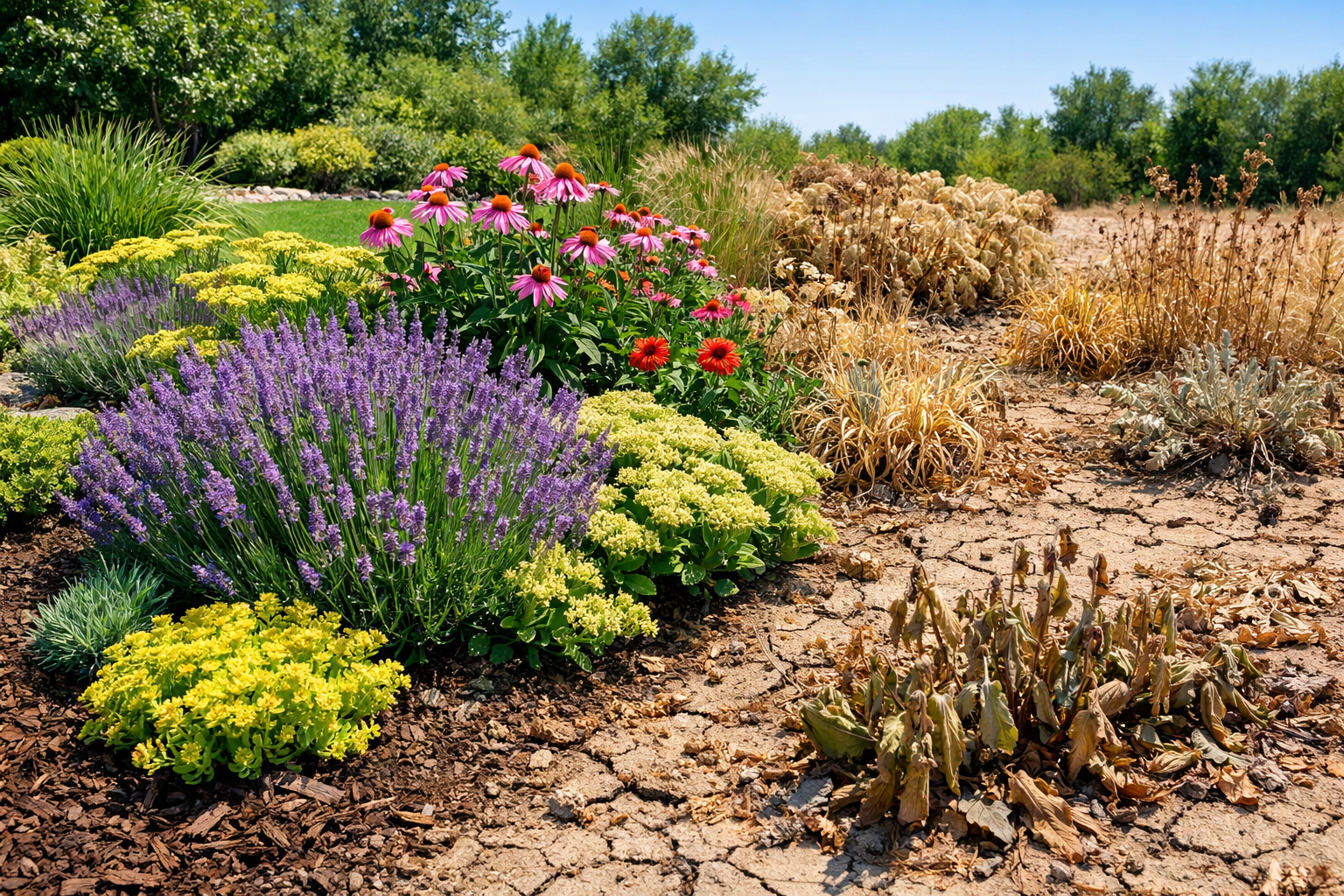
Several key characteristics define the resilience of heat resistant plants:
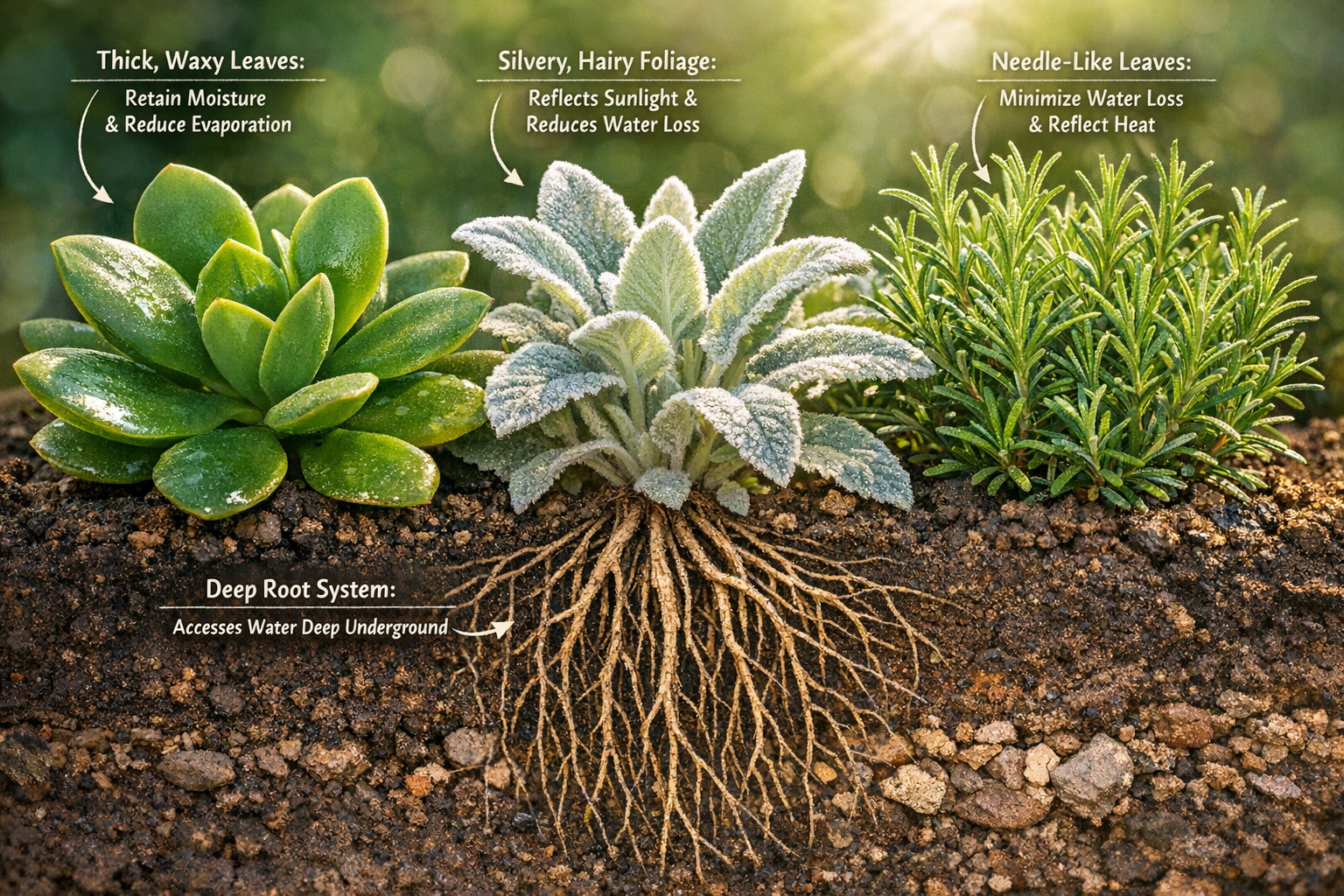
- Waxy or Succulent Leaves: Many heat-tolerant plants have thick, waxy cuticles or succulent leaves that reduce water loss through transpiration. This protective layer acts like a natural sunscreen and sealant.
- Example: Sedum, commonly known as stonecrop, stores water in its fleshy leaves, making it exceptionally drought-tolerant.
- Small, Silvery, or Hairy Foliage: Plants with small leaves have less surface area exposed to the sun, minimizing water evaporation. Silvery or hairy leaves reflect sunlight, reducing leaf temperature.
- Example: Lavender’s grayish-green, fine leaves reflect intense sun, contributing to its Mediterranean hardiness. Lamb’s Ear, with its soft, fuzzy leaves, is another excellent example.
- Deep Root Systems: A robust, deep root system allows plants to access water from deeper soil layers, even when the surface is dry. This provides a consistent water source during heatwaves.
- Decision Rule: Choose plants with known deep root systems, like Salvias, if you are looking for long-term drought resilience once established.
- Efficient Water Use (CAM Photosynthesis): Some succulents and cacti use Crassulacean Acid Metabolism (CAM) photosynthesis, opening their stomata (pores) at night to absorb carbon dioxide, greatly reducing water loss during the hot day.
- Compact Growth Habit: Tightly growing plants can create a microclimate around themselves, shading their own soil and reducing moisture evaporation from the ground.
- Rapid Establishment: While not a direct heat-resistance trait, plants that establish quickly can develop their protective mechanisms sooner, making them more resilient to early season heat.
- Common Mistake: Assuming all heat-resistant plants require no water at all. They still need consistent watering during their establishment phase.
Understanding these adaptations helps gardeners select the right species for challenging climates, ensuring a thriving garden even as temperatures rise.
Top Heat Resistant Flowering Plants for Vibrant Gardens
For gardeners seeking to maintain vibrant color and life in their landscape despite scorching temperatures, selecting the right heat resistant flowering plants is essential. These resilient bloomers ensure continuous beauty even when other plants wilt.
Here are some of the best heat resistant plants for flowers:
- Lantana ( Lantana camara ): These vigorous growers produce clusters of small, colorful flowers (often multi-colored) from spring to frost. They thrive in full sun and tolerate drought once established.
- Care Tip: Deadhead regularly to encourage more blooms, though some newer varieties are self-cleaning.
- Zinnia ( Zinnia elegans ): A classic for hot weather, zinnias come in a dazzling array of colors and sizes. They love full sun and are relatively drought-tolerant. They’re also excellent for attracting pollinators.
- Variety Suggestion: ‘Profusion’ and ‘Zahara’ series are particularly heat and humidity resistant.
- Portulaca (Moss Rose) ( Portulaca grandiflora ): Perfect for ground cover or containers, Portulaca boasts vibrant, rose-like flowers and succulent foliage. It thrives in extreme heat and sandy, well-draining soil.
- Edge Case: Flowers close on cloudy days and at night, so plan for daytime color.
- Coneflower ( Echinacea purpurea ): These sturdy perennials are known for their daisy-like flowers with prominent central cones. They are incredibly tough, tolerating heat, drought, and poor soil.
- Benefit: Attracts butterflies and birds, and provides winter interest.
- Gaillardia (Blanket Flower) ( Gaillardia aristata ): With fiery red and yellow petals, Gaillardia blooms profusely through summer heat. It’s a low-maintenance perennial that prefers full sun and well-draining soil.
- Verbena ( Verbena bonariensis, Verbena hybrida ): Both upright and trailing verbenas are excellent for heat. Verbena bonariensis offers airy purple blooms on tall stems, while hybrid verbenas provide dense mounds of color for beds and containers.
- Lavender ( Lavandula angustifolia, Lavandula stoechas ): Beyond its fragrant beauty, lavender is a superstar among heat resistant plants. Its silvery foliage and purple spikes thrive in full sun and lean, well-draining soil.
- Cultural Note: Native to the Mediterranean, it naturally handles dry, hot conditions.
- Salvia ( Salvia species ): A huge genus with many heat-tolerant members, including ornamental sages (e.g., ‘May Night’, ‘Victoria Blue’) that offer spikes of blue, purple, red, or pink flowers. They are drought-tolerant and attract hummingbirds.
- Quick Example: ‘Hot Lips’ Salvia, with its distinctive red and white flowers, performs tirelessly through summer heat.
When selecting these plants, remember that “heat resistant” often means they appreciate good drainage. Avoid overly wet conditions, especially during cooler periods.
Best Heat Resistant Plants for Small Spaces and Containers
Choosing heat resistant plants is particularly beneficial for small spaces and containers, as these environments can heat up rapidly and dry out quickly. Selecting the right species ensures your urban oasis or balcony garden remains lush and productive. For more options suitable for confined areas, explore our guide on the Best Plants for Small Gardens 2026.
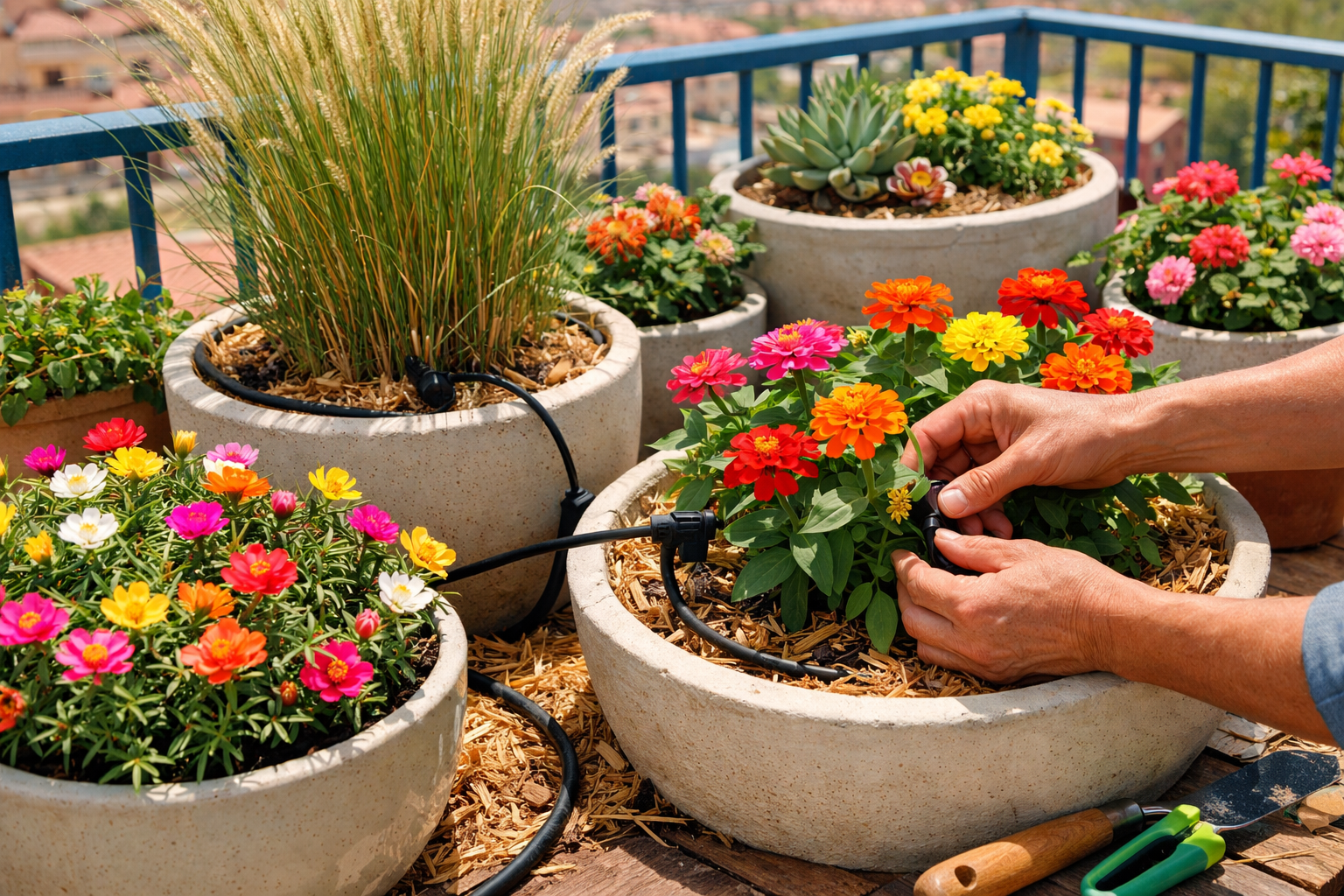
Here are top heat resistant plants ideal for containers and compact gardens:
- Succulents and Cacti: The ultimate heat-resistant container plants. Echeveria, Sedum, Aloe, and various cacti species store water in their leaves or stems, making them incredibly resilient to heat and drought.
- Recommendation: Group different succulent textures and colors in a single planter for an eye-catching display.
- Herbs (Rosemary, Thyme, Oregano): Many Mediterranean herbs are naturally heat-tolerant and flourish in pots. Rosemary, thyme, and oregano thrive in full sun and well-draining soil, offering both culinary and aesthetic appeal.
- Care Tip: Ensure excellent drainage in pots; root rot is a common issue for these plants in overly wet conditions.
- Gazania (Treasure Flower): These vibrant, daisy-like flowers bloom profusely in full sun and heat, ideal for shallow containers or window boxes. They come in stunning yellows, oranges, and reds.
- Coleus (Sun Coleus varieties): While many traditional coleus prefer shade, newer “Sun Coleus” varieties have been bred to withstand intense sun without scorching. Their vibrant foliage adds continuous color.
- Choose X if…: Choose Sun Coleus if you want continuous foliage color in hot, sunny containers without needing constant blooms.
- Sweet Potato Vine ( Ipomoea batatas ): Grown for its lush, trailing foliage in shades of green, purple, or black, sweet potato vine is remarkably heat-tolerant and thrives in containers, cascading beautifully.
- Note: Ensure adequate water, as their vigorous growth can deplete moisture quickly in pots, despite their heat tolerance. For advice on watering, see our guide on How Often Should You Water Plants? Ultimate Guide 2026.
- Dusty Miller ( Senecio cineraria ): Valued for its silvery, lacy foliage, Dusty Miller is a fantastic accent plant that handles heat and full sun with ease. It provides a striking contrast to green and colorful plants.
- Petunia (Supertunia/Wave Petunia varieties): While traditional petunias can struggle, newer hybrid series like Supertunia and Wave Petunias are specifically bred for continuous blooming and heat tolerance, cascading beautifully from hanging baskets and containers. For more choices for hanging displays, check out Best Hanging Plants for Balconies 2026: Ultimate Guide.
For balcony gardeners or those with limited ground space, these heat resistant plants offer attractive, resilient options that contribute to a lively green environment without demanding excessive maintenance. If you’re a renter looking to set up your own garden, our Balcony Gardening for Renters: 2026 Ultimate Guide provides excellent tips.
Essential Care Tips for Heat Resistant Plants
Even heat resistant plants benefit from strategic care to ensure their longevity and performance, especially during extreme heatwaves in 2026. While they are built for resilience, optimal growing conditions enhance their beauty and vigor.
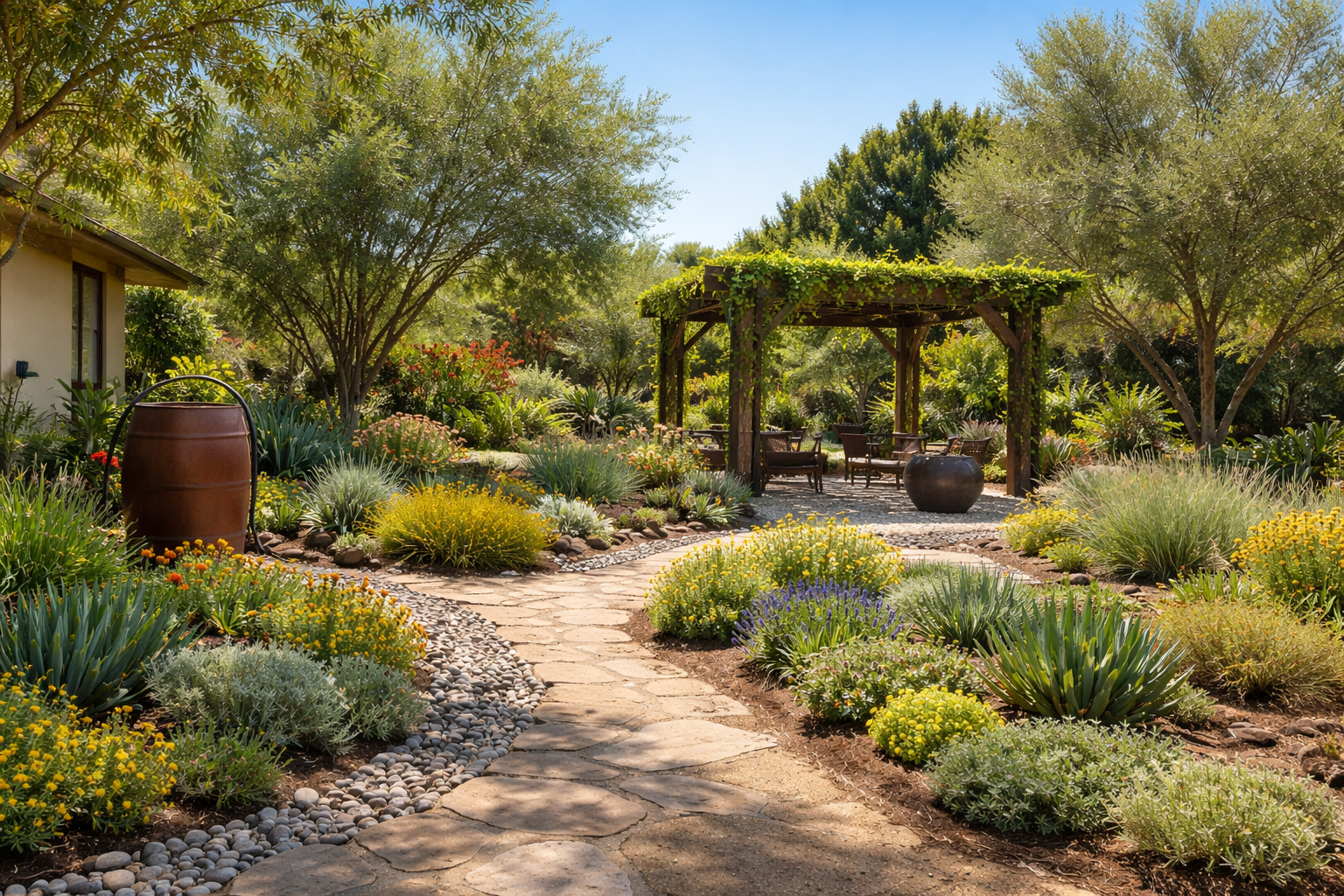
Follow these essential care tips to help your heat resistant plants thrive:
- Proper Watering Practices:
- Deep and Infrequent: While tolerant, these plants still need water. Water deeply to encourage robust root growth, then allow the soil to dry out between waterings. This trains roots to seek deeper moisture.
- Morning Waterings: Water in the early morning to minimize evaporation and allow foliage to dry before nightfall, reducing disease risk.
- Container Specifics: Container plants dry out much faster. Check soil moisture daily during hot periods. Consider self-watering planters or drip irrigation for consistency. For more on this, read How Often to Water Container Vegetables in Summer 2026.
- Excellent Soil Drainage:
- Heat-resistant plants, especially those native to arid regions, often detest “wet feet.” Ensure your soil is well-draining. Amend heavy clay soils with organic matter or grit.
- For containers, use a high-quality potting mix designed for drainage, often containing perlite or sand.
- Mulching:
- Apply a 2-4 inch layer of organic mulch (e.g., wood chips, straw, pine needles) around the base of plants. Mulch helps to:
- Retain soil moisture, reducing the need for frequent watering.
- Insulate the soil, keeping roots cooler in summer and warmer in winter.
- Suppress weeds that compete for water and nutrients.
- Apply a 2-4 inch layer of organic mulch (e.g., wood chips, straw, pine needles) around the base of plants. Mulch helps to:
- Fertilization:
- While many heat-tolerant plants are not heavy feeders, a balanced, slow-release fertilizer in spring can support healthy growth and flowering. Avoid over-fertilizing, which can promote lush, tender growth more susceptible to heat stress.
- Mistake to Avoid: Fertilizing heavily during peak heat can stress plants, as they divert energy to top growth rather than heat defense.
- Strategic Placement and Microclimates:
- Even sun-loving plants can benefit from some afternoon shade in regions with extreme, unrelenting summer sun. Consider planting them where they receive protection from a taller shrub or structure during the hottest part of the day.
- Observe your garden’s microclimates – areas that are hotter, cooler, wetter, or drier than average – and match plants accordingly.
- Pruning and Deadheading:
- Regular deadheading (removing spent flowers) encourages more blooms and tidies up plants.
- Pruning can improve air circulation and remove damaged or stressed foliage, helping the plant conserve energy.
By implementing these straightforward care strategies, you can maximize the success of your heat resistant plants, creating a resilient and beautiful garden that stands strong against the summer heat. For general plant care, our Beginner’s Guide to Plant Care 2026: Grow Thriving Plants offers valuable information.
Comparison Table: Heat Resistant Flowers vs. Traditional Summer Flowers
| Feature | Heat Resistant Flowers (e.g., Zinnia, Lantana) | Traditional Summer Flowers (e.g., Impatiens, Pansies) |
|---|---|---|
| Sun Exposure | Thrive in full, intense sun (6+ hours) | Prefer partial shade or morning sun; wilt in full sun |
| Water Needs | Low to moderate; tolerant of drought once est. | Moderate to high; require consistent moisture |
| Foliage | Often waxy, silvery, or small; less surface area | Generally softer, greener, larger leaves |
| Soil Preference | Well-draining, often sandy or lean | Rich, consistently moist, well-draining |
| Performance in Heat | Bloom vigorously, remain vibrant | May scorch, cease blooming, or die back |
| Maintenance | Generally low, less prone to heat stress | Moderate to high, more sensitive to environmental changes |
FAQ about Heat Resistant Plants
What is the primary benefit of planting heat resistant plants?
The primary benefit is their ability to thrive and maintain beauty in high temperatures and often drier conditions, reducing the need for frequent watering and ensuring a vibrant garden even during peak summer heat.
Can heat resistant plants survive without any water?
While many are drought-tolerant, “heat resistant” does not mean “no water.” They still require water, especially during establishment and prolonged dry spells, though typically less than conventional plants.
Are succulents considered heat resistant plants?
Yes, most succulents are excellent heat resistant plants dueaining water in their leaves and stems, allowing them to endure high temperatures and extended periods of drought.
Do heat resistant plants need full sun?
Many heat resistant plants prefer and thrive in full sun (6+ hours per day), but some may benefit from partial afternoon shade in regions with extreme, prolonged heat to prevent scorching.
What kind of soil is best for heat resistant plants?
Well-draining soil is crucial. Many heat-tolerant plants prefer sandy or loamy soils with good aeration. Amending with compost or grit can improve drainage in heavy soils.
Can I grow heat resistant vegetables?
Yes, there are several heat-tolerant vegetables, including okra, sweet potatoes, peppers, eggplant, and certain varieties of tomatoes and beans.
How often should I fertilize heat resistant plants?
Generally, less frequently than other plants. A single application of a balanced, slow-release fertilizer in spring is often sufficient. Avoid heavy fertilization during peak heat.
Are there any heat resistant plants that also tolerate shade?
While most heat-resistant plants prefer sun, some, like certain varieties of Coleus (Sun Coleus are heat-tolerant, traditional ones can handle shade) or ornamental sweet potato vine, can tolerate partial shade. For more shade-tolerant options, consider our Shade Plants for Balcony: Top Picks & Care Guide 2026.
How can I make my existing garden more heat resistant?
You can improve heat resistance by adding mulch, improving soil drainage, selecting heat-tolerant varieties for new plantings, and watering deeply but less frequently.
Do heat resistant plants attract pollinators?
Many heat resistant plants, such as zinnias, coneflowers, salvias, and lantana, are excellent sources of nectar and pollen, making them highly attractive to bees, butterflies, and hummingbirds.
Conclusion
Embracing heat resistant plants is a smart and sustainable strategy for any gardener in 2026, especially with increasingly warmer climates. By selecting species naturally equipped to handle intense sun and reduced water, you can cultivate a beautiful, resilient garden that demands less maintenance while still delivering vibrant color and life. From the drought-defying succulents and herbs perfect for containers to the continuous blooms of lantana and zinnia, there’s a wealth of options to explore. Remember to complement your plant choices with good watering practices, well-draining soil, and mulching to ensure their continued success. Investing in heat resistant plants means investing in a thriving, enduring garden for years to come.
Actionable Next Steps:
- Assess Your Garden’s Sun Exposure: Map out which areas receive full sun, partial sun, or intense afternoon sun to match plants appropriately.
- Research Local Varieties: Consult your local nursery or extension office for the best heat resistant plants suited to your specific hardiness zone.
- Prioritize Soil Health: Ensure good drainage in your garden beds and containers by amending soil with organic matter.
- Implement Mulching: Apply a generous layer of mulch around all plantings to conserve moisture and regulate soil temperature.
- Start Small: Begin by introducing a few key heat resistant plants into your garden to observe their performance before making larger changes.
References
- University of Florida IFAS Extension. (2023). Gardening Solutions: Heat Tolerant Plants. https://sfyl.ifas.ufl.edu/lawn-and-garden/heat-tolerant-plants/
- The National Gardening Association. (2022). Drought-Tolerant Plants. https://garden.org/learn/articles/view/52/
- Arizona Cooperative Extension. (2021). Selecting and Caring for Desert Adapted Plants. https://extension.arizona.edu/pubs/Selecting-and-Caring-for-Desert-Adapted-Plants.pdf