Drought Resistant Plants
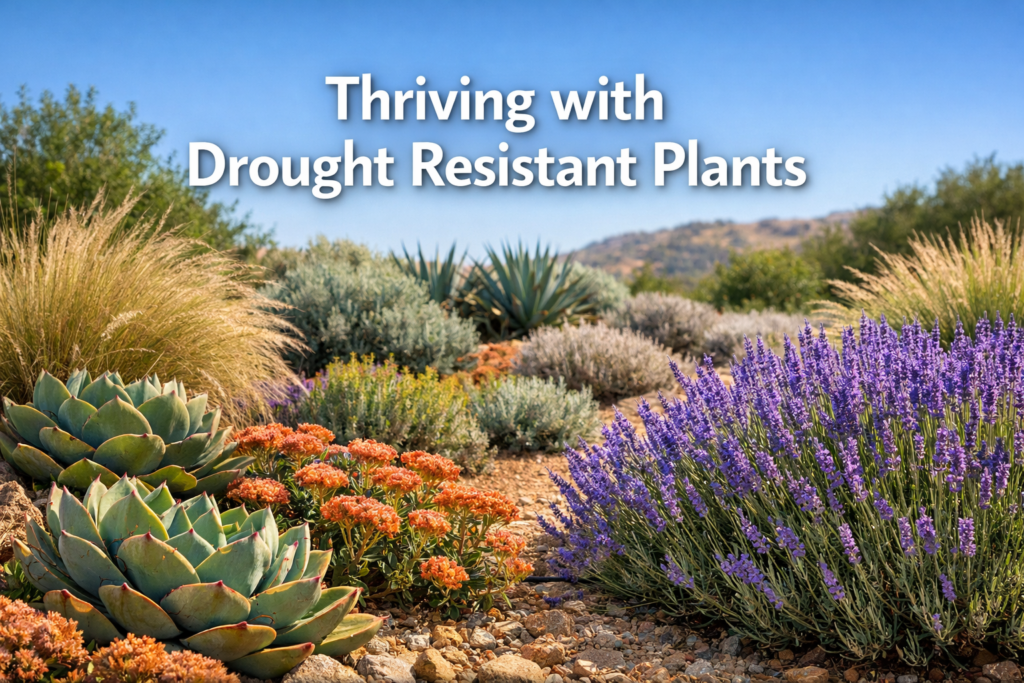
Drought resistant plants are species specially adapted to survive and thrive with minimal water, making them an excellent choice for sustainable gardening in 2026, especially in regions facing water scarcity or hosepipe bans. By incorporating these resilient plants, gardeners can significantly reduce their water consumption, lower maintenance efforts, and still create vibrant, beautiful landscapes. This guide will help you understand their benefits, how to choose them, and best practices for their care.
Key Takeaways
- Drought resistance reduces water use: Plants adapted to dry conditions require significantly less irrigation once established.
- Diverse plant options exist: From succulents and ornamental grasses to shrubs and trees, a wide variety of drought-resistant plants are available for different garden styles.
- Proper establishment is key: Even water-wise plants need regular watering during their first growing season to develop strong root systems.
- Soil and mulch are crucial: Well-draining soil and a layer of mulch help retain moisture and support drought-resistant plant health.
- Consider your climate and hardiness zone: Choose plants that are naturally suited to your local environment for optimal success.
- Drought-resistant doesn’t mean no water: These plants still need occasional watering during extended dry spells, especially in containers.
- Sustainable landscaping benefits: Opting for these plants contributes to water conservation, supports local ecosystems, and lowers utility bills.
What Are Drought Resistant Plants and Why Do They Matter in 2026?
Drought resistant plants are species that possess unique physiological and structural adaptations, allowing them to endure prolonged periods without rainfall or irrigation, making them crucial for sustainable landscaping in 2026. These adaptations often include specialized root systems, fleshy leaves for water storage, waxy coatings to reduce transpiration, or unique leaf structures that minimize sun exposure. Choosing these plants is paramount in an era of increasing climate variability and heightened awareness of water conservation.
In 2026, as communities worldwide continue to grapple with unpredictable weather patterns and water restrictions, integrating drought resistant plants into gardens and public spaces is no longer just an aesthetic choice but an environmental imperative. They help conserve precious water resources, reduce reliance on municipal water supplies, and can lower water bills for homeowners. Beyond water savings, these plants often require less overall maintenance, making them an ideal choice for busy gardeners or those looking for low maintenance plants solutions.
The Science Behind Water-Wise Adaptations
Drought resistance isn’t a single trait but a spectrum of adaptations plants have evolved over millennia in arid or semi-arid environments. These adaptations include:
- Succulence: Fleshy leaves, stems, or roots that store water, common in plants like sedums and aloes.
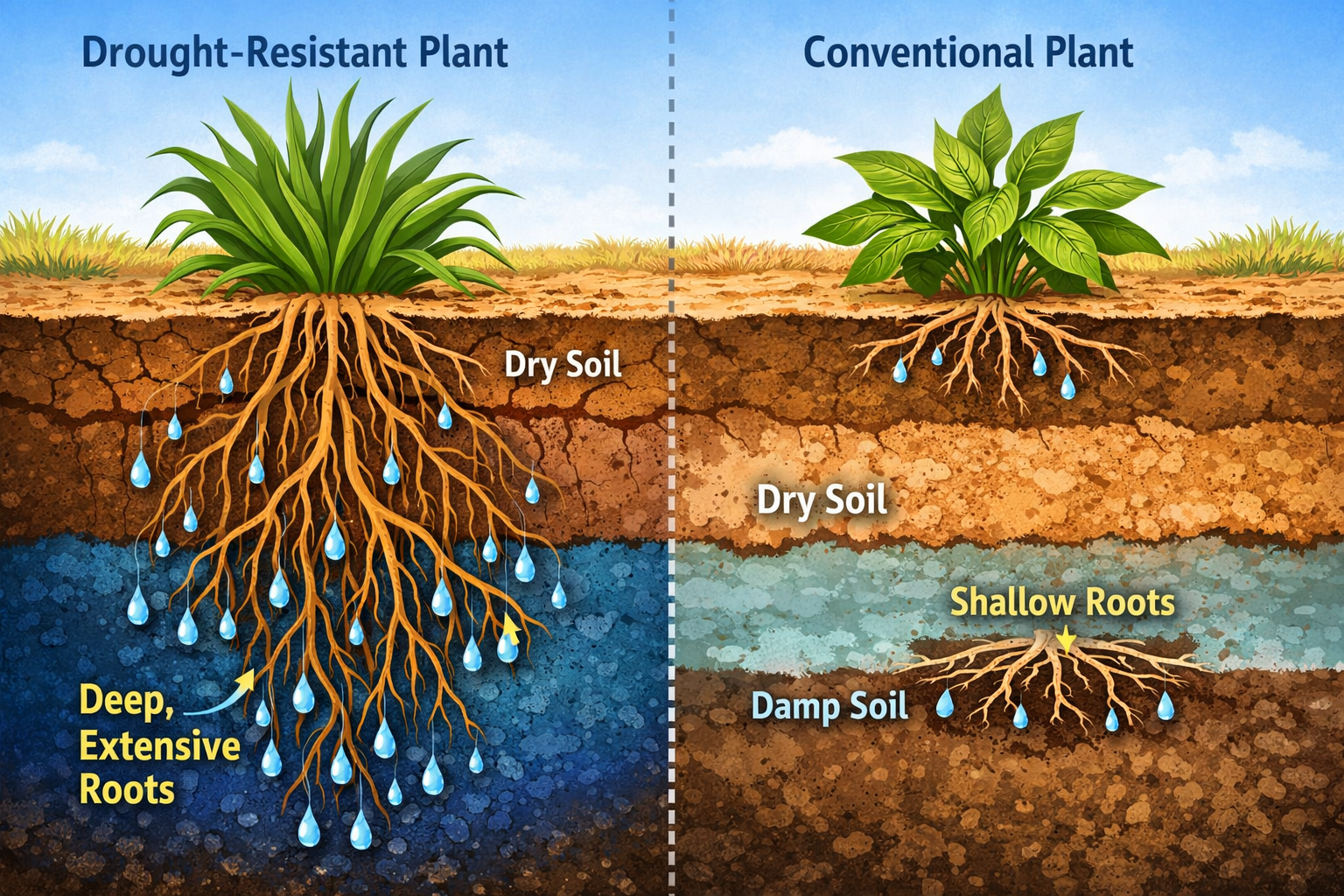
- Deep Root Systems: Roots that grow far down into the soil to access deeper water reserves, a characteristic seen in many ornamental grasses and shrubs.
- Waxy Coatings or Hairy Leaves: A thick cuticle or fuzzy leaves reduce water loss through evaporation (transpiration), examples include lavender and lamb’s ear.
- Small or Silvery Leaves: Smaller leaf surfaces mean less area for water to evaporate, while silvery foliage reflects sunlight, keeping the plant cooler.
- Dormancy: Some plants enter a dormant state during dry periods, shedding leaves or ceasing growth until moisture returns.
Understanding these mechanisms helps in selecting the right drought resistant plants for your specific climate and garden conditions, ensuring they thrive with minimal intervention.
How Do Drought Resistant Plants Conserve Water?
Drought resistant plants conserve water through a combination of physical characteristics and metabolic processes designed to minimize water loss and maximize water uptake from limited sources. These evolutionary adaptations allow them to thrive where traditional plants would quickly wilt and perish, making them incredibly efficient users of available moisture.
Many of these plants feature thick, waxy cuticles on their leaves, which act as a natural barrier, significantly reducing the rate at which water evaporates from their surface. Others have small, needle-like, or fuzzy leaves that minimize surface area exposed to the sun and wind, further curbing water loss. Additionally, some drought resistant plants possess deep and extensive root systems capable of reaching water far below the soil surface, while succulents store water in specialized tissues within their leaves or stems, acting as natural reservoirs for extended dry periods.
Key Water-Saving Mechanisms
- Reduced Transpiration: Waxy coatings, tiny hairs, or sunken stomata (pores) on leaves minimize the amount of water vapor released into the atmosphere.
- Water Storage: Succulent plants store water in their fleshy leaves, stems, or roots, providing a reserve during dry spells.
- Efficient Root Systems: Plants develop either very deep taproots to reach groundwater or extensive, shallow fibrous roots to quickly absorb surface moisture.
- Seasonal Dormancy: Some plants, like certain geophytes, go dormant during drought, shedding leaves or retreating underground, only to re-emerge when conditions improve.
- Light-Colored or Silver Foliage: Reflects sunlight, keeping the plant cooler and reducing the need for evaporative cooling.
- Modified Leaf Structure: Rolled or folded leaves can create a microclimate around the stomata, reducing air movement and water loss.
By understanding these mechanisms, gardeners can select a diverse range of drought resistant plants that collectively contribute to a water-efficient landscape, reducing the need for constant irrigation and supporting healthier soil. For tips on general watering, see our guide on how often to water plants.
Top Categories of Drought Resistant Plants for Your Garden
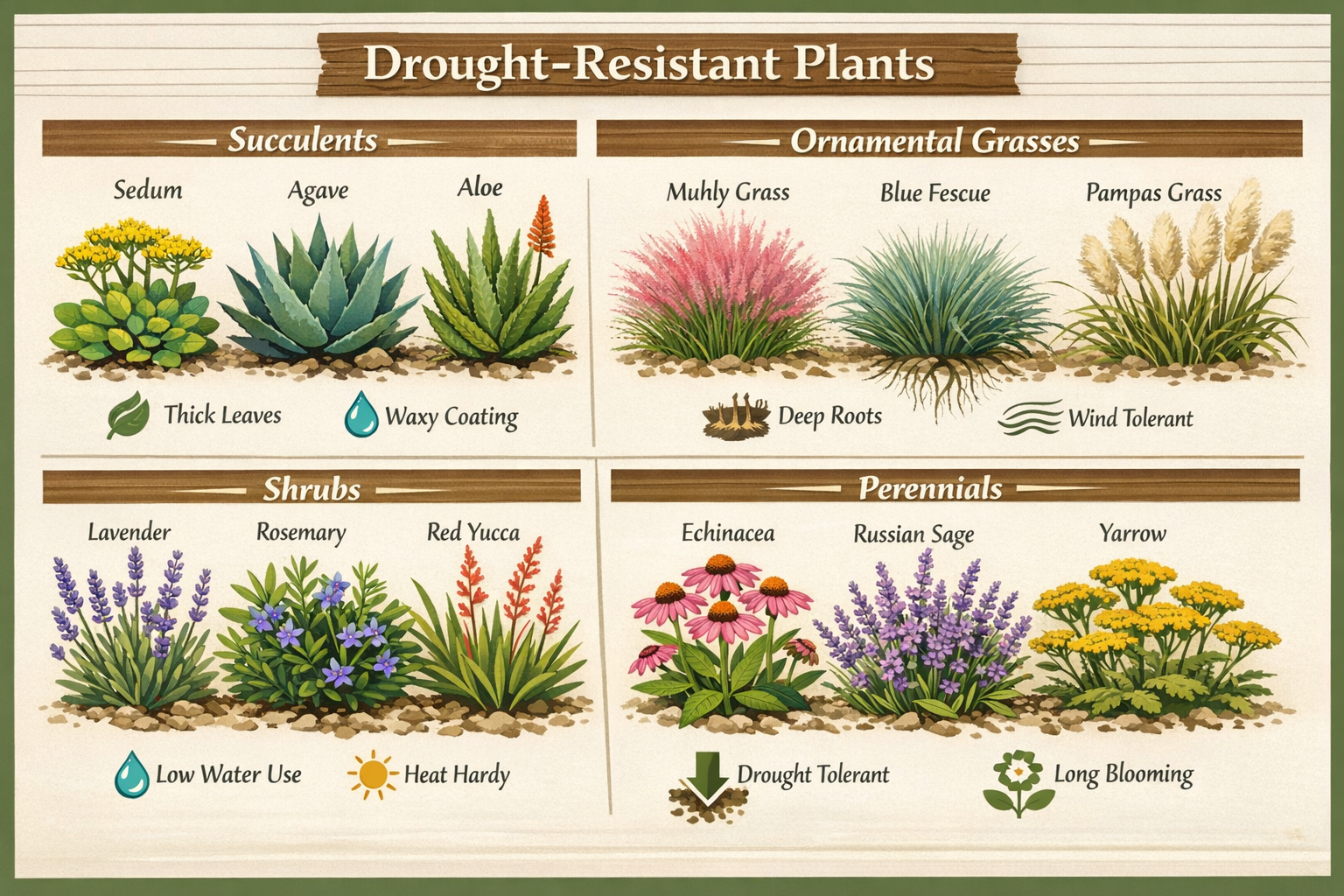
When selecting drought resistant plants for your garden in 2026, you’ll find a wide variety across several categories, each offering unique textures, colors, and forms that can create a vibrant, low-water landscape. These categories include succulents, ornamental grasses, perennials, and shrubs, ensuring there’s a suitable option for almost any garden style or specific need.
Choosing from these categories allows for a diverse and visually appealing garden that requires significantly less water once established. Whether you’re aiming for a minimalist modern look, a cottage garden feel, or a naturalistic landscape, the range of drought-tolerant options means you don’t have to compromise on beauty for sustainability.
Succulents and Cacti
Succulents are arguably the most recognizable drought-resistant plants, famous for their ability to store water in their fleshy leaves, stems, or roots. They come in an incredible array of shapes, sizes, and colors. Cacti, a subgroup of succulents, are known for their spiny exteriors and unique forms.
Popular Picks:
- Sedum (Stonecrop): Varieties like ‘Autumn Joy’ or creeping sedums.
- Sempervivum (Hens and Chicks): Ideal for rock gardens and containers.
- Agave: Striking architectural plants, many are also wind-resistant balcony plants.
- Aloe: Known for medicinal properties and distinctive rosettes.
- Echeveria: Beautiful, often colorful rosettes perfect for containers.
Ornamental Grasses
Ornamental grasses are excellent for adding texture, movement, and year-round interest to a drought-tolerant landscape. Many varieties are incredibly hardy and require minimal care.
Popular Picks:
- Muhly Grass (Muhlenbergia capillaris): Known for its airy, pinkish-purple blooms in fall.
- Fescue (Festuca glauca): Blue-gray foliage, great for borders.
- Switchgrass (Panicum virgatum): Upright growth, good for mass plantings.
- Little Bluestem (Schizachyrium scoparium): Attractive blue-green foliage turning red-orange in fall.
Perennials
Many perennials are naturally drought-resistant once established, providing continuous blooms and foliage year after year with minimal watering.
Popular Picks:
- Lavender (Lavandula): Fragrant, purple flowers, attracts pollinators.
- Coneflower (Echinacea): Daisy-like flowers, attracts bees and butterflies.
- Salvia (Sage): Wide range of colors and sizes, very resilient.
- Yarrow (Achillea): Flat-topped flower clusters in various colors.
- Russian Sage (Perovskia atriplicifolia): Silver foliage and purple spikes.
Shrubs and Trees
Selecting drought-resistant shrubs and trees is vital for creating the backbone of a water-wise landscape, offering structure, shade, and long-term beauty.
Popular Picks:
- Manzanita (Arctostaphylos): Beautiful bark, often native to dry regions.
- Oleander (Nerium oleander): Evergreen, colorful flowers, but toxic.
- Ceanothus (California Lilac): Stunning blue flowers, many varieties.
- Olive Tree (Olea europaea): Classic Mediterranean look, can be grown in containers.
By mixing and matching these categories, you can design a dynamic garden that not only conserves water but also thrives in your local climate.
Designing a Water-Wise Garden with Drought Resistant Plants
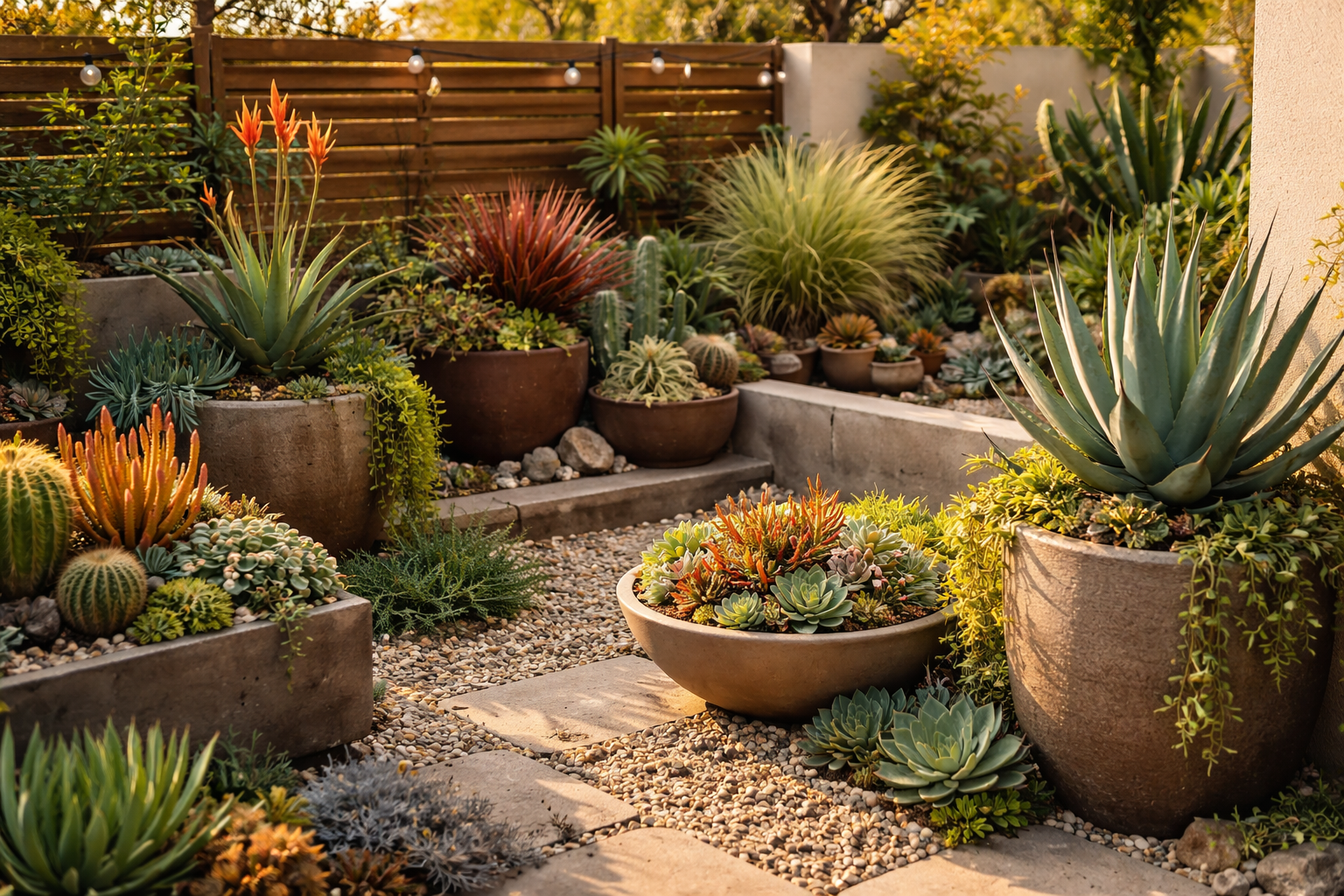
Designing a water-wise garden with drought resistant plants involves strategic planning that integrates plant selection, soil preparation, efficient irrigation, and thoughtful landscape layout to minimize water consumption while maximizing aesthetic appeal. The goal is to create a thriving ecosystem that is both beautiful and sustainable, reducing your environmental footprint and maintenance efforts in 2026.
Successful xeriscaping, or water-efficient landscaping, focuses on grouping plants with similar water needs, improving soil structure, and using mulch to retain moisture. This approach ensures that every drop of water is used effectively, allowing your drought resistant plants to flourish with minimal supplemental irrigation once established. For those with small spaces, these principles can be applied to create a small space vegetable gardening system or even a balcony garden setup.
Key Principles for Water-Wise Garden Design
- Plan and Design: Start with a clear plan, mapping out plant zones based on sun exposure and water requirements. Create zones for high, medium, and low water use.
- Improve Soil: Enhance soil with organic matter (compost) to improve water retention and drainage. For drought-resistant plants, well-draining soil is crucial.
- Choose Appropriate Plants: Select drought resistant plants that are native or well-adapted to your local climate and hardiness zone. Group plants with similar water needs together.
- Efficient Irrigation: Install drip irrigation or soaker hoses to deliver water directly to the plant roots, minimizing evaporation. Water deeply and infrequently to encourage deep root growth.
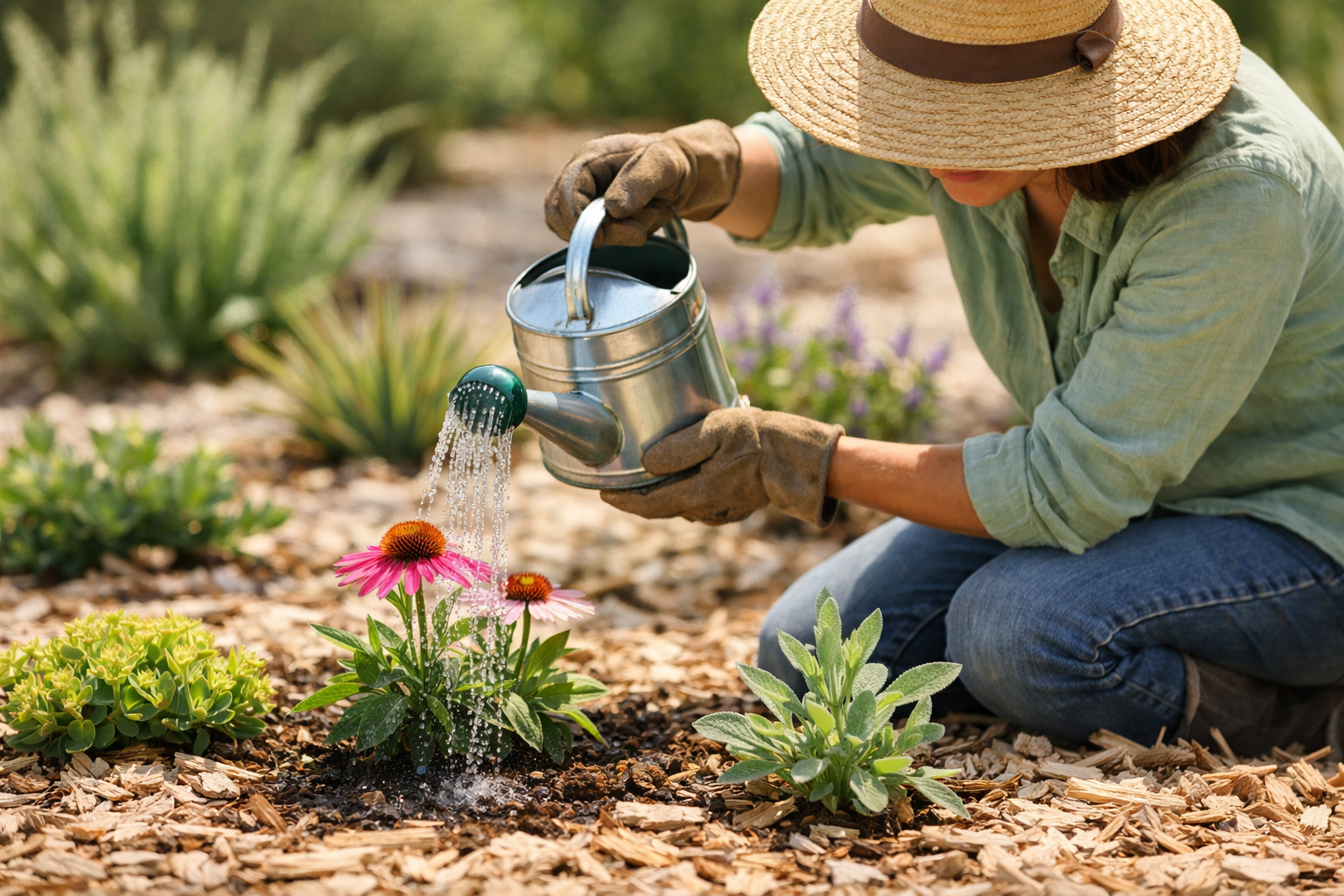
- Use Mulch: Apply a 2-4 inch layer of organic mulch (wood chips, straw, shredded bark) around plants. Mulch suppresses weeds, moderates soil temperature, and significantly reduces water evaporation.
- Reduce Lawn Area: Lawns are typically high water consumers. Consider replacing sections of turf with drought-tolerant groundcovers, permeable paving, or plant beds.
- Consider Hardscaping: Incorporate elements like pathways, patios, and rock gardens which require no water, adding structure and beauty.
- Regular Maintenance: While low-maintenance, even drought-tolerant gardens benefit from occasional weeding, pruning, and monitoring for plant health.
By following these principles, you can create a stunning and sustainable garden that celebrates the beauty of drought resistant plants and thrives even during dry spells. Remember that even drought-resistant plants need consistent watering during their first year to establish their root systems before becoming truly water-independent. For more general plant care, consult a beginner’s guide to plant care.
Establishment and Care of Drought Resistant Plants
Even though drought resistant plants are known for their resilience, proper establishment and initial care are critical to ensure they develop strong root systems and thrive in the long term with minimal water. Neglecting this initial phase can lead to stress or failure, even for the toughest species.
Once established, these plants generally require less intervention than conventional garden plants, but understanding their specific needs during the first growing season and providing ongoing minimal care will ensure their success. This typically involves careful watering to encourage deep root growth, appropriate soil amendments, and strategic mulching.
Establishing New Drought Resistant Plants
- Prepare the Soil: Ensure the soil is well-draining. Most drought-resistant plants prefer sandy or rocky soil. If your soil is heavy clay, amend it with grit, sand, or coarse organic matter to improve drainage.
- Planting Time: Plant during cooler seasons (fall or spring) when plants can establish roots without the stress of extreme heat.
- Initial Watering: Water thoroughly immediately after planting to settle the soil around the roots.
- Consistent First-Year Watering: This is crucial. For the first 6-12 months, water regularly – typically once a week or every two weeks, depending on rainfall and plant type – to encourage deep root development. The goal is to train roots to seek water deeper in the soil.
- Mulching: Apply a 2-4 inch layer of organic mulch (e.g., wood chips, gravel, straw) around the base of the plants, keeping it a few inches away from the stem. Mulch helps retain soil moisture, suppresses weeds, and regulates soil temperature.
- Avoid Fertilizing Heavily: Drought-resistant plants typically do not need rich soil or heavy fertilization. Too much nitrogen can encourage lush, tender growth that is more susceptible to drought stress.
Ongoing Care for Established Plants
- Infrequent, Deep Watering: Once established, water deeply but infrequently during extended dry periods. This means soaking the soil to a depth of several inches, then allowing it to dry out almost completely before watering again. This encourages roots to grow deeper.
- Weed Control: Weeds compete for scarce water and nutrients. Keep beds clear, especially around young plants.
- Pruning: Prune as needed to maintain shape, remove dead or diseased branches, and encourage new growth. Many drought-resistant shrubs benefit from light annual pruning.
- Monitoring: Regularly inspect plants for signs of stress, pests, or disease. Early detection can prevent major problems.
- Container Care: Drought resistant plants in containers may still need more frequent watering than those in the ground, as containers dry out faster. Monitor soil moisture levels closely. For more on container care, check out our guide on how often to water container vegetables in summer.
By investing time in proper establishment, your drought resistant plants will become resilient, low-maintenance additions to your garden, rewarding you with beauty and water savings for years to come.
Conclusion
Embracing drought resistant plants in 2026 is a smart and sustainable choice for gardeners everywhere, offering a compelling blend of environmental responsibility and aesthetic appeal. These resilient species provide a practical solution to water conservation challenges, allowing us to cultivate beautiful, thriving landscapes with significantly less water and maintenance. By understanding their unique adaptations and applying sound gardening practices, from proper soil preparation to strategic mulching and thoughtful design, you can create a garden that is not only visually stunning but also ecologically responsible. The journey to a water-wise garden is rewarding, contributing to a healthier planet and a more sustainable future, one plant at a time.
Actionable Next Steps
- Assess Your Climate: Research your local hardiness zone and average rainfall to identify suitable drought-resistant plants.
- Plan Your Layout: Sketch out your garden design, noting sun exposure and grouping plants with similar water needs.
- Start Small: Begin by converting a small section of your garden to drought-resistant plants to gain experience.
- Consult Local Nurseries: Seek advice from local experts on native or well-adapted drought-tolerant species for your region.
- Improve Soil and Mulch: Prepare your soil with good drainage and apply a generous layer of mulch to new plantings.
- Commit to First-Year Care: Be diligent with initial watering to ensure new plants establish strong root systems.
FAQ
What does “drought resistant” mean for a plant?
“Drought resistant” means a plant has evolved specific adaptations, such as deep roots or fleshy leaves, allowing it to survive and thrive with minimal water for extended periods without irrigation.
Do drought resistant plants need any water at all?
Yes, drought resistant plants need water, especially during their first 6-12 months to establish a strong root system. Once established, they require significantly less water than traditional plants, but may still need occasional deep watering during prolonged dry spells or extreme heat.
Are native plants always drought resistant?
Not necessarily. While many native plants are adapted to their local climate’s average rainfall, not all native plants are inherently drought resistant, especially if your region experiences increasingly severe droughts. It’s crucial to research specific native species.
Can I grow drought resistant plants in containers?
Yes, many drought resistant plants, especially succulents and smaller ornamental grasses, thrive in containers. However, container plants dry out faster than those in the ground, so they may require more frequent watering than their in-ground counterparts.
What kind of soil do drought resistant plants prefer?
Most drought resistant plants prefer well-draining soil, often sandy or rocky, that doesn’t retain too much moisture. Amending heavy clay soils with grit or coarse organic matter can improve drainage.
What is xeriscaping?
Xeriscaping is a landscaping method that reduces or eliminates the need for supplemental irrigation through the use of drought-tolerant plants, efficient watering systems, and thoughtful design principles like mulching and grouping plants by water needs.
How often should I water established drought resistant plants?
Once established (after about a year), water established drought resistant plants deeply but infrequently. This could mean once every few weeks or even less often, depending on your climate, recent rainfall, and the specific plant. Always check soil moisture before watering.
Are all succulents drought resistant?
Generally, yes. Succulents are defined by their ability to store water in their leaves, stems, or roots, making them inherently drought resistant. However, some varieties may tolerate more moisture than others.
Can drought resistant plants survive a freezing winter?
Their ability to survive winter depends on their hardiness zone, not just their drought resistance. Many drought-resistant plants are also cold-hardy, but it’s essential to select varieties appropriate for your specific climate zone.
What are the benefits of choosing drought resistant plants?
The benefits include significant water savings, lower water bills, reduced maintenance, enhanced ecological benefits (supporting local wildlife), and creating a resilient, beautiful garden that thrives in challenging conditions.
Can I mix drought resistant plants with other plants?
Yes, you can, but it’s best to group drought resistant plants together in a specific zone of your garden where their water needs can be met efficiently. Mixing them indiscriminately with high-water-need plants can make irrigation challenging and less efficient.
Do I need special fertilizer for drought resistant plants?
Most drought resistant plants thrive in lean soil and do not require heavy fertilization. Over-fertilizing, especially with nitrogen, can lead to tender growth that is more susceptible to drought stress. A light application of balanced, slow-release organic fertilizer (if any) is usually sufficient.
References
- The Old Farmer’s Almanac. (2024). Drought-Tolerant Plants.
- University of California Agriculture and Natural Resources. (2023). Water-Wise Gardening.
- Colorado State University Extension. (2022). Xeriscape: Seven Principles of Landscape Design.