Container Gardening for Beginners: Step-by-Step Setup Guide
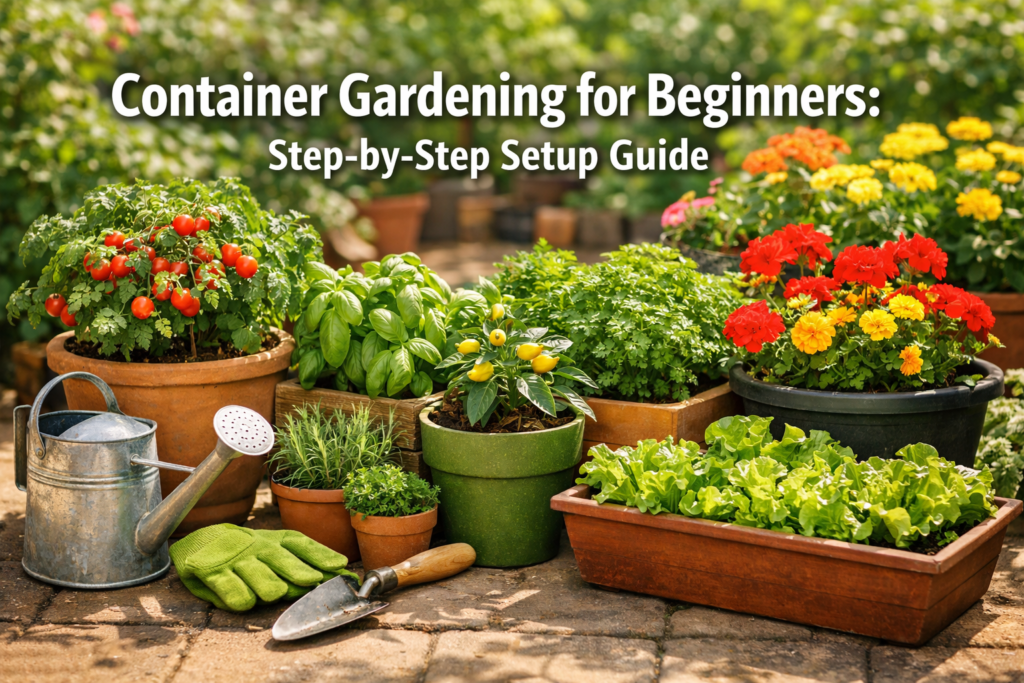
Quick Answer: Container gardening offers a flexible and rewarding way to grow plants, especially for beginners or those with limited space, by allowing you to cultivate vegetables, herbs, and flowers in pots and other vessels. Starting a successful container garden involves selecting the right containers and soil, choosing suitable plants, and providing consistent care, all of which can be achieved through a straightforward, step-by-step setup process.
Key Takeaways:
- Choose Right Containers: Select pots with drainage holes, appropriate size for your plants, and suitable materials.
- Use Quality Potting Mix: Always opt for a specialized container potting mix, not garden soil, to ensure proper drainage and aeration.
- Select Suitable Plants: Begin with easy-to-grow varieties that thrive in containers and match your available sunlight.
- Strategic Placement: Position containers where plants receive adequate sunlight based on their specific needs.
- Consistent Watering: Container plants dry out faster than in-ground plants, so daily checks and regular watering are crucial.
- Regular Fertilizing: Potting mix nutrients deplete quickly; replenish with balanced, slow-release or liquid fertilizers.
- Monitor for Pests/Diseases: Early detection and intervention are key to managing common container garden issues.
- Start Small: A few successful containers build confidence and provide valuable learning experience.
What is Container Gardening and Why Start in 2026?
Container gardening is the practice of growing plants exclusively in containers instead of planting them directly in the ground, making it ideal for patios, balconies, or small yards. In 2026, it remains a popular choice because it offers unparalleled flexibility, mobility, and the ability to customize growing conditions for specific plants, even in urban environments or for those with physical limitations. This method allows you to grow a wide variety of plants, from herbs and vegetables to flowers and small shrubs, right outside your door or even indoors.
Benefits of Container Gardening:
- Space Efficiency: Perfect for small spaces like balconies, patios, rooftops, or even windowsills. See our guide on “Small Space Vegetable Gardening: 2026 Step-by-Step Guide” for more ideas.
- Mobility: Containers can be moved to optimize sun exposure, protect plants from extreme weather, or rearrange for aesthetic purposes.
- Pest and Disease Control: It’s often easier to isolate and treat individual plants, preventing the spread of issues.
- Soil Control: You have complete control over the soil type, pH, and nutrients, ensuring optimal conditions for each plant.
- Reduced Weeding: Significantly less weeding compared to traditional in-ground gardens.
- Accessibility: Easier for individuals with mobility challenges, as containers can be elevated to a comfortable working height.
Choosing the Right Containers for Your Garden 🌱
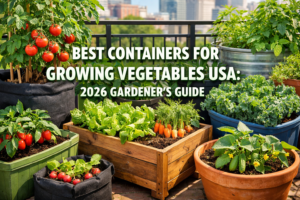
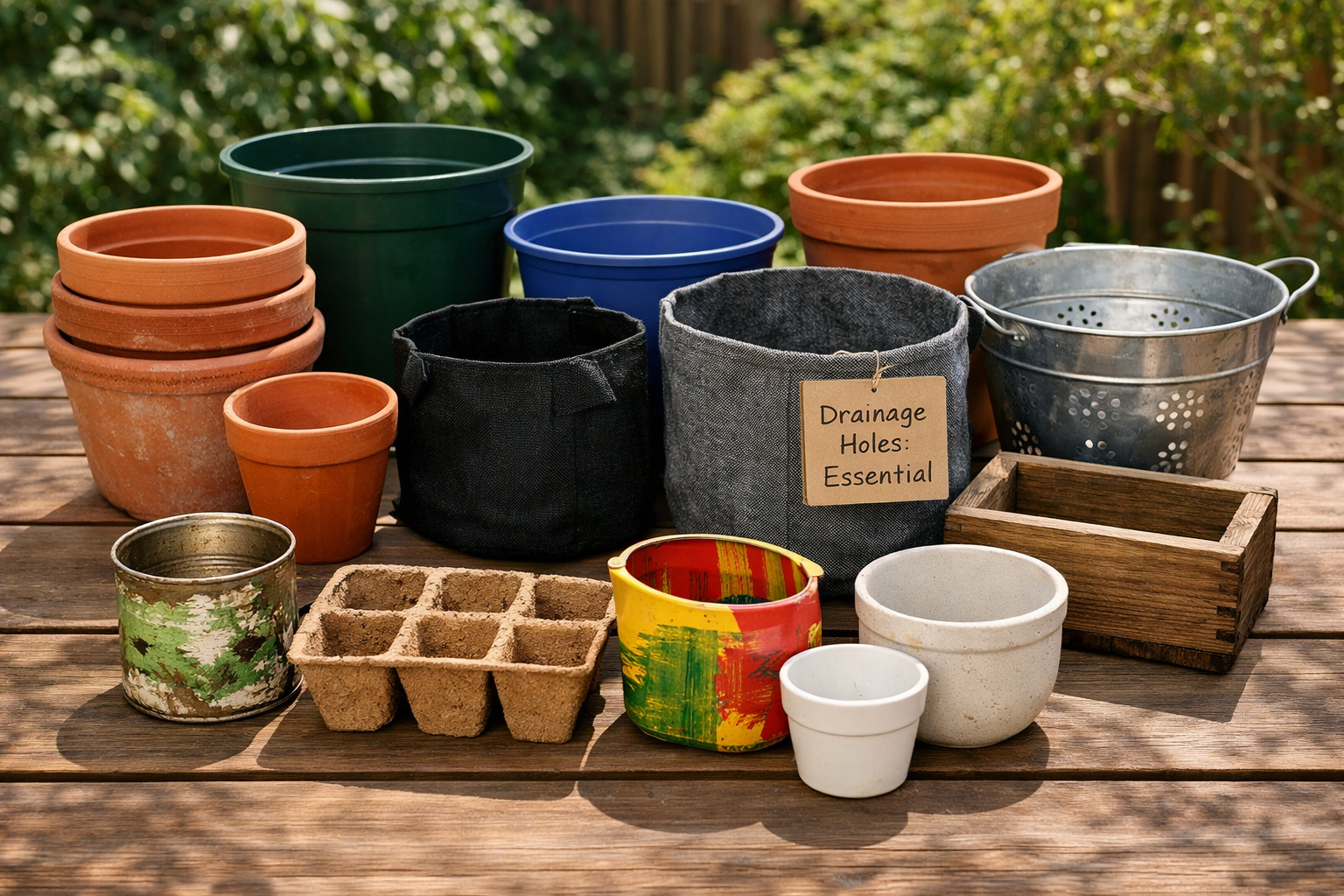
Selecting the appropriate containers is the foundational step in container gardening, directly impacting plant health and your garden’s aesthetic. The right container provides sufficient space for root growth, ensures proper drainage, and complements your chosen plants and outdoor décor. When making your selection, consider material, size, and most importantly, drainage.
Key Considerations for Container Selection:
- Drainage Holes are Non-Negotiable: Every container must have drainage holes at the bottom to prevent waterlogging, which can lead to root rot. If a pot lacks holes, you must drill them yourself.
- Material Matters:
- Terra Cotta/Clay: Porous, allowing air and moisture to pass through, which helps prevent overwatering but also dries out quickly. Ideal for plants that prefer drier conditions.
- Plastic/Resin: Lightweight, retain moisture well, and are often inexpensive. A good choice for thirsty plants or if you don’t want to water as frequently. They can, however, heat up in direct sun.
- Fabric Grow Bags: Excellent for aeration and drainage, preventing roots from circling. They are lightweight and foldable for storage. Great for vegetables like potatoes and carrots.
- Wood: Visually appealing and offers good insulation. Ensure wood is rot-resistant (like cedar) and not treated with harmful chemicals.
- Metal: Can be striking, but metal heats up rapidly in the sun, potentially cooking roots. Line them with insulating material or choose lighter colors.
- Size for Success: The size of your container should match the mature size of your plant’s root system.
- Small (6-8 inches): Herbs, lettuce, radishes.
- Medium (10-14 inches): Bush beans, peppers, small determinate tomatoes, annual flowers.
- Large (16-20+ inches): Indeterminate tomatoes, cucumbers, squash, small fruit trees.
- Common Mistake: Using a container that is too small restricts root growth, leading to stunted plants and more frequent watering. Always err on the side of slightly larger if unsure.


Choosing the Right Potting Mix and Planting Your Seeds/Seedlings 🌿
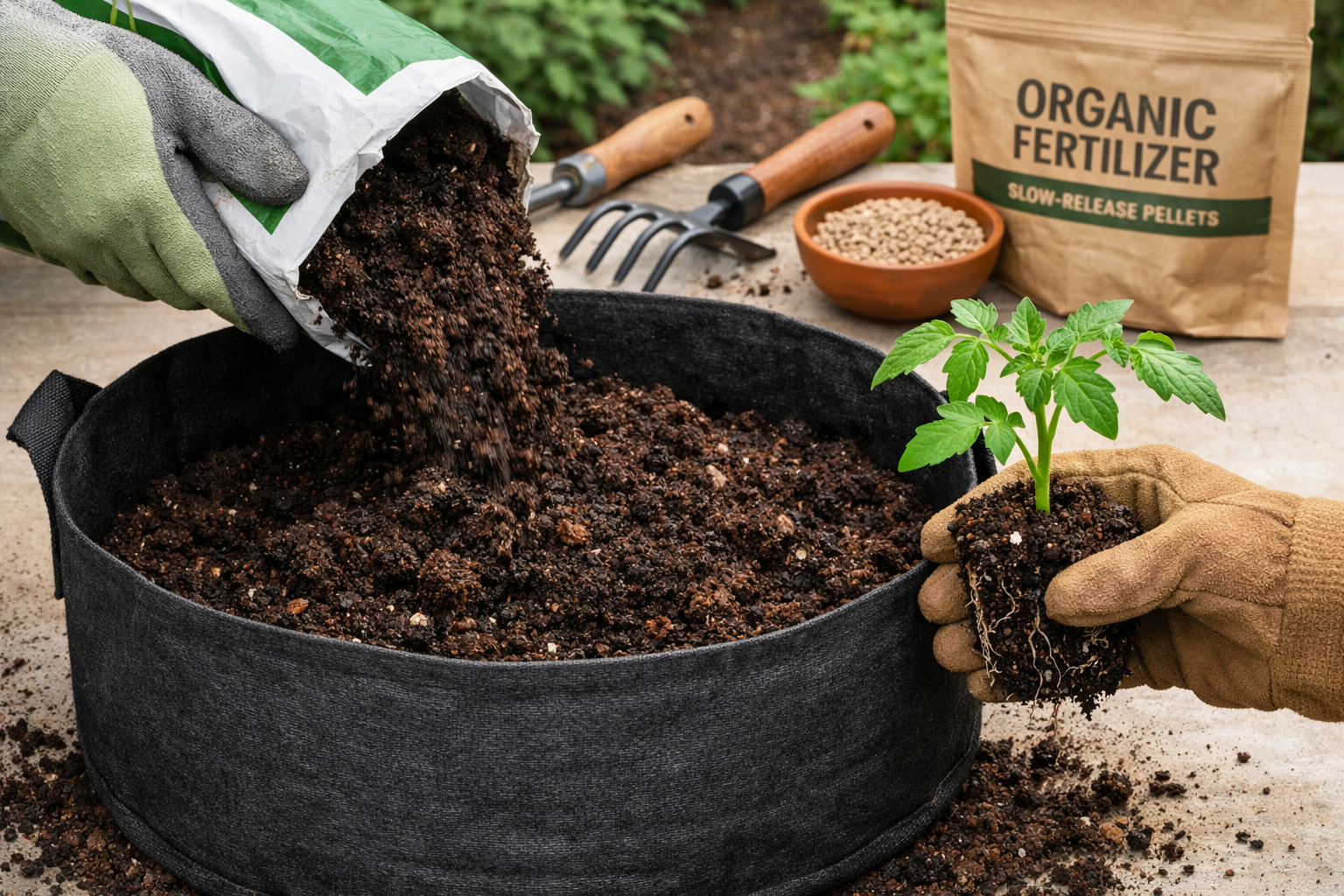
The foundation of a thriving container garden is the potting mix, which differs significantly from garden soil by providing better drainage, aeration, and nutrients tailored for potted plants. After selecting your high-quality potting mix, the next critical step involves carefully planting your chosen seeds or seedlings to give them the best start.
Steps for Potting Mix and Planting:
- Select a High-Quality Potting Mix:
- Avoid Garden Soil: Garden soil is too dense for containers, compacts easily, and can introduce pests and diseases.
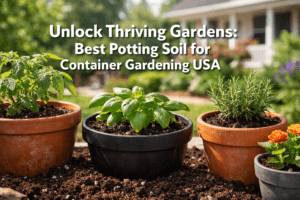
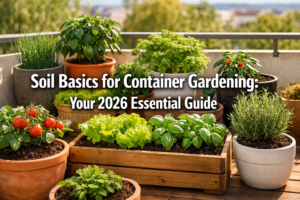
- Look for “Potting Mix” or “Container Mix”: These specialized mixes are lightweight, sterile, and designed for drainage and aeration. They typically contain peat moss, coir, perlite, vermiculite, and a starter fertilizer. For more details on soil, check out our “Soil Basics for Container Gardening: 2026 Expert Guide”.
- Consider Organic Options: If you plan to grow edibles, an organic potting mix is a great choice.
- Prepare Your Containers:
- Place a layer of screening or coffee filters over drainage holes to prevent soil from washing out, but avoid using gravel or broken pottery, as this can impede drainage.
- Fill the container with potting mix, leaving about 1-2 inches of space from the rim to allow for watering.
- Planting Seeds:
- Refer to seed packet instructions for planting depth and spacing.
- Make small indentations, place seeds, and lightly cover with soil.
- Gently water the soil immediately after planting.
- Planting Seedlings:
- Carefully remove the seedling from its nursery pot, loosening any circling roots.
- Dig a hole large enough to accommodate the root ball.
- Place the seedling in the hole, ensuring the top of the root ball is level with the surrounding soil. For tomatoes, you can plant them deeper to encourage more root growth.
- Backfill with potting mix, gently firming it around the base of the plant.
- Water thoroughly until water drains from the bottom of the pot.
Choosing Plants and Optimal Placement for Sun Exposure ☀️
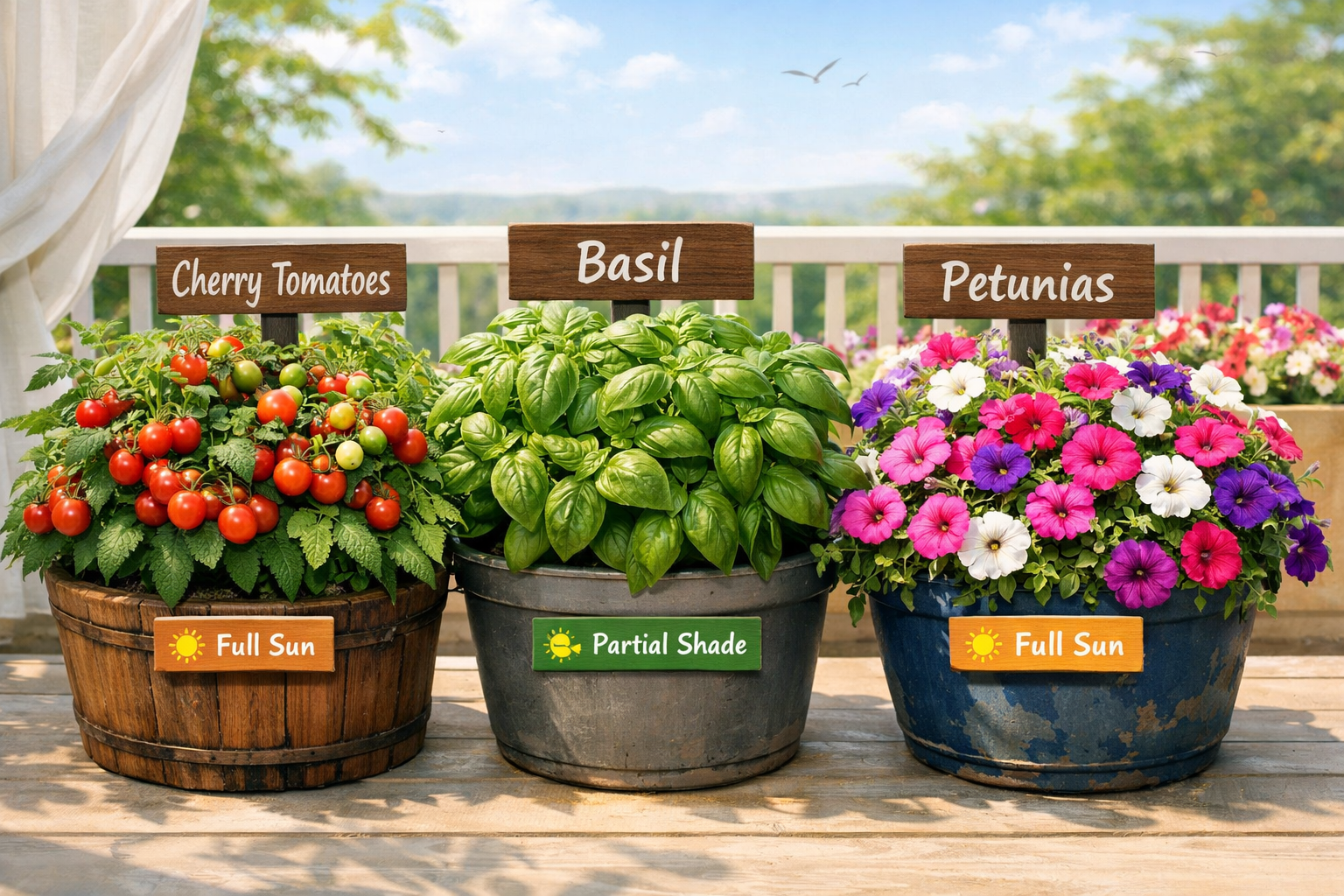
Selecting the right plants for your container garden and placing them correctly based on their light requirements are crucial for success. Not all plants thrive in containers, and even those that do have specific needs regarding sunlight. For a beginner, starting with easy-to-grow varieties that match your available light is the best strategy.
Plant Selection Criteria:
- Sunlight Requirements: This is paramount.
- Full Sun (6+ hours direct sun): Most vegetables (tomatoes, peppers, cucumbers), many herbs (basil, rosemary), and sun-loving flowers (petunias, marigolds).
- Partial Sun (4-6 hours direct sun): Leafy greens (lettuce, spinach), some herbs (mint, cilantro), and shade-tolerant flowers (impatiens, coleus).
- Shade (less than 4 hours direct sun): Limited options, but certain leafy greens and herbs can tolerate it. See our guide on “Vegetables That Grow in Shade: Your 2026 Guide” for specific recommendations.
- Container Suitability:
- Look for varieties specifically bred for containers or small spaces (e.g., “bush” or “dwarf” varieties).
- Consider the mature size of the plant relative to your chosen pot.
- Easy-to-Grow for Beginners:
- Herbs: Basil, mint, chives, parsley, rosemary. (Learn more with “Beginner-Friendly Herbs to Grow: Easy Guide 2026”).
- Leafy Greens: Lettuce, spinach, kale.
- Small Vegetables: Radishes, bush beans, cherry tomatoes, bell peppers. (Check out “Easy Vegetables for Beginners: Your 2026 Guide”).
Optimal Container Placement:
- Observe Your Space: Spend a day monitoring your chosen gardening spot to see how many hours of direct sunlight it receives throughout the day. This is the most accurate way to assess light conditions.
- Match Plants to Light: Place full-sun plants in the sunniest spots and partial-sun or shade-tolerant plants where appropriate.
- Consider Wind and Shelter: Protected areas reduce stress on plants. If you’re on a windy balcony, consider wind-resistant options or placing heavier pots in sheltered corners.
Essential Care: Watering, Fertilizing, and Pest Management 💧🐞
Consistent and attentive care is paramount for the success of any container garden, encompassing proper watering, regular fertilization, and diligent pest and disease management. Unlike in-ground plants, container plants have limited soil volume and nutrient reserves, making these aspects particularly critical. Mastering these fundamentals will ensure your plants thrive from spring through fall in 2026.
Watering Container Plants:
- Frequency: Container plants typically need more frequent watering than in-ground plants, often daily, especially in hot, dry, or windy conditions. Small pots and porous materials like terra cotta dry out fastest.
- How to Check: Stick your finger about an inch or two into the soil. If it feels dry, it’s time to water. Don’t rely solely on surface dryness.
- How to Water: Water slowly and deeply until water drains from the bottom of the pot. This ensures the entire root ball is moistened.
- Avoid Overwatering: While frequent watering is needed, soggy soil is detrimental. Ensure good drainage and don’t let pots sit in standing water.
- Best Time: Water in the morning to allow plants to absorb moisture before the heat of the day and for leaves to dry, reducing fungal disease risk. For more watering tips, see our “How Often to Water Container Vegetables in Summer 2026” guide.
Fertilizing for Growth:
- Nutrient Depletion: Potting mixes typically contain a limited supply of nutrients that deplete rapidly, especially with frequent watering.
- Feeding Schedule: Most container plants benefit from regular feeding, generally every 2-4 weeks, depending on the plant and fertilizer type.
- Fertilizer Types:
- Slow-Release Granules: Incorporated into the soil at planting or top-dressed, they release nutrients over several months.
- Liquid Fertilizers: Mixed with water and applied during regular watering. These provide a quick nutrient boost.
- Choose Balanced Formulas: Look for fertilizers with N-P-K ratios suitable for your plants (e.g., balanced 5-5-5 or higher nitrogen for leafy greens, higher phosphorus for flowers/fruits). Explore “Fertilizers for Vegetables: 2026 Expert Guide for Optimal Gardening”.
Pest and Disease Management:
- Regular Inspection: Routinely check your plants (top and bottom of leaves, stems) for any signs of pests (aphids, spider mites, slugs) or diseases (leaf spots, mildew). Early detection is key.
- Manual Removal: For small infestations, hand-picking pests or wiping them off with a damp cloth can be effective.
- Organic Solutions: Neem oil, insecticidal soap, or horticultural oils can effectively treat many common pests with minimal environmental impact. Always follow product instructions.
- Good Air Circulation: Space your containers adequately and prune dense foliage to improve airflow, reducing the risk of fungal diseases.
- Healthy Plants Resist: Well-watered, properly fertilized plants are generally more resistant to pests and diseases.
Common Container Gardening Mistakes to Avoid in 2026
Even with the best intentions, beginners can encounter common pitfalls in container gardening that hinder plant growth and success. By understanding and proactively avoiding these mistakes, you can ensure a much smoother and more rewarding gardening experience in 2026.
Pitfalls to Watch Out For:
- Lack of Drainage Holes: This is arguably the most common and detrimental mistake. Without proper drainage, roots suffocate and rot, leading to plant death. Always ensure your chosen container has ample drainage.
- Using Garden Soil: As mentioned, garden soil is too heavy for containers, compacts easily, and can harbor pests and diseases. Always use a high-quality, lightweight potting mix designed for containers.
- Underwatering or Overwatering: Both extremes are harmful. Underwatering leads to wilting and stunted growth, while overwatering causes root rot. Feel the soil moisture regularly and water thoroughly when the top inch or two is dry.
- Insufficient Container Size: Placing a large plant in a small pot restricts root development, leading to a stunted plant and the need for constant watering. Match container size to the plant’s mature root system.
- Neglecting Fertilization: Potting mixes quickly lose nutrients. Forgetting to fertilize regularly will lead to nutrient deficiencies, weak growth, and poor yields.
- Inadequate Sunlight: Plants need specific amounts of sunlight to thrive. Placing a sun-loving plant in too much shade (or vice-versa) will result in leggy growth, poor flowering, or no fruit. Observe your space and choose plants accordingly.
- Ignoring Pests and Diseases: Small pest problems can quickly escalate. Regularly inspect your plants and address issues promptly with appropriate treatments. More tips on avoiding common issues can be found in “Beginner Mistakes in Small Space Gardening 2026”.
Conclusion
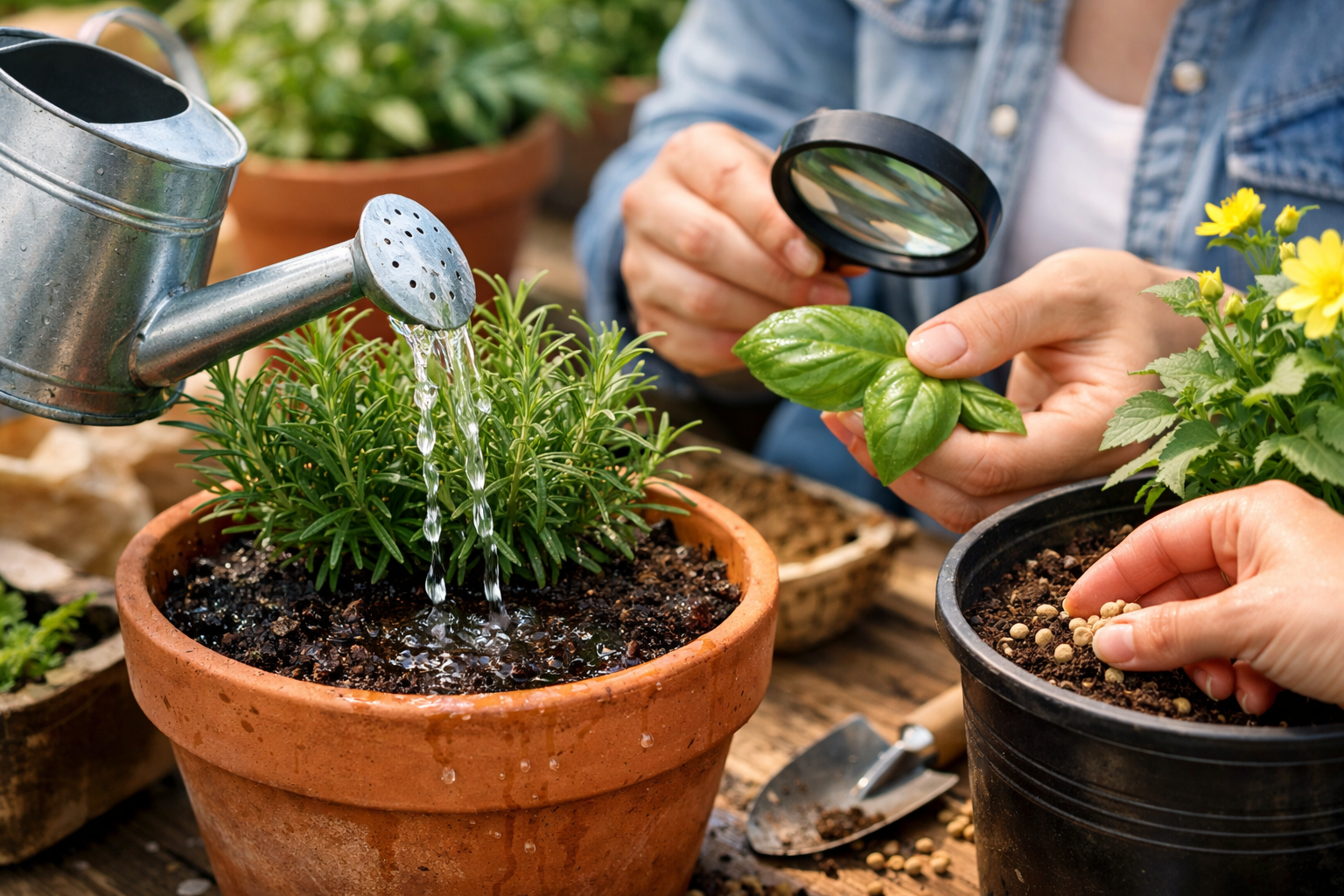
Embarking on container gardening in 2026 is an accessible and enjoyable way to bring greenery and fresh produce into your life, regardless of space limitations. By following this step-by-step guide, you’ve learned how to select suitable containers and potting mixes, choose the right plants for your environment, and provide essential care through watering, fertilizing, and pest management. Remember that patience and observation are your best tools as you grow.
Actionable Next Steps:
- Assess Your Space: Determine how much sunlight your chosen gardening area receives daily.
- Gather Supplies: Purchase containers with drainage, quality potting mix, and basic gardening tools.
- Choose Your First Plants: Start with 2-3 easy-to-grow herbs or vegetables that match your sunlight conditions.
- Plant and Care: Follow the planting instructions and commit to a consistent watering and feeding schedule.
- Observe and Learn: Pay attention to how your plants respond and adjust your care as needed. Every garden is a learning experience!
Ready to get started? Explore our “Ultimate Guide to Small Space Gardening for Beginners 2026” for more comprehensive advice and inspiration.
FAQ
Q1: Can I use regular garden soil in my containers?
A1: No, you should never use regular garden soil in containers as it’s too dense, compacts easily, and can suffocate roots while potentially introducing pests and diseases. Always opt for a specialized potting mix.
Q2: How often should I water my container plants?
A2: Most container plants need watering daily, especially in warm weather. Check the soil moisture by sticking your finger an inch or two deep; if it feels dry, it’s time to water thoroughly until water drains from the bottom.
Q3: What are the easiest plants for beginner container gardeners?
A3: For beginners, easy plants include herbs like basil, mint, and chives, leafy greens like lettuce and spinach, and small vegetables such as radishes, bush beans, and cherry tomatoes.
Q4: Do all containers need drainage holes?
A4: Yes, every container must have drainage holes at the bottom to prevent waterlogging and root rot. If a pot doesn’t have them, you’ll need to drill them yourself.
Q5: How do I know if my plants are getting enough sun?
A5: Observe your gardening space for a full day to count the hours of direct sunlight. Most vegetables and herbs need 6+ hours (full sun), while leafy greens can tolerate 4-6 hours (partial sun).
Q6: Should I fertilize my container plants?
A6: Yes, potting mixes have limited nutrients that deplete quickly. Fertilize most container plants every 2-4 weeks with a balanced liquid or slow-release granular fertilizer to support healthy growth.
Q7: What kind of containers are best for beginners?
A7: Plastic or resin containers are lightweight, inexpensive, and retain moisture well, making them a great choice for beginners. Fabric grow bags also offer excellent aeration and drainage.
Q8: How do I prevent pests in my container garden?
A8: Regularly inspect your plants for signs of pests, remove them manually if few, or use organic solutions like neem oil or insecticidal soap for larger infestations. Good air circulation also helps.
Q9: Can I start a container garden on a small balcony?
A9: Absolutely! Container gardening is perfect for small balconies. Choose compact plant varieties and utilize vertical space if possible. Check out our “Balcony Garden Setup Step-by-Step 2026: Your Ultimate Guide” for more ideas.
Sources
- Cornell University Cooperative Extension. (2020). Container Vegetable Gardening. Retrieved from https://gardening.cornell.edu/factsheets/vegetables/
- The Old Farmer’s Almanac. (2023). Growing Vegetables in Containers. Retrieved from https://www.almanac.com/vegetables-containers
- University of Maryland Extension. (2021). Growing Vegetables in Containers. Retrieved from https://extension.umd.edu/resource/growing-vegetables-containers