Can Plants Survive With ONLY Ceiling Fluorescent Lights?
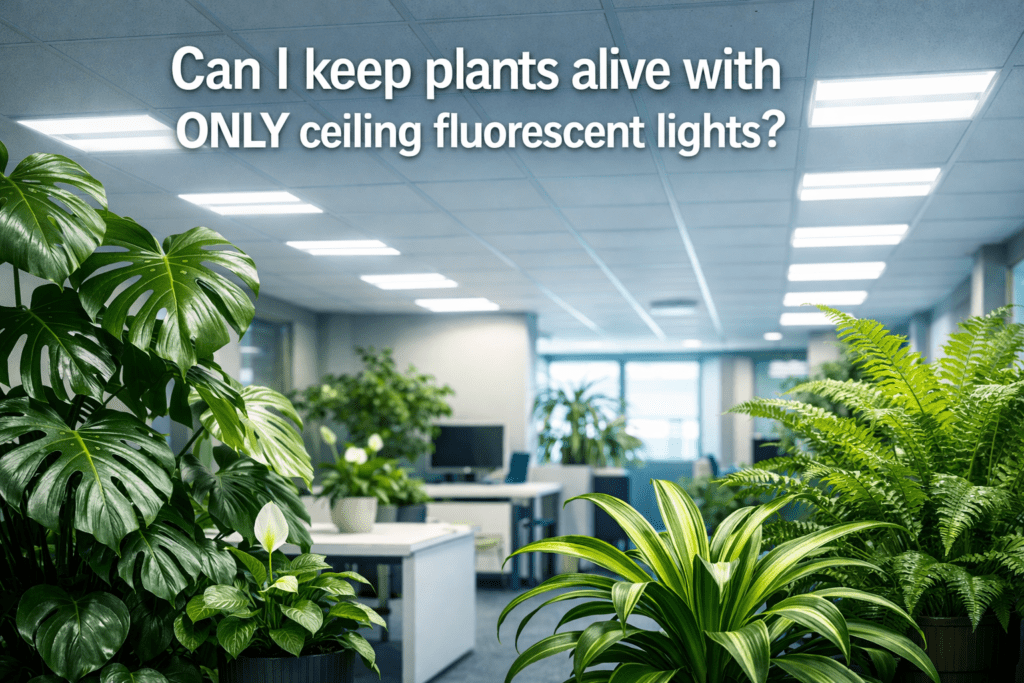
Quick Answer: While it’s challenging, you can keep certain low-light tolerant plants alive using only standard ceiling fluorescent lights, but they will likely survive rather than truly thrive. Success depends heavily on the plant species, the light’s intensity and spectrum, and consistent care, often requiring longer periods of illumination than natural daylight.
Key Takeaways:
- Limited Suitability: Standard ceiling fluorescents are generally insufficient for most plants to thrive, especially those needing bright light.
- Low-Light Plants Preferred: Only very low-light tolerant species like ZZ plants, Snake Plants, Pothos, and Peace Lilies stand a chance.
- Light Spectrum Matters: Fluorescent lights typically lack the full spectrum and intensity plants need for robust photosynthesis, particularly in the red spectrum.
- Duration is Key: Plants will need 12-16 hours of consistent illumination daily under fluorescent lights, often more than natural light cycles.
- Proximity is Crucial: Plants must be placed directly beneath the light source, often within 1-2 feet, to receive adequate illumination.
- Supplemental Lighting is Ideal: For better growth, consider supplementing with dedicated LED grow lights or moving plants to brighter natural light sources.
- Monitor Plant Health: Watch for signs of stress like leggy growth, pale leaves, or lack of new development.
- Beyond Light: Proper watering, humidity, temperature, and nutrients remain vital for plant health, regardless of light source.
Can I Keep Plants Alive with ONLY Ceiling Fluorescent Lights? Understanding the Basics
Yes, you can theoretically keep some plants alive with only ceiling fluorescent lights, but it’s crucial to understand the limitations. Standard fluorescent lights, commonly found in offices and kitchens, are designed primarily for human visibility, not optimal plant growth. While they emit light, the intensity, duration, and spectral quality often fall short of what most plants require for thriving photosynthesis.
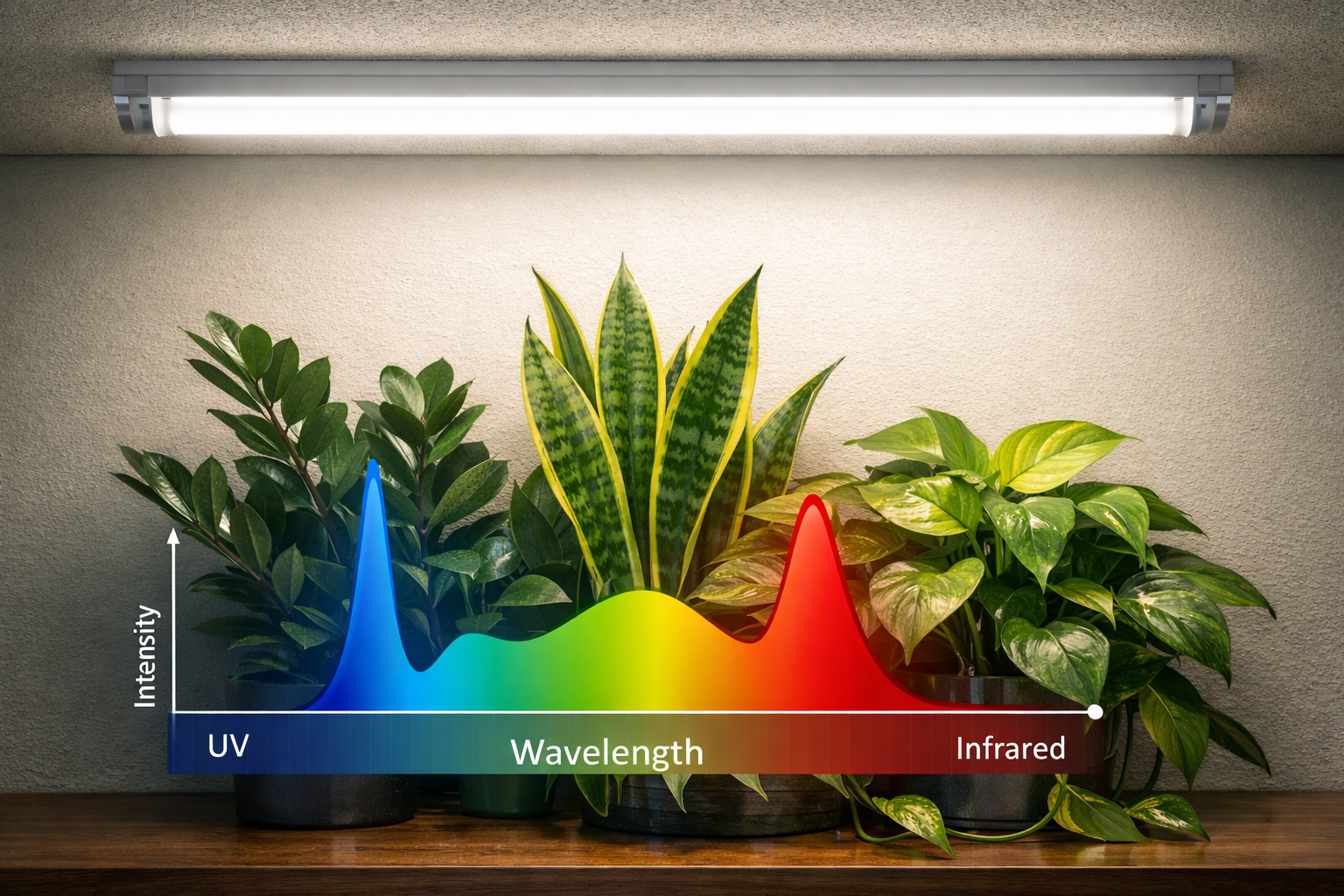
Plants primarily utilize specific wavelengths of light for photosynthesis, notably blue and red light. Blue light is essential for vegetative growth, while red light promotes flowering and fruiting. Standard fluorescent tubes often have a spectrum that is stronger in the blue and green wavelengths, but weaker in the crucial red spectrum needed for robust development. Furthermore, the intensity (measured in lumens or lux) diminishes rapidly with distance from the source. For plants to survive, they need consistent exposure to adequate light intensity.
What Kinds of Fluorescent Lights Are We Talking About?
When we discuss “ceiling fluorescent lights,” we are generally referring to standard T8 or T12 fluorescent tubes, or occasionally compact fluorescent lamps (CFLs) that are integrated into ceiling fixtures. These are distinct from specialized “grow lights,” which are engineered to provide the full spectrum and intensity necessary for plant cultivation.
Types of Fluorescent Lights and Their Plant Suitability:
- Cool White (4100K): Common in offices. Strong in blue spectrum, good for vegetative growth, but often lacking in red. Better than warm white for plants.
- Warm White (2700K-3000K): More yellow/red light, used for ambiance. Less ideal for plants as it lacks sufficient blue for robust growth.
- Daylight (5000K-6500K): Closest to natural sunlight in color temperature. Offers a broader spectrum than cool or warm white, making it a better, though still limited, option for plants.
- Full-Spectrum Fluorescent (Specific Grow Lights): These are designed specifically for plants, balancing blue and red wavelengths. If your ceiling fixture uses these, then yes, plants can thrive. However, these are rarely found in typical residential or office ceiling fixtures.
For the purpose of this article, we assume standard, non-specialized fluorescent lights are being used. If you are using dedicated grow lights, the answer to “Can I keep plants alive with ONLY ceiling fluorescent lights?” becomes a resounding yes, but that falls outside the common interpretation of “ceiling fluorescent lights.”
Which Plants Can Survive with Only Ceiling Fluorescent Lights?
Only plants with very low light requirements can realistically survive under standard ceiling fluorescent lights. These are typically species that naturally grow on forest floors, receiving dappled light, or have adapted to thrive in inherently dim conditions.
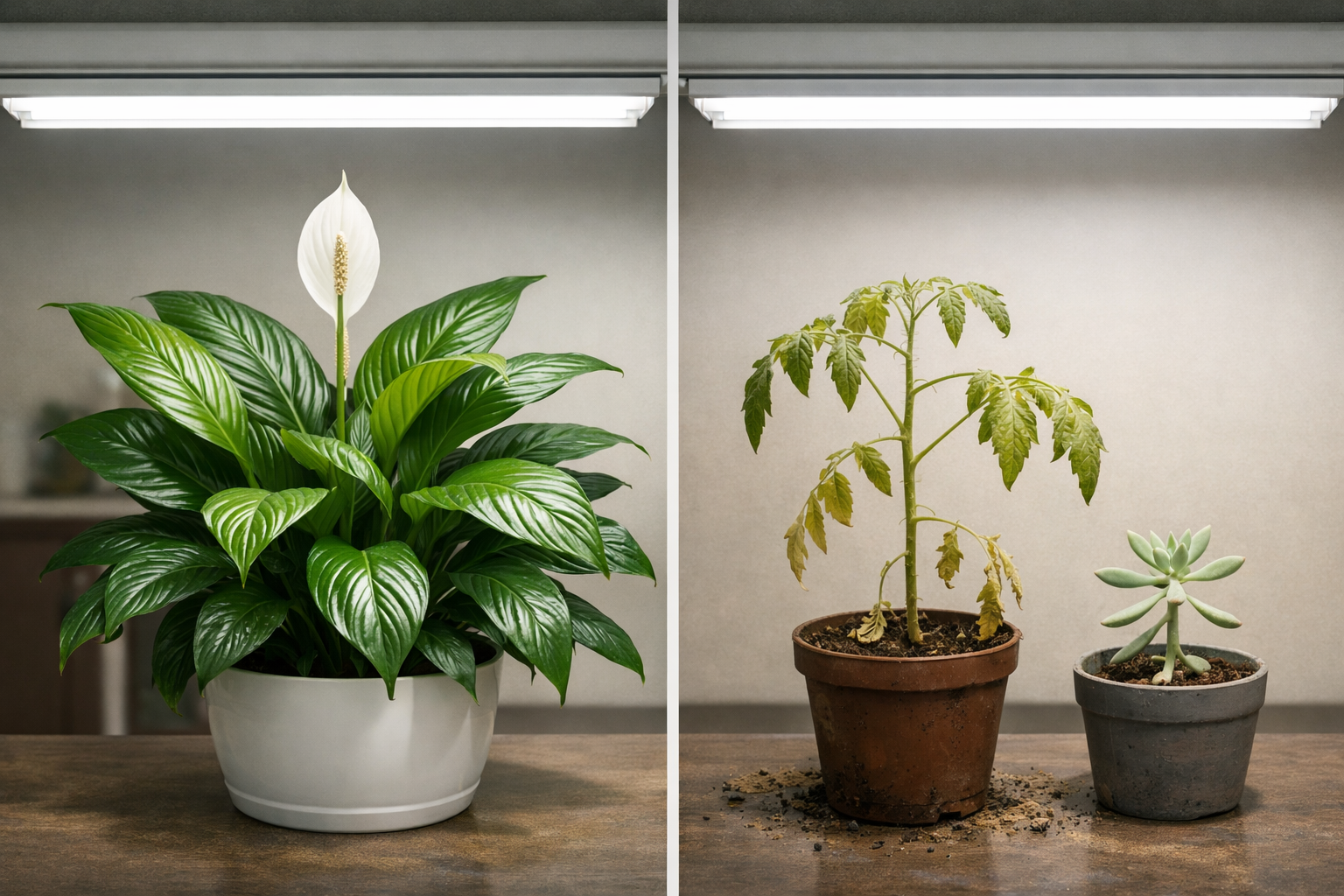
Top Picks for Low-Light Survival:
- ZZ Plant (Zamioculcas zamiifolia): Extremely tolerant of low light and infrequent watering. It stores water in its rhizomes, making it incredibly resilient. It will grow slowly but remain green.
- Snake Plant (Sansevieria trifasciata): Another robust choice, known for its ability to withstand neglect, including very low light. It may not grow much, but it will certainly survive. For more options, check out our guide on Plants That Grow Without Sunlight: Your 2026 Guide.
- Pothos (Epipremnum aureum): While it prefers brighter indirect light, Pothos can tolerate low light, though its variegation might fade, and growth will be leggy.
- Peace Lily (Spathiphyllum spp.): These plants can survive in low light, often indicating their need for more light by failing to flower. Their foliage remains attractive.
- Cast Iron Plant (Aspidistra elatior): True to its name, this plant is incredibly tough and can handle very dim conditions.
- Spider Plant (Chlorophytum comosum): Can tolerate low light, but may produce fewer “spiderettes” and its variegation might be less pronounced.
Plants NOT Recommended for Fluorescent-Only Environments:
- Flowering Plants (e.g., Orchids, African Violets, most annuals): These require specific light intensities and spectra to bloom.
- Fruiting Plants (e.g., Tomatoes, Peppers, Strawberries): These need intense, full-spectrum light to produce fruit.
- Succulents and Cacti: They thrive in direct, bright sunlight and will quickly etiolate (stretch and become leggy) and weaken under fluorescent lights.
- High-Light Foliage Plants (e.g., Fiddle Leaf Fig, Bird of Paradise): These will struggle significantly, often dropping leaves or failing to grow.
If you are looking for plants that can genuinely thrive in low light, regardless of fluorescent usage, exploring Low Light Indoor Plants: Your 2026 Guide To Easy Greenery will offer more robust options that prefer these conditions.
Optimizing Fluorescent Light for Plant Growth
Even with the right plant, optimizing your setup is essential to maximize the chances of survival and even a little growth.
Key Optimization Factors:
- Proximity: This is the most critical factor. Light intensity drops off dramatically with distance. Plants should be placed as close as possible to the fluorescent tubes, ideally within 1-2 feet. For T8 or T12 bulbs, 6-12 inches is often recommended.
- Duration: Plants need a consistent photoperiod. Under standard fluorescents, aim for 12-16 hours of light per day. Using a timer can ensure consistency. This compensates somewhat for the lower intensity compared to natural light.
- Reflectivity: Surrounding the plants with reflective surfaces (e.g., white walls, aluminum foil, Mylar) can help bounce light back onto the plant, increasing the effective light exposure.
- Cleanliness: Keep the fluorescent tubes and any fixture covers clean. Dust can significantly reduce light output.
- Bulb Type: If possible, choose “daylight” or “cool white” fluorescent bulbs over “warm white” for a better spectrum for plants. If you have the option, swapping standard tubes for full-spectrum fluorescent grow tubes (even if still in a ceiling fixture) would be a significant upgrade.
- Rotation: Rotate your plants regularly to ensure all sides receive some light exposure, preventing uneven growth.
What Are the Limitations and Drawbacks?
Relying solely on ceiling fluorescent lights comes with several significant limitations that prevent most plants from truly flourishing.
- Insufficient Intensity: Standard fluorescents deliver far less light intensity (measured in Photosynthetically Active Radiation or PAR) than direct sunlight or even bright indirect sunlight. This low intensity means plants struggle to produce enough energy for strong growth, flowering, or fruiting.
- Incomplete Spectrum: As mentioned, the spectrum is often imbalanced, lacking sufficient red light, which is crucial for overall plant development, flowering, and fruiting. While they provide some blue light for vegetative growth, it’s often not enough for robust health.
- Heat Emission: Older fluorescent fixtures, particularly T12s, can generate a fair amount of heat. While not as much as incandescent bulbs, placing plants too close can still cause stress or leaf burn, creating a difficult balancing act with light intensity.
- Bulb Degradation: Fluorescent tubes degrade over time, losing intensity and shifting their spectral output. This means consistent light levels are hard to maintain without regular bulb replacement.
- Energy Consumption: Keeping lights on for 12-16 hours a day can contribute to energy bills, especially if using older, less efficient fluorescent types. Modern LED alternatives are much more energy-efficient.
- Aesthetics: While functional, having plants directly under ceiling lights in a way that optimizes their exposure might not always fit your desired interior aesthetic.
Alternatives and Supplements for Better Growth
If your goal is more than mere survival, or if you wish to grow a wider variety of plants, supplementing or replacing your ceiling fluorescents is advisable.
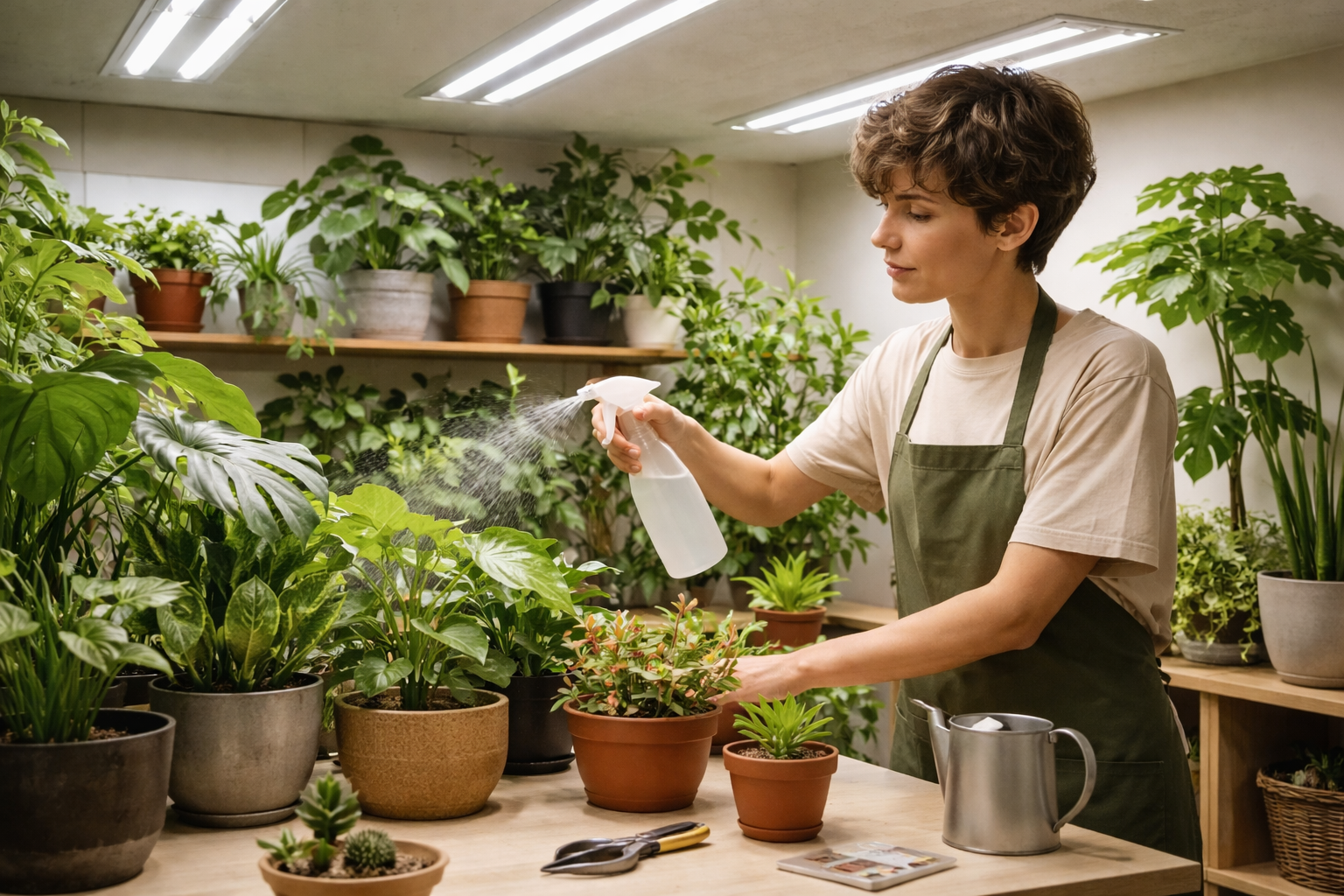
- Dedicated LED Grow Lights: This is the gold standard for indoor plant cultivation without natural light. Modern LED grow lights are energy-efficient, offer full-spectrum light tailored for plants, and come in various sizes and intensities. They can be hung above plants or integrated into shelves.
- High-Output Fluorescents (HO T5): While still fluorescent, T5 bulbs (especially high-output versions) provide significantly more intensity and a better spectrum than standard T8/T12s. They are often used by serious indoor growers.
- Window Placement: Even if your ceiling lights are on, placing plants near a window can significantly boost their light exposure, benefiting from natural sunlight even if indirect. Consider your cardinal directions; a south-facing window offers the most light.
- Light Timers: Regardless of your light source, using a timer ensures your plants receive a consistent photoperiod, which is vital for healthy growth cycles.
- Rotating Plants: Regularly move plants from fluorescent areas to brighter spots (e.g., near a window) for a few hours or days, if feasible. This “light rotation” can provide a much-needed boost. If you’re specifically looking to grow plants indoors without any sunlight, our guide on Indoor Gardening Without Sunlight: Grow Plants Year-Round offers comprehensive strategies.
Conclusion
Can I keep plants alive with ONLY ceiling fluorescent lights? The answer is a qualified “yes,” but with significant caveats. For true plant enthusiasts, the goal often extends beyond mere survival to thriving growth, vibrant foliage, and perhaps even blooms or fruit. Standard ceiling fluorescent lights are simply not engineered for this purpose.
If your aim is to add a touch of greenery to an otherwise dim space using existing fixtures, stick to the most resilient, low-light tolerant species like ZZ plants, Snake Plants, Pothos, and Peace Lilies. Optimize their placement by keeping them close to the light and providing 12-16 hours of daily illumination. However, for genuinely healthy and flourishing indoor plants, especially those with moderate to high light requirements, investing in dedicated grow lights or leveraging natural light sources will yield far superior results in 2026. Remember, light is just one component; proper watering, suitable soil (refer to Best Soil For Indoor Plants: Your 2026 Expert Guide), humidity, and nutrients are equally critical for your plant’s success.
Related Reading
- Beginner-Friendly Plants: Your Easy Guide To Thriving Greenery In
- Indoor Plant Care Guide 2026: Grow Thriving Houseplants
- Office Desk Plants 2026: Boost Productivity & Air Quality
FAQ
Q1: Will standard fluorescent lights make my plants grow tall and leggy?
A1: Yes, if the light intensity is too low, plants will often stretch and become leggy (etiolated) as they desperately try to reach for more light. This indicates insufficient illumination.
Q2: How long should I leave fluorescent lights on for plants?
A2: For survival and minimal growth, aim for 12-16 hours of consistent illumination per day. Using a timer is recommended for reliability.
Q3: Do plants need darkness too?
A3: Yes, most plants require a period of darkness (typically 8-12 hours) to complete essential metabolic processes, such as respiration. Continuous light can be detrimental.
Q4: Can I use CFLs (compact fluorescent lights) for plants?
A4: CFLs are essentially coiled fluorescent tubes. They can be used similarly to tube fluorescents, but their light output is often less, and they are typically only suitable for very small plants or seedlings placed very close.
Q5: Is the color temperature (Kelvin) important for fluorescent lights?
A5: Yes, color temperature is important. “Daylight” (5000K-6500K) or “cool white” (4100K) bulbs offer a spectrum generally better for plant growth than “warm white” (2700K-3000K) bulbs.
Q6: Can fluorescent lights help plants bloom?
A6: It’s highly unlikely that standard ceiling fluorescent lights will provide enough intensity or the correct spectrum (especially red light) to encourage most flowering plants to bloom. They might survive, but flowering is rare.
Q7: How close do plants need to be to fluorescent lights?
A7: For optimal light reception from standard fluorescent tubes, plants should ideally be 6-12 inches (15-30 cm) from the light source. Intensity drops significantly beyond this distance.
Q8: Should I replace old fluorescent bulbs for my plants?
A8: Yes, fluorescent tubes lose intensity and shift their spectral output over time. Replacing old bulbs (e.g., every 1-2 years of heavy use) can provide more effective light for your plants.