Small Garden Ideas for Apartments USA: Cultivating Green Spaces in Urban Living
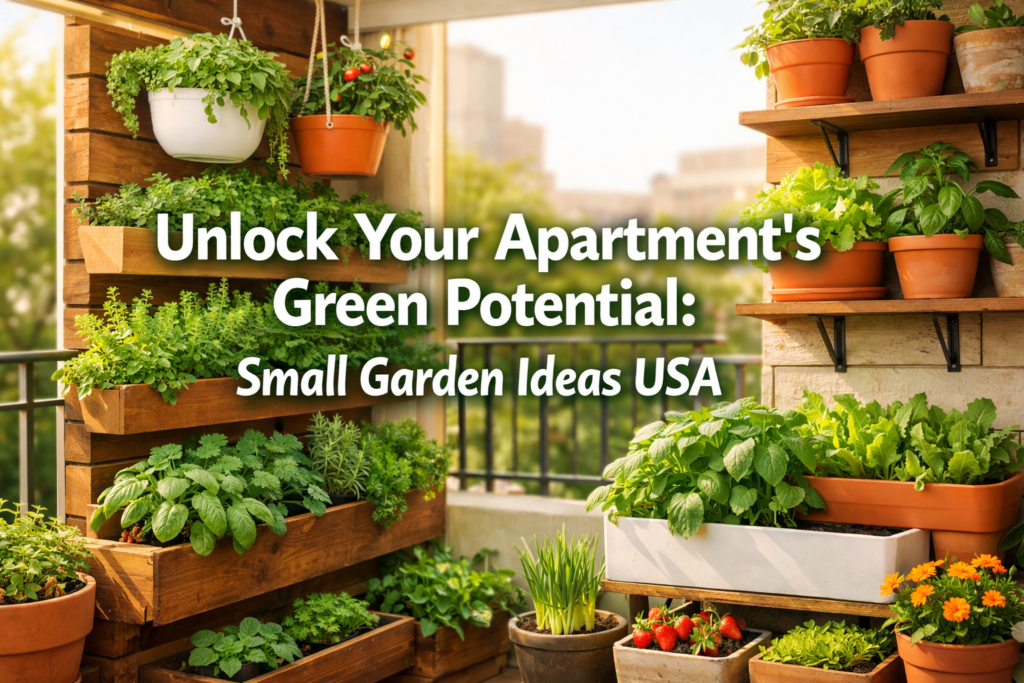
The average American apartment size is approximately 882 square feet, yet this limited footprint does not preclude the joy of gardening. Small garden ideas for apartments USA focus on innovative techniques and plant selections that maximize limited vertical and horizontal spaces, transforming balconies, windowsills, and indoor corners into thriving green oases. By embracing strategies like container gardening, vertical farming, and smart plant choices, apartment dwellers can successfully cultivate herbs, vegetables, and decorative plants, enhancing their living environment and even growing fresh produce.
Key Takeaways
- Space Optimization is Key: Utilize vertical space with shelves, hanging planters, and wall-mounted systems.
- Container Gardening is Versatile: Choose appropriate pots and growing media for various plant types.
- Sunlight Dictates Plant Choice: Assess your apartment’s light exposure (windows, balcony) before selecting plants.
- Water Management is Crucial: Small containers dry out faster; implement consistent watering schedules or self-watering systems.
- Start Small and Simple: Beginners should opt for low-maintenance herbs and leafy greens.
- Consider Hydroponics/Aeroponics: These soilless methods are excellent for indoor, compact growing.
- DIY Solutions are Budget-Friendly: Repurpose household items for planters and supports.
- Pest and Disease Management: Stay vigilant, as small spaces can quickly become overwhelmed.
- Legal & Lease Restrictions: Always check your lease for rules regarding balcony modifications or weight limits.
- Aesthetic Integration: Plan your garden to complement your apartment’s decor, turning functional elements into design features.
What Are Effective Space-Saving Small Garden Ideas for Apartments in the USA?
Effective space-saving small garden ideas for apartments in the USA revolve around utilizing vertical dimensions, embracing modular systems, and selecting compact plant varieties that thrive in containers. These strategies ensure that even the smallest balcony or sunlit corner can become a productive and beautiful garden.
For apartment dwellers, the primary challenge is space, making innovative solutions essential for any gardening endeavor in 2026. The most impactful space-saving techniques include:
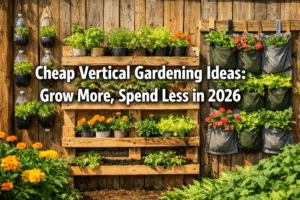
- Vertical Gardening Systems: These systems are game-changers for tiny spaces. Think tiered planters, wall-mounted pockets, or repurposed pallets. They allow you to grow a significant number of plants in a minimal footprint. For example, a single vertical tower can house herbs, strawberries, and small flowering plants, effectively utilizing a narrow balcony wall. Explore “DIY Vertical Garden Ideas: Build Your Green Oasis In 2026” for more inspiration https://minispacegarden.com/diy-vertical-garden-ideas/.
- Hanging Planters: From macrame hangers for indoor plants to railing planters that hook over balcony edges, hanging options free up floor space. They are ideal for cascading plants like trailing petunias, ivy, or even small tomato varieties. Always ensure railings can support the weight of soil and water.
- Container Grouping and Stacking: Instead of spreading individual pots, group them strategically. Using multi-tiered plant stands or creating custom shelving units can stack pots vertically. This method is particularly useful for herbs or succulents with similar light and water needs. Choose sturdy, lightweight containers, like fabric grow bags, that are easy to move and won’t add excessive weight to balconies.
- Windowsill Gardens: Even a narrow windowsill can support a thriving garden. Long, shallow window boxes are perfect for herbs like basil, chives, and mint, or small salad greens. Ensure the windowsill is strong enough and consider internal window boxes to avoid exterior moisture issues.
- Foldable or Collapsible Furniture with Integrated Planters: Some modern outdoor furniture doubles as planters or features shelves for pots. This offers flexibility, allowing you to maximize space when gardening and reclaim it when entertaining.
When choosing a space-saving method, consider your apartment’s specific layout, available sunlight, and the types of plants you wish to grow. For instance, if you have ample vertical wall space but limited floor area, a wall garden is ideal. If sunlight is scarce, focus on indoor vertical options or light-tolerant plants.
How Can Container Gardening Maximize Small Spaces in US Apartments in 2026?
Container gardening is an incredibly flexible solution for small garden ideas for apartments USA, allowing urban dwellers to cultivate a diverse range of plants by selecting appropriate pots, growing media, and plant varieties. This method provides mobility and control, crucial for apartment living in 2026.
Maximizing small spaces with container gardening involves thoughtful choices in:
- Container Selection:
- Size Matters: Choose pots appropriate for the mature size of the plant. A small herb might thrive in a 6-inch pot, but a dwarf tomato plant needs a 5-gallon container. “Choose Pot Size For Container Plants: 2026 Expert Guide” offers detailed advice https://minispacegarden.com/how-to-choose-the-right-pot-size/.
- Material Options: Terracotta pots offer good drainage but dry out quickly. Plastic pots retain moisture longer. Fabric grow bags provide excellent aeration and are lightweight, making them easy to move. For a budget-friendly approach, consider “DIY Container Gardening Ideas For Small Spaces: 2026 Guide” https://minispacegarden.com/diy-container-gardening-ideas/ using repurposed items.
- Drainage: Essential for preventing root rot. All containers must have drainage holes. Use saucers to catch excess water, especially indoors.
- Plant Selection for Containers:
- Compact Varieties: Look for plant labels that specify “bush,” “dwarf,” or “patio” varieties, as these are bred for smaller spaces. Examples include bush beans, compact cucumber varieties, and determinate tomatoes. “Best Vegetables For Small Space Gardening In 2026” provides excellent recommendations https://minispacegarden.com/best-vegetables-for-small-space-gardening-in-2026/.
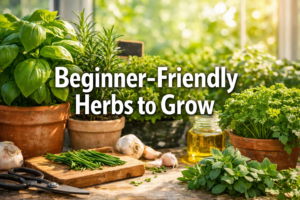
- Herbs and Greens: Most herbs (basil, mint, chives, parsley) and leafy greens (lettuce, spinach, arugula) thrive in containers and can be grown indoors or on balconies. For fresh flavor, consult “Best Herbs For Small Gardens 2026: Grow Fresh Flavor Easily” https://minispacegarden.com/best-herbs-for-small-gardens/.
- Succession Planting: Plant small batches of quick-growing crops (like lettuce or radishes) every few weeks to ensure a continuous harvest without needing a large area.
- Growing Medium: Use a high-quality potting mix specifically designed for containers, not garden soil. Potting mix is lighter, offers better drainage, and provides essential nutrients. You can learn more about “Best Soil Mix For Container Gardening (Complete Guide)” https://minispacegarden.com/best-soil-mix-for-container-gardening/.
- Mobility: Wheels or plant caddies can make larger containers easy to move, allowing you to chase the sun or bring plants indoors during harsh weather.
Common Mistake: Overwatering or underwatering due to incorrect pot size or soil. Smaller pots dry out faster, requiring more frequent watering, while larger pots can hold too much moisture if not managed properly. Always check soil moisture before watering.
What are the Best Plant Choices for Small Garden Ideas in USA Apartments?
The best plant choices for small garden ideas in apartments across the USA are typically those with compact growth habits, high yield for their size, and suitability for container or vertical growing, specifically selected to match the available light conditions.
When planning your apartment garden, consider these excellent plant options:
- Herbs: Many herbs thrive in small pots and don’t require extensive root systems.
- Basil: Loves sun, perfect for a sunny windowsill.
- Mint: Spreads aggressively, so keep it in its own pot.
- Chives: Low maintenance, grows well in partial sun.
- Parsley, Rosemary, Thyme: All do well in containers.
- Tip: Grow a Balcony Herb Garden Guide 2026 for fresh ingredients year-round.
- Leafy Greens: Fast-growing and tolerant of partial shade, ideal for quick harvests.
- Lettuce varieties (Loose-leaf, Romaine): Can be harvested outer leaves, allowing continuous growth.
- Spinach, Arugula, Kale: Grow well in shallow containers.
- Microgreens: Super-fast and nutritious, can be grown indoors even with minimal light.
- Compact Vegetables: Look for specific “bush,” “dwarf,” or “patio” varieties.
- Cherry Tomatoes: Many varieties are bred for containers or hanging baskets, such as ‘Tiny Tim’ or ‘Patio Princess’. For specific guidance, see “Growing Tomatoes In Small Spaces: 2026 Expert Guide” https://minispacegarden.com/growing-tomatoes-in-small-spaces/.
- Bush Beans: Unlike pole beans, bush varieties don’t need extensive trellising.
- Radishes: Very quick from seed to harvest, requires shallow containers.
- Peppers (Bell or Chili): Can be grown in 1-2 gallon pots with adequate sunlight. Learn about “Growing Chili In Pots: 2026 Expert Guide For Bountiful Harv” https://minispacegarden.com/growing-chili-in-pots-2026-expert-guide-for-bountiful-harvests/.
- Small Eggplant varieties: Also suitable for containers.
- Small Fruits:
- Strawberries: Especially everbearing varieties, do well in hanging baskets or tiered planters.
- Dwarf Citrus (Lemons, Limes): Can be grown in large containers indoors or on protected balconies in warmer climates.
- Flowers for Aesthetics and Pollinators:
- Petunias, Marigolds, Nasturtiums: Add color and can attract beneficial insects to your balcony garden.
- Edible Flowers: Nasturtiums and pansies can be used in salads.
- Decision Rule: Choose plants based on the amount of direct sunlight your apartment receives. South-facing windows or balconies are ideal for sun-loving vegetables, while north-facing areas are better for leafy greens or herbs tolerant of lower light.
What Essential Supplies Are Needed for Apartment Gardens in the USA?
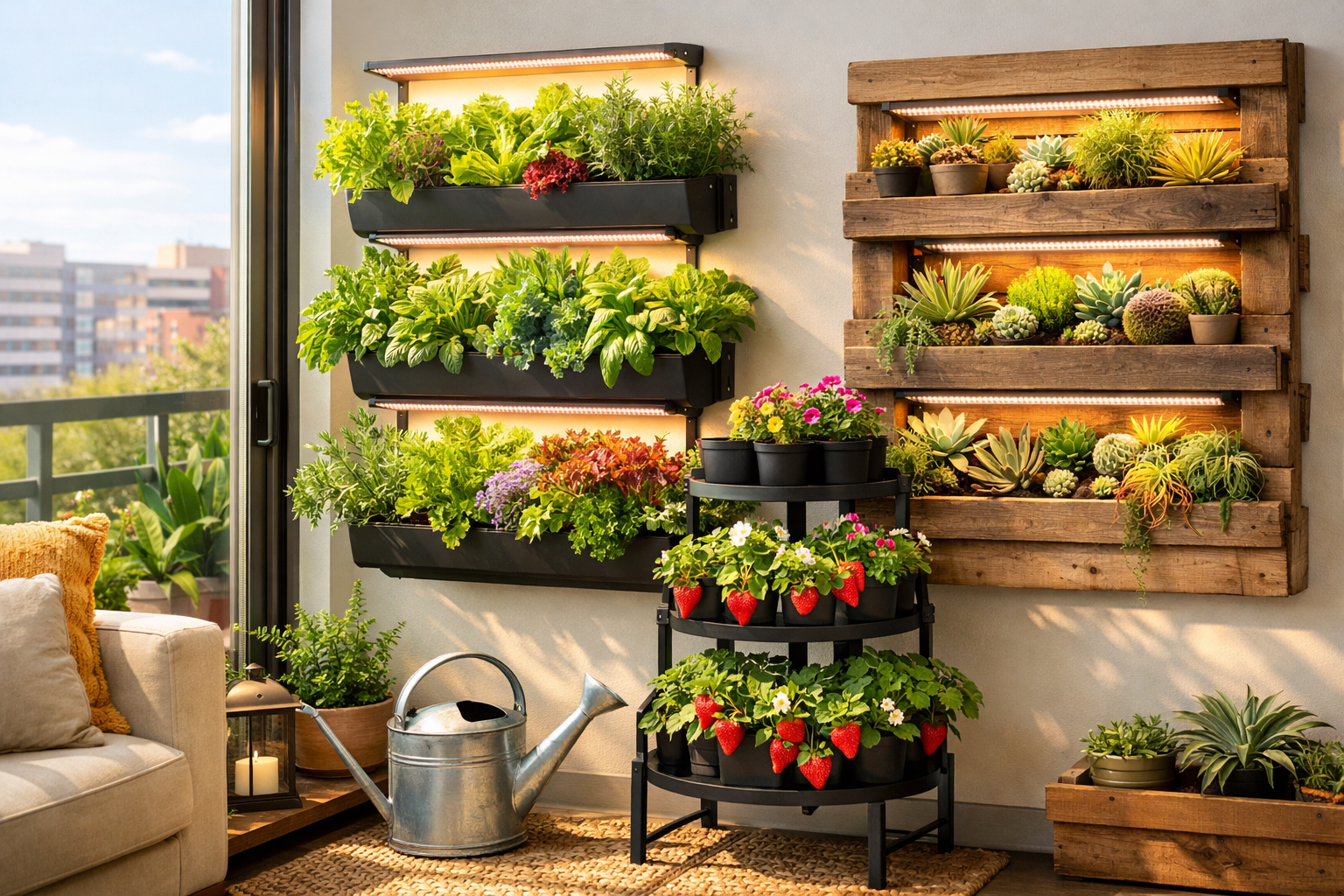
Starting an apartment garden in the USA requires a core set of essential supplies, encompassing containers, growing media, tools, and watering solutions, all chosen to fit the constraints of small urban spaces. Having the right equipment from the outset ensures a smoother and more successful gardening experience.
Here’s a breakdown of the essential supplies for small garden ideas for apartments USA:
- Containers:
- Pots and Planters: Variety of sizes (4-inch to 5-gallon) depending on plants. Consider terracotta for aesthetics, plastic for moisture retention, or fabric grow bags for breathability and portability. Look into “Best Pots For Balcony Garden 2026: Ultimate Guide To Small” https://minispacegarden.com/best-pots-for-balcony-garden/.
- Vertical Garden Systems: Wall planters, tiered stands, or hanging baskets to maximize space.
- Drainage Trays/Saucers: To prevent water damage to floors or balconies.
- Growing Media:
- Potting Mix: A high-quality, lightweight, well-draining potting mix is crucial for container gardening. Avoid heavy garden soil. For more info, see “Best Soil Mix For Container Gardening (Complete Guide)” https://minispacegarden.com/best-soil-mix-for-container-gardening/.
- Perlite/Vermiculite: Optional, to improve drainage and aeration, especially for sensitive plants.
- Seeds or Seedlings:
- Seeds: More economical, offers wider variety, but requires more patience.
- Seedlings/Starts: Quicker results, easier for beginners.
- Tip: Always check the “grow by” or “best by” date on seed packets.
- Watering Tools:
- Small Watering Can: Essential for precise watering without over-saturating.
- Spray Bottle: For misting humidity-loving plants or applying foliar feeds.
- Self-watering Planters (Optional): Excellent for busy gardeners or those prone to forgetting.
- Gardening Tools:
- Hand Trowel: For scooping soil and planting.
- Hand Pruners/Snips: For harvesting herbs, pruning, and deadheading flowers.
- Gardening Gloves: Protect hands from soil and thorns.
- Plant Nutrition:
- All-Purpose Liquid Fertilizer: Essential as container plants quickly deplete soil nutrients. Opt for an organic slow-release granular fertilizer or a liquid feed for easy application. Read about “Fertilizers For Vegetables: 2026 Expert Guide For Optimal Gardening” https://minispacegarden.com/fertilizers-for-vegetables-2026-expert-guide-for-optimal-gardening/.
- Pest Control (Organic Options):
- Neem Oil Spray: A natural insecticide and fungicide.
- Insecticidal Soap: Effective against soft-bodied pests.
- Recommendation: Start with organic pest control to maintain a healthy apartment environment. For comprehensive advice, see “Pest Control For Small Gardens: 2026 Expert Guide” https://minispacegarden.com/pest-control-for-small-gardens/.
- Support Structures (as needed):
- Small Trellises or Stakes: For climbing plants like peas, cucumbers, or indeterminate tomatoes.
Budget Tip: Many supplies can be repurposed or acquired affordably. Old plastic food containers can become seed starting trays, and plastic bottles can be cut to create self-watering wicks. “Budget Balcony Gardening Ideas 2026: Grow More For Less” provides excellent cost-saving tips https://minispacegarden.com/budget-balcony-gardening-ideas/.
How Can Apartment Dwellers Manage Sunlight and Water for Small Gardens?
Managing sunlight and water efficiently is paramount for successful small garden ideas for apartments USA, as both resources are often limited or unevenly distributed in urban living spaces. Optimizing these factors directly impacts plant health and yield.
Effective management of sunlight and water for apartment gardens includes:
Sunlight Management
- Assess Your Space:
- Identify Sun Exposure: Determine which direction your windows or balcony faces (North, South, East, West). A compass app on your phone can help.
- Track Sunlight Hours: Observe how many hours of direct sunlight different areas receive daily.
- Full Sun (6+ hours): Ideal for most vegetables (tomatoes, peppers, beans), herbs, and flowering plants.
- Partial Sun (3-6 hours): Suitable for leafy greens, some herbs (mint, parsley), and many flowers.
- Partial Shade (less than 3 hours direct, bright indirect): Best for shade-tolerant greens, certain herbs, and ornamental plants.
- Strategic Placement:
- Place sun-loving plants in the brightest spots, typically south or west-facing windows/balconies.
- Rotate plants periodically to ensure all sides receive adequate light, especially for indoor plants.
- Consider reflective surfaces, such as mirrors or white walls, to bounce light onto plants in shadier spots.
- Artificial Lighting (Indoors):
- If natural light is insufficient, especially for edibles, consider using LED grow lights. These are energy-efficient and can provide the full spectrum of light plants need. For guidance, explore “Indoor Gardening Without Sunlight: Grow Plants Year-Round” https://minispacegarden.com/indoor-gardening-without-sunlight/.
- Tip: Position grow lights 6-12 inches above plant canopies for optimal effect.
Water Management
- Check Soil Moisture Regularly:
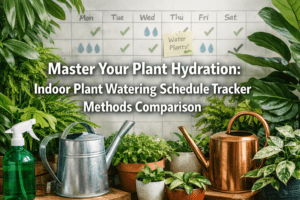
- Finger Test: Stick your finger about an inch into the soil. If it feels dry, it’s time to water.
- Moisture Meter: An inexpensive tool for accurate readings, particularly helpful for beginners.
- Watering Technique:
- Deep and Thorough: Water until you see it draining from the bottom of the pot. This encourages deeper root growth.
- Avoid Overhead Watering: Water the soil directly to prevent fungal diseases on leaves.
- Time of Day: Water in the morning to allow plants to absorb moisture before the heat of the day, reducing evaporation.
- Container Considerations:
- Smaller pots dry faster than larger ones.
- Terracotta pots are porous and lose moisture quicker than plastic or glazed ceramic.
- Fabric grow bags offer excellent drainage but can dry out rapidly in hot, windy conditions.
- Self-Watering Systems:
- These planters have a reservoir that wicks water up to the soil, providing consistent moisture and reducing watering frequency. They are excellent for busy individuals or when going away for short periods.
- Humidity:
- Indoor plants, especially those from tropical climates, benefit from increased humidity. Use a pebble tray with water, a small humidifier, or group plants together to create a microclimate. Misting leaves occasionally can also help, though it’s a temporary solution.
Edge Case: If your apartment faces north and receives very little direct light, focus on plants that tolerate low light, such as snake plants, ZZ plants, or specific varieties of leafy greens that can handle partial shade, possibly supplementing with grow lights for edibles.
What Are Common Challenges and Solutions for Apartment Gardening in the USA?
Apartment gardening in the USA presents several common challenges, including limited space, inadequate sunlight, pest infestations, and landlord restrictions, all of which can be addressed with practical and proactive solutions to ensure a thriving small garden.
Common Challenges and Solutions:
| Challenge | Description | Solution |
|---|---|---|
| Limited Space | Confined balconies, small windowsills, or minimal indoor floor area. | 🌱 Go Vertical: Install wall planters, tiered shelves, or hanging baskets. Utilize railing planters. 🌱 Compact Varieties: Choose “bush,” “dwarf,” or “patio” plant types. 🌱 Modular Systems: Use stackable pots or self-contained vertical towers. (See: “2026 Space Saving Garden Ideas: Maximize Your Small Space”) |
| Insufficient Sunlight | North-facing windows, shaded balconies, or urban canyons blocking light. | 💡 Optimize Placement: Move plants to sunniest spots throughout the day. 💡 Reflective Surfaces: Use white paint, mirrors, or reflective mulch to amplify light. 💡 Grow Lights: Invest in LED grow lights for indoor setups. (See: “Indoor Gardening Without Sunlight: Grow Plants Year-Round”) |
| Pest Infestations | Aphids, spider mites, fungus gnats, especially indoors. | 🐞 Regular Inspection: Check plants daily for signs of pests. 🐞 Organic Control: Use neem oil, insecticidal soap, or sticky traps. 🐞 Good Air Circulation: Helps deter pests and diseases. 🐞 Quarantine New Plants: Isolate new additions for a few weeks. (See: “Pest Control For Small Gardens: 2026 Expert Guide”) |
| Watering & Drainage | Containers dry out quickly; risk of overwatering or poor drainage. | 💧 Proper Potting Mix: Use well-draining container-specific mix. 💧 Drainage Holes: Ensure all pots have sufficient drainage. 💧 Finger Test: Water only when the top inch of soil is dry. 💧 Self-Watering Pots: Consider systems with water reservoirs. 💧 Saucers: Use trays to catch excess water and protect surfaces. |
| Landlord/Lease Restrictions | Rules against drilling, heavy planters on balconies, or exterior changes. | 📝 Review Lease: Understand rules before starting. 📝 Portable Solutions: Opt for freestanding vertical gardens, railing planters, or internal window boxes. 📝 Lightweight Containers: Choose fabric bags or plastic over heavy ceramic/concrete. 📝 Balcony Weight Limits: Consult landlord or building management if unsure about heavy installations. (See: “Balcony Gardening For Renters: 2026 Ultimate Guide”) |
| Nutrient Depletion | Container soil loses nutrients faster than in-ground gardens. | 🧪 Fertilize Regularly: Use a balanced liquid or slow-release granular fertilizer every 2-4 weeks during the growing season. 🧪 Compost/Worm Castings: Amend potting mix annually for slow-release nutrients. (See: “Fertilizers For Vegetables: 2026 Expert Guide For Optimal Gardening”) |
| Plant Health Issues | Yellowing leaves, wilting, stunted growth due to various factors. | 🔍 Diagnose Early: Identify if it’s overwatering, underwatering, nutrient deficiency, or disease. 🌿 Proper Care: Ensure adequate light, water, nutrients, and air circulation specific to the plant’s needs. 🌿 Pruning: Remove dead or diseased foliage to encourage new growth. (See: “Indoor Gardening Mistakes: Avoid Pitfalls & Grow Thriving P”) |
By proactively addressing these challenges, apartment dwellers can create thriving small gardens that enhance their living spaces and provide fresh produce or beautiful foliage.
Conclusion
Embracing small garden ideas for apartments in the USA transforms confined urban spaces into vibrant, productive green sanctuaries. From maximizing vertical real estate with tiered planters and wall gardens to strategically selecting compact plant varieties for container growing, apartment dwellers have a wealth of options in 2026 to cultivate their own harvests or simply enjoy the aesthetic beauty of nature. The key to success lies in understanding your specific environment – particularly sunlight availability and landlord restrictions – and choosing the right plants and tools. With careful planning and consistent care, anyone can create a flourishing garden, proving that a green thumb is not limited by square footage. Start small, experiment with what works best for your unique apartment, and enjoy the rewarding journey of urban gardening.