Revive Dying Houseplants USA: Your 2026 Expert Guide to Greenery
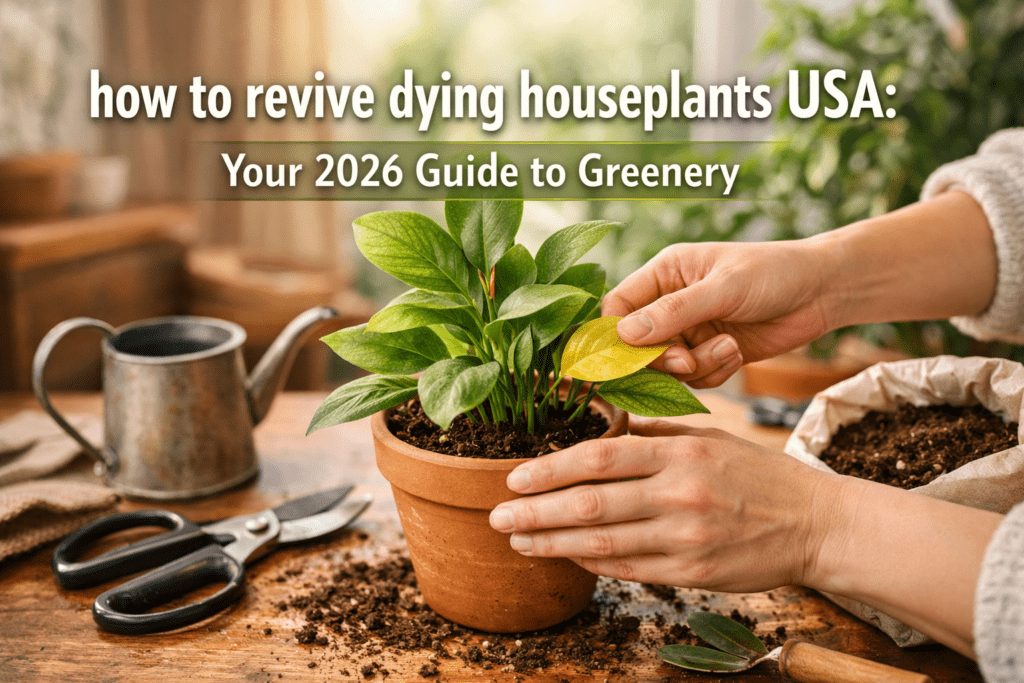
Quick Answer: To revive dying houseplants in the USA, accurately diagnose the underlying issue—typically related to improper watering, insufficient light, nutrient deficiencies, or pest infestations—then systematically address it through corrected watering schedules, appropriate lighting adjustments, fresh potting mix, suitable fertilization, and pest management. Consistent monitoring and patience are crucial for successful recovery.
Key Takeaways:
- Accurate diagnosis is the first and most critical step in reviving a dying houseplant.
- Overwatering and underwatering are the most common culprits, often mistaken for other issues.
- Light conditions must match the plant’s specific needs; too much or too little can be fatal.
- Repotting with fresh, appropriate soil can rejuvenate a struggling plant, especially if it’s root-bound or in nutrient-depleted soil.
- Pest infestations and diseases require prompt identification and targeted treatment to prevent further damage.
- Proper humidity, temperature, and occasional fertilization contribute significantly to plant health.
- Patience and consistent care are essential; plant revival is rarely an overnight process.
Identifying the Signs of a Struggling Houseplant in the USA
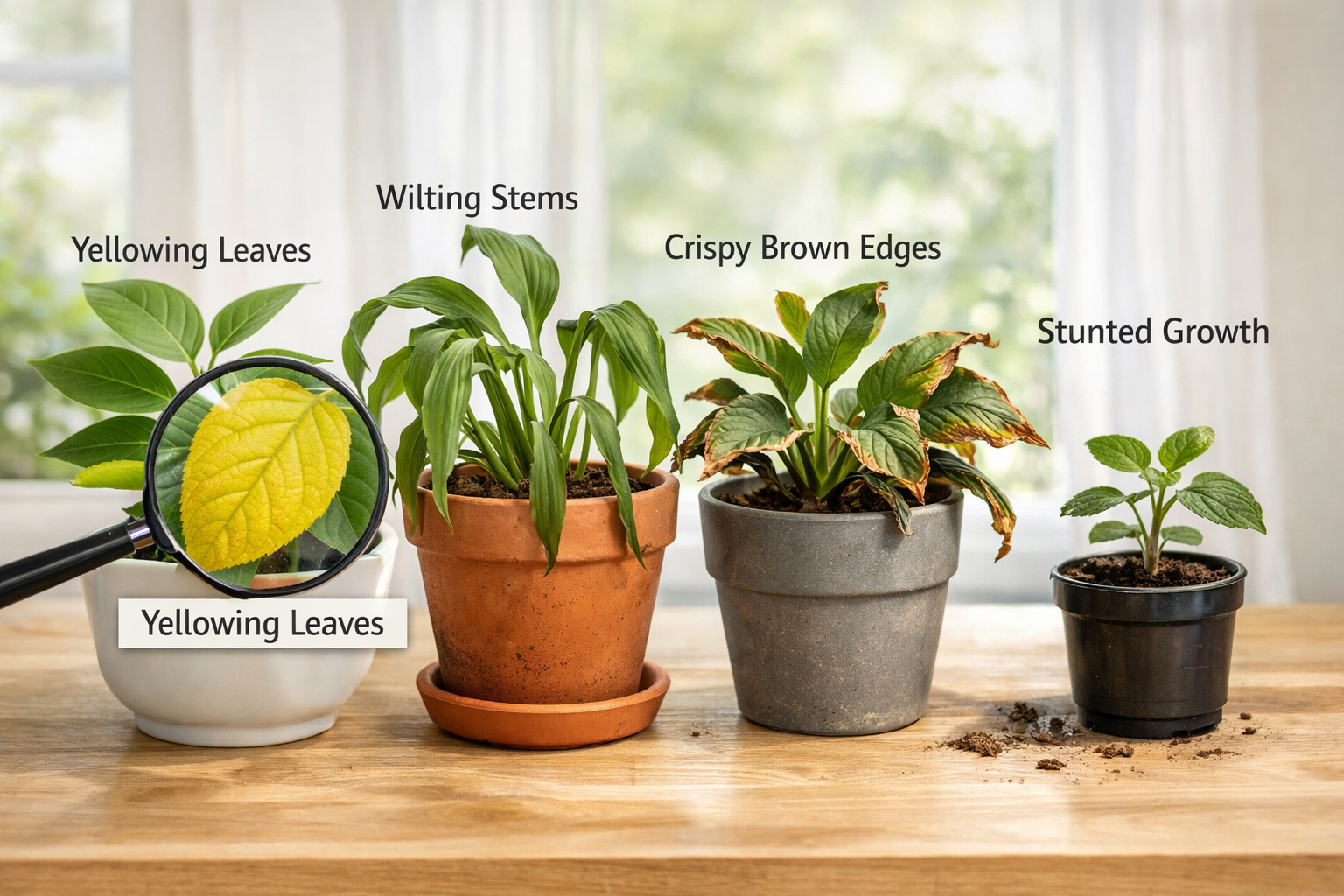
Identifying the early signs of distress is crucial for how to revive dying houseplants USA effectively. Common indicators include discolored leaves, wilting, stunted growth, or the presence of visible pests, each pointing to specific environmental or care issues.
Many houseplant owners in the USA encounter similar challenges when their plants begin to decline. Recognizing the symptoms allows for a targeted approach to revival.
- Yellowing Leaves (Chlorosis):
- Description: Leaves turn yellow, often starting from the bottom, while veins may remain green.
- Possible Causes:
- Overwatering: The most frequent cause. Leads to root rot, inhibiting nutrient absorption. Soil remains soggy.
- Underwatering: Less common for yellowing, but can occur if severe, starting with lower leaves. Soil is bone dry.
- Nutrient Deficiency: Lack of nitrogen or iron.
- Insufficient Light: Especially if yellowing is widespread on older leaves.
- Temperature Stress: Sudden cold drafts or extreme heat.
- Wilting or Drooping Leaves:
- Description: Leaves appear limp, soft, and may hang downwards.
- Possible Causes:
- Underwatering: The plant is thirsty, and cells lack turgor pressure. Soil is dry to the touch.
- Overwatering/Root Rot: Ironically, root rot prevents water uptake, mimicking underwatering. The soil will be wet.
- Heat Stress: Excessive temperatures cause rapid water loss.
- Transplant Shock: After repotting, plants may temporarily wilt.
- Brown, Crispy Leaves or Edges:
- Description: Leaf tips or edges turn brown and become dry and brittle.
- Possible Causes:
- Underwatering: Chronic water deprivation.
- Low Humidity: Many tropical houseplants suffer in dry indoor air, common in heated US homes during winter.
- Chemical Burn: Over-fertilization or tap water with high chlorine/fluoride.
- Too Much Direct Sunlight: Especially for shade-loving plants.
- Stunted or Slowed Growth:
- Description: The plant grows very slowly, or new leaves are significantly smaller than older ones.
- Possible Causes:
- Nutrient Deficiency: Lack of essential minerals.
- Insufficient Light: Photosynthesis is hampered.
- Root Bound: Roots have filled the pot, restricting growth. Consider repotting into a larger pot.
- Pest Infestation: Pests drain plant sap and energy.
- Visible Pests or Sticky Residue:
- Description: Small insects (spider mites, mealybugs, aphids) on leaves or stems, or a sticky “honeydew” substance.
- Possible Causes:
- Infestation: Pests directly harm the plant by feeding on its sap.
- Poor Air Circulation: Can contribute to pest issues.
- Action: Immediate isolation and treatment are necessary.
- Mushy Stems or Blackened Roots:
- Description: Stems feel soft and squishy, often with a foul odor. Roots, if inspected, are dark and soft instead of firm and white.
- Possible Causes:
- Severe Overwatering/Root Rot: This is often a sign of advanced, potentially irreversible damage.
- Fungal Disease: Thrives in overly wet conditions.
Understanding these symptoms is the first step in creating a tailored recovery plan. For general care guidelines to prevent these issues, refer to a comprehensive indoor plant care guide.

Step-by-Step Guide: How to Revive Dying Houseplants USA
Reviving dying houseplants in the USA involves a systematic approach, starting with immediate isolation and careful inspection, followed by targeted adjustments to watering, light, soil, and nutrient levels to restore the plant’s health.
This practical guide offers actionable steps to bring your ailing plants back to life.
1. Isolate and Inspect
- Isolate: Immediately move the struggling plant away from other healthy plants to prevent potential pest or disease spread.
- Thorough Inspection: Examine leaves (top and bottom), stems, and the soil surface for pests, mold, or unusual growths. Gently check the root ball if possible by carefully sliding the plant out of its pot.
- Decision Rule: If pests are present, move directly to step 6 (Pest Control). If roots are black and mushy, it’s root rot—proceed with urgency to step 3 (Repotting).
2. Adjust Watering Practices
- Check Soil Moisture: The most common mistake is improper watering. Insert your finger about 2 inches into the soil.
- If Soil is Dry: It’s likely underwatered. Give it a thorough drink until water drains from the bottom. Ensure the pot has drainage holes.
- If Soil is Soggy: It’s overwatered. This is more serious. Stop watering immediately. Allow the soil to dry out significantly before the next watering. Consider repotting if the soil is compacted or smells foul.
- Develop a Schedule: Instead of fixed days, water based on soil moisture and the plant’s specific needs. Factors like pot size, humidity, and plant type influence watering frequency. For general guidance, see our article on how often to water container plants.
- Edge Case: Dry Soil That Won’t Absorb Water: If the soil has become hydrophobic (repels water), bottom-water the plant. Place the pot in a tray of water for 30-60 minutes, allowing it to soak up water from below.
3. Reassess Light Conditions
- Identify Plant Needs: Research your specific plant’s light requirements (e.g., low, medium, bright indirect, direct sun).
- Move the Plant:
- Too Little Light: Move it to a brighter spot, but avoid sudden direct sun, which can scorch leaves. Gradual transitions are best. Consider supplemental grow lights for truly low-light areas or winter months, especially for plants that need more light than what natural sources provide (e.g., in a basement apartment with no windows, use lights that mimic indoor gardening without sunlight).
- Too Much Light: Move it further from a bright window or to a room with less intense light. Filter harsh direct sun with sheer curtains.
- Common Mistake: Assuming “bright indirect light” means near a window. Often, this still provides too much direct sun. A good rule of thumb: if you can read a book comfortably without other lights, it’s likely bright enough.
4. Consider Repotting and Soil Renewal
- When to Repot:
- Root-bound: Roots are circling the pot or growing out of drainage holes.
- Compacted/Old Soil: Soil that has been in the pot for over a year or two can become depleted of nutrients and lose its aeration.
- Root Rot: If you suspect root rot, immediate repotting is crucial.
- Repotting Steps (for Root Rot):
- Carefully remove the plant from its pot.
- Gently rinse the old soil from the roots.
- Inspect roots: Trim any black, mushy, or foul-smelling roots with sterilized shears. Leave only healthy, firm roots.
- Choose a clean pot (the same size or slightly smaller if many roots were removed) with drainage holes.
- Repot with fresh, well-draining potting mix suitable for your plant type. Our guide to the best soil for indoor plants can help.
- Avoid watering for a few days after repotting to allow disturbed roots to heal, then water lightly.
5. Fertilize Wisely (or Not at All, Initially)
- No Immediate Fertilization: A struggling plant is often stressed; adding fertilizer can exacerbate the problem, especially if the issue is overwatering or root rot. Wait until the plant shows clear signs of recovery (new growth) before fertilizing.
- When to Fertilize: Once signs of recovery appear, use a balanced, diluted liquid fertilizer during the plant’s active growing season (typically spring and summer).
- Common Mistake: Over-fertilizing, which can burn roots and cause more damage. Always dilute to half strength or less.
6. Address Humidity and Temperature
- Humidity: Many houseplants, especially tropical varieties, prefer higher humidity than typical indoor environments in the USA, particularly in winter with heating systems on.
- Increase Humidity: Use a humidifier, place plants on pebble trays with water, or group plants together. Misting is a temporary fix.
- Temperature: Most houseplants thrive in temperatures between 65-75°F (18-24°C). Avoid extreme fluctuations, cold drafts from windows, or placing plants near heat vents.
7. Manage Pests and Diseases
- Identify Pests: Common houseplant pests include spider mites (fine webbing, tiny red/black dots), mealybugs (cottony white masses), aphids (small green/black insects on new growth), and fungus gnats (small flying insects near soil).
- Treatment:
- Mechanical Removal: For visible pests, wipe leaves with a damp cloth or cotton swab dipped in rubbing alcohol.
- Insecticidal Soap/Neem Oil: Apply according to product instructions. Repeat treatments are usually necessary.
- Fungus Gnats: Let the soil dry out completely between waterings, use sticky traps, or a layer of sand on the soil surface.
- Disease: Fungal spots or powdery mildew may indicate humidity issues or poor air circulation. Remove affected leaves and improve conditions.
8. Prune Dead or Damaged Parts
- Remove Non-Viable Growth: Trim away yellow, brown, or mushy leaves and stems using clean, sharp scissors or pruners. This directs the plant’s energy to healthy growth and improves appearance.
- Don’t Over-Prune: Only remove clearly dead or dying parts. Do not remove more than 25% of the plant’s foliage at once, as this can add more stress.
9. Monitor and Be Patient
- Observe Changes: After implementing revival techniques, consistently monitor your plant for new growth or worsening symptoms.
- Patience is Key: Plant revival takes time. Don’t expect immediate results. Small signs of recovery, like new green growth or firmer stems, are victories. Avoid making too many changes too quickly.

Common Mistakes to Avoid When Reviving Houseplants
When attempting to revive dying houseplants in the USA, several common mistakes can hinder recovery or even cause further damage. These often stem from impatience or misinterpreting symptoms.
1. Over-Care (Too Much Love)
- The Mistake: Immediately applying every possible remedy—watering more, fertilizing heavily, repotting multiple times, and moving it constantly.
- Why it Harms: Over-care stresses the plant further. Overwatering is the leading cause of houseplant death, and fertilizer on a sick plant can cause root burn. Frequent environmental changes prevent the plant from adapting.
- Solution: Identify the single most likely problem and address it methodically. Make one change at a time and observe for a week or two before making another.
2. Misdiagnosing Watering Issues
- The Mistake: Assuming wilting always means underwatering, or yellow leaves always mean overwatering.
- Why it Harms: Both overwatering (root rot) and underwatering can cause wilting because in both cases, the roots cannot supply enough water to the leaves. Yellowing can also be caused by various factors, not just overwatering.
- Solution: Always check the soil moisture with your finger or a moisture meter before watering. Understand the specific watering needs of your plant species. Refer to our indoor watering guide for detailed instructions.
3. Ignoring Drainage
- The Mistake: Using pots without drainage holes or allowing plants to sit in standing water in decorative saucers.
- Why it Harms: Lack of drainage leads to soggy soil, depriving roots of oxygen and causing root rot, which is incredibly difficult to recover from.
- Solution: Always use pots with drainage holes. If using a decorative cachepot without drainage, ensure the inner pot drains fully before placing it back. Empty excess water from saucers promptly. For suitable options, check out the best pots for indoor plants 2026.
4. Fertilizing a Stressed Plant
- The Mistake: Believing that fertilizer is a “cure-all” for a sick plant and applying it immediately.
- Why it Harms: A struggling plant’s root system is compromised. Adding concentrated nutrients can burn the already fragile roots, making recovery much harder.
- Solution: Only fertilize healthy, actively growing plants. If your plant is showing signs of revival (new growth), use a highly diluted fertilizer (half strength or less) during its growing season.
5. Ignoring Pests
- The Mistake: Overlooking small insects or sticky residues, thinking they are harmless or will disappear.
- Why it Harms: Pests multiply rapidly and can quickly devastate a plant by sucking its sap, spreading diseases, and causing widespread damage.
- Solution: Regularly inspect your plants, especially the undersides of leaves and stem joints. Isolate any infested plant immediately and treat it with appropriate methods like insecticidal soap or neem oil.
6. Insufficient Humidity
- The Mistake: Not recognizing that many popular houseplants, especially tropical varieties, require higher humidity than typical US homes provide, particularly in winter.
- Why it Harms: Low humidity causes crispy leaf edges, browning, and makes plants more susceptible to pests like spider mites.
- Solution: Group plants, use pebble trays, or invest in a small room humidifier.
By avoiding these common pitfalls, you significantly increase your chances of successfully reviving your dying houseplants and fostering a healthier indoor garden in 2026.
When to Give Up on a Dying Houseplant
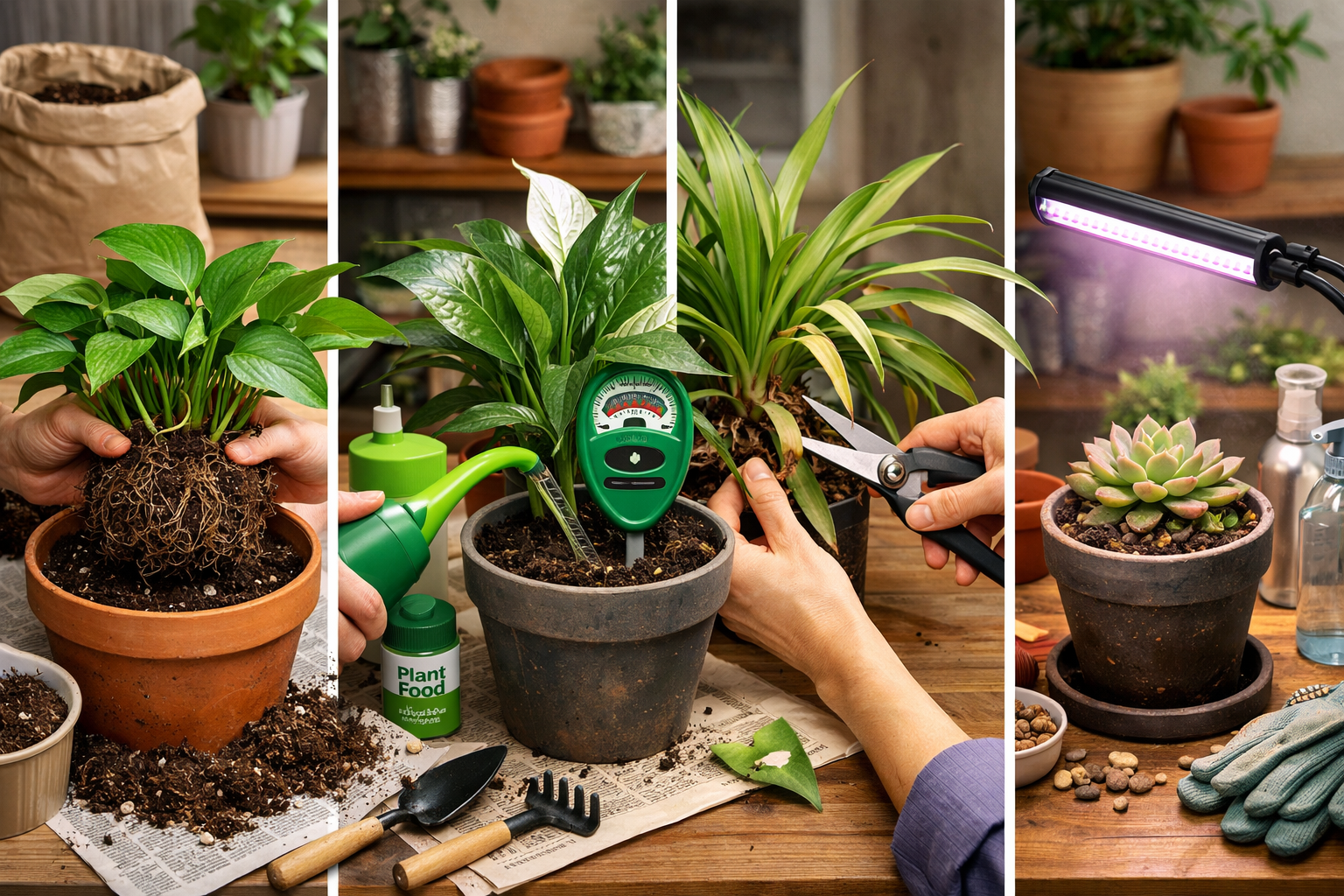
Deciding when to give up on a dying houseplant can be tough, but it’s often necessary when the plant shows no signs of life in its roots or core stem after consistent care, freeing up your energy and space for healthier plants.
While many plants can be revived, some reach a point of no return. Here’s how to assess if it’s time to move on:
- Root System is Completely Rotted or Non-Existent:
- Assessment: Gently unpot the plant and inspect the roots. If they are all black, mushy, smell foul, or have completely disintegrated, the plant’s ability to absorb water and nutrients is gone. If there are no healthy, firm, white, or tan roots left, revival is highly improbable.
- Verdict: It’s likely too late.
- Main Stem is Completely Mushy or Black:
- Assessment: Feel the main stem at the soil line and higher up. If it’s soft, squishy, or entirely black and collapsing, it signifies extensive rot that has spread beyond the roots.
- Verdict: This is a strong indicator of irreversible damage.
- No Green Tissue Remaining:
- Assessment: If all leaves have fallen off, and scratching the stem reveals only brown, dry tissue (no green), the plant is likely dead. Some plants can sprout from nodes, but if the stem is completely lifeless, it won’t.
- Verdict: A plant with no living tissue cannot regenerate.
- Persistent Pest or Disease Issues:
- Assessment: After multiple, diligent treatments for severe infestations (e.g., scale, mealybugs) or aggressive fungal diseases, if the problem keeps recurring and the plant continues to decline, it might be too weakened to fight back.
- Verdict: Sometimes, it’s better to remove an infected plant to protect your other plants.
- Zero Response After Weeks of Corrected Care:
- Assessment: You’ve identified the problem, implemented appropriate changes (watering, light, repotting), and waited patiently for 4-6 weeks, but there is absolutely no sign of new growth, no firming up of stems, and no improvement in leaf appearance.
- Verdict: While patience is key, there comes a point where continued effort is futile.
The “Snip Test” for Woody Stems:
For plants with woody stems, gently scratch a small section of the stem with your fingernail. If you see green underneath, there’s still life. If it’s brown and dry, that section is dead. Repeat this down the stem until you find green—if you don’t find any, the plant is likely gone.
While it’s disappointing to lose a plant, understanding when to let go prevents frustration and allows you to learn from the experience. It’s an opportunity to start fresh, perhaps with a more beginner-friendly plant or by applying the lessons learned to new additions.
Conclusion: Empowering Your Green Thumb in 2026
Successfully reviving a dying houseplant in the USA hinges on diligent observation, accurate diagnosis, and consistent, appropriate care. By systematically addressing core issues like watering, light, soil health, and pest control, you can often bring a struggling plant back to vibrant life. Remember that patience is paramount, and understanding when a plant is truly beyond saving is also a vital part of plant parenthood. This 2026 guide empowers you to cultivate a thriving indoor garden, transforming yellowing leaves into lush greenery with informed actions and a persistent green thumb.
Actionable Next Steps:
- Inspect Thoroughly: Unpot your struggling plant and examine roots, stems, and leaves for explicit signs of disease or pests.
- Adjust Watering: Use the “finger test” before every watering. If overwatered, let soil dry; if underwatered, soak thoroughly.
- Optimize Light: Relocate your plant to match its specific light needs, avoiding sudden shifts to intense sun.
- Consider Repotting: If root-bound or in old, compacted soil, repot with fresh, well-draining soil in an appropriately sized container.
- Monitor & Be Patient: Make one change at a time, wait for a week or two, and observe for signs of recovery. Don’t overdo it.
FAQ
What are the first steps to revive a dying houseplant?
The first steps are to isolate the plant, thoroughly inspect it for pests or diseases, and then assess its soil moisture to determine if it’s over or underwatered.
Can all dying houseplants be saved?
No, not all dying houseplants can be saved. If the root system is completely rotted, the main stem is mushy, or there is no green living tissue left, the chances of revival are very low.
How do I know if I’m overwatering or underwatering?
Overwatering usually results in soggy soil, yellowing lower leaves, and potentially mushy stems or roots. Underwatering leads to dry, brittle soil, wilting, and crispy brown leaves. Always check the soil moisture with your finger before watering.
Should I fertilize a dying houseplant?
Generally, no. A struggling plant is stressed, and fertilizer can burn its compromised roots. Wait until the plant shows clear signs of recovery, such as new growth, before applying a highly diluted fertilizer during its active growing season.
What if my plant has pests?
If pests are present, isolate the plant immediately. Identify the pest and treat it with appropriate methods like wiping with rubbing alcohol, insecticidal soap, or neem oil. Repeat treatments are usually necessary.
How important is light for reviving a plant?
Light is critically important. Incorrect light (too much or too little) is a major cause of plant decline. Research your plant’s specific light requirements and adjust its location accordingly, making gradual changes to avoid shock.
When should I repot a struggling plant?
Repot if the plant is root-bound, the soil is old and compacted, or if you suspect severe root rot. When dealing with root rot, trim away affected roots and repot into fresh, well-draining soil in a clean pot.
How long does it take to revive a dying houseplant?
Revival can take several weeks to months, depending on the severity of the damage and the plant species. Patience and consistent, correct care are essential; avoid making too many changes too quickly.
References
- Missouri Botanical Garden. (n.d.). Common Houseplant Problems. Retrieved from https://www.missouribotanicalgarden.org/gardens-gardening/your-garden/help-for-the-home-gardener/advice-tips-resources/pests-and-problems/diseases/houseplant-problems.aspx
- The Spruce. (2022). How to Revive a Dying Plant. Retrieved from https://www.thespruce.com/how-to-revive-a-dying-plant-4687508
- University of Maryland Extension. (n.d.). Houseplants: Proper Watering. Retrieved from https://extension.umd.edu/resource/houseplants-proper-watering/