Top Plant Care Mistakes Beginners USA Make (2026 Guide)
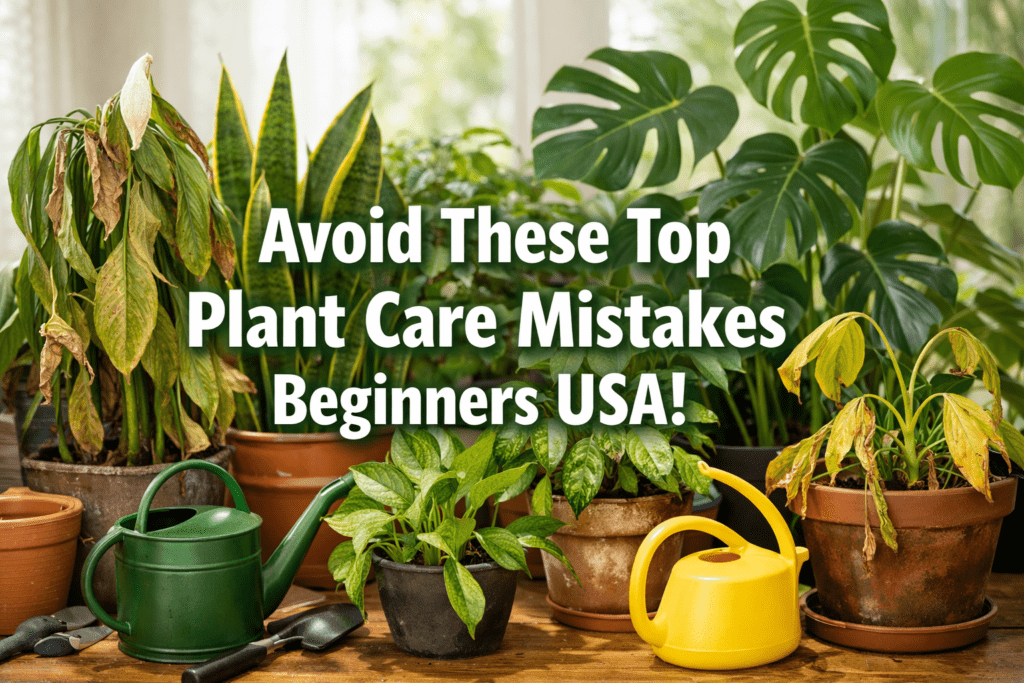
New plant parents across the USA frequently encounter a predictable set of challenges, often stemming from misinterpreting plant signals or applying generic care advice without considering specific plant needs. The most common plant care mistakes beginners USA make involve incorrect watering, inadequate light, poor soil choices, and inconsistent feeding schedules, leading to stressed or failing plants. Recognizing these pitfalls early is key to cultivating a thriving indoor or outdoor garden.
Key Takeaways
- Overwatering is the #1 killer: Most beginners water too frequently, leading to root rot.
- Underwatering is also common: While less fatal, it stunts growth and causes stress.
- Light is critical: Matching a plant’s light needs (direct, indirect, low) is non-negotiable.
- Soil matters: Proper drainage and nutrient content are essential for root health.
- Fertilizer isn’t always the answer: Over-fertilizing can burn roots; less is often more.
- Ignoring plant signals: Yellowing leaves, wilting, or stunted growth are cries for help.
- Pest prevention: Early detection and treatment prevent infestations from spreading.
- Research before buying: Understand a plant’s specific needs before bringing it home.
- Acclimatization: Give new plants time to adjust to their new environment.
- Drainage is vital: Always use pots with drainage holes to prevent waterlogging.
Overwatering and Underwatering: Common Plant Care Mistakes Beginners USA Make
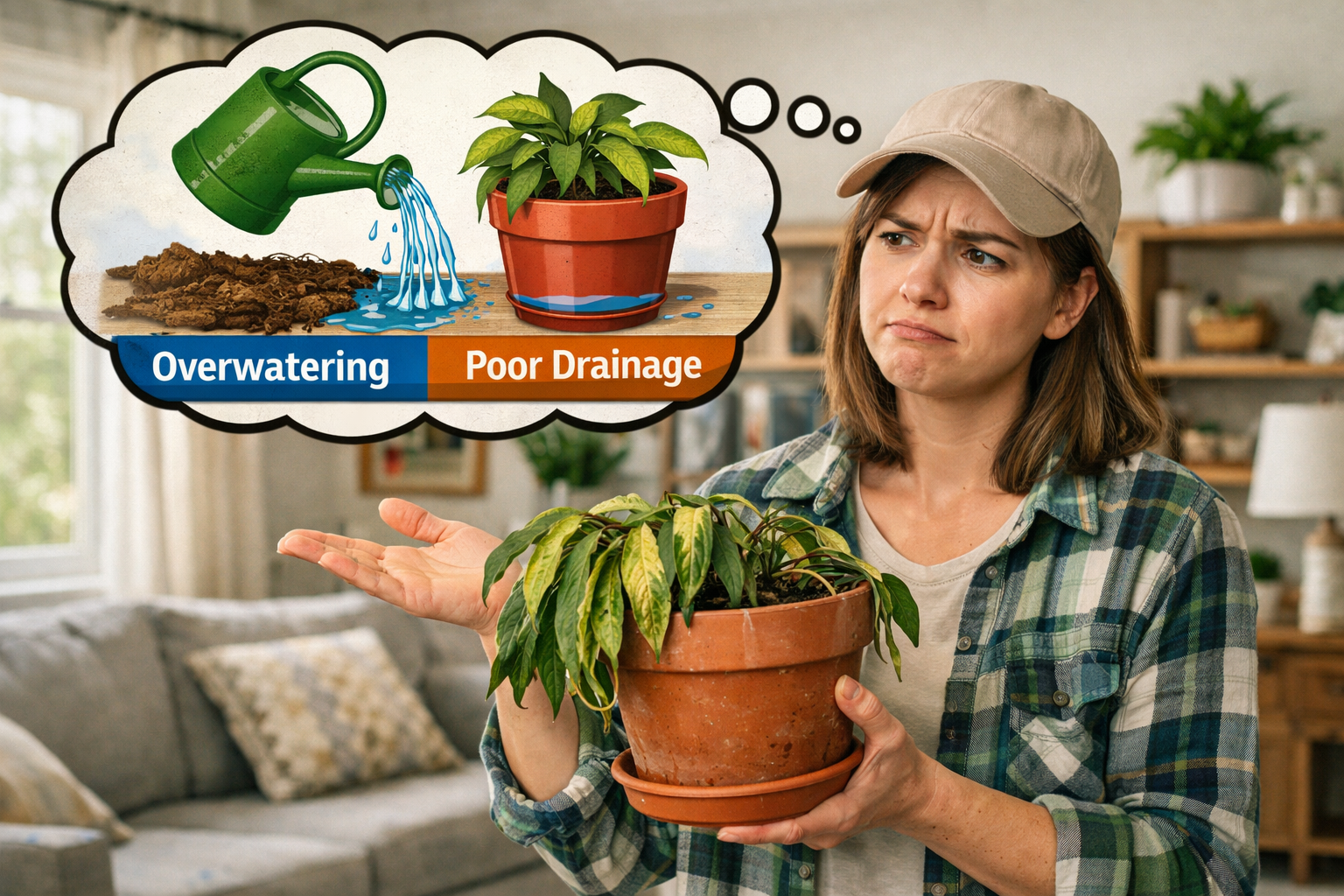
The most frequent plant care mistakes beginners USA make revolves around improper watering habits, swinging between the extremes of overwatering and underwatering. Overwatering starves roots of oxygen, leading to root rot, while underwatering deprives the plant of essential hydration and nutrients.
Correct watering practices are fundamental to plant health. For most plants, this means watering thoroughly until water drains from the bottom of the pot, then allowing the top inch or two of soil to dry out completely before watering again. The “finger test” is a reliable method: stick your finger into the soil up to the second knuckle. If it feels dry, it’s time to water; if it feels moist, wait. This prevents the common mistake of watering on a strict schedule regardless of soil moisture. Plants like succulents prefer even longer dry periods, while others, such as ferns, prefer consistently moist soil. Using a moisture meter can also help beginners gauge soil needs accurately. For specific guidance on how often to water, refer to our “Indoor Watering Guide: Master Houseplant Hydration In 2026” and “How Often Should You Water Container Plants? 2026 Expert Guide” for more detail.
Ignoring Light Requirements: A Critical Oversight in Beginner Plant Care
Many beginner plant owners in the USA inadvertently place plants in unsuitable light conditions, which significantly impacts growth and overall health. Providing the correct amount and type of light is as crucial as proper watering.
Every plant has specific light requirements, ranging from direct sunlight (e.g., cacti, some herbs) to bright, indirect light (e.g., most houseplants like Pothos or Monsteras) to low light (e.g., Snake Plants, ZZ Plants). Placing a sun-loving plant in a dim corner will cause it to become leggy and weak, while a shade-loving plant exposed to harsh, direct sun will develop scorched leaves. Before acquiring a plant, research its preferred light conditions and assess the available light in your home. Observe how light shifts throughout the day and with seasons. For instance, a south-facing window typically offers the brightest light, while a north-facing window provides softer, indirect light. Rotate your plants occasionally to ensure even growth towards the light source, especially for indoor plants. Choosing “Low Light Indoor Plants: Your 2026 Guide To Easy Greenery” or “Plants That Grow Without Sunlight: Your 2026 Guide” can help match your environment.
Suboptimal Soil Choices and Drainage: Foundations of Plant Failure
Using the wrong soil type or pots without adequate drainage holes are fundamental plant care mistakes beginners USA often make, directly impacting root health and nutrient absorption. The soil acts as the plant’s anchor and nutrient reservoir, while drainage prevents suffocating roots.
For container plants, standard garden soil is often too heavy and compacts easily, restricting airflow and drainage. Instead, use a high-quality potting mix formulated for the specific plant type (e.g., succulent mix for succulents, orchid bark for orchids, all-purpose potting mix for most houseplants). A good potting mix is light, airy, and drains well while retaining enough moisture for the roots. Crucially, always use pots with drainage holes at the bottom. Without these holes, excess water accumulates, leading to root rot and fungal diseases. If you fall in love with a decorative pot without drainage, consider using it as a cachepot (a decorative outer pot) and keep your plant in a smaller nursery pot with drainage inside it. This allows you to remove the plant for watering and drain any excess water before placing it back. Proper soil preparation is also vital for outdoor plants; learn more through our guide on “Prepare Soil For Container Plants At Home: 2026 Expert Guide.”
Neglecting Fertilization or Over-Fertilizing: A Nutritional Balancing Act
Beginners frequently struggle with providing proper nutrition, either by completely neglecting fertilization or, conversely, over-fertilizing their plants. Both extremes can lead to unhealthy plants.
Plants require nutrients, but their needs vary based on growth stage, species, and time of year. During active growth (typically spring and summer), plants benefit from diluted, balanced liquid fertilizer or slow-release granules. However, applying too much fertilizer, especially synthetic varieties, can lead to “fertilizer burn,” characterized by crispy leaf edges and root damage. Conversely, a lack of essential nutrients can result in stunted growth, yellowing leaves (chlorosis), and poor flowering. Always follow the manufacturer’s instructions, and for most beginners, diluting the recommended dosage by half is a safe practice. During dormancy (usually fall and winter), most plants do not require fertilization. Observe your plant for signs of nutrient deficiency or excess, adjusting your feeding schedule accordingly. Consider organic options for gentle, sustained nutrient release. Our “Fertilizers For Vegetables: 2026 Expert Guide For Optimal Gardening” offers more insights into nutrient management.
Ignoring Pest and Disease Management: Small Problems Become Big
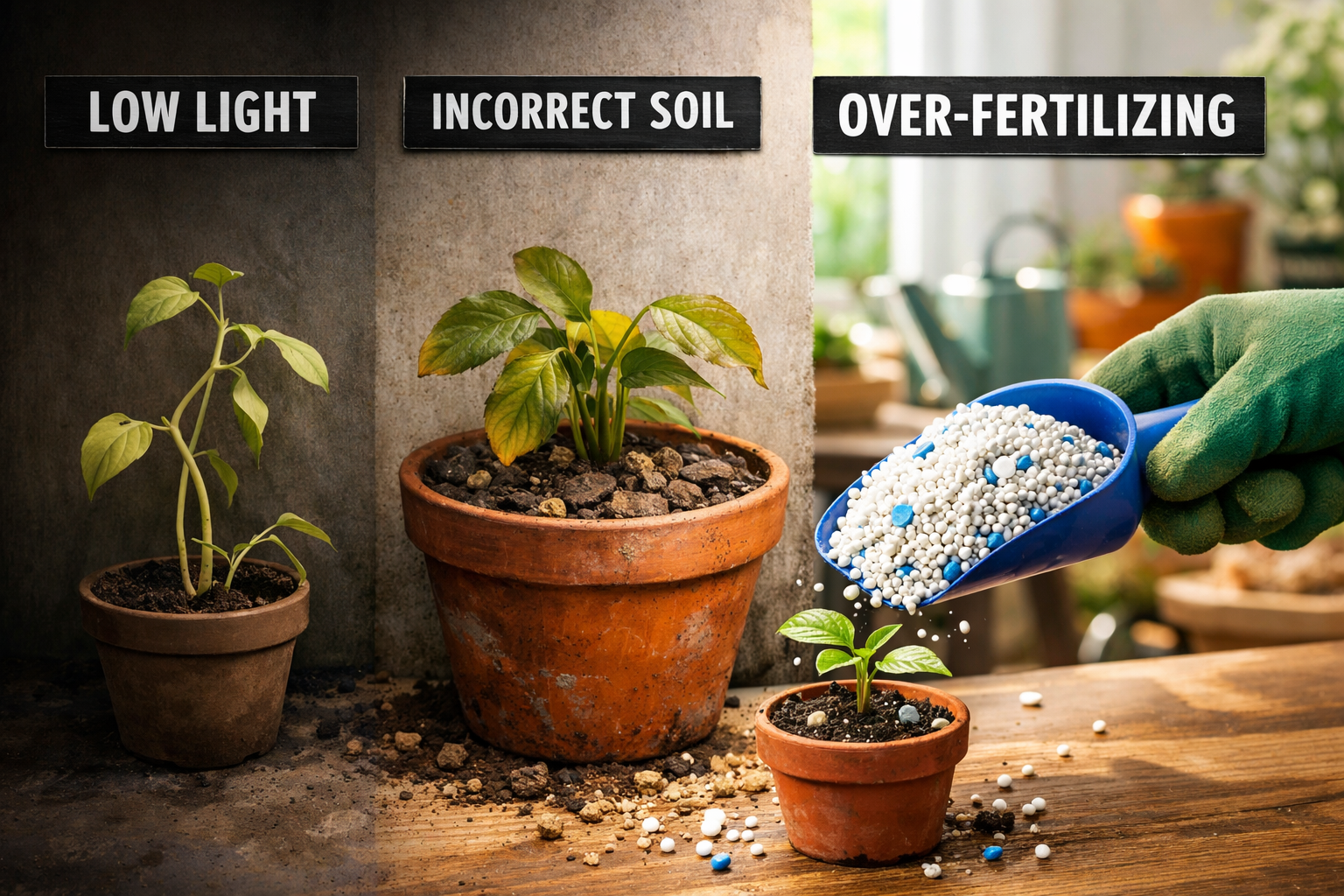
Many new plant owners overlook early signs of pests or diseases, allowing minor issues to escalate into full-blown infestations that are much harder to control. Proactive observation is your best defense.
Regularly inspecting your plants—at least once a week—can help you catch pests like spider mites, aphids, or mealybugs when their populations are small and manageable. Look under leaves, in crevices, and along stems for tiny insects, sticky residue (honeydew), or unusual spots. If you spot pests, isolate the affected plant immediately to prevent spread. Treat with appropriate organic solutions like neem oil or insecticidal soap for common pests. For diseases, common issues include fungal spots from overwatering or powdery mildew. Good air circulation and proper watering can prevent many fungal problems. Early intervention is critical; a small cluster of aphids is easily wiped away, but a large infestation can quickly weaken and even kill a plant.
Choosing the Wrong Plants for Your Environment: A Setup for Disappointment
One of the most disheartening plant care mistakes beginners USA make is selecting plants that are fundamentally unsuited for their home or climate. This often leads to inevitable struggle and frustration, even with diligent care.
Before purchasing any plant, conduct a quick assessment of your environment:
- Light: How much natural light do your spaces receive? Is it direct, indirect, or low?
- Humidity: Do you live in a dry or humid climate? Is your indoor air dry due to heating/AC?
- Temperature: Are there drafts near windows or extreme temperature fluctuations?
- Space: How much room does the mature plant require?
- Commitment: How much time and effort are you willing to invest in plant care?
Armed with this information, choose plants known to thrive in those conditions. For instance, if you have low light, opt for a ZZ plant or Pothos rather than a high-light Fiddle Leaf Fig. If you travel frequently, choose drought-tolerant or low-maintenance varieties. Researching “Beginner-Friendly Plants: Your Easy Guide To Thriving Greenery In” can help you select resilient options that forgive common mistakes, such as those covered in “Best Low Maintenance Plants 2026: Grow Green With Ease.” Setting yourself up for success starts with plant selection.
| Mistake Category | Common Beginner Action | Corrective Action | Impact on Plant |
|---|---|---|---|
| Watering | Daily watering, ignoring soil moisture | Finger test; water when top soil is dry | Root rot, fungal diseases, wilting |
| Light | Placing sun-lover in shade; shade-lover in sun | Research plant needs; match to available light | Leggy growth, scorched leaves, stunted growth |
| Soil & Drainage | Using garden soil; pots without holes | Use appropriate potting mix; always use drainage | Root suffocation, nutrient lockout, poor stability |
| Fertilization | Never fertilizing OR over-fertilizing | Fertilize during active growth, dilute solution | Nutrient deficiencies, fertilizer burn, stunted growth |
| Pest Management | Ignoring early signs | Regular inspection; early isolation & treatment | Infestations, plant weakening, death |
| Plant Selection | Buying plants unsuitable for environment | Assess home conditions; research plant needs | Constant struggle, failure to thrive, plant death |
Conclusion: Cultivating Green Thumbs in 2026
Successfully caring for plants, especially for beginners in the USA, is less about innate “green thumb” talent and more about understanding fundamental principles and avoiding common pitfalls. The journey often begins with a series of plant care mistakes, from misjudging watering needs to overlooking critical light requirements or choosing unsuitable soil. By focusing on correct watering practices, matching plants to appropriate light environments, ensuring proper drainage, and judiciously managing nutrients and pests, new plant parents can transform their gardening experience from frustrating to rewarding. Embrace the learning process, observe your plants closely, and remember that every struggling plant offers a lesson for future success.
FAQ
Q: How do I know if I’m overwatering or underwatering my plant? A: Overwatering often causes yellowing leaves, soft stems, and a strong odor from the soil. Underwatering typically results in crispy, dry leaves, wilting, and lightweight soil. Use the finger test to check soil moisture.
Q: What is the best type of soil for houseplants? A: A well-draining, aerated potting mix specifically formulated for indoor plants is best. Avoid heavy garden soil. You can amend with perlite or vermiculite for extra drainage.
Q: How important are drainage holes in plant pots? A: Drainage holes are critical. Without them, water accumulates at the bottom, leading to root rot, the most common cause of houseplant death.
Q: Can I fertilize my plants all year round? A: Generally, no. Most plants require fertilization only during their active growing season (spring and summer). Fertilizing during dormancy can stress the plant.
Q: What’s the easiest way to check for pests on my plants? A: Regularly inspect the top and bottom of leaves, stems, and soil. Look for tiny insects, sticky residue, webs, or unusual discolorations. A magnifying glass can be helpful.
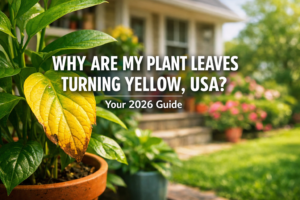
Q: My plant’s leaves are turning yellow. What could be wrong? A: Yellowing leaves can indicate various issues, including overwatering, underwatering, nutrient deficiency, insufficient light, or stress from temperature changes. Assess all care factors.
Q: Should I repot my new plant immediately? A: It’s generally best to wait a week or two to allow the plant to acclimate to its new environment before adding the stress of repotting.
Q: How can I tell if my plant is getting enough light? A: Plants needing more light might stretch towards a window (become leggy), have smaller leaves, or fail to flower. Plants getting too much light might show scorched or faded leaves.
Q: What are some beginner-friendly plants that tolerate mistakes? A: Snake plants, ZZ plants, Pothos, Spider Plants, and Peace Lilies are known for their resilience and tolerance to a range of conditions, making them excellent choices for beginners.
Q: What is root rot and how do I prevent it? A: Root rot is a fungal disease caused by overly wet soil, which suffocates roots. Prevent it by using pots with drainage holes, well-draining soil, and watering only when the soil is dry.
Related Reading
- Indoor Plant Care Guide 2026: Grow Thriving Houseplants
- Beginner-Friendly Plants: Your Easy Guide To Thriving Greenery In
- Common Watering Mistakes In Container Gardening: Expert Guide 2026
- Best Soil For Indoor Plants: Your 2026 Expert Guide
- Indoor Gardening Mistakes: Avoid Pitfalls & Grow Thriving P