Why Are My Plant Leaves Turning Yellow, USA? 2026 Fixes
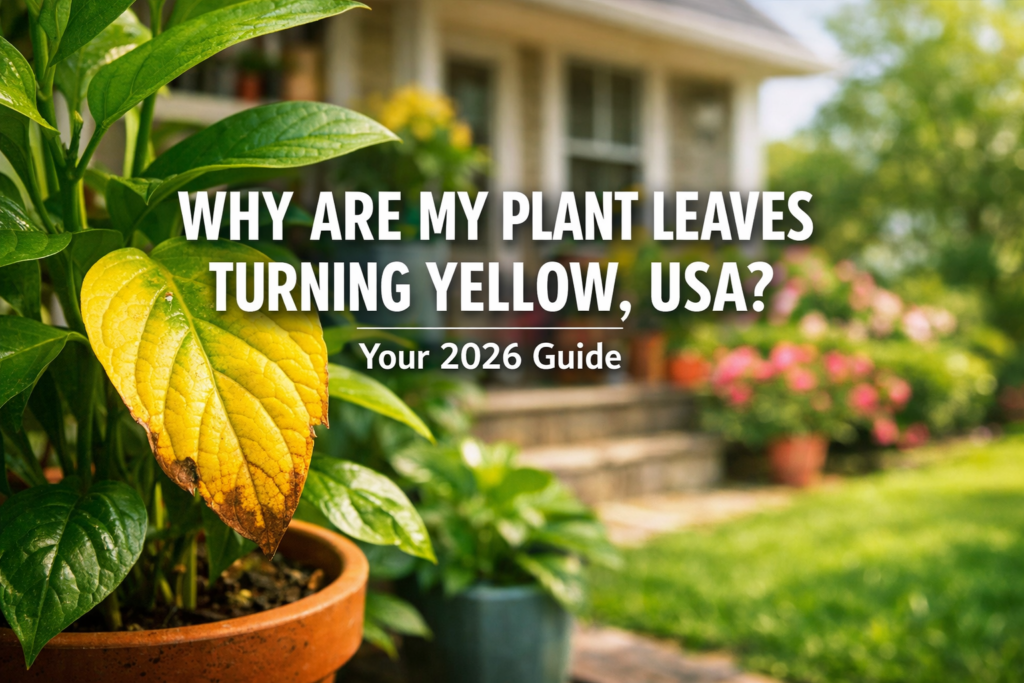
Quick Answer: Plant leaves turning yellow, a condition known as chlorosis, often signals underlying stress from environmental factors like improper watering, nutrient deficiencies, or inadequate light. Identifying the specific pattern of yellowing and other accompanying symptoms is crucial for diagnosing and rectifying the issue to restore your plant’s vitality.
Key Takeaways
- Yellow leaves (chlorosis) indicate plant stress, not always disease.
- Overwatering is the leading cause of yellow leaves for many US gardeners.
- Underwatering also causes yellowing, often starting at lower leaves.
- Nutrient deficiencies (iron, nitrogen, magnesium) lead to specific yellowing patterns.
- Inadequate or excessive light can trigger leaf discoloration.
- Pests and diseases can cause localized or widespread yellowing.
- Environmental factors like temperature extremes and transplant shock contribute to chlorosis.
- Regular monitoring and prompt action are essential for plant recovery.
Why Are My Plant Leaves Turning Yellow, USA: Common Watering Issues?
Improper watering is the most frequent culprit behind yellowing leaves for plants across the USA. Both too much and too little water can disrupt nutrient uptake and root function, leading to chlorosis.
Overwatering: The Silent Killer
Overwatering starves plant roots of oxygen, causing them to rot and become unable to absorb water and nutrients effectively. This results in leaves turning yellow, often starting with the lower, older leaves, which may also feel soft or mushy. You might notice the soil remains soggy for extended periods, and the plant may show signs of overall wilting despite being wet.
- Symptoms: Lower leaves yellow first, often uniformly, and may drop. Soil stays wet.
- Solution: Allow the soil to dry out completely between waterings. Ensure pots have drainage holes. For container plants, check our guide on how often to water container plants.
- Common Mistake: Watering on a schedule instead of checking soil moisture. Always feel the top 1-2 inches of soil (or deeper for larger pots) before watering.
Underwatering: A Thirsty Plant’s Cry
Conversely, insufficient water leads to drought stress, causing leaves to yellow and become crispy or brittle, often curling inwards. Plants prioritize moisture for new growth, so older, lower leaves usually yellow and drop first as the plant sheds them to conserve water.
- Symptoms: Leaves yellow and often crisp up, starting from the bottom. Soil is dry and pulls away from the pot edge.
- Solution: Water thoroughly until water drains from the bottom. Increase watering frequency, especially during hot, dry periods. Consider using self-watering planters or moisture meters.
- Decision Rule: If the soil is bone dry and leaves are crispy yellow, it’s underwatering. If soil is soggy and leaves are soft yellow, it’s overwatering.
Why Are My Plant Leaves Turning Yellow, USA: Light and Temperature Stress?
Plants require specific light and temperature conditions to thrive, and deviations from these optimal ranges can cause leaves to yellow. Stress from improper light or temperature can hinder photosynthesis or cause direct tissue damage.
Inadequate Light: The Fading Glow
Plants that aren’t receiving enough light will often develop pale yellow leaves, sometimes accompanied by leggy growth as they stretch for more light. This is particularly common for indoor plants in dimly lit homes across the USA. Without sufficient light, chlorophyll production decreases, leading to chlorosis.
- Symptoms: Uniform yellowing, especially on older leaves or those away from the light source. New growth may be weak or sparse.
- Solution: Move the plant to a brighter location. For low-light tolerant plants, ensure they still receive indirect bright light. Explore our guide on low light indoor plants for suitable options.
- Who it’s for: Gardeners with houseplants showing pale, stretched growth.
Excessive Light/Sunburn: Too Much of a Good Thing
While essential, too much direct, intense sunlight can scorch plant leaves, leading to yellowing, browning, or crispy spots. This is often seen in plants moved outdoors abruptly or those placed near south-facing windows without proper acclimation.
- Symptoms: Yellow or bleached patches, often crisp and brown, appearing suddenly on leaves exposed to direct sun.
- Solution: Gradually acclimate plants to brighter conditions or move them to a location with filtered light. Provide shade during the hottest parts of the day for outdoor plants.
- Constraint: Some plants are naturally drought-resistant and sun-loving, making this less of an issue for them.
Temperature Extremes: Shock to the System
Sudden drops or spikes in temperature, or prolonged exposure to cold drafts or heat vents, can shock plants, causing their leaves to yellow and drop. Many tropical houseplants, common in US homes, are especially sensitive to cold.
- Symptoms: Widespread yellowing, often accompanied by leaf drop. Leaves may become brittle in cold or wilted in heat.
- Solution: Protect plants from drafts, sudden temperature changes, and direct blasts from heating/cooling vents. Maintain consistent indoor temperatures between 65-75°F (18-24°C) for most houseplants.
- Edge Case: Some plants, like certain vegetables, naturally yellow and die back with the first frost, which is a normal part of their life cycle.
Nutrient Deficiencies: Why Are My Plant Leaves Turning Yellow, USA, Despite Good Care?
Even with perfect watering and light, leaves can yellow if plants aren’t getting the right nutrients from the soil. Soil pH also plays a crucial role in nutrient availability.
Nitrogen Deficiency
Nitrogen is vital for chlorophyll production. A lack of it typically causes older, lower leaves to turn a uniform pale green or yellow, as the plant moves mobile nitrogen to support new growth.
- Symptoms: Older leaves turn uniformly yellow, while new growth remains greener but may be stunted.
- Solution: Fertilize with a balanced, all-purpose fertilizer or one high in nitrogen. Organic options like compost or blood meal can also help.
- Example: If your corn plants (common in US gardens) show uniform yellowing on lower leaves, nitrogen is a likely suspect.
Iron Deficiency (Chlorosis)
Iron is a micronutrient essential for chlorophyll synthesis. Iron deficiency often manifests as interveinal chlorosis, where the leaf tissue between the veins turns yellow, but the veins themselves remain green. This is more common in alkaline soils.
- Symptoms: New leaves show distinct yellowing between green veins.
- Solution: Use an iron chelate supplement or acidify the soil slightly with elemental sulfur or peat moss. Ensure soil pH is appropriate for your plant.
- Decision Rule: If new leaves are yellow with green veins, suspect iron or manganese.
Magnesium Deficiency
Magnesium is another key component of chlorophyll. Its deficiency causes interveinal yellowing, similar to iron, but typically starts on older leaves because magnesium is mobile within the plant.
- Symptoms: Older leaves turn yellow between the veins, sometimes with reddish-brown spots.
- Solution: Apply Epsom salts (magnesium sulfate) or a fertilizer containing magnesium.
- Constraint: This is more common in sandy soils or where potassium fertilization is very high.
Other Nutrient Issues
While nitrogen, iron, and magnesium are common, deficiencies in potassium, phosphorus, zinc, or sulfur can also lead to yellowing, often with other specific symptoms. A soil test can accurately identify deficiencies. For preparing soil for container plants, ensuring a rich, balanced mix is key.
Pests and Diseases: Biological Causes of Yellowing Leaves
Sometimes, yellowing leaves are a symptom of a larger biological battle. Pests and diseases can stress plants, leading to chlorosis.
Common Pests
Sap-sucking insects like spider mites, aphids, whiteflies, and scale can feed on plant juices, draining nutrients and weakening the plant. Their feeding often causes stippling (tiny yellow or white dots) or a general yellowing of leaves.
- Symptoms: Small insects visible on leaf undersides, sticky residue (honeydew), stunted growth, and yellowing leaves.
- Solution: Isolate affected plants. Use insecticidal soap, neem oil, or introduce beneficial insects. For indoor plants, consistent inspection is part of a good indoor plant care guide.
- Who it’s for: Gardeners noticing small, sticky or web-covered leaves on their plants.
Fungal and Bacterial Diseases
Various pathogens can cause leaf spots, blights, and root rot, all of which can lead to yellowing. Root rot, often a consequence of overwatering, is particularly insidious as it prevents roots from functioning.
- Symptoms: Spots, lesions, wilting, overall yellowing, and potentially a foul smell from roots.
- Solution: Remove affected parts. Improve air circulation. Use fungicides or bactericides if appropriate. For root rot, repot into fresh, well-draining soil and adjust watering.
- Mistake to Avoid: Ignoring early signs of disease, which can quickly spread.
Environmental Stressors & Plant Age: Natural Causes of Yellowing
Beyond the common issues, other environmental factors and the natural life cycle of a plant can also result in yellow leaves.
Plant Age and Senescence
It’s normal for older leaves, especially at the base of the plant, to yellow and drop as the plant ages. This natural process, called senescence, allows the plant to reallocate nutrients to newer, actively growing parts.
- Symptoms: Yellowing and dropping of only the oldest, lowest leaves, while the rest of the plant appears healthy.
- Solution: No action needed; this is natural. Remove yellowed leaves to keep the plant tidy.
- Decision Rule: If only a few old leaves are yellowing on an otherwise thriving plant, it’s likely natural aging.
Transplant Shock
Moving a plant from one location or pot to another can cause temporary stress, leading to yellowing leaves. The plant needs time to adjust to new soil conditions, light levels, and establish its root system.
- Symptoms: Yellowing, wilting, or dropping of leaves shortly after repotting or relocating.
- Solution: Provide consistent care (correct watering, indirect light) and avoid further stress. Don’t fertilize immediately after transplanting. Our guide on how long vegetable seedlings can stay in seed trays can help prevent pre-transplant stress.
- Timeframe: Symptoms usually resolve within a few weeks as the plant adapts.
Chemical Exposure
Herbicides, pesticides (applied incorrectly), or even chemicals in tap water (like chlorine) can sometimes cause plant leaves to yellow, burn, or develop unusual discoloration.
- Symptoms: Irregular yellowing, brown spots, or curled leaves, often appearing shortly after chemical application or exposure.
- Solution: Flush the soil with clean water. Use filtered water for sensitive plants. Ensure proper dilution and application of all garden chemicals.
- Constraint: Some plants are more sensitive to certain chemicals than others.
Troubleshooting Yellow Leaves: A Step-by-Step Approach
When facing yellowing leaves, a systematic approach helps pinpoint the exact problem.
1. Observe the Pattern
- Uniform yellowing (all over): Often indicates a lack of light, general nutrient deficiency (like nitrogen), or severe watering issues.
- Yellowing with green veins (interveinal chlorosis): Points to iron or magnesium deficiency, especially on new growth for iron, and older growth for magnesium.
- Yellowing on older/lower leaves first: Common for underwatering, overwatering, nitrogen/magnesium deficiency, or natural aging.
- Yellowing on new/upper leaves first: Suggests iron, sulfur, or zinc deficiency.
- Spots or irregular yellowing: Could be pests, disease, or chemical burn.
2. Check Soil Moisture
- Too wet: Dig a finger into the soil. If it’s soggy and stays wet for days, it’s likely overwatering.
- Too dry: If the soil is bone dry and hard, the plant is underwatered.
- Action: Adjust your watering schedule as per our advice on how often you should water plants.
3. Assess Light Levels
- Is the plant getting too much direct sun for its needs, or too little?
- Action: Move the plant to a more suitable location. Consider plants for shade-loving plants or those requiring bright, indirect light.
4. Inspect for Pests and Diseases
- Carefully examine both sides of the leaves, stems, and soil for any signs of insects, webbing, spots, or mold.
- Action: Treat pests with appropriate methods (insecticidal soap, neem oil). Remove diseased leaves.
5. Consider Nutrient Needs
- When was the last time you fertilized? What kind of fertilizer did you use?
- Action: Fertilize with a balanced plant food if it’s been a while, or target specific deficiencies based on symptoms. A soil test is the most accurate method.
6. Review Environmental Conditions
- Are there drafts, extreme temperature fluctuations, or recent changes (e.g., transplanting)?
- Action: Stabilize environmental conditions and give the plant time to recover from shock.
Conclusion
Understanding why your plant leaves are turning yellow, USA, involves a detective-like approach, carefully observing symptoms and assessing environmental factors. Most cases stem from correctable issues like improper watering, nutrient imbalances, or unsuitable light. By systematically troubleshooting and making targeted adjustments, you can often reverse the yellowing and restore your plants to vibrant health. Regular observation and proactive care are your best tools for a thriving garden and healthy houseplants in 2026.
Actionable Next Steps:
- Inspect: Thoroughly check your plant’s leaves, soil, and roots for any visible signs.
- Adjust Watering: Modify your watering routine based on soil moisture and plant needs.
- Optimize Light: Relocate your plant to a spot with appropriate light intensity.
- Feed (if needed): Fertilize with a balanced nutrient solution or address specific deficiencies.
- Treat Pests/Diseases: Address any identified infestations or infections promptly.
FAQ
What does it mean when plant leaves turn yellow?
Yellowing plant leaves, or chlorosis, indicates that the plant is stressed and not producing enough chlorophyll, often due to improper watering, nutrient deficiencies, or light issues.
Is it normal for some plant leaves to turn yellow?
Yes, it’s normal for older, lower leaves to yellow and drop as part of the plant’s natural aging process, especially if the rest of the plant is healthy.
Can yellow leaves turn green again?
Once a leaf has turned yellow due to severe stress, it usually cannot regain its green color. However, addressing the underlying issue can prevent further yellowing and promote new, healthy green growth.
How do I fix yellow leaves on my plants?
To fix yellow leaves, first identify the cause (e.g., overwatering, underwatering, nutrient deficiency, light issues, pests) and then implement targeted solutions like adjusting watering, improving light, fertilizing, or treating pests.
Does too much water make plant leaves yellow?
Yes, overwatering is a common cause of yellow leaves because it deprives roots of oxygen, leading to root rot and impaired nutrient absorption.
Does lack of sunlight cause yellow leaves?
Yes, insufficient sunlight can cause plant leaves to turn pale yellow as the plant struggles to produce enough chlorophyll for photosynthesis.
Should I remove yellow leaves from my plant?
Generally, yes. Removing yellow leaves can help the plant redirect energy to healthy growth and improve overall appearance. However, address the underlying cause first to prevent more leaves from turning yellow.
Can a plant recover from yellow leaves?
A plant can recover from yellow leaves if the underlying cause of stress is identified and corrected, allowing it to produce new, healthy growth. The already yellowed leaves, however, may not recover their green color.
Why are only the bottom leaves turning yellow?
Bottom leaves often turn yellow due to natural aging, underwatering, overwatering, or nitrogen/magnesium deficiency as the plant reallocates resources to new growth.
Can cold weather cause leaves to turn yellow?
Yes, sudden drops in temperature or prolonged exposure to cold can shock plants, causing their leaves to yellow, wilt, and eventually drop.
What nutrient deficiency causes yellow leaves with green veins?
Yellow leaves with green veins (interveinal chlorosis) typically indicate an iron or magnesium deficiency. Iron deficiency usually affects new growth, while magnesium deficiency often appears on older leaves.
References
- Clemson University Cooperative Extension. (2018). Houseplant Diseases & Disorders.
- University of Maryland Extension. (2020). Recognizing Nutrient Deficiencies in Plants.
- University of California Statewide Integrated Pest Management Program. (2021). Pest Management Guidelines.