Best Potting Soil for Container Gardening USA (2026 Guide)
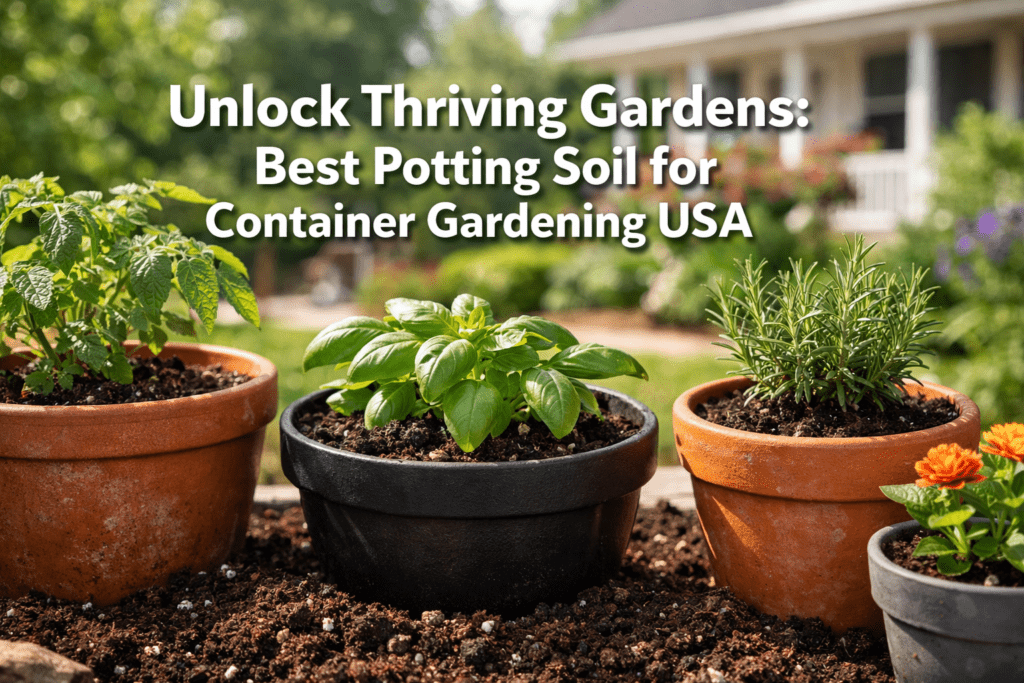
Quick Answer: The best potting soil for container gardening in the USA in 2026 is a specialized, lightweight mix designed for containers, not dense garden soil. It typically combines ingredients like sphagnum peat moss (or coir), perlite, vermiculite, and composted bark to ensure excellent drainage, aeration, and moisture retention crucial for healthy root development and robust plant growth [1, 2, 7].
Key Takeaways
- Always use potting mix specifically formulated for containers; garden soil is too heavy and compacts easily [1, 6].
- An ideal mix provides optimal drainage, aeration, and moisture retention for containerized plants [2, 7].
- Key ingredients include peat moss (or coir), perlite, vermiculite, and composted bark [1, 7].
- Look for mixes with a pH around 6.2, which is suitable for most plants [7].
- For improved moisture control, consider mixes with water-holding crystals or extra organic matter [3].
- Compost can be a beneficial addition, but should make up no more than one-third of your mix to prevent compaction [5, 6].
- The right potting soil can significantly boost yields and is a major factor in container gardening success [1].
- Commercial options are convenient, but DIY mixes allow for customization for specific plant needs.
Why Specialized Potting Soil is Crucial for Container Gardening in the USA
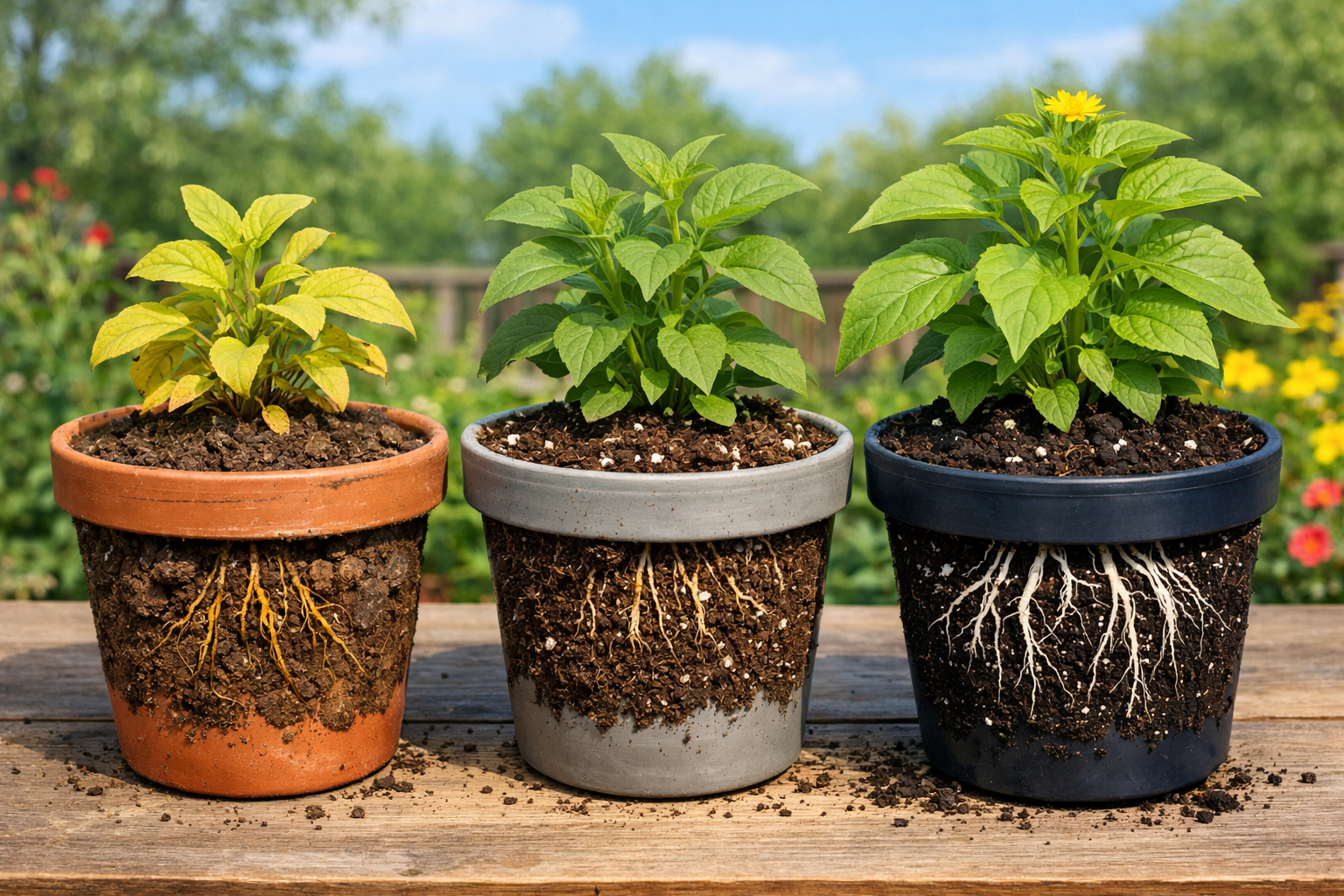
Specialized potting soil is crucial for container gardening because it provides the unique balance of drainage, aeration, and moisture retention that plants in confined spaces require to thrive, unlike heavy garden soil [1, 7]. Garden soil, when used in containers, often compacts, which stifles roots, prevents proper water uptake, and can lead to disease [1, 6].
The Limitations of Garden Soil in Containers
- Density and Compaction: Garden soil is heavy and becomes dense in containers, limiting air circulation to roots [1, 6].
- Poor Drainage: It retains too much water, leading to waterlogged conditions that can cause root rot [6].
- Lack of Aeration: The dense structure starves roots of oxygen, hindering growth [7].
- Pests and Diseases: Garden soil often contains weed seeds, fungi, and insect larvae that can easily infest container plants [6].
The Benefits of a Quality Potting Mix
A high-quality potting mix is specifically engineered to counteract these issues, providing an optimal growing environment.
- Excellent Drainage: Allows excess water to escape quickly, preventing root rot [7].
- Optimal Aeration: Provides essential oxygen to roots, promoting healthy growth [2].
- Moisture Retention: Holds sufficient moisture between waterings, reducing the frequency needed [3].
- Lightweight Structure: Easy to work with and reduces the overall weight of containers, especially important for urban or balcony gardens [2, 7].
- Sterile Environment: Many commercial mixes are sterilized to be free of weed seeds and pathogens [7].
Choosing the right base for your container plants is the first step towards a flourishing garden. For beginners, understanding “What Is Container Gardening?” can provide a foundational overview of the practice.
Key Components of the Best Potting Soil for Container Gardening USA
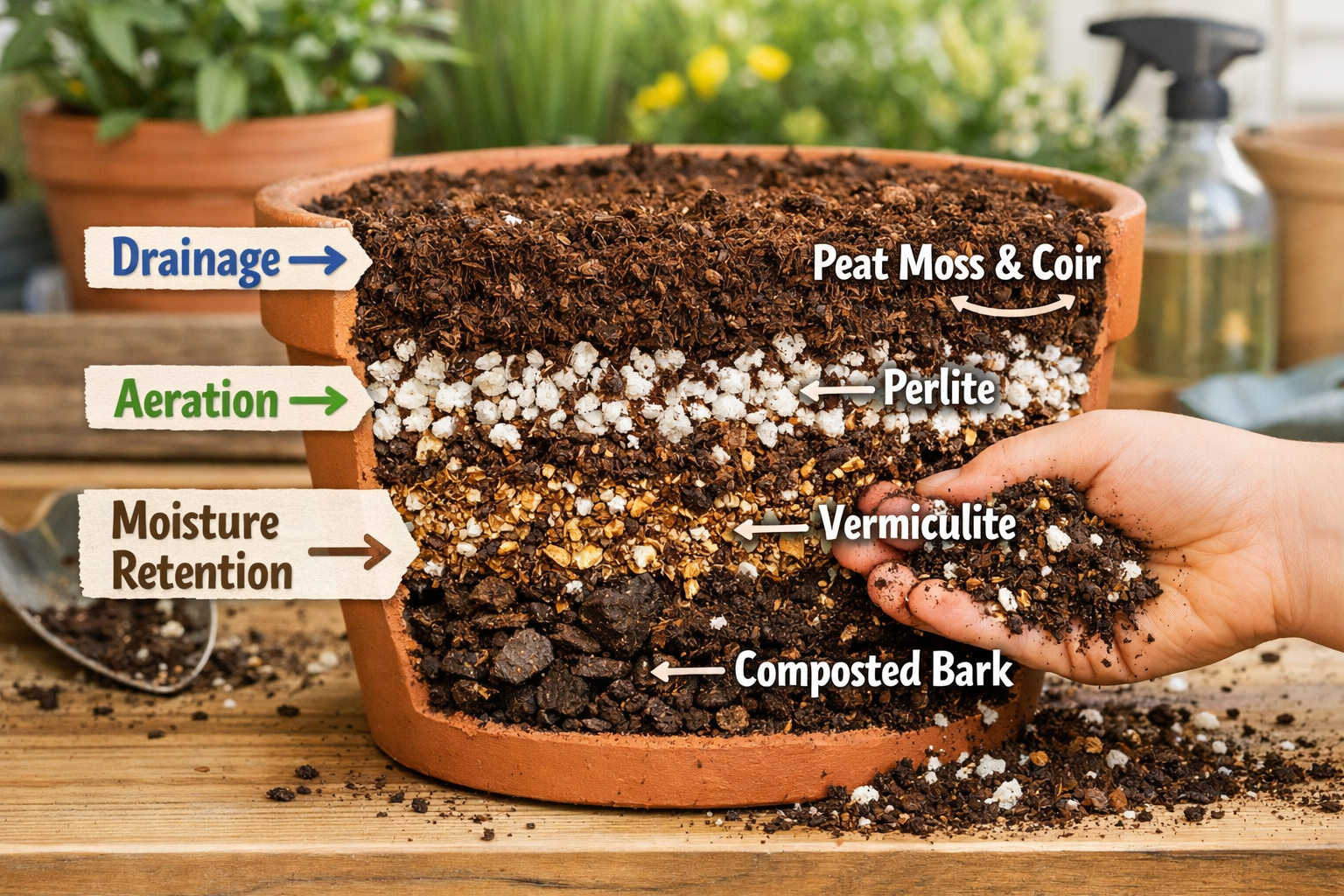
The best potting soil for container gardening in the USA typically comprises a blend of peat moss (or coconut coir), perlite, vermiculite, and compost, each contributing to the soil’s structure, water retention, and aeration [1, 7]. This combination creates an ideal environment for roots to grow strong and access nutrients efficiently [2].
Essential Ingredients and Their Roles
- Sphagnum Peat Moss: This is a common base component, known for its excellent water retention capabilities and ability to lighten the mix. It’s acidic, which can benefit acid-loving plants, but often buffered in commercial mixes to a more neutral pH (around 6.2) [7].
- Coconut Coir (Coco Coir): A sustainable alternative to peat moss, coir offers similar water retention and aeration benefits. It’s pH neutral, making it versatile for many plants [7].
- Perlite: These small, white volcanic glass bits are crucial for aeration and drainage. They create air pockets within the soil, preventing compaction and ensuring roots get oxygen [1, 7].
- Vermiculite: A mica-based mineral, vermiculite also aids in aeration but, more importantly, enhances moisture and nutrient retention. It has a sponge-like quality, absorbing water and then slowly releasing it to plant roots [7].
- Composted Bark/Wood Chips: These organic materials improve drainage, aeration, and provide a slow release of nutrients as they decompose. They also add structure to the mix [7].
- Compost: A rich source of nutrients and beneficial microbes. While excellent for gardens, in containers, compost should be used sparingly (no more than 1/3 of the mix) to avoid compaction and ensure proper drainage [5, 6].
- Wetting Agents: Some commercial mixes include wetting agents to help the soil absorb water more readily, especially if it dries out completely [7].
- Slow-Release Fertilizers: Many high-quality potting mixes come pre-mixed with slow-release fertilizers to provide nutrients for the first few weeks or months of plant growth [2, 8].
When selecting a mix, consider what your plants need. For instance, plants that prefer consistently moist soil might benefit from a higher proportion of coir or vermiculite, while those needing excellent drainage, like succulents, would prefer more perlite.
Choosing the Best Potting Soil for Container Gardening USA: Commercial vs. DIY
When selecting the best potting soil for container gardening in the USA, gardeners typically choose between convenient pre-made commercial mixes or custom-blending their own DIY options, each offering distinct advantages depending on budget, plant needs, and gardening experience. Commercial mixes are reliable and readily available, while DIY allows for tailored formulas [2, 5].
Commercial Potting Mixes
Commercial potting mixes are formulated to be well-balanced for most container plants, offering convenience and consistent quality. They often contain a mix of peat, perlite, vermiculite, and a starter dose of fertilizer [2, 7].
- Pros:
- Convenience: Ready to use directly from the bag.
- Consistency: Formulated for optimal pH, drainage, and aeration [7].
- Sterile: Typically free of weed seeds, pests, and diseases.
- Nutrient-Enhanced: Many include slow-release fertilizers for initial feeding [8].
- Cons:
- Cost: Can be more expensive, especially for large-scale container gardening.
- Limited Customization: May not be ideal for plants with very specific soil requirements.
- Weight: Can be heavy to transport in large quantities.
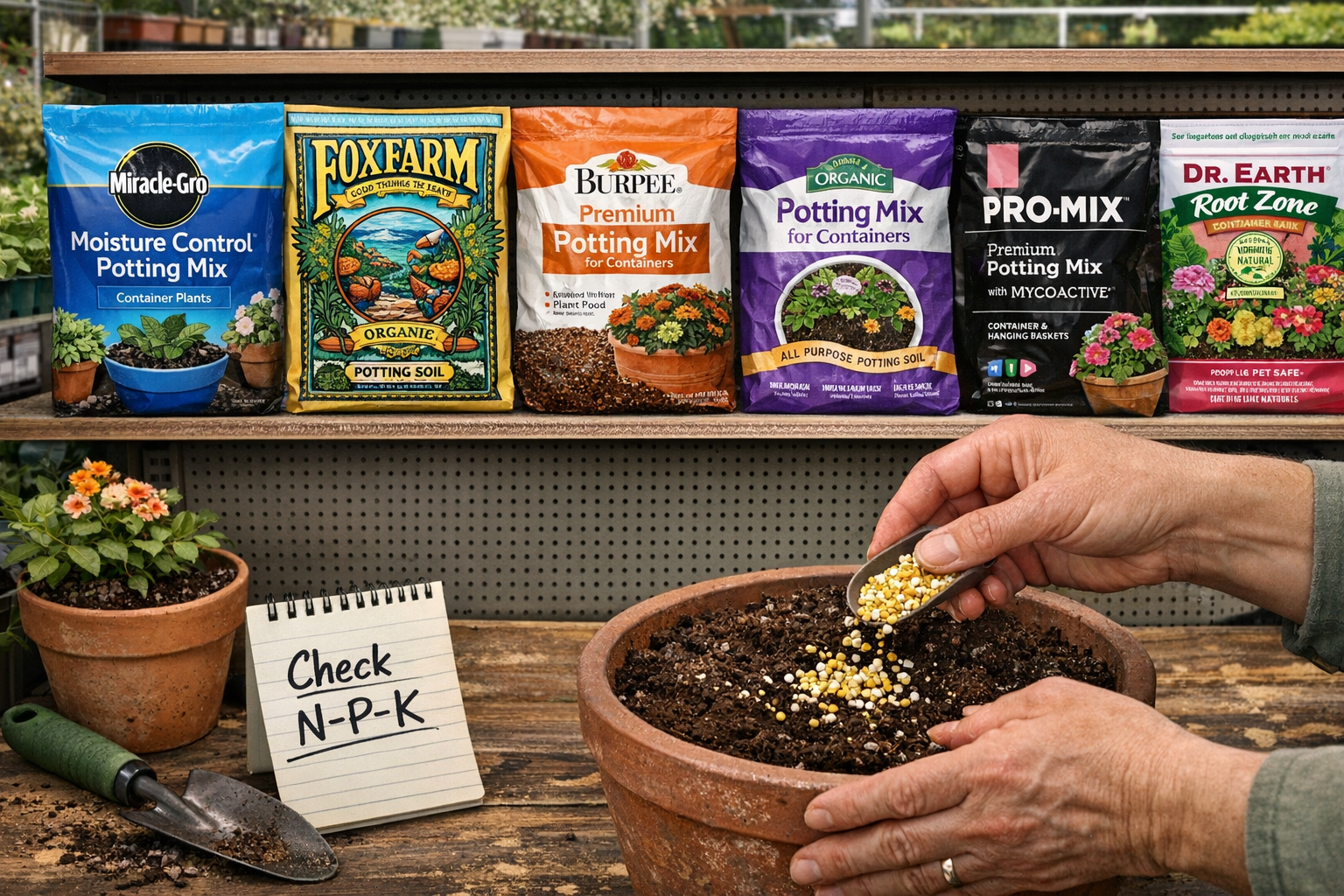
Recommendation: For most gardeners, especially beginners, a high-quality commercial potting mix from a reputable brand like Miracle-Gro, Espoma, or FoxFarm is an excellent choice [2, 8]. Look for bags explicitly labeled for “container gardening” or “potting mix,” rather than “garden soil” or “topsoil.”
DIY Potting Mixes
Creating your own potting mix allows for complete control over ingredients, which can be beneficial for specific plant types or for gardeners looking to save money in the long run [5].
- Basic DIY Formula: A common recommendation is 50% garden soil (not ideal if heavy, but can be amended if light), 30% peat moss or coir, and 20% compost [5]. However, the University of Maryland Extension suggests a basic mix of 1 part compost, 1 part peat moss/coir, 1 part perlite/vermiculite for optimal drainage and aeration, avoiding dense garden soil entirely [7].
- Pros:
- Cost-Effective: Often cheaper for large volumes.
- Customization: Tailor the mix to specific plant needs (e.g., more sand for succulents, more coir for moisture-lovers).
- Quality Control: You know exactly what goes into your soil.
- Sustainability: Can incorporate homemade compost or local ingredients.
- Cons:
- Time and Effort: Requires sourcing individual ingredients and mixing them thoroughly.
- Expertise: Requires understanding of component functions to create a balanced mix.
- Sterilization: Homemade mixes may not be sterile, risking pests or pathogens.
Decision Rule: Choose commercial mixes for ease and reliability, especially if you’re new to container gardening or have limited space. Opt for DIY if you have specific plant needs, a larger gardening setup, or prefer to control every aspect of your soil. For those interested in crafting their own mixes, our guide on “Best Soil Mix For Container Gardening (Complete Guide)” offers detailed insights.
Enhancing Potting Soil for Specific Plant Needs
While a general-purpose potting mix works for most plants, enhancing it for specific needs can significantly improve the growth and yield of particular species in container gardening [3]. Tailoring your soil to individual plant requirements ensures optimal nutrient uptake, moisture levels, and root health.
Addressing Common Plant Requirements
- For Moisture-Loving Plants (e.g., Impatiens, Fuchsias, many vegetables):
- Incorporate additional coconut coir or vermiculite, both of which excel at retaining moisture [3, 7].
- Consider adding water-retaining crystals, which swell to hold water and release it as the soil dries [3].
- Ensure containers are adequately sized to prevent rapid drying out.
- For Plants Requiring Excellent Drainage (e.g., Succulents, Cacti, Herbs):
- Increase the proportion of perlite, coarse sand, or small gravel to improve drainage and aeration [7].
- Reduce the amount of peat moss or coir, which can hold too much moisture for these plants.
- Select terracotta pots or containers with ample drainage holes, as discussed in our guide on “Best Containers For Gardening: Pots, Buckets & DIY Ideas In 2026.”
- For Heavy Feeders (e.g., Tomatoes, Peppers, most vegetables):
- Choose a commercial mix with a slow-release fertilizer or incorporate additional compost or aged manure into your DIY mix (up to 1/3 of total volume) [5, 6].
- Supplement with a balanced liquid fertilizer throughout the growing season, especially once plants start fruiting [7]. Our guide on “Fertilizers For Vegetables: 2026 Expert Guide For Optimal Gardening” can provide more specific advice.
- For Acid-Loving Plants (e.g., Blueberries, Azaleas, Camellias):
- Ensure the potting mix has a lower pH, or amend it with elemental sulfur or acidic compost. Peat moss is naturally acidic [7].
- For Seed Starting:
- Use a fine-textured, sterile seed-starting mix, which is lighter and holds moisture evenly, promoting germination. These mixes typically contain finer peat or coir and perlite [7].
Common Mistakes to Avoid
- Over-Composting: While beneficial, too much compost (more than 1/3 of the mix) can lead to compaction and poor drainage in containers [6].
- Using Raw Manure: Fresh manure can burn plant roots and introduce pathogens. Always use aged or composted manure.
- Assuming One Size Fits All: Different plants have different needs. A general-purpose mix is a start, but customization leads to superior results.
- Ignoring pH: While most commercial mixes are buffered, specific plants thrive at specific pH levels. A soil test kit can help verify your mix’s pH.
By understanding the unique needs of your container plants and adjusting your potting soil accordingly, you’ll be well on your way to a thriving and productive garden in 2026.
Maintaining Potting Soil Health in Containers
Maintaining the health of your potting soil in containers is critical for sustained plant vigor throughout the growing season and beyond [7]. Unlike garden beds, container soil has a finite volume of nutrients and is subject to quicker depletion and structural breakdown.
Key Practices for Soil Longevity
- Regular Fertilization: Potting mixes typically contain enough nutrients for about 4-6 weeks [8]. After this, container plants need regular feeding with liquid or slow-release fertilizers, as nutrients leach out with frequent watering [7].
- Monitor Moisture Levels: Overwatering washes away nutrients and can lead to root rot. Underwatering stresses plants. Stick your finger an inch or two into the soil to check moisture before watering. Proper watering techniques are covered in “How Often Should You Water Container Plants? 2026 Expert Guide.”
- Avoid Compaction: Don’t press the soil down too firmly when potting. A loose, aerated structure is essential. Avoid walking on or pressing down on the soil in larger containers.
- Replenish Organic Matter: As organic components like peat and compost break down, the soil volume can decrease. Top dress with fresh compost or a light layer of new potting mix periodically to replenish nutrients and structure.
- Refresh Soil Annually: For annual plants, it’s best to completely replace the potting mix each year. For perennials or long-term plants, refresh the top few inches of soil and consider repotting into a larger container with fresh mix every 1-2 years. Our guide on “Reuse Vegetable Garden Soil In 2026? Expert Guide” provides insights on judicious soil reuse.
- Sterilize if Reusing Containers: If reusing old containers, wash them thoroughly with a dilute bleach solution (1 part bleach to 9 parts water) to kill any lingering pathogens before adding fresh soil.
The Role of Microbes
While potting mixes are often sterile initially, introducing beneficial microbes can enhance soil health. This can be done by:
- Adding a small amount of high-quality compost.
- Using commercial microbial inoculants designed for container gardening.
These microbes help break down organic matter, make nutrients available to plants, and can suppress disease [7].
By actively managing your container soil, you create a resilient and productive environment for your plants, ensuring they have the support needed for vigorous growth through 2026 and beyond.
Understanding pH and Nutrient Balance in Potting Soil
Understanding the pH and nutrient balance of your potting soil is vital for successful container gardening, as these factors directly influence a plant’s ability to absorb essential nutrients [7]. Most plants thrive in a slightly acidic to neutral pH range, typically between 6.0 and 7.0.
The Importance of pH
- Nutrient Availability: Soil pH dictates the solubility and availability of different nutrients to plant roots. For example, iron can become less available in very alkaline soils, while phosphorus can be locked up in very acidic conditions [7].
- Optimal Range: Most commercial potting mixes are formulated with a pH around 6.2, which is suitable for a wide variety of plants, including most vegetables and flowering annuals [7].
- Adjusting pH:
- To lower pH (make more acidic): Incorporate elemental sulfur, peat moss, or acidic compost.
- To raise pH (make more alkaline): Add agricultural lime (calcium carbonate).
- Always conduct a soil test before making drastic pH adjustments.
Essential Nutrients for Container Plants
Container plants rely entirely on the nutrients present in their potting mix or supplied through fertilization. The three primary macronutrients (N-P-K) are:
- Nitrogen (N): Crucial for leafy green growth and overall plant vigor.
- Phosphorus (P): Essential for root development, flowering, and fruiting.
- Potassium (K): Supports overall plant health, disease resistance, and water regulation.
Beyond N-P-K, plants also need secondary macronutrients (calcium, magnesium, sulfur) and micronutrients (iron, manganese, zinc, boron, copper, molybdenum, chlorine) [7].
Maintaining Nutrient Balance
- Start with a Balanced Mix: Many quality potting soils include a starter fertilizer charge with a balanced blend of macro and micronutrients [8].
- Regular Feeding: As mentioned, nutrients leach out of containers quickly. Supplement with a balanced liquid fertilizer every 2-4 weeks or use a slow-release granular fertilizer that lasts for several months [7].
- Observe Your Plants: Yellowing leaves, stunted growth, or poor flowering/fruiting can indicate nutrient deficiencies. Learning to “Spot Soil Nutrients Without A Test: Garden Guide 2026” can help with early diagnosis.
- Compost: Incorporating a small amount of well-rotted compost (up to 20-30% of the total mix) provides a slow release of a broad spectrum of nutrients and beneficial microbes, helping to buffer pH [5, 6].
By paying attention to both pH and nutrient levels, you can ensure your container plants are always in a prime position to absorb what they need for robust growth and abundant harvests.
Conclusion
Selecting the best potting soil for container gardening USA is arguably the most critical decision for any aspiring or experienced container gardener in 2026. This foundational choice directly impacts plant health, vigor, and overall yield. Remember, garden soil is not a suitable substitute due to its density and lack of aeration. Instead, opt for a specialized, lightweight potting mix rich in components like peat moss or coir, perlite, vermiculite, and composted bark, all designed to provide the ideal balance of drainage, aeration, and moisture retention [1, 7].
Whether you choose a reputable commercial blend for convenience and consistency, or decide to craft your own custom mix to cater to specific plant needs, prioritizing soil quality will pay dividends in lush foliage and abundant harvests. Don’t forget to monitor pH, provide consistent nutrition through fertilization, and consider refreshing your soil annually to maintain optimal growing conditions. By investing in the right potting soil, you’re laying the groundwork for a thriving and rewarding container gardening experience throughout 2026.
Actionable Next Steps:
- Assess Your Needs: Determine what type of plants you’ll be growing (e.g., vegetables, herbs, flowers, succulents) to inform your soil choice.
- Choose Your Mix: Decide between a high-quality commercial potting mix or gather components for a DIY blend based on your budget and preferences.
- Inspect Ingredients: If buying commercial, check the label for key components like peat/coir, perlite, and vermiculite.
- Prepare Your Containers: Ensure your containers have adequate drainage holes. Our guide on “Prepare Soil For Container Plants At Home: 2026 Expert Guide” can walk you through the preparation process.
- Plan for Fertilization: Have a plan for how you’ll provide nutrients after the initial 4-6 weeks of growth.
FAQ
Q1: Can I use regular garden soil in my containers?
No, it’s strongly recommended not to use regular garden soil in containers. Garden soil is too dense, compacts easily, and lacks the drainage and aeration container plants need, leading to root rot and poor growth [1, 6].
Q2: What are the essential components of a good potting mix?
A good potting mix typically includes sphagnum peat moss or coconut coir for moisture retention, perlite or vermiculite for drainage and aeration, and composted bark or compost for structure and nutrients [1, 7].
Q3: How often should I replace potting soil in containers?
For annual plants, it’s best to replace potting soil every year. For perennials or longer-lived plants, refresh the top few inches annually and consider a full soil replacement and repotting every 1-2 years [7].
Q4: Do I need to fertilize if my potting mix contains fertilizer?
Yes, most commercial potting mixes come with a starter fertilizer that lasts about 4-6 weeks. After that, you’ll need to begin regular fertilization as nutrients leach out with watering [7, 8].
Q5: What is the ideal pH for most container plants?
Most container plants, including vegetables and annuals, thrive in a slightly acidic to neutral pH range, typically between 6.0 and 7.0. Many commercial potting mixes are buffered to around pH 6.2 [7].
Q6: Can I mix my own potting soil?
Yes, you can mix your own potting soil using components like peat moss or coir, perlite, vermiculite, and compost. This allows for customization and can be more cost-effective for larger gardens [5, 7].
Q7: What’s the difference between perlite and vermiculite?
Both improve aeration, but perlite is better for drainage, creating more air pockets. Vermiculite, being more absorbent, excels at moisture and nutrient retention while also aiding aeration [7].
Q8: Is coconut coir a good alternative to peat moss?
Yes, coconut coir is an excellent and sustainable alternative to peat moss. It offers similar benefits in terms of water retention and aeration, and it is pH neutral, making it versatile for many plants [7].
References
[1] What Is The Best Soil For Container Gardening – https://earthbox.com/blog/what-is-the-best-soil-for-container-gardening
[2] Best Soil To Use In Containers And Raised Beds – https://scottsmiraclegro.com/en-us/learn/gardening/best-soil-to-use-in-containers-and-raised-beds.html
[3] Best Potting Soil For Container Gardening – https://www.crazylaura.com/best-potting-soil-for-container-gardening/
[4] Choosing The Best Potting Soil And Raised Bed Soil – https://www.lowes.com/n/buying-guide/choosing-the-best-potting-soil-and-raised-bed-soil
[5] Best Potting Soil Container Gardens – https://www.gardenmyths.com/best-potting-soil-container-gardens/
[6] Container Gardening Basics What I Wish I Had Known – https://ucanr.edu/blog/over-fence-alameda-county/article/container-gardening-basics-what-i-wish-i-had-known
[7] Growing Media Potting Soil Containers – https://extension.umd.edu/resource/growing-media-potting-soil-containers
[8] homedepot – https://www.homedepot.com/p/Miracle-Gro-Potting-Soil-Mix-50-qt-For-Container-Plants-Flowers-Vegetables-Shrubs-Feeds-up-to-6-Months-72790430/206553441