
Windy Balcony Plants USA: Best Choices & Care (2026)

Quick Answer: Selecting windy balcony plants in the USA requires prioritizing species that are naturally low-growing, have flexible stems, strong root systems, and are tolerant of dry conditions, as wind increases moisture evaporation. Hardy succulents, ornamental grasses, compact shrubs, and certain perennials are excellent choices, providing both beauty and resilience against the elements.
Key Takeaways
- Prioritize Wind Resistance: Choose plants known for their ability to withstand strong gusts.
- Consider Plant Structure: Look for low-growing, flexible, or dense plants that offer less surface area to the wind.
- Select Heavy Containers: Use pots made from terracotta, concrete, or ceramic, or add weights to prevent tipping.
- Watering Needs Increase: Wind accelerates water loss, so monitor soil moisture frequently.
- Native Plants Excel: Species indigenous to your US region are often naturally adapted to local wind conditions.
- Create Windbreaks: Utilize screens, trellises, or furniture to shelter plants from direct wind.
- Root System Strength: Plants with robust root systems anchor themselves better in containers.
- Sunlight and Zone: Match plant light requirements and USDA hardiness zone to your balcony’s conditions.
What Are the Best Windy Balcony Plants in the USA?
The best windy balcony plants in the USA are typically those that are compact, have flexible stems, and possess strong root systems, enabling them to endure persistent airflow and minimize structural damage. These include ornamental grasses, succulents, and certain sturdy perennials or compact shrubs. By choosing such varieties, you can ensure your balcony garden remains vibrant and intact even in exposed conditions.
When I select plants for a windy balcony, I always look for characteristics that spell resilience. Here are some top contenders:
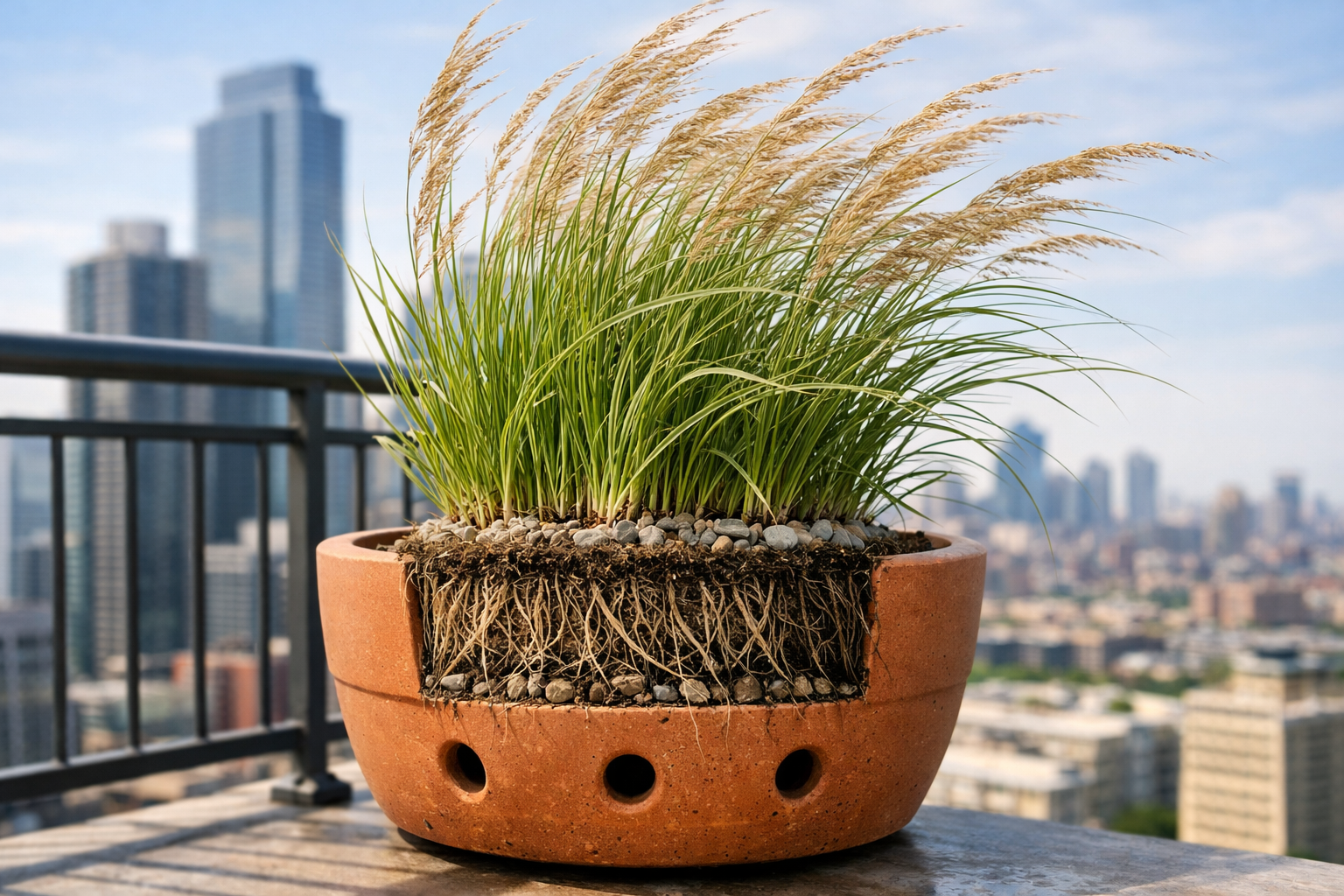
- Ornamental Grasses: Species like ‘Karl Foerster’ feather reed grass (Calamagrostis acutiflora ‘Karl Foerster’), Blue Fescue (Festuca glauca), and Fountain Grass (Pennisetum alopecuroides) offer graceful movement without breaking. Their flexible stems bend rather than snap, and they require minimal fuss.
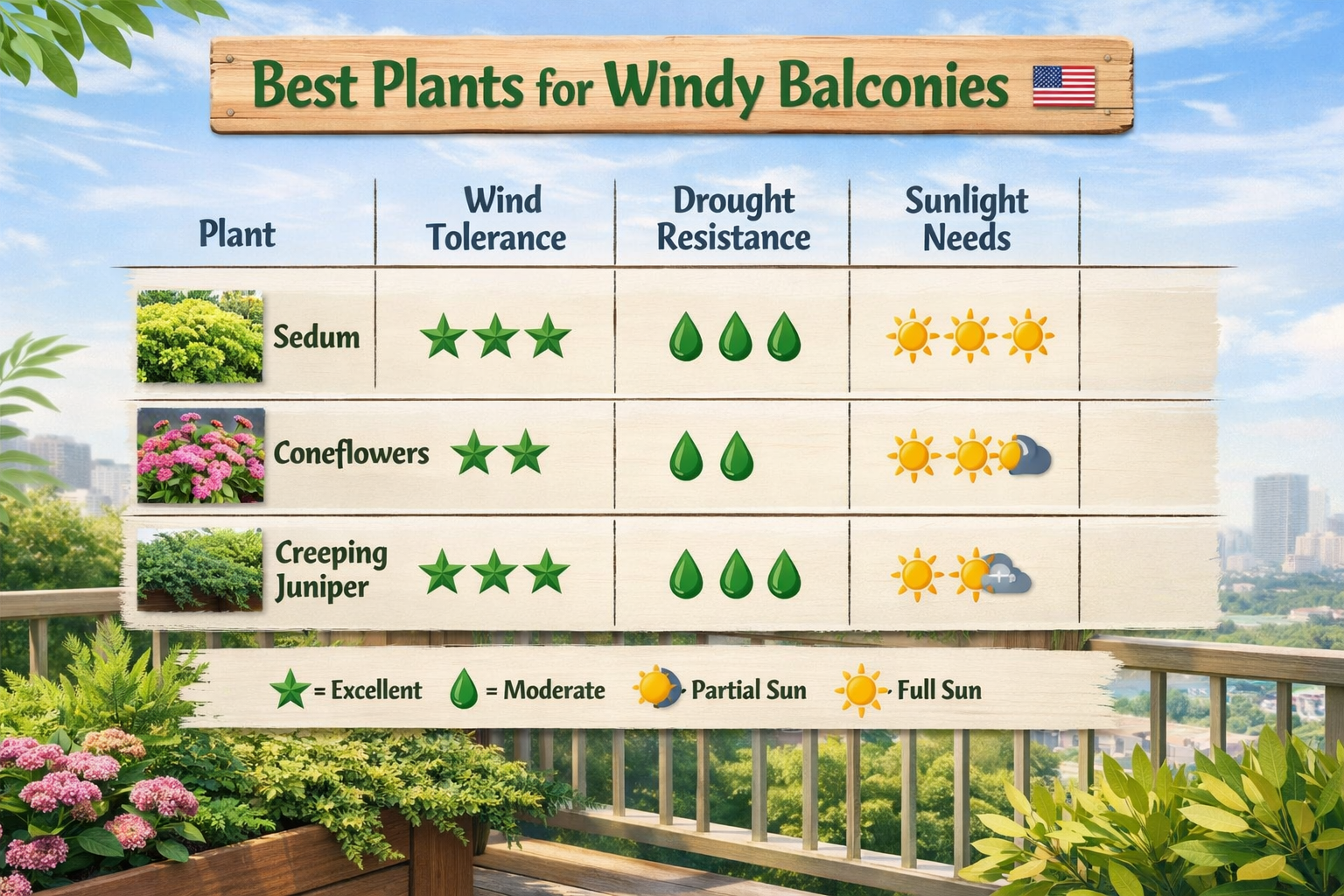
- Succulents: Many succulents, such as Sedum, Sempervivum (Hens and Chicks), and Agave, are excellent choices because of their low-growing, dense form and ability to store water, which helps in windy, drying conditions. Their compact nature means less surface area for the wind to buffet.
- Low-Growing Shrubs: Dwarf conifers like Dwarf Alberta Spruce (Picea glauca ‘Conica’) or low-growing junipers (Juniperus horizontalis) provide evergreen structure and are highly wind-tolerant due to their dense growth habit and sturdy branches.
- Hardy Perennials: Consider plants like Coneflower (Echinacea), Black-Eyed Susan (Rudbeckia hirta), and Yarrow (Achillea) which are known for their strong stems and ability to recover from wind stress. Check out our guide on “Wind-Resistant Balcony Plants: Ultimate 2026 Guide & Tips” for more in-depth options.
- Vines (with support): Some sturdy vines like Trumpet Vine (Campsis radicans) or Virginia Creeper (Parthenocissus quinquefolia) can thrive if given robust support structures like a strong trellis or railing to cling to.
When making your selection, always consider your specific USDA hardiness zone and the amount of sunlight your balcony receives. A plant that thrives in a windy, sunny spot in Zone 7 might struggle in a windy, shaded spot in Zone 5.
How Do I Protect My Windy Balcony Plants from Strong Gusts?
Protecting your windy balcony plants from strong gusts primarily involves choosing the right plants and containers, along with implementing strategic windbreaks and proper anchoring techniques. By taking these proactive steps, you can create a more sheltered environment that minimizes damage and stress to your plants.
From my experience, the combination of smart plant choices and structural modifications makes all the difference:
- Select Wind-Resistant Plants: As mentioned, opt for plants with flexible stems, low profiles, or dense growth. Avoid tall, spindly plants or those with large, delicate leaves.
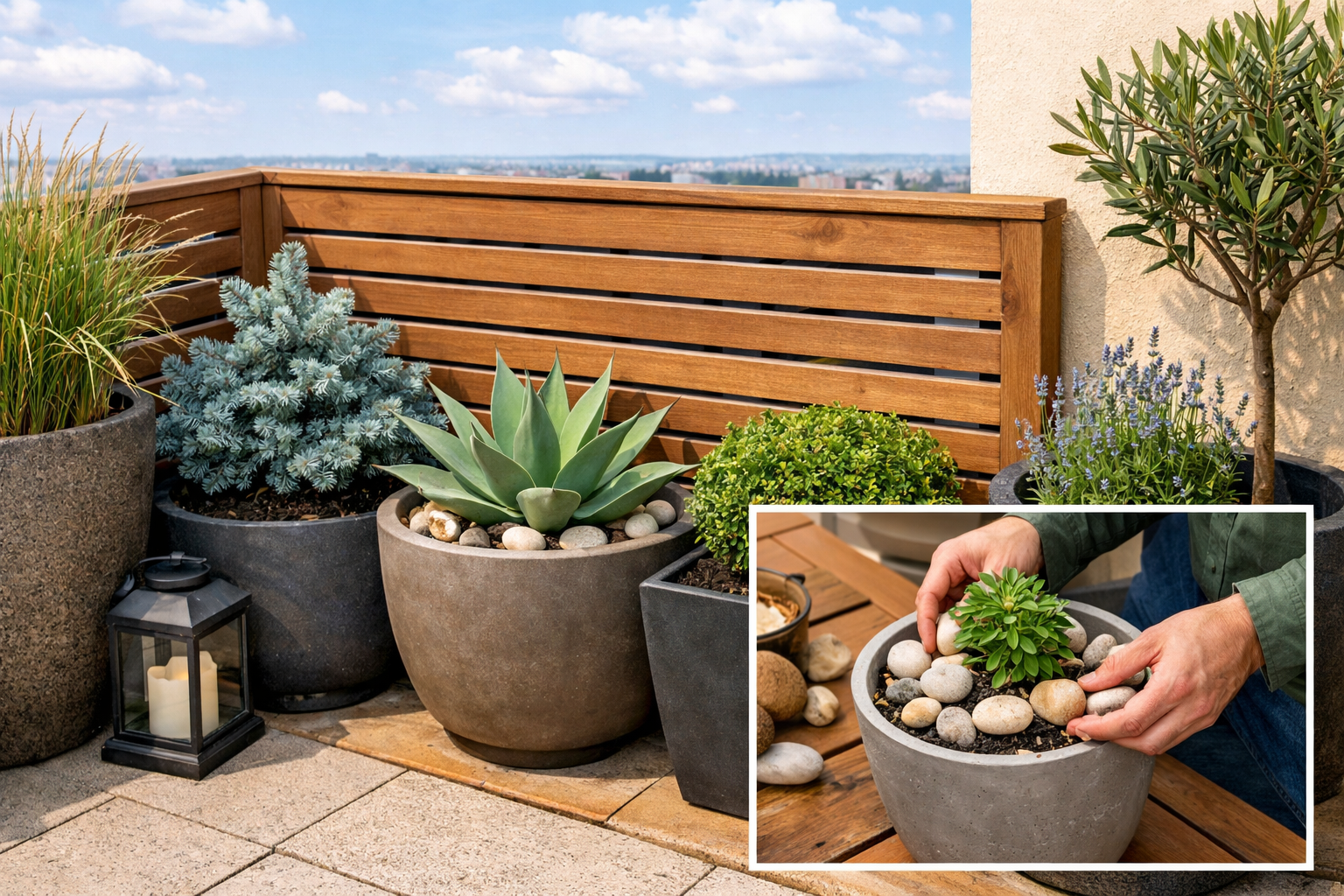
- Use Heavy, Stable Pots: Lightweight plastic pots are easily toppled. Invest in heavy materials like terracotta, concrete, stone, or ceramic. If you must use lighter pots, place heavy rocks or bricks at the bottom for stability. Ensure pots have good drainage, as excess water can make them unstable. For guidance on selecting containers, see our article on “Best Pots For Balcony Garden 2026: Ultimate Guide To Small”.
- Create Physical Windbreaks:
- Screens: Install slatted screens, trellises, or bamboo fencing along exposed railings. These break up the wind flow without creating turbulence like solid walls might.
- Furniture: Position outdoor furniture strategically to block direct wind. A sturdy outdoor shelving unit or a solid bench can offer considerable protection.
- Larger Plants: Use larger, wind-tolerant plants as a buffer for more delicate ones. A row of ornamental grasses can shelter smaller perennials behind them.
- Anchor Plants and Pots:
- Staking: For taller plants that must be on a windy balcony, use strong stakes and soft ties to secure them.
- Grouping: Cluster pots together. This creates a microclimate and reduces the exposed surface area of individual plants.
- Secure Lightweight Items: Any lightweight garden decor or empty pots should be secured or brought indoors during high winds.
- Pruning: Regularly prune plants to maintain a compact, sturdy shape. This reduces the amount of foliage exposed to wind and helps prevent breakage.
- Watering: Wind significantly increases evaporation from both leaves and soil. Water your plants more frequently, especially during dry spells, to prevent dehydration. However, avoid overwatering, as consistently soggy soil can lead to root rot. Learn more about “How Often Should You Water Container Plants? 2026 Expert Guide”.
Remember, even with precautions, extreme weather can be unpredictable. During severe storms, consider moving particularly vulnerable plants indoors if possible.
What Specific Plant Types Thrive as Windy Balcony Plants in the USA?
Specific plant types that thrive as windy balcony plants in the USA generally fall into categories of durable ornamentals, resilient edibles, and robust foliage plants, chosen for their inherent ability to withstand air movement, dry conditions, and often, temperature fluctuations. These include various grasses, succulents, herbs, and compact shrubs.
Here’s a breakdown of plant types I frequently recommend, along with examples suitable for balconies across the US:
Ornamental Plants for Windy Balconies
These plants are selected for their beauty and their natural hardiness against wind.
- Grasses:
- Blue Oat Grass (Helictotrichon sempervirens): Stiff, blue-green blades hold up well.
- Pink Muhly Grass (Muhlenbergia capillaris): Airy texture, but robust structure.
- Little Bluestem (Schizachyrium scoparium): Native to many US regions, very tough.
- Succulents & Cacti:
- Sedum (Stonecrop): Many varieties, from groundcovers to upright, all excellent in wind.
- Opuntia (Prickly Pear Cactus): If your zone allows, these are incredibly tough.
- Ice Plant (Delosperma): Spreading, colorful, and highly drought-tolerant.
- Perennials & Low Shrubs:
- Lavender (Lavandula): Fragrant, Mediterranean origins mean it tolerates dry, windy spots.
- Yarrow (Achillea): Strong stems and feathery foliage, good for a natural look.
- Dwarf Conifers: Mugo Pine (Pinus mugo) or various compact junipers are excellent for structure and year-round interest.
- Butterfly Bush (Buddleja davidii ‘Pugster’): Dwarf varieties offer dense flowers and handle wind well.
- Gaillardia (Blanket Flower): Bright, daisy-like flowers on sturdy stems.
Edible Plants for Windy Balconies
Don’t let wind deter you from growing your own food!
- Herbs: Many herbs, being smaller and having tougher foliage, do surprisingly well.
- Rosemary (Rosmarinus officinalis): Shrubby, aromatic, and wind-tolerant.
- Thyme (Thymus vulgaris): Low-growing and spreads, less impacted by wind.
- Oregano (Origanum vulgare): Similar to thyme, hardy and aromatic.
- For more herbal options, check our “Balcony Herb Garden Guide 2026: Grow Fresh Herbs Anywhere”.
- Leafy Greens:
- Spinach and Swiss Chard: Grow well in slightly sheltered spots, especially compact varieties.
- Lettuce (compact varieties): Can be successful in containers with some wind protection.
- Bush Beans: Climbing beans might struggle with wind tearing at their tendrils, but bush varieties are more compact and robust.
- Dwarf Fruit Trees/Shrubs:
- Dwarf Bush Cherry (Prunus japonica): Very compact and fruit reliably.
- Blueberry (Vaccinium corymbosum): Requires acidic soil but can thrive in a sheltered spot in a large, heavy pot.
Table: Comparison of Windy Balcony Plant Characteristics
| Plant Type | Wind Tolerance | Growth Habit | Water Needs | Sun Needs | Best For |
|---|---|---|---|---|---|
| Ornamental Grasses | Excellent | Flexible, Upright | Moderate | Full Sun | Creating movement, natural aesthetic |
| Succulents | Excellent | Low, Spreading | Low | Full Sun | Minimal care, dry conditions |
| Dwarf Conifers | Excellent | Dense, Upright | Low-Moderate | Full Sun | Year-round structure, privacy |
| Lavender | Good | Bushy | Low | Full Sun | Fragrance, pollinator attraction |
| Yarrow | Good | Upright | Moderate | Full Sun | Long-lasting blooms, cottage garden feel |
| Rosemary | Good | Bushy | Low | Full Sun | Culinary use, evergreen |
| Bush Beans | Fair-Good | Bushy | Moderate-High | Full Sun | Fresh produce, compact edible |
| Leafy Greens (compact) | Fair | Low, Spreading | Moderate-High | Part Sun-Full | Quick harvest, accessible edibles (with shelter) |
Consider the specific microclimate of your balcony, including how much direct sun it gets and the intensity of the wind. A balcony facing the ocean might require more extreme wind-tolerant plants than one on a tree-lined street in a suburban area. For broader options, consider exploring “Best Plants For Balcony Gardens”.
How Do I Maintain My Windy Balcony Garden in the USA?
Maintaining a windy balcony garden in the USA requires consistent attention to watering, nutrient replenishment, pest management, and regular structural checks to ensure plant health and stability against the elements. Proactive care is key to overcoming the challenges presented by wind exposure.
Here are the essential steps I follow for maintaining a healthy and resilient windy balcony garden:
- Monitor Watering Frequency: Wind significantly increases the rate of evaporation from both the soil and plant leaves.
- Check Daily: Stick your finger about an inch into the soil. If it feels dry, it’s time to water.
- Deep Watering: Water thoroughly until it drains from the bottom of the pot. This encourages deeper root growth, which helps with stability.
- Mulch: Apply a layer of organic mulch (e.g., wood chips, coco coir) to the soil surface to reduce moisture loss and moderate soil temperature.
- Nutrient Management: Container plants exhaust soil nutrients faster than in-ground plants.
- Fertilize Regularly: Use a balanced, slow-release granular fertilizer or a liquid feed at half strength every 2-4 weeks during the growing season.
- Repotting: Every 1-2 years, consider repotting plants into fresh potting mix or at least replenishing the top few inches of soil. This helps with aeration and nutrient supply. For tips on soil, refer to “Prepare Soil For Container Plants At Home: 2026 Expert Guide”.
- Pruning and Deadheading:
- Shape and Density: Prune plants to maintain a compact, sturdy form. This reduces the sail effect of large, overgrown foliage.
- Remove Damaged Parts: Promptly remove any leaves or stems that show signs of windburn, tearing, or breakage to prevent disease and encourage new growth.
- Deadhead Flowers: For flowering plants, remove spent blooms to encourage more flowering and prevent plants from putting energy into seed production.
- Pest and Disease Control: Stressed plants are more susceptible to pests and diseases.
- Regular Inspection: Check plants weekly for signs of pests (e.g., aphids, spider mites) or diseases (e.g., powdery mildew).
- Early Intervention: Address issues quickly with organic solutions like insecticidal soap or neem oil.
- Good Air Circulation: Ensure plants aren’t too crowded, as this can exacerbate fungal issues, especially if wind patterns create stagnant air pockets.
- Structural Checks and Anchoring:
- Container Stability: Periodically check that pots are still stable and haven’t shifted. Add weights or adjust positioning if needed.
- Staking and Support: Ensure stakes are firm and ties are not too tight, which could girdle the stem. Replace any flimsy stakes.
- Windbreak Integrity: Check any screens or trellises for damage and ensure they are securely fastened.
- Winter Protection (Seasonal): In colder US zones, prepare wind-tolerant plants for winter.
- Move Indoors: For tender perennials or non-hardy plants, bring them indoors.
- Insulate Pots: For hardy plants that remain outside, insulate pots with burlap, bubble wrap, or place them inside larger containers with shredded leaves for added protection.
- Reduced Watering: Water less frequently during winter dormancy. For more on cold weather preparation, read our guide on “Winter Garden Beds: Essential Prep & Care For 2026 Success”.
By consistently implementing these maintenance practices, your windy balcony garden can not only survive but truly thrive, providing a beautiful and resilient green space.
What Are Common Mistakes to Avoid When Gardening on a Windy Balcony?
When gardening on a windy balcony in the USA, common mistakes include choosing inappropriate plants, using lightweight containers, neglecting windbreak solutions, and underestimating increased watering needs, all of which can lead to plant stress, damage, or even loss. Avoiding these pitfalls is crucial for success.
Having worked with many balcony gardeners, I’ve identified several recurring errors that can easily be sidestepped:
- Choosing Tall, Delicate Plants: Selecting plants with large leaves, weak stems, or a tall, narrow growth habit is a recipe for disaster. These plants act like sails and are easily damaged or toppled. Instead, opt for compact, flexible, or dense plants.
- Using Lightweight Plastic Pots: While affordable, lightweight plastic pots are easily blown over by strong gusts, causing damage to plants and potentially property below. Invest in heavy, stable containers made of terracotta, concrete, or ceramic, or weigh down lighter pots.
- Ignoring Windbreaks: Failing to provide any form of wind protection leaves your plants fully exposed to the elements, leading to windburn, broken stems, and dehydration. Install slatted screens, trellises, or strategically place sturdy furniture to create sheltered microclimates.
- Under-watering: Wind drastically increases evaporation, meaning plants on a windy balcony need more frequent watering than those in sheltered locations or in the ground. Assuming standard watering schedules will lead to dehydrated plants. Check soil moisture daily and be prepared to water more often.
- Over-fertilizing: While container plants need nutrients, over-fertilizing can lead to weak, leggy growth that is more susceptible to wind damage. It can also cause root burn. Follow fertilizer instructions carefully, or use a slow-release option.
- Neglecting Staking: For any plant that grows taller than a foot or two, inadequate or no staking leaves it vulnerable to snapping. Always provide strong, secure stakes for taller plants, ensuring they are tied loosely to prevent girdling.
- Crowding Plants: While grouping plants can create a microclimate, excessive crowding can reduce air circulation around individual plants, leading to fungal diseases, especially in humid conditions. Ensure adequate spacing for air movement while still benefiting from grouping.
- Ignoring Local Climate: Not considering your specific USDA hardiness zone or regional climate (e.g., coastal winds, desert winds) can lead to choosing plants ill-suited to your environment. Select plants that are proven performers in your specific US climate and zone. You can also learn from common “Balcony Gardening Mistakes: Avoid These 2026 Pitfalls” to refine your approach.
By being mindful of these common pitfalls, you can set your windy balcony garden up for long-term success and enjoyment.
Can I Grow Vegetables on a Windy Balcony in the USA?
Yes, you can absolutely grow vegetables on a windy balcony in the USA by selecting compact, sturdy, and low-growing varieties, ensuring they are planted in heavy, stable containers, and implementing protective measures like windbreaks or strategic grouping. Success hinges on choosing the right plants and providing adequate support.
Many compact and bush-type vegetables are well-suited for windy conditions. The key is to minimize the amount of surface area that the wind can catch.
- Good Choices:
- Bush Beans: Unlike pole beans, bush varieties are self-supporting and less likely to be damaged by wind.
- Leafy Greens: Spinach, lettuce (especially butterhead or romaine types), Swiss chard, and kale (dwarf varieties) are generally compact. Provide some minor shelter.
- Root Vegetables: Carrots, radishes, and beets grow underground, so their foliage is less susceptible to wind damage.
- Herbs: Rosemary, thyme, oregano, and sage are Mediterranean herbs known for their resilience.
- Dwarf Tomatoes: Look for determinate or ‘bush’ tomato varieties, often bred for container growing, which stay more compact than indeterminate vining types.
- Compact Peppers: Bell peppers and chili peppers can do well if kept pruned and properly staked.
- Challenges and Solutions:
- Tall Vining Plants: While enticing, crops like vining tomatoes, cucumbers, and pole beans struggle in high wind. If you must grow them, they require very strong trellises and diligent tying to support structures.
- Water Loss: Vegetable plants, especially fruiting ones, are thirsty. The increased evaporation due to wind means they’ll need more frequent watering. Consider self-watering containers or drip irrigation.
- Heavy Containers: Ensure all vegetable containers are heavy and stable to prevent tipping.
- Nutrient Depletion: Vegetables are heavy feeders. Regular fertilization is crucial in container environments.
- Shelter: Even wind-tolerant vegetables benefit from some form of windbreak, especially during their vulnerable seedling stage.
For more detailed advice on growing edibles, our “Small Balcony Vegetable Gardening: Your 2026 Urban Guide” offers valuable insights. With careful planning and consistent care, a productive vegetable garden on a windy balcony is entirely achievable.
How Can I Create a Visually Appealing Windy Balcony Garden?
Creating a visually appealing windy balcony garden involves thoughtfully selecting resilient plants, using attractive and stable containers, incorporating strategic windbreaks that double as design elements, and arranging elements to create depth and interest, ensuring beauty and function coexist in challenging conditions.
Here’s how I approach designing an attractive yet resilient windy balcony garden:
- Embrace Resilient Plant Choices:
- Texture and Form: Mix plants with different textures (e.g., spiky sedum, feathery grasses, broad-leafed lavender) and forms (trailing, mounding, upright). This adds visual interest without relying on delicate features.
- Color Palette: Choose a harmonious color scheme. Complementary colors (like purple lavender and yellow yarrow) or monochromatic schemes can be very striking.
- Movement: Allow the wind-tolerant grasses to sway gracefully. This natural movement is part of the charm of a windy garden.
- Strategic Container Selection and Placement:
- Material and Style: Opt for visually appealing, heavy containers made of terracotta, glazed ceramic, or concrete. These are stable and add to the aesthetic. Choose pots that complement your building’s style or your personal taste.
- Varying Heights: Use containers of different heights and sizes to create visual layers. Taller, slender pots can anchor an area, while smaller pots add detail.
- Grouping: Arrange pots in clusters to create lush focal points and provide mutual shelter.
- Integrate Functional Windbreaks as Design Elements:
- Decorative Screens: Instead of plain barriers, use elegant wooden slatted screens, bamboo panels, or metal trellises. These can be beautiful backdrops for climbing plants or art.
- Living Walls/Vertical Gardens: A vertical garden can act as a windbreak while maximizing planting space and creating a stunning green feature. See “Vertical Balcony Garden Ideas: Maximize Your Green Space In Balcony” for inspiration.
- Privacy Panels: Install privacy screens that also serve as wind protection, using materials and designs that enhance the overall look.
- Add Structure and Accessories:
- Outdoor Furniture: Choose sturdy, weather-resistant furniture that complements your plant choices and can offer some wind protection.
- Lighting: Integrate subtle outdoor lighting to highlight plants and create ambiance in the evenings.
- Art and Sculptures: Select heavy, wind-resistant decorative items or sculptures that won’t blow away.
- Consider Seasonal Interest:
- Evergreens: Incorporate dwarf conifers or hardy shrubs for year-round color and structure.
- Seasonal Blooms: Plan for a succession of blooms throughout the growing season using wind-tolerant perennials.
- Foliage Focus: Prioritize plants with interesting foliage textures and colors, as these provide beauty even when not in bloom.
By combining practical wind-proofing with thoughtful design principles, your windy balcony can transform into a stunning, resilient outdoor oasis.
Conclusion
Creating a thriving garden on a windy balcony in the USA presents unique challenges, but with the right plant selections, protective strategies, and consistent care, it is entirely achievable. By prioritizing low-growing, flexible, and robust plants such as ornamental grasses, succulents, and compact shrubs, and by utilizing heavy containers and strategic windbreaks, you can cultivate a beautiful and resilient outdoor space. Understanding and mitigating the effects of increased evaporation and physical stress will be key to long-term success.
My personal recommendation is to start with a few tried-and-true wind-tolerant plants specific to your USDA zone and observe how they perform. Gradually expand your collection, always keeping stability and resilience at the forefront of your choices. Don’t be afraid to experiment with different windbreak solutions and remember that regular watering and nutrient replenishment are vital. With a proactive approach, your windy balcony can become a verdant, enjoyable extension of your home.
Related Reading
- Wind-Resistant Balcony Plants: Ultimate 2026 Guide & Tips
- Balcony Gardening Mistakes: Avoid These 2026 Pitfalls
- How Often Should You Water Container Plants? 2026 Expert Guide
FAQ
What kind of plants can tolerate high winds on a balcony?
Plants that tolerate high winds on a balcony are typically low-growing, compact, have flexible stems, or a dense structure, such as ornamental grasses (e.g., Blue Fescue, Karl Foerster), succulents (Sedum, Hens and Chicks), dwarf conifers, and hardy perennials like Lavender and Yarrow.
How do I stop my balcony plants from blowing over?
To stop balcony plants from blowing over, use heavy, sturdy containers made of terracotta, concrete, or ceramic; place heavy objects like rocks or bricks in the bottom of lighter pots; group pots together for mutual stability; and consider anchoring larger pots or plants with stakes.
Do wind-tolerant plants need more water?
Yes, wind-tolerant plants on a windy balcony often need more water because consistent airflow significantly increases the rate of evaporation from both the soil and the plant’s foliage, leading to faster dehydration.
Can herbs survive on a windy balcony?
Many hardy herbs, such as Rosemary, Thyme, Oregano, and Sage, can survive and even thrive on a windy balcony due to their compact size, tough foliage, and Mediterranean origins, which often lend themselves to dry, breezy conditions.
What are good evergreen plants for a windy balcony?
Good evergreen plants for a windy balcony include dwarf conifers like Mugo Pine, Dwarf Alberta Spruce, and various compact junipers, which provide year-round structure and are highly resilient to wind due to their dense growth habit.
Should I cover plants on a windy balcony?
You should consider covering or creating partial windbreaks for plants on a windy balcony, especially for more delicate species or during extreme weather, to protect them from windburn, breakage, and excessive moisture loss. Slatted screens or trellises are effective for breaking wind.
How do I prevent windburn on my balcony plants?
To prevent windburn on balcony plants, choose wind-tolerant species, provide physical windbreaks like screens or taller, sturdier plants, ensure consistent watering to keep plants hydrated, and avoid placing particularly delicate plants in the most exposed areas.
Are succulents good for windy balconies?
Yes, succulents are excellent for windy balconies because their low-growing, dense form and ability to store water make them highly resistant to both physical wind damage and the increased dehydration that wind causes.
Can I grow vegetables like tomatoes on a windy balcony?
You can grow specific compact or bush varieties of vegetables like tomatoes on a windy balcony, but they require heavy pots, strong staking, and often some form of wind protection to prevent damage to their stems and foliage.
What type of pot is best for a windy balcony?
The best type of pot for a windy balcony is heavy and stable, such as those made from terracotta, glazed ceramic, concrete, or stone, as these materials offer significant weight and a broad base to resist tipping from strong winds.
References
- The Old Farmer’s Almanac. (2026). Growing a Balcony Garden.
- USDA Agricultural Research Service. (2026). Plant Hardiness Zone Map.