Why are my vegetable seedlings dying after transplanting?
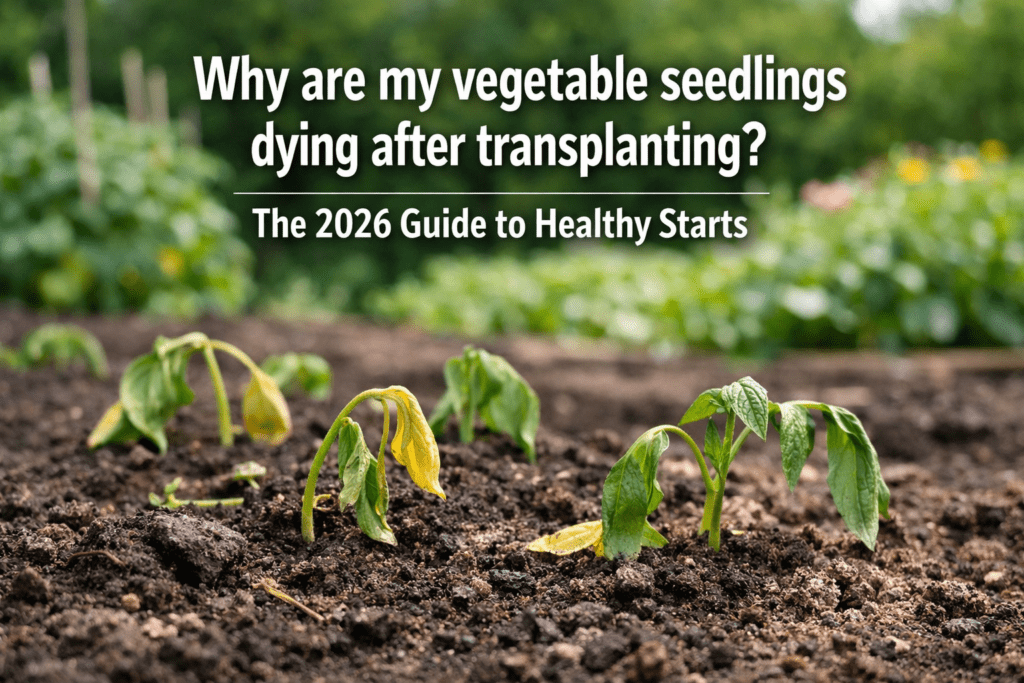
Watching your carefully nurtured vegetable seedlings wilt and die shortly after transplanting can be disheartening, raising the critical question: Why are my vegetable seedlings dying after transplanting? This common gardening challenge often stems from a combination of environmental stress, improper handling, and underlying plant health issues that overwhelm young plants as they adjust to a new environment. Understanding these root causes and implementing preventative measures is essential for successful vegetable gardening in 2026.
Key Takeaways
- Transplant shock is the primary reason seedlings die, characterized by wilting, yellowing, and stunted growth as plants struggle to adapt to new conditions [1].
- Poor hardening-off leaves seedlings unprepared for the outdoors; gradual exposure to sun, wind, and cooler temperatures over 7–10 days is crucial [1].
- Root damage during transplanting severs delicate feeder roots, impairing water and nutrient uptake, especially for sensitive plants like cucurbits and legumes [1].
- Incorrect watering (both over and under-watering) immediately after transplanting can suffocate or dehydrate roots [1].
- Unsuitable soil conditions, such as compacted, poorly draining, or nutrient-deficient soil, hinder root establishment and growth [1].
- Improper transplanting timing, especially during midday heat or extreme weather, severely stresses seedlings [1].
- Damping-off disease, caused by soilborne fungi, can kill seedlings even after transplanting, particularly in contaminated or overly wet soil [2, 5].
- Pest and disease pressure can exacerbate transplant shock in already vulnerable seedlings.
- High-risk plants like root vegetables, squash, and beans often prefer direct sowing due to their sensitive root systems [1].
Quick Answer
Vegetable seedlings often die after transplanting primarily due to transplant shock, a stress response caused by the abrupt change in environment, inadequate hardening-off, and damage to their delicate root systems during the move [1]. Other significant factors include improper watering, unsuitable soil conditions, poor timing, and the presence of diseases like damping-off. Addressing these issues with careful preparation and post-transplant care is vital for seedling survival.
What is Transplant Shock and Why Does It Kill Seedlings?
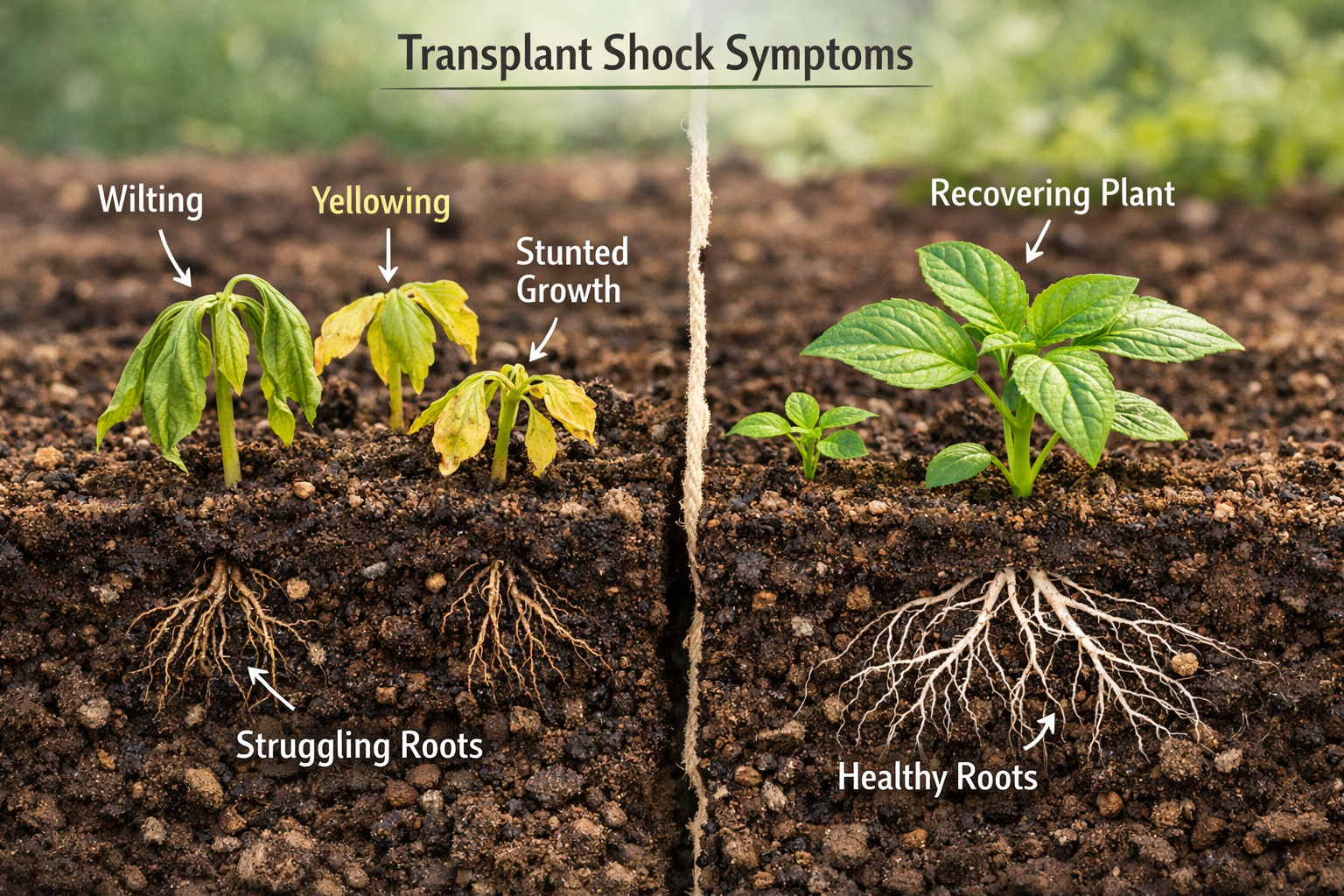
Transplant shock is a physiological response where a plant experiences stress after being moved from one growing environment to another, commonly leading to death if severe. This stress is primarily caused by the disruption of its root system, making it difficult for the plant to absorb enough water and nutrients in its new home [1].
When you move a seedling, its fine feeder roots, which are responsible for absorbing water and nutrients, can be damaged or broken. In response, the plant struggles to maintain its normal functions, such as photosynthesis and transpiration. Symptoms typically include wilting, yellowing foliage, stunted growth, and sometimes leaf drop [1]. If the plant cannot recover and establish new roots quickly, it will dehydrate and starve, ultimately leading to its demise. High-risk plants like root vegetables, dill, cilantro, summer squash, cucumbers, melons, peas, beans, and corn are particularly vulnerable due to their sensitive root systems or taproots [1]. In contrast, plants like brassicas (broccoli, cabbage, cauliflower), tomatoes, peppers, and leafy greens tend to be more tolerant and recover better from transplanting stress [1].
How Does Poor Hardening-Off Contribute to Seedling Death?
Poor hardening-off is a leading cause of transplant failure because it leaves young, tender seedlings unprepared for the harsh realities of the outdoor environment [1]. Seedlings started indoors are accustomed to stable temperatures, filtered light, and minimal air movement. Without a gradual acclimatization period, moving them directly outdoors exposes them suddenly to intense sunlight, strong winds, fluctuating temperatures, and lower humidity, which can be a fatal shock.
To prevent this, gardeners should implement a hardening-off process that lasts 7–10 days [1]. This involves progressively exposing seedlings to outdoor conditions:
- Day 1-2: Place seedlings in a shaded, sheltered outdoor spot for a few hours.
- Day 3-5: Gradually increase exposure to direct sunlight and wind, adding an hour or two each day.
- Day 6-7: Leave them outdoors for most of the day, bringing them in at night if temperatures are expected to drop significantly.
- Day 8-10: Allow them to stay outdoors overnight, provided night temperatures are suitable for the specific vegetable variety.
This gradual exposure strengthens cell walls, thickens cuticles, and helps plants regulate water loss more effectively, making them resilient enough to thrive after permanent transplanting. Failing to harden off adequately often results in severe wilting, sunscald, or irreversible shock, leading to the question: “Why are my vegetable seedlings dying after transplanting?” [1].
What Role Does Root Damage Play in Seedling Failure?
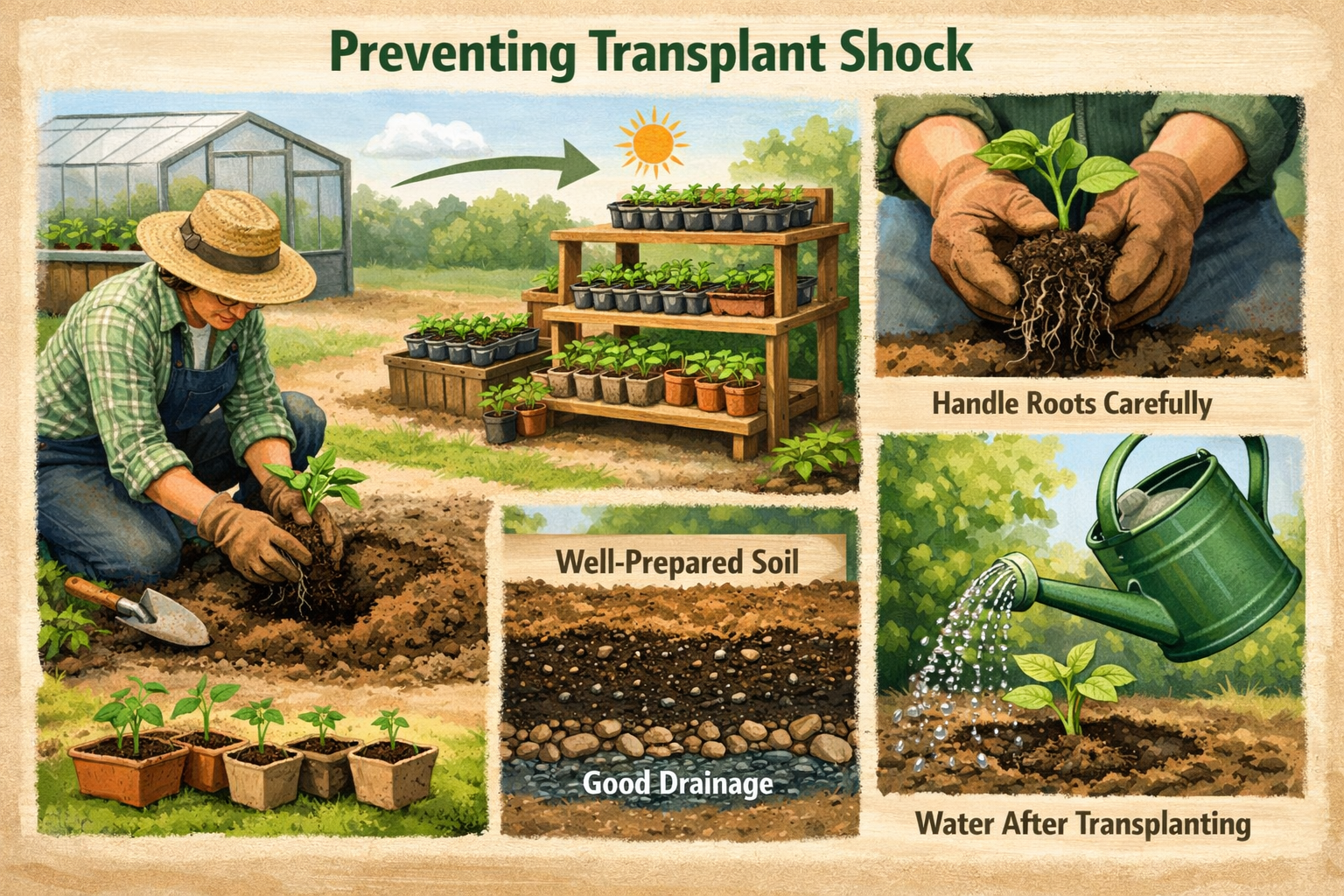
Root damage during the transplanting process is a critical factor in why vegetable seedlings die after being moved, as it directly impairs the plant’s ability to absorb essential water and nutrients [1]. When roots are torn, broken, or exposed to air for too long, they lose their ability to function effectively. This is particularly problematic for sensitive plants that develop taproots or have delicate feeder roots.
Common mistakes that lead to root damage include:
- Pulling seedlings by their stems: Always handle seedlings by their leaves or the root ball itself.
- Roughly extracting plants from containers: Gently push from the bottom or use a trowel to lift the root ball intact.
- Allowing root balls to break apart: Keep the root ball as undisturbed as possible to minimize stress.
- Over-pruning roots unnecessarily: While light root pruning can be beneficial for root-bound plants, excessive cutting is detrimental.
Plants with damaged roots cannot adequately hydrate or feed themselves, leading to wilting and eventual death, regardless of other favorable conditions [1]. Minimizing root disturbance is a cornerstone of successful transplanting. For specific guidance on starting your garden, see our Ultimate Guide to Small Space Gardening for Beginners 2026.
Common Root Damage Scenarios
| Scenario | Impact on Seedling | Prevention Strategy |
|---|---|---|
| Root Ball Disintegrates | Roots exposed, dry out quickly, reduced water uptake | Moisten soil before transplant, handle gently, support base |
| Taproot Severed | Major disruption for deep-rooted plants, stunting growth | Direct sow root vegetables or use deeper containers |
| Feeder Roots Torn | Primary sites for water/nutrient absorption lost | Use a dull knife to loosen sides of pot, lift carefully |
| Roots Left Exposed | Air dries out roots, causing rapid desiccation | Work quickly, prepare planting holes in advance, cover roots immediately |
How Do Improper Watering and Soil Conditions Affect Transplanted Seedlings?
Improper watering and unsuitable soil conditions are significant contributors to why vegetable seedlings die after transplanting, as they directly impact the plant’s ability to establish and thrive [1]. The young, delicate roots of transplanted seedlings are highly susceptible to both dehydration and suffocation.
Improper Watering Practices:
- Underwatering: Newly transplanted seedlings have limited root systems and quickly dry out if the soil isn’t kept consistently moist. Without sufficient water, the plant cannot transport nutrients or maintain turgor pressure, leading to wilting and eventual death [1].
- Overwatering: Conversely, too much water can be just as damaging. Saturated soil displaces oxygen, suffocating roots and creating an anaerobic environment where beneficial microbes struggle, and harmful pathogens thrive [1]. This can lead to root rot, causing the plant to wilt even though the soil is wet. For 1-2 weeks post-transplant, the soil should remain evenly moist, but not waterlogged [1]. Understanding How Often Should You Water Plants? is crucial.
Unsuitable Soil Conditions:
Compacted Soil: Dense, heavy soil makes it difficult for new roots to penetrate and expand, hindering establishment and nutrient access [1].
Poor Drainage: If water pools around the roots, it mimics overwatering conditions, leading to oxygen deprivation and root rot [1].
Nutrient Deficiency: Soil lacking essential nutrients will starve the seedling, as it needs readily available food to fuel new growth.
Incorrect pH: Soil pH outside the ideal range for a specific vegetable can lock up nutrients, making them unavailable to the plant.
Contaminated Soil: Using garden soil directly in seedling trays can introduce damping-off pathogens, dramatically increasing disease risk compared to fresh, sterile potting mix [5].
Ensuring well-draining, nutrient-rich soil and maintaining consistent, appropriate moisture levels are fundamental steps in preventing transplant failure. Investing in proper Soil Basics for Container Gardening can make a substantial difference.
When Is the Best Time to Transplant and Why Does Timing Matter?
The timing of transplanting is critical for seedling survival; moving plants during extreme heat or midday causes rapid and severe stress, often leading to death [1]. Early morning or late afternoon on a cloudy day is generally optimal, as it reduces the immediate stress from intense sunlight and high temperatures, allowing seedlings time to recover before the hottest part of the day [1].
Why timing matters:
- Temperature Stress: Young plants are highly sensitive to temperature fluctuations. Transplanting into scorching midday sun can cause leaves to scorch and roots to dry out quickly. Similarly, transplanting too early in the season into cold soil can shock the roots, inhibiting growth [1]. Ideal soil temperatures for most vegetables after transplanting are around 50–65°F (10–18°C) [1].
- Moisture Loss: High temperatures and intense sun increase transpiration, meaning the plant loses water rapidly through its leaves. If the damaged root system cannot keep up with water uptake, the plant will quickly wilt and dehydrate.
- Wind Exposure: Strong winds can physically damage tender seedlings and also accelerate moisture loss from leaves, exacerbating transplant shock.
- Light Intensity: Direct, unfiltered sunlight immediately after transplant can overwhelm a plant accustomed to less intense light, causing leaf burn.
By choosing the right time, you minimize environmental stressors, giving your seedlings the best chance to recover and establish successfully in their new home. This careful consideration significantly reduces the likelihood of asking, “Why are my vegetable seedlings dying after transplanting?”
What are the Signs of Damping-Off Disease and How Can I Prevent It?
Damping-off disease is a common and often fatal fungal infection that causes seedlings to collapse and die, typically at or just below the soil line [2]. While often associated with germinating seeds, it can also affect young seedlings shortly after transplanting, especially if conditions are favorable for the pathogens [2].
Signs of Damping-Off:
- Sudden Collapse: Healthy seedlings suddenly wilt and fall over, often appearing water-soaked at the stem base [2].
- Stem Lesions: A constricted or darkened area appears on the stem at the soil line [3].
- Fuzzy Growth: In some cases, a white, mold-like fuzzy growth may be visible on the soil surface or around the base of the seedling.
- Root Rot: Below the soil, roots may appear brown, mushy, or underdeveloped.
Prevention Strategies:
Damping-off is caused by various soilborne fungi and water molds, including Pythium, Rhizoctonia, Alternaria, and Phytophthora, with Pythium being a common culprit for vegetables like cucurbits, tomatoes, and peppers [2, 5]. These pathogens thrive in cool, overly wet, and poorly aerated conditions [4].
- Use Sterile Potting Mix: Always start seeds in a fresh, sterile, soilless potting mix. Garden soil can harbor pathogens and should never be used for starting seedlings [5].
- Ensure Good Drainage: Use seed trays or containers with adequate drainage holes to prevent waterlogging.
- Avoid Overwatering: Keep the soil consistently moist but never soggy. Allow the top layer of soil to dry slightly between waterings.
- Proper Air Circulation: Provide good air movement around seedlings using a small fan to strengthen stems and reduce humidity, which discourages fungal growth.
- Sanitize Tools and Containers: Clean and sterilize all seedling trays, pots, and tools with a 10% bleach solution before use [4].
- Optimal Spacing: Avoid overcrowding seedlings, as this restricts air circulation and creates a humid microclimate conducive to disease.
- Appropriate Temperature: Maintain recommended temperatures for germination and growth, as very cool or very warm conditions can stress seedlings and make them more susceptible.
- Bottom Watering: Water from the bottom to keep the soil surface dry, reducing the moist environment pathogens prefer [6].
Even when transplanting, it’s important to use clean practices and ensure the garden soil isn’t overly wet, particularly in the immediate root zone, to prevent these pathogens from infecting the vulnerable young plants. While transplants generally have fewer damping-off issues than direct-seeded crops because older plants are more resistant, vigilance is still key [2].
What Other Environmental Factors and Pests/Diseases Can Kill Seedlings After Transplanting?
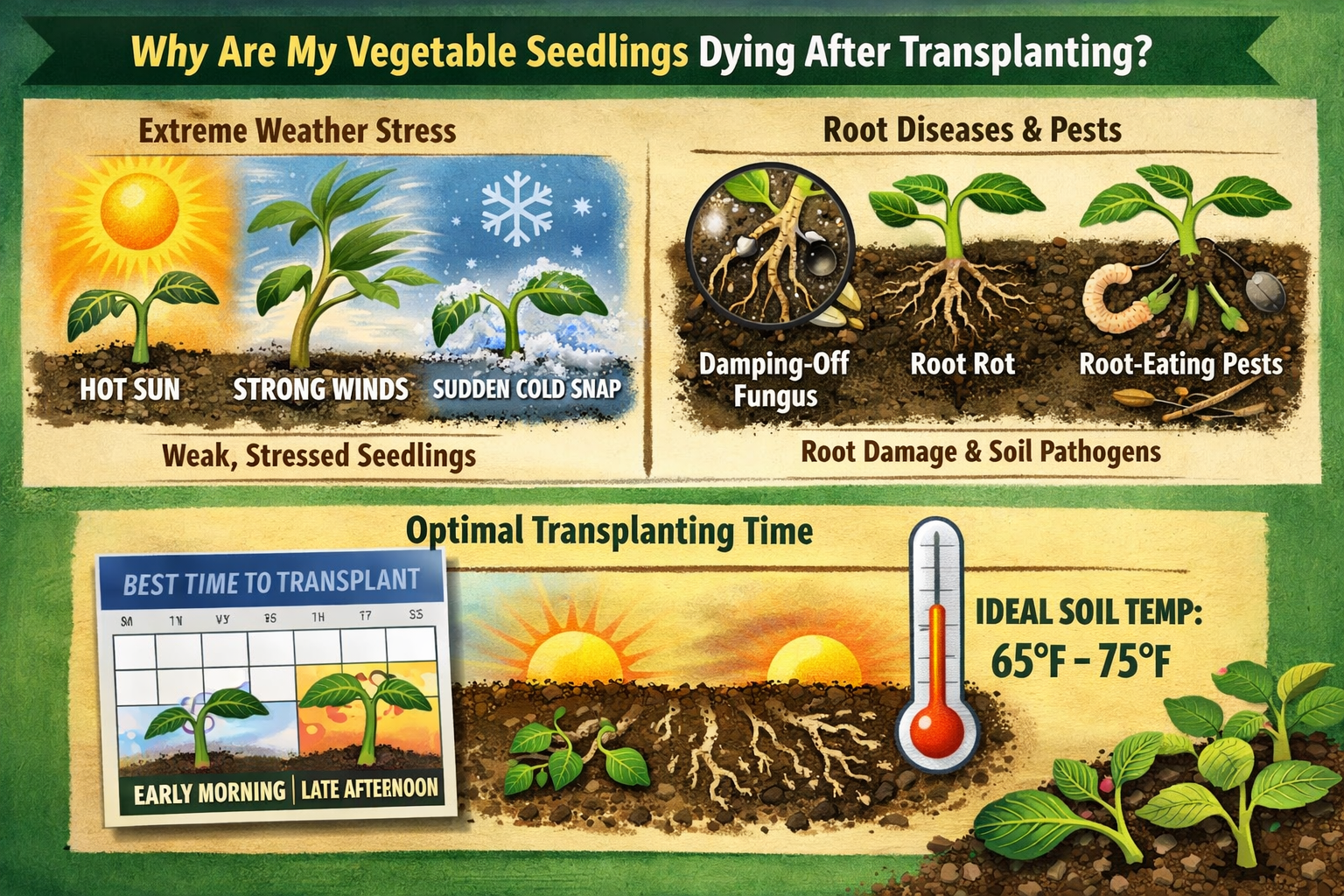
Beyond transplant shock and damping-off, several other environmental factors, pests, and diseases can quickly kill vulnerable vegetable seedlings after they’ve been moved to the garden. These additional stressors exacerbate the challenges faced by young plants, making recovery difficult.
Environmental Factors:
- Extreme Temperatures: Sudden cold snaps or unexpected heatwaves can severely stress or kill seedlings. Frost will damage tender foliage, while prolonged heat can cause rapid dehydration and scorching, even if watered [1].
- Wind Exposure: Strong, persistent winds can physically damage delicate stems and leaves, tear roots, and significantly increase moisture loss through transpiration [1].
- Insufficient Light: Even outdoors, if transplanted into a too-shady spot, seedlings can become leggy and weak, making them susceptible to other problems and inhibiting photosynthesis [1].
- Nutrient Imbalance: While less common immediately after transplanting, extreme nutrient deficiencies or excesses in the garden soil can quickly become detrimental once the seedling tries to grow.
- Soil pH Imbalance: Soil pH that is too acidic or alkaline for the specific vegetable can block the absorption of vital nutrients, leading to stunted growth and death [1].
Pests and Diseases:
- Cutworms: These nocturnal pests chew through seedling stems at or just below the soil line, felling entire plants overnight [7].
- Slugs and Snails: They can devour young leaves and tender stems, especially in moist conditions, leading to severe defoliation.
- Aphids: These tiny sap-sucking insects can quickly infest new growth, weakening seedlings and potentially transmitting viruses.
- Fungal Leaf Spots/Blights: While damping-off is soilborne, other fungal diseases can appear on leaves if conditions are humid and air circulation is poor, further stressing plants.
- Root-Knot Nematodes: Microscopic soil pests that cause galls on roots, hindering water and nutrient uptake.
- Viruses: Transmitted by insects or contaminated tools, viruses can cause stunted growth, discolored foliage, and general decline.
Monitoring your transplanted seedlings closely, providing adequate protection from environmental extremes, and practicing good garden hygiene are essential for mitigating these threats. Early detection and intervention are key to preventing widespread loss. Our Beginner’s Guide to Plant Care 2026: Grow Thriving Plants provides a broader overview of plant health.
Conclusion
Understanding why vegetable seedlings die after transplanting is the first step toward cultivating a thriving garden in 2026. The primary culprits are transplant shock, inadequate hardening-off, root damage during the move, improper watering, unsuitable soil conditions, and poor timing. Environmental stressors like extreme temperatures and wind, along with pests and diseases like damping-off, further compound these challenges.
To maximize the survival rate of your precious seedlings, adopt a holistic approach:
- Harden off diligently: Acclimatize seedlings gradually to outdoor conditions over 7-10 days.
- Handle with care: Minimize root disturbance during transplanting by handling seedlings by their leaves or root ball.
- Perfect your timing: Transplant on a cloudy day, in the early morning or late afternoon, when soil temperatures are ideal.
- Optimize soil and water: Ensure well-draining, fertile soil and maintain consistent, even moisture for the first few weeks after transplanting, avoiding both drought and waterlogging.
- Prevent disease: Use sterile potting mix, sanitize tools, and ensure good air circulation to deter damping-off and other pathogens.
- Protect from extremes: Shield vulnerable seedlings from harsh sun, strong winds, and sudden temperature drops.
By implementing these practices, you can significantly reduce seedling mortality and enjoy a more successful harvest, avoiding the frustrating question of “Why are my vegetable seedlings dying after transplanting?”
FAQ
Q: How long does transplant shock last for vegetable seedlings?
A: Transplant shock typically lasts anywhere from a few days to two weeks. During this period, seedlings may show wilting or slowed growth as they try to establish new roots.
Q: Can I save a wilting seedling after transplanting?
A: Yes, often. If a seedling is wilting, immediately check soil moisture, provide partial shade, and ensure it’s not root-bound. Gentle watering and reducing stress can help it recover.
Q: What vegetables are most sensitive to transplant shock?
A: Root vegetables (carrots, radishes), cucurbits (squash, cucumbers, melons), and legumes (peas, beans) are particularly sensitive and often prefer direct sowing due to their delicate root systems [1].
Q: Should I fertilize seedlings right after transplanting?
A: Generally, no. Avoid heavy fertilization immediately after transplanting as it can burn vulnerable roots. A dilute, balanced liquid fertilizer can be applied a week or two after the plant shows signs of new growth.
Q: Is it better to transplant in the morning or evening?
A: It is best to transplant in the early morning or late afternoon, especially on a cloudy day, to minimize heat stress and give seedlings time to adjust before intense sun or cold night temperatures [1].
Q: How much should I water immediately after transplanting?
A: Water thoroughly immediately after transplanting to settle the soil around the roots and remove air pockets. After this initial watering, maintain consistent, even moisture, ensuring the soil is moist but not waterlogged for the first 1-2 weeks [1].
Q: Can old potting mix cause seedlings to die after transplanting?
A: Yes, old potting mix can harbor pathogens and lack essential nutrients, making seedlings more susceptible to diseases like damping-off and overall stress [5]. Always use fresh, sterile potting mix for seedlings.
Q: What is “hardening off” and why is it important?
A: Hardening off is the process of gradually acclimating indoor-started seedlings to outdoor conditions (sun, wind, cooler temperatures) over 7-10 days before permanent transplanting. It strengthens plants and reduces transplant shock [1].
References
[1] Why Do Transplants Fail – https://wikifarmer.com/library/en/article/why-do-transplants-fail
[2] Damping Off On Direct Seeded And Transplanted Vegetable Crops – https://blogs.clemson.edu/ipm/damping-off-on-direct-seeded-and-transplanted-vegetable-crops/
[3] Damping Vegetables – https://extension.msstate.edu/publications/damping-vegetables
[4] Transplant Disease Management – https://nevegetable.org/vegetable-transplant-production/transplant-disease-management
[5] How Prevent Seedling Damping – https://extension.umn.edu/solve-problem/how-prevent-seedling-damping
[6] Growing Vegetable Transplants – https://extension.okstate.edu/fact-sheets/growing-vegetable-transplants.html
[7] Troubleshooting Problems With Seeds And Seedlings 2 – https://shegrowsveg.com/hub/troubleshooting-problems-with-seeds-and-seedlings-2/