What should I plant after early spring vegetables are harvested?
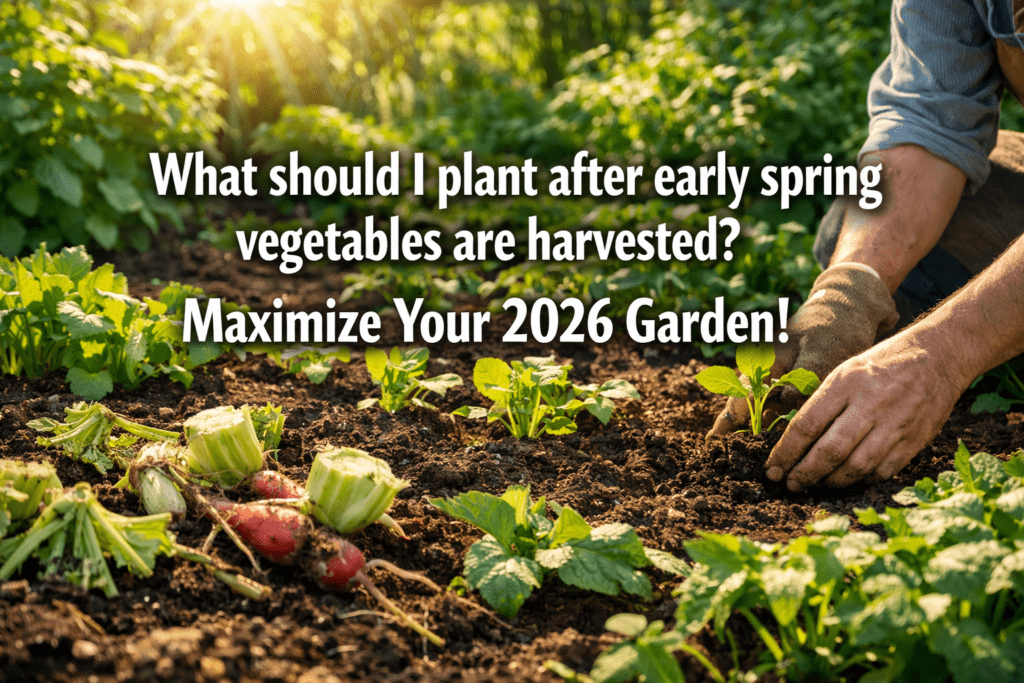
The excitement of harvesting your first spring crops is a hallmark of gardening, but it also prompts a crucial question for maximizing your garden’s potential: What should I plant after early spring vegetables are harvested? Instead of letting your garden beds sit empty, embracing succession planting allows you to achieve multiple harvests from the same space throughout the growing season. This strategy ensures a continuous supply of fresh produce, making the most of your available garden real estate in 2026.
Key Takeaways
- Succession Planting is Key: Utilize garden space year-round by planting new crops immediately after harvesting early spring vegetables.
- Quick-Maturing Crops: Prioritize vegetables that have a short “days to maturity” to fit into the remaining growing season.
- Cool-Season Options: Many leafy greens and root vegetables thrive as fall crops, planted in mid-to-late summer.
- Soil Health Matters: Amend soil with compost and organic matter between plantings to replenish nutrients.
- Consider Frost Dates: Know your region’s average first frost date to select crops that will mature in time.
- Continuous Harvest: Stagger plantings of the same crop (e.g., lettuce every two weeks) for an ongoing yield.
- Intercropping & Companion Planting: Optimize space by growing compatible plants together.
- Extend Growing Season: Use row covers or cold frames for early or late-season protection.
Quick Answer
After early spring vegetables like peas, lettuce, or spinach are harvested, you should plant quick-maturing, warm-season crops for summer harvests or cool-season vegetables for a fall yield, depending on your local climate and the remaining frost-free days in 2026. Good choices include bush beans, carrots, beets, summer squash, cucumbers, or a variety of fall greens, all of which benefit from refreshed soil and consistent watering.
What Are the Best Quick-Maturing Crops to Plant After Early Spring Vegetables Are Harvested?
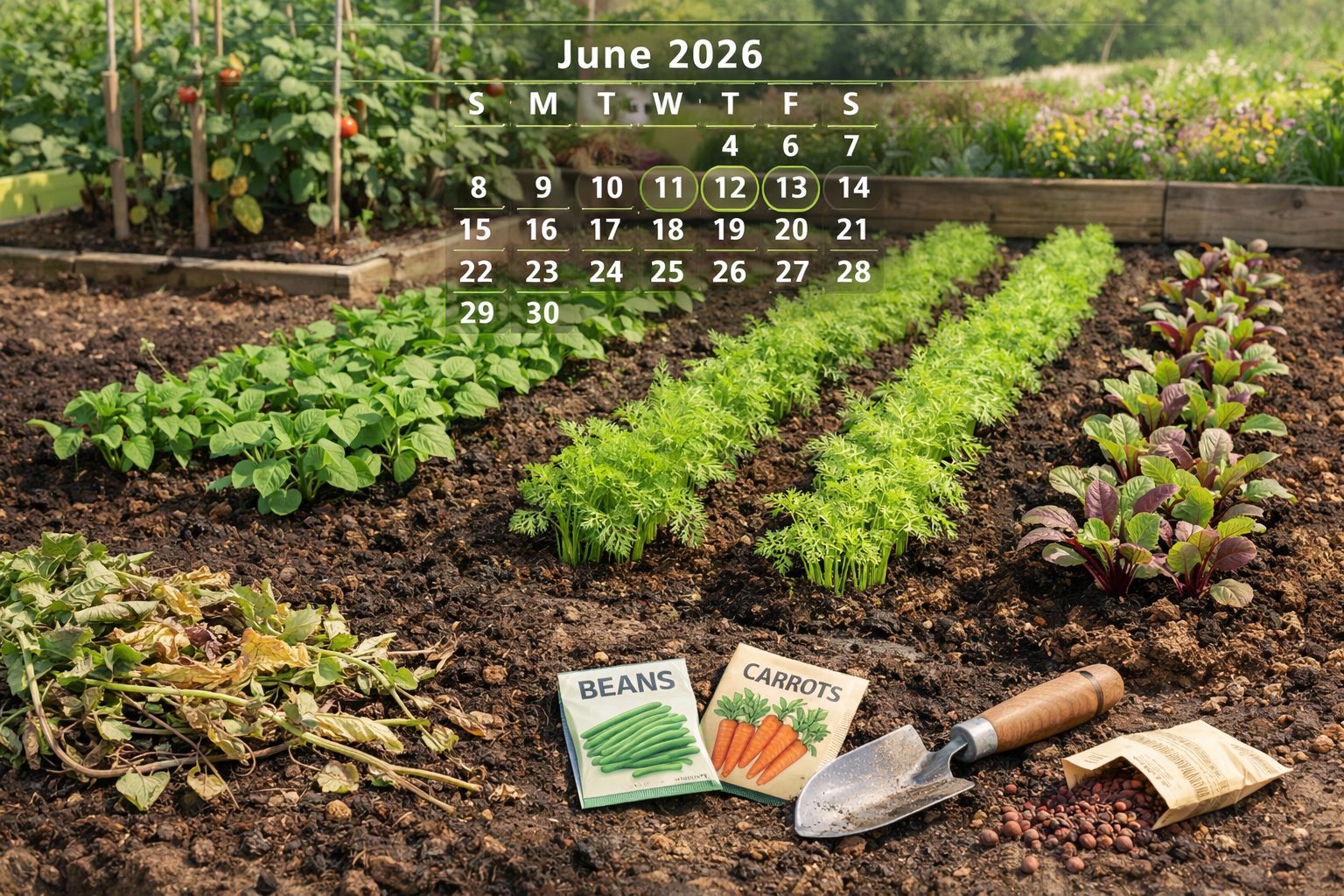
The best quick-maturing crops to plant after early spring vegetables are harvested include bush beans, carrots, beets, radishes, and certain varieties of lettuce and spinach, which can provide a second harvest within a shorter timeframe. These crops typically have a shorter “days to maturity,” making them ideal for filling vacated garden beds and extending your productive growing season.
When your early spring crops like peas, early brassicas (broccoli, cabbage, cauliflower), or leafy greens are ready for harvest, you suddenly have prime garden real estate available [1]. To make the most of this space, focus on plants that grow quickly.
- Bush Beans: These are excellent choices as they mature in about 50-60 days and also fix nitrogen in the soil, benefiting subsequent plantings. They can be planted from late spring through mid-summer [2].
- Carrots: A premier succession crop, carrots need approximately 70-100 days to mature before the first frost, depending on the variety. Planting can extend through mid-summer for a fall harvest [2]. For best results, direct seed carrots into loose, well-drained soil.
- Beets: These root vegetables are versatile successors to early peas or bush beans. They mature in about 50-60 days and can be planted from mid-June through mid-July, often benefiting from part shade during the hottest summer months to prevent bolting [2].
- Radishes: As one of the fastest-growing vegetables, radishes can be harvested in as little as 25-30 days. They are perfect for planting in small gaps or between slower-growing crops [2].
- Lettuce and Spinach (Heat-Tolerant Varieties): While generally cool-season crops, some bolt-resistant varieties of lettuce and spinach can be planted in partial shade for a summer harvest, or more extensively in late summer for a fall crop.
- Summer Squash & Zucchini (Bush Varieties): If you have enough space and sufficiently warm weather, bush varieties of summer squash can produce fruit quickly, often within 45-60 days.
- Cucumbers (Bush Varieties): Similar to squash, bush cucumber varieties are suitable for succession planting and container gardening, offering a harvest in around 50-60 days [1].
Decision Rule: Choose bush beans or quick-growing leafy greens if your primary goal is to amend the soil and get a rapid yield. Opt for carrots or beets if you have a longer growing window (70+ days until frost) and desire root crops.
How Can I Prepare My Garden Beds for Second Plantings in 2026?
To prepare your garden beds for second plantings in 2026, first remove all spent plant material, then amend the soil with a generous amount of compost and organic fertilizer, and finally, ensure the bed is leveled and ready for new seeds or seedlings. Proper soil preparation is critical for supporting healthy growth for subsequent crops and replenishing nutrients.
Once your early spring vegetables are harvested, don’t just put new plants in the same spot without some preparation. The previous crop likely used up a good amount of the available nutrients.
- Clear Debris: Remove all spent plant material, including roots, from the bed. This prevents diseases and pests from harboring in old plant matter. If the previous plants were healthy, you can add them to your compost pile.
- Inspect and Loosen Soil: Gently loosen the top 6-12 inches of soil with a fork or trowel. Avoid aggressive tilling, which can disrupt the soil structure and beneficial microorganisms.
- Replenish Nutrients: This is perhaps the most crucial step. Incorporate 2-4 inches of high-quality compost or well-rotted manure into the top layer of soil [8]. This improves soil structure, water retention, and provides a slow release of nutrients.
- Add Amendments (if needed): Based on your soil type and what you plan to plant, you might add specific amendments. For leafy greens, a balanced organic fertilizer can be beneficial. For root crops, ensure the soil is loose and free of rocks.
- Water Thoroughly: Before planting, water the bed deeply. This settles the soil and provides a moist environment for new seeds or transplants.
- Consider Crop Rotation: Whenever possible, avoid planting the same family of vegetables in the exact same spot consecutively. For instance, if you just harvested broccoli (a brassica), don’t plant cabbage (also a brassica) right after. This helps prevent pest and disease buildup specific to certain plant families. Small Space Vegetable Gardening: 2026 Step-by-Step Guide offers more insights into maximizing your small garden.
Common Mistake: Forgetting to replenish soil nutrients between plantings. This leads to tired soil, poor growth, and lower yields in your subsequent crops. Always amend with compost!
What Should I Plant After Early Spring Vegetables Are Harvested for a Fall Harvest?
For a fall harvest after early spring vegetables are harvested, you should plant cool-season crops such as fall greens (lettuce, spinach, arugula, kale), root vegetables (carrots, beets, radishes, turnips), and certain brassicas like broccoli or cabbage, timing their maturity before your region’s first hard frost. These crops thrive in the cooler temperatures of late summer and autumn, often tasting sweeter after a light frost.
Transitioning from summer heat to cooler autumn temperatures allows for another surge in garden productivity. Many crops that prefer the spring’s mild weather can be grown again for a fall harvest.
- Fall Greens: Arugula, lettuce, and spinach are perfect fall succession crops. They mature in 40-60 days and flourish after spent bush beans, brassicas, or early potatoes [2]. Direct-sow spinach in mid-September to overwinter for an extra early spring harvest the following year [2].
- Tip: Plant heat-tolerant varieties of lettuce and spinach in mid-to-late summer for a continuous supply into fall.
- Carrots and Beets: As mentioned, these root crops are excellent fall choices. Plant them roughly 70-100 days before your region’s average first frost date [2]. The cooler soil temperatures often lead to sweeter roots.
- Radishes and Turnips: These quick-growing root vegetables can be planted repeatedly throughout late summer and early fall. Radishes pair well with carrots and brassicas in succession planting [2].
- Broccoli and Cabbage: If your climate offers a long enough fall season (requiring about 60-90 days from transplant), you can plant short-season varieties of these brassicas. Start seedlings indoors in mid-summer and transplant them when beds open up.
- Kale and Collards: These hardy greens can tolerate light frosts and often taste better after a chill. Plant them in late summer for a continuous harvest well into fall and even early winter in some zones.
- Swiss Chard: A resilient leafy green that can withstand both warmer temperatures and light frosts, making it a good candidate for continuous harvest from a mid-summer planting.
Edge Case: If you live in an area with a very short window between summer heat and early frost, focus on the fastest-maturing fall greens like arugula and radishes. For longer seasons, you can attempt brassicas or longer-season root crops. You can also explore Vertical Gardening Guide for Small Spaces: Grow More in 2026 to maximize vertical space for fall plantings.
| Crop Category | Example Vegetables | Days to Maturity (Approx.) | Planting Window (After Spring Harvest) | Notes |
|---|---|---|---|---|
| Legumes | Bush Beans | 50-60 days | Early-Mid Summer | Nitrogen fixers, improve soil. |
| Root Crops | Carrots | 70-100 days | Early-Mid Summer (for fall harvest) | Prefers loose, rock-free soil. Can be extended under mulch [2]. |
| Beets | 50-60 days | Mid-June to Mid-July | Tolerates part shade in heat [2]. | |
| Radishes | 25-30 days | Continuous through Mid-Fall | Quickest turnover, good for interplanting [2]. | |
| Turnips | 30-60 days | Mid-Summer to Early Fall | Both roots and greens are edible. | |
| Leafy Greens | Lettuce (heat-tolerant) | 40-60 days | Late Spring-Early Summer, Late Summer (for fall) | Plant in partial shade during hotter months. |
| Spinach (bolt-resistant) | 40-50 days | Late Spring-Early Summer, Mid-Late Summer (for fall) | Can overwinter for very early spring harvest [2]. | |
| Arugula | 30-40 days | Continuous through Early Fall | Fast growing, adds peppery flavor. | |
| Kale / Collards | 50-70 days | Mid-Summer (for fall/winter harvest) | Frost tolerant, often sweeter after light frost. | |
| Fruiting Veg | Bush Cucumbers | 50-60 days | Early Summer | Requires consistent moisture, good for small spaces. |
| Bush Zucchini | 45-60 days | Early Summer | Fast producers, harvest frequently. |
What Are the Benefits of Succession Planting for Small Space Gardens in 2026?
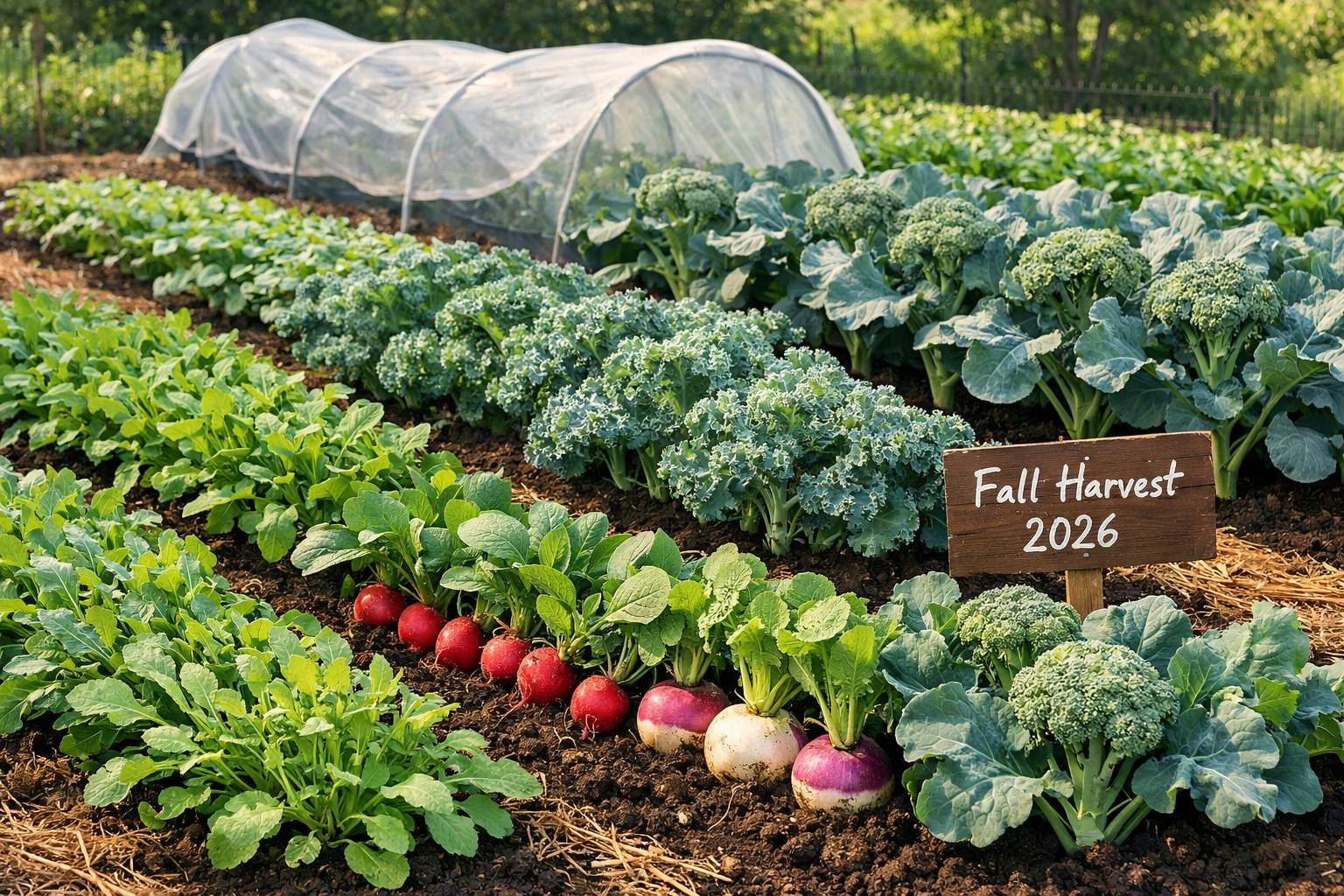
Succession planting offers significant benefits for small space gardens in 2026 by maximizing yields from limited square footage, ensuring a continuous harvest of fresh produce, and improving soil health through diverse plant rotations. This method prevents garden beds from sitting idle, effectively turning a single growing season into multiple opportunities for cultivation.
For gardeners with limited space, succession planting is an indispensable strategy.
- Maximum Yield from Limited Space: By replanting beds as soon as early crops are harvested, you essentially get two, three, or even more harvests from the same plot of land within a single growing season. This is crucial for small space vegetable gardening where every inch counts.
- Continuous Supply of Fresh Produce: Instead of a single glut of one vegetable, succession planting allows you to have a steady stream of fresh items. For example, by planting small batches of lettuce every two weeks, you’ll always have tender greens for salads without having too much mature all at once.
- Improved Soil Health: Rotating different types of crops (e.g., following nitrogen-fixing beans with a heavy feeder like lettuce) helps balance soil nutrients and reduces the buildup of specific pests and diseases [8]. Incorporating compost between plantings further enriches the soil. You can learn more about this in Soil Basics for Container Gardening: 2026 Expert Guide.
- Reduced Pest and Disease Pressure: A diverse garden with rotating crops can confuse pests and disrupt their life cycles, making it harder for them to establish a foothold.
- Efficient Resource Use: You’re utilizing your water, sunlight, and amended soil more effectively when beds are consistently productive.
- Extended Harvest Season: Depending on your climate, succession planting can extend your harvest from early spring well into late fall, and even into winter with protection like cold frames or row covers.
Choose X If… Choose succession planting if your primary goal is to maximize the amount of food you can grow in a small garden and ensure you always have fresh produce on hand, rather than large quantities of one item all at once.
When Should I Plant My Succession Crops After Early Spring Harvests?
You should plant your succession crops immediately after early spring vegetables are harvested, ensuring you factor in the “days to maturity” of the new crop relative to your region’s average first frost date. For continuous harvests, many gardeners practice interval planting, sowing small batches of crops like lettuce or radishes every 1-3 weeks [1].
Timing is everything in succession planting. The key is to avoid gaps where your garden beds are unproductive.
- As Soon As Space Becomes Available: The ideal time to plant your next crop is often the very same day you harvest the previous one, assuming the soil is prepared [5].
- Consider Days to Maturity (DTM): Always check the DTM for your chosen variety. Count back from your average first frost date to ensure the crop has enough time to mature. For example, if your first frost is October 15th and a crop needs 70 days, the latest you should plant is around August 5th.
- Interval Planting: For crops like lettuce, spinach, radishes, and bush beans, consider planting a small batch every 10-21 days [1]. This ensures a continuous supply rather than a single large harvest followed by a long wait.
- 7-day intervals: Ideal for very fast-growing crops like radishes and mesclun mix.
- 14-day intervals: Good for most lettuces, cilantro, and bok choy.
- 21-day intervals: Suitable for carrots, cucumbers, and bunching onions [1].
- Weather Conditions: Pay attention to the weather. If you’re transitioning from cool spring to hot summer, select heat-tolerant varieties or provide partial shade. If planting for fall, ensure the soil isn’t too hot, as this can inhibit germination for cool-season crops.
- Starting Seeds Indoors: For longer-season fall crops like cabbage or broccoli, or to get a jump start on any succession planting, consider starting seeds indoors 4-6 weeks before you expect garden space to open up. This ensures you have vigorous transplants ready to go.
- Consult Local Resources: University extension services and local gardening guides, like those referenced in the Vegetable Planting Calendar, often provide specific planting dates optimized for your region’s climate.
Quick Example: If your early spring peas are harvested in late May, you have ample time to plant bush beans, which mature in 50-60 days, for a late July harvest. After those beans, you could plant fall lettuce or spinach in early August for an October harvest.
What Are Some Common Mistakes to Avoid When Planning Succession Planting?
When planning succession planting, common mistakes to avoid include neglecting soil fertility, failing to consider the “days to maturity” in relation to frost dates, planting the same crop family consecutively, and underestimating the need for consistent watering. Avoiding these pitfalls ensures your subsequent plantings are as successful as your initial spring crops.
Even experienced gardeners can make errors when trying to maximize their space.
- Ignoring Soil Fertility: As mentioned, new crops need fresh nutrients. A common mistake is simply pulling out one plant and putting in another without adding compost or fertilizer. This depletes the soil, leading to stunted growth and poor yields for subsequent crops.
- Miscalculating Timing: Not knowing your average first frost date or the “days to maturity” of your chosen succession crop can lead to plants that don’t fully mature before the cold hits [2]. Always count back from the frost date.
- Planting the Same Family Repeatedly: Continuous planting of the same crop type (e.g., tomatoes after potatoes, both nightshades) in the same spot can encourage specific pest and disease cycles to build up in the soil, potentially harming future harvests [8]. Practice crop rotation.
- Inadequate Watering: Young seedlings and newly transplanted crops, especially in warmer summer months, require consistent moisture to establish https://minispacegarden.com/how-often-should-you-water-plants/. Neglecting watering can stress plants and hinder growth.
- Overcrowding: While the goal is to maximize space, planting too densely can lead to poor air circulation, increased disease risk, and competition for light and nutrients. Follow recommended spacing guidelines for each crop.
- Not Preparing Transplants: For fall crops, sometimes the summer heat makes direct seeding difficult. Starting seeds indoors in a cooler environment and then transplanting them can increase success rates, but neglecting to harden off these transplants can lead to shock and failure [2].
- Failing to Adapt to Weather: Summer succession plantings might need partial shade or more frequent watering than spring plantings due to increased heat and sun intensity. Not adjusting your approach to current weather conditions is a common oversight.
- Poor Seed Choice: Selecting varieties that are not well-suited for the current season (e.g., planting a lettuce variety prone to bolting in peak summer heat) will lead to disappointing results.
Quick Tip: Keep a garden journal for 2026. Documenting planting dates, harvest times, and success/failure rates for each succession crop will help you refine your timing and choices for future seasons.
Conclusion
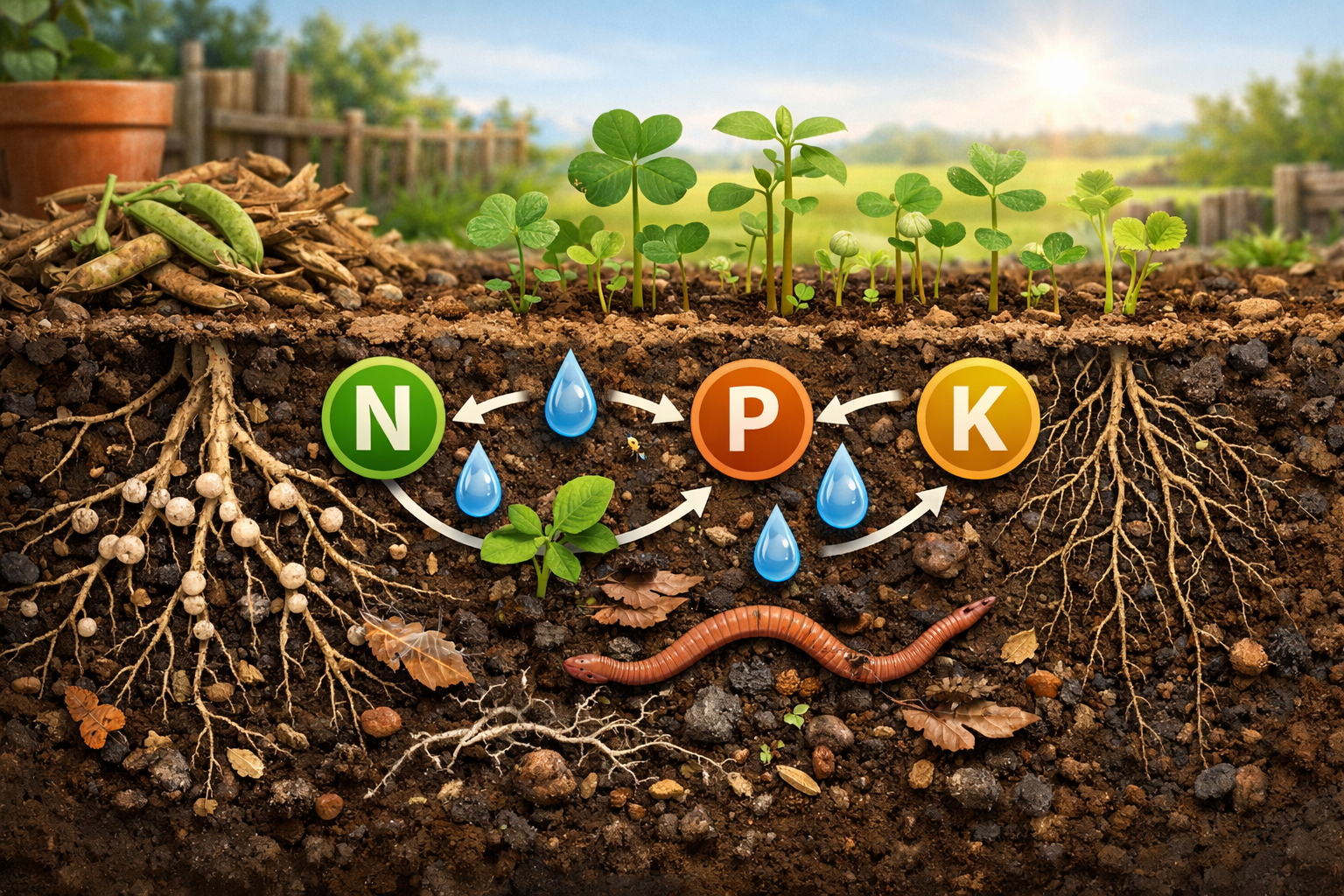
Successfully answering the question “What should I plant after early spring vegetables are harvested?” is a fundamental step toward achieving a truly productive garden in 2026. By embracing succession planting, gardeners can transform a single-harvest season into a continuous bounty, optimizing every inch of their available space. Whether you opt for nitrogen-fixing bush beans, quick-growing radishes, or a sweet fall harvest of carrots and leafy greens, the principles remain the same: prepare your soil, time your plantings wisely, and choose crops suited to the season. This strategic approach not only maximizes your yield but also contributes to healthier soil and a more resilient, diverse garden.
Actionable Next Steps:
- Assess Your Harvested Beds: Immediately after harvesting your early spring vegetables, clear the beds and assess their condition.
- Amend the Soil: Incorporate 2-4 inches of compost or other organic matter into the soil to replenish nutrients.
- Check Your Frost Dates: Determine your average first fall frost date for 2026 to calculate your planting window for fall crops.
- Select Your Succession Crops: Choose quick-maturing or cool-season vegetables suitable for the remaining growing season.
- Plan Your Planting Schedule: Decide if you’ll do a single succession crop or staggered interval plantings for continuous harvest.
- Start Planting: Direct sow seeds or transplant seedlings according to your plan and maintain consistent care, especially watering.
FAQ
What is succession planting?
Succession planting is a gardening technique where you plant new crops in a bed immediately after harvesting previous ones, allowing you to get multiple harvests from the same garden space throughout the growing season [1].
What early spring vegetables are good for succession planting?
Early spring vegetables like peas, lettuce, spinach, radishes, and early brassicas (broccoli, cabbage) mature quickly, freeing up space for subsequent plantings [1, 2].
Can I plant tomatoes or peppers after early spring vegetables?
Yes, if your early spring crops are harvested early enough in the season and your climate has a long warm growing season, you can plant warm-season crops like tomatoes or peppers. However, ensure they have sufficient time to mature before fall [8].
How do I prepare the soil for a second planting?
After harvesting, remove old plant material, loosen the soil, and generously amend it with 2-4 inches of compost to replenish nutrients and improve soil structure [8].
What are good fall crops to plant after summer vegetables?
Good fall crops include leafy greens (lettuce, spinach, arugula, kale), root vegetables (carrots, beets, radishes, turnips), and some cool-season brassicas, provided they have enough time to mature before frost [2].
How long does it take for succession crops to mature?
The maturation time varies by crop, ranging from as little as 25-30 days for radishes to 70-100 days for carrots [2]. Always check the “days to maturity” on seed packets.
Should I rotate my crops when succession planting?
Yes, crop rotation is highly recommended to prevent pest and disease buildup and to balance soil nutrients. Avoid planting crops from the same plant family in the same spot consecutively [8].
Do I need to water succession crops more often in summer?
Yes, new plantings, especially during warmer summer months, typically require more frequent and consistent watering than spring crops due to increased evaporation and plant needs https://minispacegarden.com/how-often-should-you-water-plants/.
Can I start succession crop seeds indoors?
Yes, starting seeds indoors a few weeks before your garden beds are ready can give your succession crops a head start, especially for fall plantings that need to beat the first frost [2].
References
[1] Succession Planting Interval Chart Vegetables – https://www.johnnyseeds.com/growers-library/methods-tools-supplies/succession-planting/succession-planting-interval-chart-vegetables.html
[2] Succession Planting To Extend Your Harvests – https://forksinthedirt.com/succession-planting-to-extend-your-harvests/
[3] Gardening – https://www.farmersalmanac.com/calendar/gardening
[4] Sowing Timeline – https://charlesdowding.co.uk/blogs/no-dig-resources/sowing-timeline
[5] What To Do In The Garden In 2026 Month By Month Checklist – https://www.gardenary.com/blog/what-to-do-in-the-garden-in-2026-month-by-month-checklist
[6] Succession Planting Guide – https://www.greenandprosperous.com/store/succession-planting-guide
[7] January 2026 Planting Guide And Garden – https://leafrootfruit.substack.com/p/january-2026-planting-guide-and-garden
[8] Vegetable Planting Calendar – https://extension.umd.edu/resource/vegetable-planting-calendar