What is Container Gardening? A Complete Beginner Guide
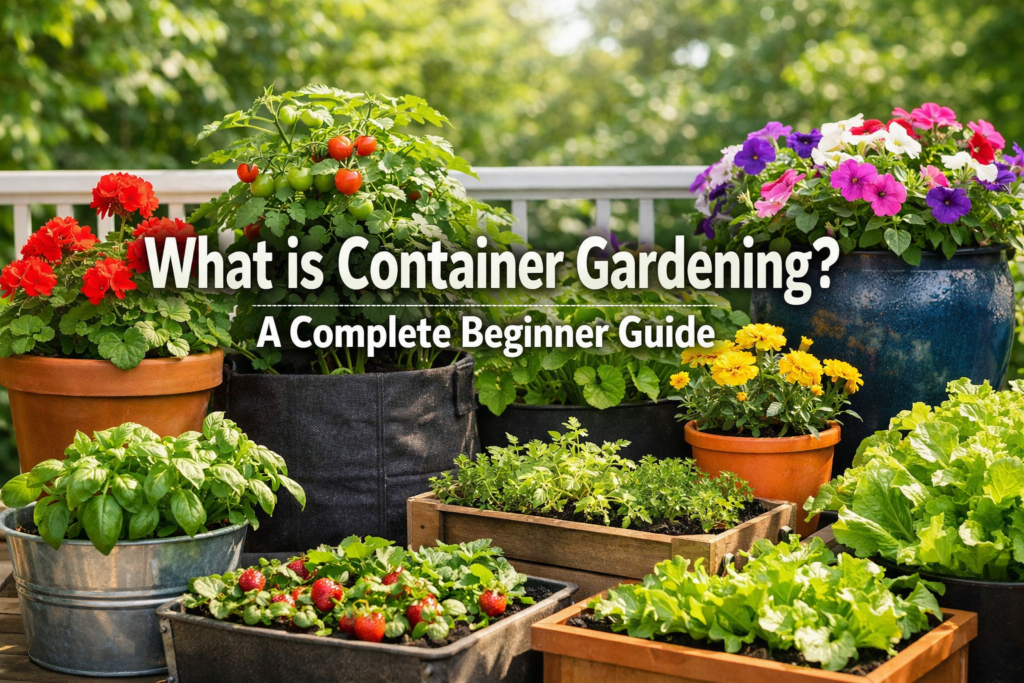
Quick Answer: Container gardening is the practice of growing plants exclusively in pots, tubs, or any other movable receptacles rather than planting them directly into the ground. It’s an ideal solution for individuals with limited garden space, such as those living in apartments or urban areas, allowing them to cultivate a wide variety of plants from herbs to vegetables and flowers right on their patios, balconies, or even indoors. This method offers unparalleled flexibility and control over growing conditions.
Key Takeaways
- Space-Efficient: Container gardening makes plant cultivation possible in small spaces like balconies, patios, and windowsills.
- Versatile Plant Selection: You can grow almost anything, from edible herbs and vegetables to beautiful flowers and small shrubs.
- Pest and Disease Control: Isolating plants in containers can help manage pest infestations and disease spread more effectively.
- Portability: Containers allow you to move plants to optimize sunlight, protect them from harsh weather, or rearrange your garden layout.
- Soil Quality Control: You have complete command over the potting mix, ensuring optimal nutrients and drainage for specific plants.
- Reduced Weeding: Container gardens typically have significantly fewer weeds compared to in-ground beds.
- Accessibility: This method is more accessible for individuals with mobility challenges, as it can be adapted for raised planting.
- Watering Needs: Container plants generally require more frequent watering than those in the ground due to faster soil drying.
What Exactly is Container Gardening and Why Start in 2026?
Container gardening involves growing plants in pots or other vessels instead of directly in the ground, making it an excellent way to garden when traditional garden beds aren’t an option. This method provides the flexibility to create a thriving green space almost anywhere, from a tiny balcony to a spacious patio. In 2026, as urban living continues to rise and space becomes a premium, container gardening has emerged as a practical and increasingly popular solution for aspiring gardeners.
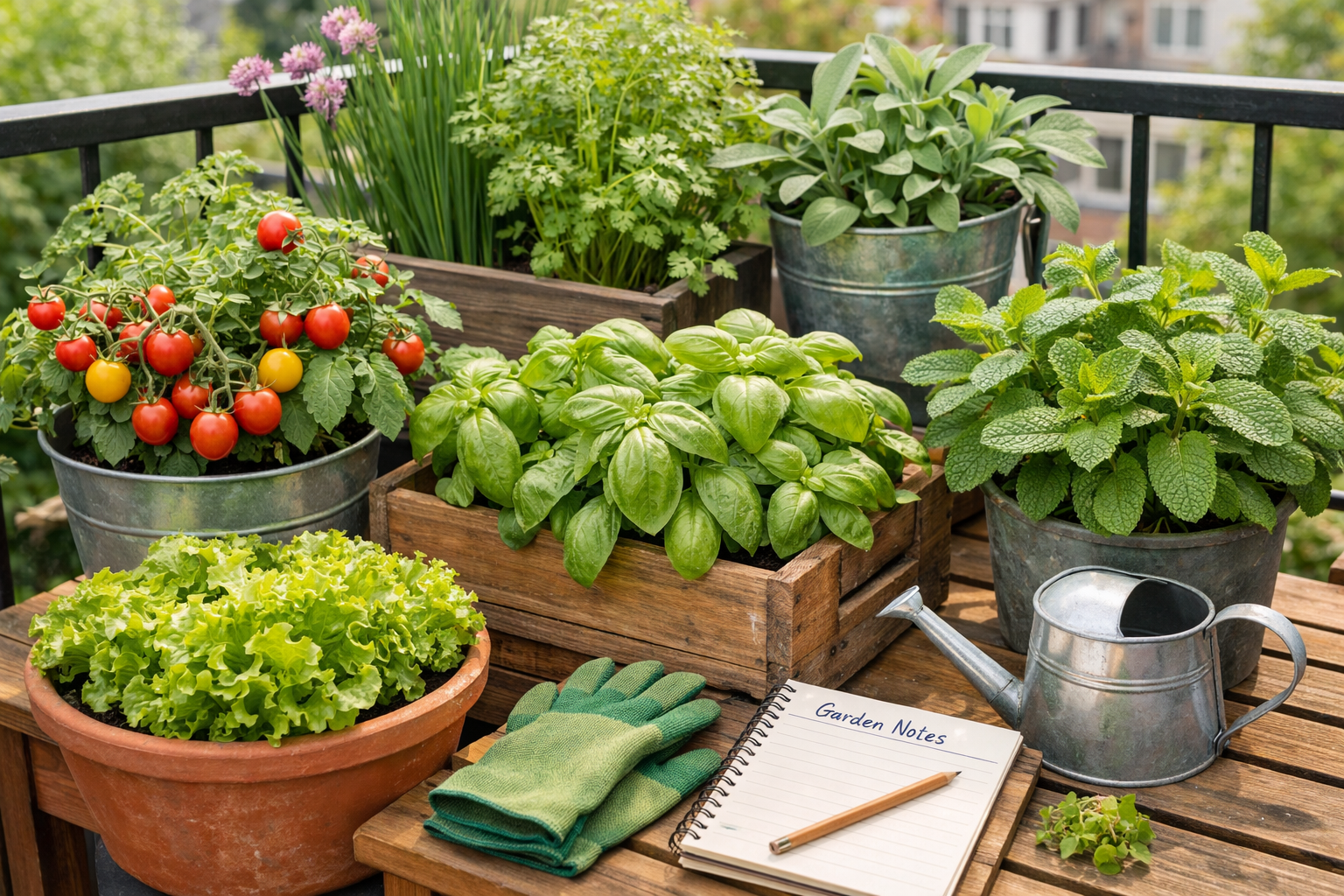
Choosing container gardening means you’re embracing adaptability and control. You’re not limited by existing soil quality or the size of a yard. This approach is particularly beneficial for those just starting out, as it simplifies many aspects of gardening. For instance, you can easily control the soil environment, which is crucial for plant health, and relocate plants as needed to maximize sun exposure or shield them from adverse weather. It’s also a fantastic entry point for beginners because it allows for experimentation on a smaller, more manageable scale, minimizing initial investment and potential overwhelm. Whether you dream of fresh herbs, juicy tomatoes, or colorful annuals, container gardening provides a direct path to achieving your gardening goals, even in the smallest of spaces. Our Ultimate Guide to Small Space Gardening for Beginners 2026 offers more insights into maximizing your limited space.
How Do You Start a Container Garden? A Step-by-Step Beginner Guide
Starting a container garden is straightforward and involves a few key steps to ensure your plants thrive. The process begins with selecting the right containers and potting mix, which are foundational for plant health.
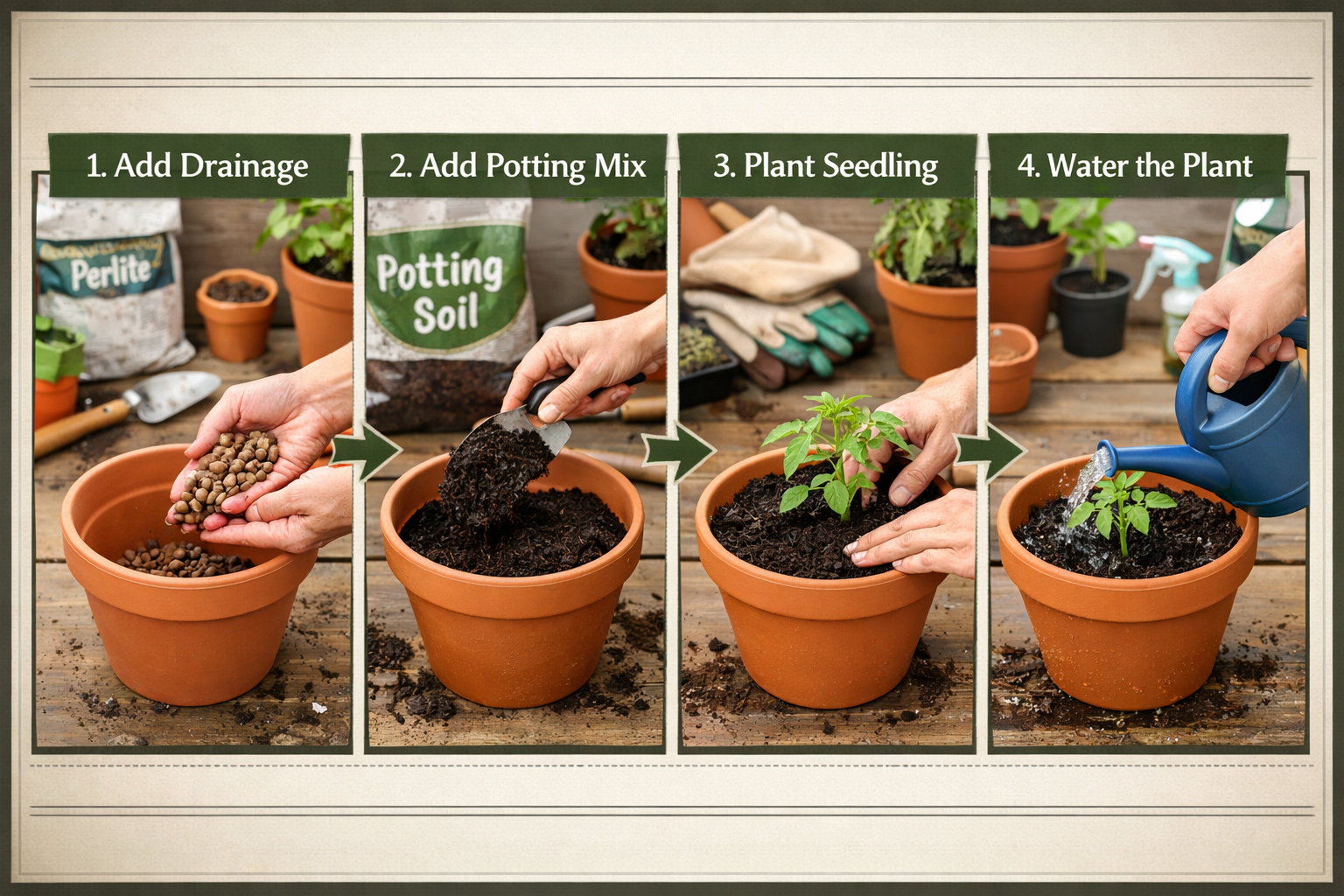
Here’s a simple guide to get your container garden flourishing:
- Choose Your Plants Wisely: Select plants that are well-suited for container life. Compact varieties of vegetables, herbs, and flowers often do best. Consider plants that have similar light and watering needs if you plan to group them in larger containers. For easy options, explore our guide on Easy Vegetables for Beginners: Your 2026 Guide.
- Select the Right Containers: Your containers need to be appropriately sized for the mature plant and must have drainage holes to prevent waterlogging. Materials like terracotta, plastic, ceramic, or fabric pots all work, each with its own benefits. For specific advice, check out our guide on the Best Pots for Small Space Gardening in 2026.
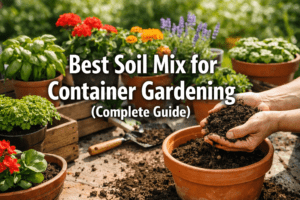
- Use Quality Potting Mix: Do not use garden soil directly, as it can compact, drain poorly, and introduce pests or diseases. Instead, invest in a high-quality, lightweight potting mix specifically designed for containers. This provides good drainage, aeration, and nutrients. Learn more about Soil Basics for Container Gardening: 2026 Expert Guide.
- Planting Your Seeds or Seedlings:
- Add a layer of potting mix to the bottom of your container.
- Gently remove your plant from its nursery pot, loosening any circling roots.
- Place the plant in the container, ensuring the top of the root ball is about an inch below the rim.
- Fill the rest of the container with potting mix, gently firming it around the plant.
- Common Mistake: Avoid overfilling the pot; leave space for watering.
- Water Thoroughly: After planting, water your plants deeply until water drains from the bottom of the container. This helps settle the soil and provides initial hydration.
- Position Your Garden: Place your containers in a location that receives the appropriate amount of sunlight for your chosen plants. Most vegetables and herbs require at least 6 hours of direct sun.
What are the Best Types of Containers for Container Gardening?
The best containers for container gardening depend on your plants, aesthetic preferences, and budget, but always prioritize good drainage. While almost any vessel can become a container garden with proper preparation, certain materials offer distinct advantages and disadvantages for beginners.
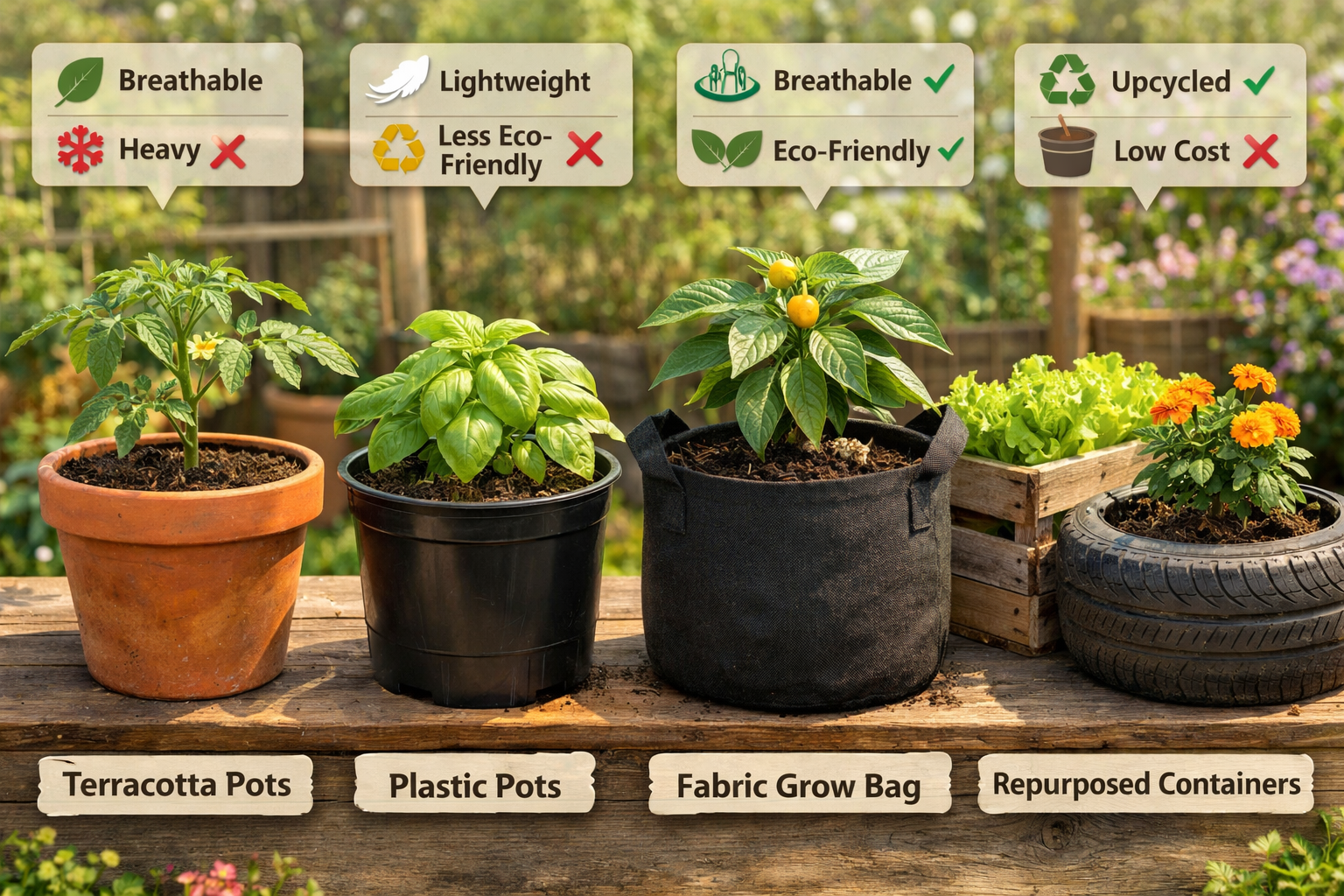
Here’s a breakdown of popular container types:
- Terracotta/Clay Pots:
- Pros: Porous material allows roots to breathe, preventing root rot. Classic, attractive look.
- Cons: Dries out quickly, requiring more frequent watering, especially in hot climates. Heavier and can break easily.
- Choose if: You live in a humid climate or prefer a traditional aesthetic and don’t mind more frequent watering.
- Plastic Pots:
- Pros: Lightweight, inexpensive, available in many colors and sizes. Retains moisture well, reducing watering frequency.
- Cons: Can heat up in direct sun, potentially harming roots. Less breathable than terracotta.
- Choose if: You’re on a budget, need portability, or live in a dry climate.
- Fabric Grow Bags:
- Pros: Excellent aeration (air-pruning roots), promotes healthy root systems, lightweight, foldable for storage. Prevents root circling.
- Cons: Dries out quickly, requires more watering. Less aesthetic for some compared to traditional pots.
- Choose if: You want superior root health and drainage, prioritize portability, or need to store containers easily.
- Ceramic/Glazed Pots:
- Pros: Heavy, stable, retains moisture well, very decorative and stylish.
- Cons: Expensive, very heavy (difficult to move), can crack in freezing temperatures.
- Choose if: You want a permanent, decorative display and have a stable location.
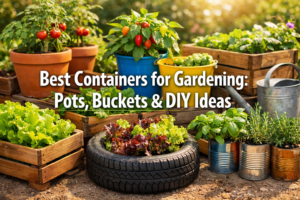
- Repurposed Items:
- Examples: Old tires, wooden crates, metal tubs, plastic bottles, laundry baskets.
- Pros: Eco-friendly, budget-friendly, unique aesthetic.
- Cons: May require drilling drainage holes. Material safety (e.g., chemicals leaching from tires) can be a concern. Ensure they are food-safe if growing edibles.
- Choose if: You’re creative, on a tight budget, and committed to DIY solutions.
Regardless of your choice, ensure every container has adequate drainage holes. If not, drill them yourself. An inch or two of gravel at the bottom is not a substitute for drainage holes; it actually reduces the usable soil depth for roots.
What are Common Mistakes to Avoid in Container Gardening?
Avoiding common pitfalls can significantly increase your success in container gardening, ensuring healthier plants and a more enjoyable experience. Many beginner mistakes relate to misunderstanding the unique needs of plants grown in confined spaces.
{{IMG_SLOT_4}}
Here are some frequent errors and how to steer clear of them:
- Using Garden Soil: This is perhaps the most common mistake. Garden soil is too heavy, compacts easily in pots, and doesn’t provide the necessary drainage or aeration for container-grown plants. It can also harbor pests, weeds, and diseases.
- Solution: Always use a high-quality, lightweight potting mix specifically formulated for containers. This mix is designed to drain well, retain moisture, and provide adequate air for roots. Refer to our Best Soil Mix for Vegetables: 2026 Guide to Thriving Garden for more.
- Lack of Drainage Holes: Without proper drainage, water collects at the bottom of the pot, suffocating roots and leading to root rot.
- Solution: Ensure every container has several drainage holes. If a pot lacks them, drill your own before planting. Never rely solely on a layer of gravel at the bottom.
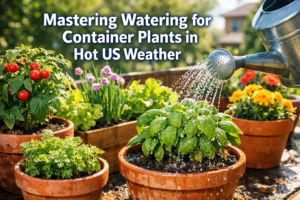
- Under or Overwatering: Container plants dry out faster than in-ground plants but are also susceptible to overwatering. Both extremes stress plants.
- Solution: Check the soil moisture daily by sticking your finger about an inch or two into the mix. Water when the top inch or two feels dry. Water thoroughly until water drains from the bottom. Adjust frequency based on weather, plant type, and container material. Our guide on How Often to Water Container Vegetables in Summer 2026 provides more specific tips.
- Incorrect Pot Size: A pot that’s too small restricts root growth and dries out too quickly, while one that’s too large can hold too much moisture, leading to root rot.
- Solution: Match the pot size to the mature size of the plant. Vegetables like tomatoes and peppers need larger pots (5+ gallons), while herbs or lettuce can thrive in smaller ones. See our Pot Size Guide for Vegetables 2026 for details.
- Neglecting Fertilization: Potting mixes typically contain limited nutrients that get depleted quickly with watering.
- Solution: Supplement with a balanced liquid fertilizer every 2-4 weeks during the growing season, or use a slow-release granular fertilizer mixed into the potting mix at planting. Consult our Fertilizers for Vegetables: 2026 Expert Guide for Optimal Gardening.
- Insufficient Sunlight: Most edible plants require at least 6 hours of direct sunlight daily to produce well.
- Solution: Observe your space throughout the day to identify the sunniest spots. Choose plants that match the available light. If sun is limited, consider shade-tolerant vegetables or herbs. Read Balcony Gardening Without Sunlight: Shade Plants & Tips 2026.
- Overcrowding Containers: Too many plants in one pot compete for water, nutrients, and light, leading to stunted growth.
- Solution: Give each plant adequate space according to its mature size. When grouping plants, ensure compatible growth habits and resource needs.
Conclusion
What is Container Gardening? A Complete Beginner Guide confirms that it is an accessible, flexible, and rewarding way to cultivate plants, regardless of how much space you have. By understanding the basics—from choosing the right containers and potting mix to proper watering and avoiding common pitfalls—you can transform any small space into a vibrant, productive garden. Embrace the journey of growing, experiment with different plants, and enjoy the satisfaction of nurturing life with your own hands.
Actionable Next Steps:
- Assess Your Space: Identify the sunniest spots in your home, balcony, or patio.
- Choose Your First Plants: Start with easy-to-grow herbs or vegetables, like lettuce, basil, or cherry tomatoes.
- Gather Supplies: Purchase appropriate containers with drainage holes and a high-quality potting mix.
- Get Started: Follow the planting steps, water thoroughly, and place your containers in their sunny spots.
- Observe and Learn: Pay attention to your plants’ needs regarding water and light, and adjust as necessary.
Happy gardening in 2026!
FAQ
What are the benefits of container gardening?
Container gardening offers flexibility for small spaces, control over soil conditions, reduced pest issues, and portability to optimize light or protect from weather. It’s also more accessible for many gardeners.
Can you grow vegetables in containers?
Yes, many vegetables thrive in containers, including lettuce, spinach, radishes, carrots, bush beans, peppers, and various tomato varieties. The key is choosing the right pot size for each plant.
What kind of soil should I use for container gardening?
Always use a high-quality, lightweight potting mix specifically designed for containers. This provides excellent drainage and aeration, which traditional garden soil cannot.
How often should I water container plants?
Container plants generally require more frequent watering than in-ground plants. Check the soil daily by feeling the top inch or two; water when it feels dry, ensuring water drains from the bottom.
Do container gardens need drainage holes?
Absolutely. Drainage holes are critical to prevent waterlogging, which can suffocate roots and lead to root rot. If a container lacks holes, you must create them.
Can I move my container plants around?
Yes, portability is one of the biggest advantages of container gardening. You can move plants to chase the sun, shield them from strong winds, or bring them indoors during cold weather.
What plants are best for beginners in container gardening?
Beginners often find success with herbs like basil, mint, and rosemary, and vegetables such as lettuce, radishes, bush beans, and small pepper varieties.
How do I fertilize container plants?
Since potting mixes have limited nutrients, fertilize container plants every 2-4 weeks during the growing season with a balanced liquid fertilizer, or use a slow-release granular fertilizer at planting.