Vertical Gardening Mistakes
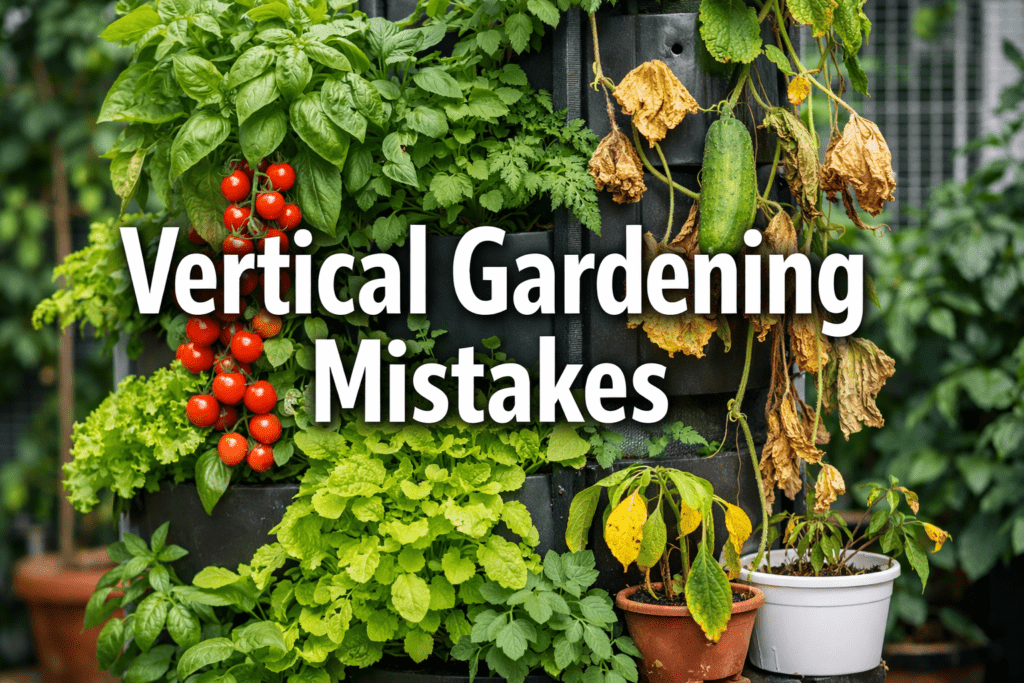
Quick Answer: Many enthusiastic gardeners often make several common vertical gardening mistakes, ranging from improper plant selection and inadequate watering to neglecting structural integrity, all of which can hinder plant growth and lead to a disappointing harvest. Avoiding these pitfalls requires careful planning regarding plant needs, irrigation, and system setup.
Key Takeaways
- Choosing the wrong plants for your vertical garden’s specific conditions (light, space, module size) is a frequent error.
- Inconsistent or inappropriate watering, often due to gravity-fed systems or poor drainage, can quickly harm plants.
- Failing to provide adequate nutrients through proper soil and fertilization regimens leads to stunted growth.
- Neglecting structural stability and considering the weight of a fully grown, watered vertical garden can result in collapses.
- Poor air circulation and overcrowding create ideal conditions for pests and diseases, a common oversight.
- Underestimating sun exposure or misjudging light requirements for specific plants causes significant issues.
- Selecting an unsuitable vertical gardening system for your space or desired plants can lead to ongoing problems.
- Skipping regular maintenance, including pruning and pest checks, allows small issues to become major problems.
- Forgetting to consider the microclimate of your vertical space, such as wind or reflected heat, impacts plant health.
What Are the Common Vertical Gardening Mistakes in Plant Selection?
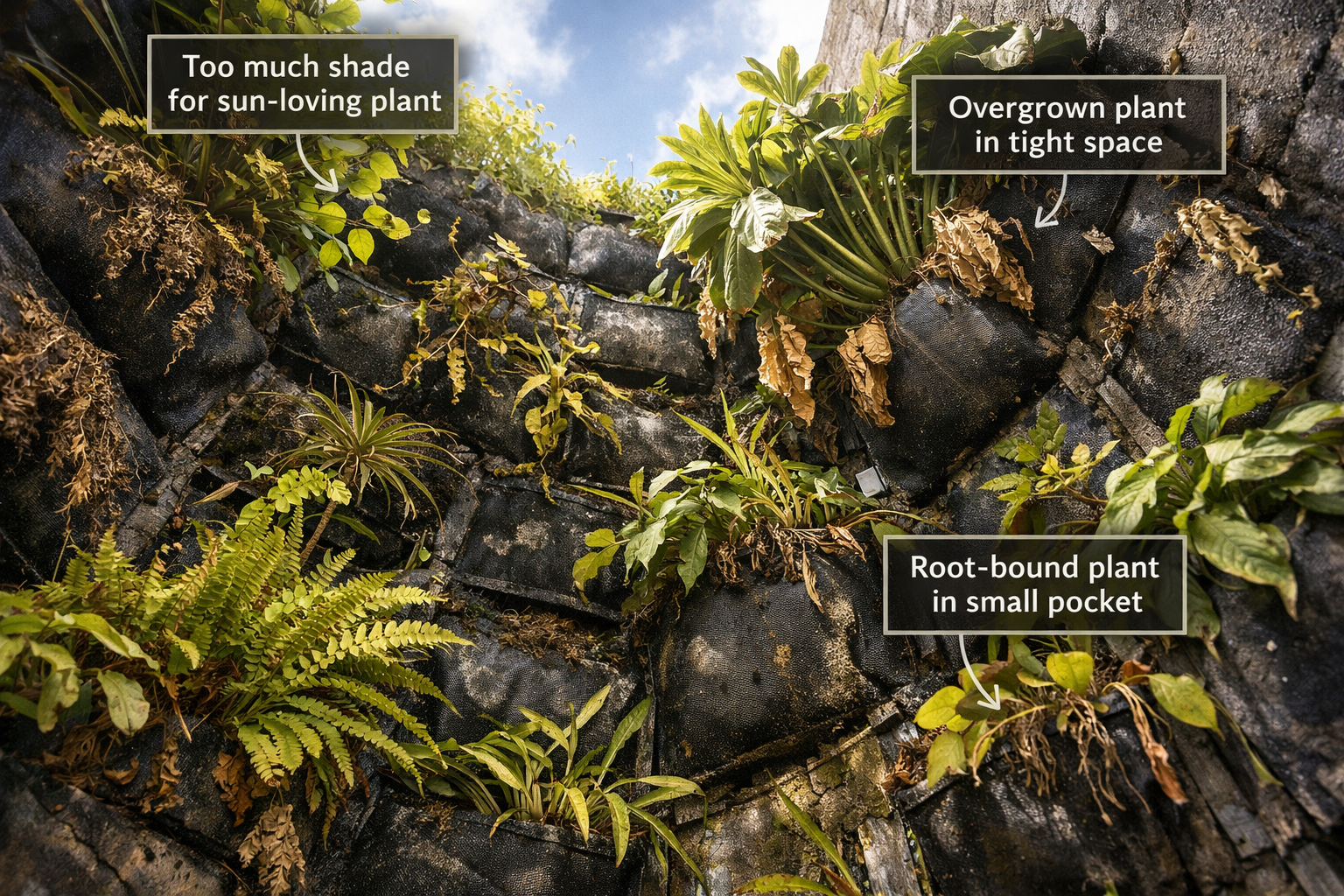
One of the most frequent vertical gardening mistakes is improper plant selection, which occurs when gardeners choose plants that are ill-suited for the specific conditions or constraints of a vertical system. This often leads to plants struggling to thrive, either due to insufficient space for root growth, inadequate light, or unsuitable watering requirements within the chosen vertical setup.
Choosing the Wrong Plants:
Selecting plants that are too large, have deep root systems, or require significantly different growing conditions (like sun exposure or water frequency) than their neighbors in the same system can doom a vertical garden from the start.
- Large or Deep-Rooted Plants: Avoid plants like large tomatoes, corn, or squash that need extensive root space or sprawl significantly. These are better suited for traditional ground beds or larger containers. Instead, opt for compact varieties or plants with shallow root systems.
- Mismatched Light Needs: Placing sun-loving herbs next to shade-tolerant lettuces in a system with varied light exposure can lead to one thriving while the other wilts. Assess your vertical garden’s light conditions throughout the day before planting.
- High Water Demand: Some plants are extremely thirsty, while others prefer drier conditions. Grouping plants with similar watering needs helps ensure consistent moisture without over or under-watering certain sections. For guidance on appropriate choices, consult our Best Vegetables for Small Space Gardening in 2026 guide.
Decision Rule: Choose compact, shallow-rooted plants that have similar light and water requirements for each section or tier of your vertical garden. If you have varied light conditions, group plants accordingly (e.g., sun-lovers on top, shade-tolerant below).
How Does Inadequate Watering and Nutrient Delivery Impact Vertical Gardens?
Inadequate watering and nutrient delivery are significant vertical gardening mistakes because plants in these systems often dry out faster and have limited access to nutrients compared to ground-planted gardens. This can lead to dehydration, nutrient deficiencies, and stunted growth if not properly managed.
Watering Woes:
Vertical gardens, especially those exposed to sun and wind, can lose moisture rapidly. Relying on inconsistent hand watering or poorly designed irrigation systems are common pitfalls.
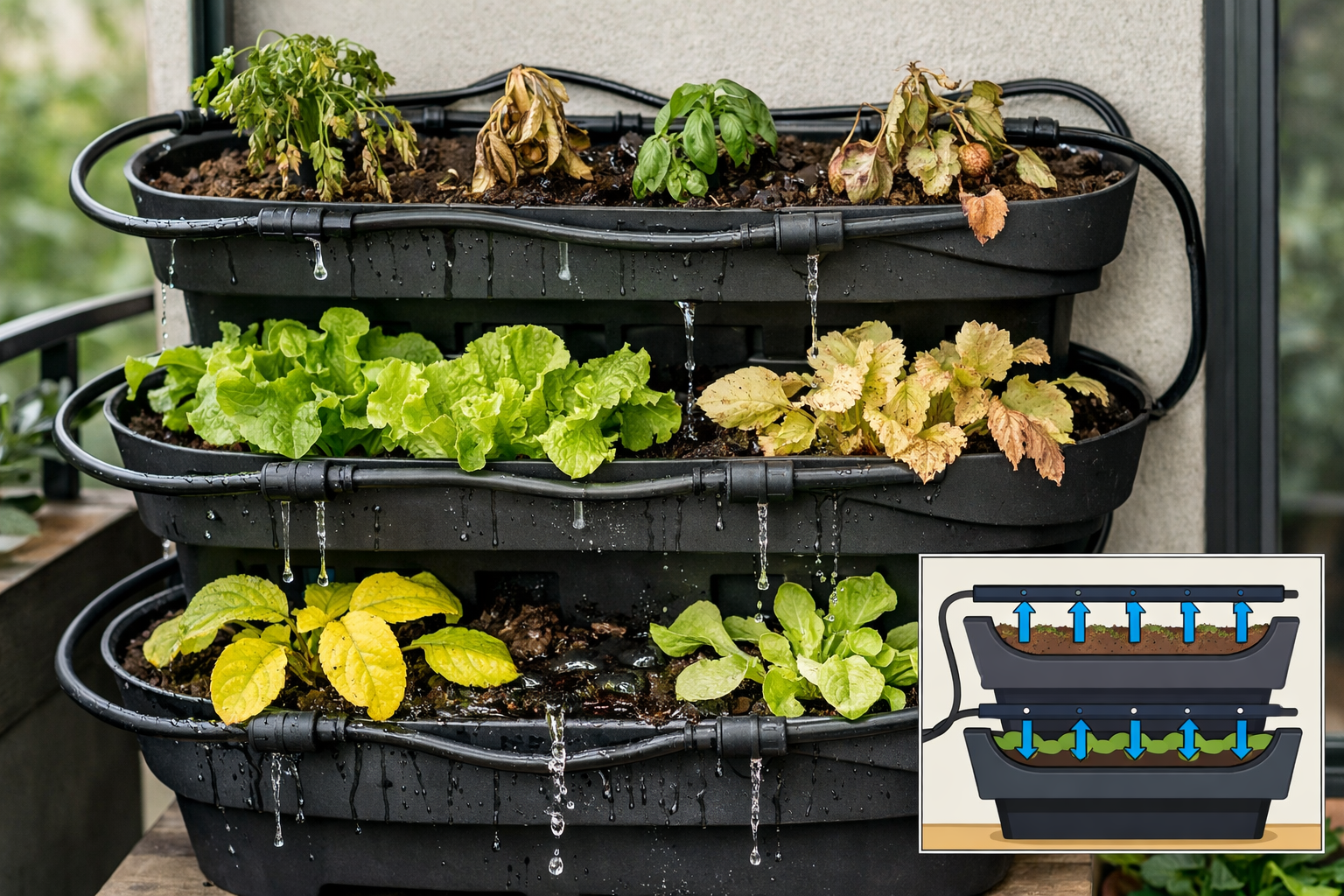
- Uneven Water Distribution: Water tends to flow downwards rapidly in vertical systems, often leaving top-tier plants parched while bottom-tier plants become waterlogged. A proper drip or soaker hose system, specifically designed for vertical setups, helps ensure even moisture.
- Under-watering: Small pockets or containers dry out quickly. Regularly check soil moisture levels, especially during hot or windy weather. Consider automated watering systems for consistency. For more on watering, check our guide on How Often to Water Container Vegetables in Summer 2026.
- Over-watering: Poor drainage in lower tiers can lead to root rot. Ensure your system has adequate drainage holes and that excess water can escape without pooling.
Nutrient Neglect:
Plants in vertical gardens rely entirely on the growing medium for nutrients, as they cannot access surrounding soil.
- Depleted Growing Medium: Potting mixes in vertical gardens can quickly deplete their nutrients. Unlike garden soil, they don’t get replenished naturally.
- Irregular Fertilization: Forgetting to fertilize or using the wrong type of fertilizer leads to nutrient deficiencies. Liquid fertilizers applied regularly or slow-release granules are often best. Refer to our Fertilizers for Vegetables: 2026 Expert Guide for Optimal Gardening for detailed advice.
- Choosing the Wrong Soil: Using heavy garden soil instead of a lightweight, well-draining potting mix can suffocate roots and contribute to over-watering issues. Our Soil Basics for Container Gardening: 2026 Expert Guide offers essential insights.
Common Mistake: Many beginners assume gravity will handle watering efficiently, but this often results in the top plants drying out and the bottom plants getting too much water or having soggy roots due to poor drainage design.
What Structural and Maintenance Vertical Gardening Mistakes Should Be Avoided?
Ignoring the structural integrity and ongoing maintenance needs are critical vertical gardening mistakes that can lead to system failure, plant damage, and pest infestations. A sturdy setup and consistent care are vital for long-term success.
Structural Stability:
A vertical garden, once watered and full of mature plants, becomes significantly heavier. Overlooking this weight is a common and potentially dangerous error.
- Insufficient Support: Many DIY or budget systems are not designed to hold the substantial weight of wet soil and plants. Ensure your vertical garden structure is firmly anchored to a wall or has a stable base, especially for taller systems.
- Choosing Flimsy Materials: Opting for cheap, weak materials can lead to sagging shelves, cracked pockets, or a complete collapse over time. Invest in durable, weather-resistant materials appropriate for the environment (e.g., UV-resistant plastics for outdoors).
- Improper Placement: Placing a heavy vertical garden on a weak railing or in a high-wind area without proper bracing invites disaster. Consider the maximum weight capacity and wind exposure of your chosen location. Our article on Vertical Balcony Garden Ideas offers inspiration for sturdy setups.
Neglecting Maintenance:
Vertical gardens require regular attention, similar to any garden. Neglecting these tasks allows problems to escalate quickly.
- Overcrowding: As plants grow, they can quickly overcrowd their individual pockets or tiers, leading to poor air circulation, reduced light, and increased competition for resources. Regular pruning helps manage growth.
- Pest and Disease Overlook: Pests and diseases can spread rapidly in a vertical garden due to close plant proximity. Regular inspection and prompt treatment are crucial. Look for signs of trouble during your daily watering routine.
- Lack of Rotation or Replenishment: Over time, the growing medium may degrade or become compacted. Some plants may exhaust their space. Rotating plants or refreshing the growing medium annually can rejuvenate your vertical garden. For general maintenance tips, refer to our Balcony Garden Maintenance Tips 2026: Ultimate Guide.
Edge Case: If you are gardening on a balcony or rented property, always check weight restrictions and attachment rules. A large, heavy vertical garden could exceed balcony load limits or violate lease agreements if drilled into walls.
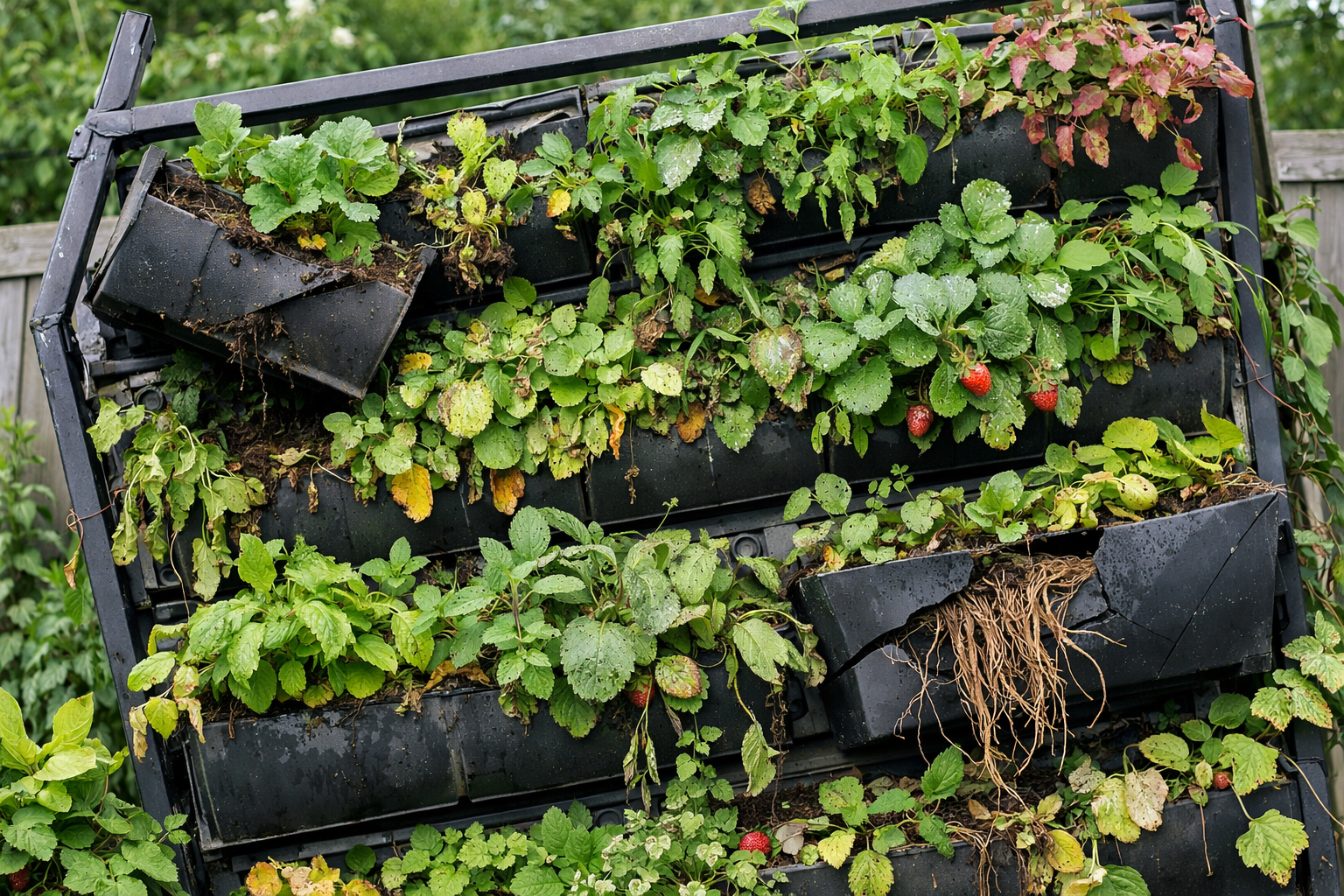
Table: Common Vertical Gardening Mistakes & Solutions
| Mistake Category | Specific Mistake | Impact on Garden | Solution |
|---|---|---|---|
| Plant Selection | Choosing large or deep-rooted plants | Stunted growth, root-bound, competition | Select compact, shallow-rooted varieties; use appropriate pot size |
| Mismatched light needs | One plant thrives, another withers | Group plants by light requirements; assess sun exposure at different times of day | |
| Watering | Uneven water distribution | Top dries out, bottom waterlogged | Install drip irrigation; water thoroughly and check drainage |
| Forgetting fast drying rate | Dehydrated plants, wilting | Monitor soil moisture daily; consider self-watering systems for balcony gardens | |
| Nutrient Delivery | Depleted soil, no fertilization | Pale leaves, slow growth, poor yield | Use high-quality potting mix; fertilize regularly with appropriate nutrients |
| Structural Issues | Unstable frame, too heavy | Collapse, damage to plants and property | Securely anchor structures; use sturdy materials; consider overall weight of wet garden |
| Maintenance | Overcrowding of plants | Poor air circulation, pests, disease spread | Prune regularly; space plants adequately; monitor plant growth |
| Neglecting pests/diseases | Rapid infestation, plant death | Inspect plants daily; act quickly at first sign of issues; use organic pest control |
Why Is Understanding Light and Air Circulation Crucial?
Understanding light and air circulation is crucial because vertical gardens, by their very nature, can create microclimates that differ significantly from open ground. Insufficient light or poor airflow are common vertical gardening mistakes that directly impact photosynthesis, encourage disease, and hinder overall plant health.
The Light Factor:
Vertical systems often mean plants cast shadows on those below them, leading to uneven light distribution.
- Underestimating Sun Exposure: What looks like a sunny spot might only get direct sun for a few hours. Track the sunlight your vertical garden receives throughout the day, in all seasons, to ensure it meets your plants’ specific needs.
- Self-Shading: As plants grow, their leaves can block light from reaching lower or adjacent plants. Design your system with enough spacing or prune strategically to minimize self-shading.
- Reflected Heat: Walls, especially those facing west or south, can reflect intense heat, leading to scorched leaves or rapid soil drying. Choose heat-tolerant plants for such spots or provide partial shade during peak hours.
Airflow Matters:
Plants packed closely in a vertical array can suffer from stagnant air, creating a breeding ground for problems.
- Disease & Pests: Poor air circulation creates a humid, still environment that fungi (like powdery mildew) and pests (like spider mites) love. Ensure there is enough space between plants and modules for air to move freely.
- Stunted Growth: Good airflow helps strengthen plant stems and aids in processes like pollination and transpiration. Without it, plants can become weak and vulnerable.
- Pruning for Air: Regularly prune excess foliage to improve air circulation within and around your plants. This is especially important for dense crops like herbs and leafy greens. For more on general beginner errors, check out our guide on Beginner Mistakes in Small Space Gardening 2026.
What are the most overlooked vertical gardening mistakes regarding system setup?
The most overlooked vertical gardening mistakes regarding system setup often involve selecting an inappropriate system for your space or climate and failing to properly prepare the system for planting. These errors can lead to ongoing frustration and poor plant performance, regardless of how well other aspects are managed.
Choosing the Wrong System:
Not all vertical gardening systems are created equal, and what works for one gardener might not work for another.
- System Type vs. Plant Choice: Some systems are better for leafy greens, others for herbs, and some for small fruiting vegetables. A pocket planter might be great for strawberries, but unsuitable for a mini bell pepper plant that needs more root depth.
- Material Mismatches: Wooden systems might look rustic but can rot quickly outdoors without proper treatment. Certain plastics can degrade in harsh sunlight. Consider durability and longevity based on your environment.
- Scalability: Starting small is wise, but consider if your chosen system allows for expansion if you want to grow more later. Modular systems offer more flexibility. For an overview, see our Vertical Gardening Basics: Your 2026 Guide to Small Space Gardens.
Inadequate Preparation:
Rushing the setup phase can lead to significant headaches down the line.
- Lack of Leveling: An uneven vertical garden can lead to water pooling on one side and draining too quickly from the other, creating inconsistent moisture levels. Use a level during installation.
- No Pre-Wetting of Media: Dry potting mix can be difficult to hydrate evenly. Always pre-wet your growing medium before filling the modules to ensure it absorbs water properly.
- Ignoring Drainage Layers: For systems that use larger containers or stacked pots, adding a layer of coarse material (like gravel or broken pottery) at the bottom can help prevent waterlogging, though modern potting mixes often drain well enough on their own.
Quick Example: A gardener in a windy urban environment who chooses a lightweight, freestanding pocket fabric system might find it frequently toppling over, while a sturdy wall-mounted hydroponic panel would have been a more suitable choice.
Conclusion
Embarking on a vertical gardening journey in 2026 offers immense potential for maximizing limited space and growing fresh produce. However, avoiding common vertical gardening mistakes is paramount for success. By meticulously selecting the right plants, establishing a consistent watering and nutrient delivery schedule, ensuring structural stability, and prioritizing adequate light and air circulation, you can cultivate a thriving and productive vertical garden. Remember, even experienced gardeners encounter challenges, but forethought and continuous learning are your best tools against these common pitfalls.
Actionable Next Steps:
- Assess Your Space: Before planting, spend a full day observing the sunlight patterns and potential wind exposure of your vertical garden location.
- Research Plant Needs: Choose plants that are compatible with your system type and the specific conditions of your vertical space (light, temperature, moisture).
- Plan Your Irrigation: Invest in or design a watering system that ensures even moisture distribution to all plants, considering your system’s gravity flow.
- Check Structural Integrity: Ensure your vertical garden system is robust, securely mounted, and can support the full weight of wet soil and mature plants.
- Schedule Regular Maintenance: Incorporate daily checks for soil moisture, pests, and plant health into your routine. Prune and fertilize as needed.
FAQ
What are the most common vertical gardening mistakes for beginners?
The most common vertical gardening mistakes for beginners include choosing plants that are too large for the system, inconsistent watering (either too much or too little), and failing to provide adequate structural support for the weight of the garden.
How do I prevent vertical garden plants from drying out too quickly?
To prevent vertical garden plants from drying out, use a high-quality, water-retentive potting mix, consider a self-watering or drip irrigation system, mulch the top of the soil, and monitor moisture levels daily, especially in hot or windy conditions.
What kind of plants are best for avoiding vertical gardening mistakes?
For best results and to avoid common vertical gardening mistakes, choose compact, shallow-rooted plants such as leafy greens (lettuce, spinach), herbs (basil, mint, thyme), strawberries, and small flowering annuals.
Can I use regular garden soil in a vertical garden?
No, it’s generally a mistake to use regular garden soil in a vertical garden because it is too heavy, compacts easily, and often lacks the necessary drainage and aeration for containerized plants, leading to root problems. Always use a lightweight, well-draining potting mix.
How often should I fertilize a vertical garden?
You should fertilize a vertical garden more frequently than a traditional garden, typically every 2-4 weeks with a balanced liquid fertilizer or using a slow-release granular fertilizer, as nutrients leach out faster from confined potting mixes.
How do I ensure proper air circulation in a vertical garden?
Ensure proper air circulation by providing adequate spacing between plants and modules, pruning dense foliage regularly, and positioning your vertical garden where it receives some natural breeze, to deter pests and fungal diseases.
What should I do if my vertical garden is leaning or unstable?
If your vertical garden is leaning or unstable, immediately assess the anchoring points and framework. Reinforce supports, add extra bracing, or re-secure it to a sturdy wall. Do not risk a collapse; redistribute weight if necessary.
Are there specific vertical gardening mistakes related to sunlight?
Yes, a key mistake is misjudging the amount of direct sunlight your vertical garden receives, leading to insufficient light for sun-loving plants or scorching for shade-tolerant ones. Track sun exposure throughout the day and select plants accordingly.
What’s the best way to start a vertical garden to avoid common errors?
To avoid common vertical gardening mistakes, start by researching system types suitable for your space, selecting plants with similar light and water needs, investing in a good quality potting mix, and planning a reliable watering strategy from day one.