Vertical Gardening Basics: Maximizing Your Green Space in 2026
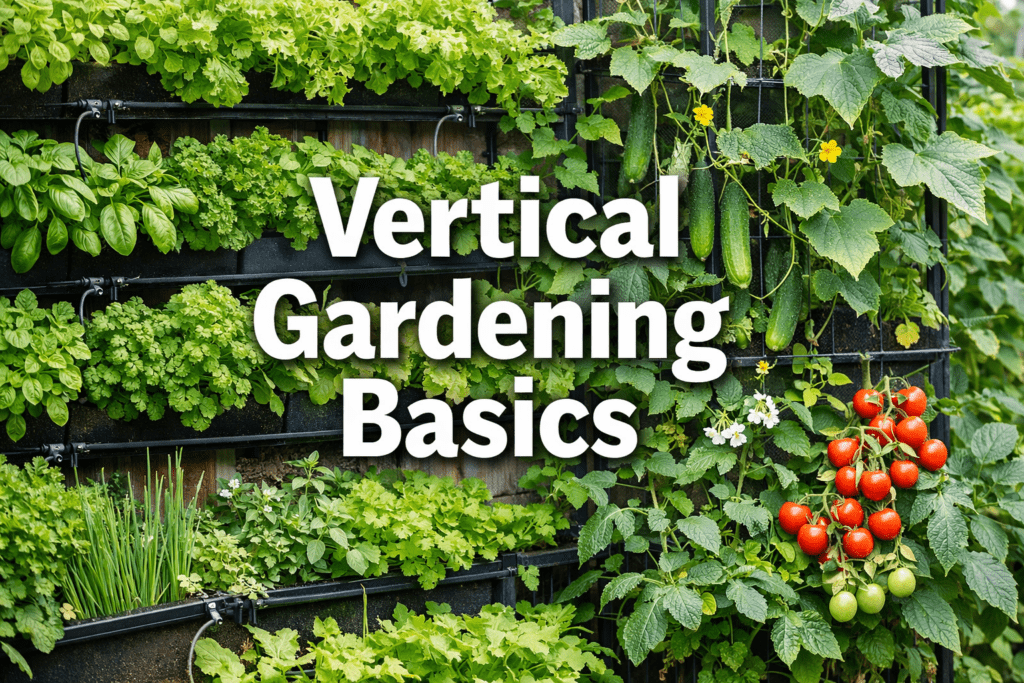
Vertical gardening involves cultivating plants vertically using various tiered or wall-mounted systems, which is a highly efficient method for growing food or ornamental plants in limited spaces. This innovative technique allows gardeners to significantly increase their planting area without requiring a large plot of land, making it perfect for urban dwellers and those with small yards or balconies
TL;DR
- Vertical gardening utilizes stacked or hanging structures to grow plants, making it ideal for small spaces like balconies and urban environments.
- It significantly increases planting density and yield per square foot compared to traditional ground gardening.
- Selecting the right structure, plants, and ensuring proper sun exposure and watering are fundamental for success.
- Even beginners can achieve thriving vertical gardens with simple setups and consistent care.
- Modern approaches like hydroponics offer accelerated growth and higher yields, making vertical gardening accessible to more enthusiasts in 2026.
What is Vertical Gardening and Why is it Essential in 2026?
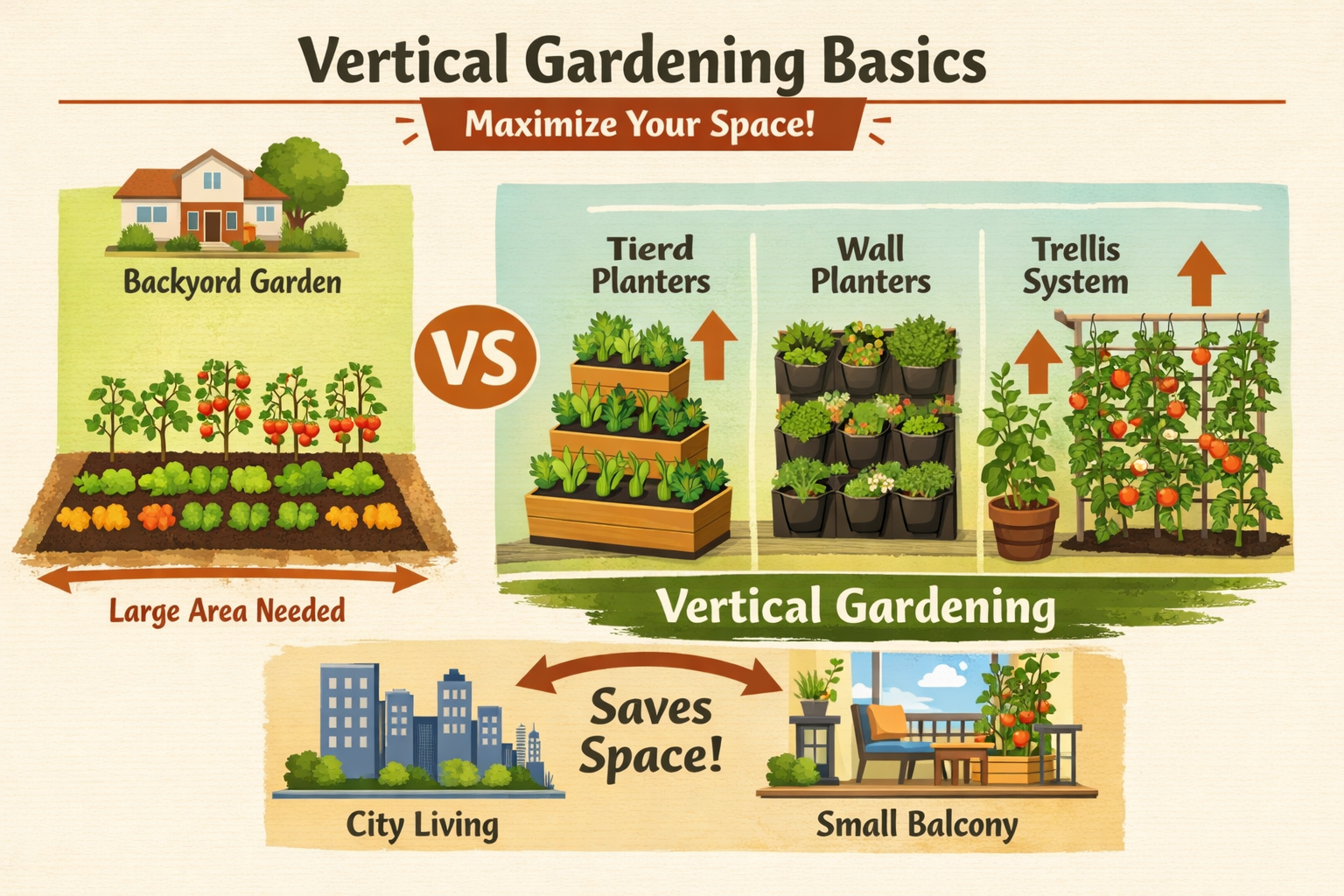
Vertical gardening is a method of growing plants upward using structures that support vertical growth, rather than spreading them horizontally across the ground. This approach is essential in 2026 because it addresses the growing need for efficient space utilization, especially in urban environments where traditional gardening plots are scarce [2, 4]. By expanding your garden skyward, you can cultivate a significant amount of produce or greenery in a footprint much smaller than a conventional garden.
Vertical gardening systems are fundamentally about optimizing cubic space, transforming otherwise unused vertical areas into productive growing zones. This can range from simple wall-mounted planters to complex hydroponic towers [1, 2]. The key benefit is not just space-saving; it also includes increased yield, improved air circulation around plants, and reduced strain on the gardener from bending over [3]. For anyone living in a city apartment, a home with a small backyard, or even those looking to make better use of a sunny wall, embracing vertical gardening basics provides an accessible and rewarding solution for cultivating a green space.
Key Advantages of Vertical Gardening:
- Space Efficiency: Reclaims unused vertical space, turning walls, fences, or balconies into productive gardens. This is particularly beneficial in densely populated urban areas [2, 4].
- Increased Yield: Allows for more plants to be grown in a smaller area, leading to higher harvest volumes [3].
- Ergonomic Benefits: Reduces the need for bending and kneeling, making gardening more comfortable and accessible for individuals with mobility challenges.
- Improved Airflow: Elevating plants can enhance air circulation, which helps prevent fungal diseases and pest infestations [1].
- Aesthetic Appeal: Transforms plain walls or structures into vibrant, living art installations, enhancing the beauty of any space.
- Water Conservation: Many vertical systems, especially those with drip irrigation or hydroponics, can be highly water-efficient [1].
For example, a small balcony that could only host a few potted plants traditionally can become home to a diverse array of herbs, vegetables, and flowers when a tiered planter or wall-mounted pocket system is installed. This shift from horizontal to vertical cultivation dramatically changes what’s possible in limited spaces.
Key Takeaways
- Vertical gardening optimizes small spaces by growing plants upward in stacked or hanging structures.
- It significantly increases yield per square foot, making fresh produce more accessible in urban settings.
- Choosing the right system, location, and plant varieties is crucial for a successful vertical garden.
- Basic setups are beginner-friendly, and advanced options like hydroponics offer faster growth.
- Consistent watering, fertilization, and pest management are essential for plant health.
What Are the Most Common Vertical Garden Structures?
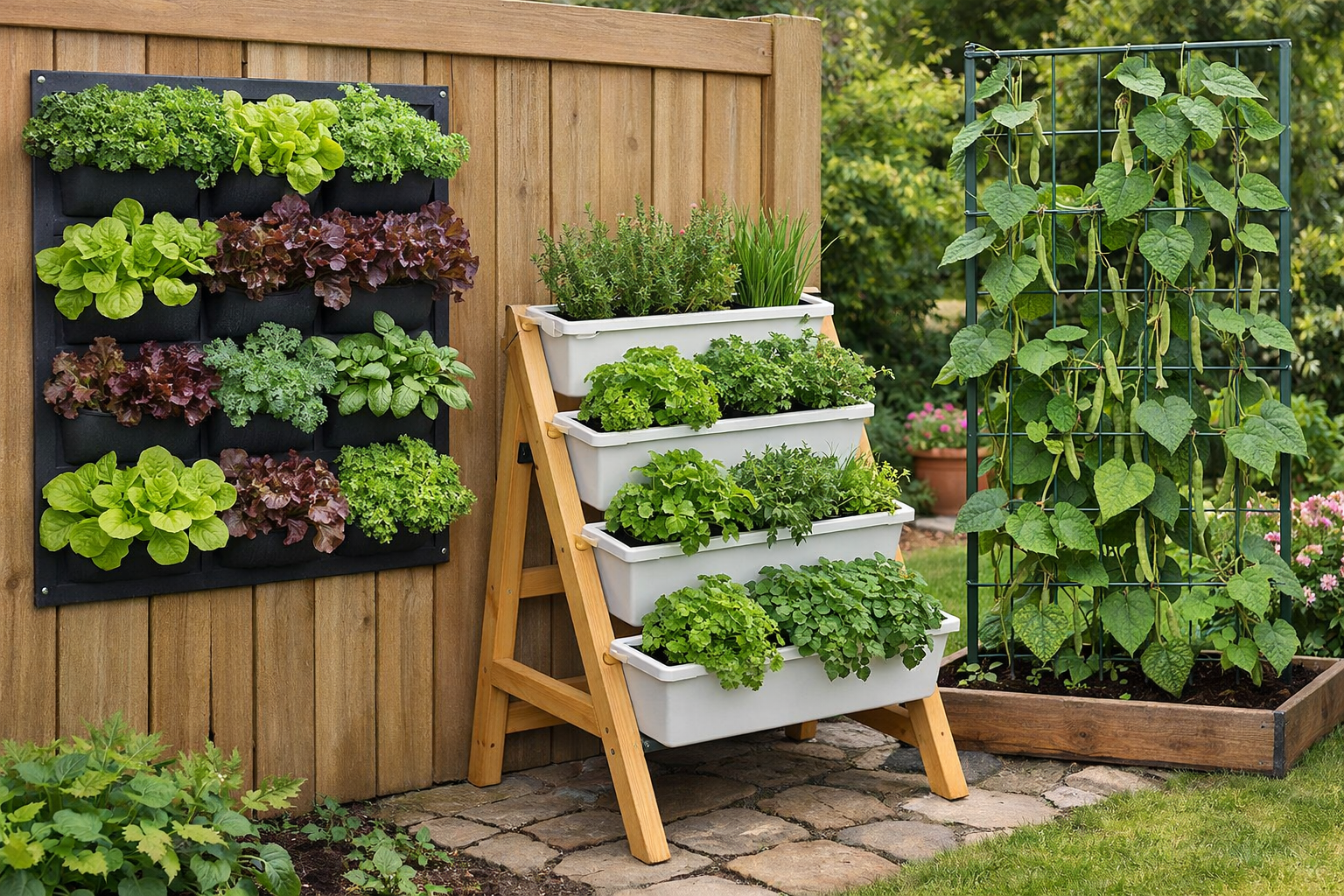
The most common vertical garden structures include wall-mounted planters, freestanding trellises, pocket systems, and garden towers, each offering distinct advantages for different spaces and plant types [1, 3]. Understanding these options is a fundamental part of mastering vertical gardening basics. These structures serve as the backbone of your vertical garden, providing the necessary support and growing medium for your plants to thrive.
When choosing a structure, consider the available space, the types of plants you intend to grow, and your budget. For instance, a small apartment balcony might benefit most from a compact garden tower or a simple wall-mounted system, while a larger patio could accommodate a robust trellis or a series of tiered planters. The stability of the structure is also paramount, especially for outdoor setups exposed to wind or supporting heavy vining plants [3].
Popular Vertical Garden Structure Types:
- Wall-Mounted Planters: These systems attach directly to a wall or fence, often consisting of individual pots, modular panels, or cascading pockets. They are excellent for herbs, leafy greens, and ornamental plants, effectively turning a blank wall into a living display [1, 3].
- Freestanding Trellises: Ideal for vining plants like cucumbers, pole beans, and certain types of squash. Trellises come in various designs, including obelisk trellises, panel trellises, and A-frame structures. For stability, their bases should be anchored at least 12 inches into the soil, especially in areas prone to strong winds or supporting heavy harvests [3].
- Pocket Systems: Fabric or felt pocket systems are lightweight and flexible, easily hung on walls or railings. They are perfect for growing a variety of smaller plants, succulents, or even strawberries, offering good drainage and breathability [1].
- Garden Towers: These are usually cylindrical or columnar structures with multiple planting pockets or levels arranged around a central axis. Garden towers are highly space-efficient and can rotate to ensure all plants receive adequate sunlight. Many advanced towers incorporate hydroponic or aquaponic systems [1].
- Tiered Planters: Stacked containers that resemble a pyramid or staircase, providing multiple levels for planting. These are simple to set up and ideal for small annuals, herbs, or flowers, often used on patios or balconies.
- Hydroponic Towers/Systems: A modern approach that uses nutrient-rich water solutions instead of soil. These systems often feature pumps to circulate water to plants, offering faster growth rates and higher yields. Simplified setups are now accessible to beginners, making hydroponics a viable option for many vertical gardeners [1].
For instance, if you’re a beginner looking to grow herbs on a small apartment balcony, a tiered planter or a wall-mounted pocket system would be an excellent choice due to their ease of installation and low maintenance requirements. Conversely, if you aim to grow vining vegetables and have a bit more space, a sturdy trellis anchored properly will be more suitable. Consider checking out our Ultimate Guide to Small Space Gardening for Beginners 2026 for more detailed ideas.
What Plants Thrive in Vertical Gardens and How Do You Choose the Right Ones?
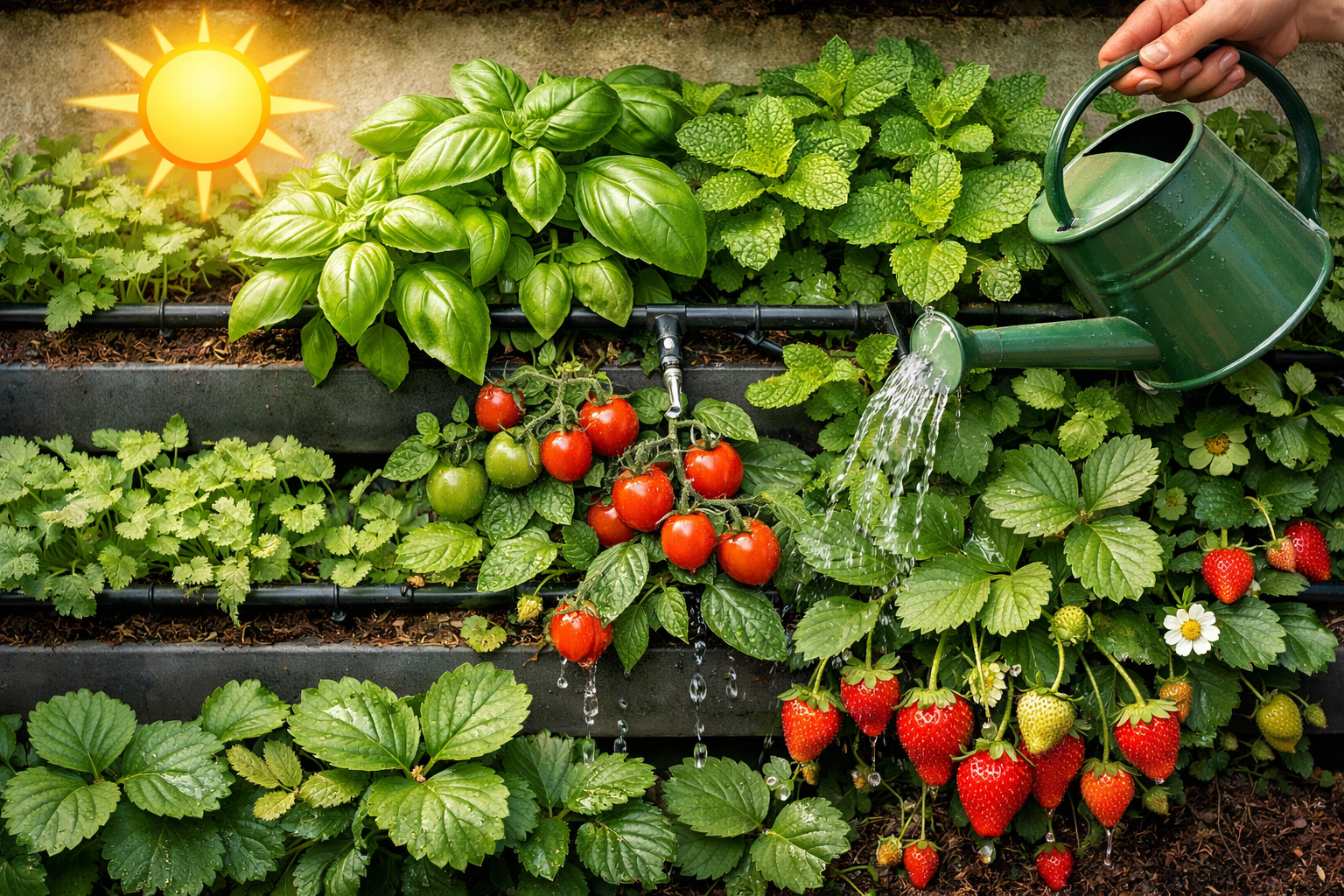
Plants that thrive in vertical gardens are typically those with shallow root systems, vining habits, or compact growth, and choosing the right ones depends heavily on your available sunlight and the specific vertical structure you’re using [1, 2]. Successful vertical gardening basics involve matching plant needs with environmental conditions to ensure healthy growth and abundant harvests.
When selecting plants, it’s crucial to consider their light requirements. Most vegetables, for example, need 6 to 8 hours of direct sunshine daily, regardless of whether they are grown vertically or horizontally [2]. Therefore, a south-facing location offering optimal sun exposure is ideal for sun-loving plants, while shaded areas are better suited for plants that prefer less intense light [2].
Recommended Plants for Vertical Gardens:
- Herbs: Basil, mint, rosemary, thyme, chives, oregano, and parsley are excellent choices. They are generally compact, have shallow roots, and tolerate various light conditions [1, 2].
- Leafy Greens: Lettuce, spinach, kale, Swiss chard, and arugula grow well in vertical systems. They mature relatively quickly and can be harvested repeatedly.
- Strawberries: These plants are perfect for pocket systems or tiered planters, allowing their fruit to hang freely and ripen without touching the soil.
- Flowering Plants: Petunias, impatiens, nasturtiums, and pansies add beauty and attract pollinators. Ensure they are suitable for the light conditions of your vertical garden.
- Vining Vegetables: Pole beans, climbing peas, sweet potatoes (for their greens), vining tomatoes, cucumbers, and climbing varieties of squash and zucchini are ideal for trellises or garden towers [1, 2]. These plants naturally grow upwards, making them perfectly suited for vertical support [3].
- Succulents: For low-maintenance options, succulents like sedum and sempervivum thrive in minimal soil and require less frequent watering, making them suitable for wall-mounted displays in sunny spots [2].
Choosing the Right Plants – Key Considerations:
- Sunlight Availability: Determine the amount of direct sunlight your vertical garden location receives. Most vegetables need 6-8 hours, while herbs and leafy greens can often tolerate 4-6 hours [2].
- Root System: Opt for plants with shallow root systems that won’t overcrowd the limited space in vertical containers.
- Growth Habit: Vining plants are perfect for trellises, while compact or bushy varieties are better for pockets and stacked planters [1, 3].
- Water Needs: Group plants with similar water requirements together to simplify irrigation.
- Pest and Disease Resistance: Choose varieties known for their resilience to common pests and diseases, especially in confined spaces.
For example, if your balcony receives full sun for most of the day, you could grow vining tomatoes on a trellis, basil in a wall-mounted planter, and strawberries in a pocket system. If your space is shadier, focus on leafy greens and herbs like mint or parsley.
How Do You Set Up a Basic Vertical Garden?
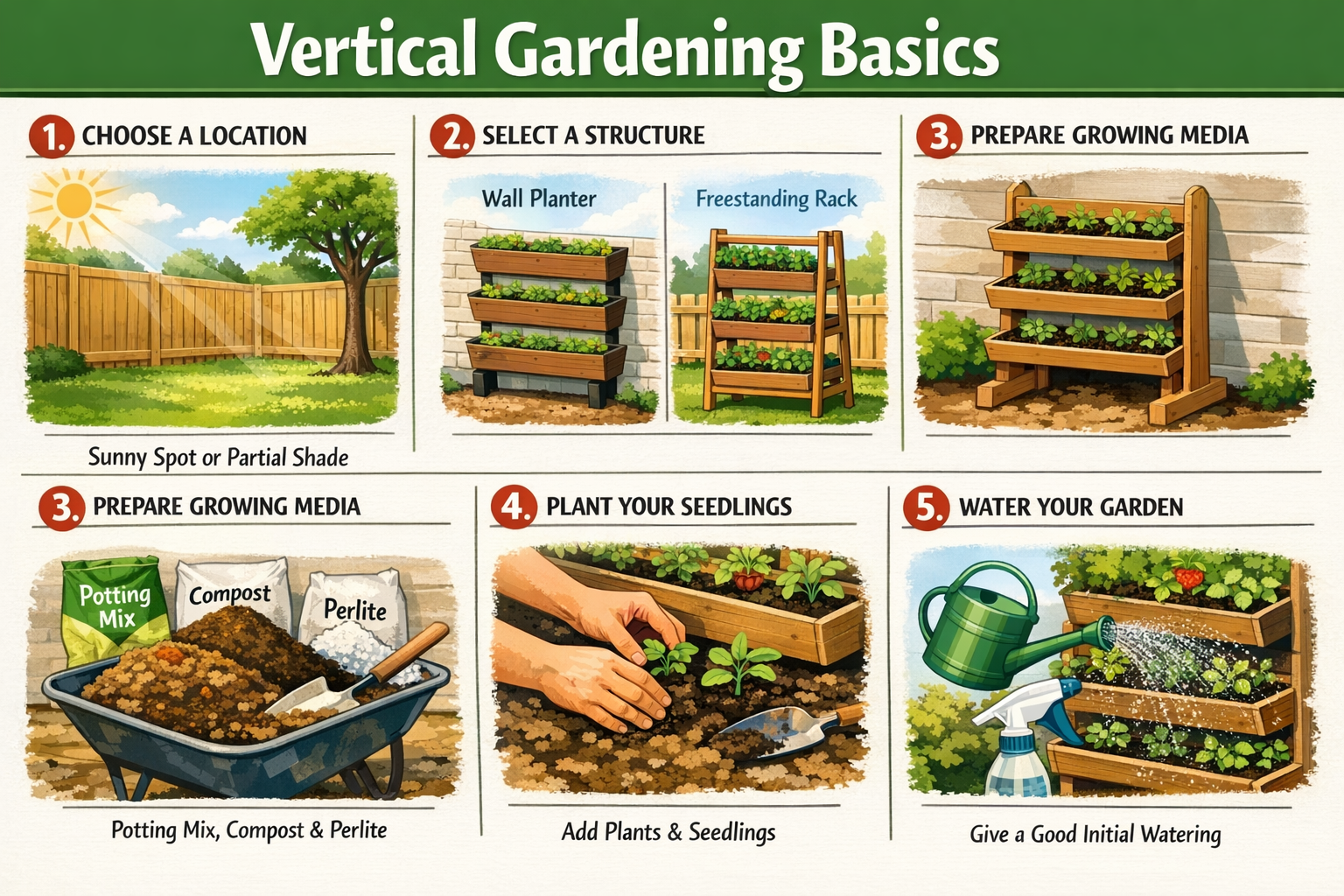
Setting up a basic vertical garden involves selecting the right location, assembling your chosen structure, preparing the growing medium, planting your selected species, and establishing a watering routine. This systematic approach ensures a solid foundation for your vertical gardening basics journey.
The initial planning phase is crucial, as a well-planned setup minimizes future issues and maximizes plant health [6]. Even simple vertical gardens require consideration for sun exposure, water access, and structural stability.
Step-by-Step Guide to Setting Up a Basic Vertical Garden:
- Choose the Right Location:
- Sunlight: Most plants, especially vegetables, need 6-8 hours of direct sunlight [2]. South-facing locations usually provide optimal exposure [2].
- Wind Protection: Shield your vertical garden from severe winds, which can dry out plants quickly or cause structural damage [2]. Consider placing it against a sturdy wall or fence.
- Water Access: Ensure you have easy access to a water source for convenient watering.
- Stability: Choose a location where the structure can be securely anchored or placed on a stable surface.
- Select and Assemble Your Structure:
- Based on your location and plant choices, pick a wall-mounted system, tiered planter, trellis, or garden tower [1, 3].
- Follow the manufacturer’s instructions carefully for assembly. For trellises, ensure the base is anchored at least 12 inches into the soil for stability [3].
- Prepare the Growing Medium:
- For most vertical systems, a high-quality potting mix is ideal. It should be light, well-draining, and nutrient-rich.
- Consider adding compost or a slow-release granular fertilizer to the mix for an initial nutrient boost.
- If using a hydroponic system, prepare your nutrient-rich water solution according to product instructions [1].
- Plant Your Selected Species:
- Gently remove plants from their nursery pots.
- Place them into the pockets or containers of your vertical system, ensuring their roots are well-covered by the growing medium.
- Space plants according to their mature size to prevent overcrowding, which can hinder growth and air circulation.
- When planting vining vegetables, gently guide their tendrils towards the trellis or support structure.
- Watering and Initial Care:
- Water thoroughly immediately after planting to settle the soil and reduce transplant shock.
- Establish a consistent watering schedule. Vertical gardens often dry out faster than traditional beds due to increased air exposure, so they may require more frequent watering [2].
- Consider an automated irrigation system for consistent moisture, especially for larger setups [1].
Common Mistake to Avoid: Overcrowding plants. While vertical gardens maximize space, giving each plant adequate room for root development and air circulation is vital. Overcrowding leads to competition for nutrients and light, increasing the risk of disease [3].
What Are the Key Maintenance Tips for Thriving Vertical Gardens?
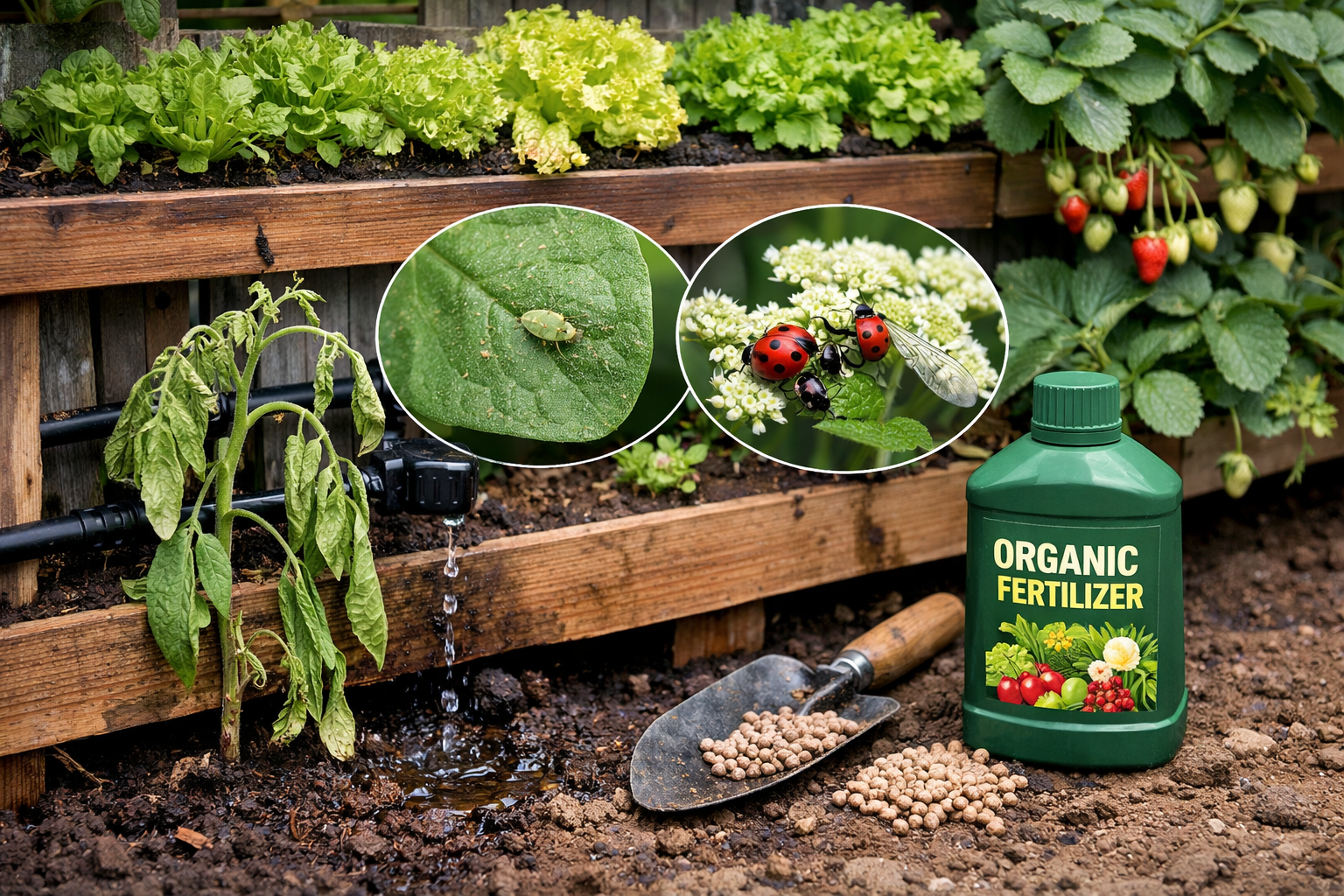
Maintaining a thriving vertical garden requires consistent attention to watering, fertilization, pest control, and proper pruning, ensuring plants receive everything they need to flourish in their unique environment. These essential practices form the core of vertical gardening basics for long-term success.
Because vertical gardens often have limited soil volume and increased exposure to air, they can dry out faster and deplete nutrients more quickly than ground beds [2]. Therefore, a proactive and regular maintenance routine is critical.
Essential Maintenance Tips for Vertical Gardens:
- Consistent Watering:
- Vertical gardens generally require more frequent watering than traditional gardens because the growing media in containers dries out faster [2].
- Check soil moisture daily, especially during hot or windy weather. Stick your finger an inch or two into the soil; if it feels dry, it’s time to water.
- Automated irrigation systems (like drip lines) are increasingly popular for maintaining consistent moisture levels without manual watering, saving time and ensuring plant health [1].
- Water until you see drainage from the bottom of the system, indicating the entire root ball has been moistened.
- Regular Fertilization:
- Since vertical garden plants have limited root systems and nutrients can leach out with frequent watering, regular fertilization is necessary [2].
- Apply water-soluble fertilizers every 2-4 weeks, or use slow-release granular fertilizers mixed into the potting medium at the beginning of the season.
- Follow product instructions carefully to avoid over-fertilization, which can burn plant roots.
- For hydroponic systems, monitor and adjust nutrient solution levels and pH regularly [1].
- Pest and Disease Management:
- Inspect your plants frequently for signs of pests or diseases. Early detection is key.
- Organic pest control methods are preferred to protect your edible crops and beneficial insects. This includes introducing beneficial insects (like ladybugs), using neem oil, or insecticidal soap [1].
- Remove affected leaves or plants promptly to prevent spread. Ensure good air circulation around plants to deter fungal issues.
- Pruning and Harvesting:
- Regularly prune plants to encourage bushier growth, improve air circulation, and remove dead or yellowing leaves.
- Harvest produce frequently. This not only provides you with fresh food but also encourages plants to produce more [3]. For leafy greens, practice “cut and come again” harvesting.
- For vining plants, guide them along their supports to maximize space and prevent tangling.
- Understanding Microclimates:
- Microclimates created by building materials, sun exposure, and wind patterns significantly impact success [1]. Pay attention to how different parts of your vertical garden are affected.
- For example, plants closer to a brick wall may experience higher temperatures due to heat retention, while those in an exposed corner might dry out faster due to wind. Adjust watering or plant placement accordingly.
Troubleshooting Tip: If plants appear yellow or stunted despite consistent watering, it often indicates a nutrient deficiency. Increase the frequency of fertilization or switch to a fertilizer with a higher nitrogen content, if appropriate for the plant stage.
Vertical Gardening FAQs
What is the primary benefit of vertical gardening?
The primary benefit is maximizing growing space in limited areas, such as balconies, small yards, or urban environments, allowing for higher plant density and increased yields per square foot [2, 4].
What kind of plants are best for beginners in vertical gardens?
Beginner-friendly plants include herbs (basil, mint, rosemary), leafy greens (lettuce, spinach), strawberries, and low-maintenance succulents [1, 2]. Vining vegetables like pole beans and climbing peas are also good for trellises [3].
How much sun does a vertical garden need?
Most vegetables and fruiting plants require 6 to 8 hours of direct sunshine daily, while many herbs and leafy greens can thrive with 4 to 6 hours [2].
Do vertical gardens require more water?
Yes, vertical gardens often dry out faster than traditional ground gardens due to increased air exposure and limited soil volume, typically requiring more frequent watering [2]. Automated irrigation systems can help manage this [1].
Can I grow vegetables in a vertical garden?
Absolutely. Many vegetables, especially vining varieties like tomatoes, cucumbers, pole beans, and leafy greens, thrive in vertical garden setups [1, 2].
What materials are commonly used for vertical garden structures?
Common materials include wood, plastic, metal, and fabric (for pocket systems). The choice depends on aesthetics, durability, and cost [1, 3].
How do I prevent pests in my vertical garden?
Use organic pest control methods such as introducing beneficial insects, applying neem oil, or using insecticidal soap. Regular inspection and good air circulation also help prevent infestations [1].
Is hydroponics a form of vertical gardening?
Yes, hydroponics is a modern approach often integrated into vertical gardening systems, using nutrient-rich water instead of soil, which can lead to faster growth and higher yields [1].
How deep should a trellis base be anchored?
For stability, especially against strong winds and heavy harvests, trellis bases should be anchored at least 12 inches into the soil [3].
Can vertical gardens be used indoors?
Yes, many vertical garden systems are suitable for indoor use, provided there is adequate light (natural or artificial grow lights) and proper drainage.
What is a microclimate in vertical gardening?
A microclimate refers to localized climate variations within your garden space, influenced by factors like building materials, sunlight exposure, and wind patterns, which can significantly impact plant success [1].
Key Takeaways
- Space Optimization: Vertical gardening is a transformative approach for growing plants in limited areas, perfect for urban and small-space living in 2026.
- Increased Productivity: It allows for significantly higher plant density and yields compared to traditional gardening methods.
- Diverse Structures: A range of systems, including wall-mounted planters, trellises, pocket systems, and garden towers, cater to different needs and aesthetics.
- Strategic Plant Selection: Choose plants based on sun exposure, root depth, and growth habit to ensure they thrive in your specific vertical setup.
- Consistent Care is Crucial: Regular watering, targeted fertilization, proactive pest management, and timely pruning are vital for maintaining healthy plants.
- Embrace Modern Solutions: Automated irrigation and hydroponic systems simplify maintenance and can boost growth, making vertical gardening more accessible.
- Understand Your Environment: Pay attention to microclimates created by surrounding structures to optimize plant placement and care.
- Beginner-Friendly: While it offers advanced options, the basic principles of vertical gardening are straightforward and achievable for new gardeners.
References
[1] Insider Tips For Thriving Vertical Gardens In 2026 – https://climbingplants.co.uk/insider-tips-for-thriving-vertical-gardens-in-2026 [2] Vertical Gardens A Beginners Guide – https://altogarden.com/blog/vertical-gardens-a-beginners-guide/ [3] The Complete Guide To Vertical Gardening – https://www.gardenary.com/blog/the-complete-guide-to-vertical-gardening [4] Vertical Vegetable Garden – https://sunset.com/home-garden/edible-gardening/vertical-vegetable-garden [5] Vertical Gardening 101 – https://www.plantflix.com/blogs/news/vertical-gardening-101 [6] 453 How To Plan A Garden That Fits Your Life In 2026 – https://journeywithjill.net/gardening/2026/01/06/453-how-to-plan-a-garden-that-fits-your-life-in-2026/ [7] Watch – https://www.youtube.com/watch?v=eb-CwVnvmjw