Vegetables That Grow in Shade: Your 2026 Guide
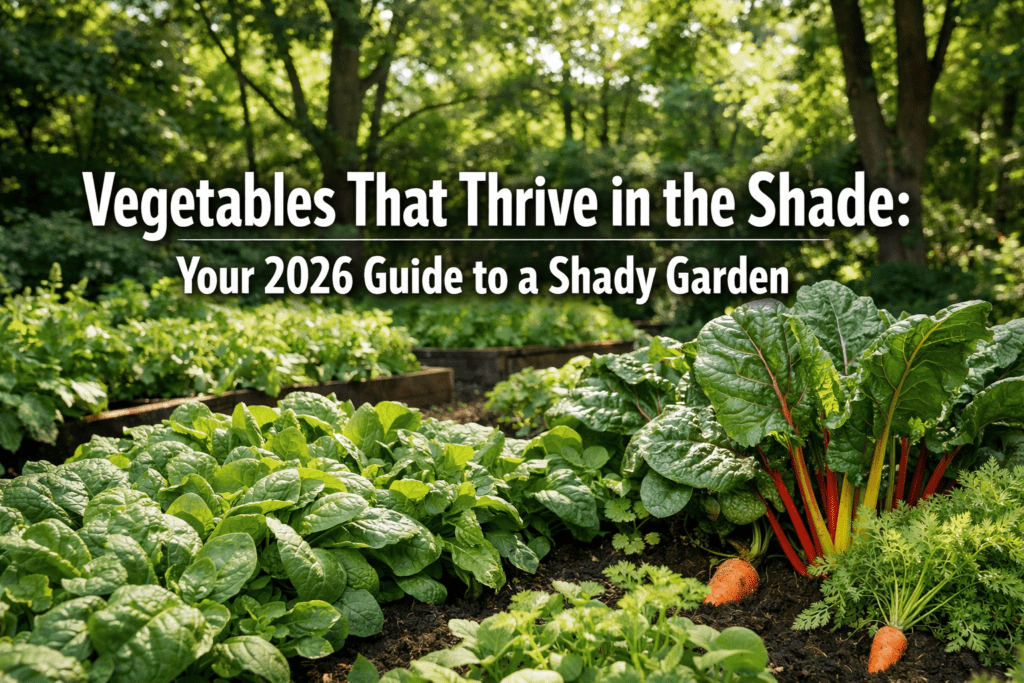
Many gardeners face the challenge of limited sunlight, but this doesn’t mean you can’t cultivate a productive vegetable patch. You can absolutely grow a diverse range of vegetables that grow in shade, turning those less sunny spots into bountiful harvest areas. This guide will walk you through the best choices and practical tips for successful shade gardening in 2026.
Key Takeaways
- Many popular vegetables, especially leafy greens and root crops, thrive in partial shade.
- “Partial shade” or “dappled shade” is ideal, offering 2-4 hours of direct sun or filtered light throughout the day.
- Full-sun vegetables require 6-8 hours of direct sun, while shade-tolerant varieties can produce with just 2-3 hours [1].
- Leafy greens like lettuce, spinach, and kale are excellent choices, benefiting from shade to prevent bolting [1, 3].
- Root vegetables such as carrots and beets can grow in shade, though they might be smaller and slower to mature [1, 2].
- Shade can extend the harvesting season for certain crops by keeping them cooler [1].
- Consistent moisture is crucial for shade-grown vegetables, as they often grow slower.
- Consider container gardening or vertical gardening to maximize light exposure in tricky spots.
Quick Answer
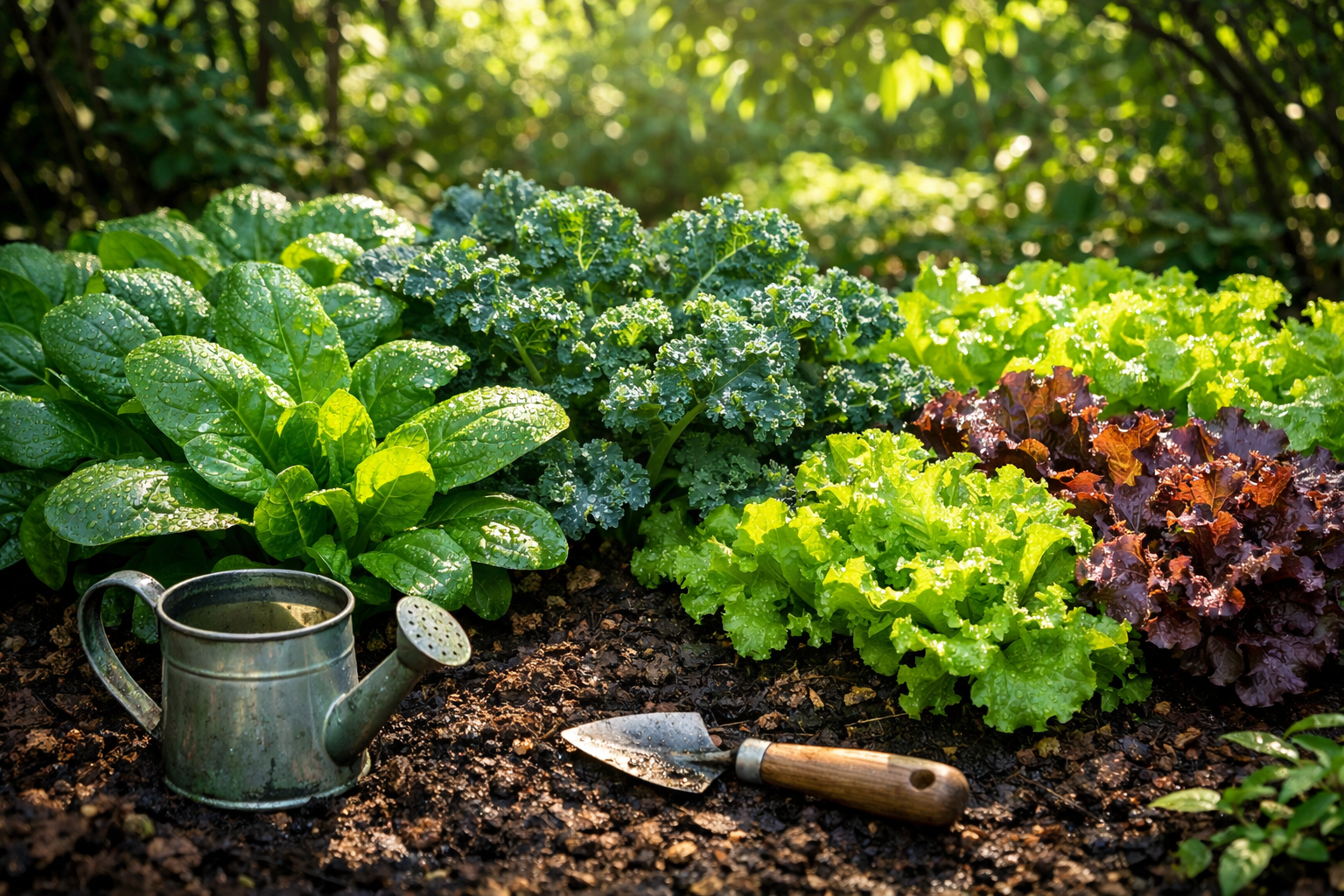
Yes, many vegetables can flourish even without full sun. While most vegetables need 6-8 hours of direct sunlight, certain varieties, particularly leafy greens and root vegetables, are well-suited to conditions of partial or dappled shade, requiring as little as 2-4 hours of direct sun or consistent indirect light to produce a respectable harvest [1].
What Constitutes “Shade” for Vegetable Gardening?
For vegetable gardening, “shade” typically refers to areas receiving less than the ideal 6-8 hours of direct sunlight required by most fruiting plants. Understanding different types of shade is crucial for selecting the right vegetables that grow in shade.
- Partial Shade: This is the most forgiving type of shade for vegetables. It means an area gets 3-6 hours of direct sunlight daily, often in the morning or late afternoon. It can also refer to dappled light, where sunlight filters through tree leaves for most of the day [1]. This is ideal for many shade-tolerant vegetables.
- Partial Sun: Often used interchangeably with partial shade, but can imply slightly more direct sun exposure, perhaps 4-6 hours.
- Dappled Shade: Sunlight filtered through the canopy of deciduous trees. This creates a moving pattern of light and shadow, providing enough intermittent light for many shade-loving plants without the intense heat of full sun [1].
- Full Shade: An area that receives less than 3 hours of direct sunlight per day, or none at all [1]. While a few plants might tolerate this, most edible vegetables will struggle to produce significant yields under full shade conditions. Focus on growing leafy greens for their leaves rather than root development in these areas [1].
Choosing the right type of shade for your garden involves observing how sunlight moves across your space throughout the day in 2026. Consider both the duration and intensity of the light, as a cooler, shadier spot might be beneficial for some plants in hot climates.
Which Leafy Greens Thrive in Shady Spots?
Leafy greens are among the best vegetables that grow in shade, often benefiting from the reduced light and cooler temperatures that shade provides. These conditions can prevent premature bolting (going to seed) and extend their harvest season [1].
- Lettuce: Almost all varieties of lettuce do well in partial shade. The cooler soil temperatures provided by shade help keep lettuce from wilting and turning bitter, especially in warmer climates.
- Spinach: A classic cool-season crop, spinach truly thrives in shaded areas. Shade can significantly extend its harvest window into warmer months by delaying bolting [1].
- Arugula: This peppery green not only tolerates shade but excels in it. Growing arugula in shade prevents it from bolting quickly and becoming overly spicy, allowing for a longer period of tender leaf production [1].
- Swiss Chard: Known for its vibrant stems and nutritious leaves, Swiss chard is highly adaptable to partial shade. It tolerates warmer temperatures better than spinach or lettuce but still appreciates a break from intense midday sun.
- Kale: Another robust leafy green, kale can produce abundant leaves in partial shade. While it might grow slightly slower and produce smaller leaves than in full sun, the quality remains excellent [3].
- Endive and Radicchio: These bitter greens also appreciate some shade, which can mellow their flavor slightly and prevent them from bolting too early [1].
Decision Rule: Choose leafy greens for any area receiving at least 2-4 hours of direct sun or consistent dappled shade. If you have less than 2 hours of direct sunlight, focus on fast-growing, cut-and-come-again varieties to maximize yield.
Can Root Vegetables Grow in Partial Shade?
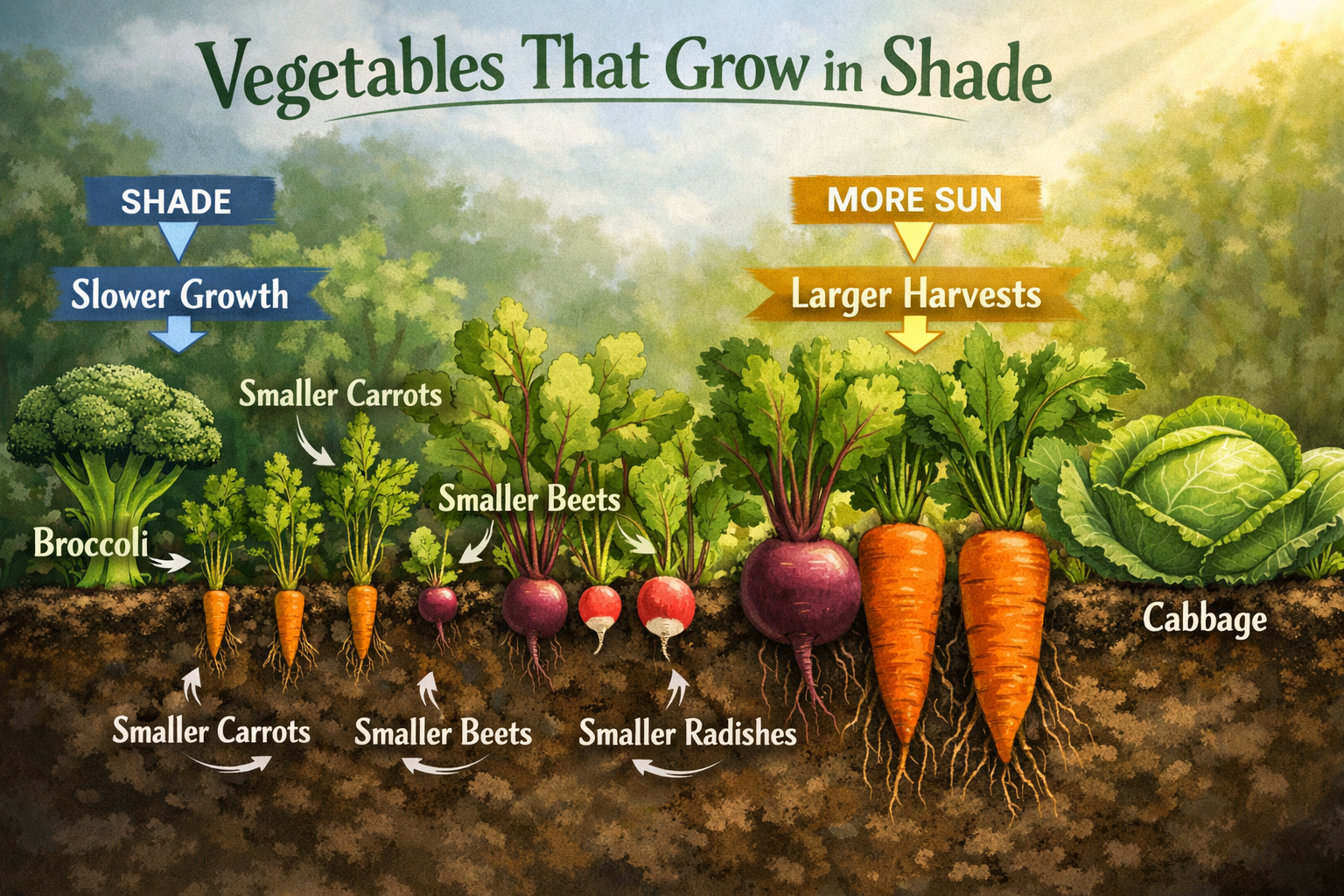
Yes, many root vegetables can grow successfully in partial shade, although their root development might be slightly slower and the overall size of the harvest may be smaller compared to full-sun conditions [1]. The key is to ensure consistent moisture and good soil quality.
Here are some excellent root vegetables for shadier spots:
- Carrots: While often thought of as sun-lovers, carrots can produce acceptable yields in partial shade. The roots might be a bit smaller and take longer to mature, but they will still be sweet and edible [1, 2].
- Beets: Similar to carrots, beets perform well in partial shade. You can harvest both the nutritious greens and the roots. In areas with less than four hours of sun, focus on growing beets primarily for their greens, which will still be prolific [1].
- Radishes: These quick-growing root crops can be an excellent choice for shadier spots. They mature rapidly, often before the shade becomes too dense, and the cooler temperatures can prevent them from becoming too pungent or woody.
- Potatoes: While they prefer full sun, potatoes can yield a decent crop in partial shade. Ensure good air circulation to prevent disease, and know that the tubers might be smaller and the harvest less abundant.
- Turnips: Both the greens and the roots of turnips grow well in partial shade. Like other root crops, they might mature a little slower, but they will still be tasty.
Common Mistake: Expecting full-sun size and speed from shade-grown root vegetables. Adjust your expectations; smaller, slower growth is normal, but the flavor and nutrition remain. Ensure the soil is loose and well-drained to support root expansion even with less sunlight.
What Brassicas Are Suitable for Shady Gardens?
Brassicas, also known as the cabbage family, include many cool-season crops that tolerate and even appreciate partial shade, especially in warmer climates. The shade helps protect them from bolting and extends their growing season [3].
Here are some brassicas that are great vegetables that grow in shade:
- Kale: As mentioned with leafy greens, kale is very hardy and will produce well in partial shade. Its tolerance for cooler temperatures and frost makes it a versatile choice [3].
- Broccoli: While broccoli heads might be smaller in partial shade compared to full sun, you can still get a good harvest, especially of the side shoots that form after the main head is cut.
- Cabbage: Cabbage plants can form decent heads in partial shade, though they might take longer to mature and the heads may be smaller. Ensure adequate moisture and nutrients.
- Brussels Sprouts: These late-season brassicas also tolerate partial shade. Give them enough space and consistent moisture, and you’ll be rewarded with sprouts.
- Kohlrabi: Both the bulbous stem and the leaves of kohlrabi are edible, and the plant grows well in partial shade. This can be a great option for a unique addition to your shady garden [3].
Edge Case: In areas with very intense summer sun, planting brassicas in a location that receives afternoon shade is a strategic move. This protects them from scorching and helps maintain a more consistent, cooler soil temperature, which they prefer [7]. For more tips on gardening in compact spaces, check out our guide on Small Space Vegetable Gardening: 2026 Step-by-Step Guide.
Can Fruiting Vegetables Grow with Limited Sun?
While most fruiting vegetables (like tomatoes, peppers, and squash) typically demand 6-8 hours of full sun for optimal production, a few exceptions and specific varieties can still yield a harvest in partial shade, usually with 3-5 hours of direct sunlight [5]. The key is managing expectations for yield and size.
- Small-Fruited Tomatoes: Cherry and currant tomatoes are more forgiving than their large-slicing counterparts. Varieties like ‘Yellow Currant’ or ‘Sungold’ cherry tomatoes can produce in partial shade where full-sun varieties would fail, though yields will be reduced and ripening slower [4].
- Bush Beans: Many bush bean varieties can produce a reasonable crop in partial shade. They are generally less demanding of intense sun than pole beans.
- Peas: A cool-season crop, peas can benefit from some afternoon shade in warmer climates, which helps prevent them from bolting too early. Morning sun followed by afternoon shade is ideal.
- Cucumbers (Bush Varieties): While full sun is preferred, some bush varieties of cucumbers can produce a small crop in partial shade, especially if they receive at least 4-5 hours of direct sun.
| Vegetable Category | Full Sun (6-8 hrs) | Partial Shade (3-5 hrs) | Full Shade (<3 hrs) |
|---|---|---|---|
| Leafy Greens | Excellent yields | Thrives, extended season | Moderate yields |
| Root Vegetables | Largest yields | Smaller, slower growth | Harvest for greens only |
| Brassicas | Optimal growth | Good yields, slower | Poor head/sprout formation |
| Fruiting Veg | Essential for most | Limited yields (specific types) | Very poor/no yield |
Consideration: If you have limited sun for fruiting vegetables, focus on varieties known for their resilience and smaller fruit size. Maximizing whatever direct sun they receive, perhaps by placing them on the sunniest edge of a shaded area, can significantly improve results. Also, for gardeners with limited outdoor space, exploring Indoor Gardening for Small Homes & Apartments: 2026 Guide might offer solutions for sun-loving plants.
What Herbs and Other Edibles Tolerate Shade?
Many culinary herbs and a few other unique edibles thrive in partial shade, often enhancing their flavor or extending their delicate growing season. These can be valuable additions to your shadier garden spots.
- Parsley: This popular herb is incredibly shade-tolerant and has been documented to thrive with as little as three hours of direct sunlight per day [4]. Growing it in shade can also prevent it from bolting too quickly.
- Mint: Mint is notoriously robust and will grow vigorously in partial shade, often spreading readily. Its refreshing leaves are perfect for teas and culinary uses.
- Cilantro: Like many leafy greens, cilantro benefits from partial shade, especially in warmer climates. The shade helps delay bolting, allowing for a longer harvest of its flavorful leaves.
- Chives: These onion-flavored herbs are quite adaptable and perform well in partial shade, producing both their grass-like leaves and delicate purple flowers.
- Tarragon: French tarragon prefers partial shade, particularly in hotter regions, which helps it maintain its delicate anise flavor.
- Rhubarb: A perennial, rhubarb does well in partial shade, often producing larger, more tender stalks.
- Green Onions (Scallions): These can be grown from sets or seeds in partial shade, offering a continuous harvest of their mild, oniony tops.
Quick Example: I have a small container garden on a north-facing balcony that receives only morning sun for about 3 hours. I’ve found great success growing parsley, mint, and spinach there. The parsley consistently produces lush leaves, and the spinach rarely bolts, even through early summer. This demonstrates how even minimal direct sunlight can support specific edibles. For more ideas on maximizing small spaces, see our guide on Best Vegetables for Small Space Gardening in 2026.
Tips for Maximizing Yields in Shady Areas
Growing vegetables that grow in shade requires a few adjustments to traditional full-sun gardening techniques. By implementing these strategies, you can improve the health and productivity of your plants.
- Improve Soil Quality: Shade gardens often have soil that is more compacted or less fertile due to competition from trees. Amend your soil generously with organic matter like compost to improve drainage, fertility, and moisture retention. Healthy soil is the foundation for healthy plants, especially when light is limited [7].
- Ensure Consistent Moisture: Shady areas can sometimes dry out quickly due to competing tree roots or stay too wet if drainage is poor. Monitor soil moisture carefully and water consistently. Shade-grown plants may need less water than sun-exposed ones, but prolonged dry spells can be detrimental to their growth.
- Fertilize Thoughtfully: While shade-grown vegetables might not need as much fertilizer as their full-sun counterparts, regular feeding with a balanced organic fertilizer can support their slower growth. Focus on nutrient-rich compost teas or slow-release organic amendments.
- Choose the Right Varieties: Opt for varieties specifically noted for their shade tolerance or those that have shorter days to maturity. For example, ‘Black Seeded Simpson’ lettuce or ‘Tyee’ spinach are known to do well in less light.
- Maximize Available Light:
- Prune Trees/Shrubs: Strategically trim lower branches of trees or overgrown shrubs that are casting unwanted shade.
- Reflective Surfaces: Use white-painted walls, fences, or even reflective mulch nearby to bounce more light onto your plants.
- Container Gardening: Planting in containers allows you to move plants throughout the day to catch the most sun, or shift them as the sun’s angle changes seasonally. This is particularly useful for small-fruited tomatoes or peppers trying to ripen. Explore Container Gardening – Mini Space Garden for more information.
- Vertical Gardening: Utilizing vertical structures can lift plants above ground-level shade or capture more overhead light. This is a great solution for leafy greens and herbs. Learn more in our Vertical Gardening Guide for Small Spaces: Grow More in 2026.
- Extend the Season: In hot climates, shade can be your friend. Planting heat-sensitive crops like lettuce or spinach in shaded areas can extend their harvest into the warmer months, preventing premature bolting that would occur in full sun [1].
By applying these tips, you can transform a challenging shady spot into a productive and rewarding part of your garden.
Conclusion
Don’t let a lack of full sun deter your gardening ambitions. With the right plant choices and thoughtful cultivation techniques, your shaded areas can become incredibly productive in 2026. From lush leafy greens that thrive in cool, filtered light to resilient root vegetables that still deliver a tasty harvest, there are plenty of vegetables that grow in shade waiting to fill your garden and your plate. Embrace the challenge, observe your unique light conditions, and enjoy the satisfaction of harvesting fresh produce from every corner of your garden.
Actionable Next Steps:
- Assess Your Shade: Spend a day observing your garden to accurately map where and when different areas receive direct sunlight and how long the shade lasts.
- Choose Your Crops: Based on your shade assessment, select 3-5 shade-tolerant vegetables you’d like to try first from the lists above.
- Prepare Your Soil: Before planting, enrich your chosen shady spots with plenty of organic compost to provide the best possible growing medium.
- Consider Containers: If flexibility is key, opt for containers that can be moved to catch optimal light throughout the day or season.
- Start Small: Begin with a few proven shade-lovers like lettuce or spinach to build confidence and learn what works best in your specific microclimate.
FAQ
Q: How much sun do “shade-tolerant” vegetables need?
A: Shade-tolerant vegetables typically need 2-4 hours of direct sunlight per day, or consistent dappled light throughout the day, to produce a decent harvest [1].
Q: Will vegetables grown in shade be as large as those grown in full sun?
A: No, vegetables grown in shade are generally smaller and may take longer to mature compared to those grown in full sun, but they will still be edible and nutritious [1].
Q: Can I grow tomatoes in partial shade?
A: Small-fruited varieties like cherry or currant tomatoes can produce in partial shade (3-5 hours of direct sun), though yields will be reduced [4]. Large slicing tomatoes generally require full sun.
Q: What’s the best way to improve soil for shade gardening?
A: Amending the soil with ample organic matter, such as compost, is crucial for improving drainage, fertility, and moisture retention in shady areas [7].
Q: Do shade-grown vegetables need less water?
A: Not necessarily. While they might lose less water to evaporation, competing tree roots can dry out the soil quickly. Consistent monitoring and watering are essential to maintain even moisture.
Q: Which leafy green is most forgiving in shade?
A: Spinach and lettuce are excellent, highly forgiving choices for partial shade, as the cooler temperatures help prevent bolting and extend their harvest [1].
Q: Can I use reflective materials to help plants in shade?
A: Yes, placing reflective surfaces like white-painted walls or fences near your plants can bounce more light onto them, helping to compensate for reduced direct sunlight.
Q: Why do leafy greens do so well in shade?
A: Leafy greens thrive in shade because cooler temperatures prevent them from “bolting” or going to seed prematurely, extending their harvest period and improving leaf quality [1].
Q: Are there any vegetables that grow in complete full shade?
A: Few edible vegetables thrive in complete full shade (less than 1-2 hours of direct sun). Even the most tolerant varieties will produce very little; focus on growing leafy greens for their leaves only in such conditions [1].
Q: What’s the difference between partial sun and partial shade?
A: These terms are often used interchangeably, but “partial sun” typically implies 4-6 hours of direct sun, while “partial shade” suggests 2-4 hours of direct sun or filtered light throughout the day.
References
[1] 7 Vegetables That Grow In Shade – https://smartpots.com/blogs/blog/7-vegetables-that-grow-in-shade
[2] G6911 – https://extension.missouri.edu/publications/g6911
[3] Vegetables That Grow In Shade – https://thehomesteadingrd.com/vegetables-that-grow-in-shade/
[4] Fruit Herbs Vegetables That Grow In Shade – https://www.tyrantfarms.com/fruit-herbs-vegetables-that-grow-in-shade/
[5] Shade Tolerant Vegetables – https://rogersspringhill.com/shade-tolerant-vegetables/
[7] How To Design A Climate Resilient Vegetable Garden In 2026 – https://vegplotter.com/blog/how-to-design-a-climate-resilient-vegetable-garden-in-2026