Vegetable Gardening for Beginners USA: Your 2026 Guide
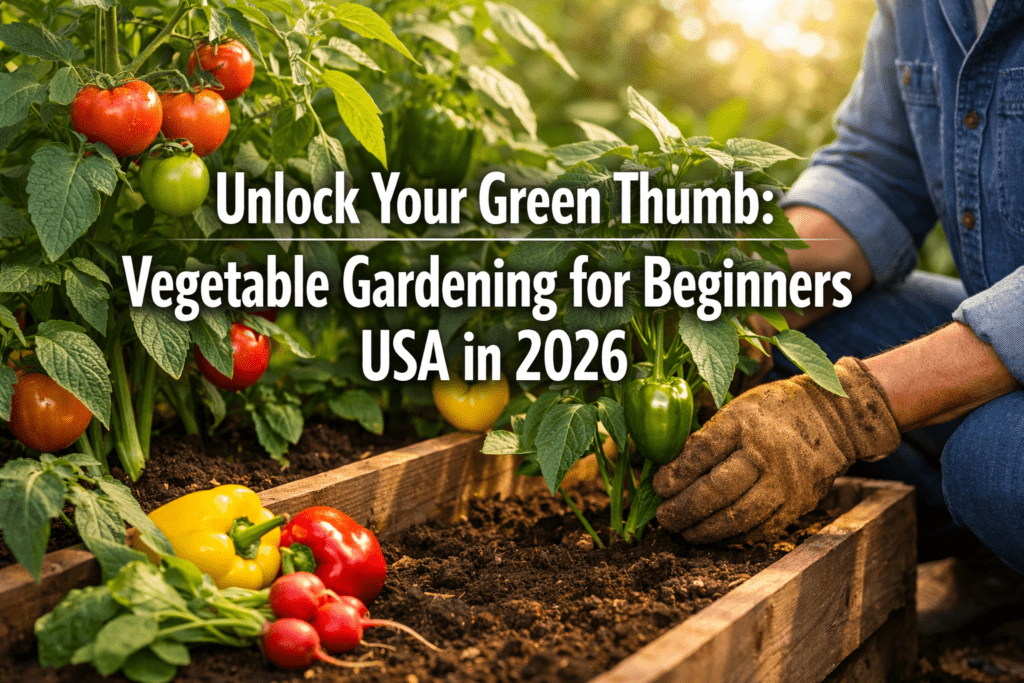
Quick Answer: Starting a vegetable garden in the USA in 2026 is an accessible and rewarding endeavor for beginners, requiring careful consideration of climate, soil, and plant selection. Success hinges on understanding your local growing conditions, choosing appropriate easy-to-grow vegetables, and consistently providing basic care like watering and sunlight.
Key Takeaways
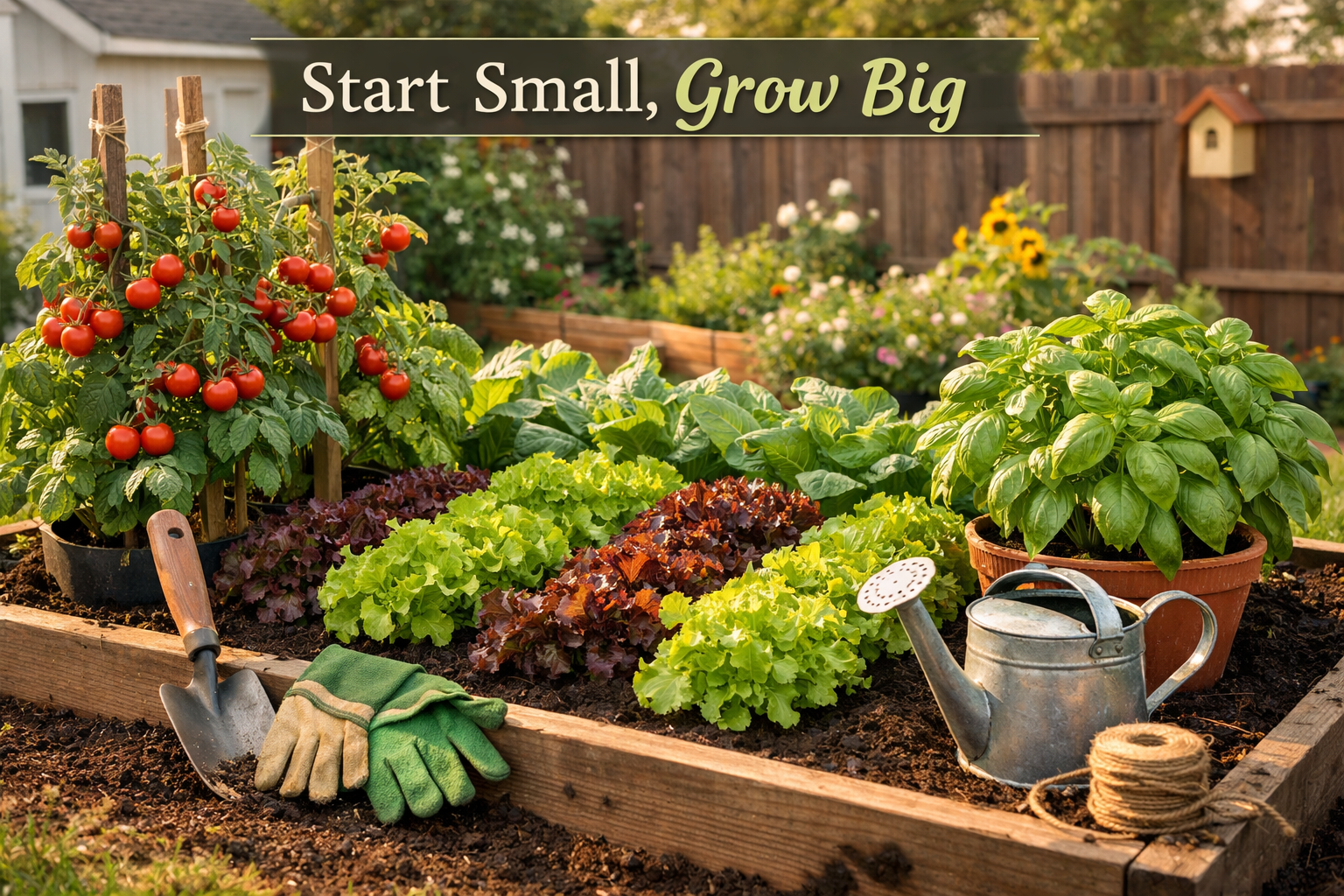
- Start Small: Begin with a manageable plot or a few containers to avoid overwhelm.
- Location is Key: Choose a spot receiving at least 6-8 hours of direct sunlight daily.
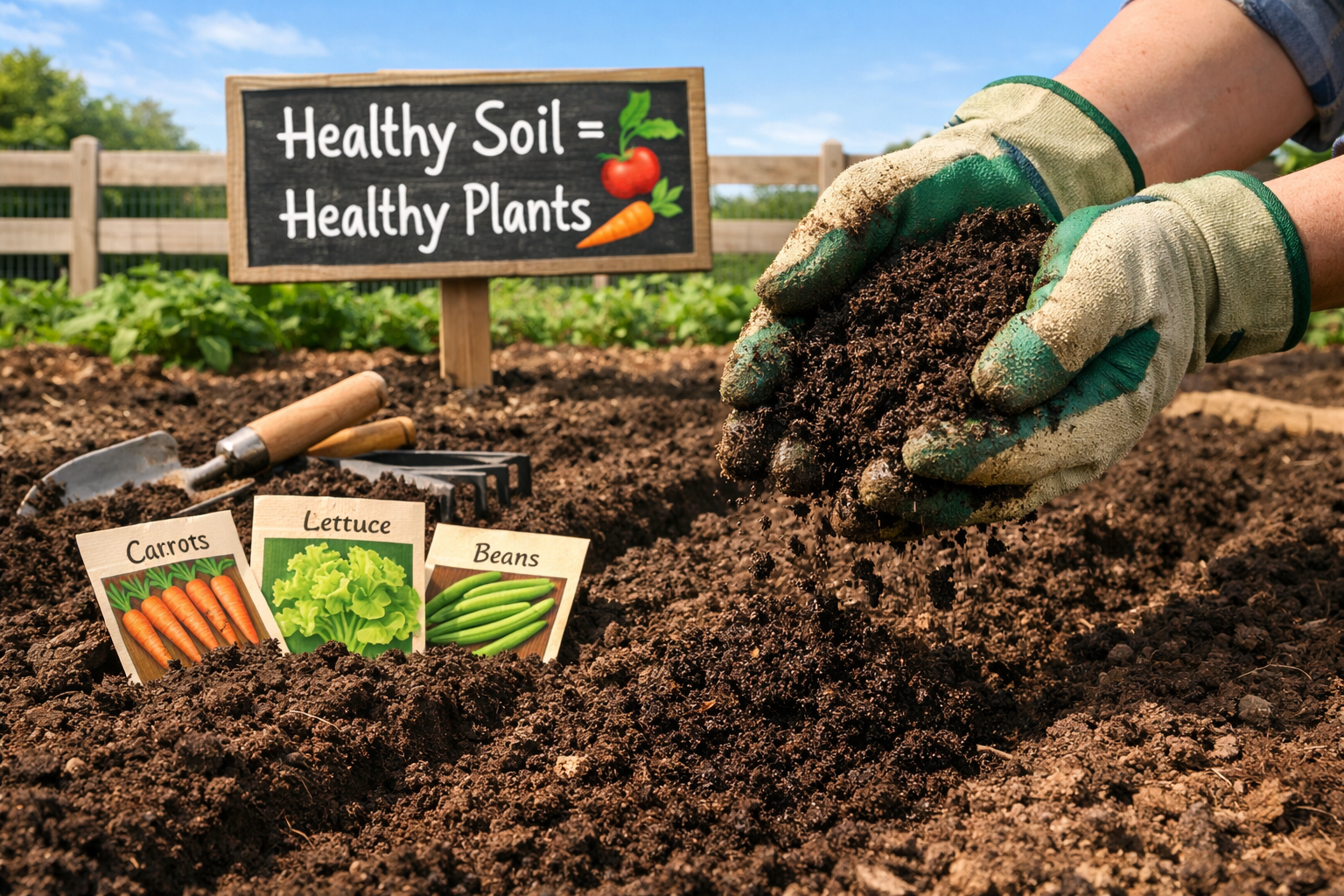
- Soil is Foundation: Invest in high-quality, well-draining soil, rich in organic matter.
- Know Your Zone: Understand your USDA Plant Hardiness Zone for optimal planting times.
- Choose Easy Plants: Select beginner-friendly vegetables like lettuce, radishes, beans, and cherry tomatoes.
- Consistent Watering: Provide regular, deep watering, especially during dry spells.
- Pest & Disease Management: Learn basic organic pest control methods and identify common plant issues early.
- Harvest Regularly: Harvesting encourages more production and improves yield.
- Embrace Learning: Gardening is a continuous learning process; enjoy the journey and don’t fear mistakes.
Why Should You Start Vegetable Gardening for Beginners USA in 2026?
Starting a vegetable garden in 2026 offers numerous benefits, from providing fresh, healthy produce to enhancing mental well-being and promoting sustainability. For beginners across the USA, it’s a practical way to connect with nature and enjoy the fruits (and vegetables!) of your labor.
Engaging in vegetable gardening for beginners USA provides a direct source of fresh, nutritious food, often at a lower cost than buying organic produce from stores. Beyond the financial and health benefits, gardening acts as a stress reliever, offering a peaceful escape and a sense of accomplishment. It also fosters a deeper understanding of food systems and encourages sustainable practices like composting and reducing food miles. Think of it as investing in your health and happiness, one homegrown tomato at a time. Many communities also offer local gardening clubs or resources, making it easy to find support and advice.
Benefits of Home Vegetable Gardening:
- Freshness and Flavor: Enjoy vegetables at their peak ripeness and taste.
- Cost Savings: Reduce grocery bills, especially for organic produce.
- Healthier Eating: Control what goes into your food, avoiding pesticides and additives.
- Physical Activity: Gardening involves light exercise, boosting overall fitness.
- Mental Well-being: Reduces stress, improves mood, and provides a sense of purpose.
- Educational Opportunity: A great way to teach children about nature and food.
- Environmental Impact: Reduces carbon footprint, promotes biodiversity, and supports local ecosystems.
Essential First Steps for Vegetable Gardening for Beginners USA
The initial steps for successful vegetable gardening for beginners in the USA involve selecting the right site, understanding your local climate, and preparing your garden space. Laying a solid foundation ensures your plants have the best chance to thrive.
Before you even think about seeds, consider where your garden will live. Most vegetables need at least 6-8 hours of direct sunlight daily to grow well. Observe your yard throughout the day to identify the sunniest spots. Next, understand your local USDA Plant Hardiness Zone, which dictates which plants thrive in your region and when to plant them. This information is crucial for selecting appropriate crops and timing your planting correctly. Finally, prepare your chosen site by clearing weeds and enriching the soil, as healthy soil is the backbone of a productive garden.
Site Selection and Climate Considerations:
- Sunlight: Aim for a location that receives 6-8 hours of direct sunlight each day. This is non-negotiable for most vegetables.
- Water Access: Ensure your garden is close to a water source to make regular watering convenient.
- Drainage: Avoid areas where water pools after rain, as this can lead to root rot. If drainage is an issue, consider raised beds.
- Protection: Shield your garden from strong winds or curious pets/wildlife with fencing or natural barriers if needed.
- USDA Plant Hardiness Zones: Use the USDA map to determine your zone (e.g., Zone 7a, 8b). This helps select plants that can tolerate your region’s winter temperatures.
- Frost Dates: Research your area’s average last spring frost date and first fall frost date. These dates guide when you can safely plant tender vegetables outdoors.
Preparing Your Soil for Optimal Vegetable Growth
For successful vegetable gardening for beginners in the USA, preparing your soil is paramount, as healthy soil provides the necessary nutrients and structure for robust plant growth. Good soil forms the very foundation of your garden’s productivity.
Think of your soil as the pantry for your plants; it needs to be well-stocked and accessible. Most garden soils can benefit from amendments to improve fertility and structure. Start by testing your soil’s pH and nutrient levels, which can be done with a home kit or a professional lab. Regardless of the test results, incorporating organic matter like compost is almost always beneficial. Compost improves drainage in heavy clay soils, helps sandy soils retain water and nutrients, and provides a slow-release source of essential plant food.
Key Steps for Soil Preparation:
- Clear the Area: Remove all weeds, rocks, and debris from your chosen garden site.
- Soil Test (Optional but Recommended): A soil test will tell you your soil’s pH and nutrient deficiencies, guiding what amendments to add. Contact your local cooperative extension office for affordable testing.
- Amend with Organic Matter:
- Compost: Mix 2-4 inches of well-rotted compost into the top 6-12 inches of soil. This is the single most important step for improving soil health.
- Aged Manure: If available, aged animal manure (not fresh) can also enrich the soil significantly.
- Cover Crops: For larger areas, consider planting cover crops (e.g., clover, vetch) in the off-season to add organic matter and nutrients.
- Adjust pH (If Needed):
- If your soil is too acidic (low pH), add agricultural lime.
- If too alkaline (high pH), add elemental sulfur or peat moss. Always follow soil test recommendations.
- Till or Double-Dig: Gently loosen the soil to a depth of 12 inches using a garden fork or tiller. Avoid over-tilling, which can destroy soil structure.
Common Mistake: Neglecting soil preparation. Planting in compacted, nutrient-poor soil is a recipe for stunted plants and low yields. A little effort upfront pays dividends throughout the growing season.
Choosing the Right Vegetables for Beginners in the USA
Selecting appropriate vegetables is a critical component of successful vegetable gardening for beginners in the USA, ensuring early successes that build confidence. Opting for resilient and relatively low-maintenance plants can significantly boost a new gardener’s morale.
When you’re just starting out, it’s wise to pick vegetables known for their forgiving nature and high yields. These plants typically have fewer pest and disease issues and don’t require specialized care. Consider what you and your family enjoy eating, but also factor in your local climate and available space. For instance, while corn is fun, it takes up a lot of room. Bush beans, on the other hand, are compact and incredibly prolific. Starting with seeds or young plants will depend on the specific vegetable and your comfort level.
Top Beginner-Friendly Vegetables:
- Leafy Greens: Lettuce, spinach, Swiss chard, kale. These grow quickly and tolerate some shade.
- Radishes: Ready to harvest in as little as 3-4 weeks. Ideal for impatient gardeners!
- Bush Beans: Easy to grow, high yield, and don’t require trellising like pole beans.
- Cherry Tomatoes: More forgiving than larger varieties, prolific producers, and great for snacking.
- Zucchini/Summer Squash: Extremely productive, but be mindful of their sprawling habit.
- Cucumbers: Can be grown on a trellis to save space, producing crunchy fruits.
- Peppers (Bell/Jalapeño): Relatively easy once established and provide consistent harvests.
- Carrots: Require loose, well-draining soil but are fun to pull from the ground.
- Herbs: Basil, mint, parsley, and cilantro are excellent for containers or garden beds and add flavor to your meals.
Decision Rule: Choose 2-3 vegetables you genuinely love to eat, and 1-2 “easy win” vegetables like radishes or lettuce, to ensure you get a quick harvest and stay motivated.
Planting and Nurturing Your Vegetable Garden
Once your soil is ready and you’ve selected your plants, the next crucial step in vegetable gardening for beginners in the USA is the actual planting and ongoing care. Proper planting techniques and consistent maintenance are key to a thriving garden.
Whether you’re starting from seeds or transplanting seedlings, pay attention to the specific needs of each plant. Seeds generally require consistent moisture and warmth to germinate, while seedlings need careful handling to avoid root shock. Once planted, consistent watering is perhaps the most important daily task, especially for young plants and during dry spells. Mulching can help retain soil moisture and suppress weeds. Regular feeding with balanced fertilizer or compost tea will provide essential nutrients, and keeping an eye out for pests and diseases will help you address issues before they become major problems.
Planting Techniques and Ongoing Care:
- Timing is Everything: Plant after your average last frost date in spring, and follow seed packet instructions for optimal planting times based on your zone.
- Seed vs. Transplant:
- Seeds: Cheaper, more variety. Plant according to packet depth and spacing. Keep moist.
- Transplants: Faster start, higher success rate for beginners. Dig a hole twice as wide as the root ball, gently place the plant, and backfill with soil.
- Spacing: Provide adequate space between plants as recommended on seed packets or plant tags. Overcrowding leads to reduced yields and increased disease risk.
- Watering:
- Water deeply and regularly, especially during dry periods. Aim for 1 inch of water per week, including rainfall.
- Water at the base of the plant to avoid wetting foliage, which can encourage fungal diseases.
- Consider a soaker hose or drip irrigation for efficient watering.
- Mulching: Apply a 2-3 inch layer of organic mulch (straw, shredded leaves, wood chips) around plants.
- Benefits: Retains soil moisture, suppresses weeds, regulates soil temperature, and adds organic matter as it breaks down.
- Fertilizing:
- If your soil was well-amended with compost, additional fertilizer might not be needed initially.
- For heavy feeders (e.g., tomatoes, corn), a balanced organic fertilizer or liquid feed can be applied every 2-4 weeks.
- Weed Control: Hand-pull weeds regularly, especially when they are small, to prevent them from competing with your vegetables for nutrients and water.
- Pest and Disease Management:
- Inspect plants daily for signs of pests or disease.
- Use organic methods first: hand-picking pests, insecticidal soap, neem oil, companion planting.
- Ensure good air circulation and water management to prevent fungal issues.
- Support: Provide stakes, cages, or trellises for climbing plants like tomatoes, cucumbers, and pole beans.
Troubleshooting Common Garden Issues for Beginners
Even with the best planning, new gardeners practicing vegetable gardening for beginners in the USA will encounter challenges like pests, diseases, and nutrient deficiencies. Knowing how to identify and address these common issues is vital for maintaining a healthy garden.
Don’t be discouraged by problems; they are a natural part of gardening. The key is early detection and appropriate action. Pests often leave visible signs like chewed leaves or sticky residue. Diseases might manifest as spots, wilting, or discolored foliage. Nutrient deficiencies can cause specific leaf discolorations or stunted growth. Learning to “read” your plants will help you diagnose problems quickly and implement solutions, often saving your harvest.
Identifying and Solving Problems:
| Issue Type | Common Symptoms | Possible Causes | Solutions for Beginners |
|---|---|---|---|
| Pests | Holes in leaves, sticky residue, visible insects (aphids, slugs, hornworms) | Aphids, slugs, squash bugs, hornworms, cabbage worms, cutworms, flea beetles | Hand-picking: For larger pests like hornworms. Insecticidal Soap: For soft-bodied pests like aphids and spider mites. Neem Oil: Broad-spectrum organic pesticide. Row Covers: Physical barrier against flying insects. Introduce beneficial insects: Ladybugs for aphids. Barriers: Copper tape for slugs. |
| Diseases | Leaf spots, powdery mildew, wilting, stunted growth, root rot | Fungi, bacteria, viruses, poor air circulation, overwatering | Proper spacing: Improves air circulation. Watering technique: Water at the base, not on leaves. Fungicides (organic): Copper or sulfur-based sprays for fungal issues. Remove affected parts: Prune diseased leaves immediately. Crop rotation: Prevents disease buildup in soil. |
| Nutrient Deficiencies | Yellowing leaves (especially older ones), purple stems, stunted growth, poor fruit set | Lack of nitrogen, phosphorus, potassium, or micronutrients | Compost: Regular additions improve overall nutrient profile. Balanced Organic Fertilizer: Apply as directed (e.g., 5-5-5 or 10-10-10). Liquid Feed: Fish emulsion or seaweed extract for quick boosts. Soil Test: Confirms specific deficiencies. |
| Environmental Stress | Drooping leaves (even after watering), stunted growth, blossom drop | Heat stress, cold snap, over/under-watering, too much/too little sun | Consistent watering: Check soil moisture before watering. Mulching: Regulates soil temperature and moisture. Shade cloth: Protects from intense midday sun. Season extension: Row covers or cloches for unexpected cold snaps. Proper site selection: Ensures adequate sunlight. |
Edge Case: If a plant repeatedly fails in a specific spot, consider rotating crops to a different area or investigating a persistent soil issue. For severe or unidentified problems, contact your local cooperative extension for expert advice.
Harvesting and Enjoying Your Homegrown Vegetables
The culmination of your efforts in vegetable gardening for beginners in the USA is the harvest, but knowing when and how to pick your produce is crucial for maximizing flavor and encouraging continued yield. Harvesting correctly is both an art and a science.
Most vegetables taste best when picked at their peak ripeness, which isn’t always when they are biggest. Overripe vegetables can become tough, stringy, or lose flavor. Regular harvesting also signals to the plant to produce more, extending your harvest season. For example, picking snap beans every few days will result in a longer, more abundant yield compared to letting them mature fully on the vine. Familiarize yourself with the optimal harvest signs for each of your chosen crops.
Tips for Harvesting and Storage:
- Know When to Harvest:
- Leafy Greens: Pick outer leaves as needed, or harvest whole heads when mature.
- Beans/Peas: Pick when pods are firm and full, but before seeds are overly swollen.
- Cucumbers/Zucchini: Harvest when young and tender. Larger fruits often become seedy and watery.
- Tomatoes: Pick when fully colored and slightly soft to the touch.
- Peppers: Can be harvested green or allowed to ripen to their full color (red, yellow) for sweeter flavor.
- Harvesting Technique: Use sharp pruning shears or a knife to cut vegetables cleanly from the plant, minimizing damage. For leafy greens, simply snap off outer leaves.
- Frequency: Many vegetables, like beans, squash, and leafy greens, benefit from daily or every-other-day harvesting to encourage continuous production.
- Best Time to Harvest: Morning, after the dew has dried, is often ideal as vegetables are crisp and full of moisture.
- Storage:
- Refrigeration: Most vegetables (greens, beans, peppers, cucumbers) do well in the crisper drawer for several days.
- Countertop: Tomatoes and potatoes prefer room temperature.
- Freezing/Canning: For abundant harvests, consider preserving your produce for later enjoyment.
Conclusion
Embarking on vegetable gardening for beginners in the USA in 2026 is an enriching journey that rewards patience and consistent effort with delicious, healthy produce and a deeper connection to nature. By focusing on smart site selection, diligent soil preparation, choosing easy-to-grow varieties, and understanding basic plant care, you can transform a patch of ground into a bountiful source of fresh food. Remember that gardening is a continuous learning process; every season offers new insights and opportunities to refine your skills. Don’t be afraid to experiment, learn from your experiences, and savor the unique flavor of home-grown vegetables.
Actionable Next Steps:
- Assess Your Space: Identify potential sunny spots in your yard or balcony.
- Determine Your Zone: Look up your USDA Plant Hardiness Zone and average frost dates.
- Plan Your First Crops: Select 3-5 beginner-friendly vegetables you’d like to grow.
- Gather Supplies: Purchase seeds or seedlings, good quality potting mix (for containers) or compost (for beds), and basic tools.
- Prepare Your Soil: Dedicate time to amending your soil with organic matter.
- Start Planting: Follow planting guidelines for your chosen vegetables.
- Commit to Care: Establish a routine for watering, weeding, and checking for pests.
- Join a Local Group: Connect with other gardeners for tips and community support.