How to Start Container Gardening at Home (Easy Method)
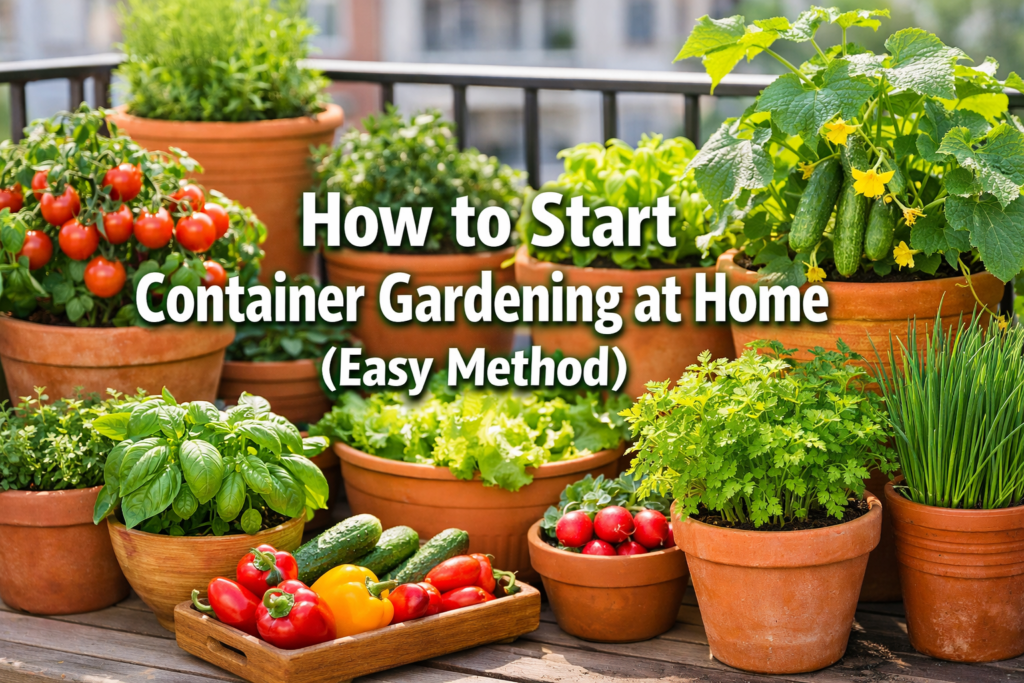
Quick Answer: Starting container gardening at home is straightforward and accessible, requiring just a few key components: suitable containers with drainage, quality potting mix, and plants chosen for your space and sunlight. This easy method allows anyone, regardless of experience or yard size, to grow fresh produce, herbs, or flowers right on their patio, balcony, or even indoors.
Key Takeaways:
- Container gardening offers flexibility, allowing you to grow plants almost anywhere with adequate light.
- Proper drainage is crucial for container success; always choose pots with holes.
- Use a high-quality potting mix, not garden soil, to ensure good aeration and water retention.
- Select plants that are well-suited for container life and match your available sunlight.
- Consistent watering and feeding are more critical in containers than in traditional garden beds.
- Even small spaces like balconies or windowsills can become productive gardens.
- Starting small and expanding as you gain experience is a smart approach for beginners.
- Protect your plants from harsh weather and monitor for pests to ensure a healthy harvest.
What is Container Gardening and Why Start in 2026?
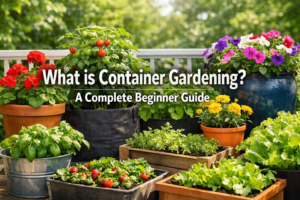
Container gardening involves growing plants exclusively in pots or other containers, rather than planting them directly in the ground. This method is incredibly popular in 2026 because it offers unmatched flexibility and accessibility, making gardening possible for urban dwellers, apartment residents, or anyone with limited yard space.
Container gardening provides numerous benefits, especially for those new to gardening or living in smaller homes.
- Space Efficiency: You can garden on balconies, patios, windowsills, or even indoors, maximizing every square inch. This makes it ideal for urban living.
- Flexibility: Containers can be moved to optimize sun exposure, protect plants from extreme weather, or rearrange your space.
- Pest and Weed Control: It’s generally easier to manage pests and weeds in isolated containers than in large garden beds.
- Soil Quality Control: You have complete control over the soil environment, ensuring your plants receive the optimal growing medium.
- Beginner-Friendly: The contained nature of this gardening style makes it less intimidating for newcomers, offering a manageable entry point into horticulture. For those looking for more general advice, check out our guide on Gardening Without Experience: Starter Tips for 2026 Beginne.
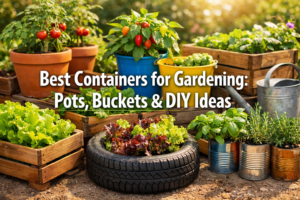
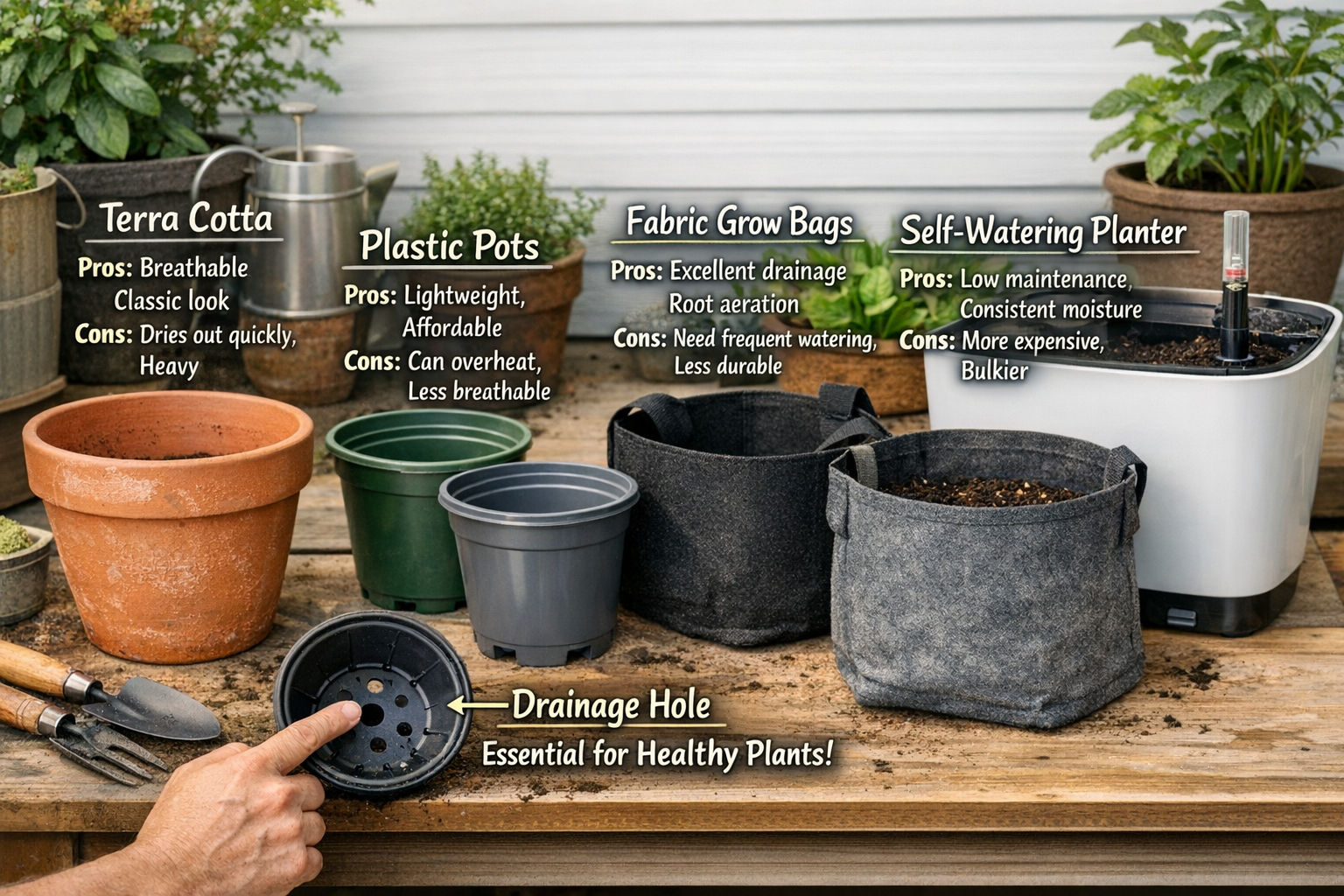
When considering containers, choose them based on your plant’s size and aesthetic preference. For instance, fabric grow bags are excellent for aeration and preventing root circling, while terracotta pots offer a classic look but dry out faster. If space is extremely limited, consider vertical gardening solutions to grow more in less area.
Choosing the Right Containers and Potting Mix for an Easy Method
Selecting appropriate containers and the correct potting mix are fundamental steps to successfully starting container gardening at home (easy method). The right choices provide the necessary support for healthy plant growth and simplify ongoing care.
Containers:
The best container is one that suits your plant’s root system, provides adequate drainage, and fits your aesthetic.
- Size Matters: The container must be large enough to accommodate the mature size of your plant’s roots. Small plants like herbs might do well in 6-inch pots, while tomatoes or peppers need at least 5-gallon containers (10-12 inches in diameter). Refer to our Pot Size Guide for Vegetables 2026: Optimal Growth & Harves for specific recommendations.
- Drainage Holes: This is non-negotiable. Containers must have drainage holes to prevent waterlogging, which can lead to root rot. If a pot lacks holes, you must drill them yourself.
- Material:
- Plastic/Resin: Lightweight, retains moisture well, and inexpensive. Can get hot in direct sun.
- Terracotta/Ceramic: Attractive, porous (allowing roots to breathe), but heavy and dries out quickly.
- Fabric Grow Bags: Excellent for aeration, prevent root circling, and are lightweight. Often need more frequent watering.
- Wood: Natural look, provides good insulation, but can rot over time.
Potting Mix:
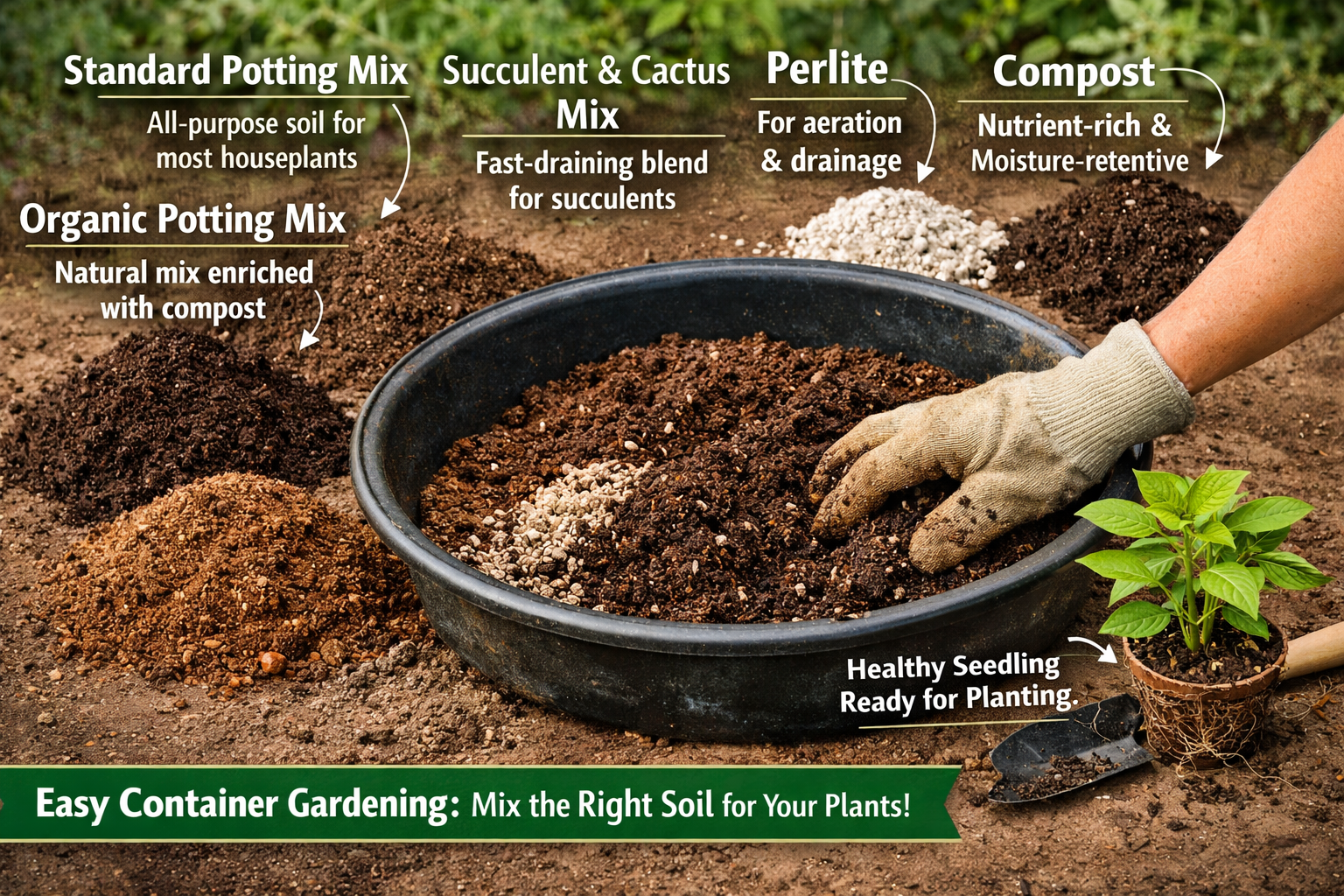
Do not use garden soil in containers; it compacts easily, preventing proper drainage and aeration. A high-quality potting mix is specifically formulated for container use.
- Key Characteristics:
- Lightweight: Allows roots to expand easily.
- Good Drainage: Prevents water from pooling around roots.
- Moisture Retention: Holds enough water for the plant between waterings.
- Aeration: Provides oxygen to the roots.
- Composition: Most good potting mixes contain a blend of peat moss or coco coir, perlite or vermiculite for drainage, and compost for nutrients.
- Enhancements: You can add slow-release fertilizers or additional compost to boost nutrient content, especially for heavy feeders. For more in-depth knowledge, explore our guide on Soil Basics for Container Gardening: 2026 Expert Guide.
Decision Rule: Choose plastic or fabric pots if you need lightweight options that retain moisture, or if you are on a budget. Opt for terracotta or ceramic for aesthetic appeal and if you’re comfortable with more frequent watering. Always prioritize drainage.
Selecting the Best Plants for How to Start Container Gardening at Home (Easy Method)
Choosing the right plants is crucial for a successful and easy container gardening experience. Focus on varieties known to thrive in confined spaces and match them to the environmental conditions you can provide, especially sunlight.
Factors to Consider:
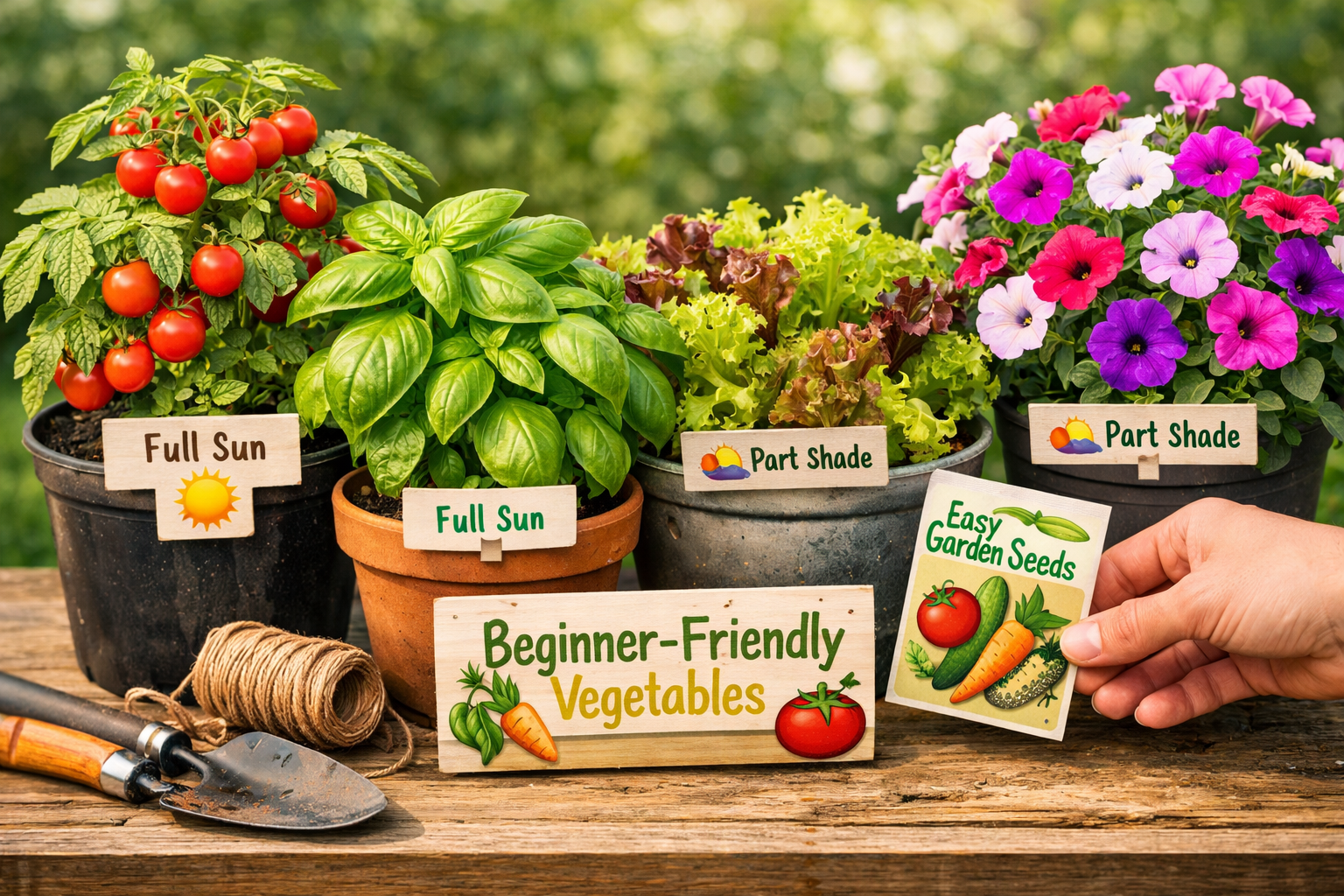
- Sunlight Availability: This is arguably the most critical factor.
- Full Sun (6+ hours): Ideal for most vegetables like tomatoes, peppers, beans, and many herbs.
- Partial Sun (4-6 hours): Good for lettuce, spinach, Swiss chard, radishes, and some herbs like mint or cilantro.
- Shade (less than 4 hours): Limited options, but some leafy greens can tolerate it. Consider our guide on Balcony Gardening Without Sunlight: Shade Plants & Tips 202 for more options.
- Plant Size and Growth Habit: Look for “dwarf,” “compact,” or “bush” varieties, which are specifically bred for smaller spaces. Vining plants can also work if you provide a trellis or support.
- Water Needs: Group plants with similar watering requirements together if you plan to plant multiple in a large container.
- Yield: Consider how much produce you want. For example, a single cherry tomato plant can be very productive in a container.
Recommended Easy-to-Grow Plants for Containers:
- Herbs: Basil 🌱, Mint, Chives, Parsley, Cilantro. Most herbs are compact and thrive in containers. Check out our guide on Beginner-Friendly Herbs to Grow: Easy Guide 2026.
- Leafy Greens: Lettuce 🥬, Spinach, Arugula, Swiss Chard. These are fast-growing and can often be harvested multiple times. Our Growing Spinach in Containers: 2026 Expert Guide offers specific advice.
- Vegetables:
- Cherry Tomatoes: Look for determinate or bush varieties.
- Bush Beans: Non-vining types are perfect for pots.
- Radishes: Quick to mature and don’t need deep soil.
- Peppers: Bell peppers, jalapeños, and other varieties do well in larger containers.
- Small Eggplant Varieties: Compact types are suitable.
- Flowers: Marigolds, Petunias, Impatiens. These add beauty and can sometimes attract pollinators.
Quick Tip: Start with seeds or small starter plants from a local nursery. Seeds are more economical, but starter plants give you a head start. Research the specific variety to ensure it’s a good fit for container life. You can find more ideas in our article on Easy Plants to Grow in Small Spaces (2026 Guide).
Step-by-Step Guide: How to Start Container Gardening at Home (Easy Method)
Starting your container garden is a rewarding process. Follow these simple steps to get your plants off to a great start in 2026.
1. Gather Your Supplies:
Before you begin, ensure you have everything:
- Chosen containers with drainage holes
- High-quality potting mix
- Seeds or starter plants
- Small trowel or scoop
- Watering can
- Optional: gloves, slow-release fertilizer
2. Prepare Your Containers:
If your containers are new, a quick rinse is often sufficient. For used containers, clean them thoroughly with a dilute bleach solution (1 part bleach to 9 parts water) to kill any lingering pathogens, then rinse well. Place a small piece of mesh screen or coffee filter over the drainage holes to prevent soil from washing out while still allowing water to escape.
3. Add Potting Mix:
Fill your containers with potting mix, leaving about 1-2 inches of space from the rim. This gap prevents water and soil from spilling over when you water. Lightly moisten the potting mix before planting; it helps prevent dust and ensures an even moisture level.
4. Plant Your Seeds or Seedlings:
- For Seeds: Follow the instructions on the seed packet regarding planting depth and spacing. Create small depressions, place the seeds, and cover lightly with potting mix.
- For Seedlings/Starter Plants: Gently remove the plant from its nursery pot. If the roots are tightly bound (root-bound), gently loosen them at the bottom. Dig a hole in your container large enough for the root ball. Place the plant, ensuring the top of the root ball is level with the surrounding potting mix. Firmly but gently press the soil around the base of the plant.
5. Water Thoroughly:
Immediately after planting, water your containers until water drains from the bottom. This helps settle the soil and provides initial moisture to the roots or seeds.
6. Position Your Containers:
Move your newly planted containers to their permanent location. Ensure they receive the appropriate amount of sunlight for the plants you’ve chosen. Remember, containers can be heavy once filled and watered, so try to place them where they’ll stay.
7. Ongoing Care (The “Easy Method” Maintenance):
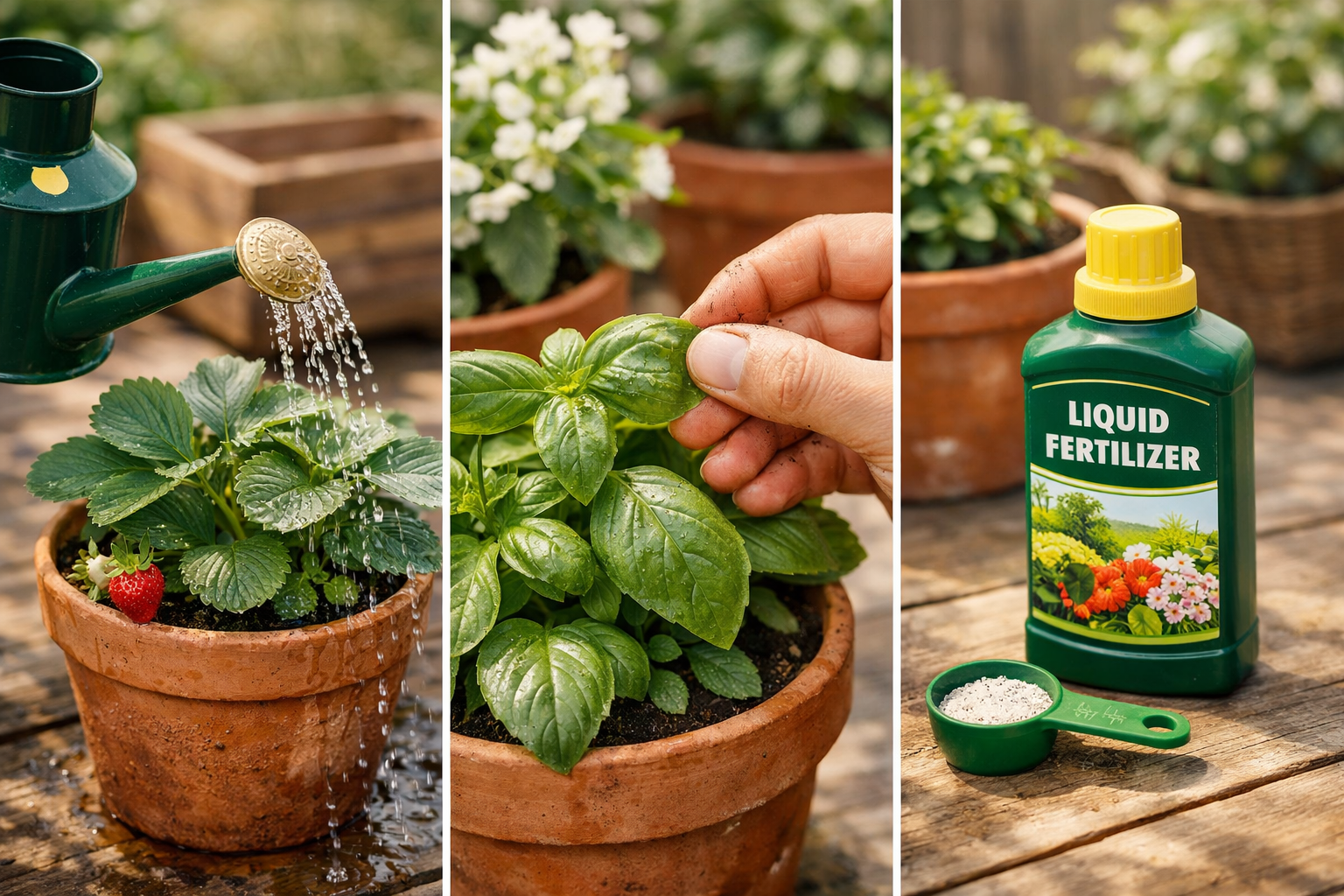
- Watering: Container plants dry out faster than garden beds. Check soil moisture daily by sticking your finger about an inch deep. If it feels dry, water until it drains from the bottom. Overwatering is as harmful as underwatering. Learn more about How Often to Water Container Vegetables in Summer 2026.
- Feeding: Potting mix typically contains initial nutrients, but these deplete quickly. Begin feeding with a liquid fertilizer every 2-4 weeks or use a slow-release granular fertilizer as per product instructions.
- Pest Control: Regularly inspect your plants for signs of pests or diseases. Address issues early with organic pest control methods if possible.
- Pruning/Harvesting: Pinch back herbs to encourage bushier growth. Harvest vegetables regularly to promote continuous production.
By following these steps, you’ll set yourself up for success in your container gardening journey.
Conclusion
Starting container gardening at home using this easy method is an incredibly accessible and rewarding way to bring greenery and fresh produce into your life, regardless of your living situation. By carefully selecting your containers and potting mix, choosing plants suited to your environment, and following a simple planting and care routine, you can enjoy a thriving garden right outside your door, or even indoors, in 2026. This approach minimizes complexity while maximizing the joy and benefits of gardening, making it perfect for beginners and seasoned growers alike.
Actionable Next Steps:
- Assess Your Space: Determine how much sunlight your chosen gardening spot receives throughout the day.
- Gather Supplies: Purchase containers with drainage holes, quality potting mix, and seeds or starter plants for your first garden.
- Start Small: Begin with 2-3 easy-to-grow plants to build confidence before expanding.
- Set a Routine: Establish a daily check-in for watering and a weekly plan for feeding and inspection.
- Enjoy: Savor the process of watching your plants grow and harvesting your fresh produce.
Related Reading
- Indoor Gardening for Small Homes & Apartments: 2026 Guide
- Beginner Vegetable Gardening Plan 2026: Your Easy Guide
- Best Vegetables for Small Space Gardening in 2026
FAQ
Q: Can I use regular garden soil in my containers?
A: No, regular garden soil is too heavy and will compact in containers, leading to poor drainage and aeration, which harms plant roots. Always use a high-quality potting mix.
Q: How often should I water my container plants?
A: Container plants typically need more frequent watering than in-ground plants. Check the soil daily by feeling the top inch; water when it feels dry until water drains from the bottom of the pot.
Q: What are the easiest vegetables to grow in containers for beginners?
A: Leafy greens like lettuce and spinach, herbs like basil and mint, radishes, and bush beans are excellent choices for beginners due to their compact size and relatively quick growth.
Q: Do container plants need fertilizer?
A: Yes, container plants require regular feeding because nutrients leach out of the potting mix with watering. Start with a slow-release fertilizer or apply liquid fertilizer every 2-4 weeks.
Q: How much sunlight do my container plants need?
A: Most vegetables and many herbs require at least 6 hours of direct sunlight per day (full sun). Some leafy greens can tolerate partial sun (4-6 hours), but check specific plant requirements.
Q: Can I grow large vegetables like tomatoes in containers?
A: Yes, but choose determinate or bush varieties and use large containers (at least 5-gallon capacity) to accommodate their root systems and support their growth.
Q: What kind of drainage is best for containers?
A: Containers must have drainage holes at the bottom to allow excess water to escape. Placing a mesh screen over the holes can prevent soil loss while maintaining drainage.
Q: How do I protect my container plants from pests?
A: Regularly inspect your plants for signs of pests. If detected, use organic pest control methods like neem oil or insecticidal soap, or remove pests manually.