Space Saving Garden Ideas
Quick Answer: Implementing space-saving garden ideas transforms small areas like balconies, patios, or even windowsills into thriving green oases by utilizing vertical space, innovative container solutions, and strategic plant selection. These methods allow gardeners to cultivate a wide variety of plants, including vegetables, herbs, and flowers, regardless of limited square footage.
Key Takeaways:
- Vertical gardening is key for maximizing small outdoor or indoor areas.
- Container gardening offers flexibility and portability for diverse plant choices.
- Smart plant selection, focusing on compact and high-yield varieties, is crucial.
- Multi-functional garden furniture can double as growing spaces or storage.
- Hydroponics and aquaponics provide advanced, soil-less options for ultra-small spaces.
- Optimizing sunlight and water distribution is essential for plant health in confined areas.
- Creative use of overlooked spots like railings, walls, and ceilings expands gardening potential.
- Regular maintenance and succession planting enhance yield and appearance.
How Can Vertical Gardening Maximize Small Spaces?
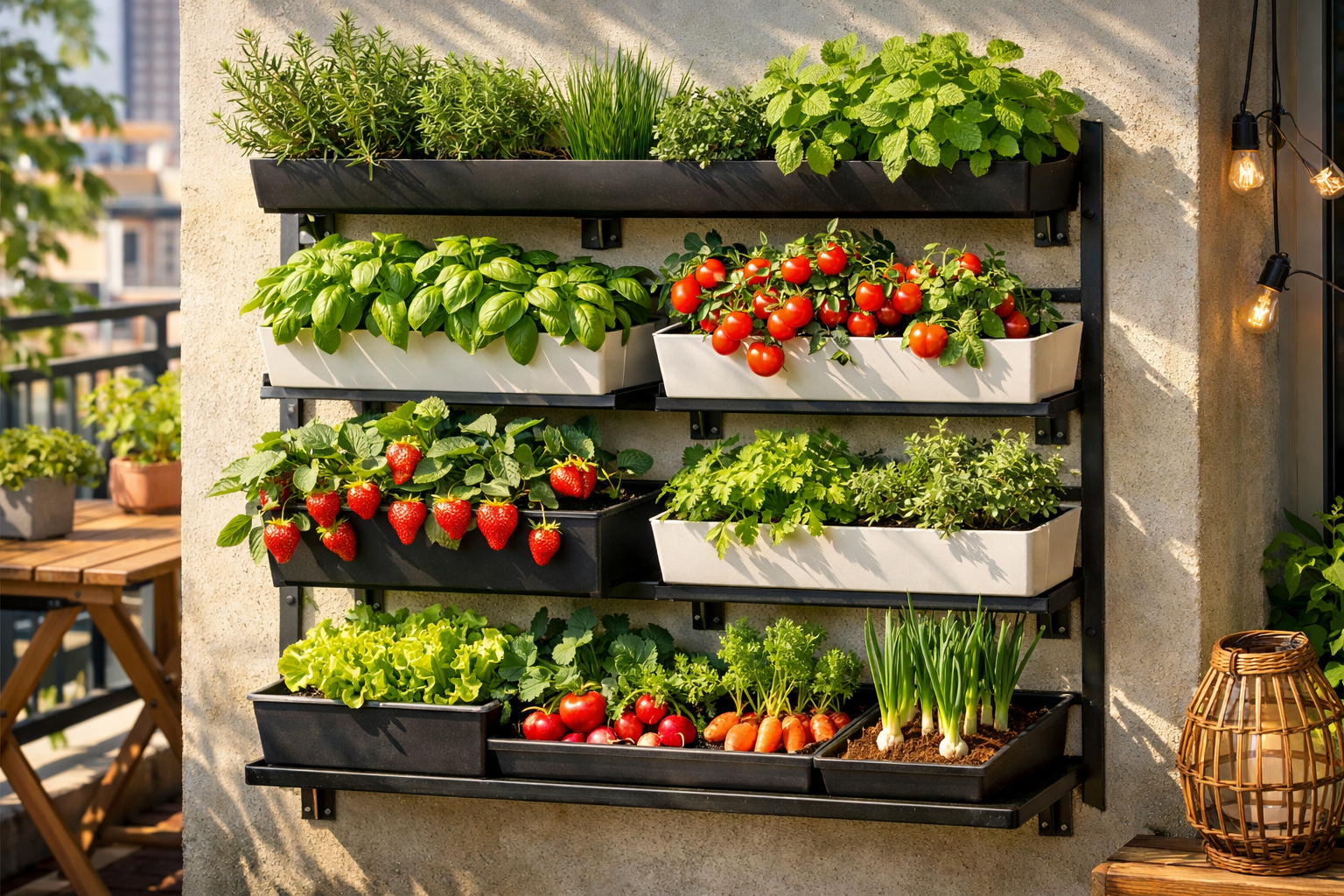
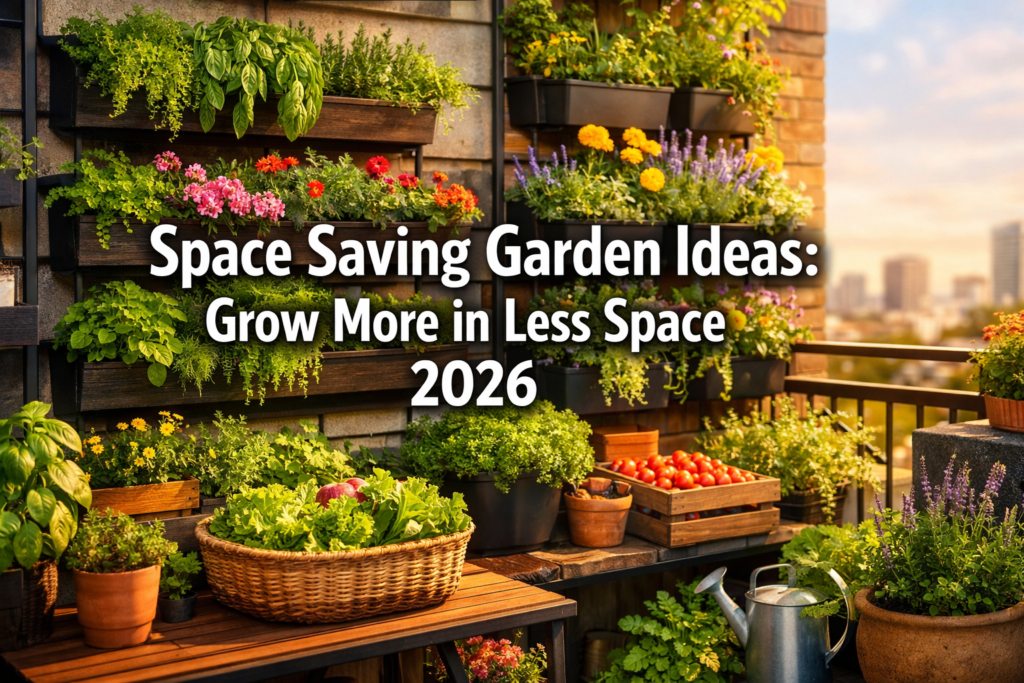
Vertical gardening is an excellent solution for maximizing small spaces by utilizing walls, fences, or dedicated structures to grow plants upwards rather than outwards. This method allows you to significantly increase your planting area without occupying additional ground space, making it perfect for balconies, patios, or even indoor walls.
Vertical garden systems come in various forms, from simple hanging planters to elaborate living walls. For instance, a tiered planter system can hold multiple plants in a compact footprint, ideal for herbs or strawberries. Fabric pocket planters are lightweight and easy to install on a fence or wall, transforming an otherwise blank surface into a lush garden. Consider a DIY approach using repurposed pallets, or invest in modular systems that can expand as your gardening ambitions grow. When choosing a vertical system, assess the weight capacity of your wall or railing and ensure proper drainage for each plant pocket or tier. This approach not only saves space but also adds aesthetic appeal, turning plain walls into vibrant green features. Vertical Gardening Basics: Your 2026 Guide to Small Space Gardens offers a deeper dive into getting started.
Choosing the Right Vertical System:
- Wall-mounted pockets: Best for lightweight herbs, leafy greens, and annual flowers. Ensure adequate sunlight exposure across all levels.
- Tiered planters: Good for a variety of plants, including some small vegetables, as they often have deeper soil capacity. Look for designs that allow each tier to drain without waterlogging the ones below.
- Trellises and arbors: Ideal for climbing plants like cucumbers, beans, or certain vining flowers. These allow plants to grow upwards naturally, providing support as they mature.
- Hydroponic towers: A more advanced option for super space-efficient growing, particularly indoors, offering rapid growth without soil.
Pro Tip: If you have a small balcony, explore “Vertical Balcony Garden Ideas: Maximize Your Green Space in Balcony” (https://minispacegarden.com/vertical-balcony-garden-ideas/) for tailored solutions.
What Are the Best Container Gardening Solutions for Limited Areas?
Container gardening provides unparalleled flexibility and allows you to cultivate a diverse range of plants in areas where traditional in-ground beds are not feasible, such as balconies, rooftops, or small patios. The key to successful container gardening in limited spaces lies in selecting the right pots and arranging them efficiently to make the most of every square inch.
When I plan my own small garden, I prioritize pots that offer mobility and optimize space. Consider using wheeled planters for heavier plants like small fruit trees or larger vegetable plants, allowing you to move them easily to chase sunlight or protect them from harsh weather. Stackable planters are excellent for creating vertical layers within a small footprint, while hanging baskets free up floor space entirely, adding greenery at eye level. Self-watering containers are also a game-changer, reducing the frequency of watering and ensuring consistent moisture for plants, which is particularly beneficial in hot, sunny spots. Remember to match the pot size to the mature size of your plant; a common mistake is under-potting, which stunts growth. For instance, tomatoes and peppers need larger containers than herbs or lettuce. Best Pots for Small Space Gardening in 2026 provides guidance on choosing the right options.
Container Types for Small Gardens:
- Window Boxes: Perfect for herbs, shallow-rooted vegetables, and flowers right outside your window.
- Grow Bags: Lightweight, inexpensive, and breathable, ideal for potatoes, carrots, or root vegetables.
- Rail Planters: Attach directly to balcony railings, saving floor space and adding curb appeal.
- Self-Watering Planters: Feature a reservoir that slowly releases water, reducing daily maintenance.
- Repurposed Items: Old tires, wooden crates, or even sturdy laundry baskets can become unique planters with proper drainage.
Decision Rule: Choose larger, wheeled containers if you need flexibility to move plants based on sun exposure or season; opt for stackable or hanging options if floor space is extremely limited.
How Can Strategic Plant Selection Optimize Space Saving Garden Ideas?
Strategic plant selection is fundamental to optimizing space-saving garden ideas, as choosing the right varieties ensures maximum yield and beauty within a limited footprint. Focus on plants known for their compact growth habit, high productivity, and ability to thrive in containers or vertical systems.
When planning your garden for 2026, I always look for dwarf or compact varieties of vegetables and fruits. For example, bush beans take up far less room than pole beans, and “patio” varieties of tomatoes, peppers, and eggplants are bred specifically for container growth. These plants often produce a surprisingly abundant harvest for their size. Herbs are another excellent choice for small spaces, as many grow well in small pots and can be harvested frequently. Furthermore, consider plants that offer multiple harvests throughout the season, like leafy greens (lettuce, spinach) that can be cut and regrow. Finally, think about the growth habit – vining plants can be trellised vertically, while sprawling plants might be better suited for hanging baskets where their foliage can cascade without impeding pathways. Our guide to the Best Vegetables for Small Space Gardening in 2026 offers many suitable options.
Ideal Plant Characteristics for Small Gardens:
- Compact Growth: Look for terms like “bush,” “dwarf,” “patio,” or “mini” in plant descriptions.
- High Yield per Footprint: Varieties that produce a lot of fruit or foliage from a small plant.
- Continuous Harvest: Plants like leafy greens, cherry tomatoes, and many herbs that produce over an extended period.
- Vertical Growers: Cucumbers, pole beans, certain squash varieties, and vining flowers that can be trained on trellises.
- Shallow Roots: Suitable for window boxes or smaller containers, such as radishes, lettuce, and many herbs.
Quick Example: Instead of planting a full-sized zucchini plant that can spread over many square feet, choose a ‘Bush Star’ zucchini, which produces an abundance of fruit on a more contained, upright plant, perfect for a large container or small raised bed.
What Innovative Tools and Techniques Support Small-Space Gardening?
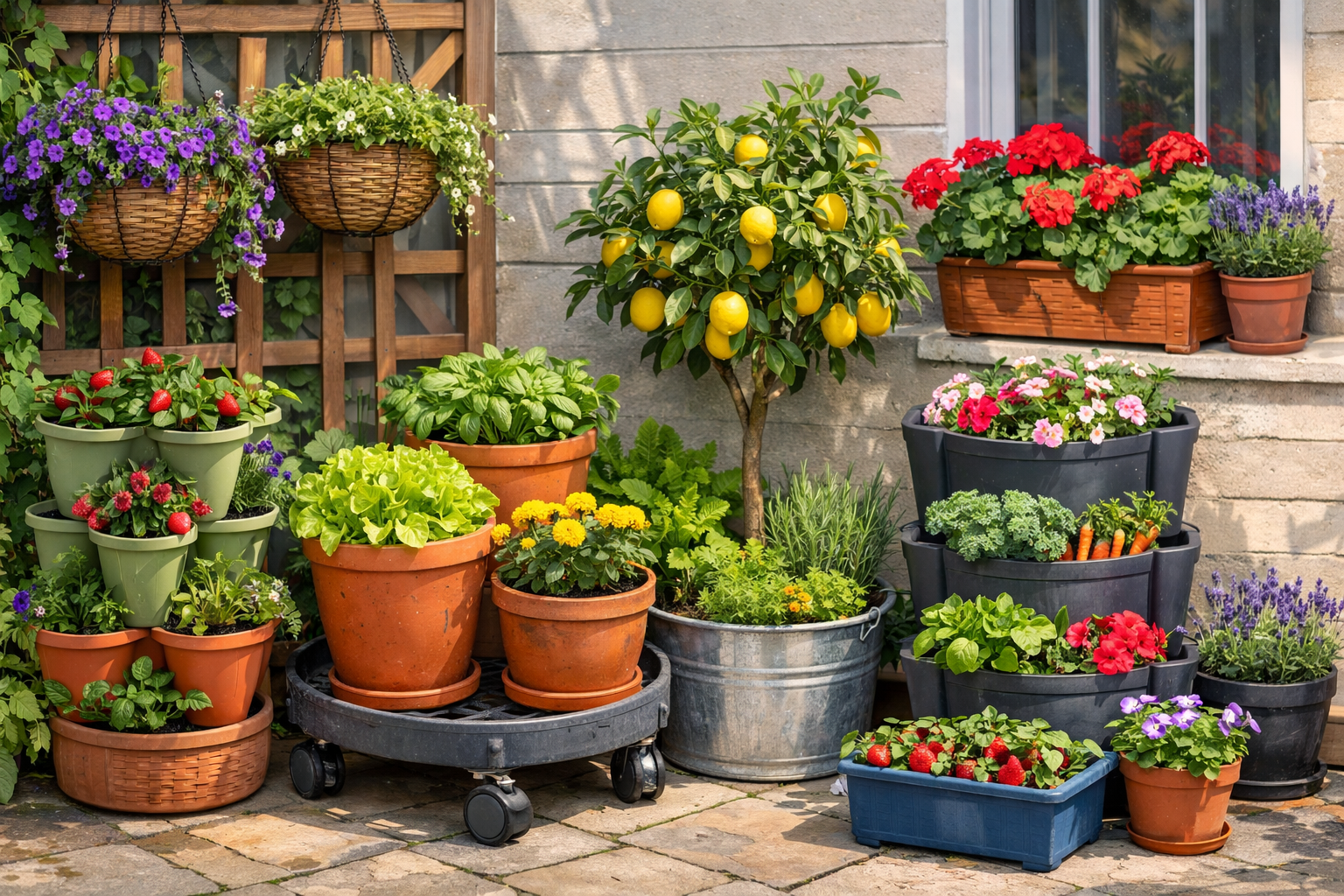
Innovative tools and techniques specifically designed for small-space gardening can significantly enhance efficiency and productivity. These often focus on making tasks easier, conserving resources, and optimizing the limited area available.
To make the most of my small garden, I rely on tools like miniature gardening hand tools that are perfectly sized for container work, and collapsible watering cans that save storage space. For techniques, succession planting is a crucial strategy. This involves planting small batches of seeds every few weeks, rather than all at once, to ensure a continuous harvest rather than a single overwhelming glut. This technique is especially useful for fast-growing crops like lettuce, radishes, and bush beans, ensuring you always have fresh produce without needing a large planting area. Another technique is companion planting, which involves placing certain plants together to deter pests or promote growth, further optimizing the health and yield of your compact garden. For instance, planting marigolds near vegetables can help repel nematodes and other pests. Understanding these methods can prevent common pitfalls; our guide on Beginner Mistakes in Small Space Gardening 2026 highlights key errors to avoid.
Essential Tools & Techniques:
- Small Hand Trowels and Cultivators: Perfectly sized for working in pots and tight spaces.
- Pruning Shears/Snips: Crucial for maintaining plant size and encouraging bushier growth.
- Drip Irrigation Systems: Efficiently deliver water directly to plant roots, minimizing waste and effort, especially for vertical gardens.
- Compost Bins (Worm Composting): Small-scale composting (e.g., worm farms) can produce rich soil amendments in urban settings.
- DIY Self-Watering Systems: Using wicks or inverted bottles can provide continuous moisture.
- Crop Rotation (Scaled Down): Even in containers, rotating crops helps manage soil nutrients and prevent pest build-up.
- Microclimates: Understand how sunlight, shade, and wind affect different areas of your small space to place plants optimally.
Can Small Space Gardeners Incorporate Edible Plants and Flowers?
Yes, small space gardeners can absolutely incorporate both edible plants and flowers, often by integrating them into the same design for aesthetic appeal and practical benefits. Many plants offer both beauty and utility, making them ideal for compact garden designs.
For my own small balcony garden, I frequently combine edibles like colorful Swiss chard or purple basil with vibrant marigolds or nasturtiums. Many edible flowers, such as pansies, violas, and calendula, not only add beauty but can also be safely consumed, offering a dual purpose. Integrating flowers also supports the ecosystem of your small garden by attracting pollinators like bees and butterflies, which can improve the yield of fruiting vegetables. When choosing flowers, consider varieties with compact growth habits or those suitable for hanging baskets or vertical structures. Nasturtiums, for example, can trail beautifully from a container while their leaves and flowers are edible. Furthermore, some flowers, like marigolds, can act as natural pest deterrents, protecting nearby vegetable plants without taking up excessive space. For more creative ideas, see our “Small Balcony Garden Ideas 2026: Design Your Oasis” (https://minispacegarden.com/small-balcony-garden-ideas/) article.
Table: Dual-Purpose Plants for Small Gardens
| Plant Type | Edible Use | Ornamental Benefit | Growth Habit | Best For |
|---|---|---|---|---|
| Nasturtium | Leaves, flowers, seeds | Trailing habit, vibrant flowers | Bushy/Vining | Hanging baskets, container edges, groundcover |
| Swiss Chard | Leaves, stems | Colorful stalks and leaves | Upright, leafy | Containers, vertical pockets |
| Borage | Leaves, flowers | Star-shaped blue flowers | Bushy, medium | Containers, companion planting |
| Marigolds | Petals (some varieties) | Bright flowers, pest deterrent | Compact, bushy | Edges of beds, container filler |
| Thyme | Leaves | Low-growing, aromatic foliage | Spreading, mat-like | Edges, rock gardens, containers |
| Rosemary | Leaves | Upright evergreen shrub, fragrant | Upright, bushy | Containers, architectural element |
Edge Case: If you have extremely limited sunlight, focus on shade-tolerant herbs like mint and parsley, and incorporate shade-loving ornamental flowers like impatiens or fuchsias. You can also explore options from “Balcony Gardening Without Sunlight: Shade Plants & Tips 2026” (https://minispacegarden.com/balcony-gardening-without-sunlight/).
How to Plan a Space Saving Garden Layout for Optimal Growth?
Planning a space-saving garden layout requires careful consideration of sunlight, accessibility, and the specific needs of your chosen plants to ensure optimal growth and ease of maintenance. A well-designed layout maximizes efficiency and minimizes wasted effort.
Before placing any plants, I always conduct a sun study of my designated garden area throughout the day, noting which spots receive full sun, partial sun, or shade. This helps determine the best placement for sun-loving vegetables versus shade-tolerant herbs. Next, map out your vertical and horizontal space. For vertical elements, consider where shelving, hanging planters, or trellises can be installed without overcrowding pathways or blocking light from lower plants. For horizontal space, use different sized containers to create visual interest and utilize every corner. Remember to leave enough room for watering, pruning, and harvesting. Avoid overcrowding pots, as this can lead to poor air circulation, increased pest issues, and stunted growth. A strategic layout should also prioritize convenience, placing frequently used herbs closer to the kitchen door, for example. Our “Balcony Garden Layout Ideas: Transform Your Space in 2026” (https://minispacegarden.com/balcony-garden-layout-ideas/) guide offers practical examples.
Layout Checklist:
- Sunlight Mapping: Identify sun exposure patterns throughout the day and year.
- Vertical Opportunities: Look for walls, railings, or overhead spaces for vertical gardens.
- Accessibility: Ensure all plants are reachable for watering, harvesting, and care.
- Drainage: Plan for proper water runoff to prevent damage to surfaces or plant roots.
- Wind Protection: Identify areas prone to strong winds and plan for windbreaks or sturdy planters.
- Water Source Proximity: Position the garden near a water source for easy irrigation.
- Traffic Flow: Ensure pathways remain clear and unobstructed.
- Weight Considerations: Account for the weight of planters, soil, and plants, especially on balconies or elevated structures.
What are Common Mistakes to Avoid in Space Saving Garden Ideas?
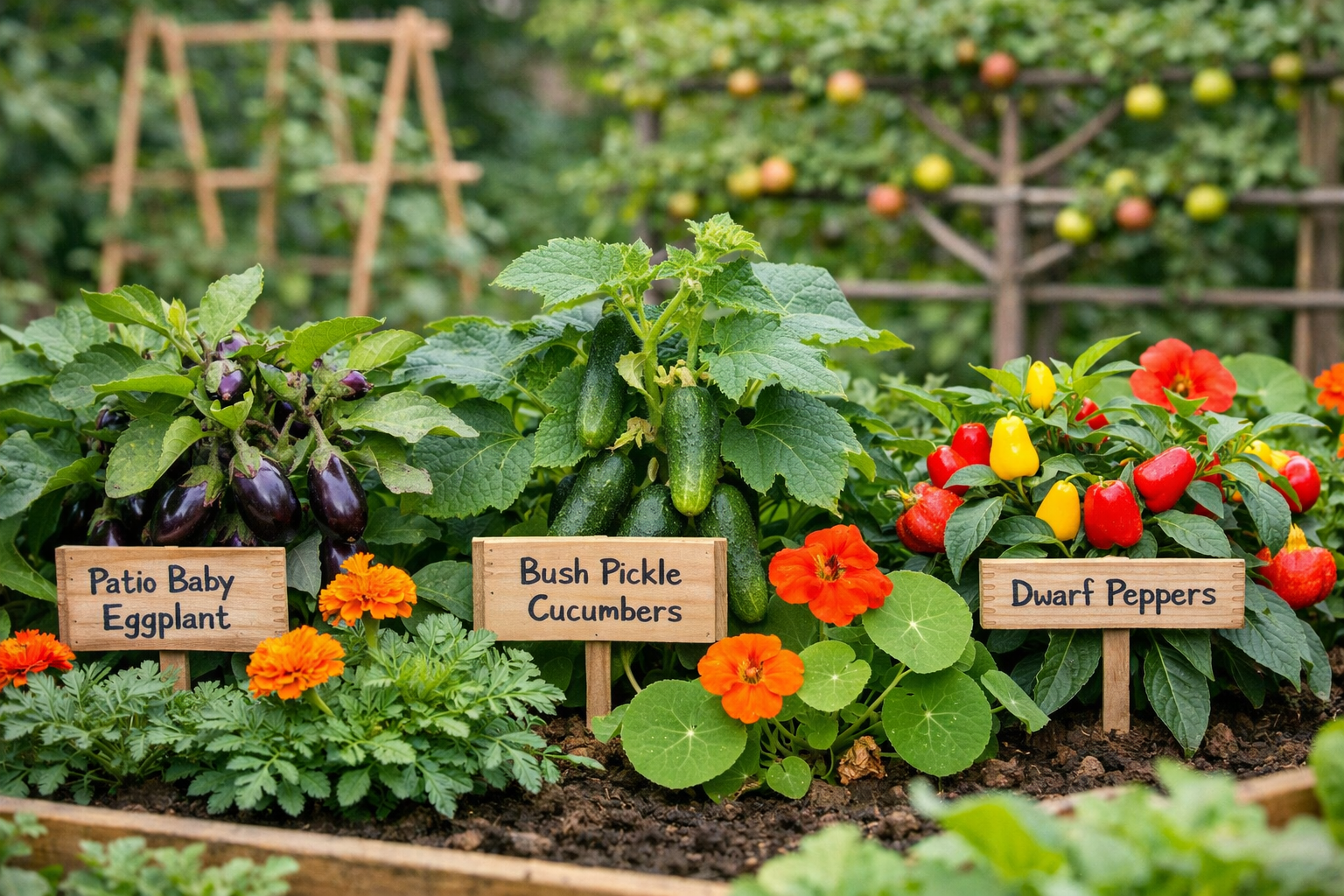
To ensure success with space-saving garden ideas, it’s crucial to be aware of common pitfalls that can hinder plant growth or lead to frustration. Avoiding these mistakes will save you time, effort, and resources.
One of the most frequent errors I’ve seen is overcrowding plants in containers or vertical systems. While the goal is to maximize space, plants still need adequate airflow, light, and nutrients to thrive. Overcrowding leads to competition for resources, increased risk of fungal diseases, and reduced yields. Another common mistake is under-potting, where a plant is placed in a container too small for its mature root system, leading to stunted growth and requiring more frequent watering. Similarly, neglecting proper drainage can quickly lead to root rot; every container must have drainage holes. Finally, many beginners underestimate the importance of consistent watering and feeding in containers, as potted plants dry out faster and deplete nutrients more quickly than those in ground. Learning from these mistakes can significantly improve your gardening experience, as detailed in “Beginner Mistakes in Small Space Gardening 2026” (https://minispacegarden.com/beginner-mistakes-in-small-space-gardening/).
Mistakes to Avoid:
- Insufficient Sunlight: Planting sun-loving vegetables in a shaded spot. Always match plants to their light requirements.
- Poor Soil Quality: Using heavy garden soil in containers; opt for a lightweight, well-draining potting mix.
- Lack of Drainage: Containers without holes will drown plants. Ensure every pot has adequate drainage.
- Inconsistent Watering: Container plants dry out quickly. Check soil moisture daily, especially during warm weather.
- Ignoring Plant Labels: Disregarding mature plant size or specific care needs.
- Over-fertilizing/Under-fertilizing: Potted plants need regular, balanced feeding, but too much can burn roots.
- Choosing the Wrong Varieties: Selecting large, sprawling plants for tiny spaces instead of compact cultivars.
- No Pest Management Plan: Pests can quickly decimate plants in a concentrated small garden.
Conclusion
Embracing space-saving garden ideas opens up a world of possibilities for cultivating a vibrant, productive garden, regardless of how limited your space may be. By thoughtfully integrating vertical solutions, leveraging diverse container options, and making smart plant choices, you can transform even the smallest balcony, patio, or indoor area into a flourishing green haven. The key is creativity, strategic planning, and consistent care.
As we move through 2026, the demand for urban and small-space gardening continues to grow. I encourage you to experiment with different techniques and plant varieties to discover what works best for your unique environment. Start small, observe your plants, and adapt your approach as needed. With these actionable strategies, anyone can enjoy the rewarding experience of growing their own food and beautifying their surroundings.
Actionable Next Steps:
- Assess Your Space: Identify areas that receive adequate sunlight and consider wall or railing availability for vertical systems.
- Start Small: Choose one vertical planter or a few diverse containers to begin your space-saving garden journey.
- Select Smart Plants: Opt for dwarf, compact, or high-yield varieties suitable for containers and limited space.
- Invest in Good Soil: Use a high-quality potting mix for containers to ensure proper drainage and nutrient availability.
- Monitor and Adjust: Pay attention to your plants’ needs regarding water, light, and nutrients, adjusting your care routine as they grow.
FAQ
What are the best plants for a small balcony garden?
The best plants for a small balcony garden typically include herbs (basil, mint, rosemary), leafy greens (lettuce, spinach, Swiss chard), compact vegetables (cherry tomatoes, bush peppers, radishes), and small flowers (petunias, marigolds, nasturtiums).
How do I maximize space in a tiny garden?
Maximize space in a tiny garden by utilizing vertical planters, hanging baskets, stackable containers, and trellises for climbing plants. Choose compact, high-yield plant varieties and practice succession planting for continuous harvests.
Can I grow vegetables in small pots?
Yes, you can grow many vegetables in small pots, provided you choose compact or dwarf varieties and ensure the pots offer adequate drainage and are appropriately sized for the plant’s mature root system.
What is vertical gardening?
Vertical gardening is a method of growing plants on a vertically suspended panel or structure, such as a wall, fence, or tiered stand, to save ground space.
Are self-watering containers good for small gardens?
Yes, self-watering containers are excellent for small gardens, as they provide consistent moisture to plants, reduce watering frequency, and are often designed to be compact and efficient.
How often should I water container plants in a small garden?
Container plants in a small garden typically need to be watered more frequently than in-ground plants, often daily in hot or sunny weather, as their soil dries out faster. Always check the soil moisture before watering.
Can I grow fruit in a small space?
Yes, you can grow certain fruits in small spaces, such as dwarf citrus trees, strawberries in vertical planters, blueberries in large containers, and some compact varieties of raspberries or blackberries.
What soil should I use for container gardening?
For container gardening, use a high-quality, lightweight potting mix specifically formulated for containers. This provides good drainage, aeration, and essential nutrients.
How can I deter pests in a small garden naturally?
Naturally deter pests in a small garden by planting companion plants (e.g., marigolds with vegetables), using insecticidal soaps, encouraging beneficial insects, and hand-picking larger pests.
Is it possible to have a garden indoors if I have limited space?
Absolutely. Indoor gardening for limited space can be achieved with window boxes, hanging planters, small shelving units with grow lights, and hydroponic systems, allowing you to grow herbs, leafy greens, and some small vegetables.