Small Space Vegetable Gardening: Step-by-Step Guide
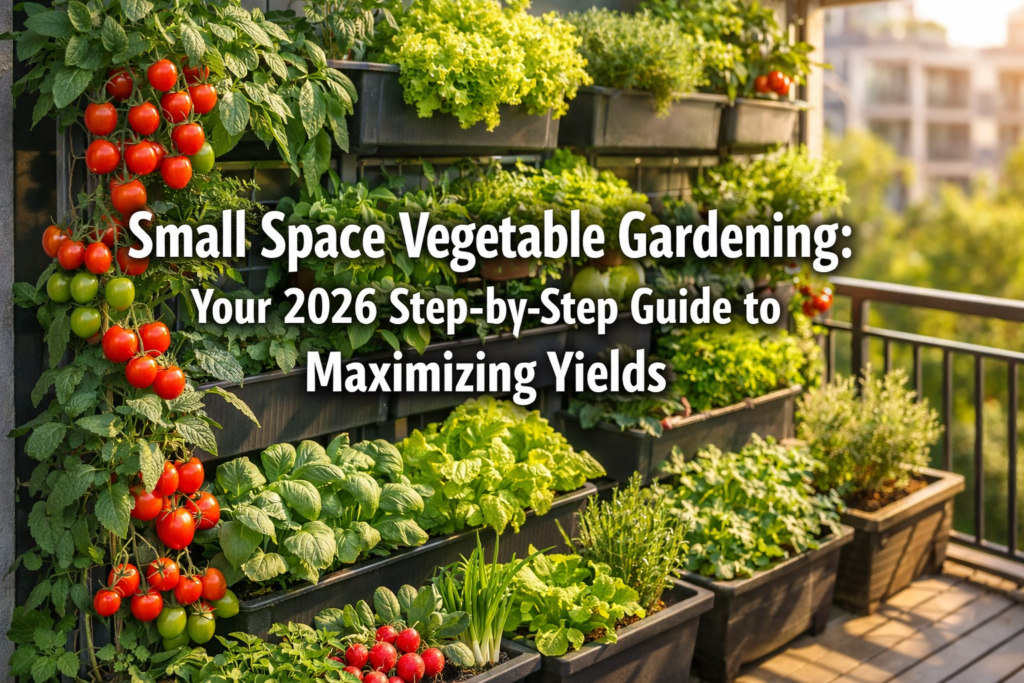
Embarking on Small Space Vegetable Gardening means transforming confined areas like balconies, patios, or small yards into productive food-growing havens by utilizing specialized techniques and plant selections. This comprehensive step-by-step guide helps gardeners in 2026 maximize yields with efficient methods such as succession planting and intercropping, ensuring fresh vegetables even with minimal square footage.
TL;DR
- Maximize yields in limited areas using smart techniques like succession planting and interplanting.
- Choose compact, high-yield vegetable varieties suited for containers or vertical growth.
- Select appropriate gardening systems such as raised beds, containers, or vertical gardens.
- Focus on consistent watering, proper fertilization, and integrated pest management for healthy plants.
- Embrace continuous harvesting and strategic replanting to ensure a steady supply of fresh produce.
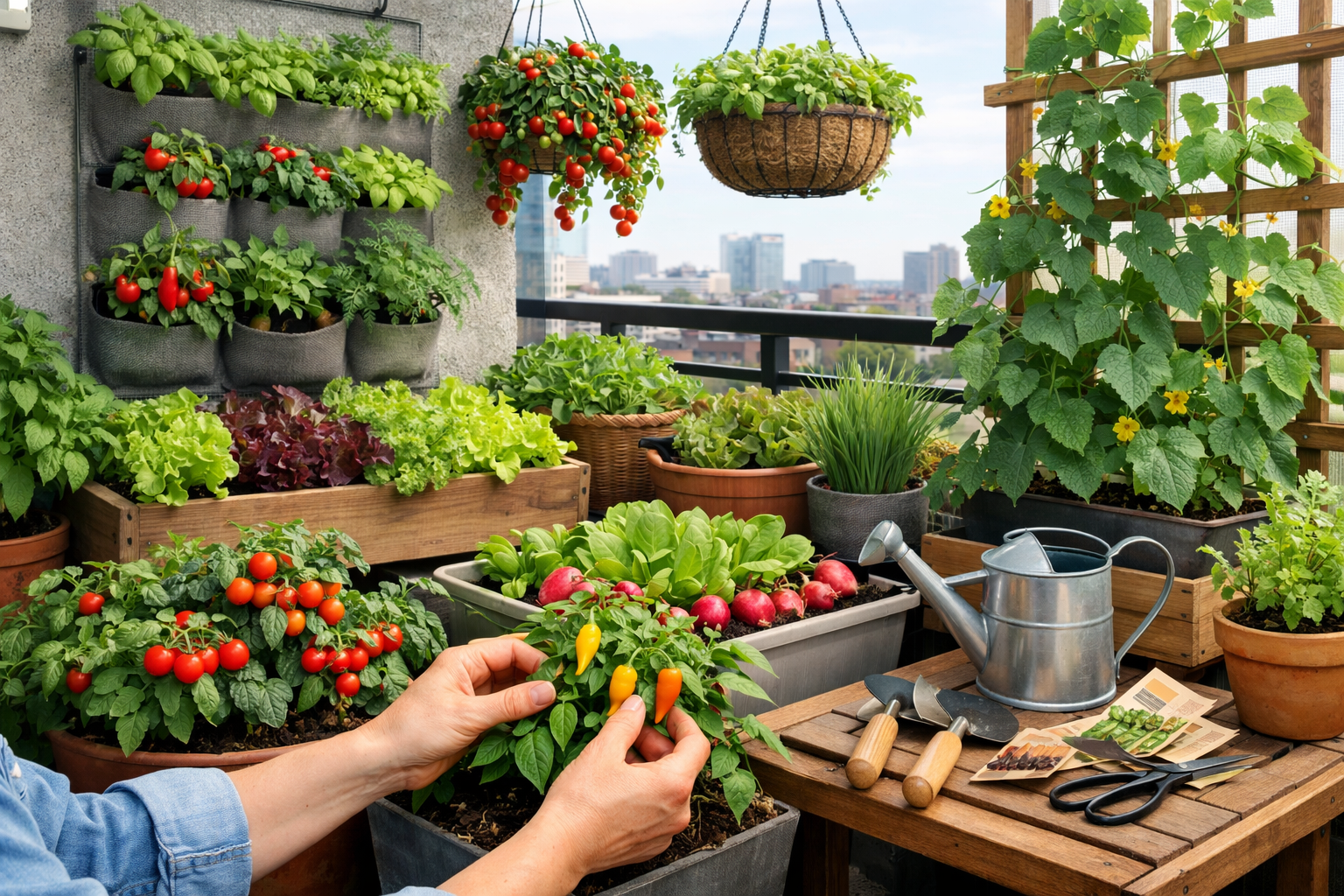
How Can You Effectively Start Small Space Vegetable Gardening in 2026?
Starting Small Space Vegetable Gardening effectively in 2026 involves careful planning and smart choices to maximize every inch of your available area. The key is to understand your specific growing conditions, select suitable plants, and implement space-saving techniques from the outset.
To begin, assess your space for sunlight, which is the most critical factor for successful vegetable growth. Most vegetables require at least 6-8 hours of direct sunlight daily. Once you’ve identified the sunniest spots, you can determine the types of gardening systems that will fit best, such as containers, raised beds, or vertical planters. This initial assessment helps you select vegetables that thrive in your unique microclimate and space constraints.
Key Steps to Launching Your Small Space Garden
- Assess Your Space: Determine the amount of direct sunlight your area receives. A south-facing balcony or a well-lit patio is ideal for most vegetables. Measure the dimensions to understand how many containers or what size raised bed you can accommodate. Consider factors like wind exposure and proximity to a water source.
- Choose Your Gardening System:
- Containers: Ideal for balconies and patios. Use pots, grow bags, or window boxes. Ensure they have drainage holes.
- Raised Beds: Great for small yards, offering better soil control and drainage.
- Vertical Gardens: Excellent for maximizing wall space, using shelves, pockets, or stackable planters.
- Hydroponics/Aquaponics: More advanced, but highly efficient for specific setups, often indoors or in controlled environments.
- Select Appropriate Soil and Amendments: For container gardening, use a high-quality potting mix that provides good drainage and aeration. For raised beds, a blend of compost, topsoil, and perlite or vermiculite is recommended. Healthy soil is the foundation for healthy plants, especially in confined spaces where nutrients can deplete faster.
- Plan Your Layout: Sketch your garden layout before planting. This helps visualize where each plant will go and allows for strategic placement of taller plants to avoid shading shorter ones. Utilize digital planning tools like VegPlotter, which can help create month-by-month planting schedules tailored to your local climate and identify productivity gaps for secondary crop planning [4]. For example, you might plan to plant cherry tomatoes with smaller herbs around the base to utilize the vertical space and ground coverage.
- Gather Your Tools: Essential tools include a hand trowel, pruning shears, watering can or hose with a gentle nozzle, and gardening gloves. For specific systems, you might need a soil moisture meter or a small cultivator.
| System Type | Ideal For | Pros | Cons | Example Vegetables |
|---|---|---|---|---|
| Containers | Balconies, Patios, Rooftops | Portable, flexible, good drainage, pest control | Requires frequent watering, can dry out quickly | Tomatoes, Peppers, Lettuce, Herbs, Bush Beans |
| Raised Beds | Small Yards, Decks | Better soil control, easier on back, longer growing season | Less portable, initial setup cost | Carrots, Radishes, Greens, Beets, Compact Squash |
| Vertical | Walls, Fences, Indoors | Maximizes space, visually appealing, good air circulation | Can be expensive, may need more frequent watering | Strawberries, Herbs, Lettuce, Swiss Chard, Peas |
| Window Boxes | Windowsills, Railings | Brightens space, easy access, good for herbs and greens | Limited space, can overheat | Lettuce, Spinach, Radishes, Chives, Basil |
When choosing your system, consider your time commitment. Containers might require daily watering in hot weather, while raised beds retain moisture better. For example, if you travel often, a self-watering container system might be a better fit than traditional pots.
What Are the Best Space-Saving Planting Techniques for Small Space Vegetable Gardening?
The best space-saving planting techniques for Small Space Vegetable Gardening revolve around maximizing the productivity of each square foot by planting more densely and intelligently. Indigenous gardening methods, such as succession planting and interplanting, are hallmarks for optimizing small spaces, allowing you to grow six to seven different crops in one small garden bed [1].
These methods not only increase yields but also reduce weeding and watering frequency by providing dense ground cover [1]. For instance, by strategically planting a fast-growing crop between slower-growing ones, you can harvest the former before the latter requires full space, ensuring continuous production.
Essential Space-Saving Techniques
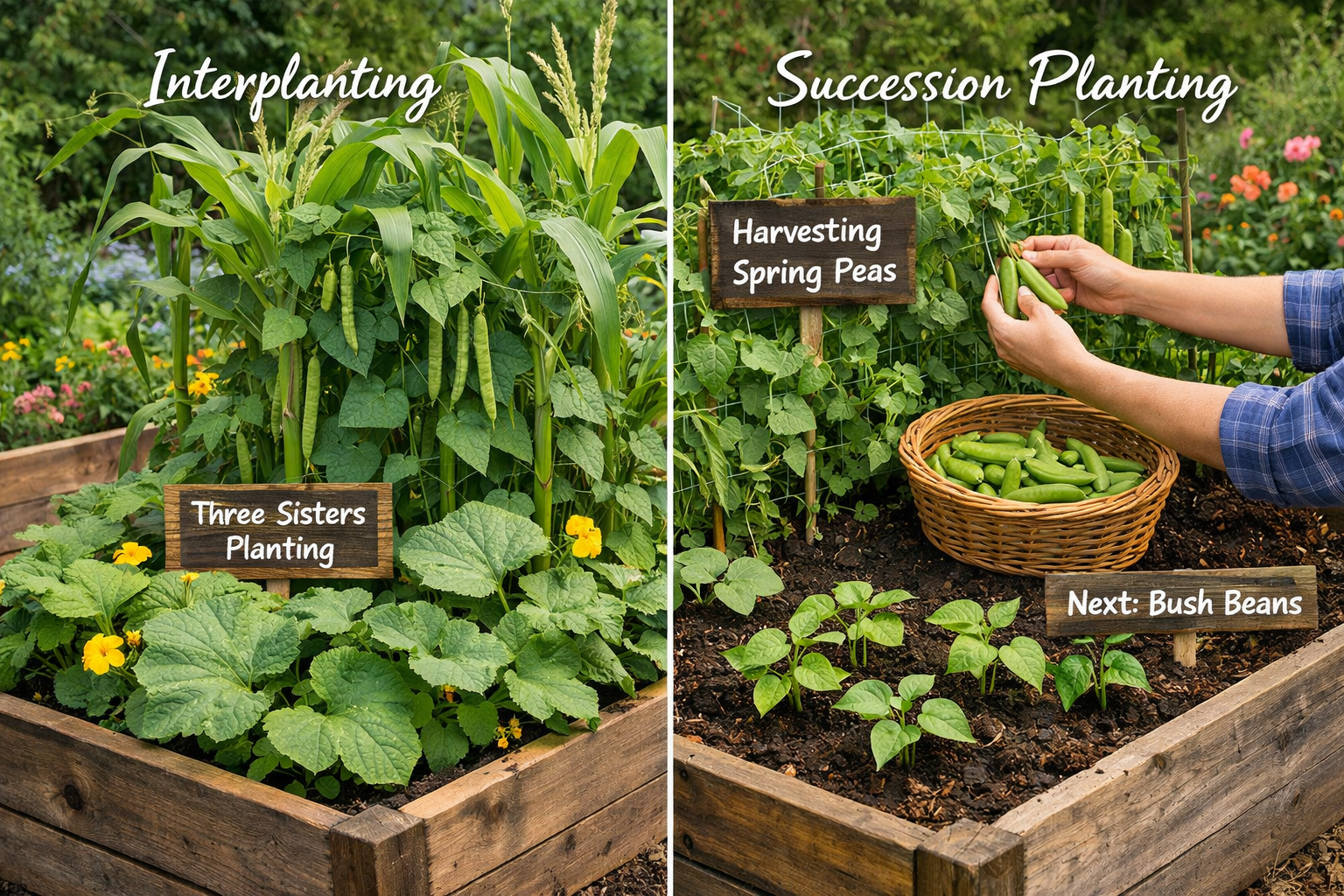
- Succession Planting: This method involves planting crops sequentially as others mature, ensuring a continuous harvest throughout the growing season [1]. For example, plant spring peas, then replace them with summer bush beans after harvest, followed by fall root crops (radish, beets) and cabbage transplants in the same bed [1]. This strategy keeps your soil productive and your kitchen supplied [4].
- When to Use: Ideal for crops with shorter maturity times that can be replanted multiple times in a season (e.g., lettuce, radishes, spinach, bush beans).
- How it Works: Once one crop is harvested, amend the soil with compost and immediately plant the next. Digital tools can help plan these sequences efficiently [4].
- Interplanting (Companion Planting): This involves growing multiple crops together in the same space, often benefiting from each other’s presence [1]. This technique capitalizes on different growth rates, heights, and nutrient requirements.
- The Three Sisters Model: A classic example where beans, corn, and squash are grown together. Corn provides a trellis for beans, beans fix nitrogen for the corn and squash, and squash leaves shade the soil, conserving moisture and suppressing weeds [1].
- Long-Season Crops with Fast Greens: Plant heat-loving crops like eggplant or tomatoes, then sprinkle fast-growing greens (Asian stir-fry mixes, leafy green mixes) between young plants; harvest the greens before the larger plants’ shade takes over [1].
- Nitrogen Fixation Strategy: Plant leafy greens, which require nitrogen, near legumes (peas, beans), as legumes naturally fix nitrogen and boost soil levels for the greens [1].
- Brassica Combinations: Plant Brussels sprouts and broccoli with onions in between rows; harvest onions as the brassicas enlarge [1].
- Edge Trellising: Grow greens (Swiss chard, lettuce) in the bed center with cucumber and vining squash trellises along the edges, maximizing vertical space [1].
- Vertical Gardening: Utilizing vertical space is crucial in small areas. Trellises, stakes, cages, and vertical planters allow vining plants to grow upwards, freeing up ground space. This is excellent for cucumbers, pole beans, small melons, and some squash varieties.
- Container Grouping: Group compatible plants in larger containers. For example, a tomato plant can share a large pot with basil at its base, which can also deter pests.
- Dense Planting: Recent gardener data from January 2026 shows that planting more densely with succession and intercropping planning significantly improved yields [2]. Instead of traditional wide spacing, you can plant closer together, especially with leafy greens and root crops, as long as there is adequate light and nutrients.
Decision Rule: Choose X if…
- Choose succession planting if you want continuous harvests of fast-growing crops like lettuce, radishes, or bush beans throughout the season, maximizing the use of a single bed.
- Choose interplanting if you aim to increase overall yield in a small bed by growing complementary crops simultaneously, leveraging different growth habits and mutual benefits.
By implementing these techniques, particularly succession and interplanting, you can dramatically increase the productivity of your small garden without needing more space, which is a core principle of effective Small Space Vegetable Gardening.
Which Vegetable Varieties Are Best for Small Space Vegetable Gardening?
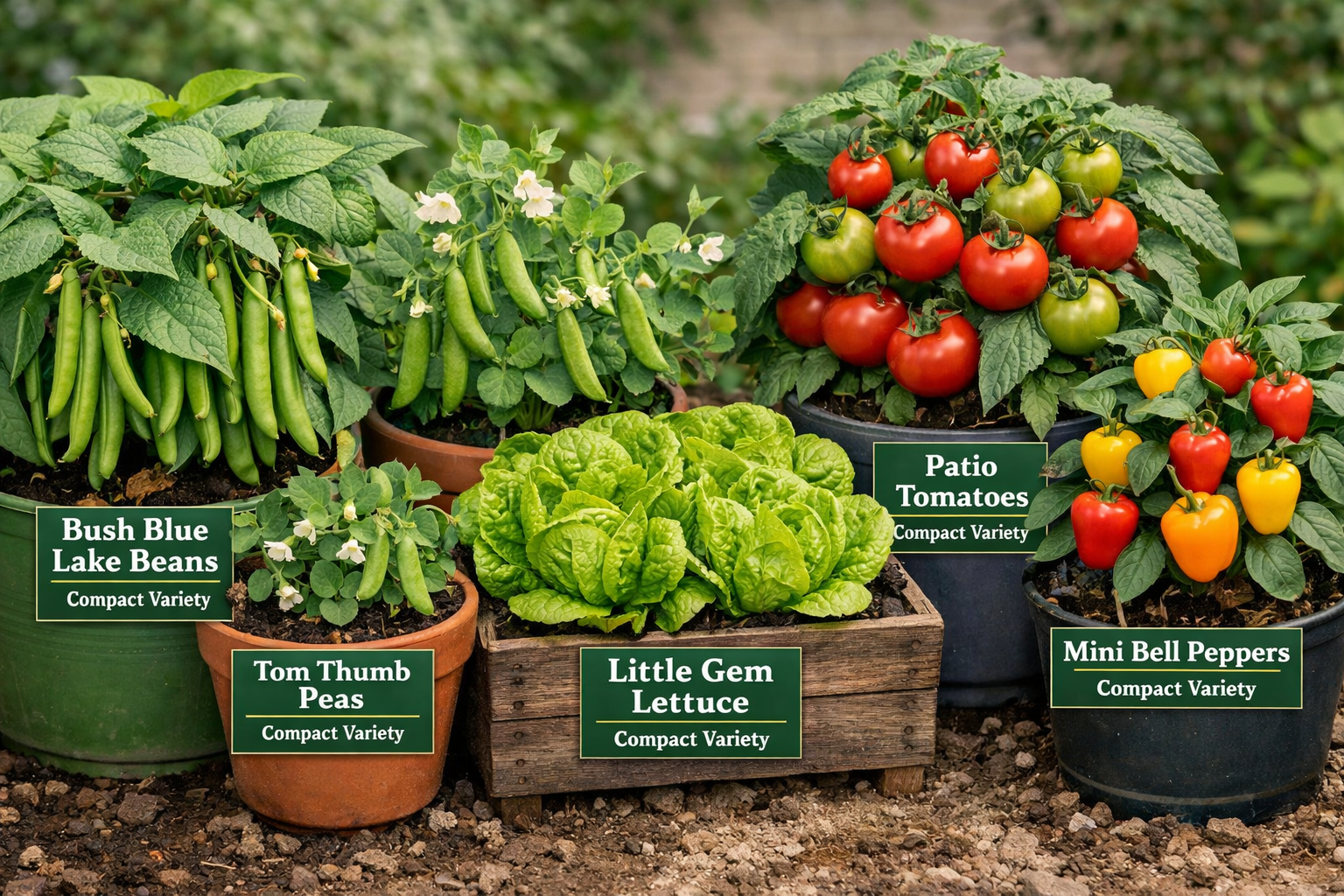
For successful Small Space Vegetable Gardening, selecting compact, high-yield vegetable varieties is paramount, as these plants are specifically bred or naturally suited to thrive in confined conditions. These varieties typically have shorter growth habits, produce smaller fruits, or have a more contained root system, making them perfect for containers, window boxes, or densely planted raised beds.
Opting for these specialized varieties ensures that your limited space is used efficiently, allowing you to harvest a greater quantity of produce per plant compared to their larger counterparts. Without careful selection, oversized plants can quickly overcrowd small areas, leading to reduced yields and plant stress.
Top Vegetable Varieties for Compact Spaces
- Bush Beans: Unlike pole beans that require trellising, bush bean varieties like ‘Bush Blue Lake’ or ‘Provider’ grow compactly and produce abundant yields in a limited footprint. They are excellent for succession planting.
- Dwarf Tomatoes: Varieties such as ‘Patio’, ‘Tiny Tim’, ‘Micro Tom’, or ‘Celebrity’ (determinate type) are perfect for containers. They produce smaller fruit but in large quantities on compact plants. They often thrive with minimal staking.
- Compact Cucumbers: Look for ‘Bush Slicer’, ‘Salad Bush’, or ‘Spacemaster’ varieties. These are less vining than traditional cucumbers and can be grown in large pots or with a small trellis.
- Mini Peppers: ‘Patio Bell’, ‘Lunchbox’, or other sweet miniature pepper varieties are ideal. They produce small, flavorful peppers on compact plants, perfect for containers on a sunny balcony.
- Radishes: Fast-growing and requiring minimal space, radishes can be sown densely and harvested quickly. Varieties like ‘Cherry Belle’ or ‘French Breakfast’ are excellent fillers for interplanting.
- Lettuce and Leafy Greens: ‘Tom Thumb’ lettuce, ‘Little Gem’ romaine, ‘Salad Bowl’ leaf lettuce, and various spinach and Swiss chard varieties are perfect for small spaces. They can be harvested as “cut and come again,” providing multiple yields.
- Pro Tip: Plant different varieties of leafy greens together to create a vibrant, diverse salad mix right from your pot.
- Carrots (Short Varieties): ‘Danvers Half Long’ or ‘Paris Market’ carrots are short-rooted varieties that grow well in containers or shallower raised beds.
- Beets: Both the roots and greens of beets are edible. ‘Detroit Dark Red’ and ‘Early Wonder’ are good choices that don’t require deep soil.
- Herbs: Almost all herbs (basil, cilantro, parsley, mint, chives, thyme, oregano) thrive in containers and are essential for any small space garden. Mint, in particular, should be grown in its own pot due to its aggressive spreading habit.
- Compact Squash: While most squash plants are large, some smaller varieties like ‘Bush Acorn’ or ‘Table King Bush’ can be grown in very large containers or small raised beds with proper training.
Avoiding Common Mistakes:
A common mistake is trying to grow full-sized varieties of plants like sprawling pumpkins or indeterminate tomatoes in small containers. This leads to stressed plants, poor yields, and a messy garden. Always prioritize varieties specifically labeled as “bush,” “dwarf,” “patio,” or “compact” when engaging in Small Space Vegetable Gardening. For instance, an indeterminate tomato will keep growing and producing fruit until frost, often overwhelming a small pot, while a determinate variety will grow to a certain size and produce its crop all at once, making it more manageable for a small space.
By focusing on these specific varieties, you ensure that your efforts in Small Space Vegetable Gardening translate into a productive and manageable garden.
What Are the Essential Systems and Setups for Efficient Small Space Vegetable Gardening?
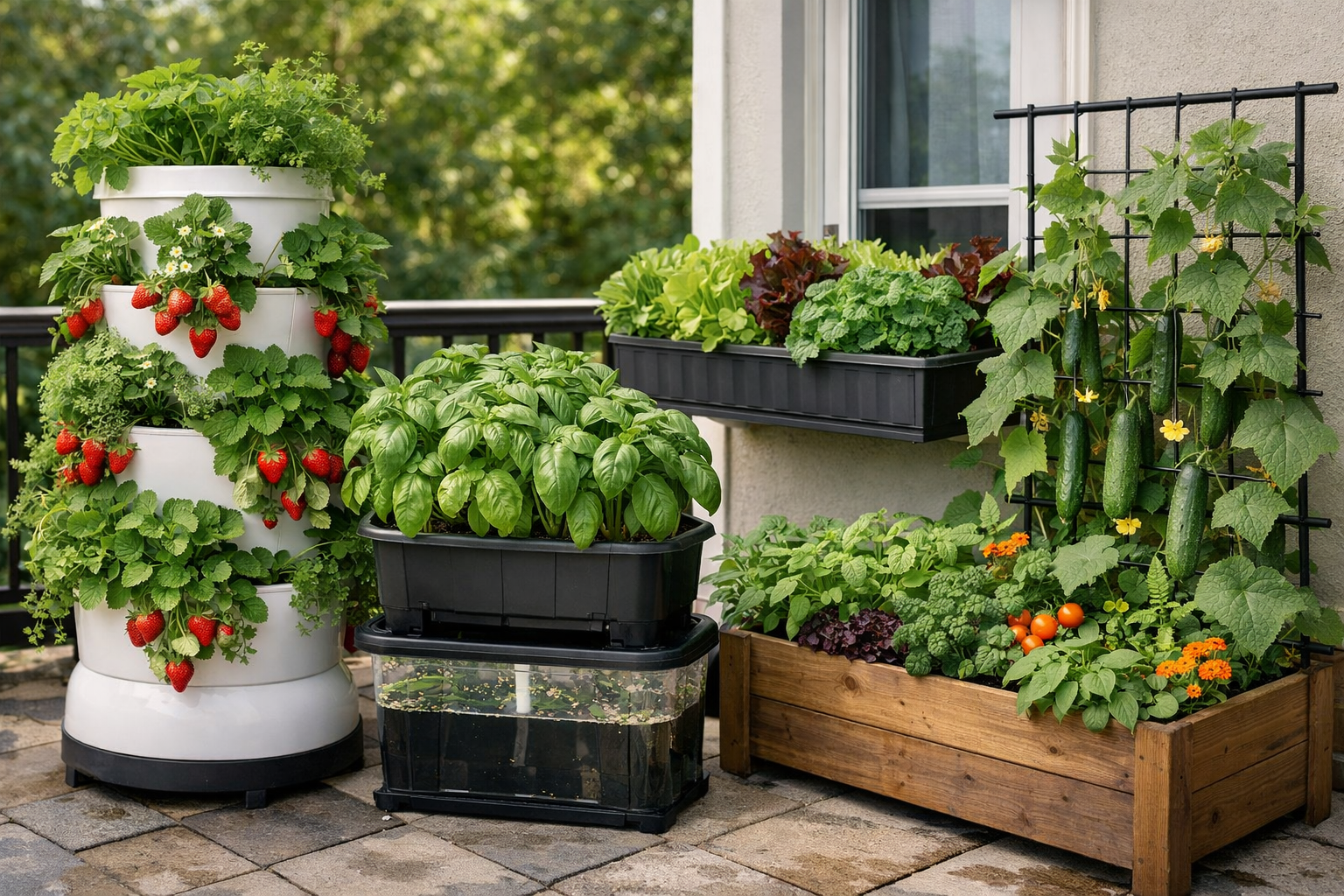
Efficient Small Space Vegetable Gardening relies heavily on selecting and implementing the right systems and setups that maximize every available inch, whether it’s a balcony, patio, or a tiny yard. These systems go beyond simple pots, incorporating design principles that allow plants to thrive densely and vertically, making the most of limited horizontal space.
The choice of system impacts not only the types of vegetables you can grow but also the ease of maintenance and overall yield. By adopting smart setups like vertical gardens, self-watering containers, or precisely designed raised beds, you can create a highly productive garden even in the most restricted urban environments.
Key Systems and Setups for Small Space Gardens
- Vertical Gardening Systems:
- Purpose: To utilize wall space or vertical height, freeing up floor space.
- Types:
- Stackable Planters: Modular pots that stack on top of each other, creating a multi-tiered garden tower. Excellent for herbs, strawberries, and leafy greens.
- Wall-Mounted Pockets/Planters: Fabric pockets or rigid planters that attach directly to a wall or fence. Ideal for cascading herbs, lettuce, and small flowers.
- Trellises and Stakes: Essential for vining plants like cucumbers, pole beans, peas, and even some small squash varieties. They guide growth upwards, preventing sprawling.
- Pallet Gardens: Upcycled wooden pallets can be converted into vertical planters, offering multiple planting pockets.
- Benefit: Dramatically increases planting area without consuming more ground space.
- Consideration: May require more frequent watering as vertical systems can dry out faster.
- Container Gardening:
- Purpose: Provides flexibility and portability for growing plants in pots, grow bags, or window boxes.
- Types:
- Standard Pots: Available in various materials (terra cotta, plastic, ceramic). Ensure adequate size for the plant’s root system and good drainage.
- Grow Bags: Fabric bags that offer excellent drainage and aeration. They are lightweight, reusable, and great for root vegetables and potatoes.
- Self-Watering Containers: Feature a built-in reservoir that provides water to plants from the bottom, reducing the frequency of watering. Excellent for busy gardeners.
- Window Boxes: Perfect for sunny windowsills or railings, ideal for herbs, lettuce, and small flowers.
- Benefit: Allows for easy relocation of plants to optimize sun exposure or protect from harsh weather.
- Consideration: Requires specific potting mix, and nutrients may need to be replenished more frequently than in garden beds.
- Raised Beds:
- Purpose: Creates a defined growing area with custom soil, often used in small yards or on decks.
- Features: Can be built from wood, stone, or metal. Typically 6-12 inches deep for most vegetables, though root crops may need deeper beds.
- Benefit: Offers excellent drainage, warms up faster in spring, and provides better control over soil quality and weeds. Easier to manage for gardeners with mobility issues.
- Consideration: Requires an initial investment in materials and soil. Less portable than containers.
- Hydroponic or Aquaponic Systems:
- Purpose: Advanced, soilless gardening methods that can be incredibly space-efficient, often used indoors or in controlled environments.
- Hydroponics: Plants grow in nutrient-rich water solutions.
- Aquaponics: Combines hydroponics with aquaculture (raising fish), where fish waste provides nutrients for the plants.
- Benefit: Extremely water-efficient, faster growth rates, and can be designed for very compact spaces.
- Consideration: Higher initial cost, requires more technical knowledge and monitoring of nutrient levels.
When planning your Small Space Vegetable Gardening setup, consider integrating multiple systems. For example, a raised bed might have a trellis for cucumbers, while surrounding it are containers with herbs and a wall-mounted vertical garden for leafy greens. This layered approach is key to maximizing diverse yields. Our Ultimate Guide to Small Space Gardening for Beginners 2026 offers more in-depth insights into various systems.
What is the Step-by-Step Process for Maintaining a Thriving Small Space Vegetable Garden?
Maintaining a thriving Small Space Vegetable Garden requires consistent, focused attention on watering, feeding, pest control, and continuous harvesting to ensure plants remain healthy and productive throughout the season. Because confined environments offer fewer natural buffers, issues can escalate quickly, making proactive and vigilant care essential for success.
A well-maintained small garden yields more, looks better, and minimizes common problems like nutrient deficiencies or pest infestations. By following a structured maintenance routine, you can ensure your plants receive everything they need to flourish.
Step-by-Step Maintenance Guide
- Consistent Watering:
- Why it’s Crucial: Small containers and raised beds dry out much faster than in-ground gardens. Inconsistent watering can lead to stressed plants, poor fruit set, and blossom end rot in tomatoes.
- How To: Check soil moisture daily by sticking your finger about an inch into the soil. If it feels dry, it’s time to water. Water deeply until water drains from the bottom of containers.
- Tips:
- Water in the early morning or late evening to minimize evaporation.
- Consider drip irrigation or self-watering containers for increased efficiency and consistency.
- Adjust watering frequency based on weather, plant size, and container material.
- Strategic Fertilization:
- Why it’s Crucial: Nutrients in potting mix deplete quickly, especially with frequent watering and dense planting. Regular feeding is vital for continuous growth and production.
- How To: Use a balanced liquid fertilizer every 2-4 weeks, or incorporate slow-release granular fertilizers at planting time. Organic options like compost tea or fish emulsion are excellent.
- Tips:
- Follow package directions carefully to avoid over-fertilizing, which can burn plants.
- Tailor fertilizer choice to plant needs (e.g., more phosphorus for fruiting plants, more nitrogen for leafy greens).
- Proactive Pest and Disease Management:
- Why it’s Crucial: Pests and diseases can spread rapidly in dense small gardens. Early detection and intervention are key.
- How To:
- Daily Inspection: Regularly inspect your plants for signs of pests (holes, sticky residue, visible insects) or diseases (spots, wilting, discoloration).
- Organic Solutions: For minor infestations, use organic pest control methods like hand-picking pests, spraying with insecticidal soap, or introducing beneficial insects.
- Good Air Circulation: Ensure plants aren’t too crowded to allow for good air flow, which helps prevent fungal diseases.
- Remove Affected Parts: Promptly remove any diseased leaves or branches to prevent spread.
- Mistake to Avoid: Ignoring early signs of trouble, which can lead to widespread plant damage.
- Pruning and Training:
- Why it’s Crucial: Pruning improves air circulation, directs plant energy towards fruit production, and keeps plants manageable in small spaces. Training helps maximize vertical space.
- How To:
- Tomatoes: Pinch off “suckers” (shoots growing between the main stem and a leaf branch) to encourage vertical growth and larger fruits.
- Herbs: Regularly harvest herbs by pinching back growth to encourage bushier plants.
- Vining Plants: Train cucumbers and pole beans up trellises or stakes.
- Benefit: Optimizes plant health and yield while maintaining a tidy garden.
- Continuous Harvesting:
- Why it’s Crucial: Regular harvesting encourages plants to produce more, extending the growing season and maximizing your yield.
- How To: Harvest vegetables at their peak ripeness. For leafy greens, practice “cut and come again” harvesting, taking outer leaves or cutting the plant a few inches above the soil.
- Example: Harvesting string beans frequently encourages the plant to set more flowers and produce more pods. Leaving overripe vegetables on the plant can signal it to stop producing.
- Succession Planting and Replanting:
- Why it’s Crucial: As mentioned, once a crop finishes, replant the space with another suitable crop. This ensures continuous productivity.
- How To: After harvesting a crop, amend the soil with compost and plant new seeds or seedlings. Digital planning tools can assist with this year-round strategy [4]. For example, in 2026, many gardeners are planning second plantings of carrots or beets in July gaps to maintain continuous soil productivity [4].
- For more specific month-by-month tasks, Gardenary’s “What To Do In The Garden In 2026 Month By Month Checklist” provides a useful guide [5].
By diligently following these steps, your Small Space Vegetable Gardening efforts will result in a vibrant, productive garden that provides fresh produce throughout the growing season. This proactive approach ensures a healthy environment for your plants and a rewarding experience for you.
FAQ
What is the ideal sunlight requirement for small space vegetable gardening?
Most vegetables require at least 6-8 hours of direct sunlight daily for optimal growth and fruit production [3].
Can I grow vegetables in small containers on a balcony?
Yes, many compact vegetable varieties like bush beans, dwarf tomatoes, lettuce, and herbs thrive in containers on balconies, provided they receive enough sunlight and consistent watering.
What is succession planting?
Succession planting is a technique where you plant crops sequentially as others mature and are harvested, ensuring a continuous supply of fresh produce from the same garden space [1].
How does interplanting help in small space gardening?
Interplanting involves growing multiple crops together, often benefiting from each other’s presence (e.g., different heights or nutrient needs), maximizing yield in a limited area and reducing weeds [1].
What are “determinate” and “indeterminate” tomatoes, and which is better for small spaces?
Determinate tomatoes grow to a specific size and produce their fruit all at once, making them better for small spaces and containers. Indeterminate varieties continue to grow and produce throughout the season, requiring more space and support.
Do I need special soil for container gardening?
Yes, use a high-quality potting mix designed for containers, as it provides better drainage, aeration, and nutrient retention compared to garden soil.
How often should I water my small container garden?
Container gardens typically need daily watering in warm weather, or every other day, as they dry out faster. Always check the soil moisture by hand before watering.
Can I use household scraps for fertilizer in my small garden?
While composting household scraps is beneficial for soil health, finished compost should be incorporated into your potting mix or garden beds. Liquid fertilizers derived from scraps can also provide nutrients, but should be balanced.
What are some common pests to watch out for in a small vegetable garden?
Common pests include aphids, spider mites, slugs, and cabbage worms. Regular inspection and organic pest control methods are crucial for managing them.
What is the “Three Sisters” planting method?
The Three Sisters method involves interplanting corn, beans, and squash together; corn provides support for beans, beans fix nitrogen for all three, and squash leaves shade the soil to retain moisture and suppress weeds [1].
Key Takeaways
- Strategic Planning is Essential: Before planting, thoroughly assess your space for sunlight, measure dimensions, and plan your layout using tools like VegPlotter to maximize productivity in 2026.
- Embrace Space-Saving Techniques: Utilize methods like succession planting (replanting after harvest) and interplanting (growing compatible crops together) to significantly increase yields in limited areas [1].
- Choose Compact Varieties: Prioritize “bush,” “dwarf,” or “patio” varieties of vegetables specifically bred to thrive in containers and small spaces, rather than sprawling standard types.
- Select Appropriate Systems: Opt for vertical gardens, self-watering containers, or raised beds to best suit your available space and personal gardening style, optimizing every square inch.
- Consistent Maintenance is Crucial: Regular watering, strategic fertilization, proactive pest management, pruning, and continuous harvesting are vital for the sustained health and productivity of your small space vegetable garden.
- Continuous Harvesting Extends Yields: Harvesting vegetables at their peak encourages plants to produce more, ensuring a steady supply of fresh produce throughout the growing season.
- Leverage Digital Tools: Tools like VegPlotter can create detailed, month-by-month planting schedules, helping you identify and fill productivity gaps for continuous harvests [4].
References
[1] Grow More Veggie Crops Less Space Fewer Weeds Watering – https://www.vermontpublic.org/show/all-things-gardening/2026-02-15/grow-more-veggie-crops-less-space-fewer-weeds-watering
[2] January 2026 Garden Update Plans – https://anoregoncottage.com/january-2026-garden-update-plans/
[3] Watch – https://www.youtube.com/watch?v=tlZJUQPCoHA
[4] vegplotter – https://vegplotter.com
[5] What To Do In The Garden In 2026 Month By Month Checklist – https://www.gardenary.com/blog/what-to-do-in-the-garden-in-2026-month-by-month-checklist