Small Space Garden Hacks
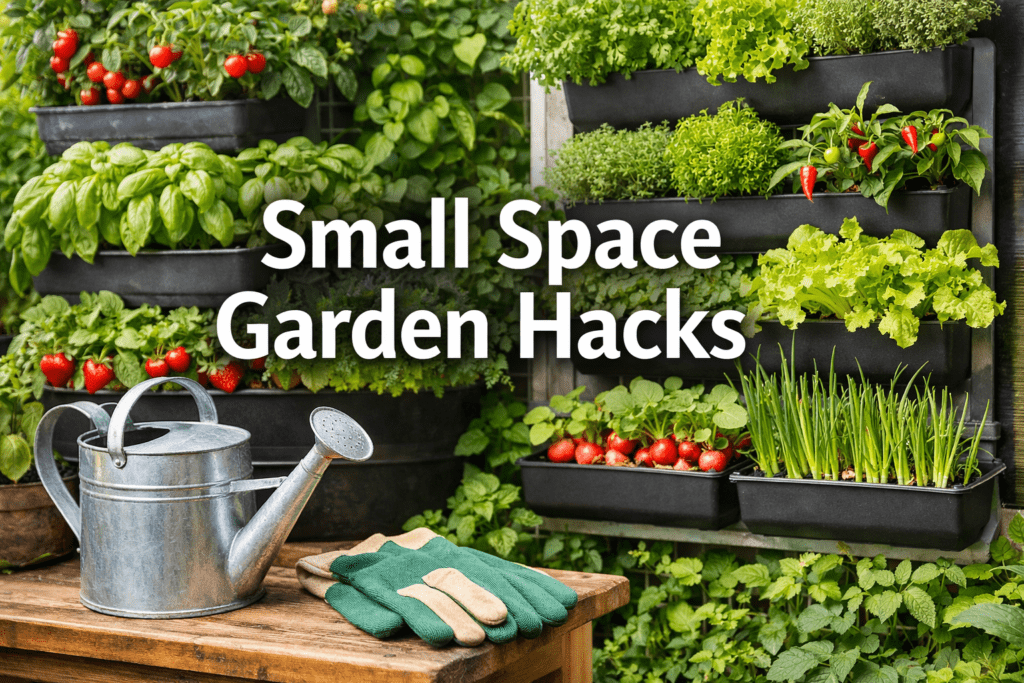
Small space garden hacks involve strategic techniques and clever product choices to maximize plant growth and yield in limited areas such as balconies, patios, windowsills, or tiny yards. These innovative approaches focus on verticality, efficient container use, and smart plant selection, allowing anyone to cultivate a thriving garden regardless of square footage. By adopting these methods, urban dwellers and those with minimal outdoor space can enjoy fresh produce, herbs, and flowers right at home.
Key Takeaways
- Go Vertical: Utilize walls, fences, and tiered shelving to expand your growing area upwards.
- Container Smarts: Choose appropriate pot sizes and types for optimal plant health and mobility.
- Plant Selection: Opt for compact, dwarf, or high-yield varieties that thrive in confined spaces.
- DIY Solutions: Repurpose household items for planters or create custom vertical structures.
- Smart Watering: Implement drip irrigation or self-watering systems to conserve water and time.
- Companion Planting: Pair specific plants to deter pests and enhance growth naturally.
- Lighting Matters: Optimize natural light or supplement with grow lights for indoor gardens.
- Succession Planting: Plan continuous harvests by staggering planting times for quick-growing crops.
- Soil Quality: Invest in high-quality potting mix to provide essential nutrients for container plants.
- Regular Maintenance: Consistent feeding, pruning, and pest checks are crucial for small gardens.
How Can I Maximize Space with Vertical Gardening?
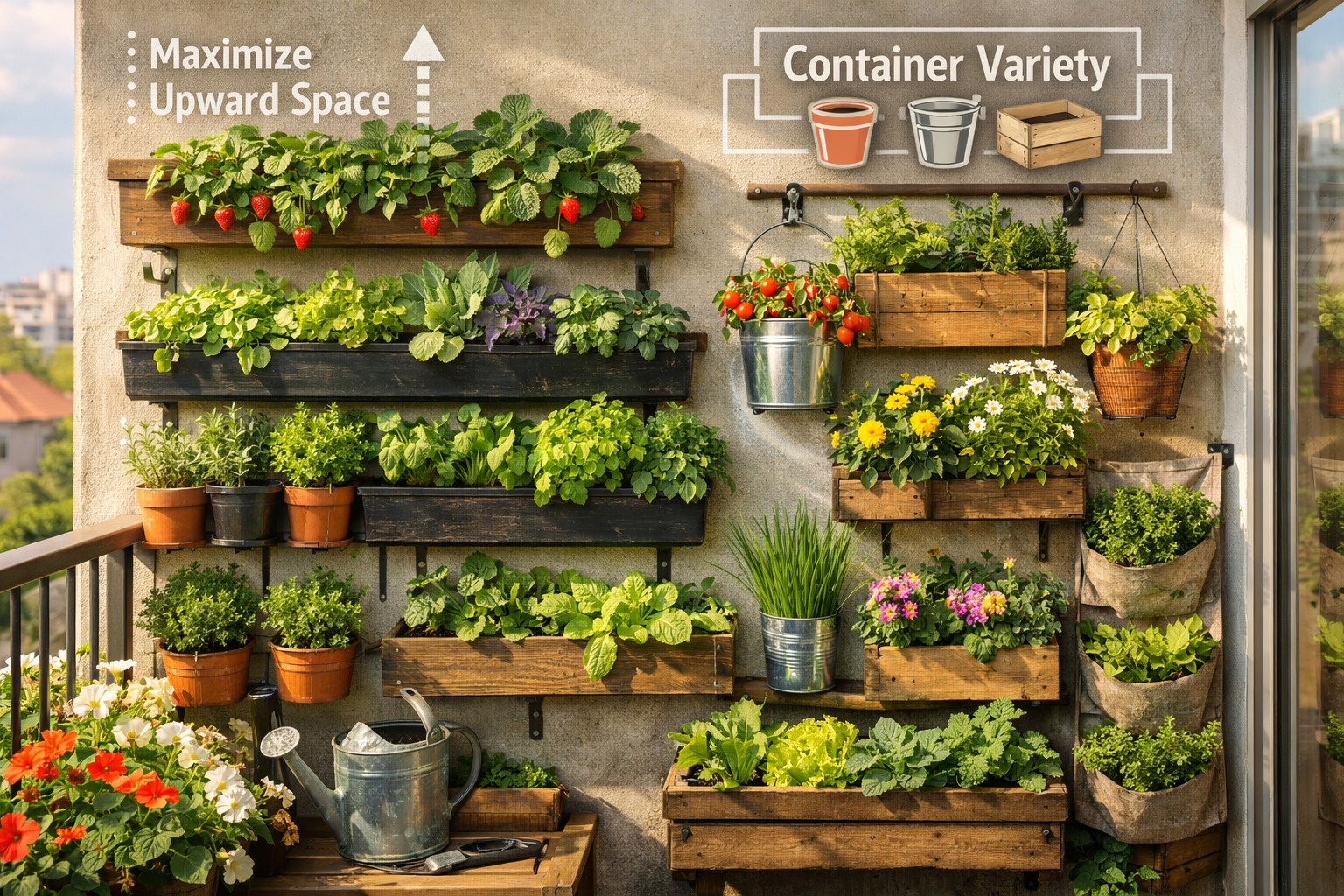
You can maximize space in a small garden by embracing vertical gardening, which involves growing plants upwards on walls, trellises, or tiered shelving units. This approach leverages underutilized vertical real estate, effectively multiplying your growing capacity without expanding your garden’s footprint. Vertical gardening is particularly effective for vining plants, herbs, and shallow-rooted vegetables, transforming barren walls into vibrant, productive green spaces.
- Wall-Mounted Planters: Install planters directly onto fences or exterior walls. Options range from simple hanging pots to modular systems that allow for easy expansion. These are ideal for herbs, strawberries, and leafy greens.
- Tiered Shelving Units: Utilize multi-level shelves for stacking pots and containers. Look for sturdy, weather-resistant units that can hold multiple plants. This method works well for various edibles and ornamental plants.
- Trellises and Arbors: Grow vining plants like cucumbers, pole beans, peas, or small gourds upwards on trellises. This not only saves ground space but also keeps fruit clean and improves air circulation, reducing disease risk.
- Pallet Gardens: Repurpose wooden pallets into vertical planters. You can orient them vertically, adding fabric liners to create pockets for soil and plants. This offers a cost-effective and charming solution for herbs and small flowers.
- Pocket Planters: Fabric pocket organizers designed for shoes can be hung on walls and filled with soil to create numerous mini-gardens, perfect for herbs or succulents.
When deciding on a vertical system, consider the weight when fully planted and watered, especially for balcony gardens. Always choose a system that can be securely anchored and is appropriate for the types of plants you intend to grow. For more detailed insights, check out our Vertical Gardening Guide for Small Spaces: Grow More in 2026.
What Are the Best Container and Plant Choices for Small Space Garden Hacks?
The best container and plant choices for small space garden hacks involve selecting pots that match plant needs and opting for compact, high-yield plant varieties to ensure efficient growth in limited areas. This strategic pairing prevents plants from becoming root-bound and maximizes harvests, making every inch of your gardening space count.
Smart Container Choices:
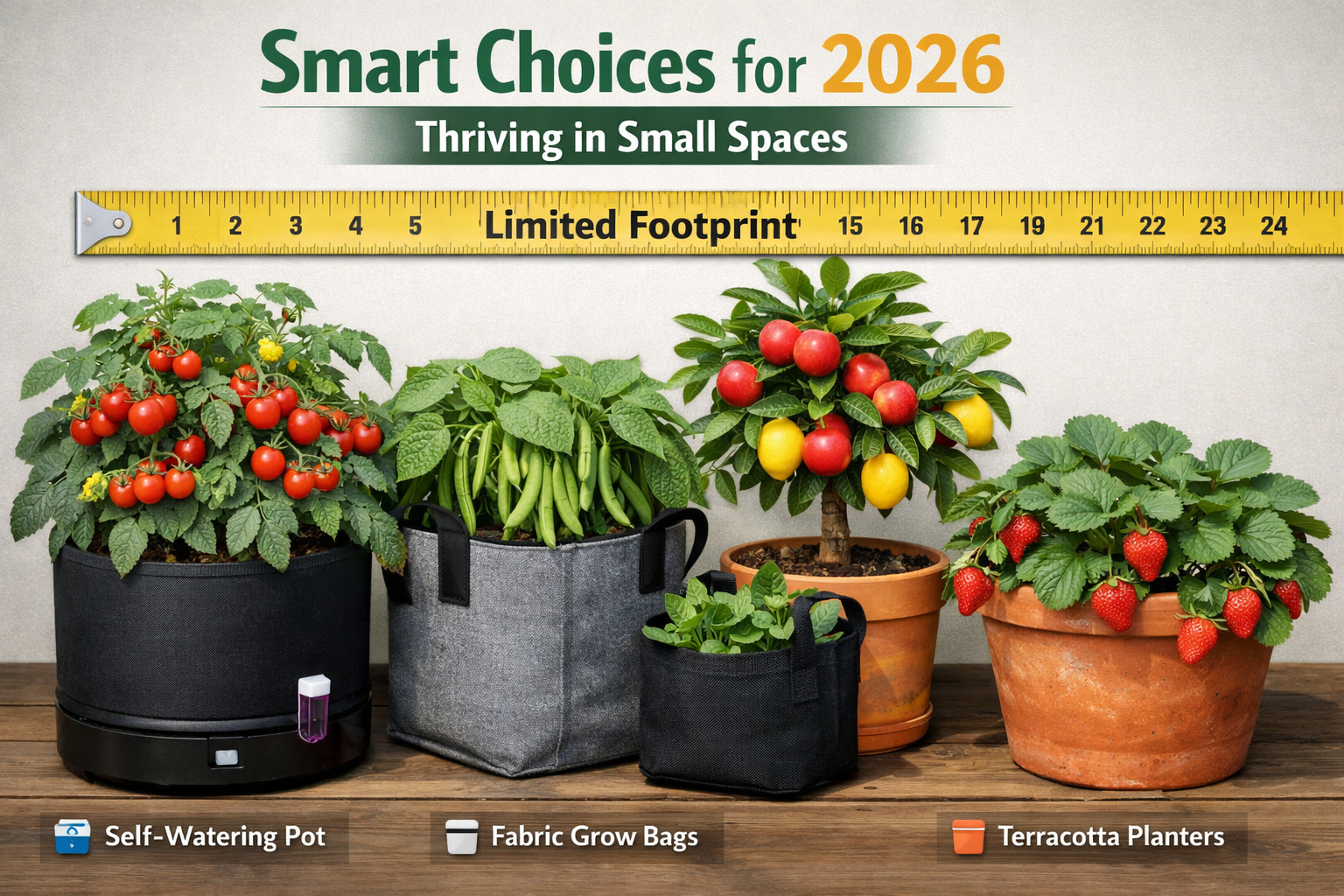
- Fabric Grow Bags: These porous bags promote air pruning, preventing roots from circling and encouraging a denser, healthier root system. They are lightweight, flexible, and come in various sizes.
- Self-Watering Planters: Ideal for busy gardeners, these containers have a water reservoir that slowly releases moisture to the roots, reducing the frequency of watering. They are excellent for maintaining consistent soil moisture, which is crucial for many vegetables.
- Terracotta Pots: While they can dry out faster, terracotta pots offer excellent drainage and aeration. They are a classic choice for herbs and succulents.
- Recycled Containers: Anything from old tires to plastic bottles can be repurposed as planters, saving money and reducing waste. Just ensure adequate drainage holes.
- Window Boxes: Perfect for herbs, shallow-rooted greens, and flowers, window boxes utilize often-overlooked spaces directly outside your windows. For advice on choosing the right options, read our guide on the Best Pots for Small Space Gardening in 2026.
Optimal Plant Selection:
Choosing the right plants is paramount for small space gardening success.
| Plant Type | Ideal Varieties for Small Spaces | Why They Work |
|---|---|---|
| Vegetables | ‘Patio Princess’ tomatoes, bush cucumbers, ‘Little Gem’ lettuce, ‘Thumbelina’ carrots, ‘Fairy Tale’ eggplants | Compact growth habits, high yield for their size, suitable for containers. See Best Vegetables for Small Space Gardening in 2026 for more. |
| Herbs | Basil, mint, chives, thyme, oregano | Many herbs thrive in pots and can be easily trimmed for continuous harvest. |
| Fruits | Dwarf blueberries, strawberries (trailing varieties), patio peaches, columnar apples | Specially bred for small spaces, producing fruit on compact plants. |
| Flowers | Nasturtiums (edible), pansies, petunias, marigolds | Add beauty, can attract pollinators or deter pests, and some are edible. |
When selecting plants, always check their mature size and container requirements. Prioritize varieties labeled “dwarf,” “bush,” or “compact” for guaranteed small-space suitability. Avoid large, sprawling plants unless you have a dedicated vertical support system.
What are Some Clever DIY Solutions and Maintenance Tips for Small Space Gardens?
Clever DIY solutions for small space gardens include repurposing common household items into planters or garden tools, while essential maintenance tips involve optimizing watering, nutrients, and pest control for confined environments. These strategies reduce costs, enhance resourcefulness, and ensure your compact garden remains healthy and productive.
DIY Garden Hacks:
- Repurposed Planters: Use old milk jugs, coffee cans, or plastic soda bottles (cut in half) as seedling starters or small planters. Ensure you add drainage holes to prevent root rot.
- Self-Watering Wicking Beds: Create a simple self-watering system by placing a smaller container with a wicking fabric (like old t-shirt strips) into a larger reservoir container. This provides consistent moisture for your plants.
- Trellises from Branches or Wire: Fashion small trellises from fallen branches, old wire hangers, or even twine strung between support points. These can guide vining plants upward, saving space.
- Mini Greenhouse: Cover plants with clear plastic bottles or gallon jugs during cooler weather to create individual mini-greenhouses, protecting them from frost and promoting growth.
- Compost Tea: Instead of buying expensive fertilizers, create nutrient-rich compost tea from kitchen scraps to feed your plants. Steep compost in water for a few days, then dilute and apply.
Essential Maintenance for Thriving Small Space Gardens:
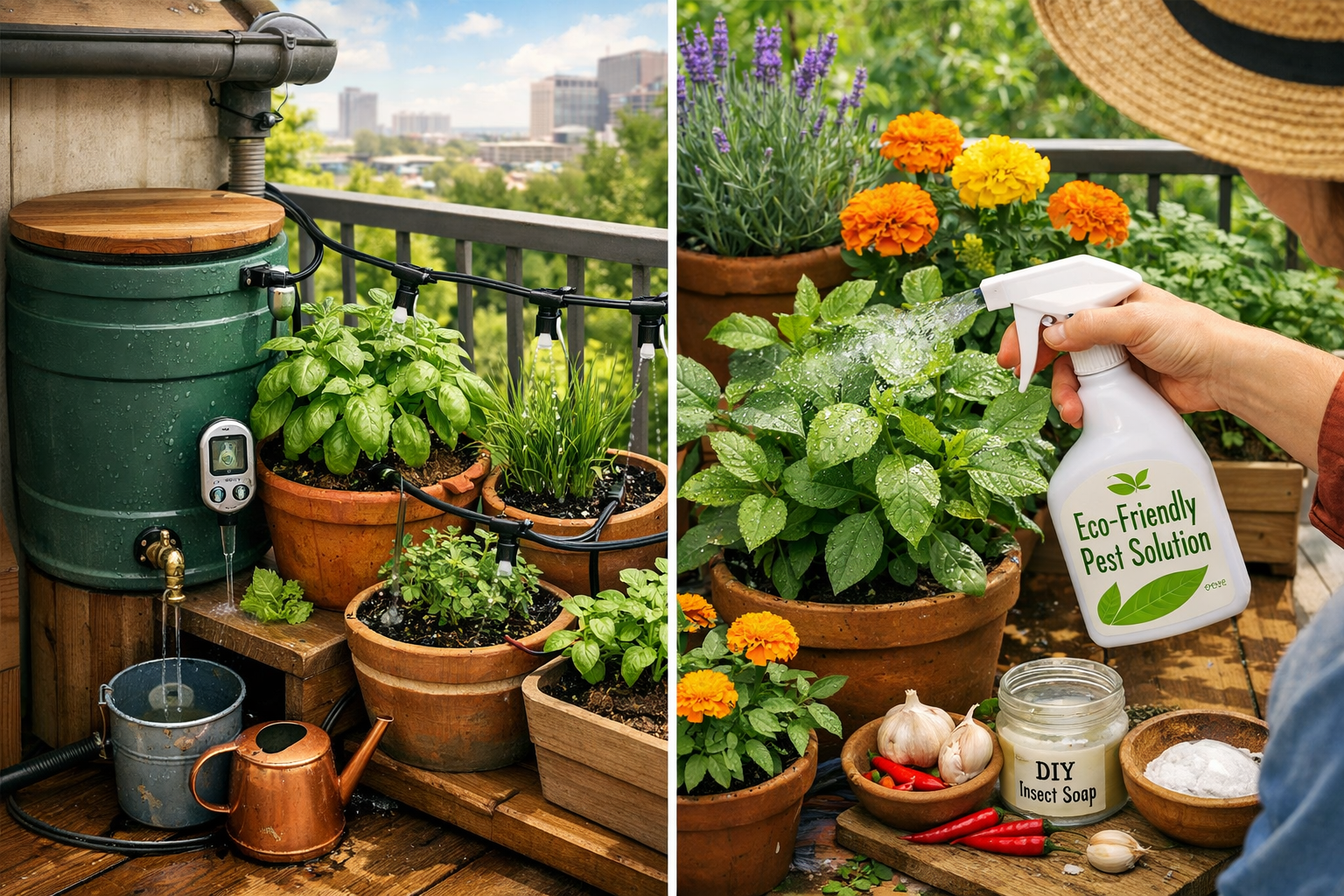
- Watering Wisely: Small containers dry out faster than in-ground beds. Check soil moisture daily. Consider drip irrigation systems or self-watering pots to ensure consistent hydration without overwatering. For container vegetables in summer, daily watering might be necessary.
- Nutrient Management: Container plants deplete soil nutrients quickly. Use a good quality potting mix at the start, and supplement with liquid fertilizer every 2-4 weeks during the growing season. A balanced organic fertilizer works well. Our guide on Best Fertilizers for Small Gardens 2026 has more details.
- Pest and Disease Control: Small gardens are easier to monitor. Regularly inspect plants for signs of pests or disease. Address issues quickly with organic solutions like neem oil, insecticidal soap, or by simply hand-picking pests. Companion planting can also deter some pests. Learn more in our Pest Control for Small Gardens: 2026 Expert Guide.
- Pruning and Training: Prune plants to encourage bushier growth and more fruit production, especially for tomatoes and peppers. Train vining plants to climb their supports, keeping them tidy and maximizing vertical space.
- Crop Rotation and Succession Planting: Even in small spaces, rotating crops annually helps prevent soil-borne diseases. For continuous harvests, practice succession planting by sowing new seeds every few weeks, especially for leafy greens and radishes.
By combining clever DIY hacks with diligent maintenance, your small space garden can become a highly productive and enjoyable green oasis.
Conclusion
Transforming a small space into a vibrant, productive garden is entirely achievable in 2026 with the right small space garden hacks and a bit of creativity. By thinking vertically, choosing your plants and containers strategically, and adopting smart DIY and maintenance practices, you can cultivate an abundant green oasis, even in the most confined urban environments. Embrace these innovative approaches, and you’ll soon be enjoying fresh harvests and the therapeutic benefits of gardening right at home.
Actionable Next Steps:
- Assess Your Space: Identify available sunlight, vertical surfaces, and any existing structures that can be utilized.
- Plan Your Plants: Research compact, high-yield varieties suitable for your climate and chosen containers.
- Source Materials: Gather containers, soil, and any DIY materials you plan to use, prioritizing recycled or repurposed items.
- Start Small: Begin with a few easy-to-grow plants to build confidence and learn what works best in your specific microclimate.
- Monitor & Adapt: Regularly check your garden’s health, adjust watering and feeding as needed, and don’t be afraid to experiment with new hacks.
Related Reading:
- Ultimate Guide to Small Space Gardening for Beginners 2026
- Budget Small Space Gardening Setup
- Essential Tools for Small Space Gardening in 2026
FAQ
Q1: What is the primary benefit of small space garden hacks?
A1: The primary benefit of small space garden hacks is the ability to grow a diverse range of plants—from vegetables and herbs to flowers—in limited areas, making gardening accessible to urban dwellers and those with minimal outdoor space.
Q2: Can I grow vegetables in a small apartment without a balcony?
A2: Yes, you can grow vegetables in a small apartment without a balcony by utilizing indoor gardening hacks such as windowsill planters, grow lights, and compact hydroponic systems, focusing on plants like herbs, lettuce, and microgreens.
Q3: How do I choose the best plants for a small space garden?
A3: Choose the best plants for a small space garden by prioritizing compact, dwarf, or bush varieties, and selecting plants known for high yield relative to their size, such as ‘Patio Princess’ tomatoes or bush cucumbers.
Q4: Are self-watering pots truly effective for small space gardening?
A4: Yes, self-watering pots are highly effective for small space gardening as they reduce the frequency of watering and help maintain consistent soil moisture, which is crucial for healthy plant growth and busy gardeners.
Q5: What are some budget-friendly small space garden hacks?
A5: Budget-friendly small space garden hacks include repurposing household items like plastic bottles or milk jugs as planters, building DIY vertical garden structures from pallets, and making your own compost tea for fertilizer.
Q6: How often should I fertilize plants in containers?
A6: You should typically fertilize container plants every 2-4 weeks during the active growing season, as nutrients leach out of pots faster than they do from in-ground garden beds.
Q7: What’s the easiest way to deal with pests in a small garden?
A7: The easiest way to deal with pests in a small garden is through regular inspection, hand-picking visible pests, and using organic solutions like neem oil or insecticidal soap at the first sign of an infestation.
Q8: Can vertical gardens support heavy fruiting plants like squash?
A8: Vertical gardens can support heavy fruiting plants like squash if provided with very strong, robust support structures, such as sturdy trellises or arbors, and if you select smaller, compact squash varieties.
Q9: What is succession planting and why is it useful for small spaces?
A9: Succession planting involves staggering the sowing of seeds every few weeks to ensure a continuous harvest throughout the growing season, which is highly useful in small spaces to maximize overall yield from limited area.
Q10: How important is sunlight for small space gardening?
A10: Sunlight is critically important for small space gardening; most fruiting vegetables and herbs require at least 6-8 hours of direct sunlight daily. If natural light is insufficient, consider supplementing with artificial grow lights.