Should I remove flowers from young vegetable plants?
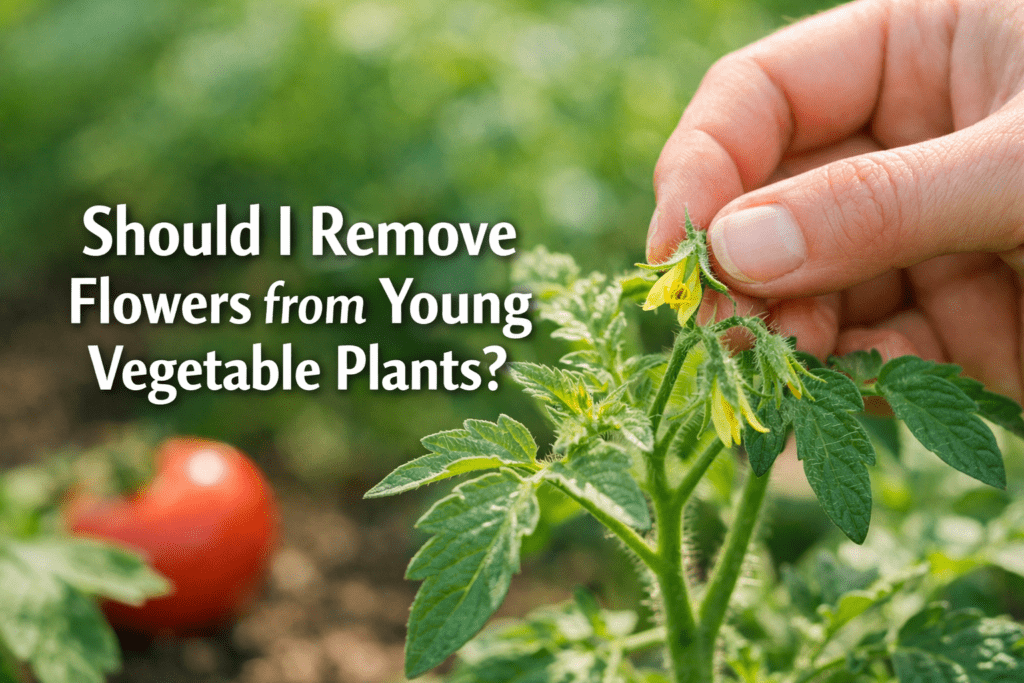
When nurturing a young vegetable garden, a common question arises among enthusiasts and seasoned growers alike: “Should I remove flowers from young vegetable plants?” This decision, often called ‘blossom removal’ or ‘pinching back,’ can significantly impact your plant’s development and ultimately, your harvest. The short answer is: yes, for many common vegetable plants, removing the first few flowers is a beneficial practice, especially for perennial fruiting vegetables like strawberries and blueberries, and even for some annuals like tomatoes and peppers, to encourage stronger root systems and more robust future yields.
Key Takeaways
- Yes, for many plants: Removing early flowers is often beneficial for long-term health and productivity.
- Focus on establishment: It redirects plant energy from early fruit production to root and foliage development.
- Plant-specific: The practice varies greatly by vegetable type (e.g., essential for strawberries, optional for tomatoes).
- Perennials benefit most: Blueberries and strawberries see significant advantages in early flower removal for future yields.
- Annuals can benefit: Tomatoes and peppers often produce larger, higher-quality fruit if early blossoms are removed.
- Timing is crucial: Remove flowers when they are small buds, not after they’ve opened fully.
- Observe your plant: Healthy, vigorous plants are more resilient to early fruiting; stressed plants benefit more from flower removal.
- Exceptions exist: Some plants, like leafy greens or root vegetables, don’t require flower removal for primary harvest.
Quick Answer
You should remove flowers from young vegetable plants in many cases because it encourages the plant to invest its energy into developing a strong root system and robust foliage rather than immediate fruit production. This foundational growth is critical for long-term plant health, disease resistance, and ultimately, a more substantial and higher-quality harvest later in the season or in subsequent years. However, this strategy is not universal and depends heavily on the specific plant species and your gardening goals.
Why Should I Remove Flowers from Young Vegetable Plants? The Science Behind the Strategy
Removing early flowers from young vegetable plants, particularly fruiting varieties, redirects the plant’s metabolic energy. When a plant begins to flower and set fruit, its energy allocation shifts dramatically from vegetative growth (leaves and roots) to reproductive growth (flowers and fruits) [1]. This is a natural survival mechanism; the plant prioritizes producing seeds to ensure the next generation. For gardeners, however, early fruit production can stunt overall plant development.
Energy Allocation and Plant Vigor
- Root System Development: A strong, extensive root system is vital for a plant’s ability to absorb water and nutrients from the soil. By preventing early fruiting, the plant can channel more energy into root growth, leading to a more resilient and productive plant [1]. This is especially important for young plants establishing themselves in a new environment.
- Vegetative Growth: More energy directed towards leaves means more photosynthesis, which, in turn, fuels further growth and energy reserves. A bushy, healthy plant with ample foliage is better equipped to support a heavy fruit load later in the season.
- Stunted Growth: Studies have shown that once fruit development begins on plants like tomatoes, leaf growth can become “markedly depressed,” and root growth may cease or even lead to some root death [1]. This highlights the significant energy demand that early fruit production places on a young plant.
- Long-Term Yield: For perennial vegetables, like blueberries and strawberries, removing flowers in the first one to two years is strongly recommended. This practice has been shown to result in more vigorous plantings and significantly higher yields in subsequent years [1].
Which Vegetable Plants Benefit from Early Flower Removal?
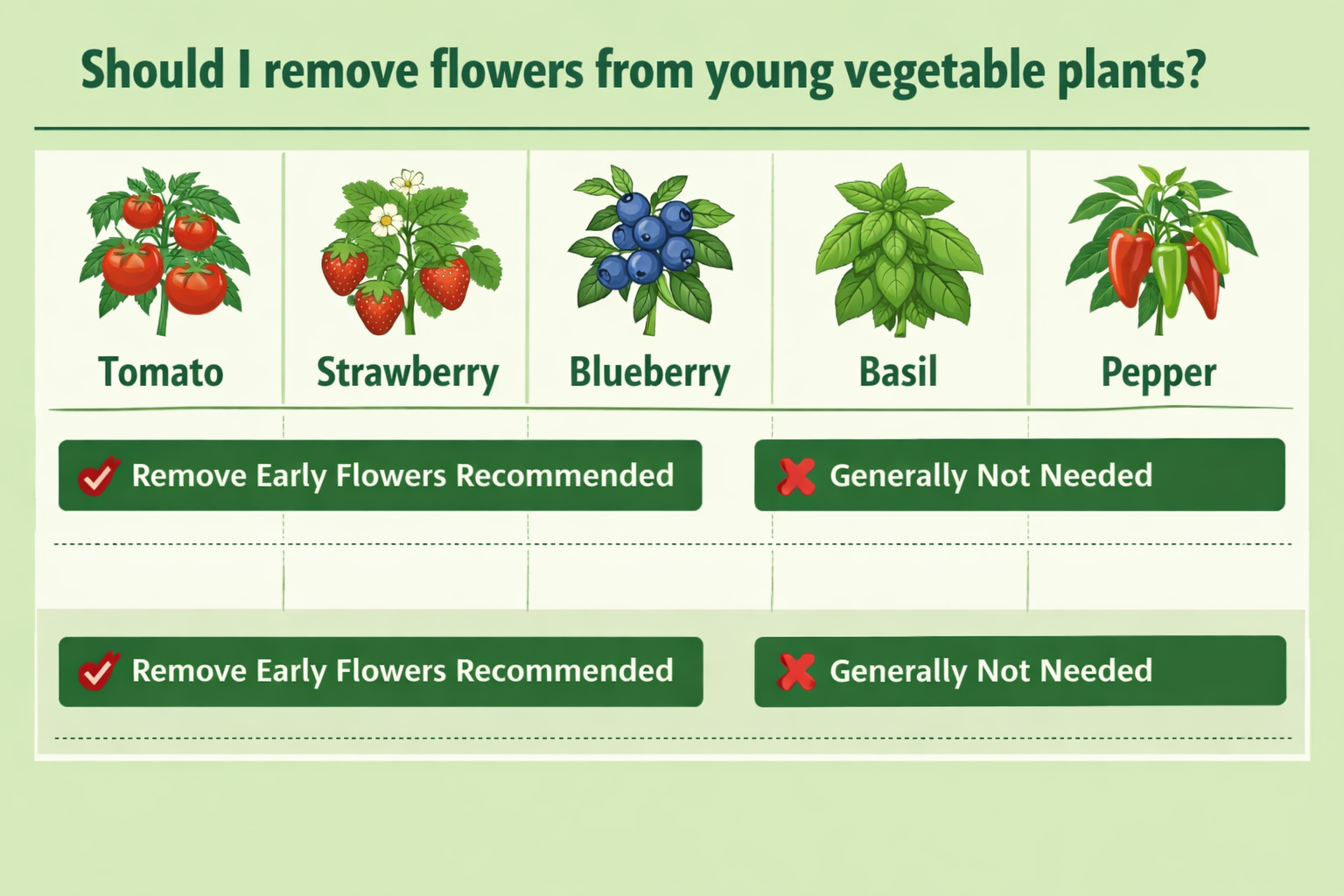
The decision to remove flowers from young vegetable plants isn’t a one-size-fits-all rule; it largely depends on the specific plant and your desired outcome. Many fruiting plants benefit, while others, particularly those grown for their leaves or roots, do not.
Plants That Strongly Benefit
- Strawberries: For newly set strawberry plants, blossom removal is considered one of the most effective cultural operations to establish a vigorous plant. A 1953 study highlighted its importance for plant establishment [1]. For day-neutral varieties, removing flowers until mid-summer can maximize later-season yields, while removing them for the entire first year often leads to maximized yields in the second year [1].
- Blueberries: Young blueberry bushes (years 1-2) should have their flowers removed. Allowing them to fruit too early can reduce vegetative growth and decrease yield in year three [1]. Removing flowers helps the plant establish a strong foundation.
- Tomatoes (Indeterminate Varieties): While some gardeners let early tomato flowers develop, research from the 1970s indicated that removing early blooms on indeterminate tomatoes resulted in larger plants with higher vegetative growth [1]. Although fruit yield eventually caught up with untreated plants, the initial plant vigor was significantly improved, often leading to larger, higher-quality fruits later on. For optimal plant care, consider reading our “Beginner’s Guide to Plant Care 2026: Grow Thriving Plants.”
- Peppers: Similar to tomatoes, pinching off the first few flowers from young pepper plants can encourage stronger branching and more prolific flowering and fruit set later in the season [2].
- Eggplants: Pinching the first flowers allows the plant to put more energy into developing a robust structure, which can support more fruit later.
Plants Where It’s Less Critical or Not Recommended
- Basil: While not strictly for “fruit” production, removing flower spikes from basil prevents premature bolting, encourages bushier growth, and extends the leaf harvest period [2]. It’s a form of deadheading for leafy harvest.
- Lettuce & Other Leafy Greens: Prompt removal of flowers (bolting) is crucial to prevent bitterness and extend the harvest, but this isn’t about promoting future fruit; it’s about maintaining leaf quality [2].
- Root Vegetables (Carrots, Radishes, Beets): These are harvested for their roots, so flower removal is not a standard practice as it doesn’t impact the primary harvest. Flowering (bolting) indicates the plant is going to seed, which usually makes the root woody and unpalatable.
- Bush Beans & Peas: These plants typically have a shorter growing season, and their growth habit is often determinate. Removing early flowers isn’t usually necessary and can delay your harvest.
- Cucumbers & Zucchini: These plants are generally very vigorous. While some growers might remove the first male flowers to encourage female flowers, it’s not a widespread practice for overall plant establishment.
How to Properly Remove Flowers from Young Vegetable Plants
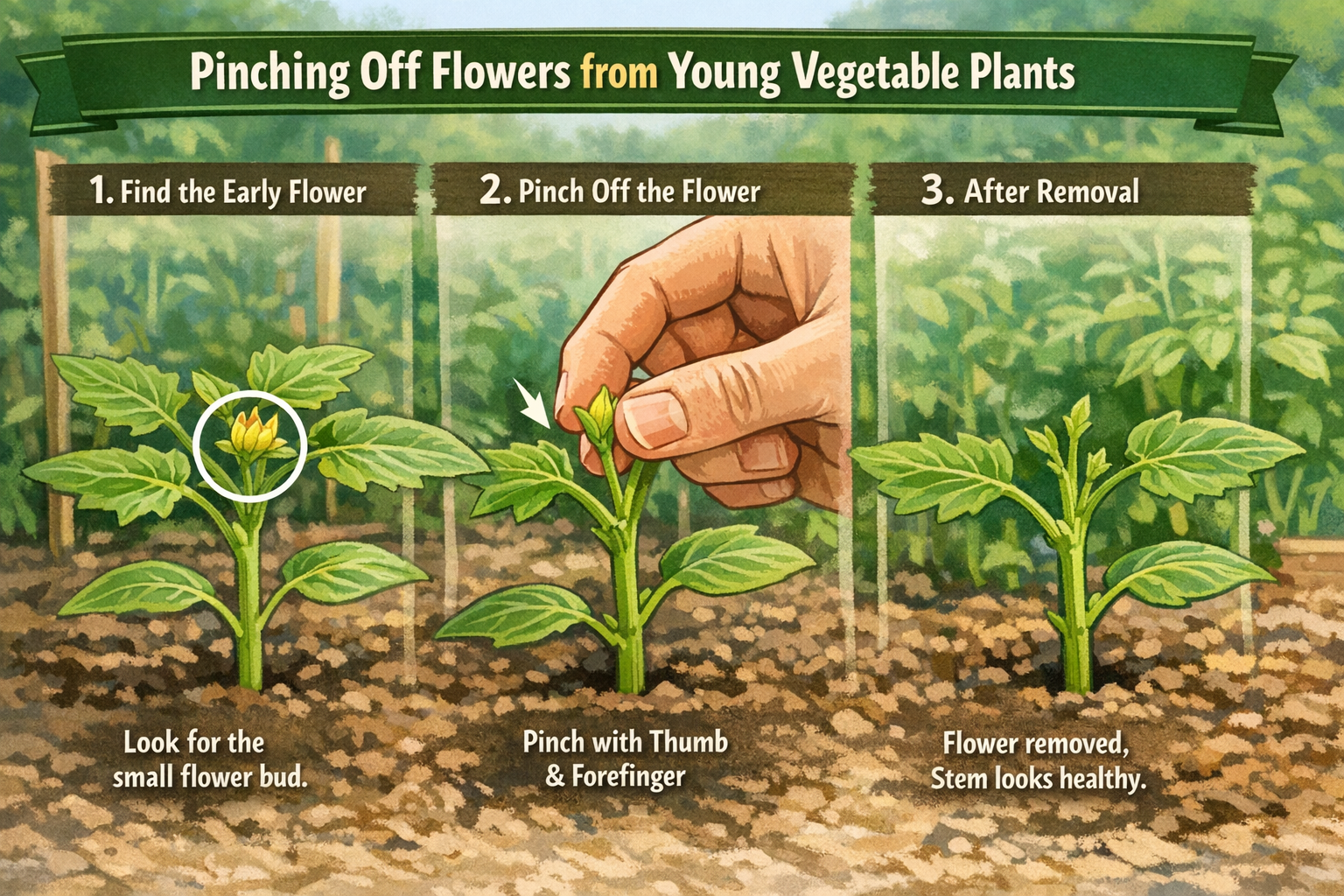
Proper technique for removing flowers ensures minimal stress to the plant and maximizes the benefits of the practice. It’s a simple task but requires a gentle hand and a clear understanding of what to remove.
Step-by-Step Guide to Blossom Removal
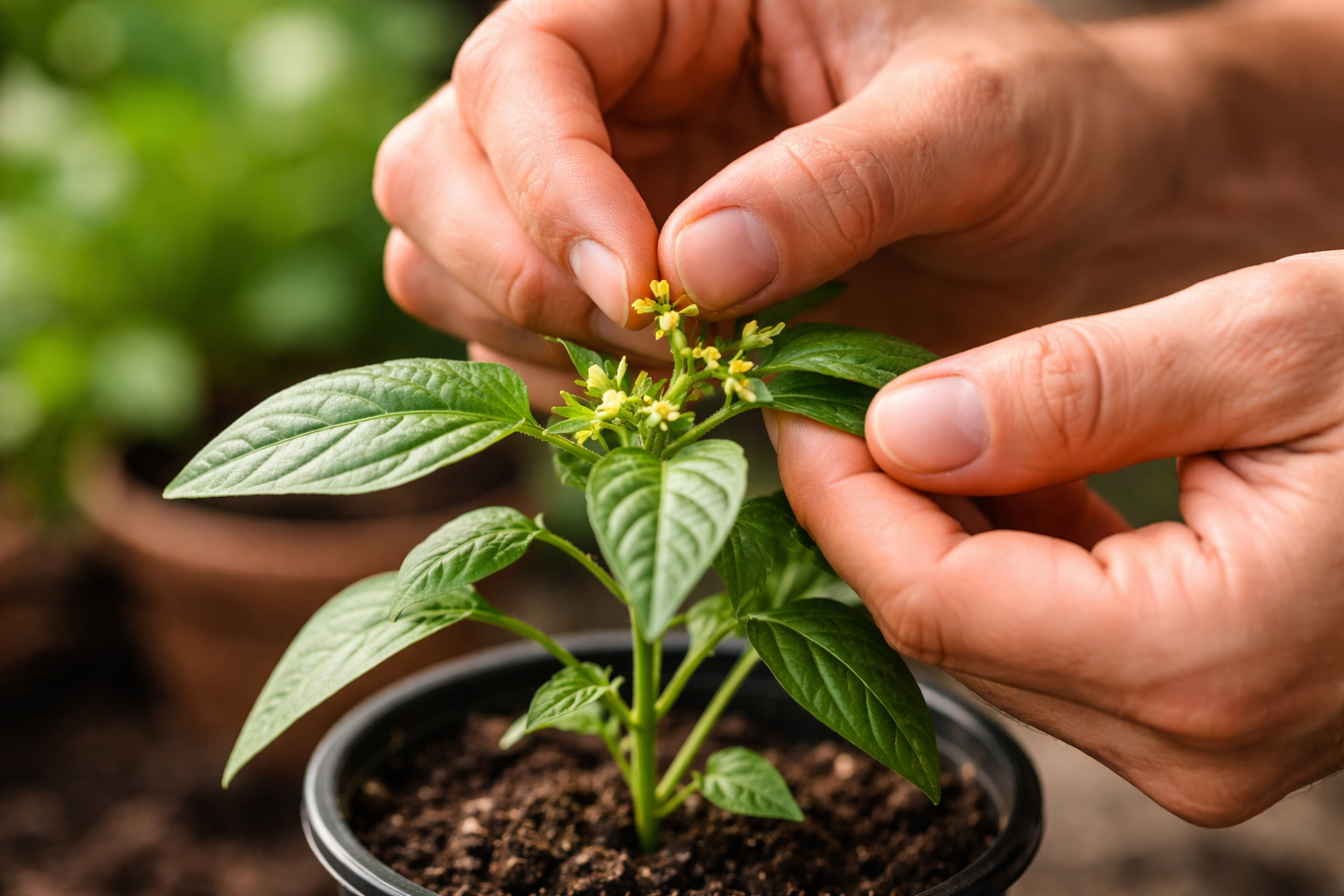
- Identify Early Buds: Look for the very first flower buds that appear on your young plant. These are typically small and often appear at leaf axils (where a leaf meets the main stem) or at the terminal end of a branch.
- Timing is Key: Remove flowers when they are still small, undeveloped buds. Avoid waiting until they have fully opened or begun to set fruit, as by then, the plant has already expended significant energy on their development [1].
- Use Clean Tools or Fingers: For most young plants, your thumb and forefinger are sufficient. Gently pinch or snip off the flower bud and its short stem. If the stems are thicker, use clean, sharp pruning shears to make a clean cut.
- Avoid Damaging the Plant: Be careful not to damage the main stem, surrounding leaves, or nearby growing tips. The goal is to remove only the flower bud.
- Repeat as Needed: For plants like strawberries, you might need to continue removing flowers for the first growing season. For annuals like tomatoes or peppers, removing the first cluster or two is generally sufficient.
- Monitor Plant Health: After removing flowers, continue to provide optimal growing conditions, including adequate watering and nutrients. For guidance on water, check our “How Often Should You Water Plants? Ultimate Guide 2026.”
- Decision Rule: Choose to remove flowers if your plant is still very small, has limited foliage, or you are growing a perennial fruit where long-term yield is prioritized. If your plant is already vigorous and well-established for its age, you might choose to let the first flowers develop, especially for short-season annuals where every fruit counts.
- Common Mistake: Removing too many flowers or continuing to remove flowers too late into the season. This can unnecessarily delay your harvest or reduce overall yield. Focus on the very first flowers when the plant is still young and establishing itself.
The Benefits of Strategic Flower Thinning
Beyond early flower removal, thinning flowers and fruits on established plants can also improve the quality of the remaining produce. Plants with high floral numbers, such as apples, blueberries, peaches, and tomatoes, often produce larger, higher-quality fruits when some flowers or small fruits are strategically removed [1]. This practice allows the plant to concentrate its resources on fewer, more robust fruits, rather than numerous small or underdeveloped ones. This is a common practice in commercial orchards and can be applied in home gardens as well.
When Should You Stop Removing Flowers?
Determining when to cease flower removal is crucial to striking the right balance between plant establishment and productive yield. The timing largely depends on the plant species, its growth habit, and your gardening goals for the current season.
Timing for Annual vs. Perennial Vegetables
- Perennial Fruiting Plants (e.g., Strawberries, Blueberries): For these long-lived plants, the focus during the first year or two is primarily on establishing a strong, healthy plant that will produce abundantly for many seasons.
- Strawberries: Continue to remove all flowers during the entire first growing season for maximum yield in subsequent years [1]. For day-neutral varieties, you might stop removing flowers by early to mid-July in the first year to allow for a late-season harvest, but this can impact the second-year yield [1].
- Blueberries: Remove all flowers for the first one to two years after planting. This allows the bush to put all its energy into developing a robust root system and strong woody framework, which is essential for future heavy fruit production [1].
- Annual Fruiting Plants (e.g., Tomatoes, Peppers, Eggplants): For plants that complete their life cycle in one season, the goal is to get a good harvest in the current year.
- General Rule: Typically, you only need to remove the first one to three clusters of flowers that appear when the plant is very young and still small. Once the plant has developed a significant amount of foliage (e.g., reached about 1-2 feet in height for a tomato or pepper plant) and looks vigorous, you can allow subsequent flowers to develop into fruit.
- Indeterminate vs. Determinate: This practice is more relevant for indeterminate varieties that continue to grow and produce throughout the season. Determinate varieties, which produce most of their fruit at once, may still benefit from initial flower removal for a stronger start but will set their final fruit load regardless.
- Environmental Factors: If your plants are growing in less-than-ideal conditions (e.g., poor light, crowded conditions, or cool temperatures), they may benefit from continued flower removal for a bit longer to help them gain strength. Conversely, in optimal conditions, plants might establish quickly enough that extensive flower removal isn’t as critical.
Potential Downsides and Considerations
While removing flowers from young vegetable plants offers significant advantages for plant development, it’s not without potential downsides or situations where it might not be the best approach. Understanding these factors helps in making an informed decision for your garden in 2026.
Delayed Harvest
The most immediate and obvious downside of removing early flowers is a delayed harvest. By intentionally preventing the plant from producing fruit early, you are pushing back the time when you can enjoy your first vegetables. For gardeners in regions with short growing seasons, or those eager for an early crop, this delay might be a significant concern.
- Consider your Climate: In areas with a limited frost-free period, delaying fruit set too much might mean a reduced overall harvest before cold weather arrives.
- Prioritize Early Yields: If your primary goal is to get the earliest possible tomatoes or peppers, you might choose to allow the first flowers to develop, accepting potentially smaller initial plants.
Reduced Overall Yield (in some cases)
While the goal of blossom removal is often to increase total yield or quality of fruit over the season, in some specific scenarios, it could lead to a slight reduction in the number of fruits if done excessively or on plants that don’t particularly benefit.
- Short-lived Annuals: For certain annuals, like some bush bean varieties or determinate tomatoes, which have a concentrated fruiting period, removing too many flowers might simply reduce the total number of fruits without a significant compensatory increase in size or subsequent yield.
- Plant Vigor: A healthy, fast-growing plant with high rates of photosynthesis (due to good light, soil, and nutrients) might be less affected by early fruit production than a plant with low photosynthesis rates (e.g., newly developing plants, poor light, or genetic limitations) [1].
Risks of Plant Stress or Damage
Improperly removing flowers can inadvertently stress or damage the plant.
- Physical Damage: Careless pinching or cutting can break stems, damage leaves, or introduce entry points for diseases. Always use clean hands or sterilized tools.
- Over-pruning: Removing too much of the plant, rather than just the flower buds, can also be detrimental. Focus only on the reproductive parts you intend to remove.
- Misidentification: Ensure you are removing flowers and not essential vegetative growth points, especially on plants where flowers and new shoots can look similar when very young.
Should I Remove Flowers from Young Vegetable Plants? When to Make the Call in 2026
Deciding whether to remove flowers from your young vegetable plants in 2026 involves a combination of plant knowledge, environmental factors, and personal gardening goals. There isn’t a single universal answer, but rather a decision tree based on your specific situation.
Factors Influencing Your Decision
- Plant Type:
- Perennials (Strawberries, Blueberries): Almost always remove flowers in the first year or two to promote long-term vigor and future yields [1].
- Indeterminate Fruiting Annuals (Tomatoes, Peppers, Eggplants): Generally beneficial to remove the first 1-3 clusters of flowers to build a strong plant structure, leading to larger, higher-quality fruits later [1, 2].
- Determinate Fruiting Annuals (Bush Beans, some Tomato varieties): Less critical, as these plants have a more fixed fruiting schedule. You might remove the very first few if the plant seems weak.
- Leafy Greens/Root Vegetables (Lettuce, Carrots): Not applicable for blossom removal to encourage fruit. For leafy greens, remove flower stalks (bolting) to maintain leaf quality [2].
- Plant Health and Vigor:
- Weak or Stressed Plants: If your young plant appears stunted, has yellowing leaves, or is struggling to establish (perhaps due to transplant shock, poor soil, or insufficient light), removing flowers is highly recommended. This redirects precious energy towards recovery and growth [1].
- Vigorous Plants: If your plant is thriving, growing quickly, and has a strong, healthy appearance, it may be able to support early fruit production without significant detriment. However, even vigorous plants often benefit from initial flower removal for superior long-term results.
- Growing Conditions:
- Short Growing Season: In climates with a brief window between frosts, you might be hesitant to delay harvest by removing too many flowers, especially from fast-maturing annuals. Focus on removing only the very first, weakest clusters.
- Optimal Conditions (Long Season, Good Soil, Ample Sun): With plenty of time and resources, you have more flexibility to encourage vegetative growth first, leading to a more robust plant capable of higher yields. Consider our “Soil Basics for Container Gardening: 2026 Expert Guide” for optimal soil conditions.
- Gardening Goals:
- Maximum Overall Yield/Quality: If your primary goal is to maximize the total quantity and quality of fruit over the entire season, or over multiple years for perennials, then early flower removal is a valuable strategy [1].
- Earliest Possible Harvest: If getting the very first fruit is your top priority, even if it means potentially smaller plants or slightly reduced overall yield, you might choose to let the first flowers remain.
Making the Call
I generally recommend a cautious approach: when in doubt, especially for fruiting plants like tomatoes, peppers, strawberries, and blueberries, remove the first few flower clusters. It’s a small investment of time that typically pays dividends in the form of healthier, stronger plants and more abundant, higher-quality harvests. Observe your plants closely. They will often tell you what they need through their growth patterns and vigor. For more general advice on planting, our “Small Space Vegetable Gardening: 2026 Step-by-Step Guide” offers comprehensive tips.
Conclusion
The question “Should I remove flowers from young vegetable plants?” is a fundamental one for many gardeners, and the answer, as we’ve explored, is nuanced but often leans towards a strategic “yes.” By understanding the plant’s energy allocation and the specific needs of different vegetable types, you can make informed decisions that promote long-term plant health and maximize your harvest.
For perennial fruit-bearing plants like strawberries and blueberries, early flower removal is almost always beneficial, setting the stage for years of abundant yields. For annuals such as tomatoes, peppers, and eggplants, pinching off the initial blossoms redirects vital energy towards developing a strong root system and robust foliage, ultimately leading to larger, higher-quality fruits later in the season. While it may delay your first harvest, this small sacrifice often results in a more resilient and productive plant overall. Always consider your plant’s specific needs, its current health, and your gardening goals for the 2026 season to apply this technique most effectively.
FAQ
Is it always necessary to remove flowers from young vegetable plants?
No, it’s not always necessary. It primarily benefits fruiting plants like tomatoes, peppers, strawberries, and blueberries, especially when they are young and establishing themselves.
What happens if I don’t remove the first flowers from my vegetable plants?
If you don’t remove the first flowers, the plant will likely divert energy into producing early fruit, which can sometimes result in a smaller overall plant, a weaker root system, and potentially fewer or smaller fruits later in the season [1].
How do I remove flowers from young vegetable plants?
Gently pinch off the small flower buds with your thumb and forefinger, or use clean, sharp snips if the stems are a bit tougher, being careful not to damage the main stem or leaves.
Which vegetable plants benefit most from flower removal?
Strawberries and blueberries benefit significantly for long-term yield. Tomatoes, peppers, and eggplants also benefit from removing the first few flower clusters to encourage stronger vegetative growth [1, 2].
Will removing flowers delay my harvest?
Yes, removing early flowers will temporarily delay your harvest, as the plant needs more time to grow vegetatively before producing fruit. However, this delay often leads to a larger, more abundant harvest later [1].
When should I stop removing flowers from my vegetable plants?
For perennials like strawberries, continue removing flowers throughout the first growing season. For annuals like tomatoes and peppers, stop removing flowers once the plant has established a robust size and developed sufficient foliage (e.g., around 1-2 feet tall).
Can I remove too many flowers?
Yes, removing too many flowers, or continuing to remove them too late in the season, can unnecessarily delay your harvest or reduce the total yield, especially for annuals. Focus on the very first clusters when the plant is young.
Does removing flowers help prevent diseases?
By promoting a stronger, healthier plant with a robust root system and ample foliage, flower removal can indirectly contribute to better disease resistance, as vigorous plants are generally more resilient [1].
What about leafy greens like lettuce? Should I remove their flowers?
For leafy greens, you don’t typically remove flowers to promote more leaves, but rather to prevent bolting. When leafy greens flower, their leaves often become bitter, so removing the flower stalk (bolting) extends the harvest of palatable leaves [2].
References
[1] This Bud Removal Is For You Does Early Flower Removal Aid Plant Establishment In Fruiting Plants Like Tomatoes – https://gardenprofessors.com/this-bud-removal-is-for-you-does-early-flower-removal-aid-plant-establishment-in-fruiting-plants-like-tomatoes/
[2] The Importance Of Deadheading – https://yoderbilt.com/resources/blog/the-importance-of-deadheading/
[3] Nurture Your Soul Plant Your Garden With Cutting Flowers – https://gpgardencoalition.org/garden-design/nurture-your-soul-plant-your-garden-with-cutting-flowers/
[4] Do You Cut Off The First Flowers Of Vegetable Plants – https://www.houzz.com/discussions/5713517/do-you-cut-off-the-first-flowers-of-vegetable-plants/
Tags: