Shade Loving Plants
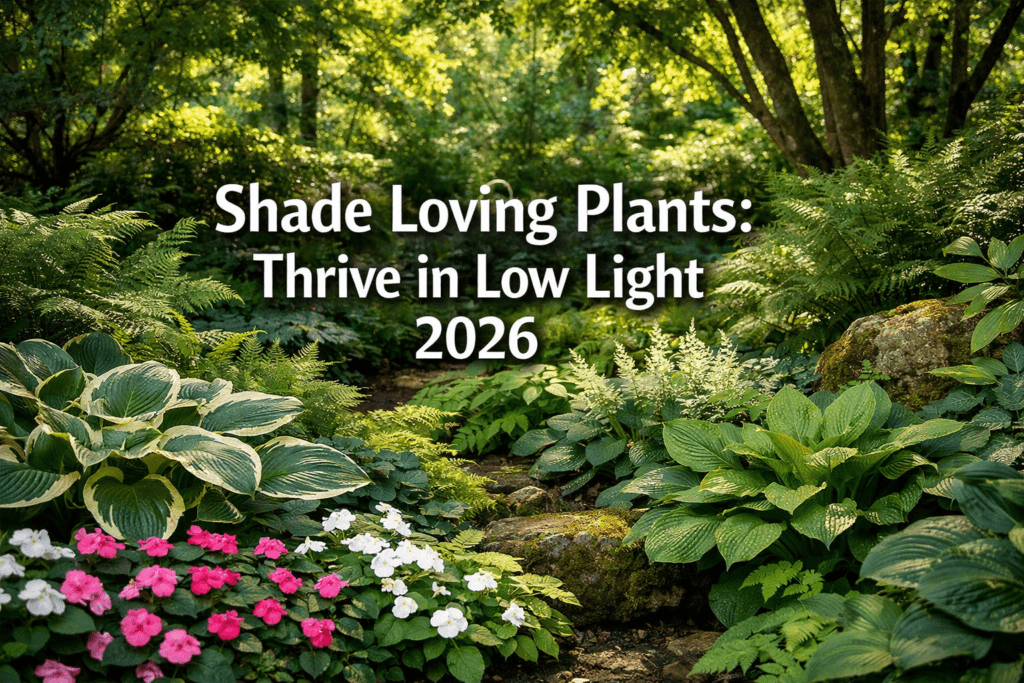
Gardening in shaded areas doesn’t mean sacrificing beauty or variety; in fact, choosing the right shade loving plants can transform dim corners into lush, vibrant havens. These specialized plants are not merely surviving but thriving in low-light conditions, offering diverse textures, captivating foliage, and often unexpected blooms, making them ideal for gardeners facing less-than-sunny spots. Understanding the nuances of shade and selecting appropriate species ensures a flourishing, low-maintenance garden.
Key Takeaways
- Shade is a Spectrum: Not all shade is equal; differentiate between full shade, partial shade, and dappled shade to match plants correctly.
- Foliage is King: Many shade loving plants offer incredible leaf textures, shapes, and colors, providing year-round interest even without abundant flowers.
- Moisture Management is Crucial: Shaded areas often retain more moisture, so proper watering and well-draining soil are vital to prevent root rot.
- Soil Enrichment Benefits: Regular incorporation of organic matter improves soil structure, drainage, and nutrient availability for shade plants.
- Diverse Options Exist: From elegant ferns and vibrant hostas to colorful impatiens and hardy groundcovers, there’s a shade plant for every aesthetic.
- Pest and Disease Vigilance: Shady, damp conditions can sometimes favor certain pests or fungal issues; regular inspection is important.
- Consider Container Gardening: For small, shaded balconies or patios, container-grown shade loving plants offer flexibility and aesthetic appeal.
- Light Reflection Techniques: Using light-colored pots or reflective surfaces can subtly brighten very dark corners for shade-tolerant species.
What Defines Shade Loving Plants and Why Do They Thrive in Low Light?
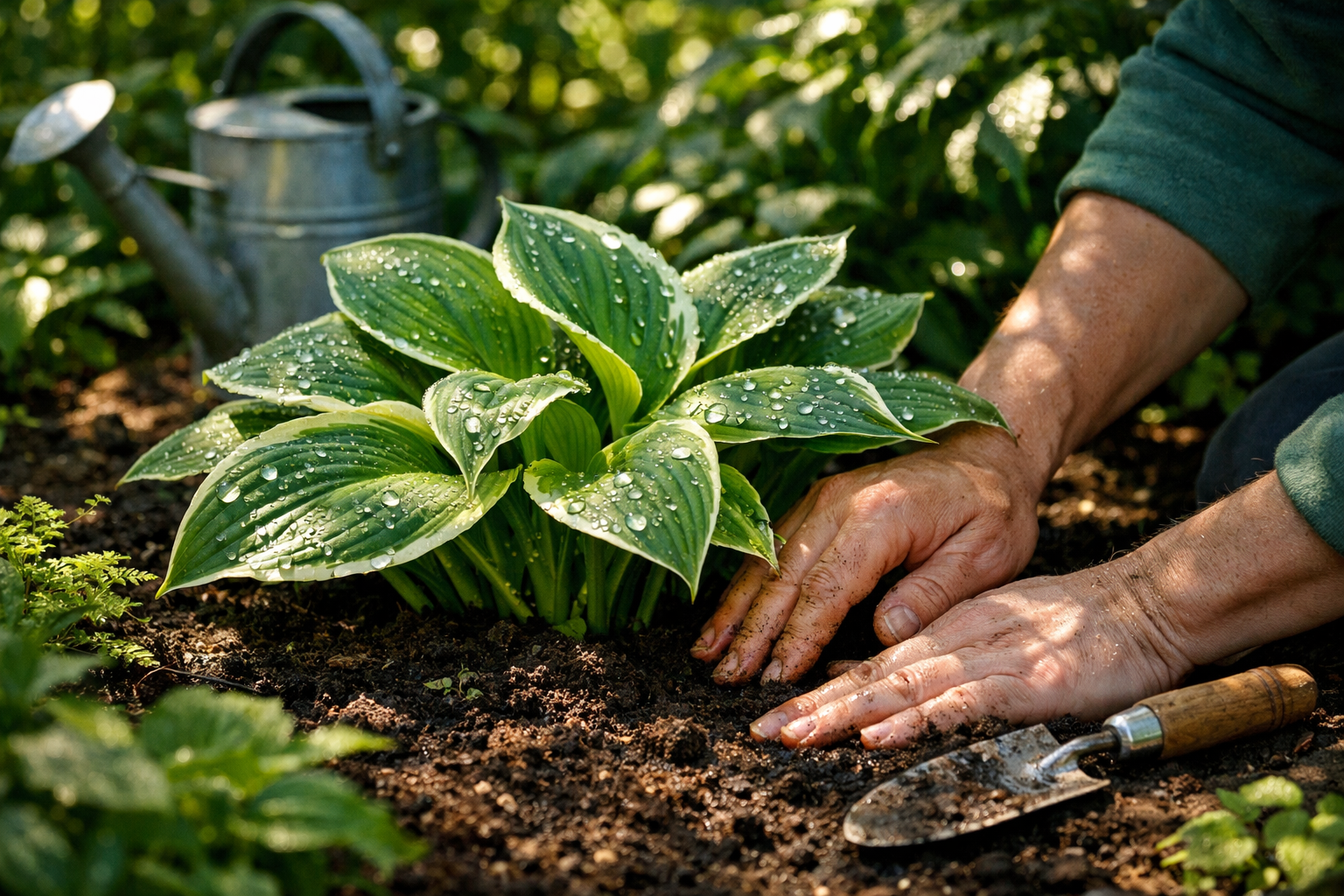
Shade loving plants are species that have evolved specific adaptations to grow optimally in environments receiving limited direct sunlight, typically thriving where direct sun exposure is less than six hours a day. These plants flourish in low-light conditions because their physiological makeup, including larger chlorophyll-rich leaves and lower light compensation points, allows them to efficiently photosynthesize with reduced solar energy while protecting them from the stress of intense sun.
Unlike sun-loving plants that might scorch or wilt, shade-tolerant varieties often have thinner, broader leaves to maximize light absorption. Their internal structures are designed to utilize diffused light more effectively. For example, some may possess specialized chloroplasts that distribute more evenly to capture scattered photons. This evolutionary adaptation means they perform best when sheltered from harsh afternoon sun, which can often be too intense and dehydrating for them. Trying to grow a shade-loving plant in full sun, for instance, often results in scorched leaves, stunted growth, and a failure to thrive, while a sun-loving plant in shade becomes leggy and fails to flower.
Understanding Different Types of Shade for Optimal Plant Selection
To successfully cultivate shade loving plants, it’s crucial to distinguish between various categories of shade, as each impacts plant growth differently. The primary types are full shade, partial shade, and dappled shade, with specific light requirements dictating suitable plant choices.
- Full Shade (Dense Shade): This area receives less than three hours of direct sunlight per day, usually indirect or reflected light. This often occurs under dense tree canopies, north-facing walls, or between closely built structures. Plants for full shade must be highly tolerant of very low light levels.
- Choose if: Your area receives almost no direct sun throughout the day.
- Common Mistakes: Attempting to grow plants that require even a few hours of sun, leading to leggy growth and no blooms.
- Examples: Some ferns (e.g., Japanese Painted Fern), Hellebores, Astilbe, and specific varieties of Impatiens.
- Partial Shade (Part Shade/Part Sun): This refers to areas that get 3 to 6 hours of direct sunlight, often in the morning or late afternoon, with protection from intense midday sun. Many plants labeled “part shade” can also tolerate “part sun,” which implies 4-6 hours of direct sun.
- Choose if: Your spot gets some direct sun, but is protected during the hottest part of the day.
- Common Mistakes: Placing plants that prefer morning sun into areas that receive strong afternoon sun, causing stress.
- Examples: Hostas, Coral Bells (Heuchera), Bleeding Hearts, and most Hydrangeas.
- Dappled Shade (Filtered Shade): This is characterized by sunlight filtering through tree leaves, creating moving patterns of light and shadow throughout the day. It’s often considered ideal for many shade-loving plants, mimicking their natural woodland habitats.
- Choose if: You have mature trees that cast a shifting, filtered light.
- This type of shade is the most forgiving, offering enough light for varied growth without the intensity of full sun.
- Examples: Many woodland wildflowers, some varieties of Begonia, and Ferns.
Understanding these distinctions allows gardeners to select plants that are truly suited to their specific light conditions, leading to healthier growth and vibrant displays.
Top Shade Loving Plants for Your Garden or Balcony in 2026
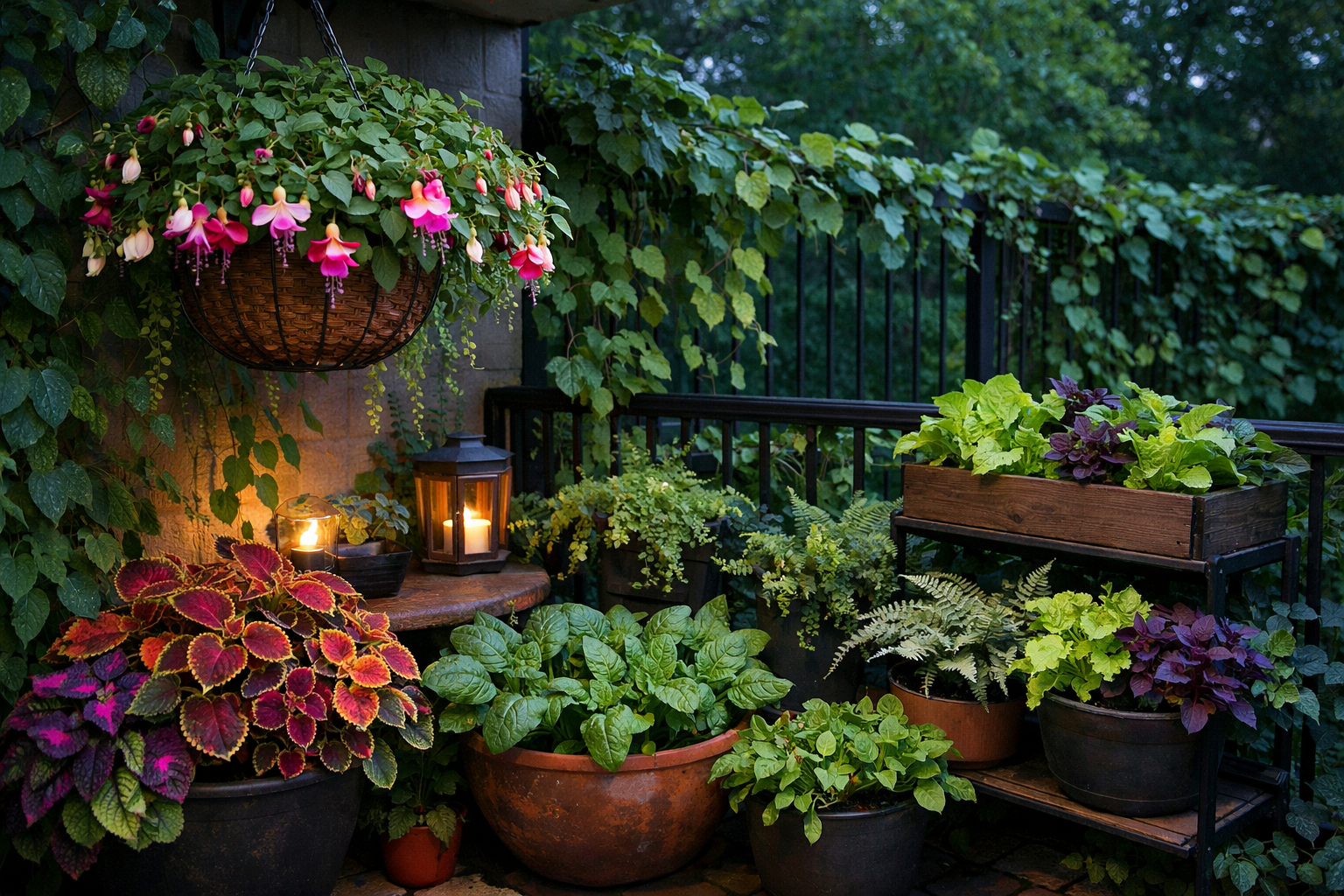
In 2026, creating a stunning garden or balcony oasis doesn’t require constant sun. A wide array of shade loving plants offers captivating foliage, delicate blooms, and vibrant colors that thrive in low-light environments, perfect for transforming dimly lit areas. From groundcovers to striking architectural plants, there’s a shade-tolerant option for almost any aesthetic preference.
Here are some top picks for shade loving plants that perform exceptionally well in various shade conditions:
Foliage-Focused Favorites
These plants are celebrated for their incredible leaf textures, shapes, and colors, providing continuous visual interest.
- Hostas (Hosta spp.): Unquestionably the reigning champions of shade gardens. Hostas come in an astonishing array of sizes, from miniature to massive, and leaf colors spanning various shades of green, blue, gold, and variegation. Their ribbed, smooth, or puckered textures add dramatic flair.
- Care Tip: Ensure consistent moisture and good drainage. Protect from slugs and snails.
- Ferns (Various species): Offering delicate, intricate fronds, ferns bring a timeless, primeval elegance to shaded spots. Varieties like the Japanese Painted Fern (Athyrium niponicum ‘Pictum’) add silver and burgundy hues, while the Ostrich Fern (Matteuccia struthiopteris) provides striking verticality.
- Care Tip: Most ferns prefer consistently moist, rich soil.
- Coral Bells (Heuchera spp.): Prized for their stunning leaf colors ranging from lime green to deep burgundy, purple, and even almost black. Their scalloped or ruffled leaves form neat mounds, and they produce delicate flower spikes in spring.
- Care Tip: Good drainage is essential; they dislike wet feet, especially in winter.
- Coleus (Plectranthus scutellarioides): While often grown in sun, many coleus varieties thrive in partial to dappled shade, where their vibrant leaf colors (reds, greens, yellows, purples) are intensified and less prone to fading or scorching.
- Care Tip: Pinch back flowers to encourage more bushy foliage.
- Caladiums (Caladium bicolor): Known as “elephant ear” plants, caladiums boast incredibly showy, heart-shaped leaves in vivid combinations of red, pink, white, and green. They are often grown as annuals in cooler climates but can be overwintered as tubers.
- Care Tip: Requires warmth and consistent moisture during the growing season.
Flowering Wonders for Shady Spots
Don’t let shade deter you from enjoying blooms! These plants add splashes of color to darker areas.
- Impatiens (Impatiens walleriana/New Guinea Impatiens): Traditional impatiens (walleriana) are classic shade annuals, producing abundant, colorful flowers. New Guinea Impatiens are more sun-tolerant but still perform beautifully in partial shade, offering larger blooms.
- Care Tip: Needs consistent moisture; wilts easily when dry.
- Astilbe (Astilbe spp.): Featuring feathery plumes of white, pink, red, or purple flowers that emerge in summer above fern-like foliage. They are excellent for moist, shaded borders.
- Care Tip: Prefers consistently moist soil and can tolerate wetter conditions than many other shade plants.
- Hellebores (Helleborus orientalis): Also known as Lenten Roses, these evergreen perennials offer stunning, long-lasting flowers in late winter to early spring, often before other plants emerge. Flowers come in white, pink, purple, and spotted varieties.
- Care Tip: Drought-tolerant once established, but appreciate moist, well-drained soil.
- Bleeding Hearts (Dicentra spectabilis): Famous for their heart-shaped pink or white flowers dangling from arching stems in spring. They are a charming addition to any woodland garden.
- Care Tip: Dies back in summer in hot climates; plant companions to fill the gap.
- Fuchsia (Fuchsia spp.): Especially trailing varieties, produce delicate, pendulous, often two-toned flowers in shades of pink, purple, and red. They are ideal for hanging baskets in dappled shade or on a shaded balcony. For more ideas on shade plants for your balcony, fuchsia is an excellent choice.
- Care Tip: Requires consistent moisture and protection from strong winds.
Groundcovers and Edging Plants
These selections are perfect for filling in spaces and providing continuous ground-level interest.
- Pachysandra (Pachysandra terminalis): A classic evergreen groundcover with glossy green leaves, forming a dense carpet even in deep shade.
- Creeping Jenny (Lysimachia nummularia ‘Aurea’): Offers bright chartreuse foliage that trails beautifully, providing a vibrant contrast in darker areas.
- Ivy (Hedera helix): Versatile and hardy, common ivy can be used as a groundcover, a climbing plant for privacy, or in containers. Ensure it doesn’t become invasive in your region. Consider it for balcony privacy with plants.
When selecting shade loving plants, consider their mature size, specific light requirements within the shade spectrum, and compatibility with your local climate. For small spaces, like balconies, many of these plants can also thrive in containers, as detailed in our guide on balcony gardening without sunlight.
Essential Care Tips for Thriving Shade Loving Plants
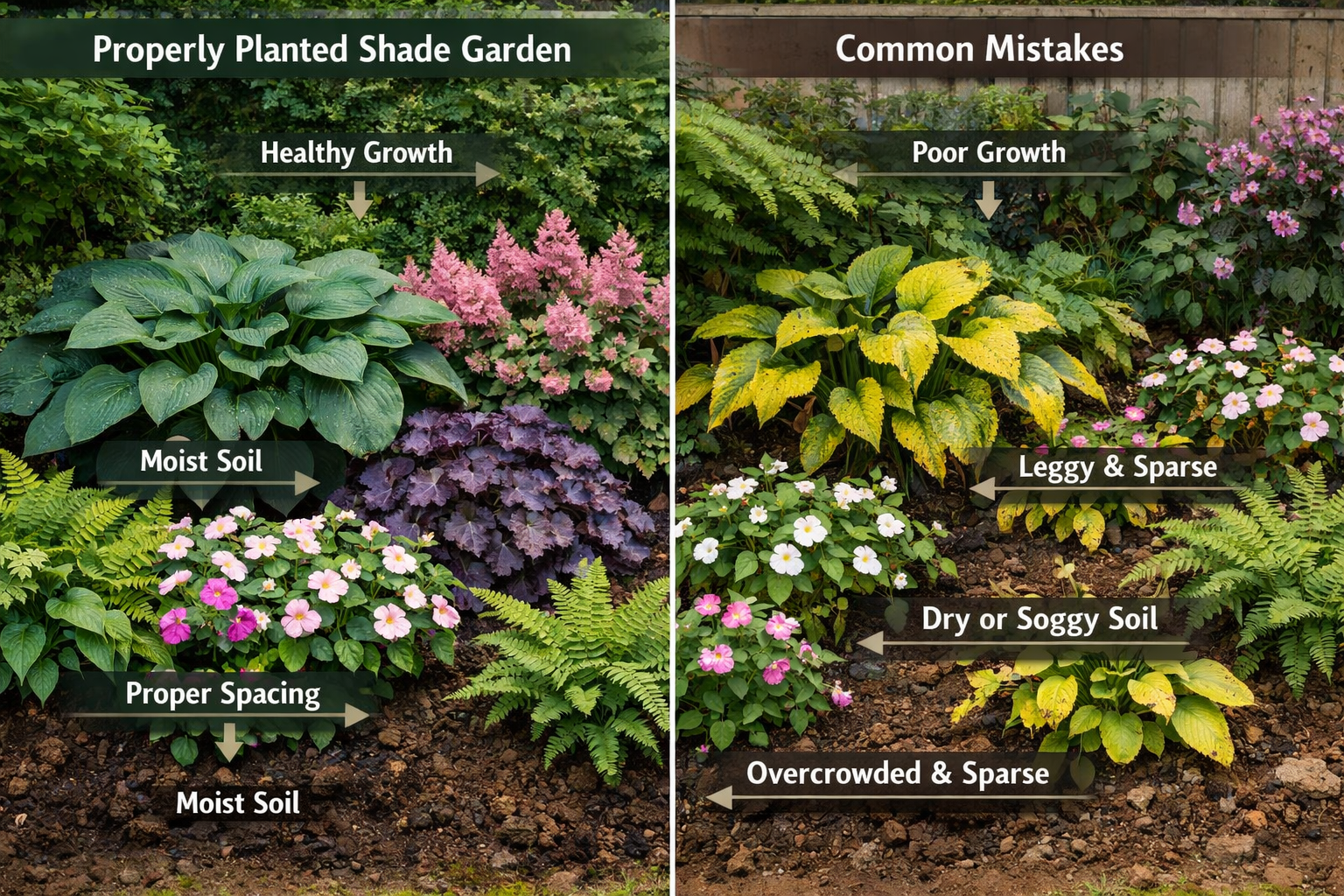
Caring for shade loving plants requires a slightly different approach than sun-loving varieties, primarily focusing on managing moisture, enriching soil, and providing adequate nutrients without overdoing it. Implementing specific care strategies ensures these plants remain healthy, vibrant, and resilient in their low-light environments.
- Soil Preparation is Paramount:
- Enrich with Organic Matter: Shade garden soils, especially under trees, can be poor or compacted. Amend heavily with compost, aged manure, or leaf mold. This improves drainage in heavy soils and boosts water retention in sandy soils, crucial for shade loving plants.
- pH Levels: Most shade plants prefer slightly acidic to neutral soil (pH 5.5-7.0). A simple soil test can confirm your pH and nutrient levels, allowing for targeted amendments.
- Watering Wisely:
- Consistent Moisture, Not Soggy: Shade loving plants generally prefer consistently moist soil. Because shaded areas dry out slower than sunny spots, overwatering can be a significant issue, leading to root rot.
- Check Before Watering: Stick your finger about an inch or two into the soil; if it feels dry, it’s time to water. Reduce watering frequency in cooler, damp weather. Our ultimate guide to watering plants offers more detailed advice.
- Water at the Base: Water deeply at the plant’s base to minimize moisture on leaves, which can lead to fungal diseases in damp, shaded conditions.
- Fertilization and Nutrients:
- Less is More: Shade loving plants often require less fertilizer than their sun-loving counterparts because their growth rate is typically slower. Over-fertilizing can lead to weak, leggy growth.
- Balanced, Slow-Release: Apply a balanced, slow-release granular fertilizer in spring, or use a liquid feed at half strength every 4-6 weeks during the growing season.
- Organic Options: Incorporating compost and well-rotted manure during planting provides a steady, gentle supply of nutrients.
- Mulching for Health:
- Moisture Retention and Weed Suppression: A 2-3 inch layer of organic mulch (like shredded leaves, wood chips, or pine needles) helps retain soil moisture, suppresses weeds, and moderates soil temperature.
- Nutrient Contribution: As organic mulches break down, they slowly release nutrients into the soil, mimicking a woodland environment.
- Pest and Disease Management:
- Vigilance: Shady, damp conditions can sometimes be hospitable to slugs, snails, and certain fungal diseases. Inspect your plants regularly.
- Prevention: Good air circulation and proper spacing between plants can help prevent fungal issues. For slugs and snails, consider traps or organic deterrents.
- Pruning and Maintenance:
- Deadheading/Trimming: Remove spent flowers (deadhead) to encourage more blooms or prevent self-seeding, and trim back leggy or damaged foliage to maintain plant shape and health.
- Dividing Perennials: Many perennial shade loving plants, like hostas and astilbes, benefit from division every few years to maintain vigor and size. This is often best done in spring or fall.
By focusing on these specific care techniques, you can ensure your shade loving plants not only survive but thrive, creating a lush, serene garden space that flourishes year after year.
Designing a Lush Shade Garden: Principles and Practices
Designing an impactful shade garden involves more than just selecting shade loving plants; it requires thoughtful consideration of principles like texture, color, height, and flow to create a cohesive and captivating space. The absence of direct sun offers unique opportunities to play with subtle variations and create a serene, layered aesthetic.
- Emphasize Foliage Diversity:
- Since flowering can be less prolific in deep shade, focus on the incredible variety of leaf shapes, sizes, and colors offered by shade loving plants.
- Combine broad-leaved hostas with delicate ferns, upright astilbes with creeping groundcovers. A variegated Hosta next to a deep green Hellebore provides striking contrast.
- Think about different textures: the smooth, glossy leaves of Pachysandra against the fuzzy leaves of Lamb’s Ear (in partial shade).
- Layering for Depth and Interest:
- Mimic a natural woodland setting by layering plants according to height.
- Tall backdrops: Consider taller shrubs like Hydrangeas (if enough light) or upright ferns.
- Mid-ground: Place plants like Hostas, Astilbes, and Bleeding Hearts.
- Foreground/Groundcover: Use low-growing options such as Creeping Jenny, Ivy, or Ajuga to carpet the ground and suppress weeds.
- Strategic Use of Color:
- While flowers might be fewer, they become precious highlights. Choose vibrant whites, yellows, and light pinks to brighten darker corners. Impatiens and white Astilbe are excellent for this.
- Foliage also provides color: the chartreuse of some Hostas or Coral Bells, the deep purples of Heuchera, or the silver of Japanese Painted Ferns.
- Cool colors (blues, purples) can create a calming, expansive feel, while warmer colors (yellow, orange, red) in partial shade can draw the eye.
- Incorporating Hardscaping and Ornaments:
- Paths and Edging: Use natural materials like stepping stones, gravel, or wooden edging to define areas and provide pathways through your shade garden.
- Water Features: A small birdbath or trickling fountain can add sound and moisture, enhancing the tranquil atmosphere of a shade garden.
- Seating: A well-placed bench invites contemplation and allows you to enjoy the cool, quiet beauty of your shaded retreat.
- Containers: For small, shaded patios or balcony gardens, containers offer flexibility in design. Grouping pots of varying sizes with different shade loving plants creates a dynamic display.
- Considering Light and Reflection:
- Even in shade, there are nuances. Place brighter-leaved plants in slightly lighter shaded areas to maximize their impact.
- Light-colored gravel or strategically placed mirrors (if safe and appropriate) can reflect ambient light into particularly dark spots.
- Succession Planting for Continuous Interest:
- Plan for different shade loving plants to shine at various times of the year. Hellebores bloom in late winter, followed by Bleeding Hearts in spring, Astilbes in summer, and the continuous foliage of Hostas and ferns throughout the growing season.
- This ensures your shade garden remains vibrant and engaging across seasons. For more on maximizing space and seasonal appeal, explore small space gardening.
By intentionally combining diverse plant forms, colors, and textures, alongside thoughtful hardscaping, you can transform any shaded area into a captivating and low-maintenance garden sanctuary.
Conclusion
Embracing the potential of shade loving plants unlocks a world of gardening possibilities, allowing you to transform previously overlooked, dim areas into vibrant, serene landscapes. Far from being a limitation, shade offers a unique canvas for diverse textures, captivating foliage, and often surprising blooms that thrive in cooler, less intense conditions. By understanding the different types of shade, selecting the right species from a rich palette of options, and implementing tailored care strategies, you can cultivate a garden that is not only beautiful but also remarkably resilient and low-maintenance.
Whether you’re creating a tranquil woodland retreat or a lush balcony oasis in 2026, the principles outlined in this guide – from intelligent plant selection to proper soil enrichment and thoughtful design – will empower you to create a thriving shade garden. Remember that attention to consistent moisture, organic matter, and the subtle interplay of light and shadow are key to fostering an environment where your shade loving plants can truly flourish, bringing enduring beauty and tranquility to your outdoor spaces.
Related Reading
- Shade Plants for Balcony: Top Picks & Care Guide 2026
- Balcony Gardening Without Sunlight: Shade Plants & Tips 2026
- Beginner’s Guide to Plant Care 2026: Grow Thriving Plants
- Vegetables That Grow in Shade: Your 2026 Guide
- How Often Should You Water Plants? Ultimate Guide 2026
FAQ
Q1: What is the difference between partial shade and full shade?
A1: Full shade receives less than 3 hours of direct sunlight, often indirect or reflected. Partial shade gets 3-6 hours of direct sunlight, typically morning or late afternoon sun.
Q2: Can I grow vegetables in a shaded area?
A2: Yes, certain vegetables like leafy greens (lettuce, spinach, kale), root vegetables (carrots, radishes), and some herbs can tolerate and even thrive in partial or dappled shade.
Q3: What are the best low-maintenance shade loving plants?
A3: Hostas, ferns (like Ostrich Fern or Japanese Painted Fern), Astilbe, and Coral Bells are excellent low-maintenance choices, primarily requiring consistent moisture and good soil.
Q4: How do I prepare soil for shade loving plants?
A4: Amend soil heavily with organic matter such as compost, aged manure, or leaf mold to improve drainage, water retention, and nutrient content. Most shade plants prefer slightly acidic to neutral soil.
Q5: What flowering plants do well in full shade?
A5: Impatiens (traditional I. walleriana), Hellebores, and some Begonia varieties can produce vibrant blooms even in full shade. Astilbes also flower well in deeper shade with consistent moisture.
Q6: Why are my shade plants turning yellow?
A6: Yellowing leaves can indicate overwatering (leading to root rot), nutrient deficiencies (especially nitrogen), or sometimes too much direct sunlight if the plant is in partial shade. Check soil moisture and consider a balanced fertilizer.
Q7: Can shade loving plants grow in containers?
A7: Absolutely! Many shade loving plants like Hostas, ferns, Coleus, Caladiums, and Fuchsias thrive in containers, making them perfect for shaded balconies, patios, or small garden spaces.
Q8: What kind of mulch is best for a shade garden?
A8: Organic mulches like shredded leaves, wood chips, or pine needles are excellent. They help retain moisture, suppress weeds, moderate soil temperature, and add nutrients as they decompose.
Q9: How often should I fertilize my shade plants?
A9: Shade loving plants generally require less fertilizer. A single application of a slow-release granular fertilizer in spring, or a half-strength liquid feed every 4-6 weeks during the growing season, is usually sufficient.
Q10: Are there any evergreen shade loving plants?
A10: Yes, evergreen options include Hellebores, Pachysandra, Ivy, and some varieties of evergreen ferns, which provide year-round green interest in your shaded areas.
Q11: How do I protect shade plants from slugs and snails?
A11: Good air circulation, removing leaf litter, and using organic slug and snail baits or barriers (like copper tape or diatomaceous earth) can help control these pests in damp, shaded conditions.
Q12: What if my shade area gets some morning sun but harsh afternoon sun?
A12: This is often considered partial shade. Choose plants that can tolerate strong morning sun but benefit from afternoon shade protection. Plants like Hostas or Coral Bells are good choices, as their foliage might scorch in intense afternoon sun.
Sources
- The Old Farmer’s Almanac. (2024). Shade-Loving Plants. Retrieved from https://www.almanac.com/shade-loving-plants
- University of Maryland Extension. (2023). Shade Gardening: Designing a Beautiful Garden with Low Light. Retrieved from https://extension.umd.edu/resource/shade-gardening-designing-beautiful-garden-low-light
- The Spruce. (2024). 25 Best Shade Plants for Low-Light Gardens. Retrieved from https://www.thespruce.com/top-shade-plants-4122114