Can I reuse vegetable garden soil year after year?
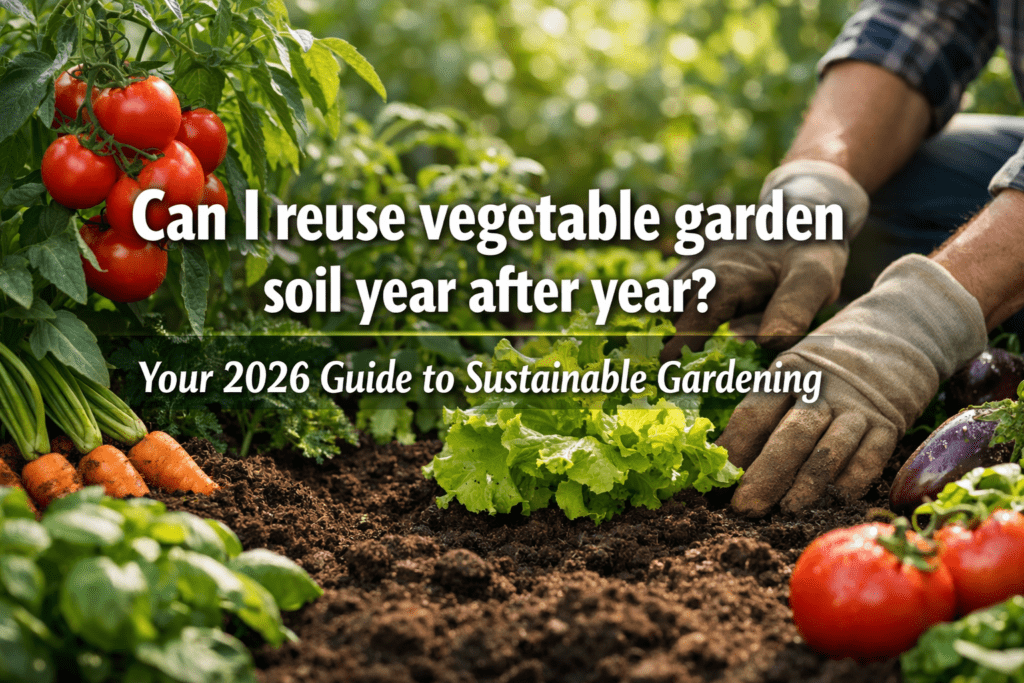
For many gardeners, the thought of replacing all their garden soil annually feels daunting, both in effort and expense. The good news is, you absolutely can reuse vegetable garden soil year after year, particularly with proper management and replenishment of nutrients. This practice is not only environmentally friendly but also cost-effective, turning a potentially wasteful process into a sustainable gardening habit. In 2026, embracing soil reuse is a key step towards a more resilient and economical gardening journey.
Key Takeaways
- Yes, you can reuse vegetable garden soil year after year by refreshing it with amendments.
- Reusing soil is cost-effective and essential for large container gardens to avoid annual expenses [1, 2].
- Only reuse soil from healthy plants to prevent the spread of diseases and pests [3, 4].
- Remove old plant debris and roots after each growing season to prepare soil for storage or reuse [1].
- Replenish depleted nutrients annually using compost, granular organic fertilizers, or a combination [3].
- Store soil properly during the off-season to allow decomposition and prevent compaction [1].
- Consider replacing the top few inches of soil in containers or beds each spring for a quick boost [2].
- Soil testing can help identify specific nutrient deficiencies and pH imbalances.
- Crop rotation is still vital even with reused soil to manage pests and nutrient demands.
Quick Answer
Yes, you can reuse vegetable garden soil year after year, whether it’s in raised beds or containers, provided you refresh it with new nutrients and ensure it’s free from disease and serious pest infestations from the previous season. This sustainable practice saves money and reduces waste, keeping your garden productive and healthy.
Can I Reuse Vegetable Garden Soil Year After Year in Containers?
You can absolutely reuse vegetable garden soil in containers year after year, and it’s a highly recommended practice for both small space gardeners and those with extensive container setups. Reusing soil significantly cuts down on the recurring cost of purchasing new potting mix annually, which can be substantial, especially for numerous pots or large containers [1, 2]. However, the key to success lies in proper preparation and nutrient replenishment, as container soil typically depletes faster than in-ground garden beds due to frequent watering and limited volume.
How to Prepare Container Soil for Reuse
Preparing container soil for the next season involves a few critical steps:
- Assess Plant Health: Only reuse soil if the plants grown in it during the previous season were completely healthy and showed no signs of disease (like downy mildew, blight, or root rot) or severe pest issues [3, 4]. Many plant pathogens and insect eggs can overwinter in soil, ready to infect your new crops. If diseases were present, it’s best to discard the soil or thoroughly sterilize it before reuse.
- Remove Old Plant Matter: After the growing season, remove all old roots, stems, leaves, and any other plant debris from the soil [1]. This organic material, if left in large pieces, can decompose unevenly and potentially harbor pests or diseases. For small pieces, composting them directly into the soil over winter can be beneficial.
- Break Up Compaction: Container soil can become compacted over time, especially after a season of watering. Gently loosen the soil, breaking up any large clumps to improve aeration and drainage.
- Store Properly (if applicable): If you’re not immediately replanting, store the cleaned soil in breathable containers, bins, or bags over the off-season. This allows any remaining organic matter to decompose further and helps maintain its structure [1].
Reusing soil in containers is a cornerstone of efficient container gardening and small-space gardening, allowing you to maximize your resources and maintain a thriving garden even in limited areas.
What Steps Should I Take to Recharge Reused Vegetable Garden Soil?
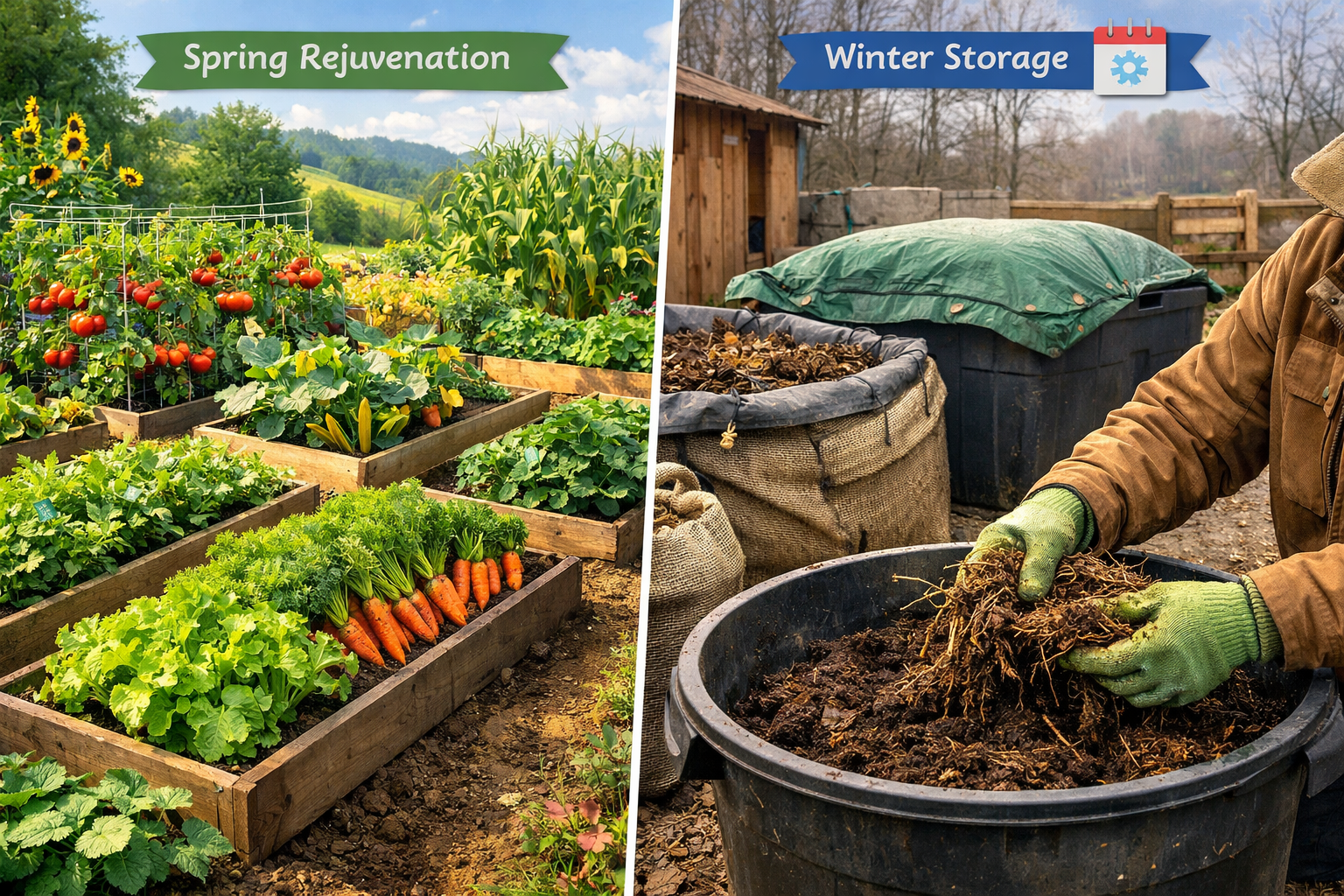
To successfully reuse vegetable garden soil year after year, recharging it with essential nutrients is paramount. Over a growing season, plants absorb vital nutrients from the soil, leaving it depleted and less capable of supporting new growth [3]. Simply reusing old soil without amendments will likely lead to stunted plants and poor yields.
Essential Steps for Soil Recharge
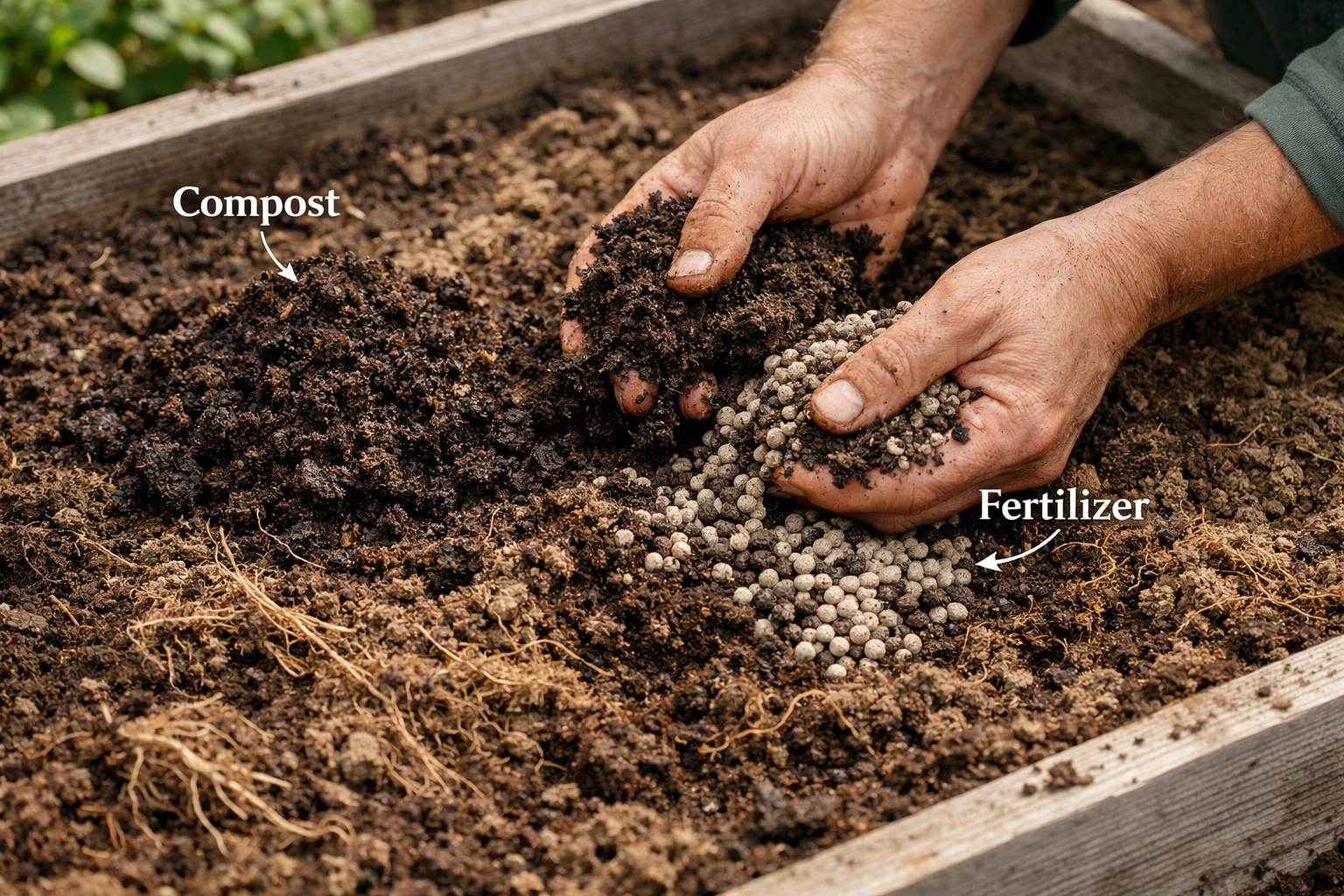
- Add Organic Matter (Compost is King!): Incorporating high-quality compost is perhaps the most important step in recharging your soil. Compost enriches the soil with a broad spectrum of macronutrients (nitrogen, phosphorus, potassium) and micronutrients, improves soil structure, enhances water retention, and introduces beneficial microbial life [1].
- Recommendation: Aim to add about 3 cups of compost-based amendment per square foot of garden bed or per large container [3]. Mix it thoroughly into the top 6-12 inches of existing soil.
- Supplement with Granular Organic Fertilizer: While compost provides a slow-release nutrient boost, most vegetables are heavy feeders and benefit from additional, more concentrated fertilizers. Granular organic fertilizers offer a balanced supply of nutrients that plants can access over time.
- Recommendation: Add approximately 1/4 cup of granular organic fertilizer per square foot [3]. Look for fertilizers specifically formulated for vegetables, typically with balanced N-P-K ratios or slightly higher nitrogen for leafy greens, and higher phosphorus/potassium for fruiting plants.
- Consider Soil Testing: For more precise nutrient management, especially after several years of reuse, a soil test can provide invaluable information. It identifies specific nutrient deficiencies (or excesses) and helps determine the soil’s pH level. Adjustments can then be made with targeted amendments like lime (to raise pH) or sulfur (to lower pH).
- Incorporate Mycorrhizal Fungi (Optional but Recommended): These beneficial fungi form symbiotic relationships with plant roots, extending their reach for water and nutrients. Many organic fertilizers and composts already contain them, but you can also purchase and add them separately to boost soil health.
- Decision Rule: Choose to incorporate both compost and granular organic fertilizer if you’re growing heavy feeders like tomatoes, corn, or squash. If you’re growing lighter feeders or herbs, a generous amount of compost might suffice, but a balanced organic fertilizer is always a safe bet for ensuring robust growth.
By diligently recharging your soil each season, you create a “perpetual” soil system that continues to nourish your plants without the constant need for new soil [1]. This approach is fundamental to successful small space vegetable gardening and contributes to a more sustainable gardening lifestyle.
What Are the Risks and Benefits of Reusing Vegetable Garden Soil?
Reusing vegetable garden soil year after year offers both significant advantages and potential drawbacks. Understanding these helps you make informed decisions and implement best practices to maximize the benefits while mitigating the risks.
Benefits of Reusing Soil
- Cost Savings: The most immediate and tangible benefit is the reduction in expenses. Buying fresh potting mix or amending large garden beds with new soil every season can be costly, especially for gardeners with numerous containers or expansive plots [1, 2]. Reusing existing soil dramatically cuts down on these recurring costs.
- Environmental Sustainability: Reusing soil minimizes waste, reducing the amount of discarded potting mix that ends up in landfills. It also lessens the demand for new soil production, which can have its own environmental footprint. This aligns with broader sustainable gardening practices.
- Improved Soil Structure (over time): When soil is regularly amended with organic matter like compost, its structure often improves over several seasons. It becomes richer, better aerated, and more capable of retaining water and nutrients, fostering a healthier root environment [1].
- Enhanced Microbial Life: Continuous addition of compost and organic materials helps build a thriving ecosystem of beneficial microorganisms in the soil. These microbes contribute to nutrient cycling, disease suppression, and overall soil health.
- Reduced Labor (in some aspects): While there’s labor involved in refreshing soil, it can be less strenuous than completely emptying and refilling numerous containers or digging out and replacing large volumes of soil annually.
Risks and Challenges of Reusing Soil
Nutrient Depletion: The primary challenge is that plants consume nutrients, leaving the soil less fertile after a season [3]. If not adequately replenished, reused soil will lead to poor plant growth and yields. Relying solely on compost may not be enough for heavy feeders; additional fertilization is often needed [1].
Pest and Disease Carryover: This is perhaps the most significant risk. Pathogens (fungi, bacteria, viruses) and insect eggs or larvae can overwinter in soil from diseased or infested plants [3, 4]. Reusing such soil without sterilization can lead to recurring problems in subsequent seasons.
Salt Buildup: In containers, frequent watering, especially with hard water or synthetic fertilizers, can lead to a buildup of salts in the soil. High salt concentrations can inhibit plant growth.
Weed Seeds: While less of an issue in containers, garden beds can accumulate weed seeds over time.
Physical Degradation (Containers): Potting mixes, especially those high in peat or coir, can break down structurally over time, becoming finer and more compacted. This reduces aeration and drainage, which can negatively impact root health.
Common Mistake: A common mistake is assuming that simply adding some compost is enough to fully restore depleted soil. For most vegetable gardens, especially those growing hungry plants, a balanced organic fertilizer is also necessary to meet nutrient demands effectively [1, 3]. Always inspect plants closely for signs of disease before deciding to reuse their soil. If in doubt, err on the side of caution and discard or sterilize the affected soil.
Reusing garden soil is a powerful tool for sustainable small space gardening, but it requires mindful management to ensure continued success.
FAQ
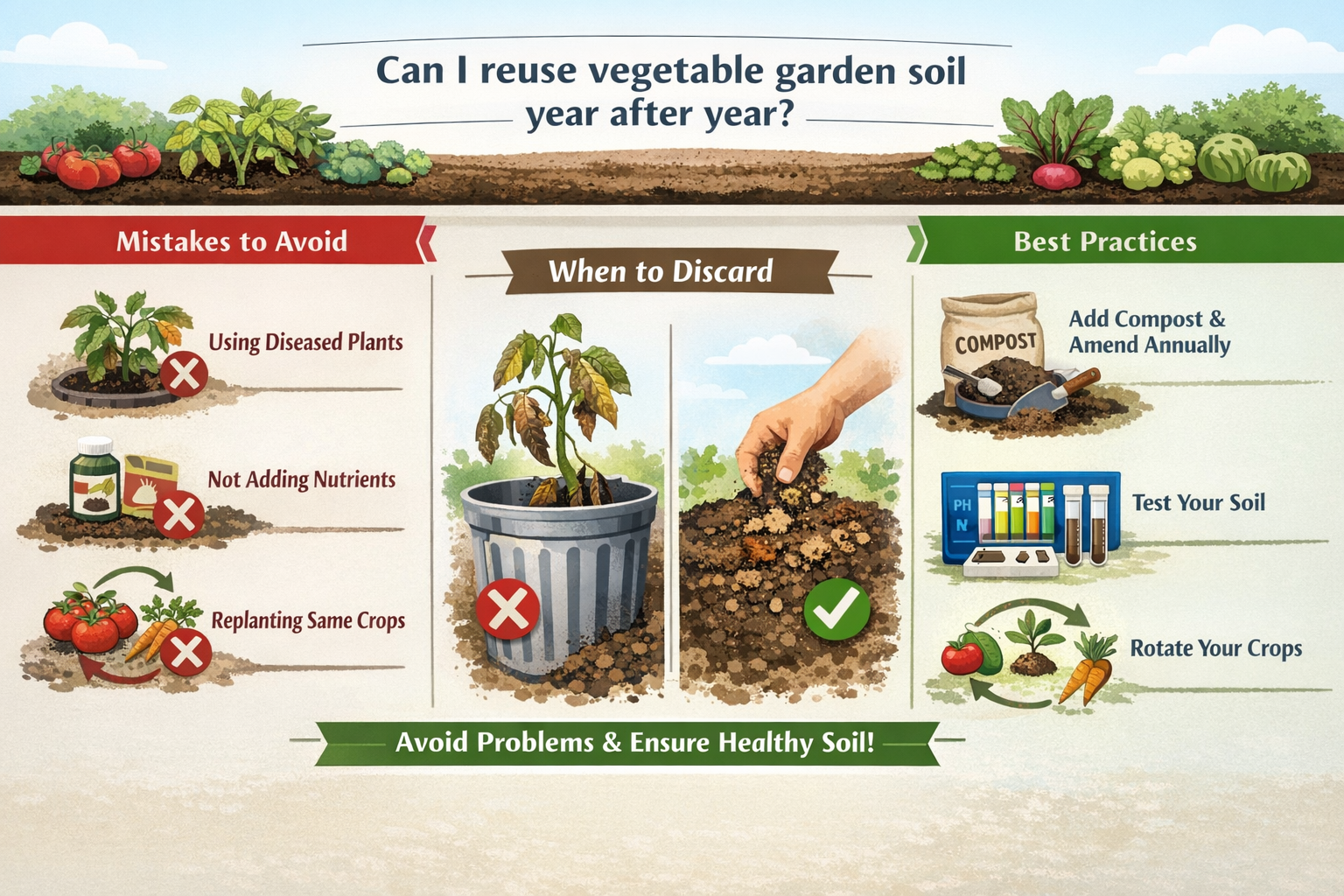
Can I reuse potting soil for vegetables?
Yes, you can reuse potting soil for vegetables as long as the previous plants were healthy and you refresh the soil with new nutrients like compost and granular organic fertilizer [1, 3].
How do I sterilize garden soil for reuse?
You can sterilize garden soil by baking it in an oven at 180-200°F (82-93°C) for 30 minutes, ensuring it reaches this temperature throughout, or by using solarization (covering moist soil with clear plastic in direct sun for 4-6 weeks) [3]. This is only necessary if disease was present.
How often should I replace garden soil entirely?
In garden beds, you rarely need to replace soil entirely if you regularly amend it with compost and organic matter. In containers, while soil can be reused indefinitely with proper care, some gardeners choose to replace the top 6 inches or a portion of the soil every 3-5 years to ensure optimal structure and nutrient balance [2].
Can I mix old garden soil with new soil?
Yes, mixing old, refreshed garden soil with new potting mix or fresh compost is an excellent strategy to improve the overall quality and extend the life of your growing medium [3]. This adds new organic matter and structure.
Does reused soil attract more pests?
Reused soil does not inherently attract more pests, but if the soil harbored pests or their eggs from the previous season, those pests can re-emerge [4]. Always inspect soil and plants for signs of infestation before reusing.
What is the best way to store used garden soil?
Store used garden soil in a cool, dry place in breathable containers like large plastic bins with loose lids, or heavy-duty grow bags. This prevents compaction and allows for some aeration, promoting healthy microbial activity [1].
Do I need to add fertilizer every year to reused soil?
Yes, you need to add fertilizer (organic granular fertilizer, compost, or both) every year to reused soil. Plants deplete nutrients, so annual replenishment is crucial for healthy growth and good yields [3].
Can disease-ridden soil be reused after treatment?
Disease-ridden soil can potentially be reused after thorough sterilization, such as baking or solarization, to kill pathogens [3]. However, for severe or persistent diseases, discarding the soil is often the safest option to prevent recurrence.
Conclusion
Reusing vegetable garden soil year after year is not just a possibility; it’s a smart, sustainable, and cost-effective strategy for any gardener in 2026. By committing to a few key practices—primarily removing old plant debris, checking for diseases, and diligently replenishing nutrients with compost and organic fertilizers—you can transform depleted soil into a thriving medium for new growth. This approach not only saves money and reduces waste but also contributes to building healthier, more resilient garden ecosystems. Embrace the cycle of renewal in your garden, and watch your plants flourish season after season with rejuvenated soil.
Actionable Next Steps:
- Inspect Your Soil: After harvesting, thoroughly check your soil for any signs of disease or persistent pests. If clear, proceed with reuse; if not, discard or sterilize.
- Clear Debris: Remove all spent plant material and roots from your garden beds or containers.
- Amend Generously: Before spring planting, mix in a substantial amount of good quality compost (about 3 cups per square foot) and a balanced granular organic fertilizer (about 1/4 cup per square foot) [3].
- Consider a Soil Test: Every few years, perform a soil test to understand its precise nutritional needs and pH levels, allowing for targeted amendments.
- Practice Crop Rotation: Even with healthy, recharged soil, rotate your crops annually to help manage specific nutrient demands and deter soil-borne pests and diseases. For more tips on maximizing your space, explore our Ultimate Guide to Small Space Gardening for Beginners 2026.
References
[1] Re Using Soil In Container Gardens Year After Year – https://frostygarden.com/topics/re-using-soil-in-container-gardens-year-after-year/
[2] Watch – https://www.youtube.com/watch?v=e7d–d04b48
[3] Recharge Old Soil 8884 – https://www.gardeners.com/blogs/soils-compost-articles/recharge-old-soil-8884
[4] Watch – https://www.youtube.com/watch?v=SXXNkY6UW4M
SEO Meta Title: Reuse Vegetable Garden Soil in 2026? Expert Guide
SEO Meta Description: Learn how to sustainably reuse vegetable garden soil year after year in 2026. Discover recharging tips, benefits, risks, and how to maintain healthy soil.
Tags: