How can I prevent lettuce and leafy greens from bolting in summer?
Summer heat can be a gardener’s bane, especially when it comes to keeping delicate lettuce and leafy greens from “bolting”—the rapid transition from leafy growth to producing a flower stalk and seeds, which often makes the leaves bitter and unpalatable. If you’re wondering, “How can I prevent lettuce and leafy greens from bolting in summer?”, know that success hinges on a combination of strategic planning, choosing the right varieties, and implementing effective environmental controls. By understanding the triggers and applying proactive measures, you can extend your harvest of crisp, delicious greens well into the warmer months of 2026.
Key Takeaways
- Understand Bolting Triggers: Bolting is primarily caused by sustained high temperatures (above 80°F/27°C) and long daylight hours, often exacerbated by stress [2, 4].
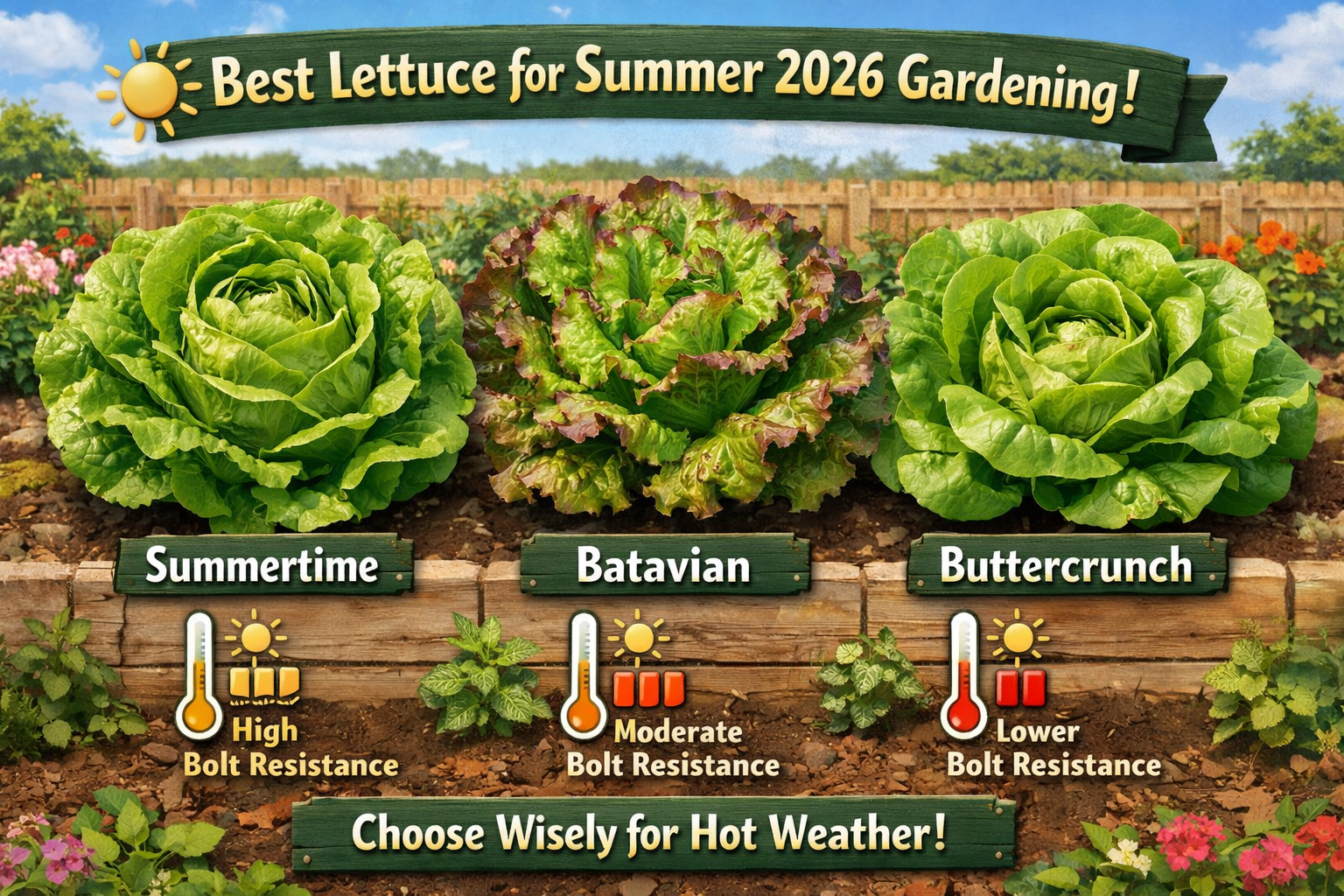
- Select Bolt-Resistant Varieties: Choose heat-tolerant lettuce types like Batavian, ‘Summertime’, or ‘Buttercrunch’ for summer planting [3, 4].
- Provide Shade: Use 30-60% shade cloth during the hottest parts of the day to lower leaf temperature and reduce light intensity [2].
- Maintain Consistent Moisture: Keep soil consistently moist; drought stress is a major bolting trigger [4].
- Strategic Planting Times: Plant early in spring or late summer to avoid peak heat, or use succession planting for a continuous harvest [1, 4].
- Optimize Nutrients: Avoid excessive nitrogen, which can promote bolting; aim for balanced soil nutrition [1].
- Prevent Overcrowding: Give plants adequate space to reduce competition and stress [4].
- Harvest Frequently: Regular harvesting encourages vegetative growth and can delay bolting.
- No Reversal: Once a plant bolts, the process cannot be reversed; focus on prevention or replanting [7].
Quick Answer
To prevent lettuce and leafy greens from bolting in summer, focus on creating a cooler, less stressful environment by selecting bolt-resistant varieties, providing ample shade, ensuring consistent soil moisture, and timing your plantings strategically. These measures help combat the primary triggers of heat and prolonged daylight that cause greens to prematurely flower and turn bitter.
What is Bolting and Why Does it Happen to Leafy Greens?
Bolting is the process where a plant prematurely sends up a flower stalk, often in response to environmental stress, signifying its shift from vegetative growth to reproduction. This phenomenon typically occurs in lettuce and other leafy greens when exposed to sustained high temperatures, usually above 80°F (27°C), and longer daylight hours, triggering a biological signal for the plant to produce seeds and complete its life cycle [2, 4].
When lettuce and leafy greens bolt, the plant’s energy shifts from producing tender leaves to developing a tall stalk, flowers, and eventually seeds. This change in growth habit significantly alters the taste and texture of the leaves, making them bitter and tougher [9]. Several factors contribute to bolting:
- Heat Stress: The most common trigger for bolting in lettuce and leafy greens is prolonged exposure to high temperatures [2]. Ideal growing conditions for most lettuce varieties are between 60-70°F (15-21°C) [4]. When temperatures consistently rise above this range, especially above 80°F (27°C), plants perceive it as a threat to their survival and accelerate seed production.
- Longer Daylight Hours: As summer progresses, the days lengthen. For many leafy greens, longer periods of daylight can also signal the plant to initiate flowering [10].
- Drought Stress: Inconsistent or insufficient watering can severely stress plants, prompting them to bolt as a survival mechanism [4]. Maintaining consistent soil moisture is crucial.
- Nutrient Imbalance: While less common, an imbalance in soil nutrients, particularly excessive nitrogen, can sometimes promote bolting [1].
- Overcrowding: Plants that are too close together compete for resources, leading to stress and potentially early bolting [4].
- Physical Damage: Any significant damage to the plant can also induce stress and accelerate bolting.
Understanding these triggers is the first step in learning how can I prevent lettuce and leafy greens from bolting in summer, allowing gardeners to implement targeted strategies.
How can I prevent lettuce and leafy greens from bolting in summer through variety selection?
To effectively prevent lettuce and leafy greens from bolting in summer, choosing bolt-resistant varieties is one of the most critical and proactive steps you can take. These specific cultivars have been bred or naturally selected to tolerate higher temperatures and longer daylight hours before initiating the flowering process [3].
When planning your summer garden, prioritize varieties explicitly labeled as “heat-tolerant,” “bolt-resistant,” or “slow-to-bolt.” Research, including a rigorous study of 50 lettuce varieties, has shown that Batavian lettuce varieties resisted bolting best, even during the warmest weather [3]. Other specific varieties known for their bolt resistance include:
- ‘Summertime’: A crisphead variety known for its ability to withstand heat.
- ‘Fusion’: A butterhead type that performs well in warmer conditions.
- ‘Buttercrunch’: A classic butterhead lettuce, widely recognized for its heat tolerance and delicious flavor.
- ‘Summer Bibb’: Another butterhead variety that holds up in summer heat.
- ‘Grazion’: A Romaine-type lettuce noted for its resilience.
- ‘Starfighter’: A Red Romaine variety showing good bolt resistance [4].
When selecting seeds or starts, always check the product descriptions for indications of heat tolerance or a “days to maturity” that aligns with your summer growing window. Even within heat-tolerant categories, performance can vary slightly depending on your specific climate and microclimate. For those focused on small space gardening, selecting compact, bolt-resistant varieties is particularly beneficial, as it allows for a continuous harvest in a limited footprint. Consider checking our guide on Best Vegetables for Small Space Gardening in 2026 for more suitable options.
Decision Rule: Choose heat-tolerant or bolt-resistant varieties if you intend to plant lettuce or leafy greens anytime from late spring through mid-summer when daytime temperatures consistently exceed 75°F (24°C). If you’re gardening in early spring or late fall when temperatures are consistently below 70°F (21°C), traditional varieties are generally safe to plant.
What Environmental Controls Help Prevent Bolting in Summer?
Implementing strategic environmental controls is crucial for how can I prevent lettuce and leafy greens from bolting in summer, as these measures directly mitigate the primary triggers of heat and light stress. Providing shade, ensuring consistent moisture, and proper spacing are key to extending your harvest.
1. Provide Adequate Shade
One of the most effective ways to combat heat stress is by providing shade during the hottest parts of the day. Lettuce thrives in cooler conditions and struggles when sustained temperatures exceed 80°F (27°C) [2, 4].
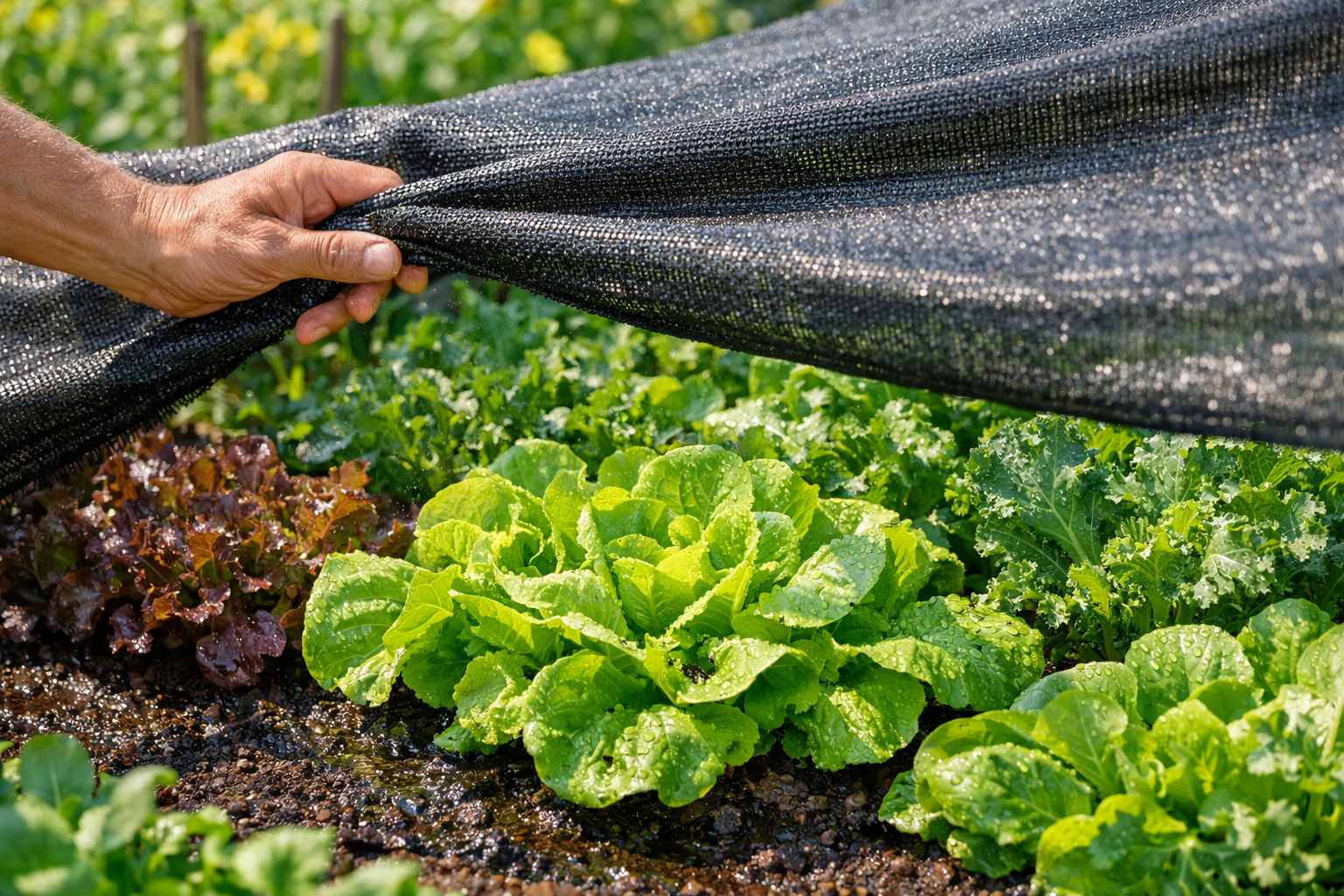
- Shade Cloth: Install shade cloth rated to block 30-60% of the sun’s rays over your lettuce beds or containers [2]. Woven white or red fabrics are often preferred as they allow for better airflow and can reduce disease risk [2]. The shade cloth should be suspended above the plants, allowing for air circulation, and can be removed on cooler days or in the mornings/evenings if desired.
- Strategic Planting Location: Plant lettuce in areas that naturally receive afternoon shade, such as on the east side of a taller plant, fence, or building. For container gardens, position pots where they get morning sun but are protected from intense midday and afternoon heat.
- Companion Planting: Taller plants like tomatoes or corn can provide natural shade for lettuce planted nearby. However, ensure they don’t compete excessively for nutrients and water.
2. Maintain Consistent Soil Moisture
Drought stress is a significant trigger for bolting, as plants perceive a lack of water as a threat to survival and rush to produce seeds [4].
- Regular Watering: Water deeply and consistently, especially during hot, dry spells. The goal is to keep the soil evenly moist, but not waterlogged. Check the soil moisture daily by sticking your finger about an inch or two into the soil; if it feels dry, it’s time to water. For small space gardens, container plants may need watering once or even twice a day in peak summer How Often Should You Water Plants? Ultimate Guide 2026.
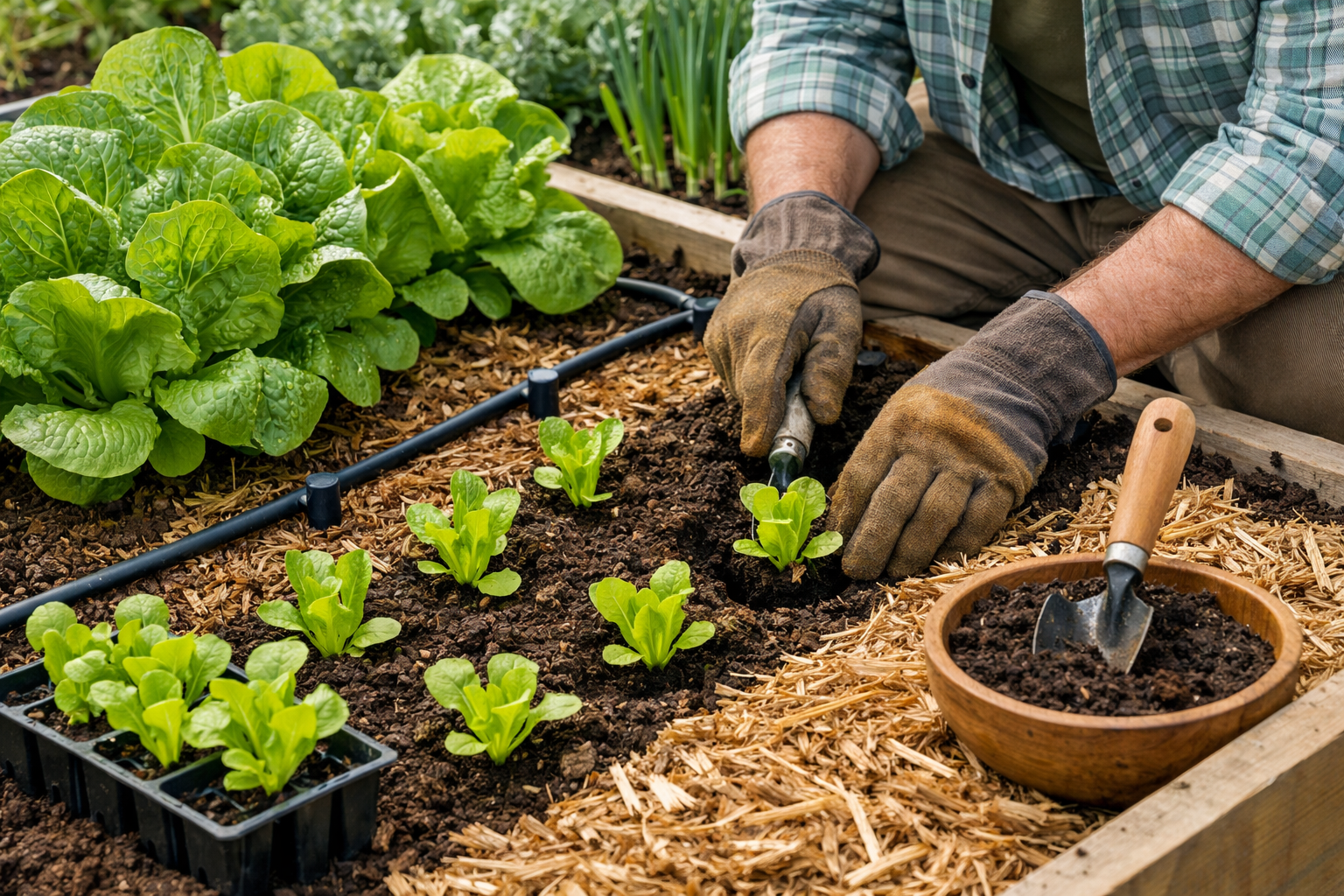
- Mulching: Apply a 2-3 inch layer of organic mulch (e.g., straw, shredded leaves, wood chips) around your lettuce plants. Mulch helps to:
- Retain soil moisture, reducing the need for frequent watering.
- Keep soil temperatures cooler by insulating the ground from direct sun.
- Suppress weeds, which compete for water and nutrients.
- Drip Irrigation/Soaker Hoses: These systems deliver water directly to the root zone, minimizing evaporation and ensuring consistent moisture without wetting the foliage, which can help prevent fungal diseases.
3. Ensure Proper Spacing and Nutrition
Overcrowding and nutrient imbalances can stress plants, making them more susceptible to bolting [1, 4].
- Adequate Spacing: Follow recommended spacing guidelines for your chosen lettuce varieties. Give plants enough room to grow without competing for light, water, and nutrients. This also improves air circulation, which is vital for plant health. For guidance on efficient spacing in limited areas, refer to our Small Space Vegetable Gardening: 2026 Step-by-Step Guide.
- Balanced Fertilization: While plants need nutrients, excessive nitrogen can actually promote leafy growth too quickly and contribute to bolting [1]. Use a balanced fertilizer, or one slightly higher in phosphorus and potassium, rather than nitrogen-heavy options. Conduct a soil test to understand your soil’s specific needs before applying fertilizers.
By combining these environmental controls with appropriate variety selection, you can significantly increase your chances of a successful summer lettuce harvest.
Comparison Table: Bolting Prevention Methods
| Method | Primary Benefit | Best Application | Considerations |
|---|---|---|---|
| Shade Cloth | Reduces heat and light intensity | Hot, sunny locations; peak summer | Requires a support structure; temporary setup |
| Consistent Watering | Prevents drought stress | All growing conditions, especially hot/dry periods | Needs daily monitoring in hot weather |
| Mulching | Retains soil moisture, cools roots | All gardens; very beneficial in summer | Use organic materials; replenish as needed |
| Strategic Location | Utilizes natural shade | Fixed garden beds or moveable containers | Requires planning; less flexible once planted |
| Proper Spacing | Reduces competition and stress | All planting; crucial for healthy growth | Follow seed packet recommendations |
| Balanced Nutrition | Prevents excessive rapid growth | New beds or areas with known nutrient issues | Soil testing recommended; avoid high-N fertilizers |
Can I reverse bolting once it starts?
No, bolting cannot be reversed once the flowering process has begun in lettuce and leafy greens [7]. Once the plant dedicates its energy to sending up a flower stalk and forming seeds, the hormonal changes and physiological shifts are irreversible.
When you notice a plant beginning to bolt—typically indicated by the stem elongating and forming a central stalk, often accompanied by smaller, spikier leaves at the top—the quality of the leaves for consumption has already started to decline. They will become increasingly bitter, tough, and less palatable.
What to do when plants bolt:
- Harvest immediately: If only a small stalk is forming, you can try harvesting the remaining tender leaves quickly. While they might have a slight bitter taste, they might still be usable in salads, especially if mixed with other greens, or cooked to mellow the bitterness.
- Remove and replace: For advanced bolting, the most practical solution is to remove the bolting plant entirely. This frees up garden space and nutrients for new plantings.
- Replant: Plan for a fall harvest by starting new, heat-tolerant, or short-season varieties. Consider sowing seeds in a cooler, shaded location or indoors to transplant once temperatures begin to drop later in summer or early fall [10]. This strategy is particularly useful for maximizing yields in a small space vegetable garden.
While you cannot reverse bolting, understanding its onset allows you to make timely decisions to salvage some leaves or clear the bed for a fresh start, focusing on prevention for future plantings.
What is succession planting and how does it help prevent bolting?
Succession planting is a gardening technique where you plant smaller batches of crops, like lettuce and leafy greens, at staggered intervals rather than planting all at once. This method directly helps prevent bolting by ensuring that you always have young, tender plants reaching maturity before older plants have a chance to succumb to heat stress and bolt [1, 4].
Here’s how succession planting works and its benefits for preventing bolting:
- Staggered Planting: Instead of sowing an entire bed of lettuce in one go, plant a small row or a few containers every 2-3 weeks [1, 4]. This ensures a continuous supply of fresh, harvestable greens throughout the growing season.
- Reduced Risk: By having plants at different stages of growth, you minimize the risk of your entire crop bolting simultaneously during a sudden heatwave. If one batch bolts, you have younger plants coming up behind them.
- Optimized Harvest: This approach guarantees a steady, manageable harvest, preventing gluts and ensuring you always have fresh greens available. You can harvest the more mature plants as needed, and by the time they start to show signs of bolting, the next batch will be ready.
- Utilizing Microclimates: In small spaces or container gardens, you can even rotate planting locations for your successive batches, placing newer plants in shadier spots as summer progresses Container Gardening – Mini Space Garden | Small Space Gardening Ideas.
Example: If you typically plant lettuce in April, instead of planting all your seeds then, plant one-third in April, another third in mid-May, and the final third in early June. As your April planting starts to mature and show signs of possible bolting by late June, your May planting will be ready for harvest, and your June planting will be growing strong. This keeps your salad bowl full!
For beginners, integrating succession planting with Beginner’s Guide to Plant Care 2026: Grow Thriving Plants can significantly improve success rates and yield.
Common Mistakes to Avoid When Growing Lettuce in Summer
Even with the best intentions, gardeners often make mistakes that can inadvertently trigger bolting in lettuce and leafy greens during the summer months. Avoiding these common pitfalls is key to a successful harvest.
- Ignoring Variety Selection: One of the biggest mistakes is planting non-heat-tolerant varieties in summer. Using a variety like ‘Black Seeded Simpson’ (a popular cool-season choice) in July will almost guarantee early bolting [4]. Always opt for specifically recommended bolt-resistant types.
- Inconsistent Watering: Allowing the soil to dry out completely between waterings, especially during hot spells, puts immense stress on lettuce plants. This drought stress is a primary trigger for bolting as the plant tries to reproduce before it dies [4]. Maintaining consistent, deep soil moisture is critical.
- Over-Fertilizing with Nitrogen: While nitrogen promotes lush green growth, too much can encourage rapid, tender growth that is more susceptible to bolting and can even directly contribute to it [1]. Use a balanced fertilizer and avoid applying excessive amounts of high-nitrogen products during warm periods.
- Planting in Full, Unshaded Sun: Exposing lettuce to direct, intense summer sun, particularly in the afternoon, significantly increases leaf temperature and accelerates bolting. Failing to provide any form of shade (e.g., shade cloth, strategic planting) is a common oversight [2].
- Overcrowding Plants: Planting lettuce too closely together creates competition for water, nutrients, and light. This stress, combined with reduced air circulation, can lead to premature bolting and increased disease susceptibility [4]. Ensure adequate spacing according to seed packet recommendations.
- Neglecting Soil Health: Poorly draining or compacted soil can stress roots, leading to bolting. Ensuring your soil is rich in organic matter, well-draining, and has a consistent pH is important. For container gardening, using high-quality potting mix is essential for Soil Basics for Container Gardening: 2026 Expert Guide.
- Ignoring Harvest Timing: Allowing lettuce to become overly mature on the plant can also encourage bolting. Regular, frequent harvesting of outer leaves encourages the plant to continue producing new foliage and delays the reproductive phase.
By being mindful of these common errors, you can significantly improve your chances of enjoying fresh lettuce and leafy greens throughout the summer of 2026.
Conclusion
Successfully preventing lettuce and leafy greens from bolting in summer boils down to understanding their environmental needs and proactively mitigating stress factors. By carefully selecting bolt-resistant varieties, providing essential shade, ensuring consistent moisture, and practicing smart planting techniques like succession planting, you can extend your harvest of crisp, delicious greens well into the warmer months of 2026. While bolting cannot be reversed once it begins, a strategic approach focused on prevention will ensure your efforts in the garden yield abundant, quality produce. Embrace these strategies, and your summer salads will thank you.
Actionable Next Steps:
- Research & Select: Identify and purchase seeds for bolt-resistant lettuce and leafy green varieties suitable for your climate.
- Prepare for Shade: Acquire 30-60% shade cloth and design a simple support structure for your garden bed or containers.
- Plan Watering: Set up a consistent watering schedule or consider drip irrigation for reliable moisture delivery.
- Mulch: Gather organic mulch materials like straw or shredded leaves to apply around your plants.
- Strategize Planting: Map out a succession planting schedule for your chosen varieties to ensure a continuous supply.
FAQ
What does it mean when lettuce bolts?
When lettuce bolts, it means the plant has prematurely sent up a tall flower stalk, shifting its energy from producing edible leaves to creating seeds, usually in response to heat and stress [2, 4].
Why does lettuce become bitter after bolting?
Lettuce becomes bitter after bolting because the plant produces chemical compounds like lactucarium, which is part of its defense mechanism and increases in concentration as it prepares to flower [9].
What temperature causes lettuce to bolt?
Lettuce typically bolts when exposed to sustained temperatures above 80°F (27°C), as it prefers cooler conditions between 60-70°F (15-21°C) [2, 4].
Can I still eat lettuce after it bolts?
While you can technically eat bolted lettuce, the leaves will likely be bitter and tougher, making them less palatable. It’s generally best to harvest before bolting or compost bolted plants [7].
Do all leafy greens bolt in summer?
Many leafy greens, including most types of lettuce, spinach, and arugula, are prone to bolting in summer due to heat and longer daylight hours. However, some varieties are more bolt-resistant than others [3].
How does shade cloth help prevent bolting?
Shade cloth helps prevent bolting by reducing the intensity of sunlight and lowering the temperature around the plants, mitigating heat stress which is a primary trigger for bolting [2].
Is frequent watering enough to prevent bolting?
Frequent, consistent watering is crucial to prevent drought stress, a bolting trigger, but it must be combined with other strategies like shade and bolt-resistant varieties for best results in summer [4].
Can I grow lettuce year-round?
Growing lettuce year-round is challenging in regions with hot summers but possible with careful selection of bolt-resistant varieties, shade, and staggered planting, or by growing indoors in controlled environments [6, 10].
References
[1] Why Are My Crops Bolting – https://www.keystonebioag.com/article/why-are-my-crops-bolting/
[2] Lettuce Bolting – https://www.epicgardening.com/lettuce-bolting/
[3] Planting Bolt Resistant Lettuce – https://www.finegardening.com/article/planting-bolt-resistant-lettuce
[4] Beat The Bolt Keeping Lettuce Lush And Leafy – https://www.thecorncribgreenhouse.com/beat-the-bolt-keeping-lettuce-lush-and-leafy/
[5] Gs22 256 – https://projects.sare.org/sare_project/gs22-256/
[6] Growing Lettuce Year Round Marin – https://ucanr.edu/site/uc-marin-master-gardeners/article/growing-lettuce-year-round-marin
[7] Lettuce Bolting – https://ag.purdue.edu/department/btny/ppdl/potw-dept-folder/2021/lettuce-bolting.html
[8] Lettuce Bolting Resistance – https://agsci.colostate.edu/specialtycrops/lettuce-bolting-resistance/
[9] Unravelling Bolting And Bitterness Lettuce Landrace Gardening – https://leafrootfruit.substack.com/p/unravelling-bolting-and-bitterness-lettuce-landrace-gardening
[10] Late Summer Lettuce Transition – https://www.sustainablemarketfarming.com/2025/08/13/late-summer-lettuce-transition/