Organic Vegetable Gardening 2026: Your Complete Guide
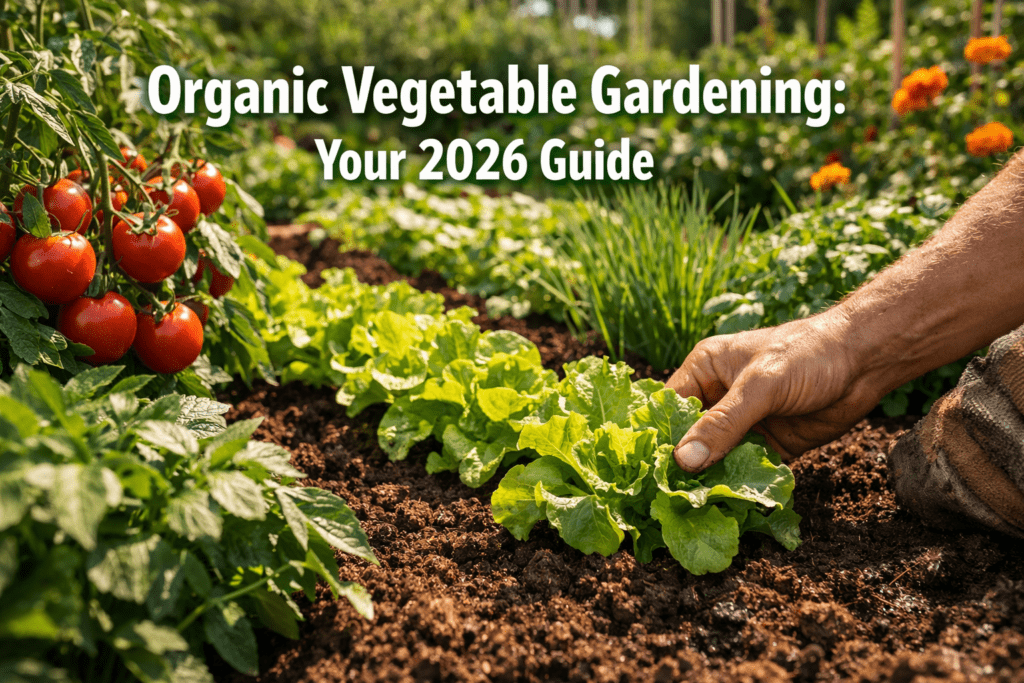
Are you dreaming of growing your own delicious, chemical-free produce right in your backyard? Organic vegetable gardening offers a deeply rewarding experience, connecting you with nature while providing wholesome food for your table. This comprehensive guide will walk you through the essential principles and practices to successfully cultivate an organic garden in 2026, regardless of your space or experience level.
Key Takeaways
- Organic gardening prioritizes natural processes, avoiding synthetic pesticides, fertilizers, and GMOs.
- Soil health is the foundation of any successful organic garden; focus on enriching it with compost and organic matter.
- Companion planting and crop rotation are natural strategies for pest and disease management.
- Water conservation is critical, with drip irrigation and mulching being highly effective methods.
- Choosing the right seeds and plants, including open-pollinated varieties, is essential for organic principles.
- Even small spaces can thrive with organic methods through container or vertical gardening.
- Start small, observe your garden, and learn from both successes and challenges.
- Organic produce often has a higher retail cost, making home gardening a cost-effective alternative [9].
Quick Answer
Organic vegetable gardening is a method of growing fruits and vegetables using only natural substances and processes, eschewing synthetic pesticides, herbicides, chemical fertilizers, and genetically modified organisms (GMOs). Its core principles revolve around building healthy soil, promoting biodiversity, and working with nature to create a sustainable and productive garden ecosystem that provides fresh, nutritious food.
What Are the Core Principles of Organic Vegetable Gardening?
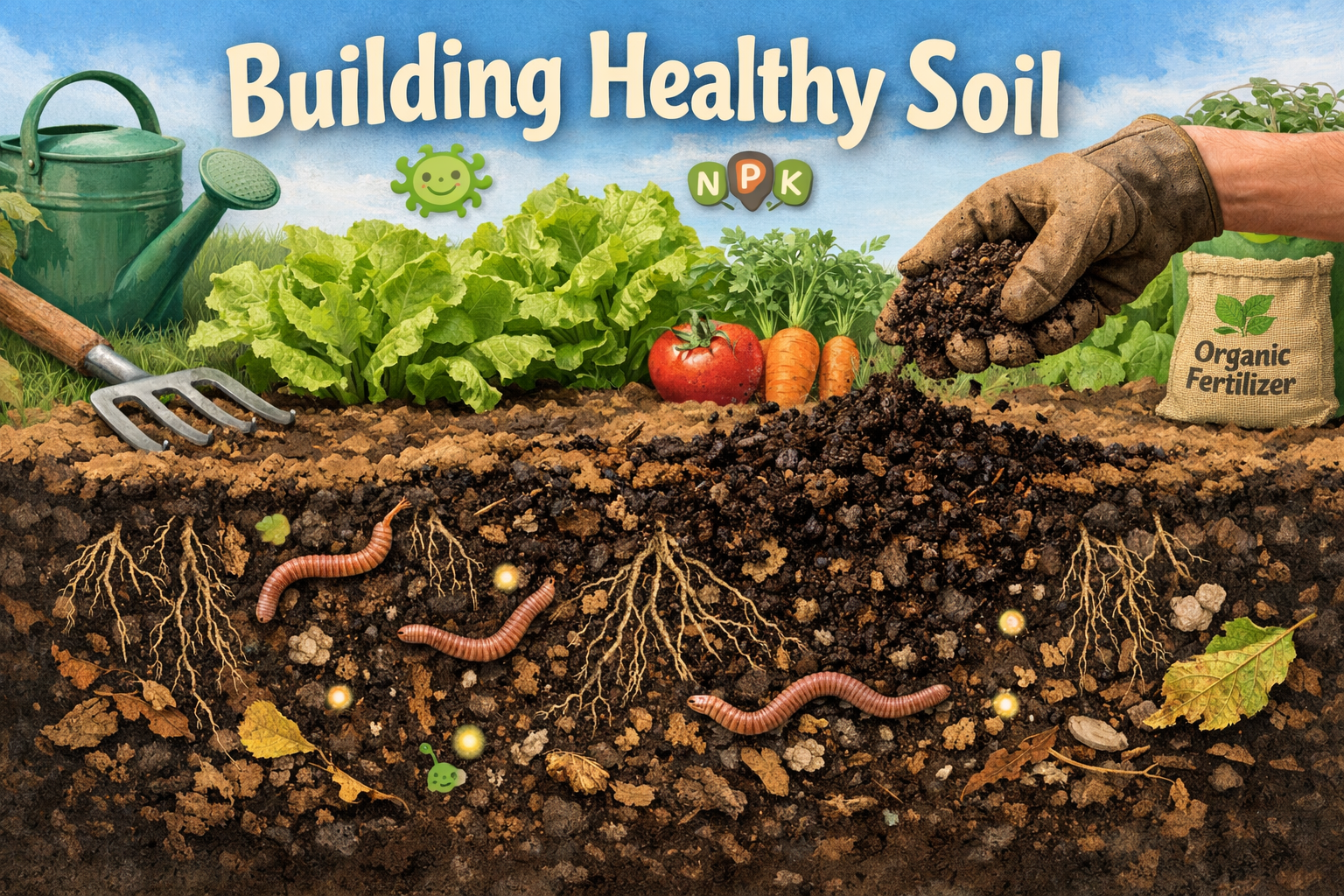
The core principles of organic vegetable gardening center on ecological balance and sustainability, emphasizing natural processes over synthetic inputs. This approach ensures a healthy environment for plants, beneficial insects, and gardeners alike.
At its heart, organic vegetable gardening means nurturing the soil as a living ecosystem. Gardeners achieve this by enriching soil with organic matter, such as compost and aged manure, which feeds soil microorganisms. These microbes then make nutrients available to plants. Beyond soil, organic methods include water conservation, pest management through natural means like beneficial insects and companion planting, and selecting disease-resistant plant varieties. Ultimately, the goal is to create a self-sustaining system that thrives without chemical intervention, reflecting a commitment to environmental health and the production of clean food [4].
- Soil Health First: The foundation of organic gardening is fertile, living soil. This involves regularly adding organic matter like compost, worm castings, and cover crops to improve soil structure, water retention, and nutrient availability. Healthy soil also helps plants resist disease and pests [5]. For deeper insights into soil, explore our guide on Soil Basics for Container Gardening: 2026 Expert Guide.
- Biodiversity Promotion: Encourage a diverse range of plants, insects, and microorganisms in your garden. This includes planting flowers to attract pollinators and beneficial insects, which naturally control pests. Crop rotation is also vital for breaking pest and disease cycles and maintaining soil fertility.
- Natural Pest and Disease Management: Instead of synthetic chemicals, organic gardeners rely on methods such as hand-picking pests, using insecticidal soaps, encouraging beneficial insects, companion planting (e.g., marigolds deterring nematodes), and selecting disease-resistant plant varieties.
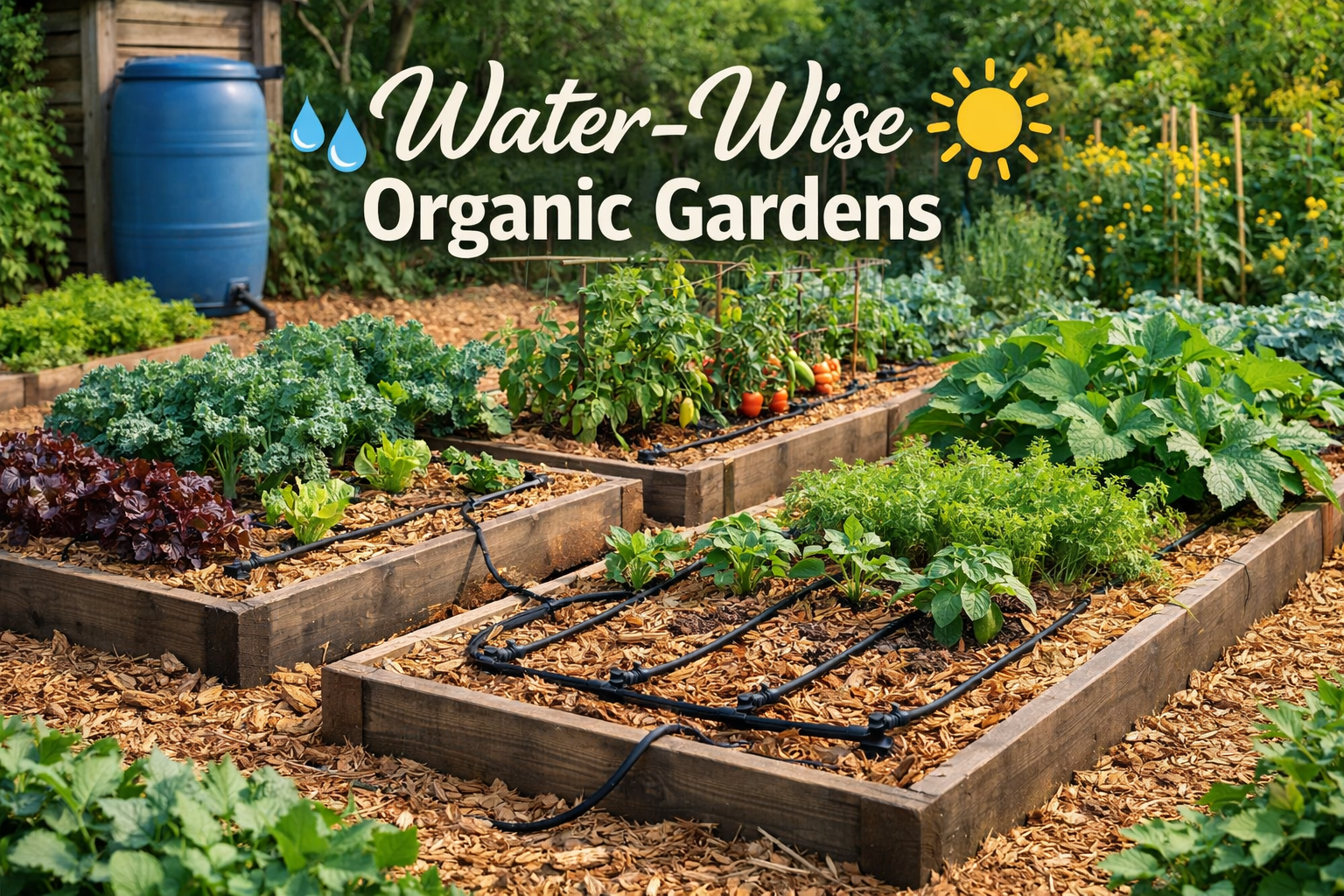
- Water Conservation: Efficient water use is paramount. Techniques like drip irrigation, soaker hoses, and mulching significantly reduce water evaporation and ensure water reaches plant roots directly. Mulch layers of 2-4 inches can reduce water evaporation by up to 70% [5].
- No Synthetic Inputs: Strictly avoid synthetic pesticides, herbicides, chemical fertilizers, and genetically modified (GMO) seeds. This protects soil life, water sources, and the health of your produce.
Example: If you’re establishing a new organic bed, begin by deeply amending the soil with a generous 4-6 inch layer of well-rotted compost. This initial investment dramatically boosts soil health, making it easier for your plants to thrive and absorb nutrients without the need for synthetic fertilizers.
How Do I Prepare My Garden for Organic Vegetable Gardening?
Preparing your garden for organic vegetable gardening involves careful planning, soil assessment, and initial improvements to create an optimal growing environment. This foundational work sets the stage for a thriving, chemical-free harvest.
To prepare an organic garden, start by choosing a site with ample sunlight—at least 6-8 hours daily for most vegetables—and assess your soil’s current condition. The most crucial step is enriching the soil with organic matter, which can involve double-digging, raised beds, or simply top-dressing with compost. Removing weeds manually or through sheet mulching avoids chemical herbicides. Properly preparing your beds ensures good drainage and aeration, which are vital for root development and overall plant health.
Here’s a step-by-step approach to preparing your organic garden:
- Site Selection and Sunlight Assessment: Most vegetables require at least 6-8 hours of direct sunlight daily. Observe your potential garden space throughout the day to confirm adequate sun exposure.
- Soil Testing (Optional but Recommended): A soil test provides valuable information about your soil’s pH and nutrient levels. This helps you make informed decisions about amendments. You can get kits from local garden centers or send samples to agricultural extension offices.
- Weed Removal: Clear the area of weeds. Manual weeding, using a hoe, or smothering weeds with cardboard and organic mulch (sheet mulching) are effective organic methods. Avoid using chemical herbicides.
- Soil Amendment: This is the most critical step. Incorporate copious amounts of organic matter.
- Compost: Work in 2-4 inches of well-rotted compost into the top 6-12 inches of soil. This improves soil structure, drainage, water retention, and provides essential nutrients.
- Aged Manure: If available, aged animal manure (from cows, chickens, horses) can also be incorporated but ensure it is fully composted to avoid burning plants or introducing weed seeds.
- Cover Crops: For new beds or during off-seasons, planting cover crops (like clover or vetch) helps prevent erosion, adds organic matter when tilled in, and improves soil structure.
- Bed Design: Decide between in-ground beds, raised beds, or containers. Raised beds can be beneficial for controlling soil quality and drainage, especially in areas with poor native soil. For small spaces, consider options like those discussed in the Ultimate Guide to Small Space Gardening for Beginners 2026.
- Water System Planning: Consider how you will water your garden. Drip irrigation or soaker hoses are highly efficient and reduce water waste.
| Preparation Step | Purpose | Organic Method |
|---|---|---|
| Sunlight Check | Ensure adequate light for plant growth. | Observe site for 6-8 hours direct sun daily. |
| Weed Control | Remove competing plants; prepare clear planting area. | Hand-pulling, hoeing, sheet mulching (cardboard + compost/mulch). |
| Soil Enrichment | Improve soil structure, fertility, and water retention. | Incorporate 2-4 inches of compost, aged manure, or grow cover crops [5]. |
| Bed Layout | Define planting areas, optimize space, manage drainage. | In-ground, raised beds, or containers; pathways for access. |
| Water Strategy | Deliver water efficiently to plant roots. | Drip irrigation, soaker hoses, mulching. |
Common Mistake: A common pitfall for new organic gardeners is not adding enough organic matter initially. Skimping on compost can lead to nutrient deficiencies and poor plant growth, forcing reliance on organic but less sustainable bottled feeds later on. Invest in your soil at the start for long-term success.
What Are the Best Practices for Organic Vegetable Gardening?
Implementing best practices in organic vegetable gardening ensures vibrant plant growth, robust harvests, and a healthy ecosystem without resorting to synthetic chemicals. These methods focus on working harmoniously with nature.
The best practices for organic vegetable gardening include selecting appropriate plant varieties, practicing crop rotation and companion planting, efficient watering, and ongoing pest and disease management through natural means. Prioritizing organic, open-pollinated seeds and healthy seedlings sets a strong foundation. Continuous soil care, such as regular composting and mulching, is also crucial for sustaining soil fertility and moisture, making your garden more resilient to environmental stressors like unpredictable weather patterns [5].
Here are key best practices for organic vegetable gardening:
- Choose the Right Plants and Seeds:
- Organic and Open-Pollinated Seeds: Opt for seeds labeled “organic” to ensure they haven’t been treated with chemicals or genetically modified. Open-pollinated or heirloom seeds also ensure genetic diversity and the ability to save seeds for future seasons [1].
- Local and Native Varieties: Select vegetable varieties that are well-suited to your local climate and soil conditions.
- February Planting: In temperate climates, February is a good time to sow lettuce, spinach, rocket, kale, herbs (mint, parsley, chives), and root vegetables (carrots, radishes, beetroot) [2]. For spring-planted garlic, use specific varieties like ‘Christo,’ as autumn-planting types won’t develop proper cloves [1].
- Crop Rotation: Avoid planting the same crop or crop family in the same spot year after year. Rotate crops to prevent the buildup of specific pests and diseases and to balance nutrient depletion in the soil.
- Companion Planting: Strategically plant different vegetables and herbs together that benefit each other. Some combinations can deter pests, attract beneficial insects, or improve growth. For example, marigolds can help deter nematodes, and basil can improve the flavor of tomatoes.
- Mulching: Apply a 2-4 inch layer of organic mulch (straw, shredded leaves, wood chips, or grass clippings) around plants. Mulch conserves soil moisture, suppresses weeds, regulates soil temperature, and slowly adds organic matter as it decomposes [5]. This is particularly useful for water efficiency.
- Composting: Continuously produce and use your own compost. Composting kitchen scraps and garden waste turns them into nutrient-rich soil amendments, reducing waste and enriching your garden naturally.
- Water Wisely:
- Deep and Infrequent Watering: Encourage deeper root growth by watering deeply rather than frequently.
- Early Morning Watering: Water in the early morning to minimize evaporation and allow foliage to dry before nightfall, reducing fungal disease risk.
- Drip Irrigation: Implement drip irrigation systems for maximum water efficiency, especially for small space gardening [5].
- Natural Pest and Disease Control:
- Regular Inspection: Monitor plants frequently to catch pest or disease issues early.
- Hand-Picking: Manually remove larger pests like hornworms or slugs.
- Beneficial Insects: Encourage predatory insects (ladybugs, lacewings) by planting flowers like dill, cilantro, and cosmos.
- Organic Sprays: Use organic-approved insecticidal soaps or neem oil for infestations.
- Fungicides: Apply natural fungicides like baking soda solutions for powdery mildew.
Decision Rule: When choosing seeds for your organic vegetable garden in 2026, always prioritize those labeled “organic” and “open-pollinated.” This choice supports biodiversity, allows for seed saving, and ensures your plants are grown without initial chemical treatments.
What Are the Key Tools and Materials for Organic Vegetable Gardening?
Equipping yourself with the right tools and materials is fundamental for efficient and effective organic vegetable gardening. These essentials support sustainable practices and help maintain a healthy, productive garden.
Key tools and materials for organic vegetable gardening include basic hand tools like trowels, cultivators, and pruning shears, alongside larger items such as wheelbarrows and sturdy garden forks. Essential materials involve high-quality organic soil amendments like compost and organic fertilizers, along with specific organic pest and disease controls. Selecting appropriate containers or raised bed materials is also crucial, especially for gardeners working with limited space.
Here’s a breakdown of essential tools and materials:
Essential Tools
- Hand Trowel: For planting seedlings, weeding, and digging small holes.
- Hand Cultivator/Fork: To loosen soil, mix in amendments, and gently remove weeds without disturbing plant roots.
- Garden Fork: Ideal for turning compost, aerating soil, and breaking up clumps in larger beds.
- Shovel or Spade: For digging larger holes, moving soil, and preparing new beds.
- Pruning Shears/Snips: For harvesting vegetables, deadheading, and light pruning.
- Wheelbarrow or Garden Cart: To transport soil, compost, mulch, and harvested produce.
- Watering Can/Hose with Adjustable Nozzle: For targeted and efficient watering. Drip irrigation systems are highly recommended for water efficiency, especially given climate resilience trends in 2026 [5].
- Gloves: Protect your hands from dirt, thorns, and blisters.
- Hoe: For weeding larger areas.
For small space applications, consider specific tools discussed in Essential Tools for Small Space Gardening in 2026.
Essential Materials
- Organic Seeds and Seedlings: Source organic, open-pollinated, or heirloom seeds to ensure no chemical treatments or GMOs [1]. If buying seedlings, ensure they are certified organic.
- Organic Potting Mix/Compost: Use peat-free, organic seed compost for starting seeds, as multi-purpose composts with excessive chemical fertilizers can hinder germination [1]. For established plants, a high-quality organic potting mix is essential for containers and raised beds.
- Compost: The cornerstone of organic gardening. You can make your own or purchase certified organic compost.
- Organic Fertilizers: While healthy soil reduces the need, organic granular or liquid fertilizers (like fish emulsion, kelp meal, or bone meal) can provide targeted nutrients when necessary.
- Mulch Materials: Straw, shredded leaves, wood chips, or grass clippings are excellent for retaining moisture, suppressing weeds, and enriching soil.
- Pest and Disease Controls:
- Insecticidal Soap/Neem Oil: For combating soft-bodied pests like aphids.
- Diatomaceous Earth: A natural abrasive powder effective against crawling insects.
- Row Covers/Netting: Physical barriers to protect plants from flying insects and birds.
- Support Structures: Stakes, trellises, or cages for climbing plants like tomatoes, beans, and cucumbers.
- Containers/Raised Bed Materials: If gardening in limited spaces, choose appropriate pots (see Best Pots for Small Space Gardening in 2026) or lumber for raised beds.
Edge Case: If you live in an area with particularly heavy clay soil or sandy soil, you might need additional soil amendments beyond compost, such as gypsum for clay or biochar for sand, to significantly improve drainage and water retention. Always amend heavily and consistently when dealing with challenging soil types.
How Can I Manage Pests and Diseases Organically?
Managing pests and diseases organically relies on proactive strategies and natural interventions, avoiding synthetic chemicals to maintain a healthy garden ecosystem. This approach fosters resilience and prevents widespread problems.
Organic pest and disease management begins with healthy soil and plant selection, as robust plants are naturally more resistant. Employing physical barriers, encouraging beneficial insects, practicing crop rotation, and implementing companion planting are fundamental. When issues arise, organic gardeners turn to biological controls or least-toxic treatments like insecticidal soaps and neem oil, prioritizing prevention and ecological balance over eradication.
Here’s how to manage pests and diseases in your organic vegetable garden:
- Build Healthy Soil: Plants grown in nutrient-rich, living soil are generally stronger and more resistant to pests and diseases. Focus on consistent composting and appropriate soil amendments [5].
- Choose Resistant Varieties: Select vegetable varieties known for their resistance to common local diseases and pests. Read seed catalogs carefully for these designations.
- Promote Biodiversity:
- Attract Beneficial Insects: Plant a variety of flowering plants (e.g., marigolds, dill, cilantro, cosmos, calendula) around your vegetable beds. These flowers provide nectar and pollen for beneficial insects like ladybugs, lacewings, and parasitic wasps, which prey on common garden pests.
- Avoid Monocultures: Plant diverse crops together to confuse pests and prevent large-scale infestations.
- Cultural Practices:
- Crop Rotation: Rotate your crops each season to break pest and disease cycles that can overwinter in the soil.
- Sanitation: Remove diseased plant material promptly and dispose of it away from the garden to prevent spread. Keep the garden clear of weeds, which can harbor pests.
- Proper Spacing: Give plants adequate space for air circulation, which helps prevent fungal diseases.
- Water Wisely: Water at the base of plants in the morning to allow foliage to dry, reducing the risk of fungal growth.
- Physical Barriers:
- Row Covers: Use lightweight floating row covers to protect young seedlings from insect pests like cabbage worms, flea beetles, and squash bugs.
- Fencing: Protect plants from larger animals like rabbits or deer.
- Hand-Picking: Regularly inspect plants and hand-pick larger pests like tomato hornworms or slugs. Drop them into soapy water.
- Organic Treatments (Last Resort):
- Insecticidal Soap: Effective against soft-bodied insects like aphids, whiteflies, and spider mites.
- Neem Oil: A broad-spectrum organic insecticide and fungicide that disrupts insect feeding and growth.
- Baking Soda Solution: A simple homemade spray for powdery mildew (mix 1 teaspoon baking soda with 1 quart water and a few drops of dish soap).
- BT (Bacillus thuringiensis): A naturally occurring soil bacterium that targets specific caterpillar pests without harming beneficial insects.
Common Mistake: Over-watering or watering foliage in the evening is a frequent mistake that encourages fungal diseases like powdery mildew and blight. Always aim for consistent, deep watering directly to the soil in the morning.
Can I Grow Organic Vegetables in Small Spaces?
Yes, absolutely! Organic vegetable gardening is highly adaptable and can thrive even in limited spaces like balconies, patios, or small yards. The key is strategic planning and utilizing space-saving techniques.
Growing organic vegetables in small spaces is very achievable through methods like container gardening, vertical gardening, and selecting compact plant varieties. These techniques allow you to maximize your yield in a constrained footprint while maintaining organic principles such as using organic soil, natural pest control, and efficient watering. Many popular vegetables are well-suited for such environments, making fresh, home-grown produce accessible to urban gardeners [5]. For more ideas, explore Vegetable Gardening – Mini Space Garden | Small Space Gardening Ideas.
Here are effective strategies for organic vegetable gardening in small spaces:
- Container Gardening:
- Choose the Right Containers: Use pots, grow bags, or planters that are appropriately sized for the plants you intend to grow. Ensure they have good drainage. Black containers can absorb more heat, which can be beneficial in cooler climates but problematic in hot ones. You can find guidance on Best Pots for Small Space Gardening in 2026.
- Organic Potting Mix: Fill containers with a high-quality organic potting mix specifically designed for containers, which provides good aeration and drainage.
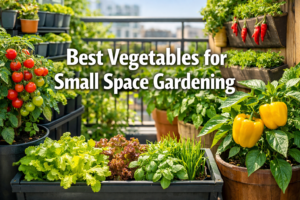
- Suitable Vegetables: Many vegetables thrive in containers, including lettuce, spinach, radishes, carrots (short varieties), bush beans, compact tomato varieties, peppers, herbs, and strawberries. Consult Best Vegetables for Small Space Gardening in 2026 for specific recommendations.
- Vertical Gardening:
- Maximize Upward Space: Utilize vertical structures like trellises, stakes, hanging baskets, or specialized vertical planters. This allows you to grow more plants in a smaller footprint.
- Climbing Plants: Ideal for vertical gardening are climbing plants such as pole beans, cucumbers, peas, small gourds, and vining tomatoes.
- Pocket Planters: Fabric pocket planters or pallet gardens can be mounted on walls for herbs and leafy greens. Learn more about this in our Vertical Gardening Guide for Small Spaces: Grow More in 2026.
- Strategic Plant Selection:
- Compact and Dwarf Varieties: Look for vegetable varieties specifically bred for small spaces, often labeled “bush,” “dwarf,” or “patio.”
- High-Yielding Options: Prioritize plants that offer continuous harvests, like leafy greens, cherry tomatoes, and various herbs.
- Intensive Planting:
- Succession Planting: Plant small batches of quick-growing crops every few weeks to ensure a continuous harvest throughout the growing season.
- Interplanting: Grow different crops together that mature at different rates. For example, plant radishes between slow-growing cabbages; the radishes will be harvested before the cabbages need the space.
- Water Management for Containers: Containers dry out faster than in-ground beds. Consistent, deep watering is crucial. Consider self-watering planters or drip irrigation for efficiency. Mulch can also be applied to containers to retain moisture.
Example: For a sunny balcony in 2026, I would set up a multi-tiered vertical planter for organic lettuce, spinach, and herbs on the top levels, while dedicating a few larger pots below for a compact ‘Patio’ tomato plant and a bush pepper. This setup maximizes sun exposure and space, yielding a diverse harvest from a minimal footprint. For detailed steps, check out Complete Balcony Gardening Guide for Small Apartments 2026.
Conclusion
Embracing organic vegetable gardening in 2026 is a commitment to sustainable living, environmental stewardship, and enjoying the freshest, healthiest food possible. By focusing on nourishing your soil, working with nature to manage pests, conserving water, and selecting the right plants, you can cultivate a thriving garden that yields abundant harvests. Whether you have a vast backyard or a tiny balcony, organic principles are adaptable and rewarding, offering a path to greater self-sufficiency and a deeper connection to the food you eat. Start small, observe your garden’s unique rhythms, and celebrate every successful sprout and ripe vegetable.
Actionable Next Steps:
- Assess Your Space: Identify a sunny spot in your yard, balcony, or patio that receives at least 6-8 hours of direct sunlight.
- Test Your Soil (or Start Fresh): If you have an existing garden, consider a soil test. For new beds or containers, plan to incorporate ample organic compost.
- Choose Your First Crops: Start with easy-to-grow organic vegetables and herbs that suit your climate and space, like lettuce, radishes, or bush beans.
- Gather Your Tools & Materials: Acquire basic hand tools, organic seeds, and a good supply of organic compost.
- Start Planting: Follow seasonal planting guides (like the February 2026 advice for temperate climates) and begin your organic gardening journey!
FAQ
Q: What does “organic” mean for vegetable gardening?
A: “Organic” in vegetable gardening means growing plants without synthetic pesticides, herbicides, chemical fertilizers, or genetically modified organisms, focusing instead on natural processes and inputs like compost.
Q: Is organic gardening more expensive than conventional gardening?
A: Initial setup costs for organic inputs like compost or organic seeds can sometimes be higher, but the long-term benefits of healthy soil reduce the need for recurring chemical purchases, making it cost-effective over time. Organic produce often retails for 61% more than conventional, so growing your own can save money [9].
Q: How do I get rid of weeds organically?
A: Organic weed control involves manual weeding, hoeing, sheet mulching (using cardboard and organic matter to smother weeds), and applying thick layers of organic mulch to prevent weed growth.
Q: Can I use organic methods in a small container garden?
A: Yes, organic principles are perfectly suited for container gardening. Use organic potting mix, select compact vegetable varieties, and apply natural pest control methods.
Q: How often should I water my organic garden?
A: Water deeply and infrequently, aiming for moisture penetration to root depth. Early morning watering is best to reduce evaporation and disease risk. Drip irrigation and mulching help conserve water [5].
Q: What is the best organic fertilizer?
A: Compost is considered the best all-around organic fertilizer, as it improves soil structure and provides a slow release of nutrients. Other options include fish emulsion, kelp meal, and bone meal for specific nutrient boosts.
Q: What are cover crops and why are they used in organic gardening?
A: Cover crops are plants grown primarily to benefit the soil, not for harvest. They prevent erosion, suppress weeds, add organic matter when tilled in, and improve soil structure and fertility.
Q: When can I start planting in 2026 for an organic garden?
A: In temperate climates, February 2026 is suitable for sowing hardy vegetables like lettuce, spinach, kale, and root vegetables indoors or under protection, with outdoor planting commencing as frost risk passes [2].
References
[1] What To Sow In February 2026 – https://nickykylegardening.com/what-to-sow-in-february-2026/
[2] February 2026 Planting Guide Garden Update – https://leafrootfruit.substack.com/p/february-2026-planting-guide-garden-update
[3] February 2026 Event Listing – https://cog.ca/blog/february-2026-event-listing/
[4] Backyard Vegetable Gardens Are Healthy For People And The Planet Heres How To Start Yours – https://www.ckom.com/2026/02/04/backyard-vegetable-gardens-are-healthy-for-people-and-the-planet-heres-how-to-start-yours/
[5] How To Design A Climate Resilient Vegetable Garden In 2026 – https://vegplotter.com/blog/how-to-design-a-climate-resilient-vegetable-garden-in-2026
[7] Guiding Sustainable Vegetable Production In British Columbia – https://www.hortidaily.com/article/9814676/guiding-sustainable-vegetable-production-in-british-columbia/
[8] They Just Wanted To Grow Food Their Suburban Neighbors Declared War – https://www.motherjones.com/environment/2026/02/they-just-wanted-to-grow-food-their-suburban-neighbors-declared-war/
[9] Wide Disparities Between Conventional And Organic Create Marketing Puzzle – https://www.organicproducenetwork.com/organic-retail/wide-disparities-between-conventional-and-organic-create-marketing-puzzle