Low Light Indoor Plants
Bringing the tranquility of nature indoors doesn’t require a sun-drenched conservatory; many stunning low light indoor plants flourish even in dimly lit spaces, transforming overlooked corners into vibrant havens. If you’ve struggled with houseplant care due to lack of natural light, understanding which varieties thrive with minimal sun and how to properly care for them can revolutionize your indoor gardening experience in 2026. This guide will walk you through everything you need to know to cultivate a lush indoor jungle, regardless of your lighting situation.
Key Takeaways
- Low Light Does Not Mean No Light: All plants need some light; “low light” refers to indirect, diffused illumination, not total darkness.
- Top Choices for Beginners: Snake Plant, ZZ Plant, Pothos, and Peace Lily are highly recommended for their resilience and low light tolerance.
- Watering is Key: Overwatering is the most common killer of low light plants. Always check soil moisture before watering.
- Temperature and Humidity Matter: Most low light plants prefer stable room temperatures and average to slightly higher humidity.
- Pest and Disease Management: Regularly inspect plants for pests and address issues promptly to prevent spread.
- Fertilize Sparingly: Low light plants grow slower and require less fertilizer than their sun-loving counterparts.
- Pruning for Health: Occasional pruning encourages bushier growth and removes yellowing or damaged leaves.
- Consider Location: Place plants where they receive consistent, indirect light, even if it’s minimal.
Quick Answer
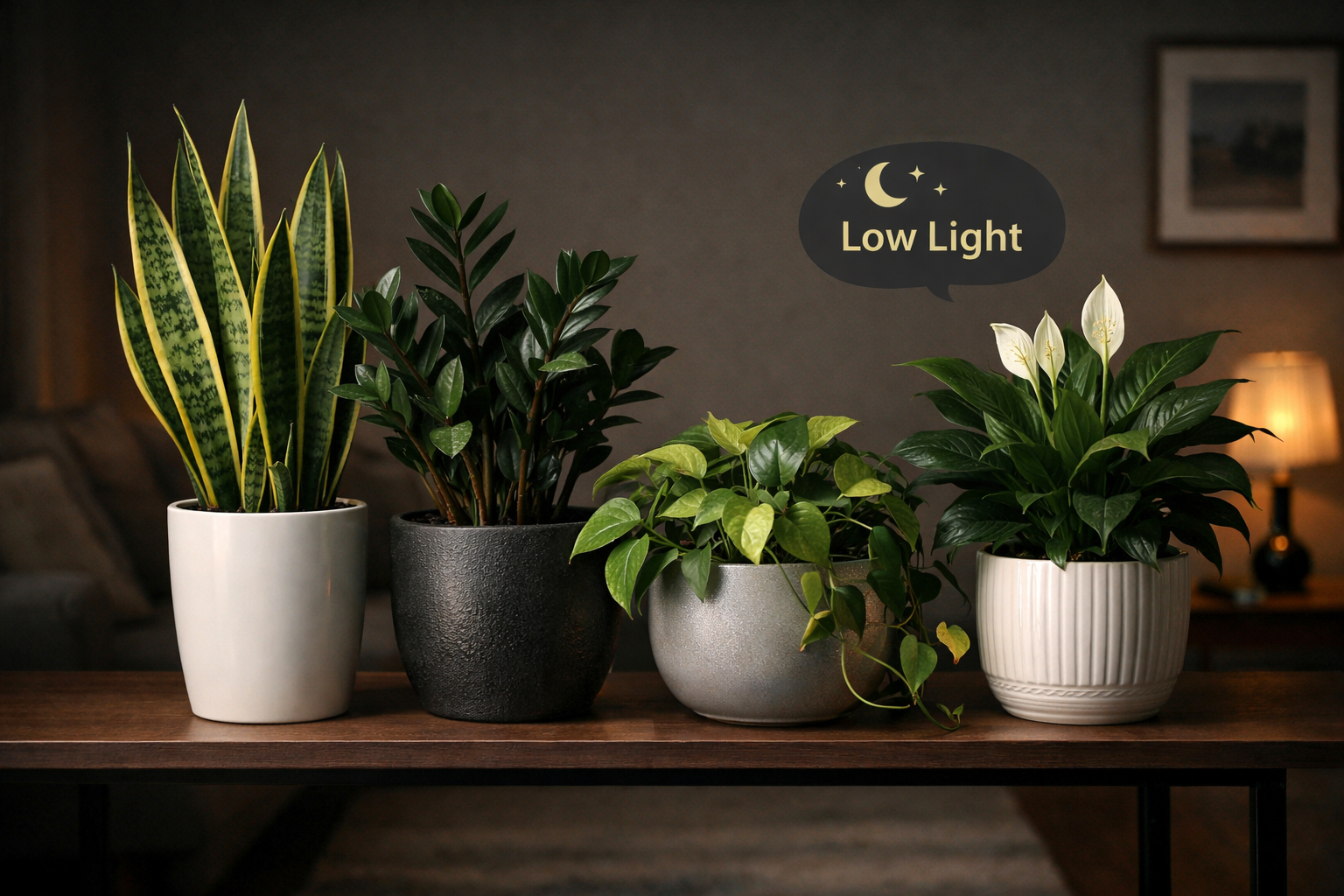
Low light indoor plants are specific plant species adapted to survive and even thrive in environments with limited natural sunlight, making them ideal for homes or offices with north-facing windows, shaded rooms, or artificial light sources. While they require some light, these plants are significantly more tolerant of subdued conditions compared to high-light varieties, offering a practical way to add greenery to nearly any indoor space.
What Are Low Light Indoor Plants and Why Choose Them?
Low light indoor plants are species that have evolved to flourish in conditions with minimal direct sunlight, often replicating their natural understory habitats in forests where they receive filtered light. These plants are an excellent choice for anyone living in apartments, offices, or homes with limited natural light, as they significantly expand the possibilities for indoor greenery. Opting for low light plants allows you to introduce aesthetic appeal, improve air quality, and enjoy the psychological benefits of nature without the constant worry of insufficient light.
Defining “Low Light” for Plants
For indoor plants, “low light” typically refers to an area that receives indirect, filtered light for several hours a day, or bright ambient light without direct sun exposure. This is not equivalent to total darkness, which no plant can survive indefinitely.
- North-facing windows: These typically provide the lowest intensity of natural light.
- Interior rooms: Spaces far from windows, relying on reflected light or artificial sources.
- Shaded corners: Spots where direct sunlight never reaches, even if near a window.
Choosing these plants is particularly beneficial for urban dwellers, small homes, or even those who simply forget to open blinds regularly. They are often among the “Best Indoor Plants for Small Homes 2026: Top Low-Maintenance Picks” because they forgive less-than-ideal conditions.
Which Are the Best Low Light Indoor Plants for Beginners?
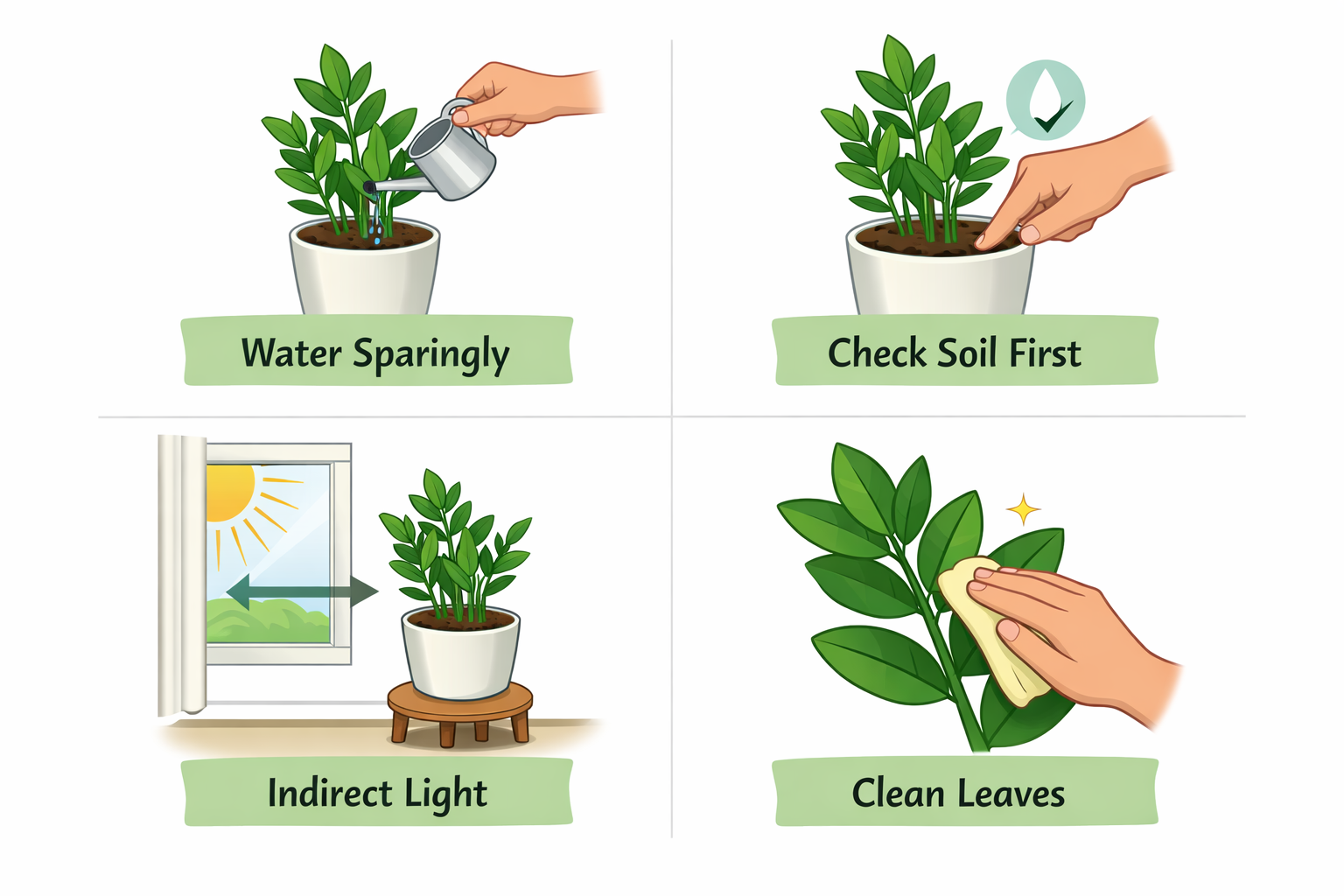
For those new to indoor gardening, several low light indoor plants stand out due to their exceptional hardiness and minimal care requirements. These varieties are highly forgiving of common beginner mistakes and can tolerate a wide range of conditions, making them perfect starting points for cultivating an indoor jungle. My personal recommendations for easy plants to grow include the Snake Plant, ZZ Plant, Pothos, and Peace Lily.
Top Picks for Easy-Care Low Light Plants
Here are some of the most reliable and popular low light indoor plants that even novice gardeners can keep thriving:
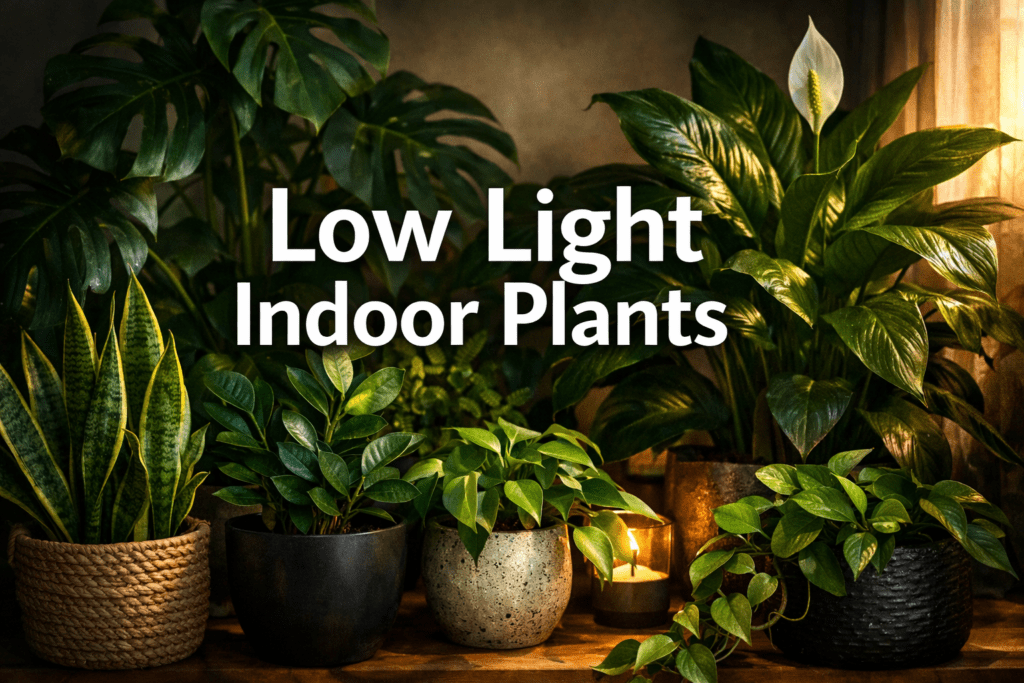
- Snake Plant (Sansevieria trifasciata) 🌱: Renowned for its upright, sword-like leaves and extreme drought tolerance. It can handle very low light and infrequent watering, making it nearly indestructible. It’s also an excellent air purifier.
- ZZ Plant (Zamioculcas zamiifolia) ✨: Features waxy, dark green leaves on thick stems, giving it a sculptural look. The ZZ plant stores water in its rhizomes, allowing it to go weeks without water. It tolerates deep shade better than almost any other plant.
- Pothos (Epipremnum aureum) 🌿: A vining plant with heart-shaped leaves that comes in various variegated patterns. Pothos is incredibly adaptable to different light levels, including low light, and is very easy to propagate. It’s perfect for hanging baskets or trailing from shelves.
- Peace Lily (Spathiphyllum) 🤍: Known for its elegant white “flowers” (modified leaves called spathes) and glossy green foliage. Peace Lilies prefer consistently moist (but not soggy) soil and will droop dramatically when thirsty, providing a clear signal for watering. They thrive in medium to low indirect light.
- Cast Iron Plant (Aspidistra elatior) 💪: As its name suggests, this plant is incredibly tough. It tolerates very low light, irregular watering, and even fluctuating temperatures. Its dark green, sturdy leaves make a bold statement.
- Spider Plant (Chlorophytum comosum) 🕷️: Produces arching leaves and creates “plantlets” or “spiders” that dangle, perfect for propagation. While it prefers bright, indirect light, it can tolerate lower light conditions, though its variegation might be less pronounced.
When selecting, consider the mature size of the plant and how it fits into your space. For more options, explore “Easy Plants to Grow in Small Spaces (2026 Guide).”
How to Care for Your Low Light Indoor Plants
Caring for low light indoor plants involves understanding their specific needs regarding light, water, humidity, and nutrients, which often differ significantly from sun-loving varieties. The most critical aspect is avoiding the common mistake of overwatering, as these plants use water more slowly in low light conditions. Additionally, providing consistent, indirect light, even if dim, and maintaining stable room temperatures are crucial for their long-term health.
Essential Care Tips for Thriving Low Light Plants
- Light Placement: While they tolerate low light, no plant truly thrives in total darkness. Place your low light indoor plants in spots with consistent ambient light – a few feet from a north-facing window, in a room with a large window but away from direct sun, or under a grow light for a few hours daily if absolutely necessary. Rotate plants occasionally to ensure even growth.
- Watering Schedule: This is where most beginners go wrong. Low light means less photosynthesis, and thus less water evaporation. Always check the soil moisture before watering. Stick your finger about an inch or two into the soil; if it feels dry, it’s time to water. For many low light plants, especially ZZ and Snake Plants, letting the soil dry out completely between waterings is best. Overwatering leads to root rot, which is often fatal. Refer to “How Often Should You Water Plants? Ultimate Guide 2026” for more detailed watering insights.
- Humidity: Most indoor plants, including low light varieties, appreciate moderate to high humidity, especially during dry winter months or in air-conditioned environments. Grouping plants together, using a pebble tray with water, or a small humidifier can help.
- Fertilization: Low light plants grow slower, so they require less fertilizer. Feed sparingly, typically once every 2-4 months during the growing season (spring and summer) with a diluted, balanced liquid fertilizer. Avoid fertilizing in fall and winter when growth naturally slows down.
- Potting and Soil: Ensure your plants are in pots with drainage holes to prevent waterlogging. Use a well-draining potting mix. Repot only when necessary, usually every 1-2 years, into a pot only slightly larger than the previous one.
- Pest Control: Even low light plants can attract pests like spider mites or fungus gnats. Regularly inspect leaves (top and bottom) and stems. If you spot pests, isolate the plant and treat with insecticidal soap or neem oil. Good air circulation can help deter pests.
- Cleaning Leaves: Dust can accumulate on leaves, hindering photosynthesis. Gently wipe leaves with a damp cloth every few weeks to keep them clean and allow them to absorb light more effectively.
- Pruning: Trim any yellowing, damaged, or leggy leaves. Pruning encourages bushier growth and directs the plant’s energy towards healthy new foliage.
Watering Guidelines for Common Low Light Plants
| Plant Type | Soil Moisture Preference | Watering Frequency (Estimate) | Common Mistake to Avoid |
|---|---|---|---|
| Snake Plant | Completely dry out | Every 2-4 weeks | Overwatering, especially in winter |
| ZZ Plant | Completely dry out | Every 3-5 weeks | Watering too often |
| Pothos | Top inch or two dry | Every 1-2 weeks | Letting it sit in soggy soil |
| Peace Lily | Consistently moist, not soggy | Every 1 week | Letting it dry out completely (will droop) |
| Cast Iron Plant | Mostly dry out | Every 2-3 weeks | Excessive watering, particularly when cold |
Note: These are estimates; always check soil moisture directly.
Common Mistakes to Avoid with Low Light Indoor Plants
Even with resilient species, gardeners often make a few common mistakes that can hinder the health and longevity of their low light indoor plants. The primary pitfall is misunderstanding what “low light” truly means and subsequently overcompensating with too much or too little care. Avoiding these errors is crucial for keeping your plants vibrant and healthy.
Pitfalls in Low Light Plant Care
- Overwatering: This is by far the biggest killer of low light plants. Because they photosynthesize less, they use less water. Constantly wet soil suffocates roots and leads to rot. Always let the soil dry out significantly (or completely, depending on the plant) between waterings.
- Assuming “No Light”: While they tolerate low light, no plant can survive in absolute darkness. Placing a plant in a windowless bathroom or a deeply shaded corner where it receives no natural or artificial light will cause it to decline. They still need some ambient light, just not direct sun.
- Too Much Direct Sun: Conversely, even low light plants can suffer from too much direct sun, especially harsh afternoon sun. This can scorch their leaves, leading to brown spots or faded coloration. Position them where they receive diffused light.
- Neglecting Humidity: Many tropical low light plants appreciate higher humidity. Dry indoor air, especially in winter with heating, can cause brown leaf tips and overall stress.
- Over-Fertilizing: Low light conditions mean slower growth, and slower growth means fewer nutrient requirements. Too much fertilizer can burn roots and damage the plant. Fertilize very sparingly during the active growing season.
- Ignoring Pests: Just because a plant is low maintenance doesn’t mean it’s pest-proof. Regularly inspecting your plants allows you to catch and address pest infestations early, preventing them from spreading or severely damaging your plant.
- Using Pots Without Drainage: This is a recipe for disaster with any plant, but especially with those susceptible to root rot in low light conditions. Always use pots with drainage holes, or ensure you don’t leave water sitting in decorative outer pots. This advice is critical for all “Plants Care” scenarios.
By being mindful of these common errors, you can provide an optimal environment for your low light indoor plants to flourish.
Conclusion
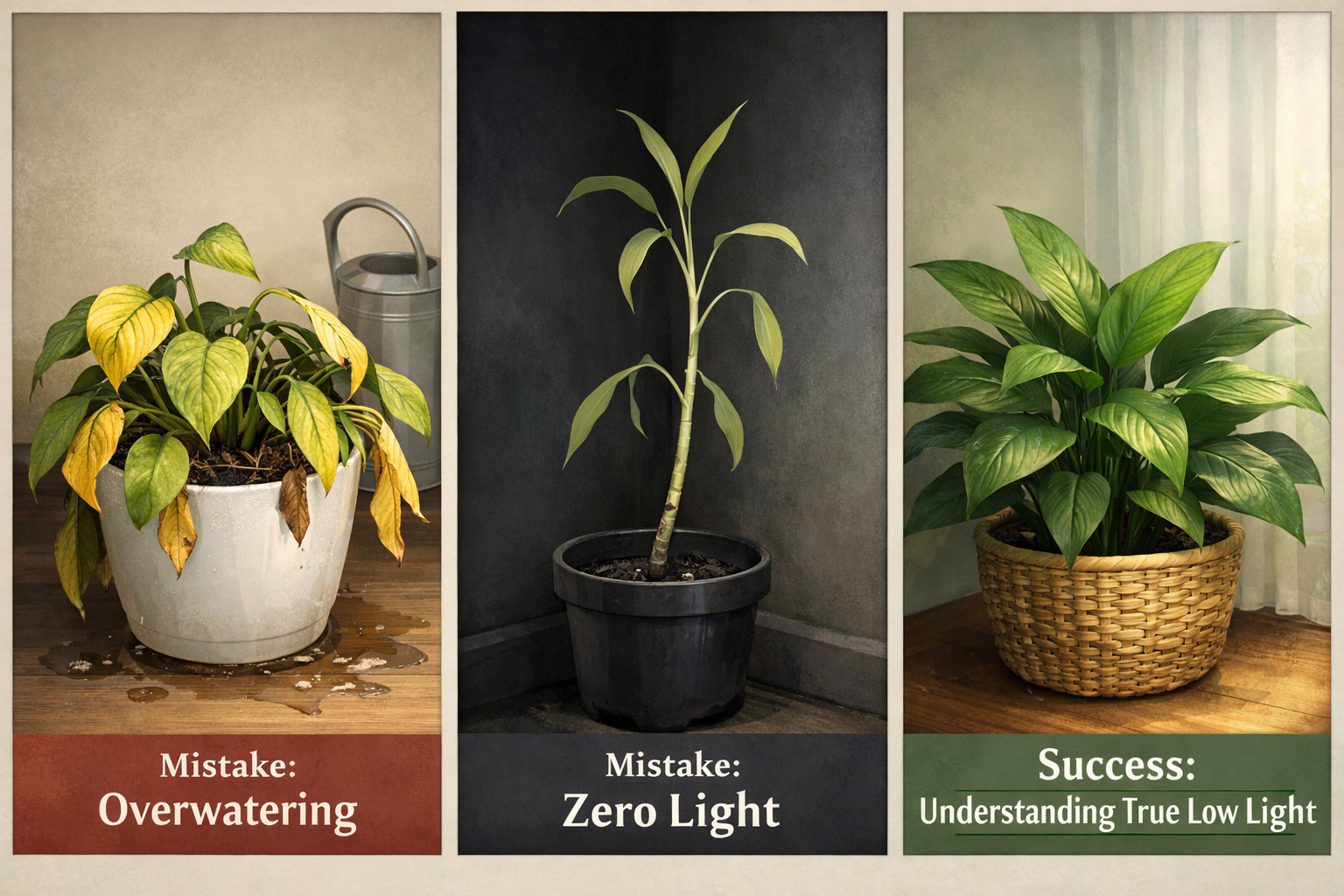
Embracing low light indoor plants opens up a world of possibilities for bringing natural beauty and improved air quality into virtually any indoor space, regardless of how limited your sunlight exposure might be. From the nearly indestructible Snake Plant to the elegant Peace Lily, a diverse array of resilient species is ready to transform your home or office. Remember, “low light” doesn’t mean “no light”; it means understanding and catering to their specific needs for indirect illumination and, crucially, avoiding the common pitfall of overwatering.
By following the simple guidelines outlined in this guide – choosing the right plants, mastering a careful watering routine, and providing consistent, indirect light – you can cultivate a thriving collection of greenery that enhances your environment and brings a sense of calm. Don’t let limited light deter you from becoming a successful indoor gardener in 2026.
Actionable Next Steps:
- Assess Your Lighting: Identify the actual light conditions in your desired plant locations.
- Choose Wisely: Select 1-2 low light plant species from our recommended list that appeal to you.
- Get the Right Gear: Purchase well-draining pots and suitable potting mix.
- Implement Care: Start with a cautious watering schedule and observe your plants closely.
- Expand Your Knowledge: Explore more tips on indoor gardening through resources like “Indoor Gardening for Small Homes & Apartments: 2026 Guide” to further your plant care journey.
FAQ
Q1: Can low light plants survive in a windowless room?
A1: No, while they tolerate low light, no plant can survive indefinitely without any light. A windowless room would require supplemental artificial lighting, such as a grow light, for the plant to thrive.
Q2: How often should I water my snake plant in low light?
A2: In low light conditions, water your snake plant sparingly, typically every 2-4 weeks, allowing the soil to completely dry out between waterings to prevent root rot.
Q3: Do low light plants still need fertilizer?
A3: Yes, but very sparingly. Low light plants grow slower and require fewer nutrients. Fertilize once every 2-4 months during the growing season (spring and summer) with a diluted, balanced liquid fertilizer.
Q4: What are the signs of overwatering in low light plants?
A4: Common signs of overwatering include yellowing leaves, soft and mushy stems, wilting despite wet soil, and a foul odor from the soil indicating root rot.
Q5: Can low light plants improve air quality?
A5: Yes, many low light plants, such as Snake Plants and Peace Lilies, are known to help purify indoor air by removing certain toxins, though their impact is often modest in typical home settings.
Q6: How can I increase humidity for my low light plants?
Q6: You can increase humidity by grouping plants together, using a pebble tray filled with water, misting leaves (for some species), or using a small room humidifier.
Q7: What kind of soil is best for low light indoor plants?
A7: A well-draining potting mix is best, often a blend with peat moss, perlite, or coco coir to ensure aeration and prevent waterlogging.
Q8: Should I prune my low light plants?
A8: Yes, occasionally prune any yellowing, damaged, or leggy leaves. This encourages healthier, bushier growth and directs the plant’s energy more efficiently.
Q9: My low light plant is leggy and sparse. What’s wrong?
A9: Legginess (long, stretched stems with sparse leaves) often indicates that the plant is not receiving enough light, even for a “low light” plant. Try moving it to a slightly brighter spot with indirect light.
Q10: Are low light plants safe for pets?
A10: Some popular low light plants, like Peace Lilies and Pothos, are toxic if ingested. Always research the specific plant’s toxicity if you have pets or small children. Snake Plants and ZZ Plants can also be irritating.
Sources
- University of Florida IFAS Extension (2021). Houseplant Care for Beginners. https://sfyl.ifas.ufl.edu/media/sfylifasufledu/orange/docs/pdf/horticulture/Houseplant-Care-for-Beginners.pdf
- The Spruce (2023). The 10 Best Low-Light Indoor Plants. https://www.thespruce.com/best-low-light-indoor-plants-4158404
- Missouri Botanical Garden (n.d.). Peace Lily (Spathiphyllum wallisii). https://www.missouribotanicalgarden.org/PlantFinder/PlantFinderDetails.aspx?kempercode=h380