Indoor Watering Guide
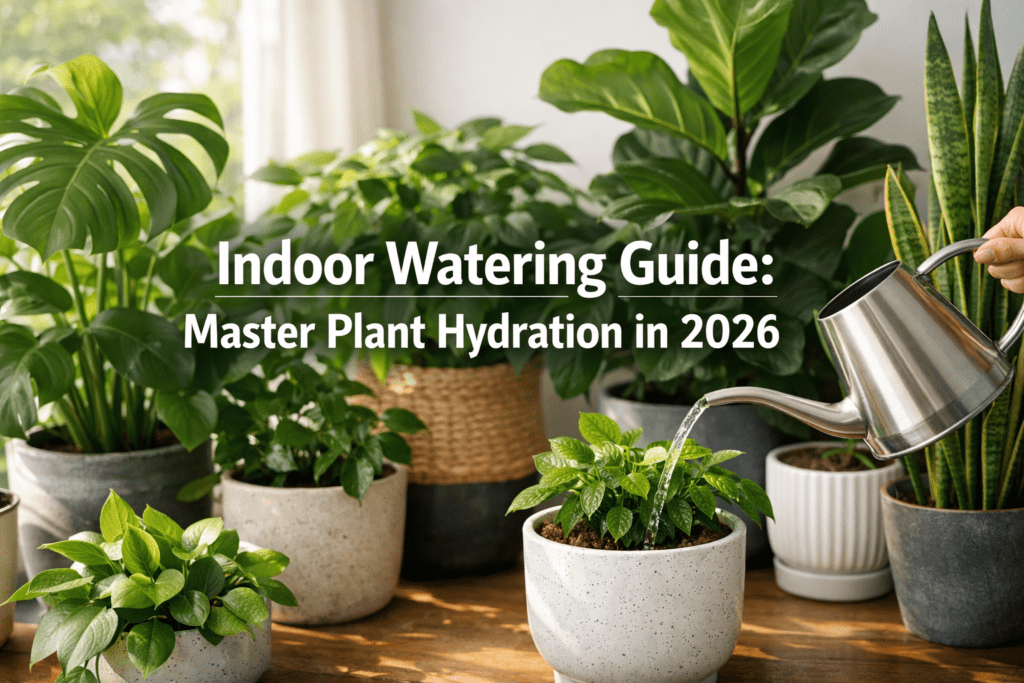
Mastering the art of watering is the cornerstone of successful indoor plant care, preventing common issues like root rot or dehydration. This Indoor Watering Guide provides comprehensive strategies and practical tips to ensure your houseplants thrive in 2026, helping you understand their specific needs and how to meet them effectively. Proper watering techniques are crucial for plant health, influencing everything from growth rate to resistance against pests.
Key Takeaways
- Assess Soil Moisture: Always check the soil before watering; the “finger test” or a moisture meter are reliable methods.
- Understand Plant Needs: Different plants have varying water requirements based on species, pot size, and environmental factors.
- Water Thoroughly: When you water, do so until water drains from the bottom, ensuring even saturation.
- Avoid Overwatering: This is the most common killer of houseplants; ensure good drainage and avoid letting plants sit in standing water.
- Consider Watering Methods: Top-down watering is common, but bottom watering can encourage stronger root growth and prevent certain issues.
- Adjust Seasonally: Plants generally need less water in winter duegal (dormancy) and more in summer (active growth).
- Monitor Drainage: Ensure pots have drainage holes and use well-draining potting mix to prevent waterlogging.
- Recognize Signs: Learn to identify symptoms of both overwatering and underwatering to react promptly.
- Use Quality Water: Room temperature, filtered tap water or rainwater is often best, avoiding harsh chemicals.
Quick Answer
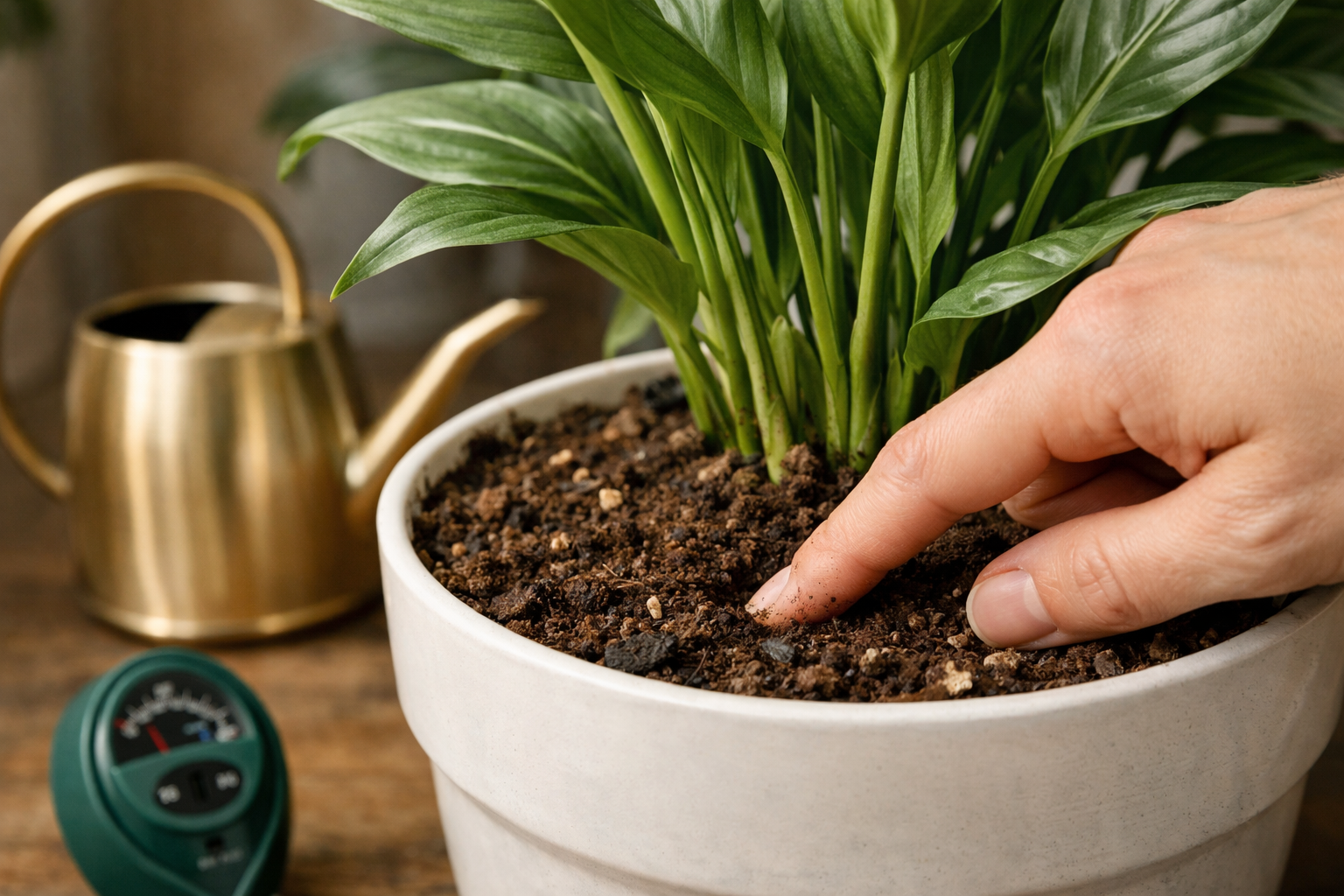
Effectively watering indoor plants involves consistently checking soil moisture, understanding each plant’s specific needs, and watering thoroughly until excess drains from the pot. The key is to avoid both overwatering, which leads to root rot, and underwatering, which causes dehydration, by adapting your approach based on plant type, pot, and seasonal changes.
How Do I Know When to Water My Indoor Plants?
You know it’s time to water your indoor plants by routinely checking the soil moisture level, as this is the most accurate indicator of a plant’s immediate need for hydration. While there’s no fixed schedule, regular assessment ensures you water when the plant genuinely requires it, preventing both drought and waterlogging.
- The Finger Test: This classic method is highly effective for most houseplants. Insert your index finger about 1-2 inches deep into the soil (or up to your second knuckle). If the soil feels dry at that depth, it’s likely time to water. If it still feels moist, wait a few more days and check again. This approach is practical for beginners and experienced plant enthusiasts alike.
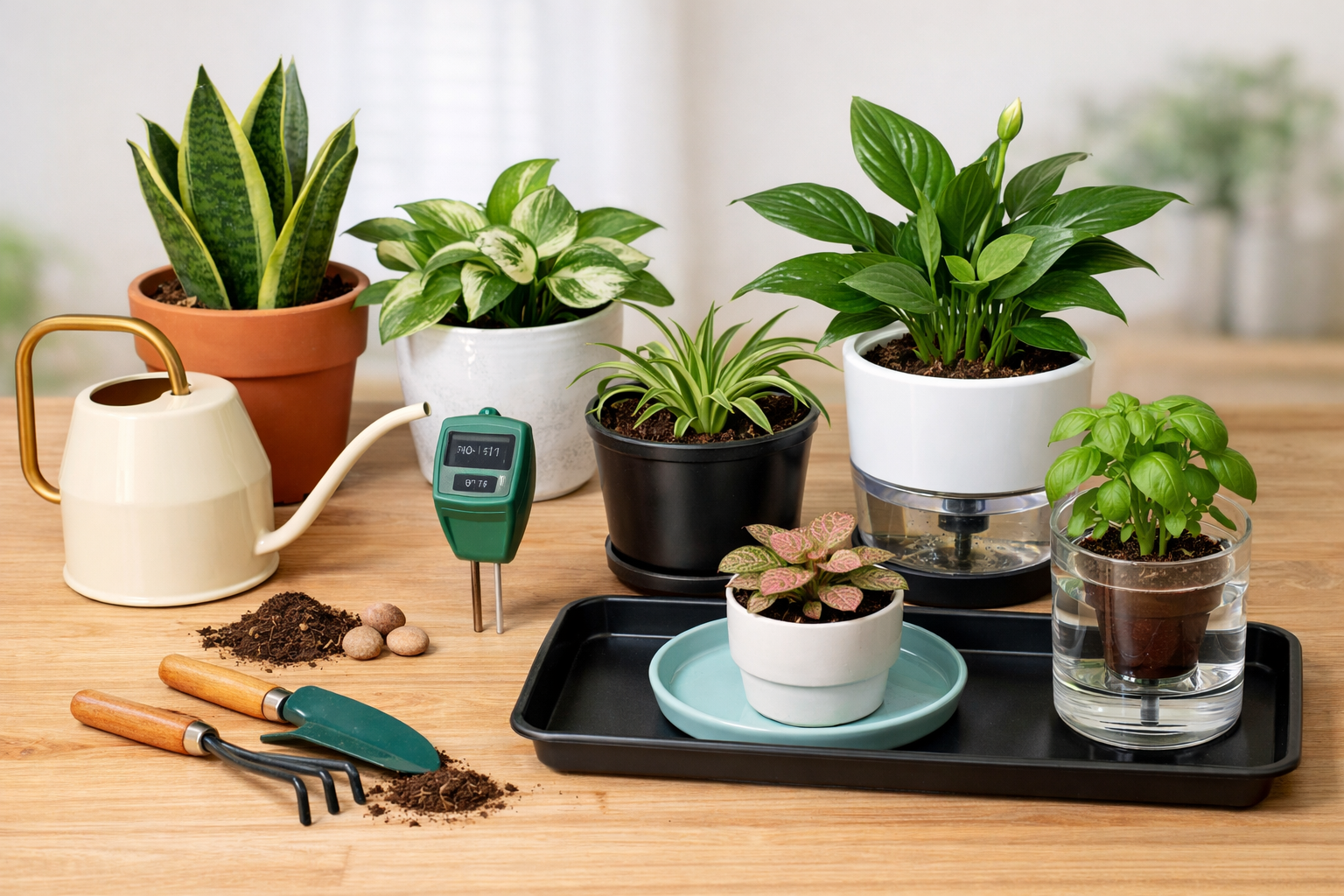
- Moisture Meters: For a more precise measurement, a soil moisture meter can be a valuable tool. These devices have probes that you insert into the soil, providing a reading on a scale from dry to wet. They are particularly useful for larger pots or plants with specific moisture requirements, offering an objective assessment.
- Pot Weight: Over time, you’ll learn to gauge a plant’s water needs by lifting its pot. A dry pot will feel significantly lighter than a recently watered one. This method becomes second nature for experienced plant parents and is especially useful for smaller plants.
- Visual Cues: While less reliable as a primary indicator, visual cues from the plant itself can signal distress. Wilting or drooping leaves can indicate underwatering, while yellowing, mushy leaves often point to overwatering. However, by the time these symptoms appear, the plant is already stressed, making proactive soil checks preferable.
- Specific Plant Needs: Desert cacti and succulents, for example, prefer their soil to dry out completely between waterings, sometimes even longer. Tropical plants, like ferns, often prefer consistently moist (but not soggy) soil. Always research the specific care requirements for each plant in your collection.
Decision Rule: Choose the finger test for a quick, reliable check on most plants. If you have plants with very specific moisture needs or simply prefer more precision, invest in a good quality moisture meter.
What Are the Best Watering Methods for Indoor Plants?
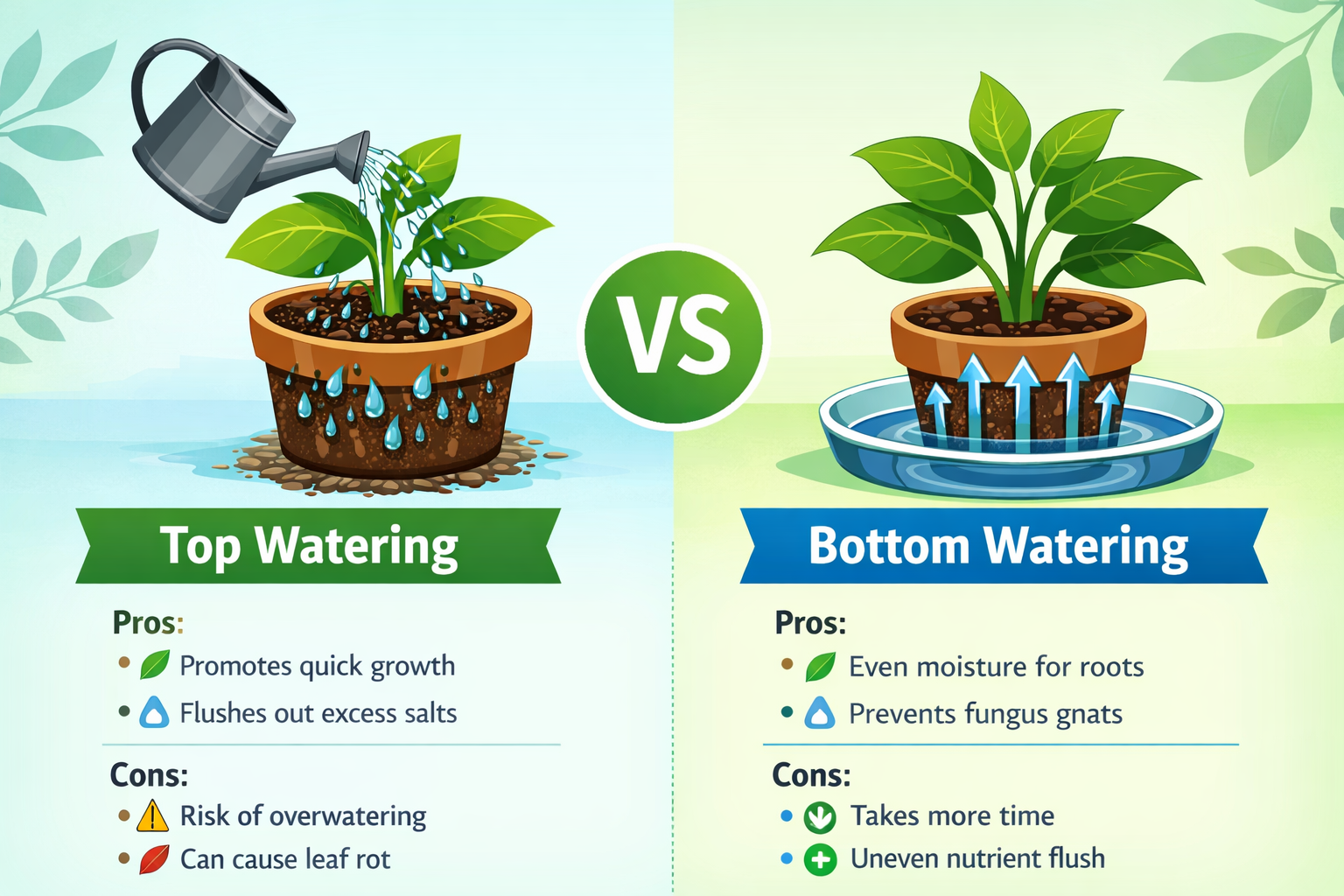
The best watering methods for indoor plants include top-down watering and bottom watering, each offering distinct advantages depending on the plant, pot type, and environmental conditions. Both methods aim to saturate the root ball thoroughly while avoiding standing water, crucial for preventing root rot.
- Top-Down Watering: This is the most common method.
- How to Do It: Pour water slowly and evenly over the surface of the soil until it begins to drain out of the pot’s drainage holes. Ensure the entire soil surface is wet.
- Pros: Flushes out mineral salts that can accumulate in the soil, provides immediate hydration, and is generally easier for most plants.
- Cons: Can lead to uneven watering if poured too quickly, can compact soil over time, and may encourage fungus gnats if the topsoil stays wet for too long.
- When to Use: Ideal for most common houseplants, especially those prone to nutrient buildup or needing a quick drench.
- Bottom Watering: This method allows the plant to absorb water from the bottom up.
- How to Do It: Place your potted plant in a saucer or tray filled with 1-2 inches of water. Allow the plant to soak for 15-30 minutes, or until the topsoil feels moist. Remove the plant from the water and let any excess drain completely.
- Pros: Encourages deeper root growth as roots reach down for water, prevents soil compaction, reduces the risk of fungus gnats by keeping the topsoil dry, and ensures even saturation.
- Cons: Doesn’t flush out mineral salts as effectively, takes longer, and requires more attention to ensure the plant doesn’t sit in water for too long.
- When to Use: Excellent for plants sensitive to wet leaves (like African Violets), plants with dense foliage that makes top watering difficult, or those prone to fungus gnats. It’s also beneficial for plants that tend to dry out quickly at the bottom.
- Self-Watering Pots: These pots feature a reservoir that provides a continuous, slow release of water to the plant.
- How to Do It: Fill the reservoir with water, and the plant’s roots or a wicking system will draw up moisture as needed.
- Pros: Reduces watering frequency, provides consistent moisture, and is great for busy plant owners or plants with high, consistent water needs.
- Cons: Can be less suitable for plants that prefer their soil to dry out completely between waterings, and salt buildup can still occur.
- When to Use: Best for moisture-loving plants like ferns or peace lilies.
Common Mistake: Leaving plants to sit in standing water after either top or bottom watering. This deprives roots of oxygen and is a primary cause of root rot. Always ensure excess water drains away completely.
What Type of Water and Pots Are Best for Indoor Plants?
Using the right type of water and choosing appropriate pots significantly impact your indoor plant’s health and watering regimen. The best water is typically room temperature and free of harsh chemicals, while pots with adequate drainage are non-negotiable for preventing root issues.
Water Type
- Tap Water: Most municipal tap water is acceptable for houseplants. However, if your tap water is heavily chlorinated or has high mineral content (hard water), consider letting it sit out for 24 hours to allow chlorine to dissipate or use filtered water. Chlorine can burn sensitive roots, and mineral buildup can leave unsightly white crusts on soil and pots.
- Filtered Water: If your tap water quality is poor, filtered water can be a good alternative. Ensure the filter removes chlorine and other common contaminants without stripping beneficial minerals entirely.
- Rainwater: Collected rainwater is often considered ideal for plants because it’s naturally soft and free of chlorine and other chemicals found in tap water. It also contains natural nutrients beneficial for growth.
- Distilled Water: While free of minerals and chemicals, distilled water also lacks beneficial nutrients. Prolonged use without supplementing can lead to nutrient deficiencies. It’s generally not recommended as a sole source of hydration.
- Temperature: Always use room temperature water. Cold water can shock plant roots and slow growth, especially for tropical varieties.
Pot Types
- Terracotta Pots:
- Pros: Porous material allows air and moisture to pass through, promoting excellent aeration and helping the soil dry out faster. This reduces the risk of overwatering.
- Cons: Dries out quickly, meaning plants in terracotta may need more frequent watering. Mineral salts can accumulate on the outside, creating white residue.
- Best For: Cacti, succulents, and other plants that prefer drier conditions or are prone to root rot.
- Plastic Pots:
- Pros: Retain moisture well, lightweight, inexpensive, and come in a wide variety of colors and styles. Easy to clean.
- Cons: Lack breathability, making overwatering a greater risk if drainage is insufficient or watering frequency isn’t adjusted.
- Best For: Moisture-loving plants or those that prefer consistently moist soil, such as ferns, peace lilies, or calatheas.
- Ceramic/Glazed Pots:
- Pros: Aesthetically pleasing, often decorative, and retain moisture similarly to plastic pots. Heavier and more stable than plastic.
- Cons: Non-porous, so they offer no breathability. Can be heavy and expensive. Risk of overwatering if not managed carefully.
- Best For: Similar to plastic, good for plants that enjoy consistent moisture.
- Self-Watering Pots:
- Pros: Convenient, reduce watering frequency, and provide consistent moisture to the plant through a reservoir and wicking system.
- Cons: Can be unsuitable for plants that need to dry out between waterings. Can lead to salt buildup if not occasionally flushed.
- Best For: High-water-demand plants and busy plant owners.
Critical Feature: Regardless of the material, always choose pots with drainage holes. A pot without drainage is a recipe for root rot, as excess water has no escape. If you fall in love with a decorative pot without holes, use it as a cachepot (a decorative outer pot) and keep your plant in a smaller, functional pot with drainage inside it. Remember to empty any standing water from the cachepot after watering.
How Can I Prevent Common Indoor Watering Mistakes?
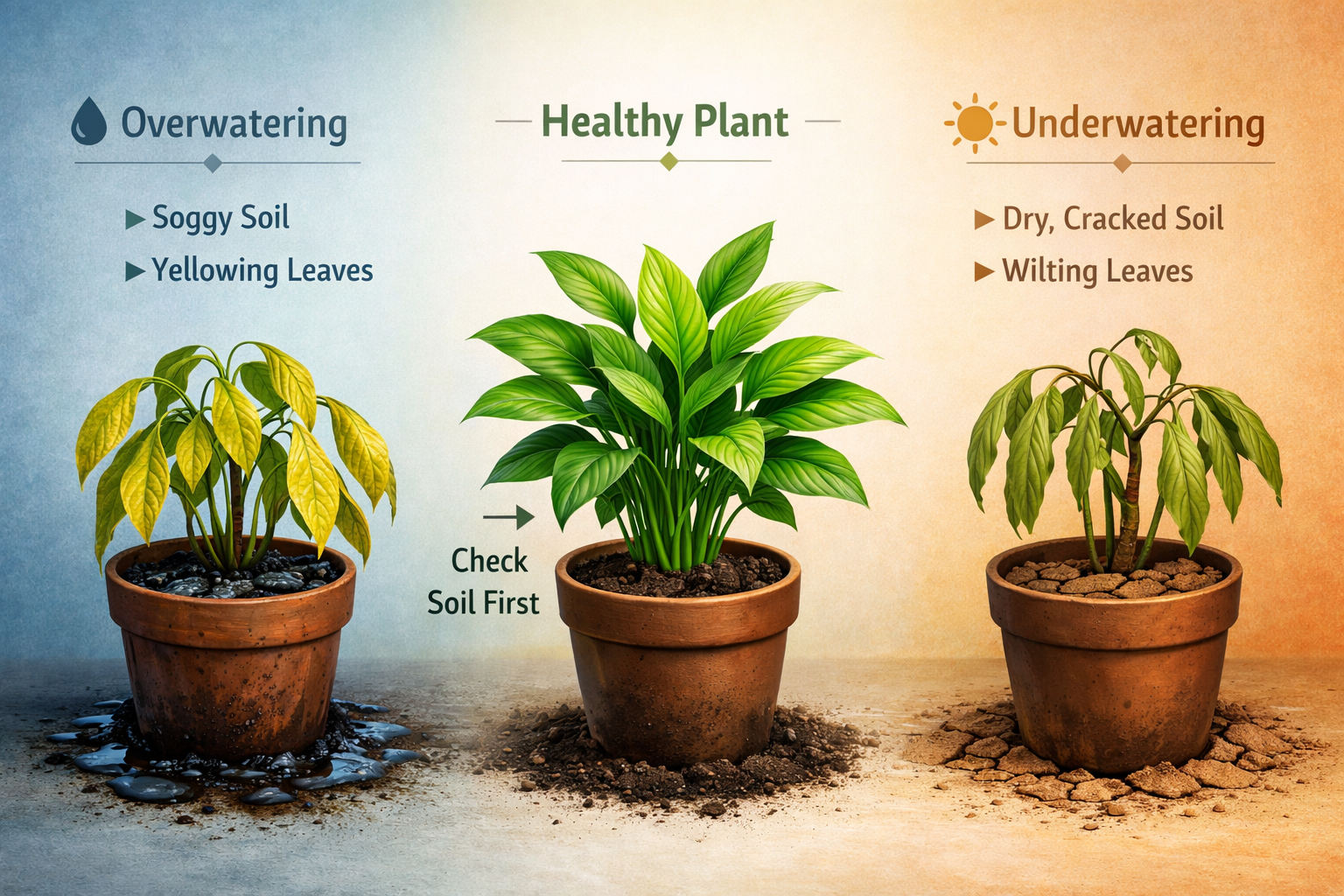
Preventing common indoor watering mistakes involves establishing a consistent monitoring routine, understanding the subtle signs of plant distress, and adjusting your practices based on environmental factors. The most frequent errors are overwatering and underwatering, both of which are detrimental to plant health.
Overwatering
- Mistake: Watering too frequently, using too much water at once, or having poor drainage. This suffocates roots, leading to root rot.
- Signs: Yellowing leaves (especially lower ones), soft/mushy stems, a foul smell from the soil, stunted growth, wilting despite wet soil, and sometimes fungus gnats.
- Prevention:
- Always Check Before You Water: Use the finger test or a moisture meter. Only water if the top 1-2 inches of soil are dry.
- Ensure Good Drainage: Use pots with drainage holes and a well-draining potting mix. Avoid leaving plants sitting in saucers of standing water.
- Water Thoroughly, Then Drain: When you do water, soak the soil completely until water drains from the bottom, then discard any excess.
- Adjust for Seasons and Light: Plants need less water in winter or low-light conditions when growth slows down.
- Repot if Necessary: If a plant is perpetually waterlogged, it might need repotting into fresh, well-draining soil and a pot of appropriate size.
Underwatering
- Mistake: Not watering frequently enough or not providing enough water to fully saturate the root ball.
- Signs: Drooping or wilting leaves, crisp and dry leaves (especially lower ones), stunted growth, dry and hard soil that has pulled away from the pot edges, and sometimes brittle stems.
- Prevention:
- Establish a Routine (with flexibility): While a strict schedule isn’t ideal, develop a habit of checking your plants every few days.
- Saturate Thoroughly: When you water, ensure the entire root ball is wet, not just the top layer.
- Consider Bottom Watering: For plants that are hard to water evenly from the top (e.g., dense foliage), bottom watering can ensure thorough saturation.
- Monitor Pot Size: Small pots dry out faster than large ones. Ensure the pot size matches the plant’s needs.
- Adjust for Environment: Plants in brighter light, warmer temperatures, or with active growth (e.g., during your fertile window) will need more water.
Other Common Watering Blunders:
- Using Cold Water: Cold water can shock plant roots. Always use room temperature water.
- Watering Leaves (for most plants): While some plants enjoy misting, constantly wet leaves can encourage fungal diseases. Water the soil directly.
- Ignoring Potting Mix: Heavy, dense potting mix that retains too much moisture can exacerbate overwatering issues. Use an appropriate, well-draining mix for your specific plant types.
- Lack of Drainage: As mentioned, pots without drainage are almost always a death sentence for indoor plants.
Edge Case: If a plant is severely underwatered, the soil may become hydrophobic and repel water. In this situation, bottom watering can be very effective, allowing the soil to slowly rehydrate from the bottom up. Alternatively, you can submerge the entire pot in a bucket of water until bubbles stop rising, indicating full saturation, then let it drain completely.
Seasonal Adjustments for Your Indoor Watering Guide
Adapting your indoor watering schedule to the changing seasons is crucial because plant growth rates and environmental conditions fluctuate throughout the year. Typically, plants require more water during their active growing season (spring and summer) and less during dormancy (fall and winter).
- Spring (March – May in Northern Hemisphere): As daylight hours increase and temperatures rise, most plants emerge from dormancy. This is when you should gradually increase watering frequency. Monitor new growth, as it’s a clear sign your plant is actively absorbing more water and nutrients.
- Summer (June – August): This is usually the peak growing season for most houseplants. They will need the most water during these months due to increased light, warmth, and metabolism. Check soil moisture more frequently, sometimes every few days for smaller plants or those in bright light. Consider plants on windowsills that get more direct sunlight.
- Fall (September – November): As light levels decrease and temperatures begin to drop, plant growth will slow down. Gradually reduce your watering frequency. Allow the soil to dry out more completely between waterings than you would in summer.
- Winter (December – February): This is often the dormant period for many houseplants. They require significantly less water. Overwatering is a major risk during winter. Allow the soil to dry out almost completely before watering again. Be especially careful if your home’s humidity drops due to heating, as this can still cause some moisture loss, but plant water uptake is minimal.
Table: Seasonal Watering Frequency Guide (General)
| Season | Light Levels | Growth Activity | General Watering Rule |
|---|---|---|---|
| Spring | Increasing | Moderate/High | Increase frequency as growth picks up. Soil dries faster. |
| Summer | High | High | Water most frequently. Soil dries quickly. |
| Fall | Decreasing | Moderate/Low | Gradually decrease frequency. Allow soil to dry more. |
| Winter | Low | Low/Dormant | Water least frequently. Allow soil to almost fully dry out. |
Factors to Consider Beyond Season:
- Humidity: Higher indoor humidity (often in summer or with humidifiers) means less water loss through leaves, so plants may need less frequent watering. Lower humidity (common with winter heating) can increase water loss.
- Temperature: Warmer temperatures increase evaporation from soil and transpiration from leaves, leading to a need for more frequent watering. Cooler temperatures slow these processes.
- Light Exposure: Plants in brighter light photosynthesize more and therefore use more water. Plants in lower light use less water.
- Pot Size & Material: Smaller pots and terracotta pots dry out faster regardless of the season.
- Plant Species: Succulents and cacti have minimal winter watering needs, sometimes going months without water, while tropical plants might still need some moisture, even if less frequently.
Quick Example: A Fiddle Leaf Fig might need watering every 7-10 days in summer, but only every 2-3 weeks in winter. Always use the “finger test” as your primary guide, even when adjusting for seasons.
Conclusion
Mastering the Indoor Watering Guide is a foundational skill for any houseplant enthusiast in 2026. By consistently assessing soil moisture, choosing appropriate watering methods, using the right types of water and pots, and adjusting your approach seasonally, you can cultivate a thriving indoor jungle. Remember, observation is key: your plants will communicate their needs through their leaves, stems, and soil. Prioritize thoroughness and good drainage to prevent the common pitfalls of overwatering and underwatering, ensuring your green companions remain vibrant and healthy.
Actionable Next Steps:
- Perform the Finger Test Today: Check all your indoor plants using the finger test (1-2 inches deep) to understand their current moisture levels.
- Invest in a Moisture Meter: If you prefer precision, consider purchasing a reliable soil moisture meter to aid your assessments.
- Research Specific Plant Needs: Take a few minutes to look up the watering preferences for each unique plant in your collection.
- Evaluate Your Pots: Ensure all your pots have adequate drainage holes. If not, consider repotting or using cachepots.
- Adjust for the Season: If you’re currently in winter, scale back your watering frequency and be extra vigilant against overwatering.
FAQ
Q: How often should I water my indoor plants?
A: There’s no fixed schedule; always check the soil moisture. Most plants prefer the top 1-2 inches of soil to dry out between waterings.
Q: What are the signs of overwatering?
A: Yellowing, mushy leaves, soft stems, stunted growth, and a foul smell from the soil often indicate overwatering.
Q: What are the signs of underwatering?
A: Drooping or wilting leaves, crispy brown leaf tips or edges, and dry, hard soil that has pulled away from the pot are signs of underwatering.
Q: Is it better to overwater or underwater?
A: Neither is good, but overwatering is generally more detrimental as it leads to root rot, which is harder to recover from than dehydration.
Q: Should I use tap water for my houseplants?
A: Most tap water is fine, but if it’s heavily chlorinated or hard, let it sit out for 24 hours or use filtered water. Always use room temperature water.
Q: What is bottom watering, and when should I use it?
A: Bottom watering involves letting the plant soak up water from a tray beneath. It’s great for encouraging deep roots, preventing fungus gnats, and for plants sensitive to wet leaves.
Q: Do self-watering pots prevent overwatering?
A: They provide consistent moisture but can still lead to overwatering if the reservoir is refilled too frequently for plants that prefer to dry out. They are best for moisture-loving plants.
Q: Why do my plants need less water in winter?
A: In winter, light levels are lower, and many plants enter a dormant phase where their growth slows down, reducing their water uptake.
Q: Can I use a regular pot without drainage holes?
A: It’s highly discouraged. Pots without drainage holes trap excess water, leading to root rot. Always use pots with drainage or place the plant in a nursery pot inside a decorative outer pot (cachepot).
Q: What is a good potting mix for drainage?
A: A good potting mix for drainage typically includes ingredients like perlite, coarse sand, or bark, which improve aeration and prevent compaction.
Sources
- The Old Farmer’s Almanac. (2023). Houseplant Care: The Best Way to Water Plants. Retrieved from https://www.almanac.com/houseplant-care-best-way-to-water-plants
- University of Maryland Extension. (2020). Indoor Plant Problems. Retrieved from https://extension.umd.edu/resource/indoor-plant-problems