Indoor Plant Styling Ideas
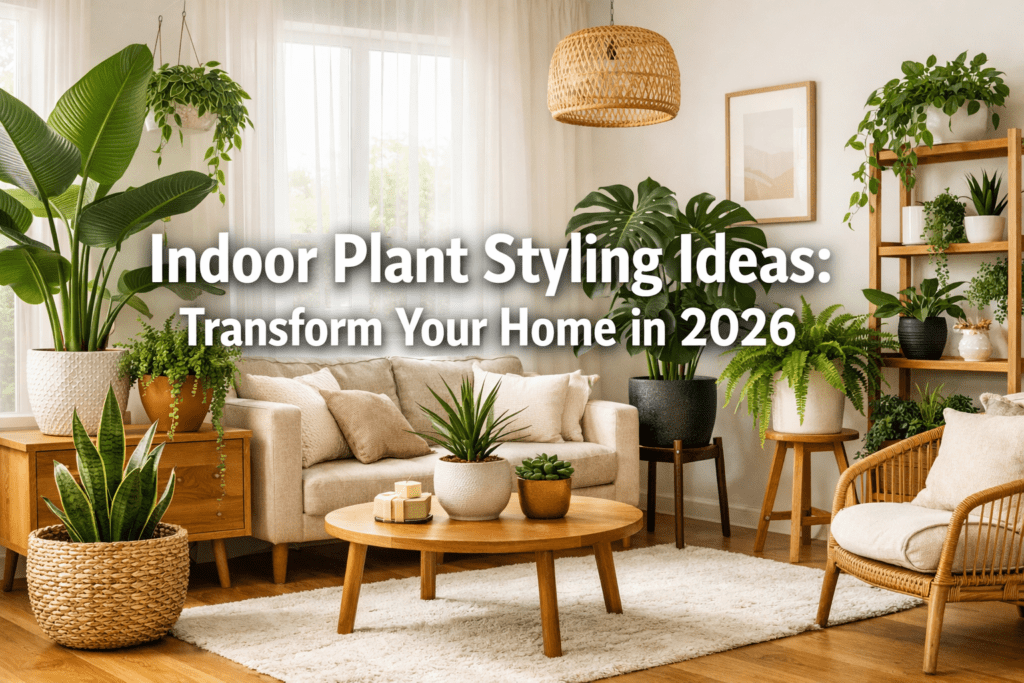
Quick Answer: Elevating your indoor space with plants in 2026 involves more than just placing greenery; it requires intentional styling using principles of design, careful plant selection, and thoughtful accessory choices to create cohesive, aesthetically pleasing, and thriving botanical arrangements within your home.
Key Takeaways
- Strategically group plants by size, texture, and light needs to create visual impact and simplify care.
- Utilize vertical space with hanging planters, shelves, and tiered stands, especially in smaller homes.
- Select pots and accessories that complement your home’s existing decor and the plants themselves.
- Consider plant health and growth habits when choosing placement to ensure long-term success.
- Experiment with different plant types—from large statement pieces to small accent plants—to add variety.
- Create focal points with unique plant specimens or dramatic arrangements.
- Integrate plants into different rooms, understanding their specific environmental requirements.
- Regularly assess and adjust your plant arrangements as plants grow or seasons change.
How Can I Group Indoor Plants for Maximum Visual Impact?
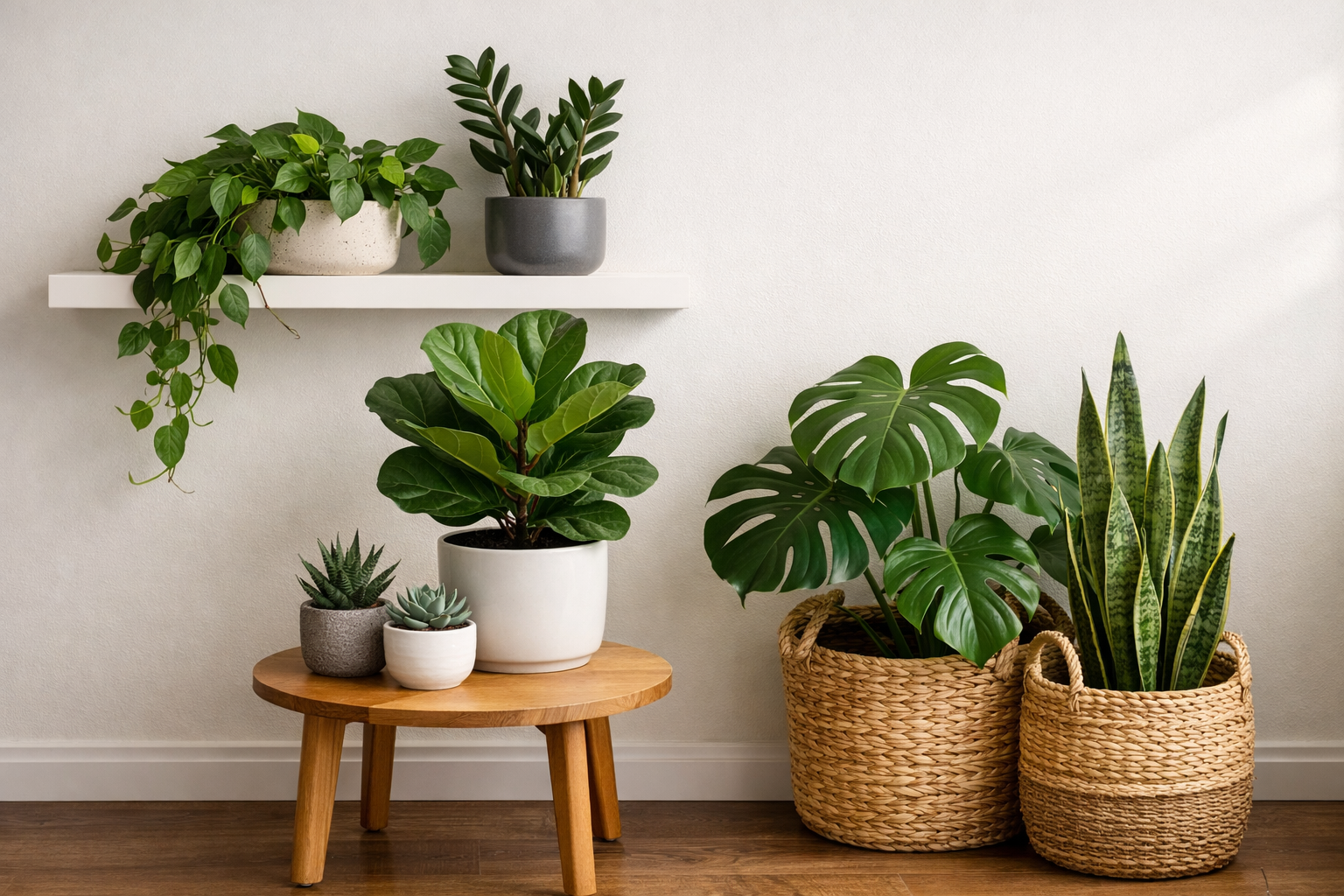
To create maximum visual impact when grouping indoor plants, focus on combining varying heights, textures, and leaf shapes within a designated cluster, ensuring each plant still receives its necessary light and humidity. Thoughtful grouping allows you to create a lush, dynamic display that draws the eye and defines a space, rather than individual plants appearing scattered or insignificant.
When I approach plant grouping, I consider these elements:
- Height Variation: Place taller plants at the back or center of a grouping, medium-sized plants around them, and shorter, trailing plants along the edges or front. This creates depth and prevents the arrangement from looking flat. For example, a tall Fiddle Leaf Fig ( Ficus lyrata) can anchor a corner, surrounded by a shorter Prayer Plant (Maranta leuconeura) and a trailing Pothos (Epipremnum aureum).
- Texture and Leaf Shape Contrast: Mix plants with broad, glossy leaves (like a Monstera deliciosa) with those that have delicate, feathery foliage (such as a Asparagus Fern) or spiky textures (like a Sansevieria). This contrast adds visual interest and prevents the grouping from becoming monotonous.
- Color Palette: While green is dominant, plants offer a spectrum of shades—from deep forest green to lime, silver, or even reddish hues (e.g., Coleus or some Begonias). Use these natural color variations to create subtle harmony or bold contrasts.
- Rule of Three (or Odd Numbers): Arranging plants in odd numbers (three, five, seven) often creates a more aesthetically pleasing and natural look than even groupings. This applies to plants of similar size or type, helping to balance the composition.
- Shared Needs: Grouping plants with similar light, water, and humidity requirements is crucial for their health and simplifies your care routine. Placing sun-loving succulents with shade-preferring ferns will lead to issues for one or both. Always consider environmental factors before creating a grouping. For guidance on general plant care, refer to our Beginner’s Guide to Plant Care 2026.
“A well-composed plant grouping transforms a collection of individual specimens into a living art installation, breathing life and character into any room.”
Common Mistake: A frequent error is overcrowding plants without considering air circulation. This can lead to pest problems and fungal issues. Ensure there is enough space between leaves for air to flow, especially for plants prone to powdery mildew.
What Are Effective Indoor Plant Styling Ideas for Small Spaces?
Effective indoor plant styling ideas for small spaces involve maximizing vertical areas, choosing compact or trailing plant varieties, and integrating plants into multi-functional furniture to prevent clutter while adding natural beauty. The goal is to enhance the space without overwhelming it, creating an illusion of openness and greenery.
When working with limited square footage, I find these strategies particularly useful:
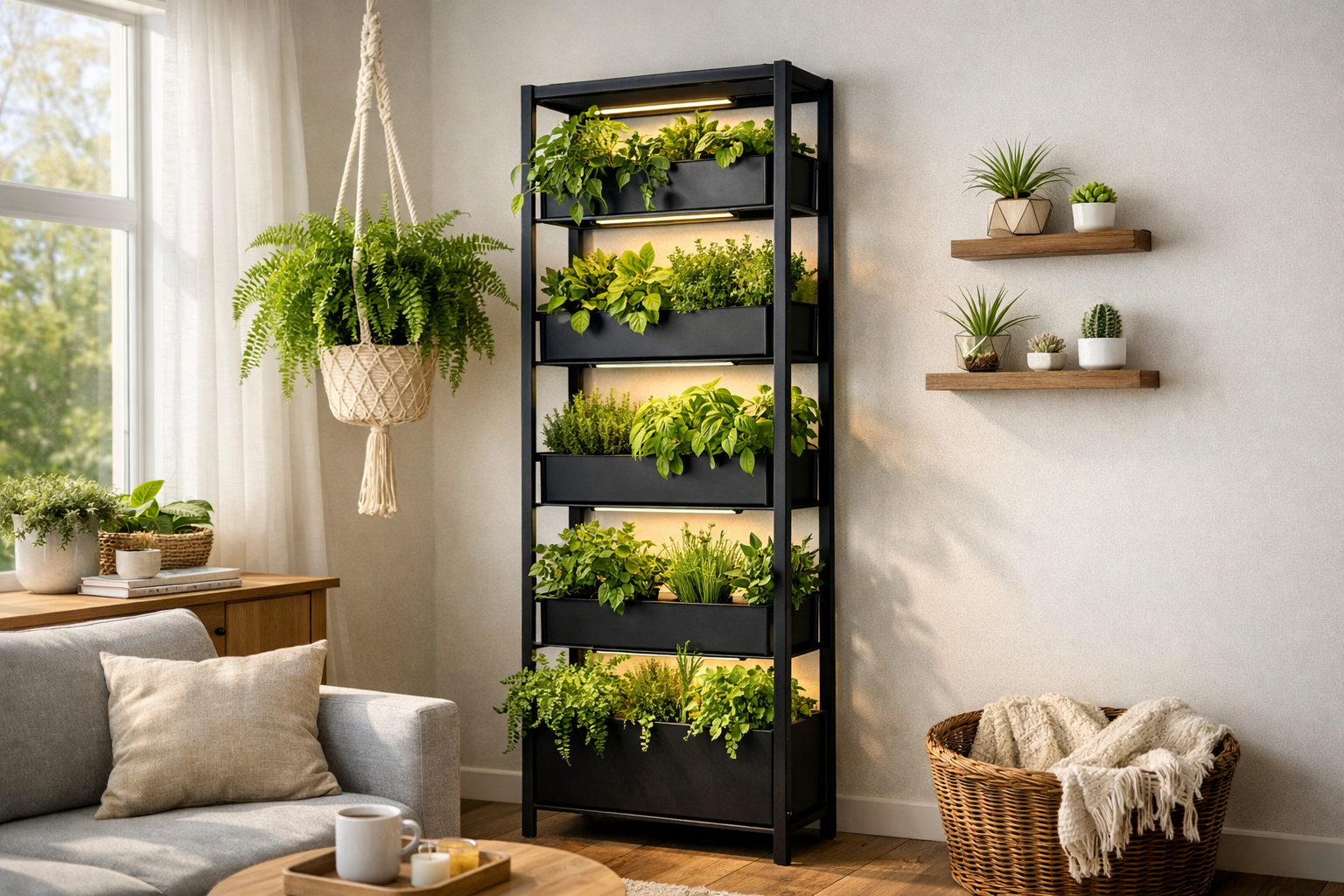
- Vertical Gardening Solutions: Embrace verticality. Wall-mounted planters, tiered plant stands, hanging baskets, and shelving units are excellent for displaying multiple plants without occupying precious floor space. Consider a sleek vertical garden setup for a modern aesthetic, or simple macrame hangers for a bohemian touch.
- Floating Shelves: Install narrow shelves to display small potted plants, succulents, or air plants. This adds visual interest at eye level without taking up surface area.
- Tiered Stands: A corner tiered plant stand can hold several plants while utilizing a often-underused space.
- Hanging Planters: Trailing plants like Pothos, Philodendron, or String of Pearls look fantastic in hanging baskets, drawing the eye upwards.
- Choose Compact and Trailing Varieties: Opt for plants that naturally stay small or have a graceful, trailing habit.
- Compact Plants: Dwarf varieties of common houseplants, succulents, cacti, or small ferns are ideal. Our guide on Best Indoor Plants for Small Homes 2026 offers excellent choices.
- Trailing Plants: These are perfect for shelves, hanging baskets, or the edge of a bookcase, as their foliage cascades beautifully downwards.
- Integrate Plants with Furniture: Make your plants part of your furniture or decor.
- Bookcases & Shelving: Weave plants between books and decorative objects.
- Windowsills: Utilize ample light on windowsills for plants that love brightness.
- Under-table/Desk Shelves: Some smaller plants can thrive in discreet spots that don’t interfere with workspace.
- Minimalist Potting: Use simple, uniform pots to avoid a cluttered look. White, terracotta, or neutral-toned pots allow the plants themselves to be the star. For more ideas on suitable containers, check out Best Pots for Small Space Gardening in 2026.
Edge Case: If your small space lacks sufficient natural light, consider integrating grow lights discreetly. Small, clip-on LED grow lights can be hidden behind shelves or plants, providing essential light without sacrificing aesthetic appeal. This is especially useful for maintaining healthy greenery in dimly lit apartments.
How Do Accessories and Pot Selection Enhance Indoor Plant Styling Ideas?
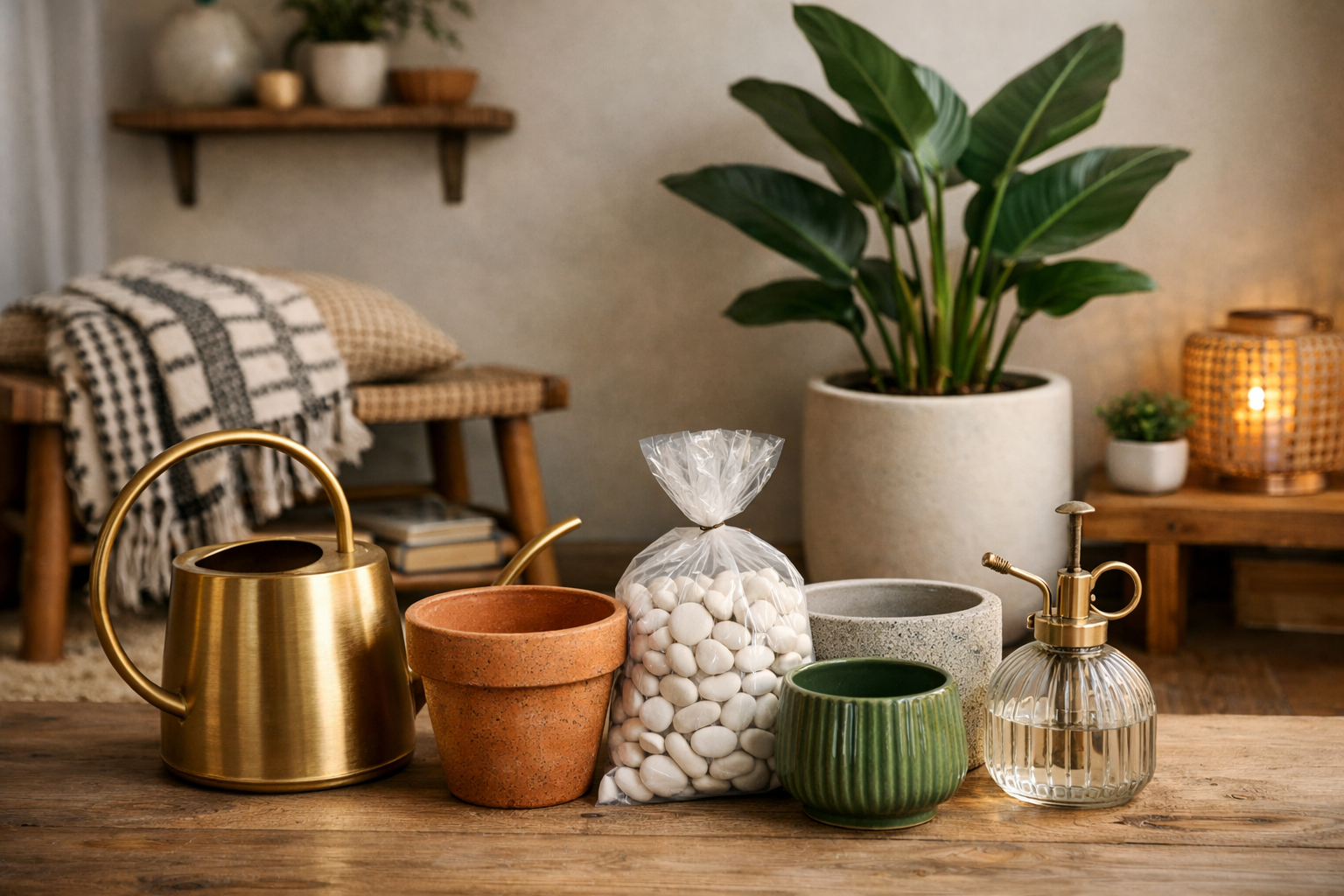
Accessories and pot selection significantly enhance indoor plant styling by contributing to the overall aesthetic, reinforcing a chosen decor theme, and providing functional benefits that elevate both the plant’s health and its visual appeal within a space. These elements are not merely containers; they are integral components of the design.
When styling with plants, I focus on how pots and accessories can amplify the plant’s beauty and integrate it into the room’s decor:
- Complementing Interior Design: The choice of pot should align with your home’s existing style.
- Modern/Minimalist: Opt for sleek, geometric pots in neutral colors (white, black, gray) or materials like concrete and polished ceramics.
- Bohemian/Eclectic: Woven baskets, macrame hangers, and handcrafted pottery with unique glazes fit well.
- Traditional/Classic: Ceramic pots with intricate patterns, terracotta, or glazed pots in muted tones are suitable.
- Material and Texture: Different materials bring distinct textures and warmth to an arrangement.
- Terracotta: Classic, breathable, and rustic. Great for plants that prefer drier soil.
- Ceramic: Versatile, comes in endless colors and finishes, often less porous.
- Woven Baskets: Add natural texture and warmth, but typically require a nursery pot inside as they aren’t waterproof.
- Concrete: Industrial, modern, and sturdy.
- Metal: Sleek and contemporary, often used for stands or minimalist pots.
- Size and Proportion: The pot should be proportionate to the plant’s current size and its anticipated growth. A tiny plant in a massive pot looks lost, while a huge plant in a minuscule pot looks top-heavy and unstable. Generally, the pot diameter should be about one-third to one-half the height of the plant.
- Functional Accessories: Beyond pots, other accessories can boost styling and plant care.
- Plant Stands: Elevate plants, adding height and visual prominence. They also help keep plants off cold floors.
- Watering Cans & Misters: Choose attractive designs that can be left out as decorative items. A brass mister, for example, adds vintage charm.
- Pebble Trays: Improve humidity for moisture-loving plants while adding a decorative element.
- Decorative Toppings: Use pebbles, moss, or bark chips on top of the soil for a clean, finished look and to retain moisture.
- Creating Focal Points: A unique, oversized pot with a striking plant can serve as a room’s focal point. Alternatively, a collection of smaller plants in matching stylish pots can create a cohesive statement on a shelf or table.
Decision Rule: Choose ceramic or plastic pots for most indoor plants, selecting terracotta only for plants that thrive in slightly drier conditions or if you are diligent with watering. Always ensure pots have drainage holes or use a cachepot (decorative outer pot) with an inner nursery pot that has drainage.
What Are Popular Interior Design Styles for Integrating Indoor Plant Styling?
Integrating indoor plant styling effectively means aligning your plant choices and arrangements with your home’s broader interior design aesthetic. Popular styles like Scandinavian, Bohemian, and Modern Minimalist each offer distinct ways to incorporate plants, allowing them to enhance the decor rather than clash with it.
- Scandinavian: This style emphasizes simplicity, functionality, and natural elements.
- Plant Choices: Favor green foliage plants with clean lines, like Snake Plants (Sansevieria trifasciata), ZZ Plants (Zamioculcas zamiifolia), or Fiddle Leaf Figs (Ficus lyrata). Monstera and Pothos also fit well.
- Styling: Use minimalist white, light gray, or terracotta pots. Place plants in uncluttered arrangements, often on wooden stands or simple shelves. The focus is on clean lines and natural light.
- Bohemian (Boho): Known for its relaxed, eclectic, and warm vibe, often featuring global influences and vintage elements.
- Plant Choices: Embrace lushness with a variety of textures and trailing plants. Think ferns, Pothos, String of Pearls (Senecio rowleyanus), and larger, leafy plants like a Bird of Paradise (Strelitzia reginae).
- Styling: Use macrame hangers, woven baskets, patterned ceramic pots, and vintage planters. Layer plants at different heights, combining them with textiles, natural wood, and global decor. The more the merrier often applies here, creating a jungle-like feel.
- Modern Minimalist: This style focuses on clean lines, open spaces, and a lack of clutter, with every item serving a purpose.
- Plant Choices: Select sculptural plants that make a statement without being overly fussy. Cacti, succulents, or a single, striking large plant like a tall Rubber Plant (Ficus elastica) or a unique Alocasia.
- Styling: Use sleek, often monochrome, pots made from concrete, metal, or smooth ceramic. Place plants strategically as focal points, allowing ample negative space around them. Less is often more.
- Biophilic Design: While a broader concept than a specific interior style, Biophilic design is the integration of nature into the built environment. It transcends specific aesthetics, aiming to connect occupants with the natural world through natural light, views, and, critically, living plants.
- Plant Choices: Any plant that thrives in the indoor environment can be used, with an emphasis on creating a sense of natural immersion.
- Styling: Often involves living walls, large statement trees, and multiple plant groupings to mimic natural ecosystems.
- Industrial: This style celebrates raw materials like brick, concrete, and metal.
- Plant Choices: Robust, hardy plants that can contrast with the rugged aesthetic. Snake Plants, ZZ Plants, and larger cacti work well.
- Styling: Use metal planters, concrete pots, or simple terracotta. Plants are often placed on industrial-style shelving or stands, complementing the raw textures of the space.
Key Consideration: When mixing styles or trying to integrate plants into a less defined aesthetic, start with neutral pots and classic green plants. These tend to be universally adaptable and can be easily incorporated into almost any decor.
How Do I Choose the Right Plants for My Indoor Plant Styling Vision?
Choosing the right plants for your indoor plant styling vision involves a careful balance between your aesthetic preferences and the specific environmental conditions of your home, ensuring the plants not only look good but also thrive. It’s crucial to assess light, humidity, and your own care commitment before selecting plants.
Here’s a practical approach I use for plant selection:
- Assess Your Environment First:
- Light Levels: This is the most critical factor. Does your space get bright, direct sun (south-facing windows), bright indirect light (east/west-facing), or low light (north-facing, or away from windows)? Match plants to these conditions. For instance, succulents need bright light, while Snake Plants tolerate low light.
- Humidity: Some plants, like ferns and Calatheas, require higher humidity. If your home is dry, be prepared to mist regularly, use pebble trays, or invest in a humidifier.
- Temperature: Most common houseplants prefer temperatures between 65-75°F (18-24°C). Avoid placing plants near drafty windows or heating/cooling vents.
- Consider Your Lifestyle and Care Commitment:
- Beginner vs. Experienced: If you’re new to plants, start with low-maintenance varieties like Pothos, ZZ Plants, or Spider Plants. Our guide on Low Maintenance Plants for Beginners: 7 Easy Picks (2026) is a great starting point.
- Travel Schedule: If you travel frequently, choose drought-tolerant plants or invest in self-watering systems.
- Pets & Children: Research plant toxicity if you have pets or young children. Many popular houseplants can be toxic if ingested.
- Define Your Aesthetic Goals:
- Statement Piece: Do you want a large, dramatic plant to be a focal point (e.g., Fiddle Leaf Fig, Monstera)?
- Filler Plants: Are you looking for smaller plants to fill shelves or complement larger ones (e.g., succulents, small ferns)?
- Trailing/Climbing: Do you want plants to cascade from shelves or climb a trellis (e.g., Pothos, Philodendron)?
- Color/Texture: Are you aiming for specific leaf colors (e.g., Calathea with patterned leaves) or unique textures (e.g., cactus)?
- Research Specific Plant Needs: Once you have a general idea, research the specific care requirements for plants that match your aesthetic and environmental conditions. This includes watering frequency, soil type, and potential pest issues. Our Plants Care section offers detailed guidance.
Checklist for Plant Selection:
- ✅ Light compatibility: Does the plant thrive in your available light?
- ✅ Care level: Does its maintenance match your commitment?
- ✅ Size & growth habit: Will it fit your space as it grows?
- ✅ Aesthetic appeal: Does it complement your desired style?
- ✅ Pet/child safety: Is it non-toxic if relevant?
- ✅ Pest resistance: Is it generally robust against common indoor pests?
What are Common Mistakes to Avoid in Indoor Plant Styling?
Common mistakes in indoor plant styling often involve prioritizing aesthetics over a plant’s health needs, leading to unhealthy plants and ultimately undermining the desired visual effect. Overcrowding, improper pot selection, and ignoring environmental factors are frequent pitfalls.
From my experience, these are the most common errors I see:
- Ignoring a Plant’s Light Requirements: Placing a sun-loving succulent in a dark corner or a shade-loving fern in direct, scorching sun will inevitably lead to its demise. Always assess light conditions before selecting a plant or its location. A beautiful plant that is stressed or dying detracts from any styling effort.
- Over- or Under-Watering: This is the leading cause of houseplant death. Without proper watering techniques, even the most perfectly styled plant will fail. Learn your specific plant’s needs and check soil moisture regularly.
- Lack of Drainage: Planting directly into pots without drainage holes is a common error. This leads to waterlogged soil, root rot, and a quickly dying plant. Always use pots with drainage or place the plant in a nursery pot inside a decorative cachepot.
- Overcrowding: While the “jungle” look is popular, jamming too many plants into a small space or grouping them too tightly restricts air circulation, blocks light from lower leaves, and can create a breeding ground for pests and diseases. Give plants room to breathe and grow.
- Mismatched Scale: A tiny plant in a gigantic pot looks lost, and a huge plant in a minuscule pot looks unstable and out of proportion. Match the pot size to the plant’s root ball and its overall visual mass.
- Inconsistent Styling: Throwing together random plants and pots without a cohesive theme can make a space feel chaotic rather than serene. Decide on an overall aesthetic (e.g., modern, boho, minimalist) and choose plants and accessories that support that vision.
- Neglecting Plant Maintenance: Dusting leaves, pruning, and repotting are crucial for plant health and appearance. Dusty leaves reduce light absorption and look dull. Ignoring signs of distress or pests will lead to rapid decline. Regular attention ensures your plants remain vibrant and beautiful.
- Forgetting About Growth: Plants grow! What looks perfect today might be too large for its spot in a year. Plan for future growth or be prepared to prune, move, or rehome plants as they mature. This is especially true for easy plants to grow in small spaces.
Pro Tip: Take photos of your styled spaces regularly. This helps you identify what works, what doesn’t, and areas where plants are struggling before issues become severe. It’s a great way to objectively evaluate your indoor plant styling ideas.
Conclusion
Transforming your indoor spaces with plants is a rewarding endeavor that goes beyond simply adding greenery; it’s about intentional design and creating living aesthetics. By focusing on smart grouping, maximizing vertical space in smaller homes, and choosing pots and accessories that complement your decor, you can craft environments that are both beautiful and beneficial. Remember to prioritize the plant’s health by matching selections to your home’s environmental conditions and your care commitment, avoiding common mistakes like poor drainage or insufficient light. With thoughtful planning and a little creativity, your indoor plant styling ideas can flourish, turning your home into a vibrant, serene botanical sanctuary.
Actionable Next Steps:
- Assess Your Space: Identify areas in your home that need a green touch and evaluate their light conditions (bright, medium, low).
- Define Your Style: Decide on a general aesthetic (e.g., modern, bohemian) to guide your plant and pot choices.
- Choose Plants Wisely: Select plants that thrive in your assessed conditions and match your desired style and care commitment. Start with a few low-maintenance plants if you’re new to plant care.
- Select Pots & Accessories: Find pots that complement your decor and provide proper drainage. Consider plant stands, hanging planters, or decorative pebbles.
- Start Styling: Begin by grouping plants with varying heights and textures, utilizing vertical space where needed. Observe how they interact with their surroundings.
- Maintain & Adjust: Regularly check on your plants’ health, water appropriately, and don’t be afraid to move or rearrange them as they grow or as your styling preferences evolve.
FAQ
What are the best indoor plant styling ideas for beginners?
For beginners, focus on low-maintenance plants like Snake Plants, ZZ Plants, or Pothos in simple, well-draining terracotta or ceramic pots, grouped in trios on a shelf or side table.
How can I make my plants look more cohesive?
To achieve cohesion, use a consistent color palette for your pots, group plants with similar textures, or arrange them in odd numbers (e.g., three or five) to create a unified display.
Can I mix different plant sizes in one arrangement?
Yes, mixing different plant sizes (tall, medium, trailing) is highly effective for creating depth and visual interest in an arrangement, making it look more dynamic and natural.
What’s the role of plant stands in styling?
Plant stands elevate plants, adding height and presence, which is crucial for creating vertical interest, filling empty corners, or bringing plants closer to light sources.
How do I style plants in a small apartment?
In a small apartment, maximize vertical space using hanging planters, wall shelves, and tiered plant stands. Choose compact or trailing plant varieties to avoid clutter.
Should all my plant pots match?
Not necessarily. While a few matching pots can create unity, mixing different but complementary pot materials and textures (e.g., terracotta, ceramic, woven) adds character and dimension to your indoor plant styling.
How do I use plants to create a focal point?
Use a large, dramatic plant (like a Fiddle Leaf Fig or Monstera) in an eye-catching pot, or create a dense, layered grouping of diverse plants, in a prominent location to draw attention and serve as a focal point.
What should I do if my plant outgrows its styled spot?
If a plant outgrows its spot, prune it to maintain size, move it to a larger location, or consider dividing it if possible. Plan for growth when initially styling to minimize future adjustments.
Are artificial plants acceptable for styling?
While real plants offer health benefits, high-quality artificial plants can be an option for styling in areas with insufficient light or for those with limited time for care, though they lack the vitality of living greenery.
How often should I update my indoor plant styling?
There’s no strict rule, but adjusting your styling seasonally, or as plants grow and new decor is introduced, can keep your home looking fresh and vibrant.
Related Reading
- Indoor Gardening for Small Homes & Apartments: 2026 Guide
- Beginner’s Guide to Plant Care 2026: Grow Thriving Plants
- Best Indoor Plants for Small Homes 2026: Top Low-Maintenance Picks
- Vertical Gardening Basics: Your 2026 Guide to Small Space Gardens
- How to Choose Plants for Small Spaces: 2026 Expert Guide