Indoor Plant Care Guide
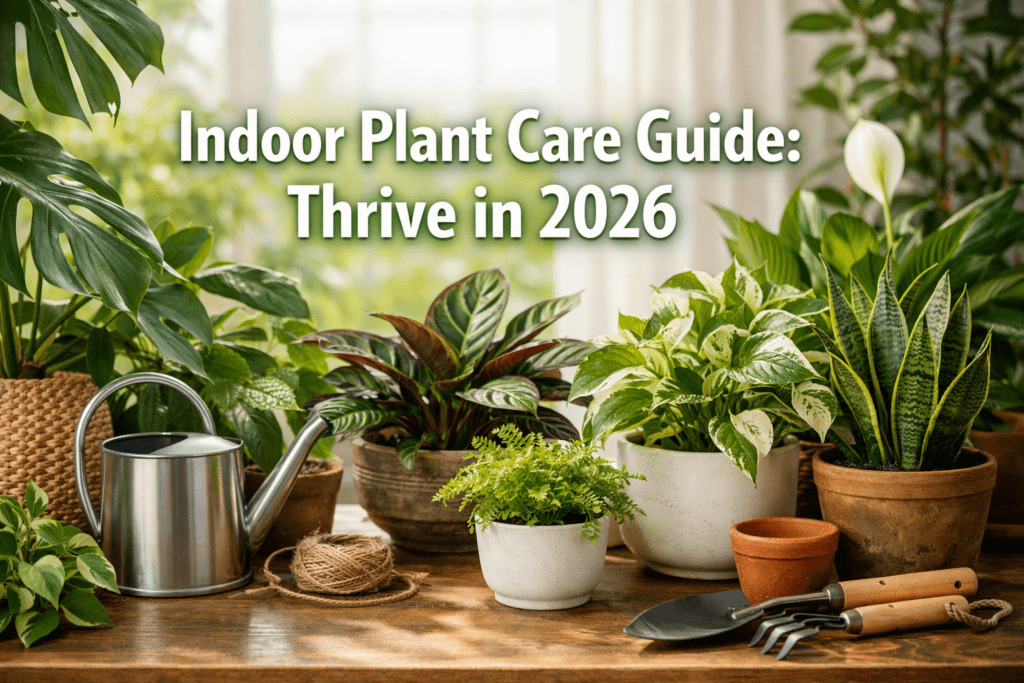
Transforming your living space with lush greenery is rewarding, and this comprehensive Indoor Plant Care Guide provides the essential knowledge to help your plants flourish. Mastering indoor plant care involves understanding light, water, humidity, and nutrition, tailoring your approach to each plant’s specific needs. Whether you’re a novice or looking to refine your green thumb, this guide offers practical, actionable advice to ensure your indoor garden thrives throughout 2026 and beyond.
Key Takeaways
- Light is Paramount: Match your plant’s needs (low, medium, high) to available light sources to prevent stress or stunted growth.
- Master Watering: Always check soil moisture before watering; overwatering is a common killer. Use drainage holes.
- Humidity Matters: Many indoor plants, especially tropical varieties, benefit from increased humidity.
- Fertilize Mindfully: Feed plants during their active growing season, typically spring and summer, using a diluted, balanced fertilizer.
- Pest Patrol: Regularly inspect plants for pests and act quickly with non-toxic solutions to prevent infestations.
- Repot When Necessary: Repot plants into slightly larger containers when they become root-bound, usually every 1-2 years.
- Prune for Health: Trim dead or yellowing leaves to encourage new growth and maintain plant shape.
- Cleanliness Counts: Dust leaves regularly to ensure optimal photosynthesis and pest detection.
Quick Answer
An effective Indoor Plant Care Guide hinges on understanding and consistently providing the right conditions for your specific plants, primarily focusing on appropriate light exposure, careful watering practices, and maintaining suitable humidity levels, complemented by occasional feeding and proactive pest management.
What Are the Essential Light Requirements for Indoor Plants?
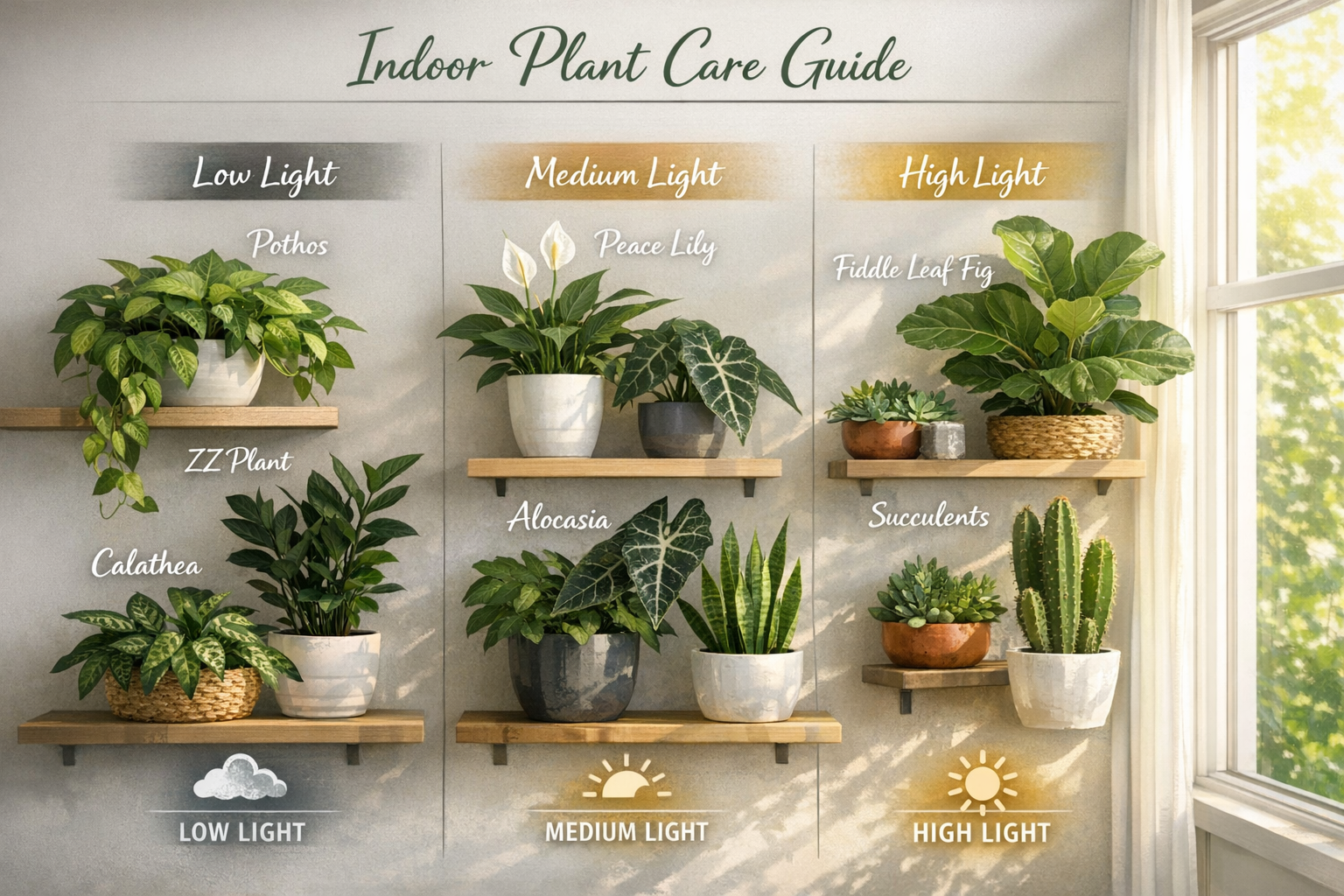
The essential light requirements for indoor plants vary widely, meaning that matching your plant to the correct light exposure is critical for its survival and growth. Without adequate or appropriate light, plants cannot perform photosynthesis efficiently, leading to poor health.
Light is arguably the most crucial factor in indoor plant care. Different plants have evolved to thrive in various light conditions, from the deep shade of a forest floor to direct tropical sun. As an indoor plant owner in 2026, understanding and replicating these conditions is fundamental.
- Low Light: These plants tolerate minimal direct light and thrive in rooms with north-facing windows or away from direct light sources. Examples include Snake Plants (Sansevieria), ZZ Plants (Zamioculcas zamiifolia), and Pothos (Epipremnum aureum).
- Decision Rule: Choose low-light plants if your space has limited natural light, or if you plan to place them deeper inside a room.
- Medium Light: Most common indoor plants prefer bright, indirect light. This means they should be near an east or west-facing window, or a few feet back from a south-facing window. Direct midday sun can scorch their leaves. Examples include Monstera, Philodendron, and Fiddle Leaf Fig (Ficus lyrata).
- High Light/Direct Sun: Succulents, cacti, and some flowering plants (like Hibiscus) need several hours of direct sunlight daily, typically from a south-facing window.
- Common Mistake: Placing high-light plants in insufficient light can lead to leggy growth, pale leaves, and a lack of blooms. Conversely, direct sun can burn the leaves of medium-light plants.
Consider using a light meter if you’re unsure about the intensity of light in different areas of your home. Rotating your plants periodically can also ensure even growth by exposing all sides to the light source.
How Do I Properly Water My Indoor Plants?
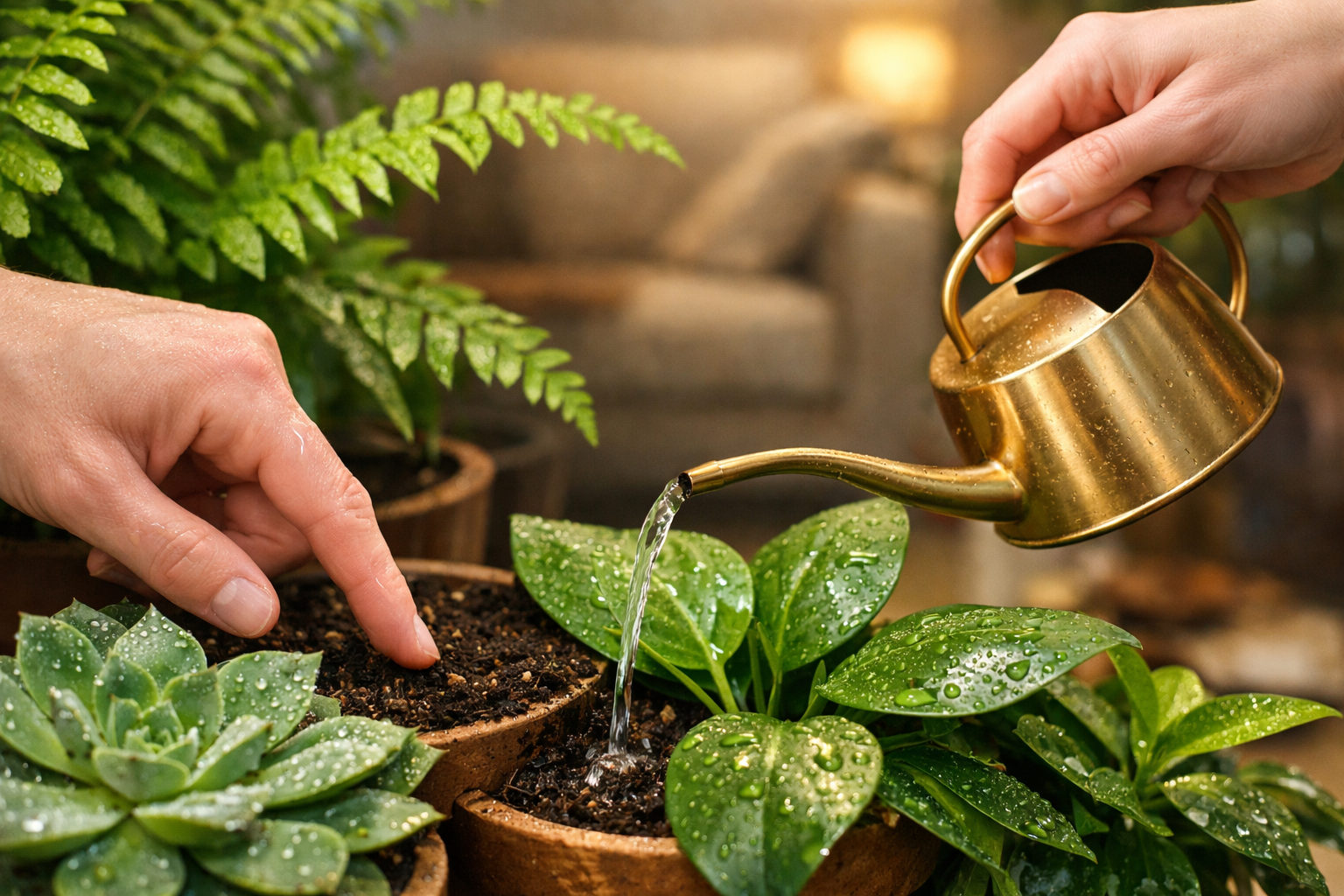
Properly watering indoor plants involves checking the soil moisture before each watering and ensuring adequate drainage to prevent root rot. This is often the most challenging aspect of an Indoor Plant Care Guide for beginners, as overwatering is more detrimental than underwatering.
Understanding your plant’s water needs is vital. Factors like plant species, pot size, soil type, humidity, and season all influence how often a plant needs water.
- Check Soil Moisture: The golden rule is to feel the soil. For most plants, water when the top inch or two of soil feels dry to the touch. For succulents and cacti, let the soil dry out completely between waterings.
- Method: Insert your finger about 1-2 inches into the soil. If it feels damp, wait. If it’s dry, it’s time to water.
- Water Thoroughly: When you do water, water deeply until you see water draining from the bottom of the pot. This ensures that the entire root ball is saturated.
- Ensure Drainage: Always use pots with drainage holes. If your decorative pot lacks holes, place the plant in a nursery pot inside it, allowing you to remove it for thorough draining.
- Avoid Standing Water: Never let your plant sit in standing water in its saucer for extended periods, as this can lead to root rot. Empty saucers 15-30 minutes after watering.
- Seasonality: Plants generally require less water in winter when growth slows down, and more in summer during active growth.
Watering Checklist:
- ✅ Finger Test: Is the top 1-2 inches of soil dry?
- ✅ Drainage Check: Does the pot have drainage holes?
- ✅ Thorough Saturation: Did water run out the bottom?
- ✅ Empty Saucer: Is there any standing water left?
What Are the Best Practices for Fertilizing and Repotting Indoor Plants?
The best practices for fertilizing and repotting indoor plants involve feeding them during their active growth periods and moving them to slightly larger pots when they become root-bound, typically once every one to two years. These practices contribute significantly to a plant’s long-term health and vitality.
Nutrition and space are crucial for robust plant growth. Just like any living organism, plants need nutrients to thrive, and enough room for their roots to expand.
Fertilizing Best Practices
- Timing: Fertilize only during the plant’s active growing season, which is usually spring and summer for most indoor plants. Avoid fertilizing in fall and winter when plants are dormant.
- Type of Fertilizer: Use a balanced, all-purpose liquid houseplant fertilizer. Organic options like worm castings or compost tea can also be beneficial.
- Dilution: Always dilute liquid fertilizer to half or quarter strength, especially for sensitive plants. Over-fertilizing can burn roots.
- Frequency: Fertilize every 2-4 weeks during the growing season, depending on the plant species and fertilizer instructions.
- Edge Case: Slow-growing plants or those with very low nutrient needs (e.g., Sansevieria) may only need fertilizing once or twice a year.
Repotting Best Practices
- When to Repot: Repotting is usually necessary when a plant becomes “root-bound,” meaning its roots fill the entire pot, sometimes even growing out of the drainage holes. Other signs include stunted growth, rapid drying of soil, or a top-heavy plant.
- Pot Size: Choose a new pot that is only one size (1-2 inches) larger in diameter than the current pot. Too large a pot can hold excess moisture, leading to root rot.
- Fresh Soil: Use fresh, high-quality potting mix appropriate for your plant type. For instance, succulents need a well-draining cactus mix.
- Process:
- Gently remove the plant from its current pot.
- Loosen any circling or matted roots at the bottom.
- Add a layer of fresh soil to the new pot.
- Place the plant, ensuring the soil line is similar to its previous pot.
- Fill around the roots with new soil, gently patting down.
- Water thoroughly after repotting.
How Can I Prevent and Treat Common Indoor Plant Pests and Diseases?
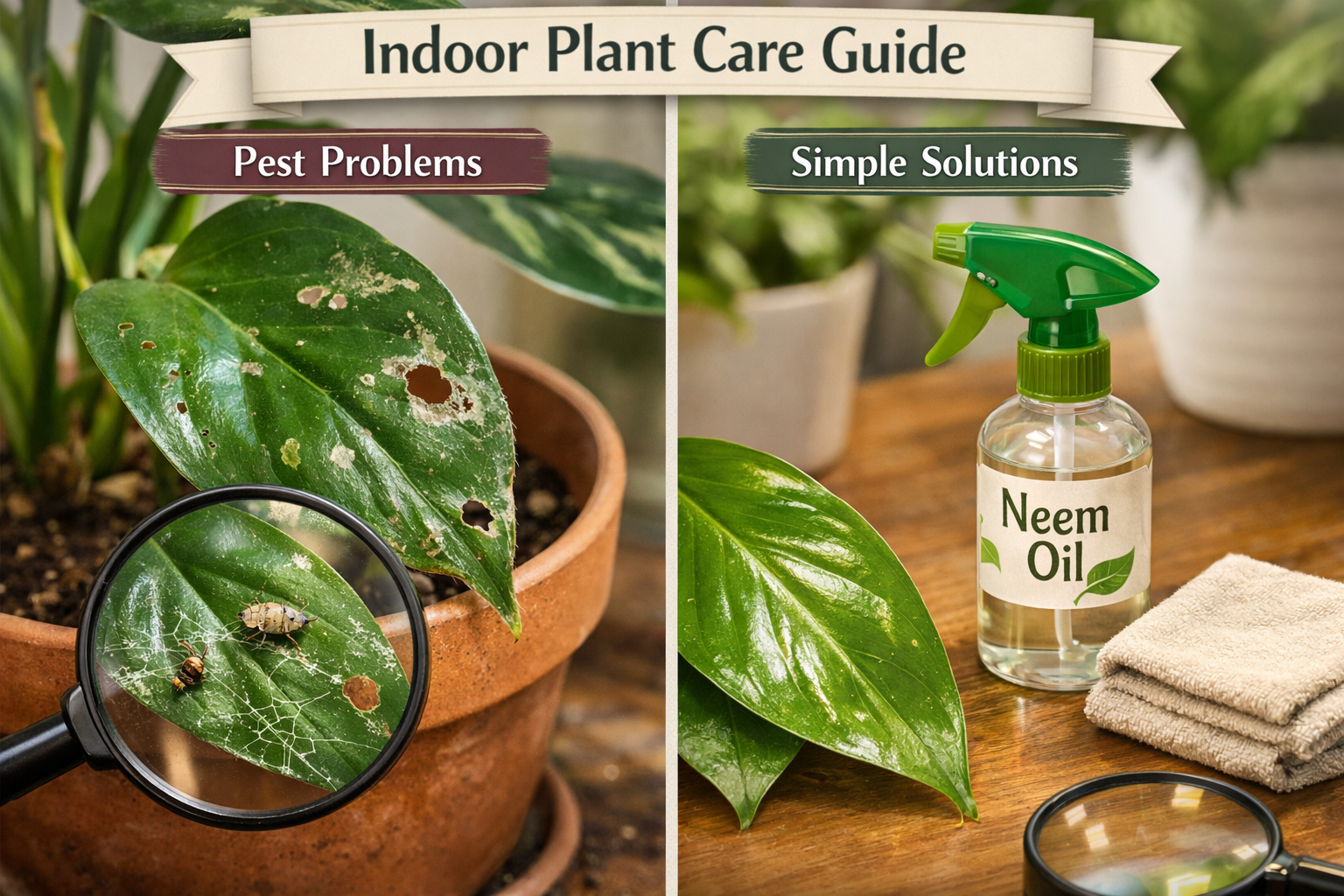
Preventing and treating common indoor plant pests and diseases involves regular inspection, maintaining good plant hygiene, and promptly applying appropriate, often non-toxic, treatments at the first sign of an issue. Proactive care is key to a healthy indoor garden in 2026.
Pests and diseases can quickly spread, weakening plants and making them susceptible to further problems. Early detection and intervention are crucial.
Prevention Strategies
- Inspect New Plants: Before bringing any new plant into your home, thoroughly inspect it for pests on leaves (top and bottom), stems, and in the soil. Isolate new plants for a few weeks if possible.
- Good Hygiene: Remove fallen leaves and debris from the soil surface to eliminate potential hiding spots for pests and fungal spores.
- Proper Care: Healthy, well-cared-for plants are more resistant to pests and diseases. Follow guidance on light, water, and humidity.
- Regular Wiping: Dust leaves regularly with a damp cloth to remove dust and disrupt early pest colonies.
Common Pests and Treatments
| Pest Type | Description | Signs of Infestation | Treatment |
|---|---|---|---|
| Spider Mites | Tiny, spider-like arachnids | Fine webbing, tiny dots (mites) on leaf undersides | Wipe leaves, spray with insecticidal soap or neem oil |
| Aphids | Small, pear-shaped insects, often green/black | Sticky residue (honeydew), distorted new growth | Wipe off, spray with insecticidal soap or neem oil |
| Mealybugs | White, cottony masses on stems and leaf axils | White fuzz, sticky honeydew | Dab with alcohol-soaked cotton swab, insecticidal soap, neem oil |
| Fungus Gnats | Small, dark, flying insects around soil | Larvae in soil, adults flying around | Let soil dry out, use sticky traps, BTI soil drench |
| Scale Insects | Small, hard, oval bumps on stems/leaves | Brown/black bumps, sticky honeydew | Scrape off with fingernail or alcohol swab, horticultural oil |
Disease Prevention and Treatment
- Good Air Circulation: Ensure adequate airflow to reduce fungal issues like powdery mildew. Avoid overcrowding plants.
- Proper Watering: Avoid overwatering and ensure good drainage to prevent root rot, a common fungal disease.
- Sterile Tools: Use clean, sterilized pruning shears to prevent the spread of pathogens when trimming plants.
- Prune Affected Parts: Immediately remove and dispose of any diseased leaves or stems to stop spread.
For persistent issues, identifying the exact pest or disease is crucial. Many plant care apps and online resources can help with identification. Remember that prevention is always easier than cure when it comes to plant health.
Conclusion
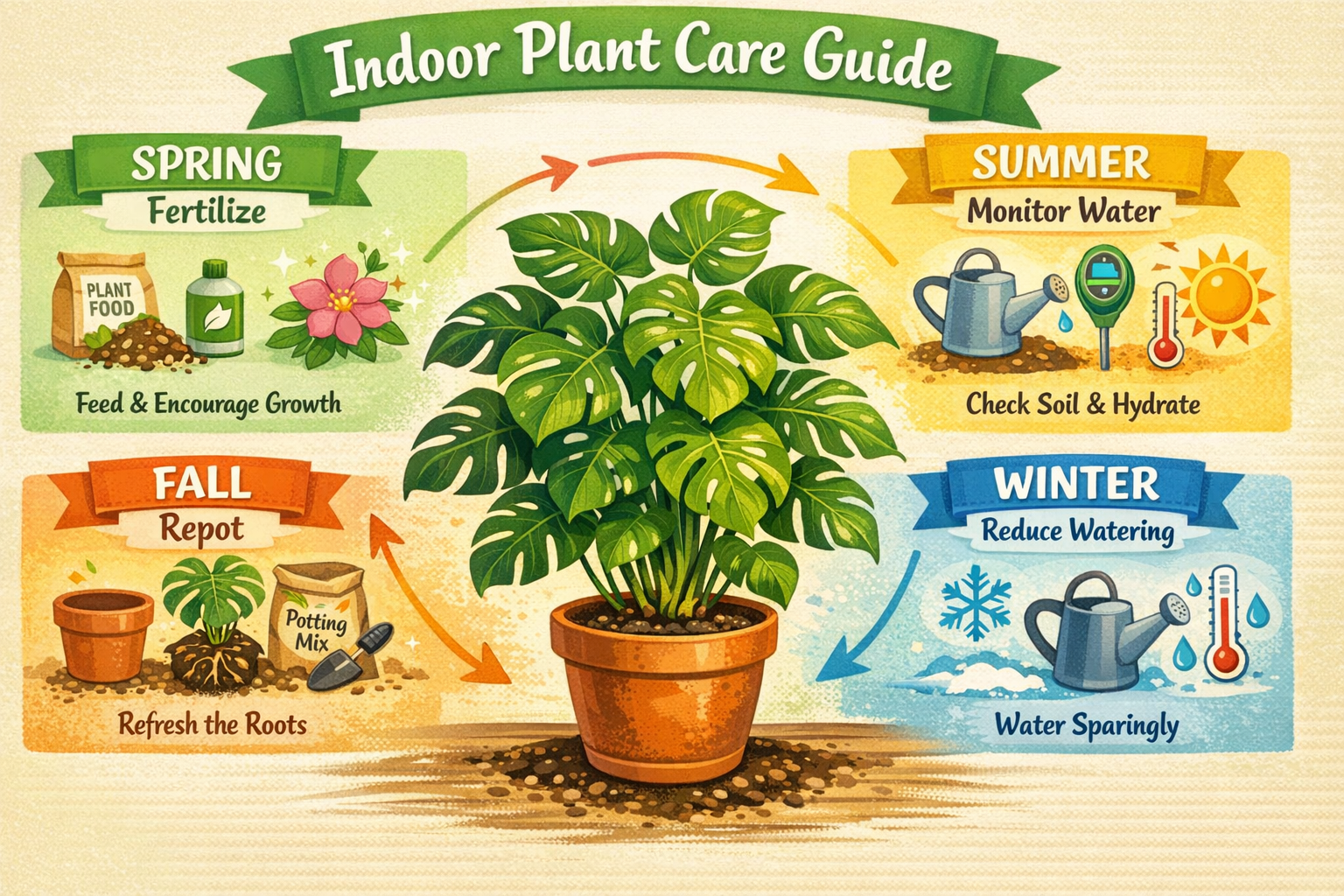
Embarking on the journey of indoor plant care can be incredibly rewarding, transforming your living space into a vibrant, healthy sanctuary. This Indoor Plant Care Guide for 2026 emphasizes that success lies in understanding the fundamental needs of your specific plants: light, water, humidity, and nutrition. Regular observation, timely intervention for pests, and a consistent care routine will ensure your green companions thrive. Don’t be discouraged by occasional setbacks; every plant parent learns through experience. Embrace the process, observe your plants closely, and enjoy the beauty and tranquility they bring into your home.
Actionable Next Steps:
- Assess Your Space: Identify the light conditions (low, medium, high) in different areas of your home.
- Research Your Plants: For each plant you own or plan to acquire, look up its specific care requirements.
- Invest in Essentials: Acquire a good watering can, appropriate potting mix, and optionally a moisture meter or light meter.
- Schedule Care: Set reminders for watering and checking plants, especially during active growing seasons.
- Observe Daily: Spend a few minutes each day looking at your plants to catch issues early.
By following this Indoor Plant Care Guide, you’re well-equipped to cultivate a flourishing indoor garden this year and for many years to come.
Related Reading
- Blog – Fertility & Pregnancy Tips | Ovulation Calculator
- Pregnancy Week Calculator | Track Your Pregnancy Week-by-Week
- Due Date Calculator | Estimate Your Baby’s Arrival Day
FAQ
Q1: How often should I water my indoor plants?
A1: Water when the top 1-2 inches of soil feel dry to the touch for most plants; succulents and cacti need the soil to dry out completely. Always check before watering, as frequency varies.
Q2: What’s the best type of light for most indoor plants?
A2: Most indoor plants prefer bright, indirect light, typically found near an east or west-facing window, or slightly set back from a south-facing window.
Q3: When should I fertilize my indoor plants?
A3: Fertilize indoor plants during their active growing season, usually spring and summer, every 2-4 weeks with a diluted, balanced liquid fertilizer.
Q4: How do I know if my plant needs repotting?
A4: Signs include roots growing out of drainage holes, stunted growth, soil drying out very quickly, or the plant becoming top-heavy.
Q5: What are common signs of overwatering?
A5: Yellowing leaves, wilting despite moist soil, soft and mushy stems, and a foul odor from the soil are common signs of overwatering.
Q6: Can I use tap water for my indoor plants?
A6: Most tap water is fine for plants, but if your tap water is heavily chlorinated or very hard, letting it sit out for 24 hours can help dissipate chlorine, or using filtered water may be beneficial for sensitive plants.
Q7: How can I increase humidity for my plants?
A7: You can increase humidity by misting leaves, using a pebble tray with water, grouping plants together, or using a humidifier.
Q8: What should I do if I find pests on my plant?
A8: Isolate the plant immediately. Wipe off visible pests, then treat with insecticidal soap, neem oil, or an alcohol-soaked cotton swab, depending on the pest.
Q9: Why are my plant’s leaves turning yellow?
A9: Yellow leaves can indicate several issues, including overwatering, underwatering, nutrient deficiencies, insufficient light, or natural aging. Assess your care routine to pinpoint the cause.
Q10: Is pruning necessary for indoor plants?
A10: Yes, pruning dead or yellowing leaves and leggy stems encourages healthier new growth, maintains plant shape, and can prevent disease.
Q11: How do I clean my plant’s leaves?
A11: Gently wipe leaves with a soft, damp cloth to remove dust. This helps with photosynthesis and allows you to inspect for pests.
Q12: What’s the difference between direct and indirect light?
A12: Direct light means sunlight directly hits the plant’s leaves for several hours. Indirect light means the plant receives bright light, but it’s filtered or bounced, not directly shining on the leaves.