Indoor Gardening Without Sunlight
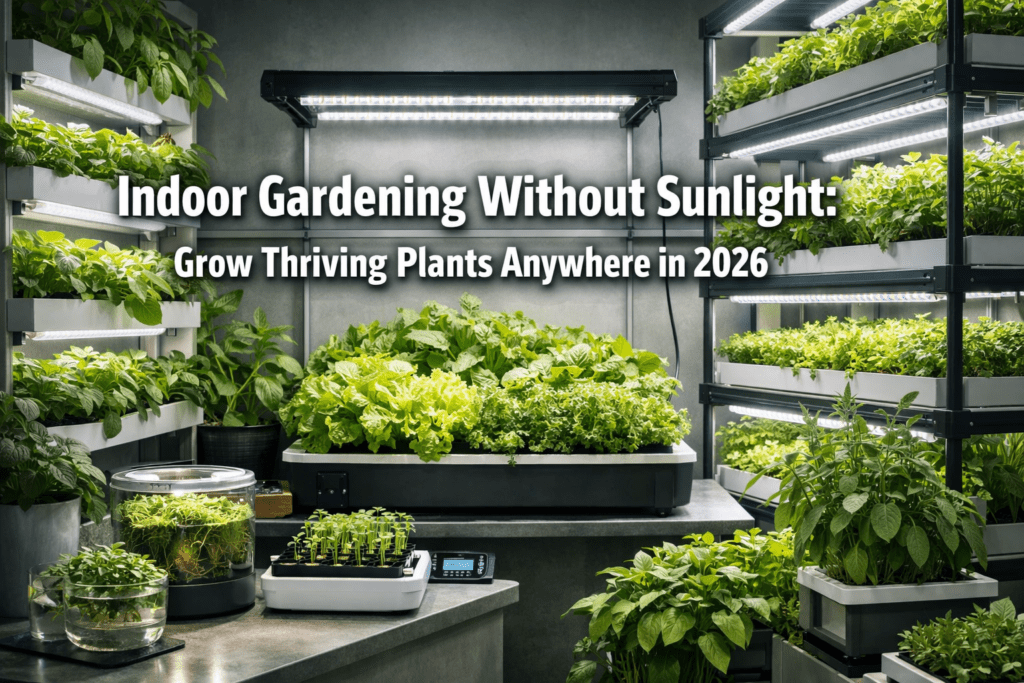
Dreaming of fresh herbs or crisp lettuce year-round, even if your living space lacks bright windows? Indoor gardening without sunlight is not only possible but increasingly accessible in 2026, thanks to advancements in lighting and cultivation technology. This comprehensive guide will equip you with the knowledge and tools to create a flourishing indoor garden, regardless of natural light availability, ensuring you can enjoy homegrown produce and beautiful plants no matter the season or your home’s layout.
Key Takeaways
- Artificial lighting is key: High-efficiency LED grow lights are essential for replicating the full spectrum of natural sunlight, allowing plants to photosynthesize effectively indoors.
- Choose suitable plants: Opt for leafy greens, herbs, and certain compact fruiting plants that thrive under controlled conditions and artificial light.
- Select the right system: Hydroponics, aeroponics, and container gardening with soilless mixes are excellent choices for indoor setups, offering efficiency and cleanliness.
- Monitor environmental factors: Temperature, humidity, and nutrient delivery must be carefully managed to ensure optimal plant growth.
- Initial investment pays off: While setting up an indoor garden requires an upfront cost for equipment, it provides year-round fresh produce and a rewarding hobby.
- Pest and disease control: Indoor environments can reduce outdoor pest issues, but vigilance is still required to prevent common indoor plant problems.
- Sustainability considerations: Energy efficiency of grow lights and water conservation in hydroponic systems contribute to a more sustainable gardening practice.
- Continuous learning: Successful indoor gardening involves ongoing learning and adjustment to plant needs and system performance.
Quick Answer
Indoor gardening without sunlight is fully achievable by utilizing artificial light sources, primarily LED grow lights, to provide the necessary spectrum for plant photosynthesis. Combined with suitable growing systems like hydroponics or aeroponics, controlled environmental factors, and careful plant selection, anyone can cultivate a variety of plants, from herbs and leafy greens to some fruits, regardless of natural light availability in their home.
How Can You Garden Indoors Without Any Natural Light?
You can garden indoors without any natural light by providing plants with full-spectrum artificial illumination that mimics sunlight, primarily using LED grow lights, and by controlling other environmental factors like temperature, humidity, and nutrient supply. Plants require light for photosynthesis, the process by which they convert light energy into chemical energy for growth. When natural light is insufficient or absent, artificial light sources become the sole energy provider.
To successfully implement indoor gardening without sunlight, several components are crucial:
- Grow Lights: The most vital component is a high-quality grow light system.
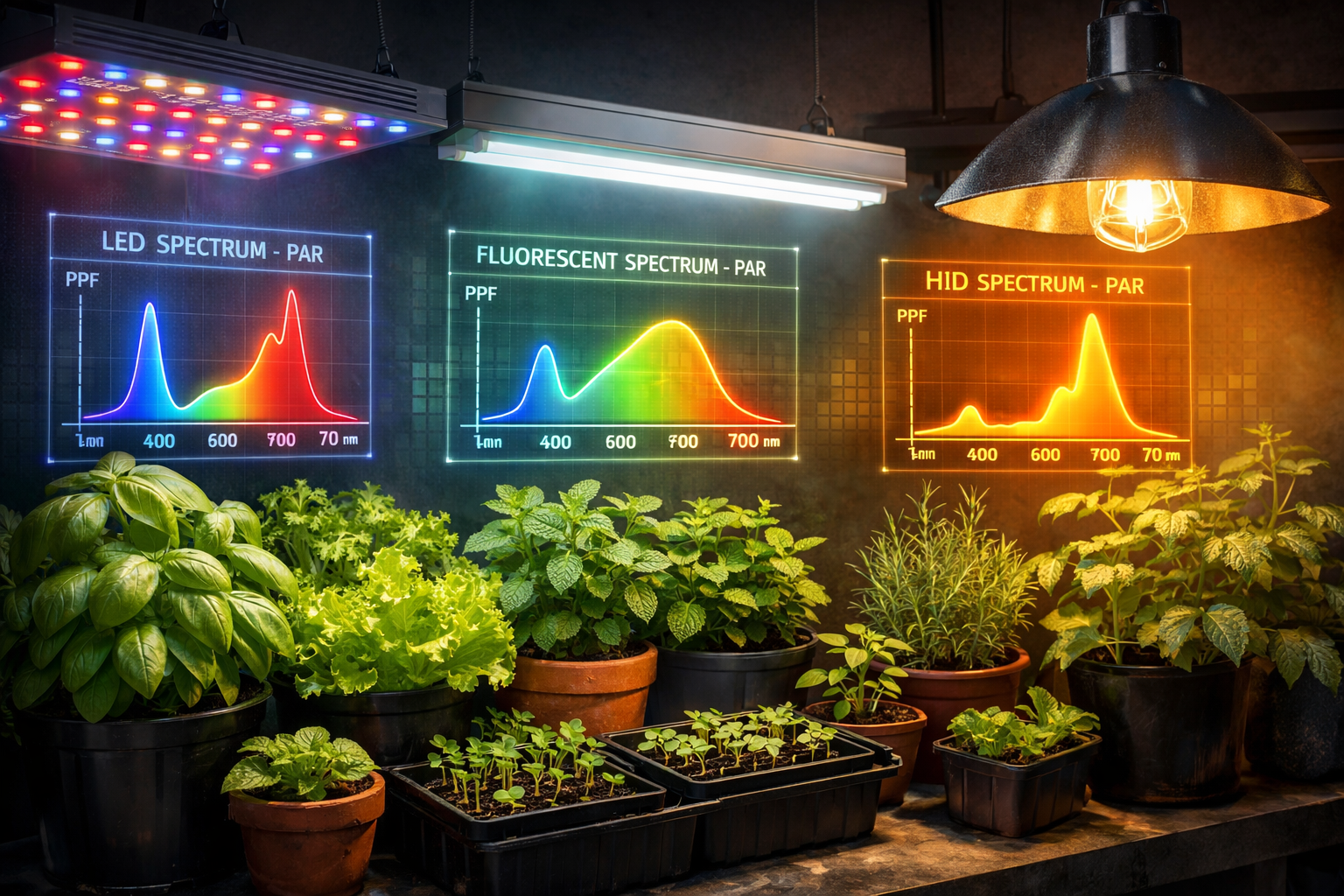
- LED Grow Lights: These are the most popular choice in 2026 due to their energy efficiency, tunable spectrum, long lifespan, and low heat emission. They can be precisely adjusted to deliver the specific wavelengths plants need for different growth stages (e.g., blue light for vegetative growth, red light for flowering).
- Fluorescent Lights (T5/CFLs): More affordable for smaller setups or seedlings, T5s provide good light output with less heat than older fluorescents, though they are less efficient and versatile than LEDs.
- High-Intensity Discharge (HID) Lights (MH/HPS): While powerful, these produce significant heat and consume more energy, making them less ideal for small home setups but still used in larger commercial indoor farms.
- Light Timers: Plants need periods of darkness to rest and carry out other metabolic processes, so a timer to regulate light cycles (e.g., 14-16 hours on, 8-10 hours off for most vegetables) is essential.
- Growing Medium and System:
- Hydroponics: Growing plants in nutrient-rich water without soil. This method is highly efficient, uses less water than traditional soil gardening, and is ideal for controlled indoor environments. Examples include Deep Water Culture (DWC), Nutrient Film Technique (NFT), and Wick Systems.
- Aeroponics: A method where plant roots are suspended in the air and misted with nutrient solution. It’s even more efficient in nutrient and water usage than hydroponics.
- Container Gardening with Soilless Mixes: Using inert media like coco coir, rockwool, or perlite in pots. These provide physical support and excellent drainage while allowing precise control over nutrients.
- Environmental Control:
- Temperature and Humidity: Maintain consistent temperatures suitable for your chosen plants (e.g., 65-75°F or 18-24°C for many edibles) and appropriate humidity levels (often 40-60%).
- Air Circulation: Small fans prevent stagnant air, strengthen plant stems, and help prevent fungal diseases.
- Nutrient Solutions: For hydroponic or soilless systems, a balanced nutrient solution specifically formulated for plants grown under artificial light is critical.
- Monitoring Tools: pH meters, EC/TDS meters (for nutrient concentration), and thermometers/hygrometers help maintain optimal conditions.
Choosing the right grow light is the most critical decision for indoor gardening without sunlight. For beginners, full-spectrum LED panels are often recommended due to their ease of use, efficiency, and broad applicability to various plant types. Ensure the light provides sufficient PAR (Photosynthetically Active Radiation) for the plants you intend to grow.
What Kind of Plants Can You Grow Indoors Without Sunlight?
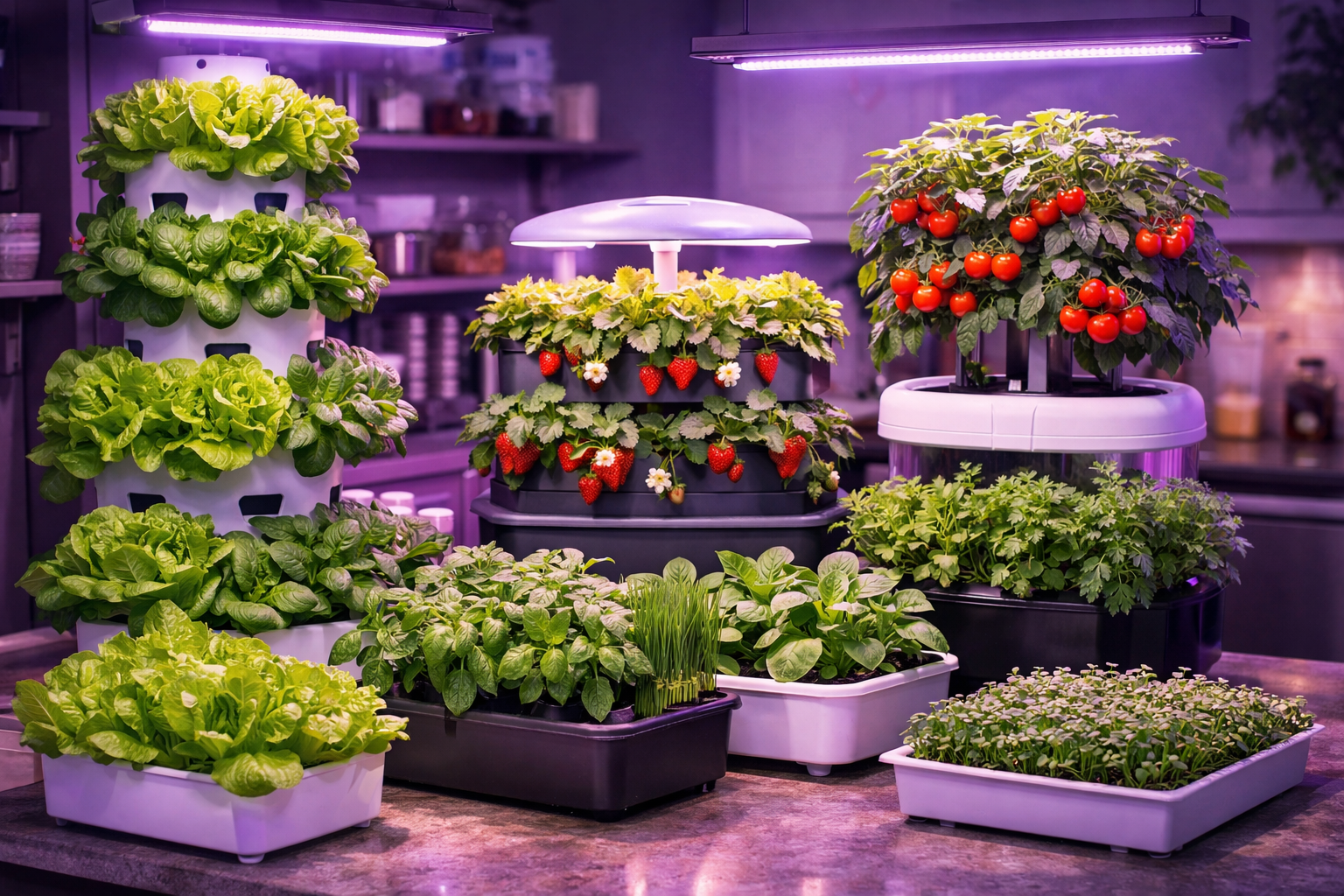
You can grow a surprising variety of plants indoors without direct sunlight, focusing primarily on leafy greens, herbs, and some compact fruiting plants that thrive under controlled conditions and artificial lighting. These plants generally have lower light requirements or adapt well to the consistent, high-quality light provided by modern LED grow systems.
Here’s a breakdown of excellent choices for indoor gardening without sunlight:
- Leafy Greens: These are among the easiest and most rewarding to grow, offering quick harvests.
- Lettuce varieties: Romaine, butterhead, loose-leaf, and even some fancy mixed greens thrive.
- Spinach and Kale: Both are nutrient-dense and grow well, especially if harvested regularly.
- Swiss Chard and Arugula: Fast-growing and flavorful additions to salads.
- Microgreens: Tiny, nutrient-packed greens harvested shortly after sprouting, perfect for quick turnaround and small spaces.
- Herbs: Most common culinary herbs are excellent candidates and offer a continuous supply for your kitchen.
- Basil: Requires significant light but flourishes under LEDs.
- Mint, Oregano, Thyme, Rosemary, Sage: These woody and soft-stemmed herbs adapt well.
- Cilantro and Parsley: Can be a bit more challenging due to bolting, but grow successfully with consistent conditions.
- Fruiting Plants (with caveats): While more challenging than greens or herbs, some compact varieties can produce fruit.
- Strawberries: Everbearing varieties often perform well in hydroponic systems.
- Dwarf Tomatoes: Look for determinate, compact varieties specifically bred for containers or indoor growing. They will require more intense light and possibly pollination.
- Small Peppers: Bell peppers or chili peppers, especially smaller varieties, can be productive.
- Root Vegetables (smaller varieties):
- Radishes: Quick to mature and don’t require deep soil.
- Carrots (round or small varieties): Can be grown in deeper containers.
- Flowers and Ornamentals:
- African Violets, Orchids, Peace Lilies: Many low-light ornamentals can thrive with supplemental grow lighting, often experiencing more robust blooming.
When selecting plants for indoor gardening without sunlight, consider the mature size of the plant and its specific light requirements. For instance, basil and tomatoes will demand more intense light (higher DLI – Daily Light Integral) than lettuce or spinach. Always choose varieties labeled “compact,” “dwarf,” or “container-friendly” to maximize your success in limited indoor spaces. If you’re new to indoor growing, start with easy-to-grow leafy greens and herbs to build confidence before moving to fruiting plants.
What are the Essential Steps to Setting Up an Indoor Garden Without Sunlight?
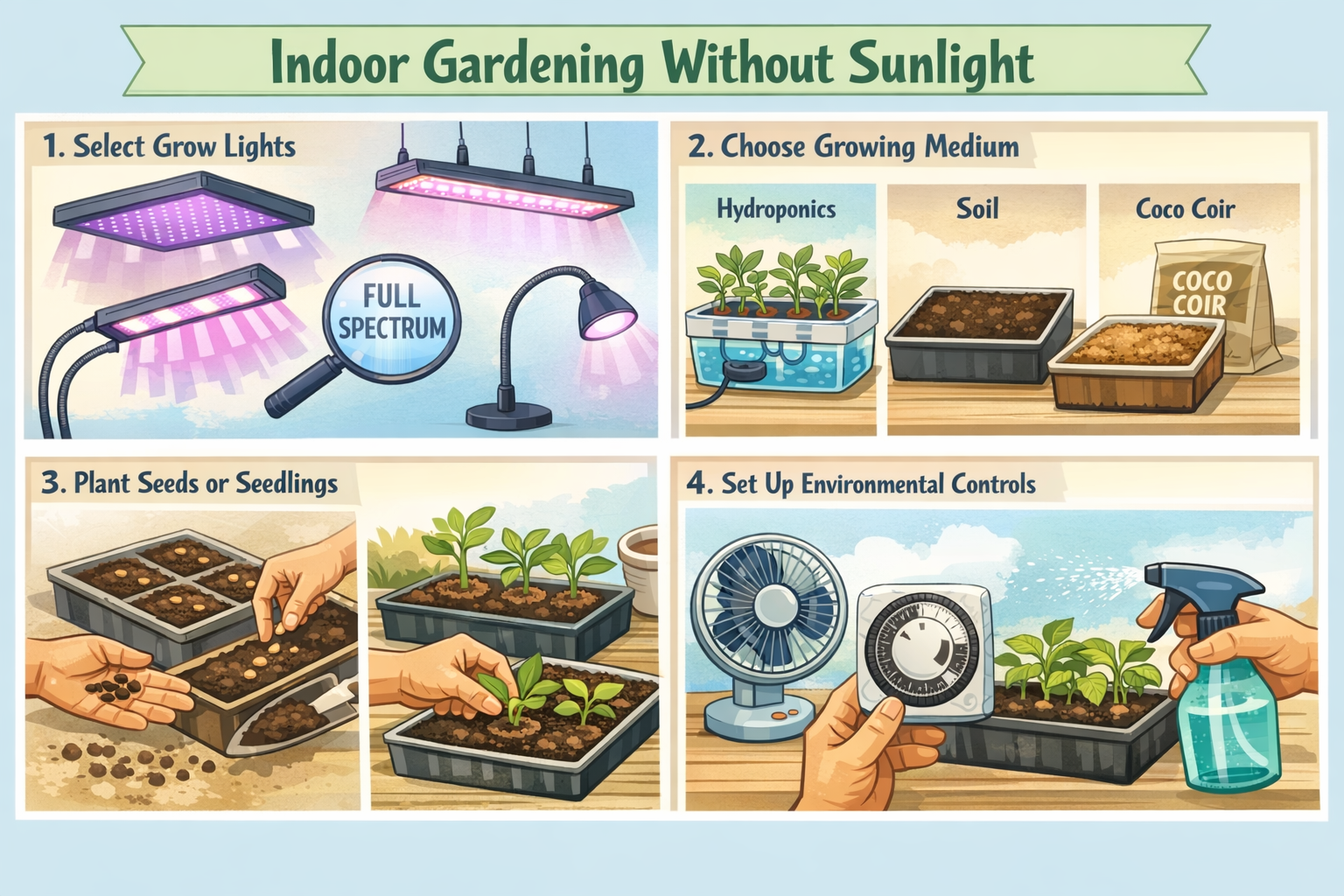
Setting up an indoor garden without sunlight involves selecting the right location, investing in quality artificial lighting, choosing an appropriate growing system, and establishing environmental controls to replicate optimal growing conditions. The process begins with careful planning to ensure long-term success and minimal issues.
Here are the essential steps:
- Choose Your Location:
- Criteria: Select a space that offers stable temperatures, access to electricity, and ideally, a water source nearby. Basements, spare rooms, closets, or even a dedicated shelf in a living area can work.
- Considerations: Ensure the area has good ventilation or you can add a small fan. Humidity control might be necessary. Avoid areas with extreme temperature fluctuations.
- Select Your Growing System:
- Hydroponics (Recommended for Efficiency): Consider a Deep Water Culture (DWC) system for simple setups, or a nutrient film technique (NFT) system for larger arrays of leafy greens. These are water-efficient and eliminate soil-borne pests.
- Aeroponics: A more advanced option for faster growth and excellent oxygenation for roots.
- Container Gardening with Soilless Mixes: Use pots with coco coir, rockwool, or a high-quality organic potting mix (ensure it’s sterile to avoid pests). This is often the most beginner-friendly and cost-effective starting point.
- Vertical Gardening: Utilize shelves or stacked systems to maximize space, especially useful for smaller living areas.
- Invest in Quality Grow Lights:
- LEDs are King: Purchase full-spectrum LED grow lights. Research the PAR (Photosynthetically Active Radiation) output and coverage area to match your growing space and plant types.
- Light Schedule: Use an automatic timer to provide consistent light cycles. Most plants need 12-16 hours of light per day, followed by a period of darkness.
- Mounting: Ensure lights can be adjusted in height as plants grow, typically 6-12 inches above the plant canopy for most LEDs, depending on their intensity.
- Prepare Your Growing Medium and Nutrients:
- Hydroponic Nutrients: If using hydroponics, acquire a complete, balanced nutrient solution designed for the vegetative and flowering stages.
- Soilless Medium: For container gardening, pre-wet your coco coir or other soilless mix.
- pH Testing Kit: Essential for hydroponics and useful for soil. Maintain the ideal pH range (typically 5.5-6.5 for most vegetables) to ensure nutrient uptake.
- Planting Your Seeds or Seedlings:
- Germination: Start seeds in rockwool cubes, coco coir plugs, or seed-starting mix under a humidity dome or cover.
- Transplanting: Once seedlings have a few true leaves, transfer them to your chosen growing system.
- Establish Environmental Controls:
- Air Circulation: Install a small oscillating fan to ensure good airflow, reduce humidity around plants, and strengthen stems.
- Temperature and Humidity Monitoring: Use a thermometer/hygrometer to track conditions and make adjustments with ventilation or a small humidifier/dehumidifier if needed.
- Watering/Nutrient Schedule: Regularly check your water reservoir levels (hydroponics) or soil moisture (containers). Top up nutrient solutions and perform periodic full reservoir changes as recommended by your nutrient manufacturer.
- Monitor and Maintain:
- Regular Checks: Inspect plants daily for signs of nutrient deficiencies, pests, or diseases.
- Pruning: Trim dead or yellowing leaves to encourage new growth and improve air circulation.
- Harvesting: Harvest leafy greens and herbs regularly to encourage continuous production.
A common mistake is underestimating the importance of a proper light schedule; plants need darkness too. For example, if you’re growing lettuce, a schedule of 14 hours of light and 10 hours of darkness is typically effective for robust growth.
What are the Pros and Cons of Indoor Gardening Without Sunlight?
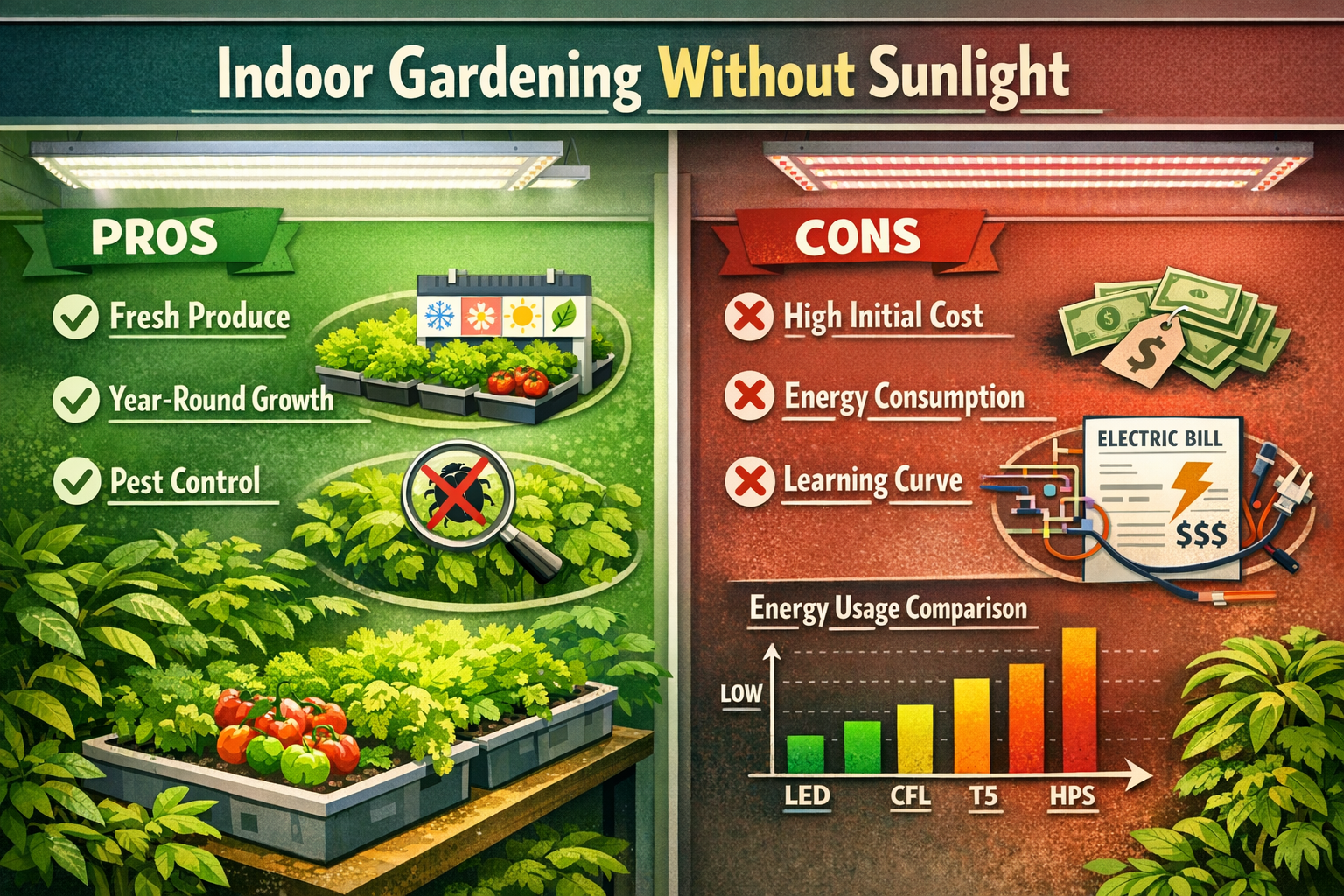
Indoor gardening without sunlight offers distinct advantages like year-round harvests and precise environmental control, but it also comes with drawbacks such as initial setup costs and energy consumption. Weighing these factors is crucial for anyone considering this method of cultivation.
Here’s a comparison of the pros and cons:
Pros of Indoor Gardening Without Sunlight
- Year-Round Growing: The most significant advantage is the ability to grow any plant, any time, regardless of external weather conditions or seasons. This means fresh produce even in winter.
- Optimal Growing Conditions: You have complete control over light, temperature, humidity, and nutrients, allowing you to create the ideal environment for specific plants, often leading to faster growth and higher yields than outdoor gardening.
- Pest and Disease Reduction: By growing indoors in a controlled environment, you significantly reduce the risk of outdoor pests and airborne diseases affecting your plants.
- Space Efficiency: Vertical gardening systems and hydroponics allow you to grow a large number of plants in a small footprint, ideal for urban dwellers or those with limited outdoor space.
- Water Efficiency: Hydroponic and aeroponic systems are significantly more water-efficient than traditional soil gardening, as water is recirculated, reducing waste.
- No Soil Mess (Hydroponics/Aeroponics): These systems eliminate the need for soil, making the indoor environment cleaner and tidier.
- Convenience: Your garden is always accessible, no matter the weather, making daily checks and harvesting easier.
Cons of Indoor Gardening Without Sunlight
- Initial Setup Cost: Investing in quality grow lights, hydroponic systems, ventilation, and monitoring equipment can be expensive upfront.
- Energy Consumption: Grow lights and other environmental controls (fans, pumps) consume electricity, leading to higher utility bills, although modern LED lights are very efficient.
- Technical Knowledge Required: It requires a learning curve to understand plant nutrient requirements, pH balancing, light spectrums, and system maintenance.
- Potential for System Failure: Equipment malfunctions (e.g., pump failure, light timer issues) can quickly harm or kill plants if not addressed promptly.
- Limited Plant Selection (Fruiting Plants): While many herbs and greens thrive, growing larger fruiting plants like tomatoes or cucumbers can be more challenging due to their size, light demands, and pollination needs.
- Lack of Pollination: Fruiting plants typically require manual pollination indoors, as natural pollinators like bees are absent.
- Odor Control (for some plants): Certain plants can produce strong odors that might be undesirable in a living space, requiring additional ventilation or filtration.
- Maintenance Time: While efficient, these systems still require regular monitoring, nutrient solution changes, cleaning, and plant care.
A good rule of thumb: If your primary goal is consistent, fresh leafy greens and herbs, the pros heavily outweigh the cons, especially with modern energy-efficient LED technology. However, if you’re aiming for a large yield of tomatoes or other demanding fruits, prepare for a higher investment in equipment and a steeper learning curve.
FAQ: Indoor Gardening Without Sunlight
1. Do I need special lights for indoor gardening without sunlight?
Yes, you need specialized grow lights, primarily full-spectrum LEDs, which provide the specific wavelengths of light necessary for photosynthesis, mimicking the natural sunlight plants need to thrive.
2. Can I use regular house lamps for indoor gardening?
No, regular house lamps (like incandescent or standard LED bulbs) typically do not emit the correct light spectrum or intensity required for plant growth and photosynthesis, leading to stunted or unhealthy plants.
3. How much electricity does an indoor grow light use?
The electricity usage varies significantly by the type and wattage of the grow light. Modern LED grow lights are much more energy-efficient than older HID lamps, consuming anywhere from 50 to 500+ watts, depending on the coverage area and intensity needed.
4. How long should grow lights be on for plants?
Most plants require 12-16 hours of light per day, followed by 8-12 hours of darkness. The specific duration can vary based on the plant species and its growth stage.
5. What are the best plants for a beginner to grow indoors without sunlight?
Leafy greens like lettuce, spinach, and arugula, along with herbs such as basil, mint, and cilantro, are excellent choices for beginners due to their relatively low light requirements and fast growth.
6. Do indoor plants still need soil if they don’t have sunlight?
Not necessarily. While some indoor growers use soilless mixes in containers, many successful indoor gardens without sunlight utilize hydroponic (water-based) or aeroponic (air-based) systems that do not require soil.
7. How do I fertilize plants in an indoor garden without sunlight?
For hydroponic or aeroponic systems, you use a liquid nutrient solution mixed into the water. For soilless container gardening, you’ll use specific liquid or slow-release fertilizers formulated for container plants.
8. How do I prevent pests in an indoor garden?
Maintain cleanliness, inspect plants regularly for signs of pests, use sterile growing media, ensure good air circulation, and consider introducing beneficial insects if an outbreak occurs.
9. Is indoor gardening without sunlight expensive?
The initial setup can be an investment (grow lights, system, environmental controls), but the long-term cost can be offset by fresh produce and the enjoyment of the hobby. Energy costs are an ongoing consideration.
10. Can I grow fruiting plants like tomatoes indoors without sunlight?
Yes, but it’s more challenging. You’ll need higher intensity grow lights, more precise nutrient management, and manual pollination. Choose compact, determinate varieties specifically bred for indoor growing.
11. What is the ideal temperature for an indoor garden?
Most common edible plants thrive in temperatures between 65-75°F (18-24°C), but this can vary slightly depending on the specific plant species.
Conclusion
Indoor gardening without sunlight is a practical and rewarding endeavor in 2026, made highly accessible by continuous innovations in LED grow light technology and efficient cultivation systems. By understanding the core principles of artificial lighting, selecting appropriate plants, and managing key environmental factors, anyone can cultivate a thriving indoor garden, enjoying fresh produce and lush greenery year-round. While there’s an initial investment and a learning curve, the benefits of controlled growing environments, reduced pest issues, and consistent harvests make it a worthwhile pursuit for urban gardeners, culinary enthusiasts, or anyone looking to connect with nature from the comfort of their home. Start small with easy-to-grow herbs or leafy greens, and gradually expand your system as your knowledge and confidence grow. The future of sustainable, personal food production is right within your reach.
Related Reading
- Blog – Fertility & Pregnancy Tips | Ovulation Calculator
- Easy Ovulation Calculator | Find Your Most Fertile Days Fast
- Fertile Window Calculator | Find Your 6-Day Conception Window
- BBT Chart Tool | Track Your Basal Body Temperature for Ovulation
- Ovulation Symptoms Checker – Am I Ovulating Today? | Free Quiz